



The emerging “anti-slop” trend reflects a backlash against AI-generated visuals, which critics say often feel overly smooth, uncanny, and detached from human labour. Instead, creatives are turning to analogue techniques and unpolished, DIY-inspired design choices as a way of reasserting human authorship in visual culture.
At industry events in the US promoting generative AI tools, technology advocates have highlighted how quickly campaigns can now be produced using artificial intelligence. Rob Wrubel, co-founder of ad firm Silverside, pointed to significantly shortened production timelines enabled by AI systems, though some outputs have faced criticism for lacking authenticity and emotional depth.
Concerns also extend to how AI models are trained on vast datasets that include existing creative work. Photographer and designer Michael Schmelling, whose work features intentionally scribbled, hand-drawn-style covers and artwork, says the shift is already visible in the creative sector.
“This AI stuff has just been rammed down our throats,” he said. “AI is everywhere. And all of a sudden there’s a backlash.”
He also criticised the economic model behind generative AI, arguing that it often benefits from artists’ work without fair compensation.
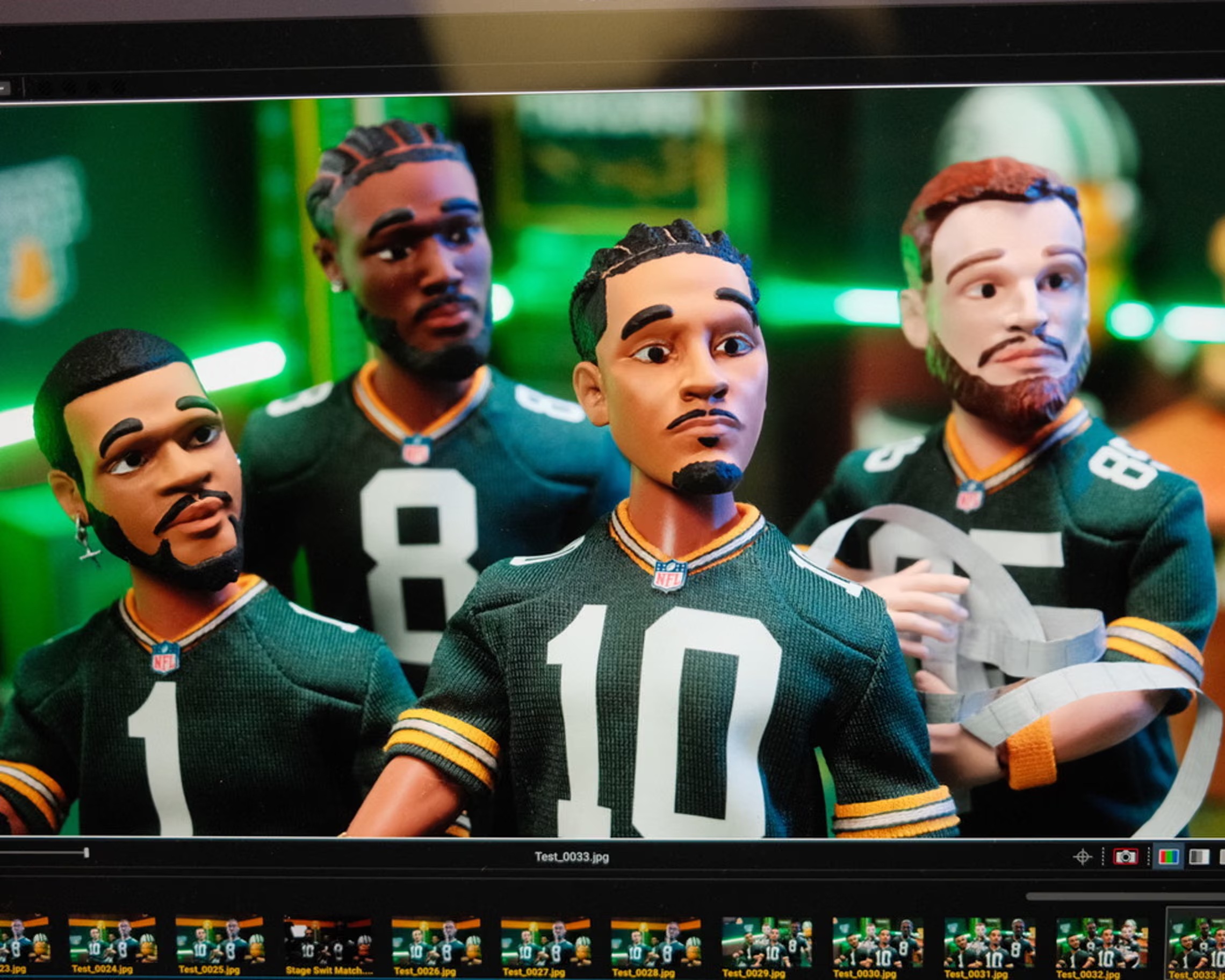
A similar emphasis on human-made craft can be seen in stop-motion advertising work by Stoopid Buddy Stoodios for the Green Bay Packers in the US, which used physical models and frame-by-frame animation instead of digital generation.
Co-founder John Harvatine IV said: “We do everything here by hand.” He added that audiences responded strongly to the visible craftsmanship behind the project.
While the studio does use some digital tools, it prioritises physical production over automated creation, a contrast that has resonated with audiences amid growing debate over AI-generated media.
Observers say the shift echoes earlier technological disruptions in art history. The rise of photography in the 19th century, for instance, pushed painters toward movements such as impressionism and surrealism rather than strict realism. Some analysts suggest AI may be triggering a similar redefinition of creative value today.
Still, some creatives remain cautious about the durability of the trend. As journalist John Semley notes, there may eventually be a “backlash to the backlash” as AI tools become further embedded in everyday creative workflows.
For now, however, the divide is increasingly visible: while AI accelerates polished production in global advertising and media hubs, a growing counter-movement is reasserting imperfection, texture, and the unmistakable mark of human creation.
Loading comments...
Leave a comment