



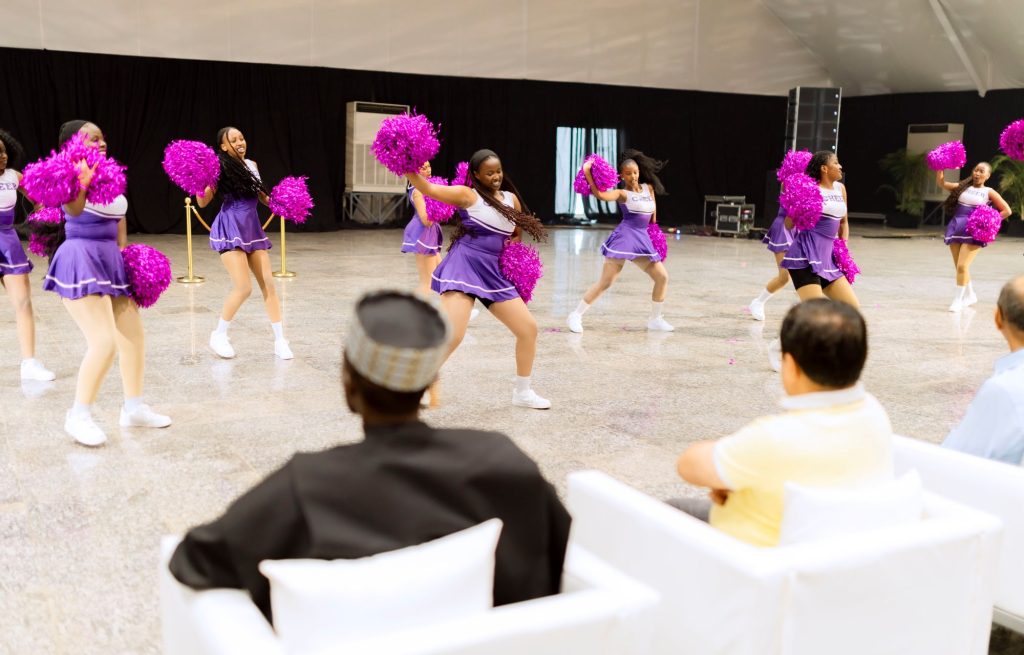
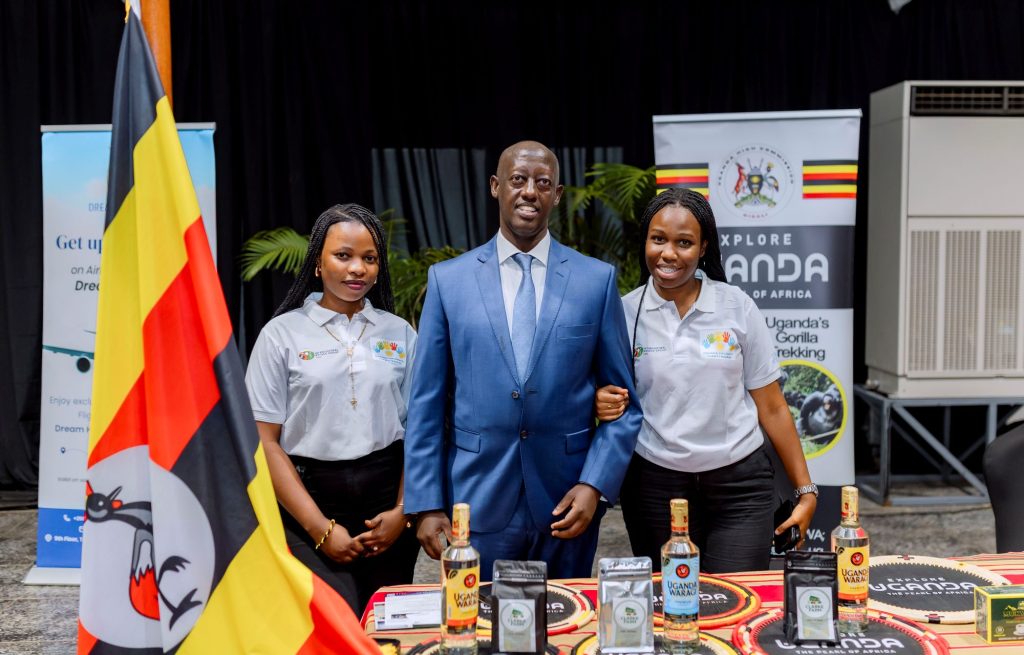
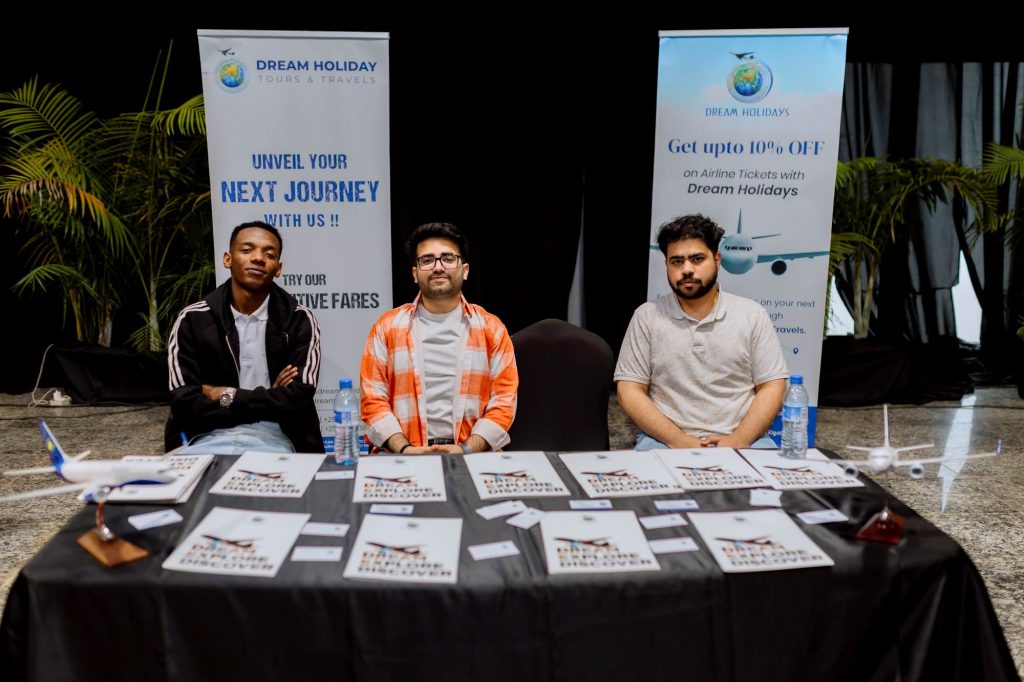
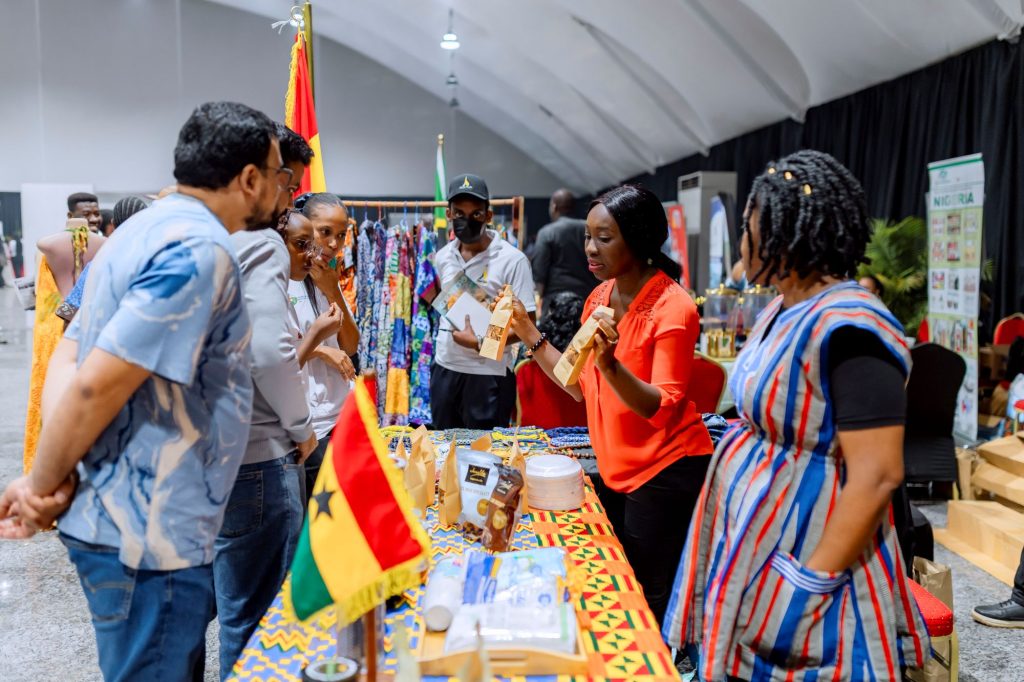
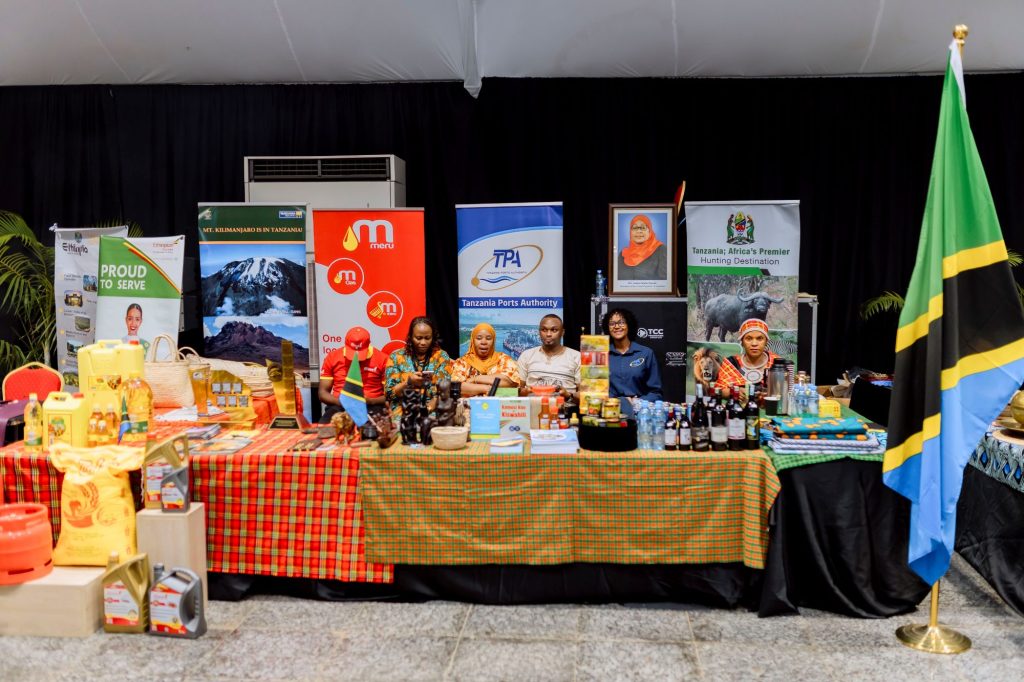
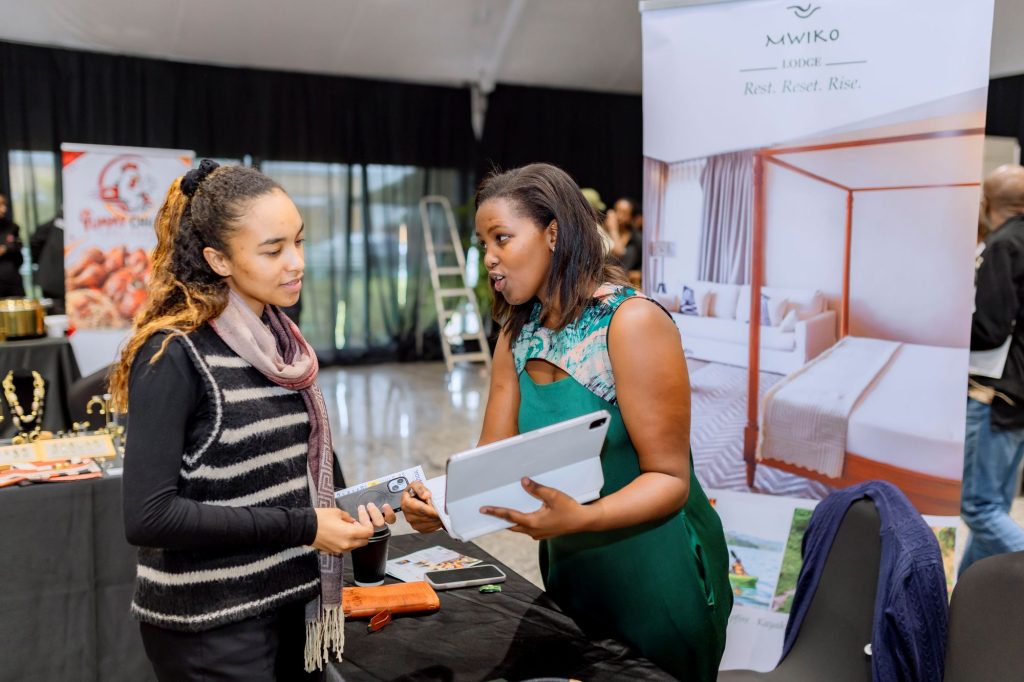
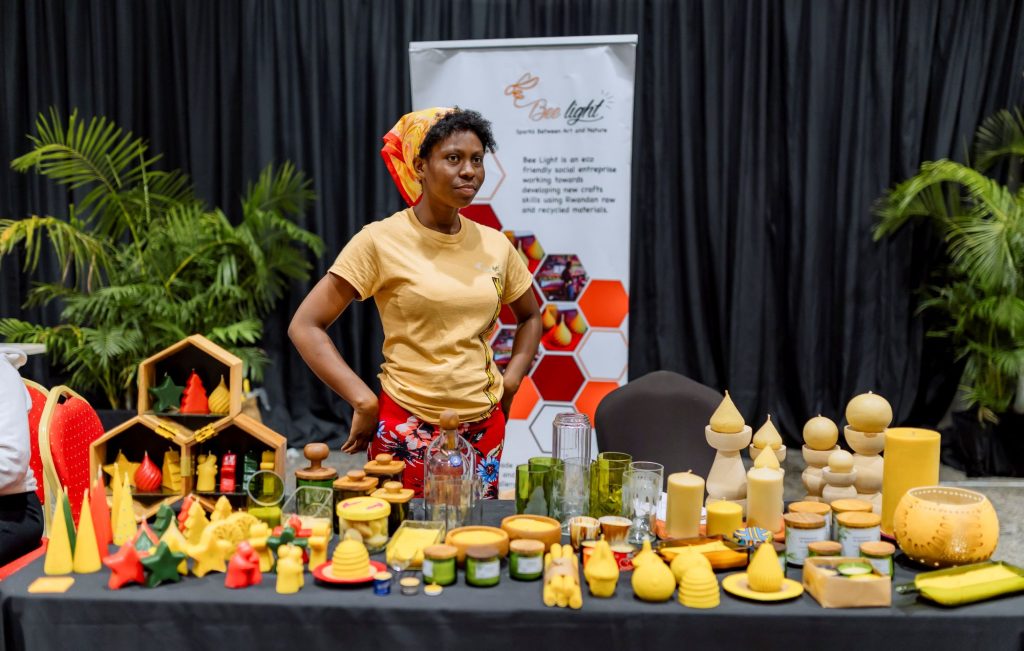
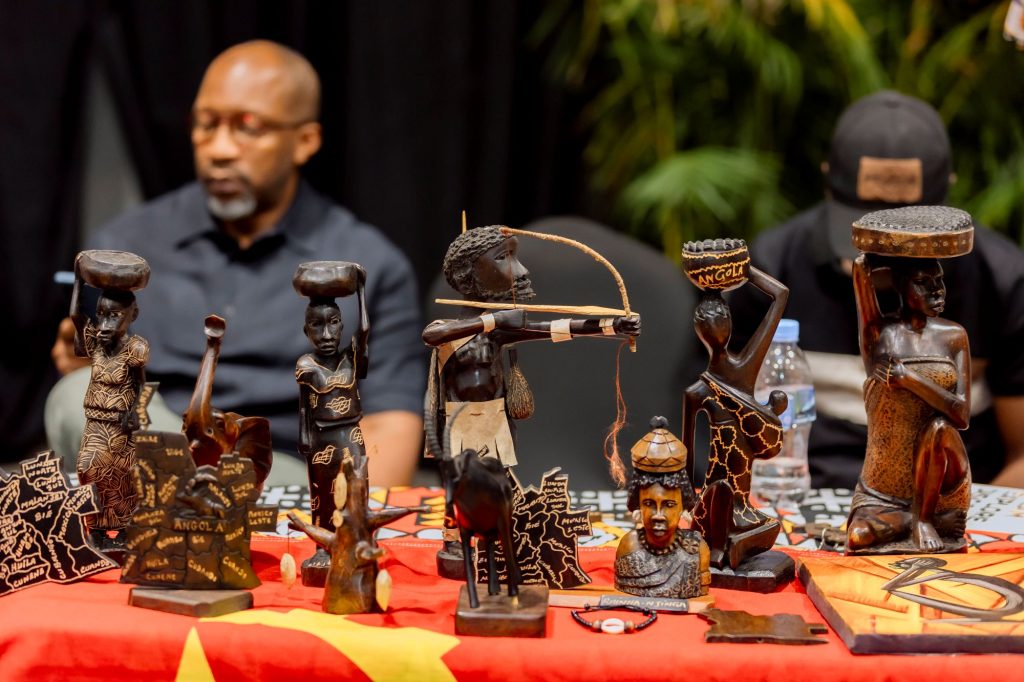
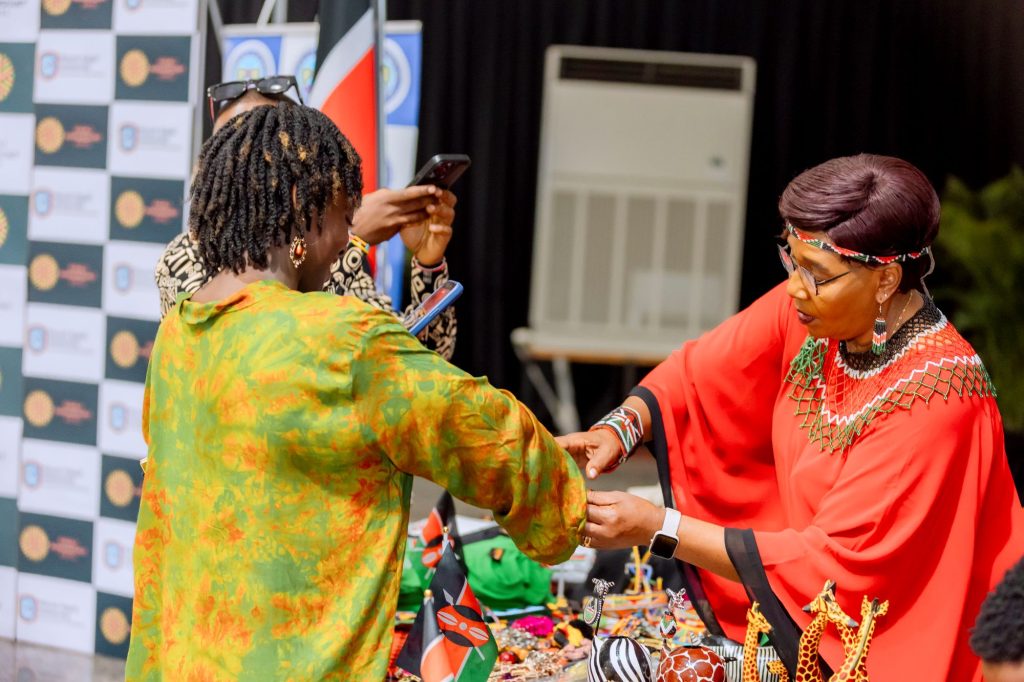
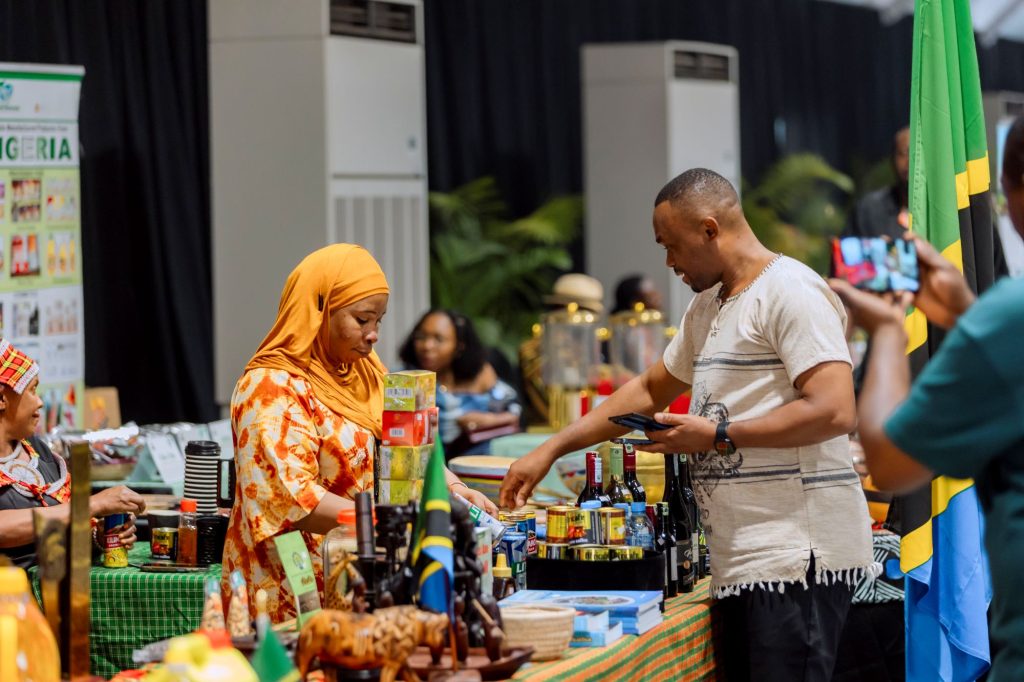
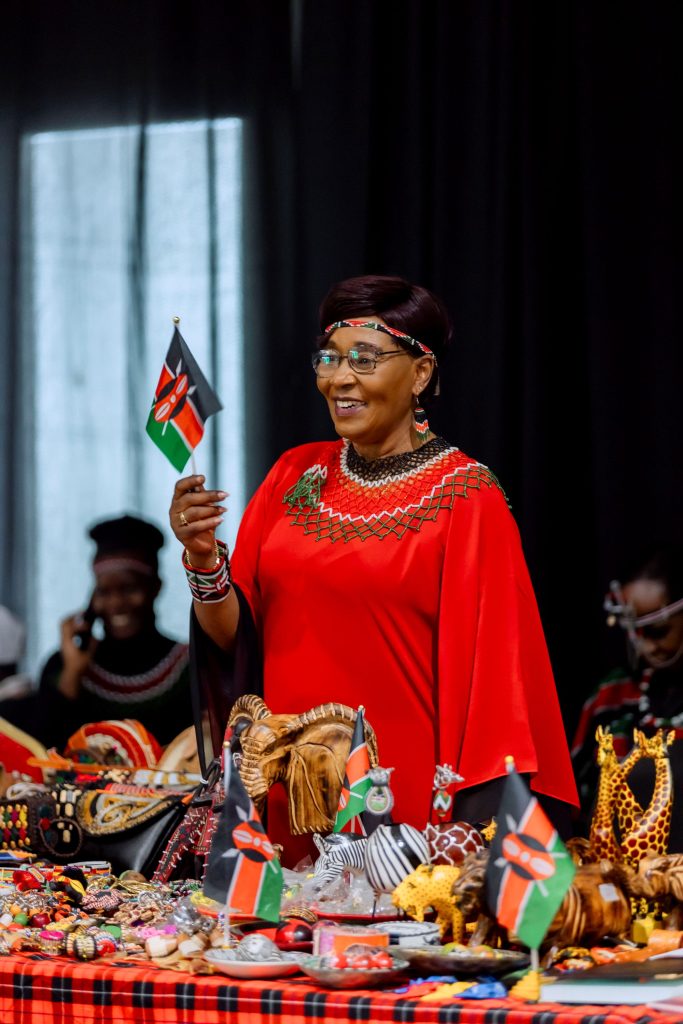
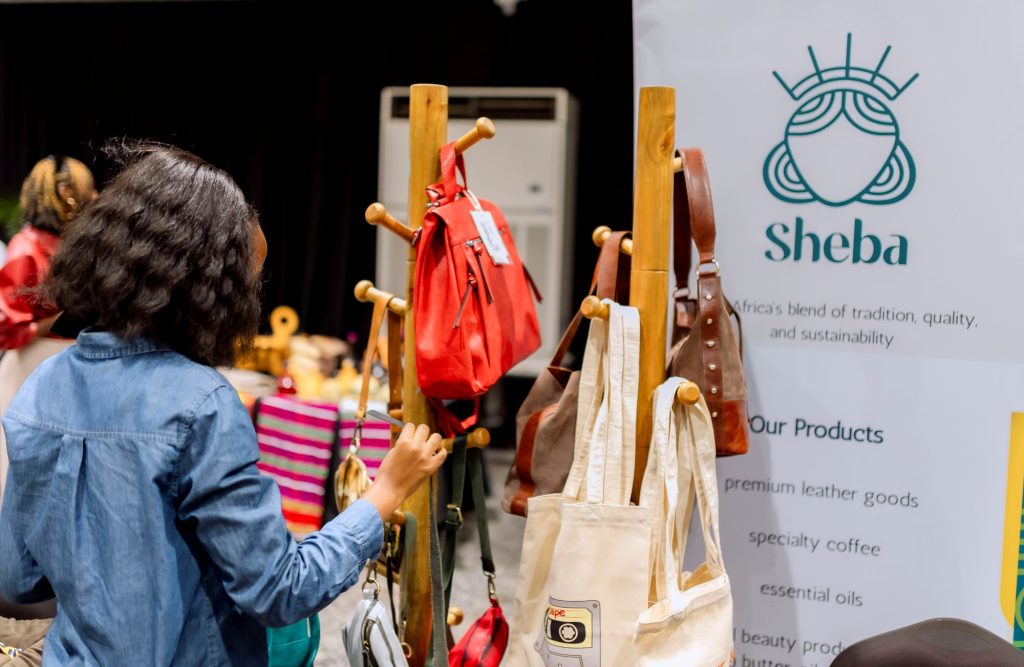
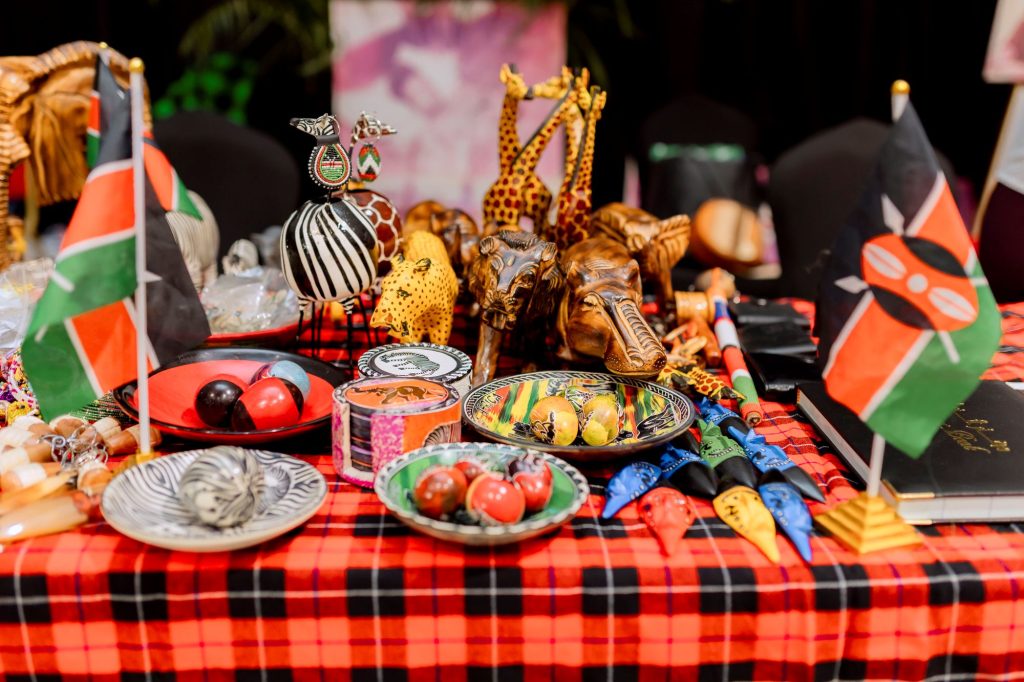
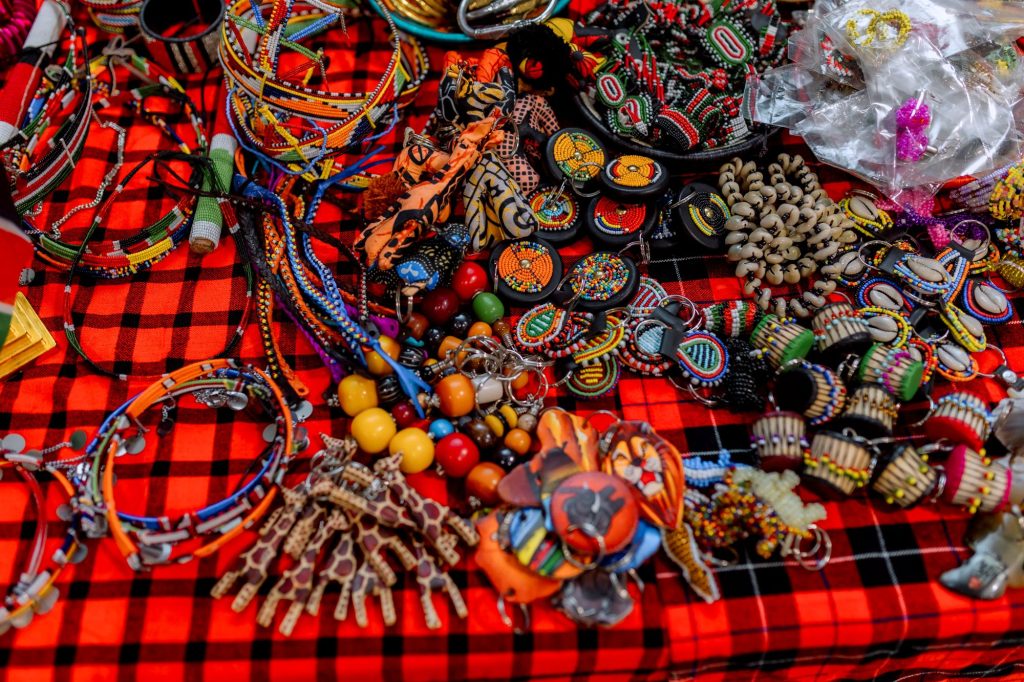
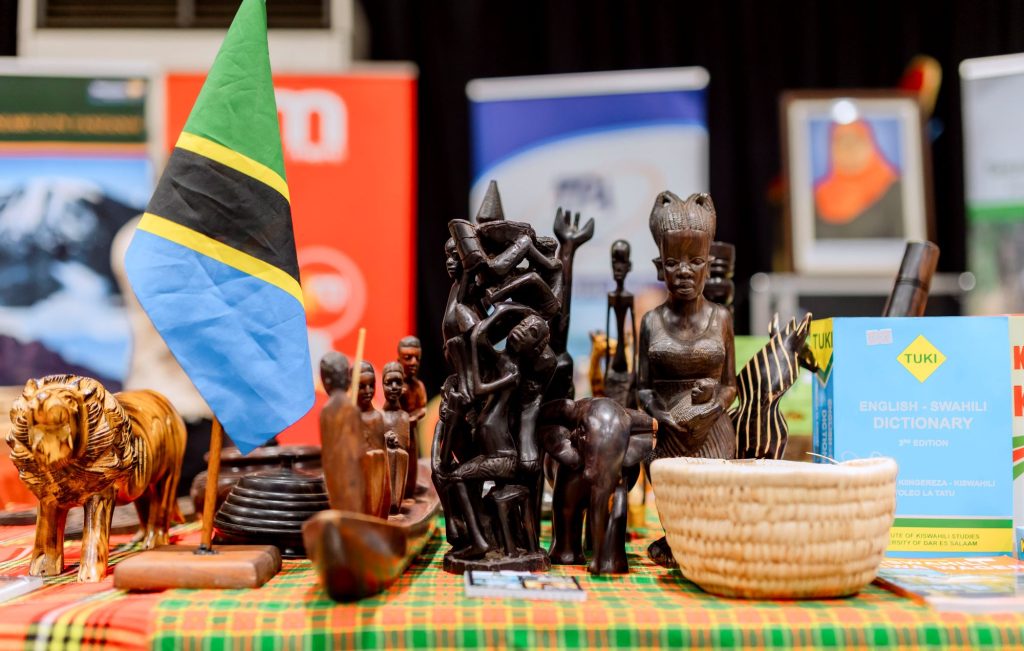
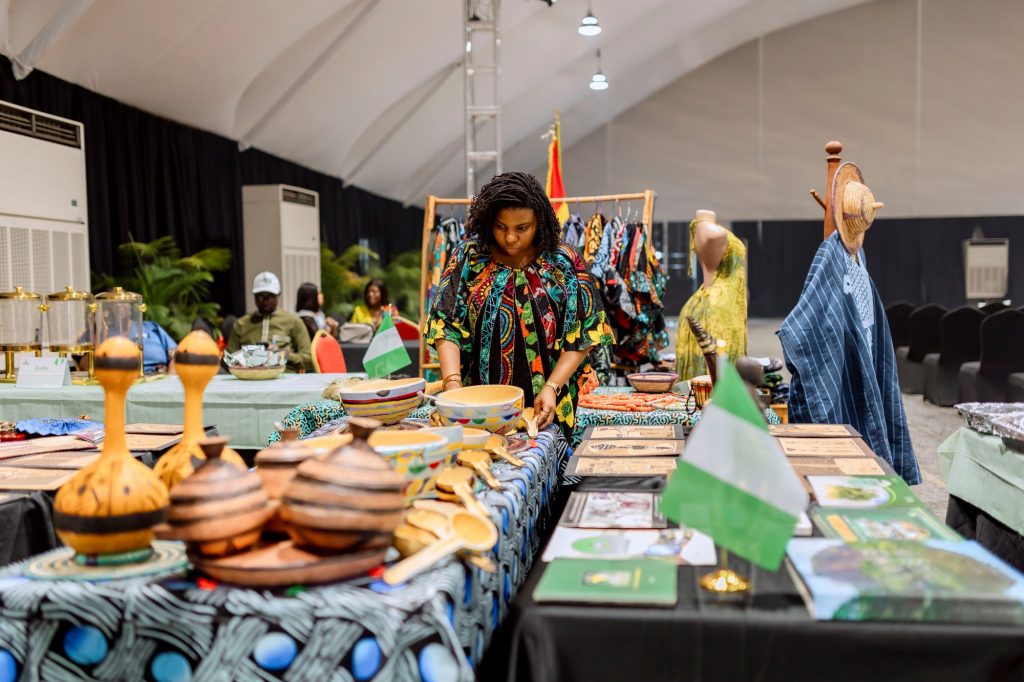
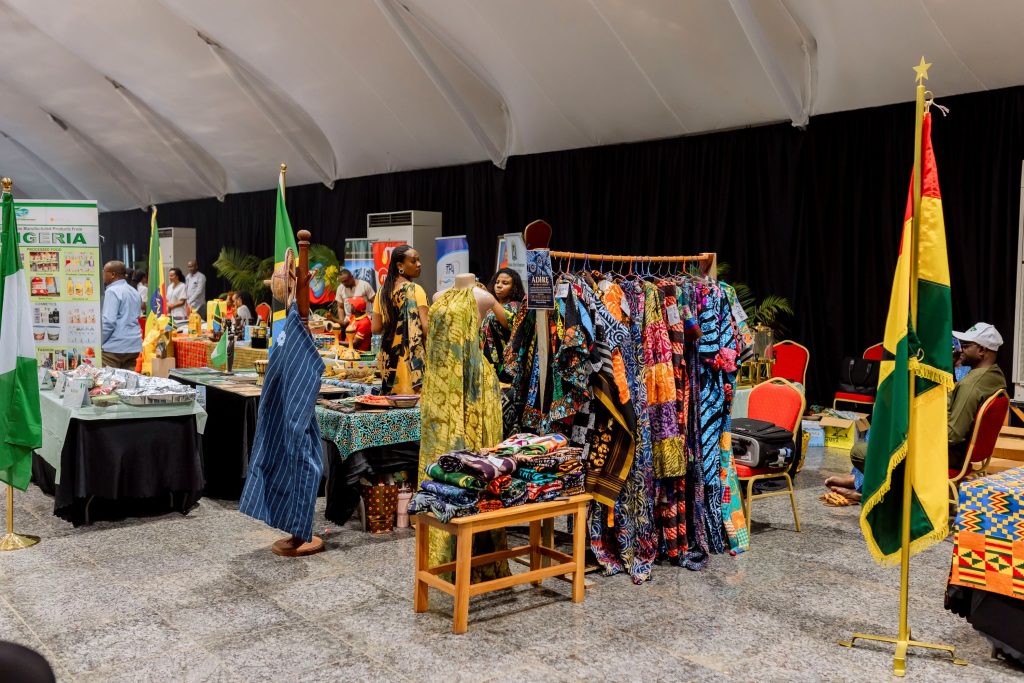
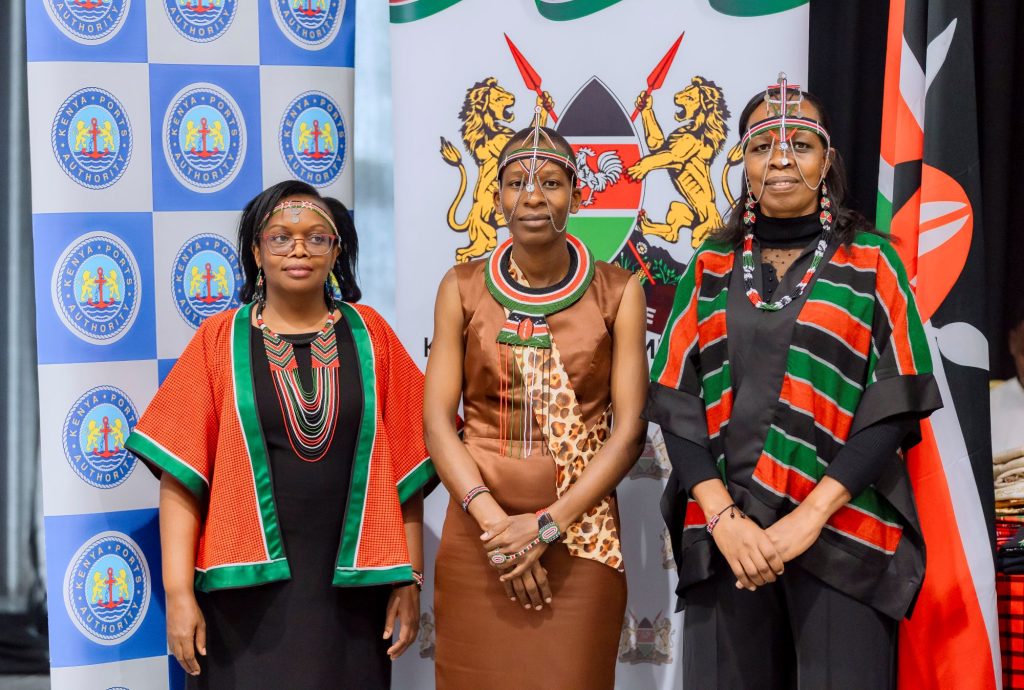
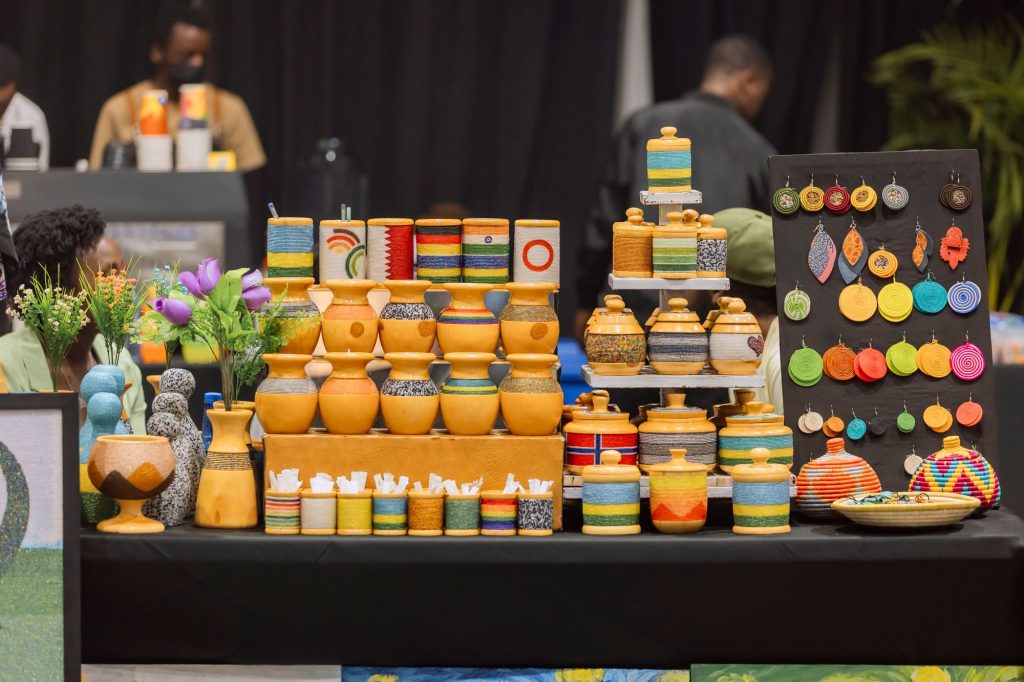
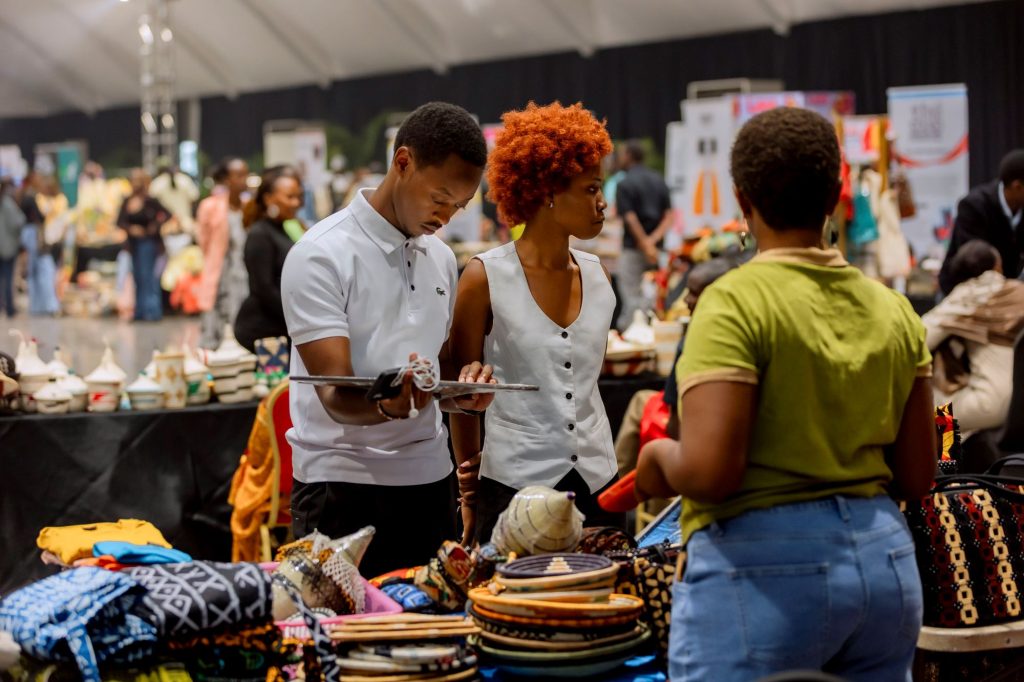
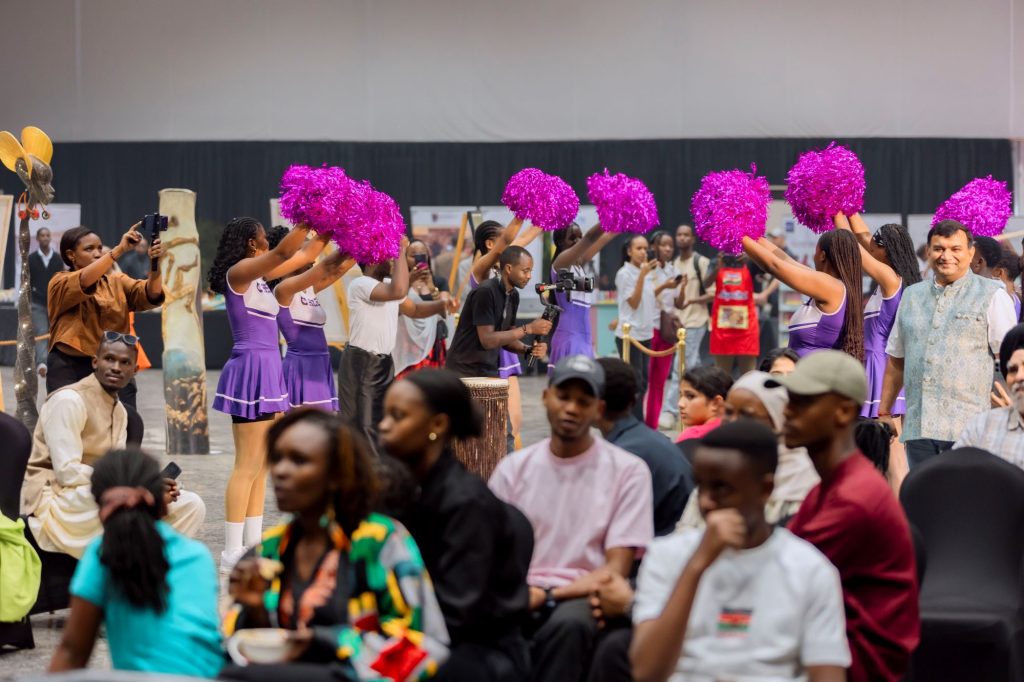
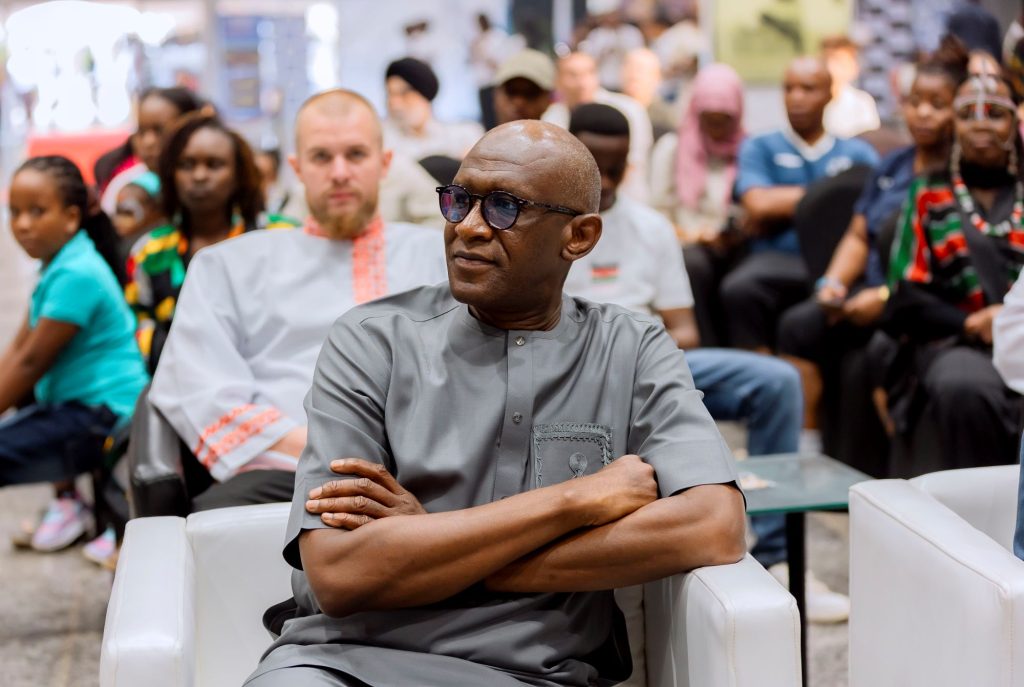
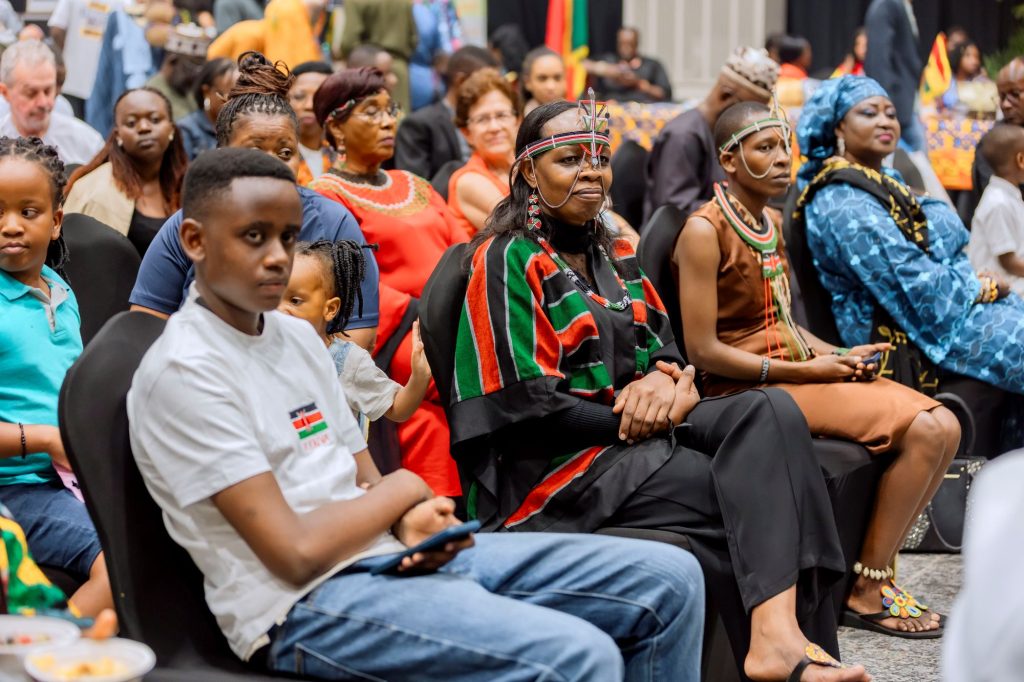
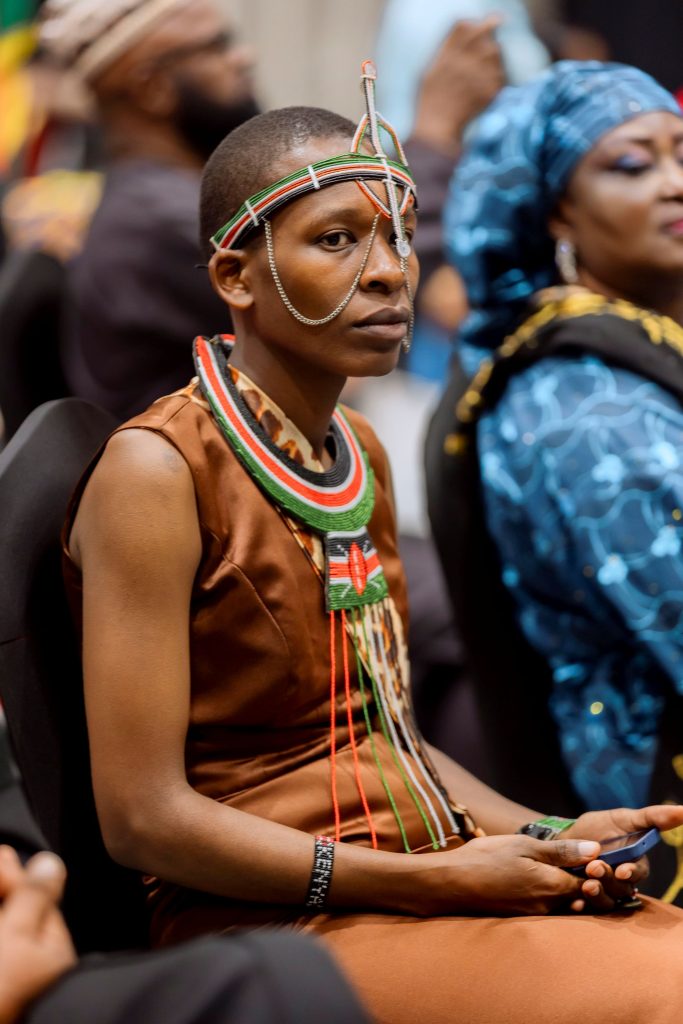
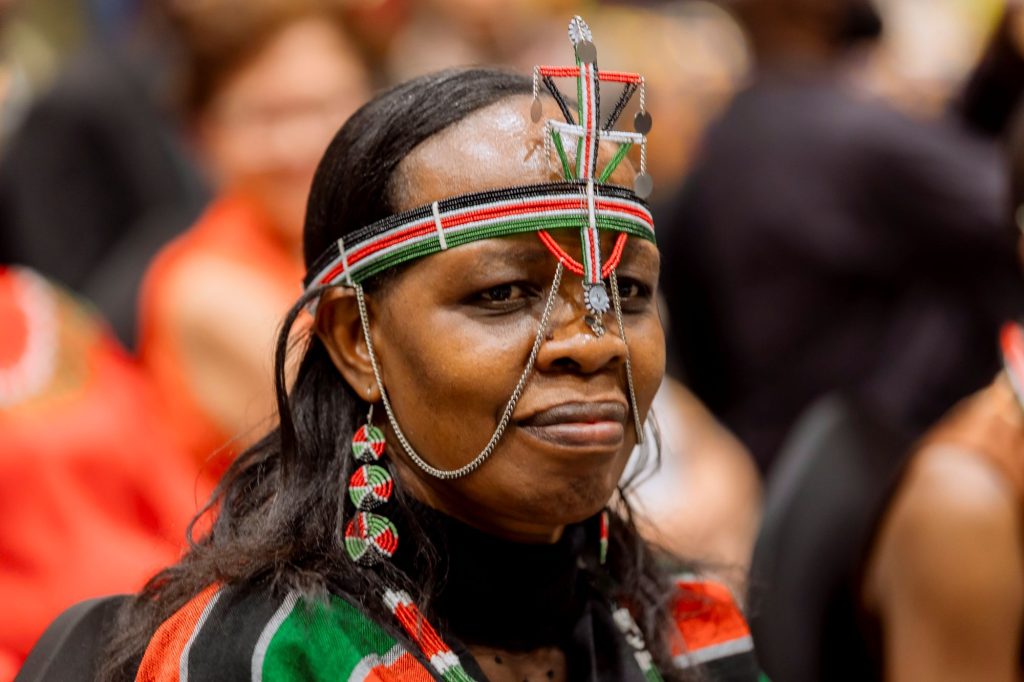
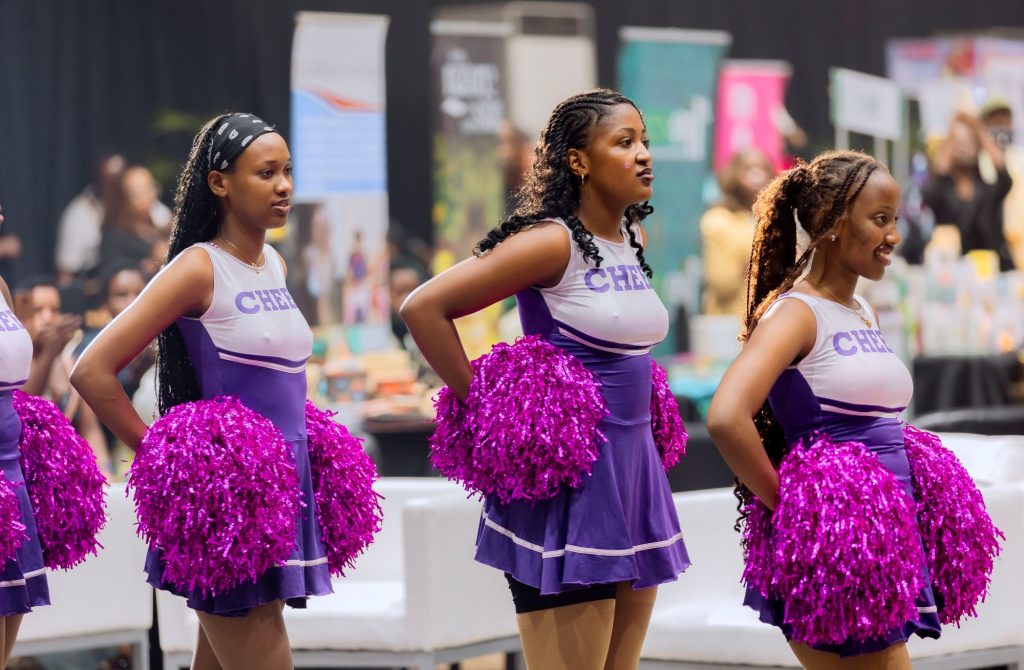
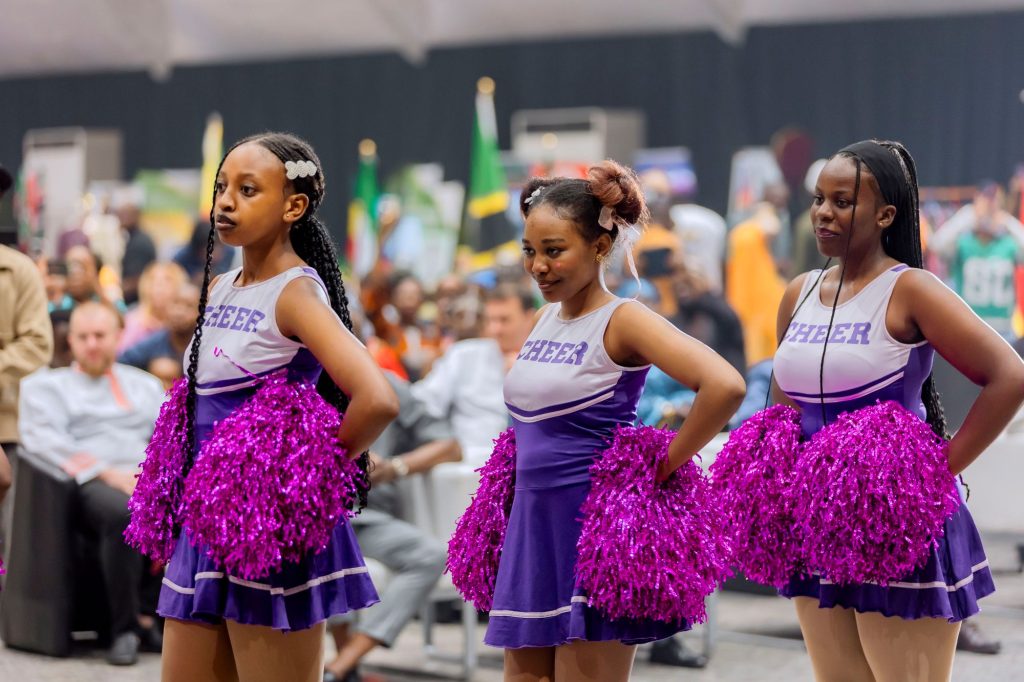
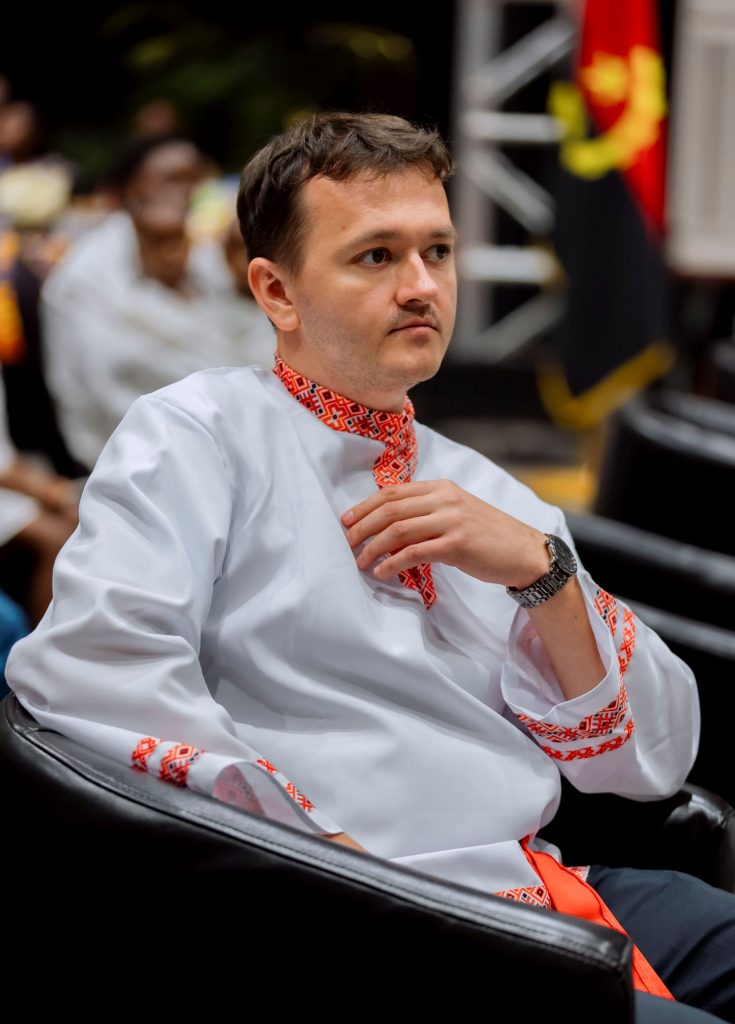
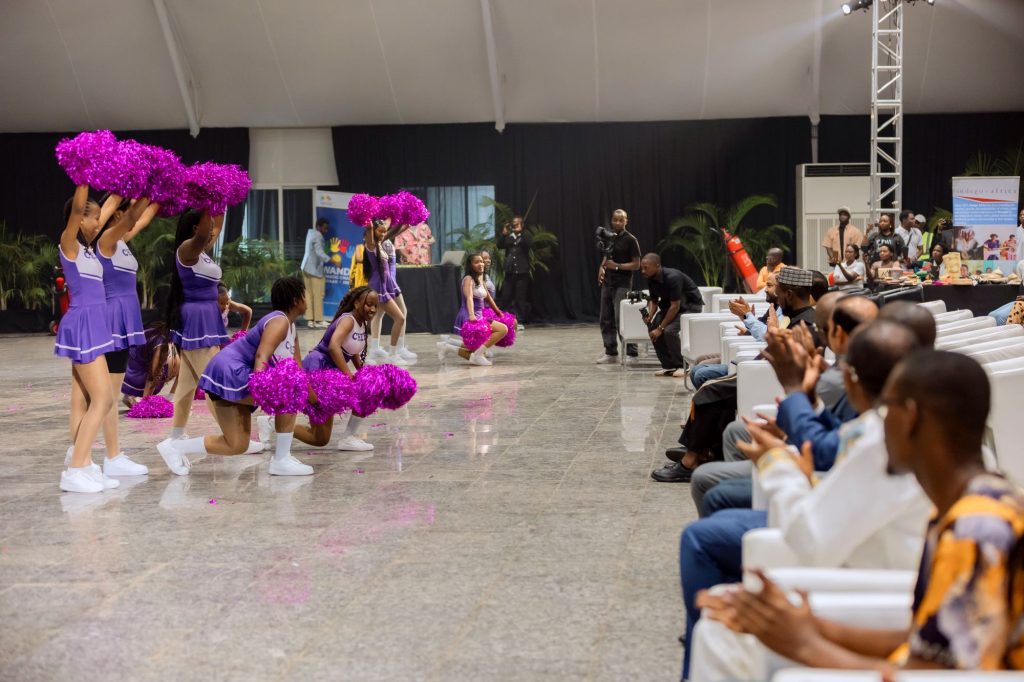
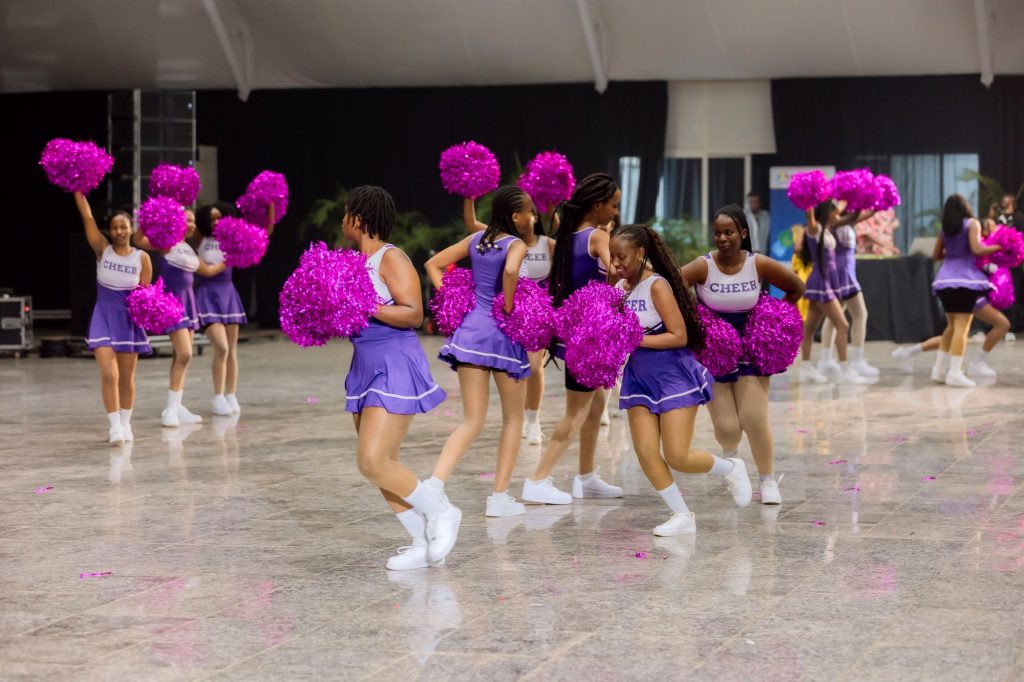
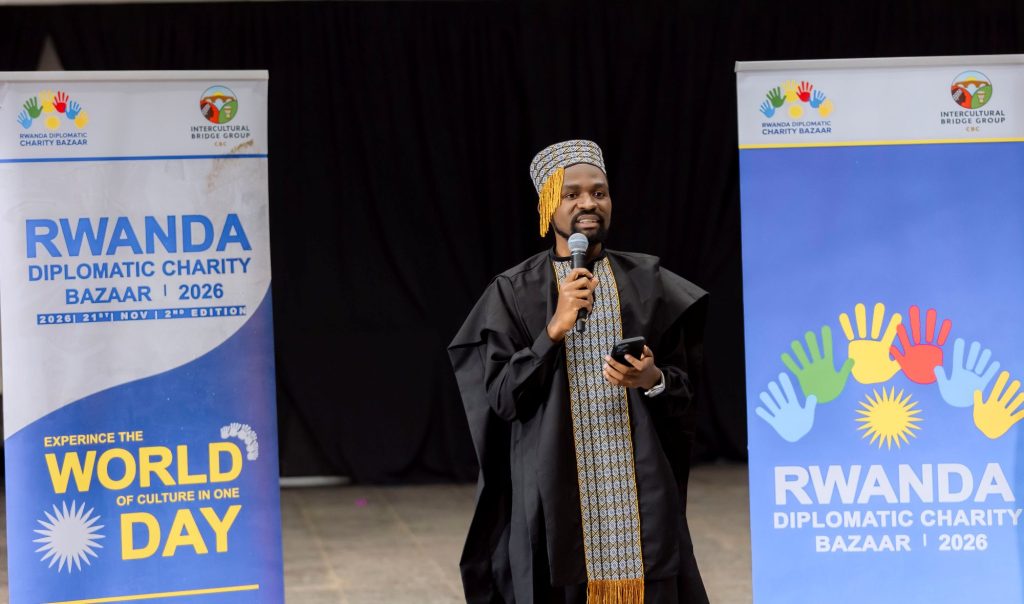
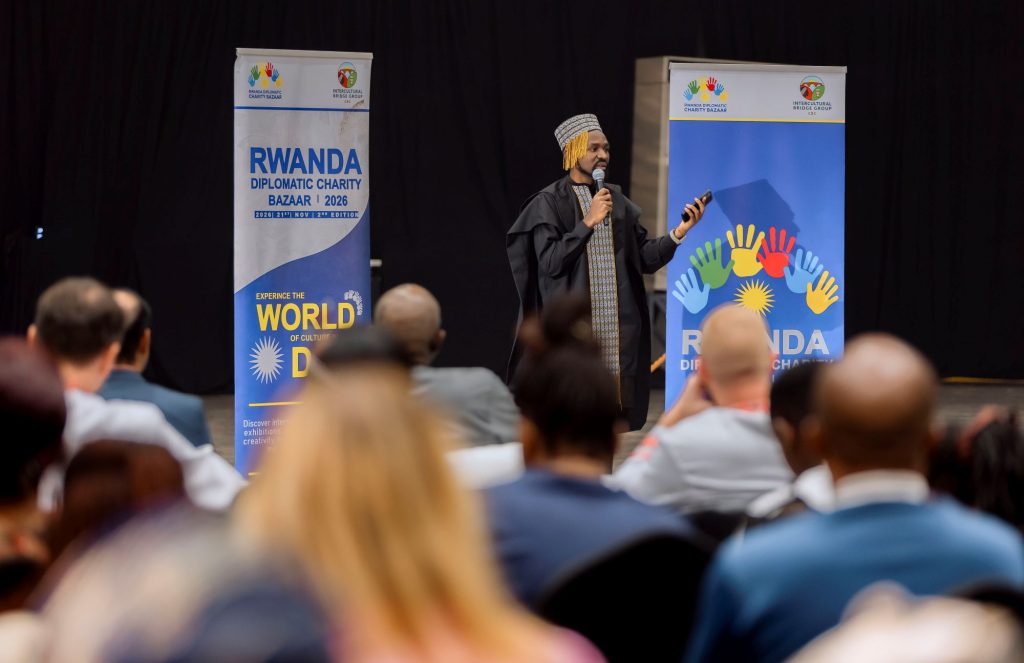
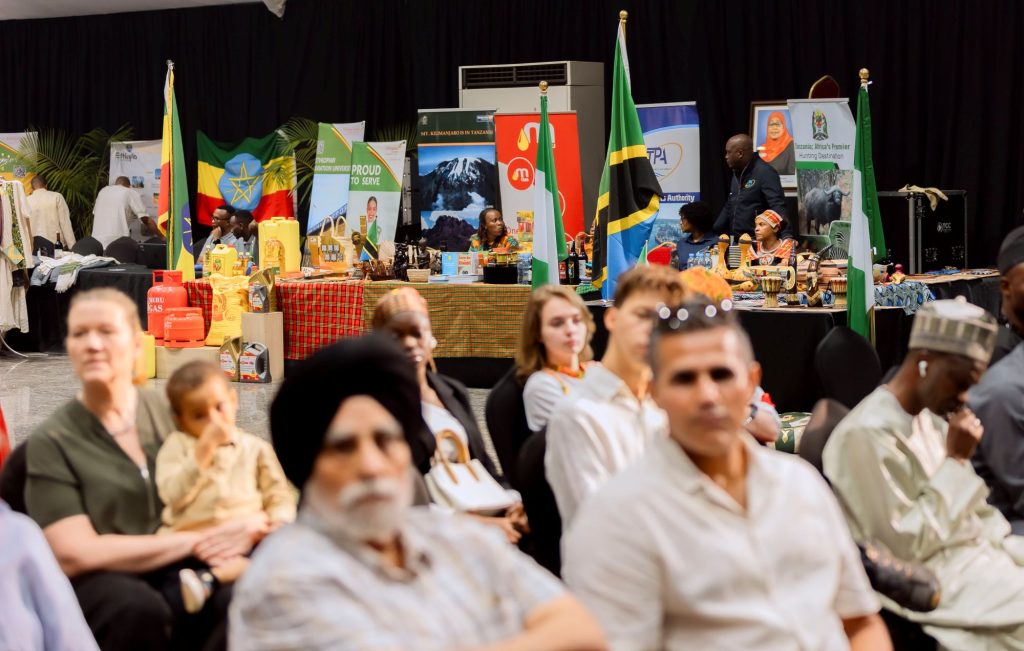
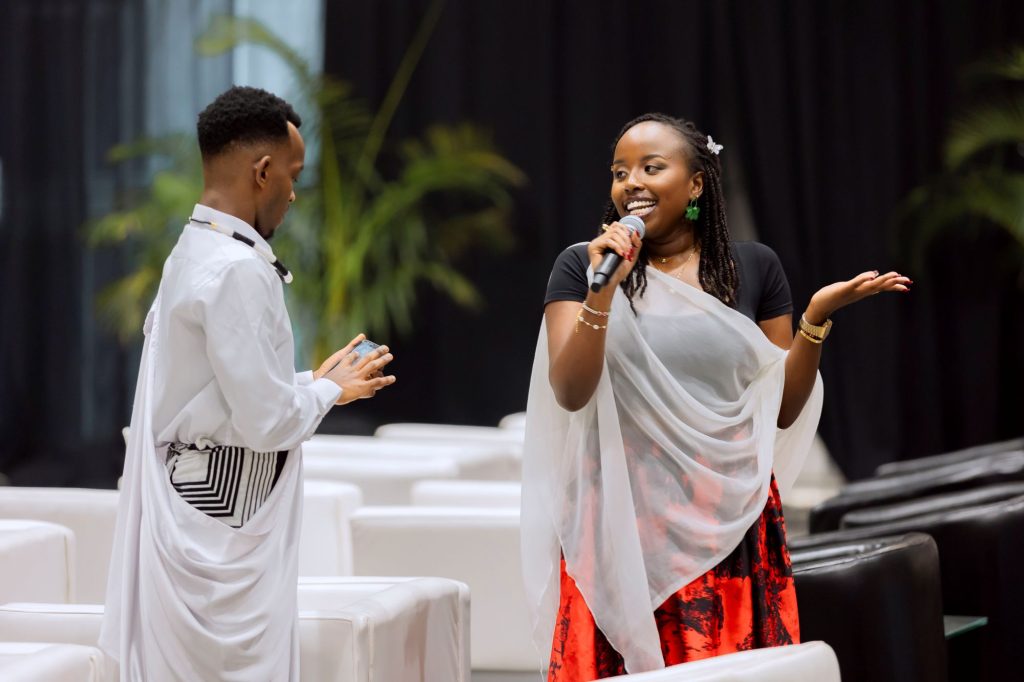
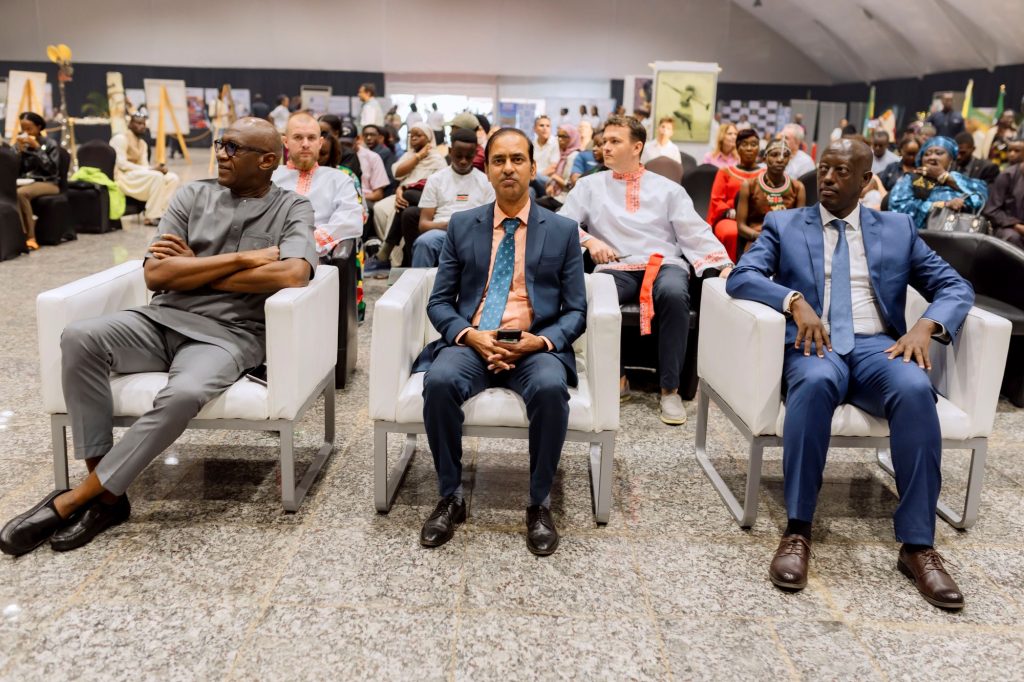
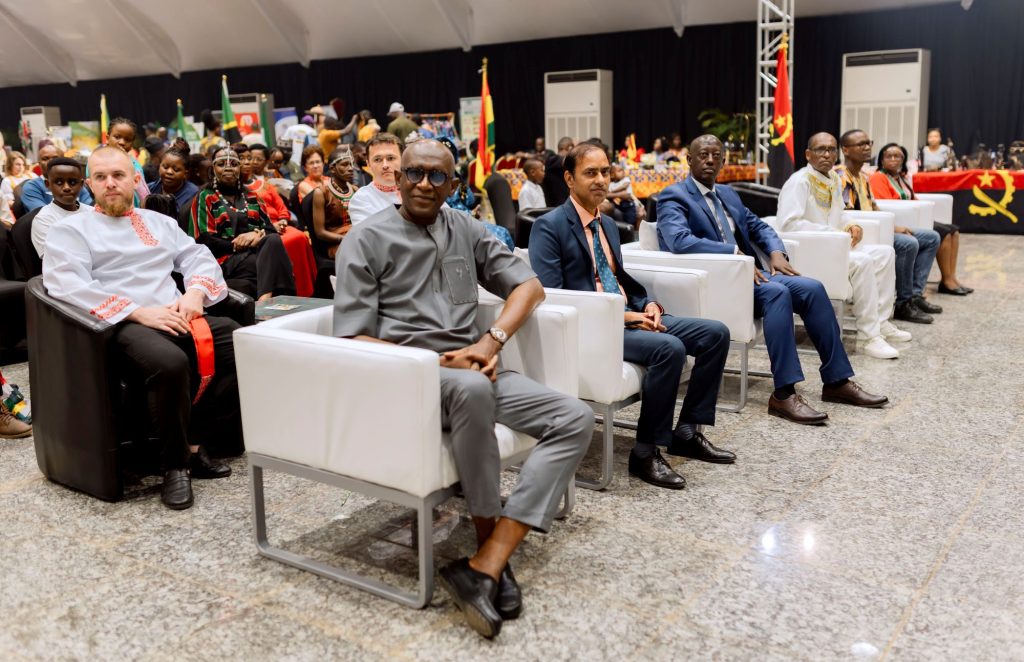
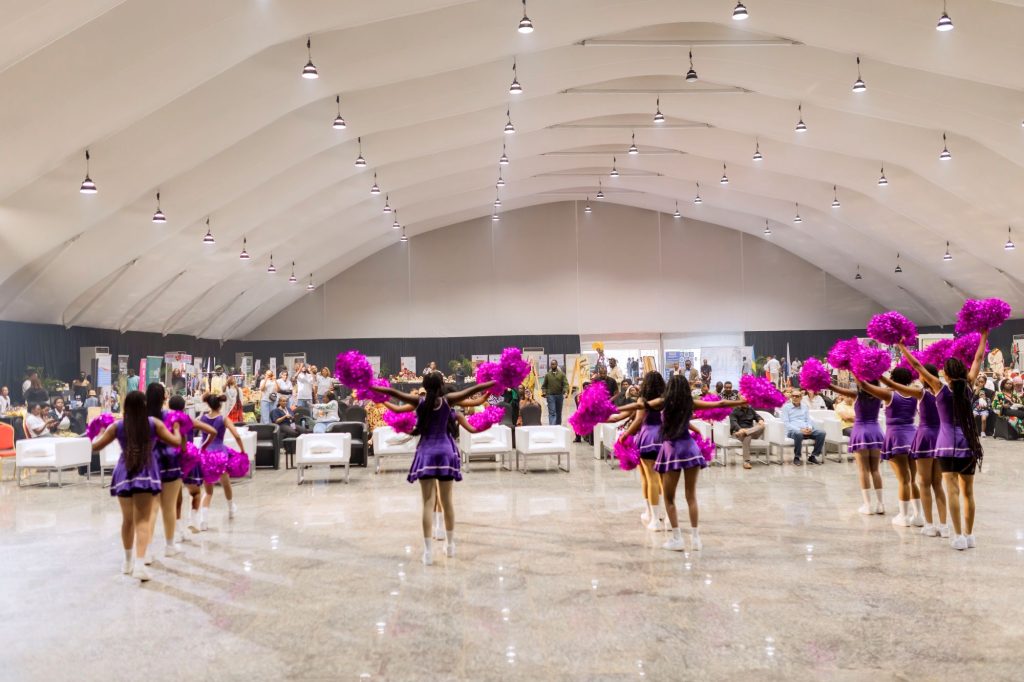
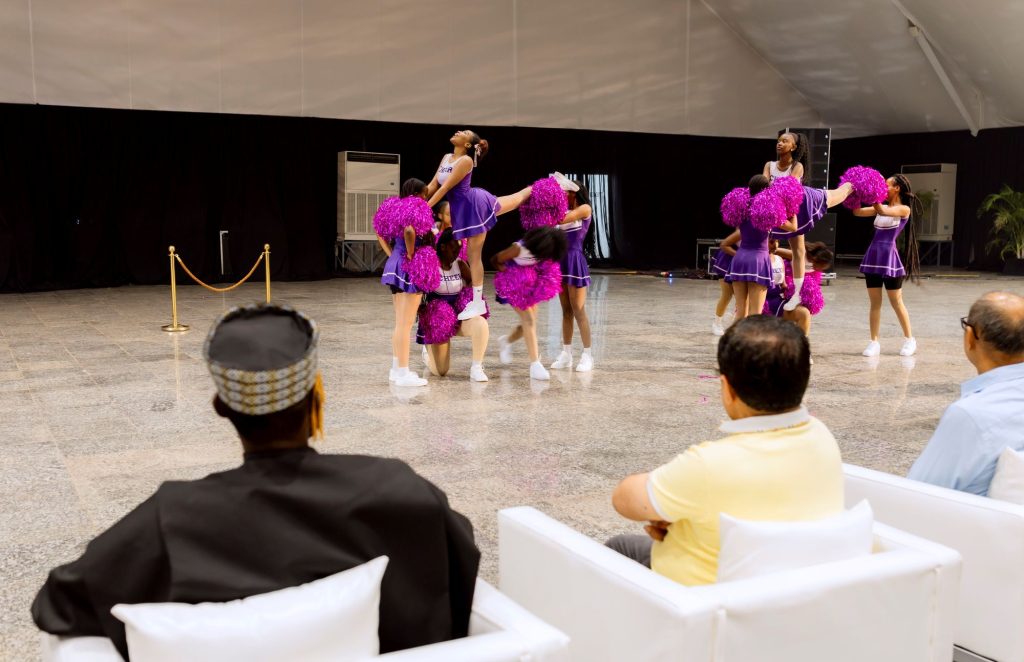
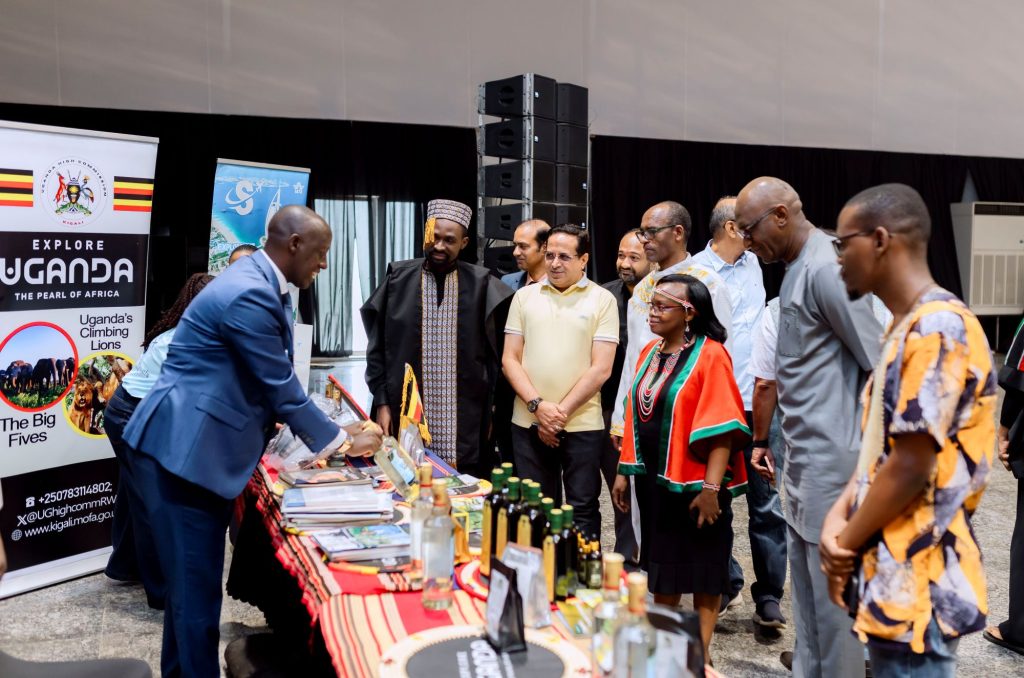
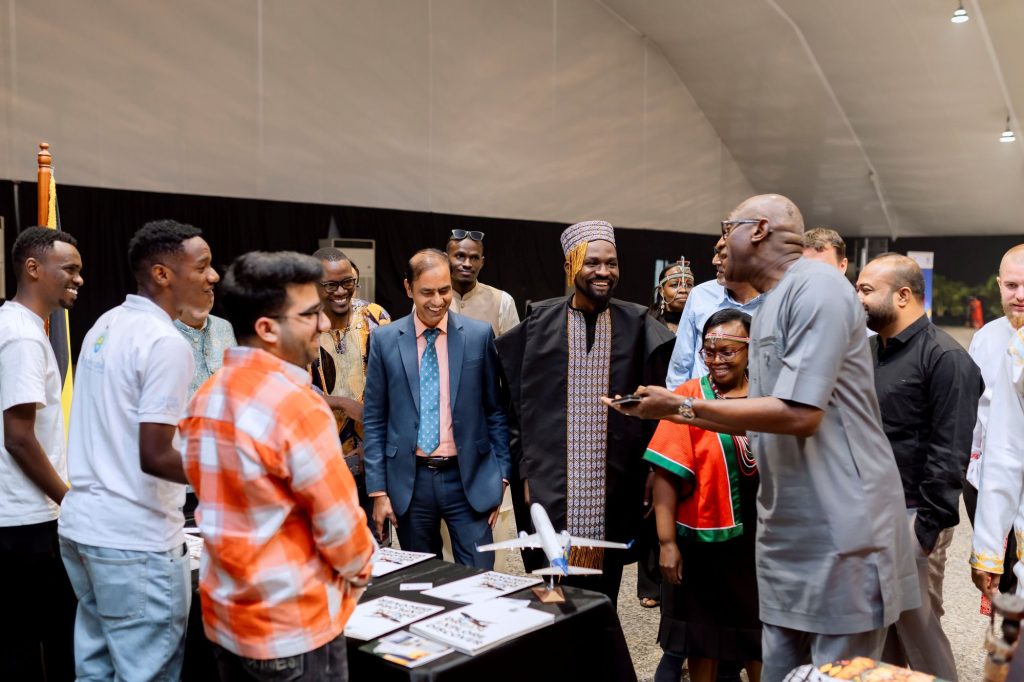
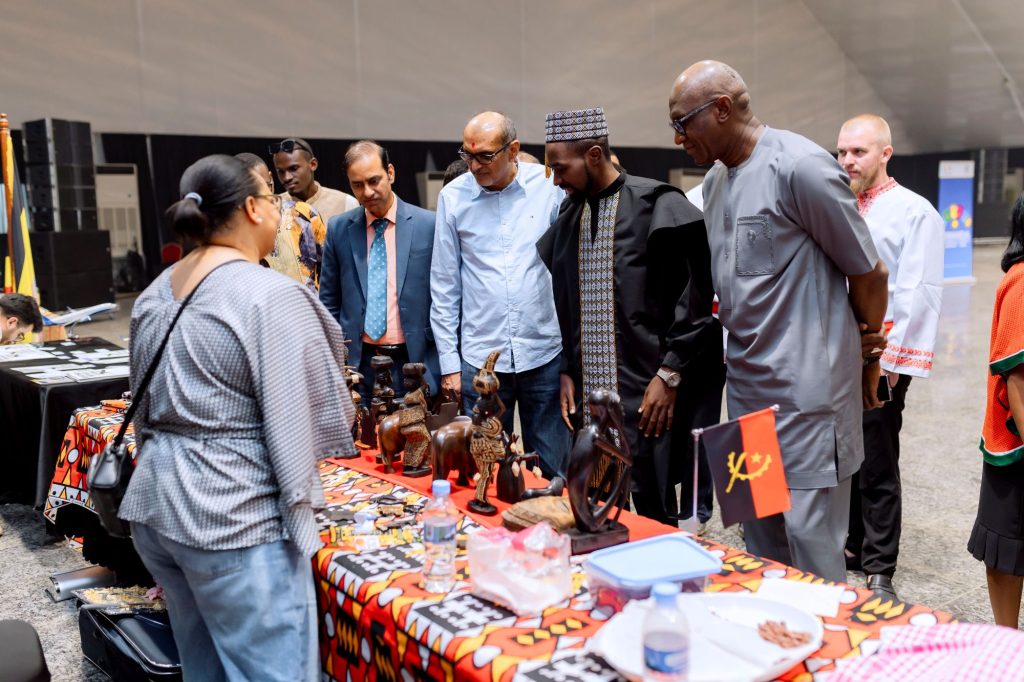
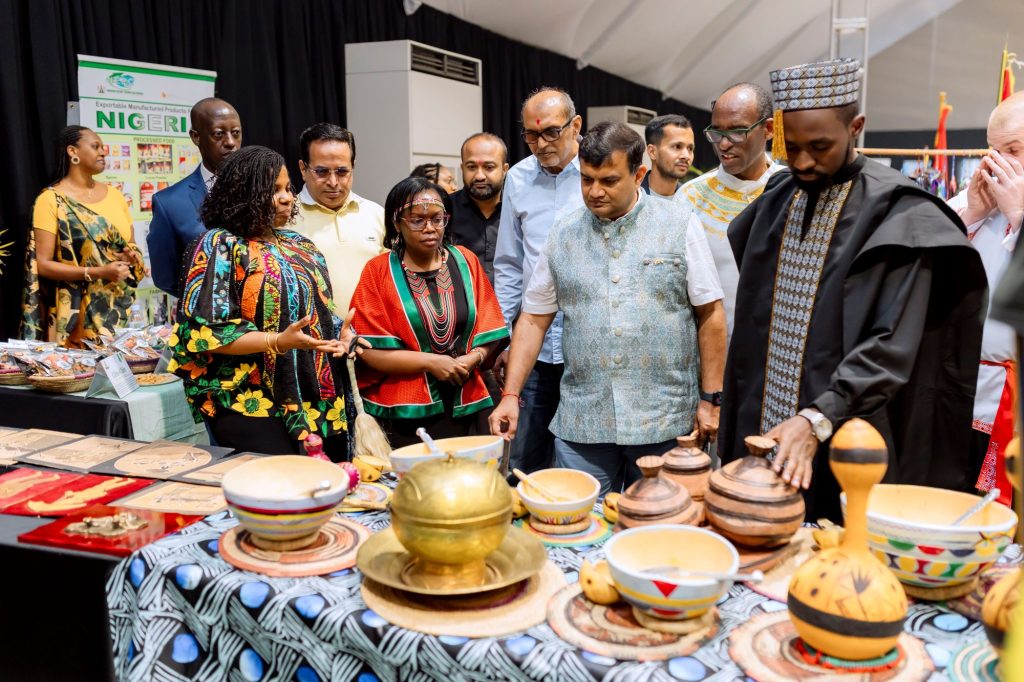
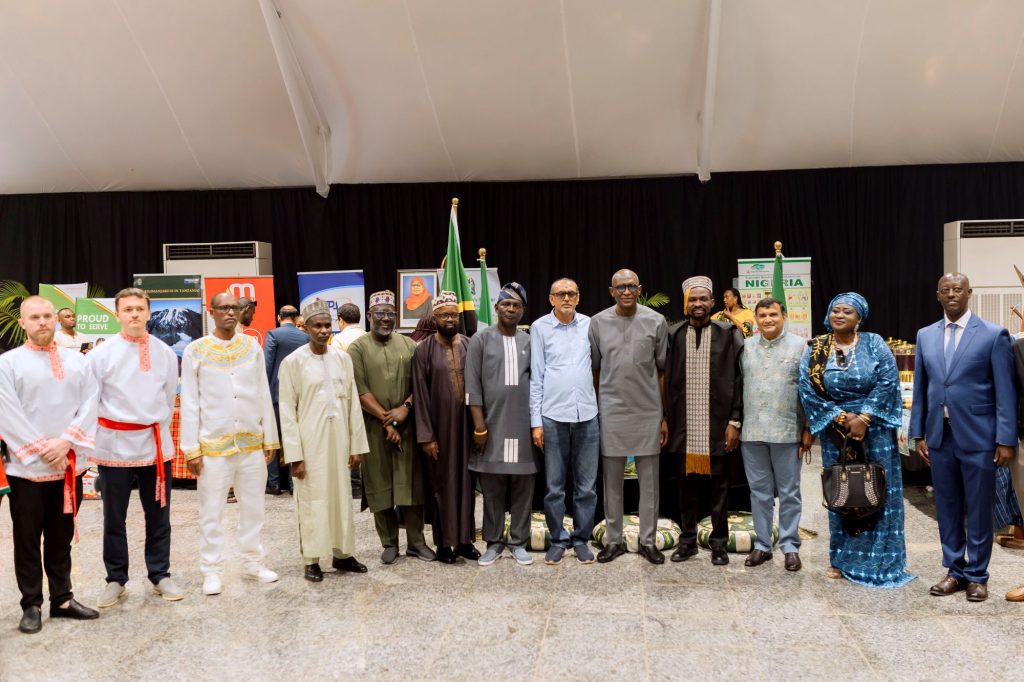
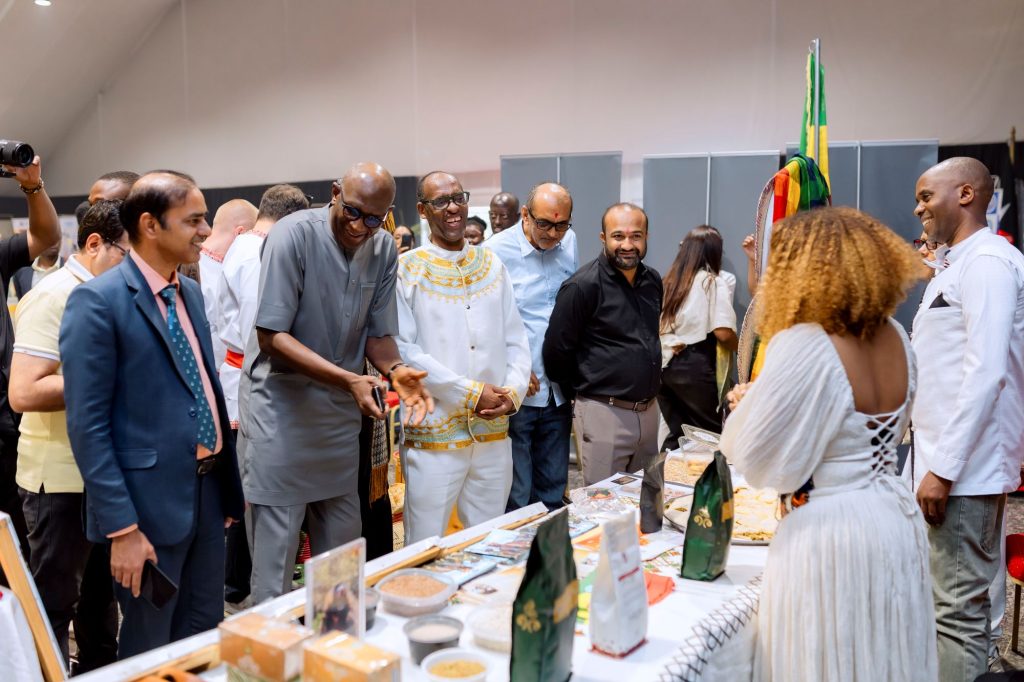
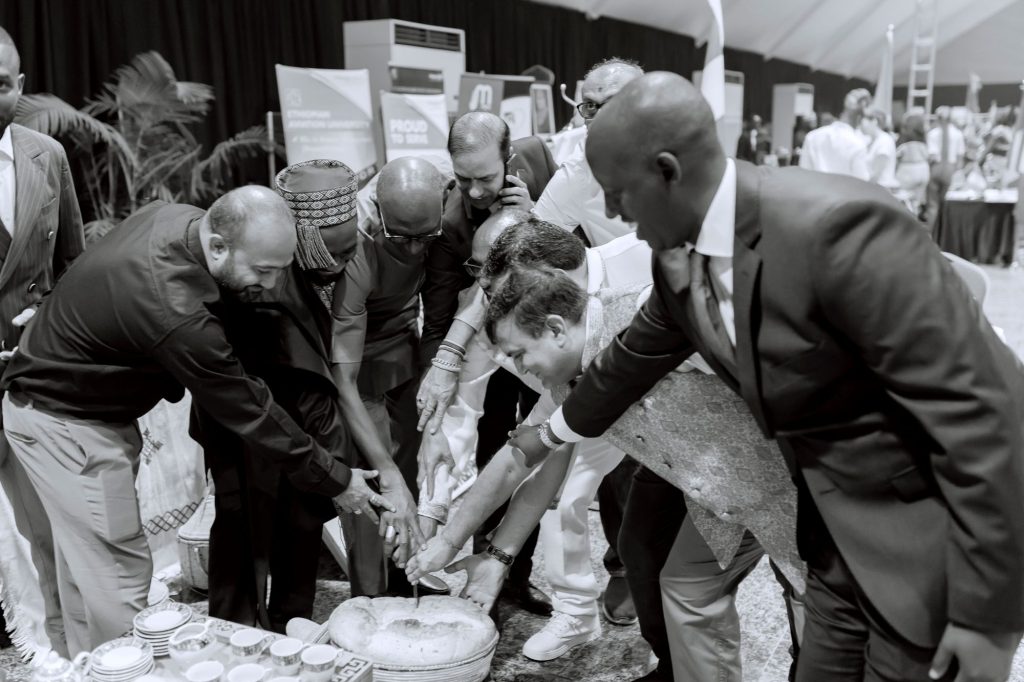
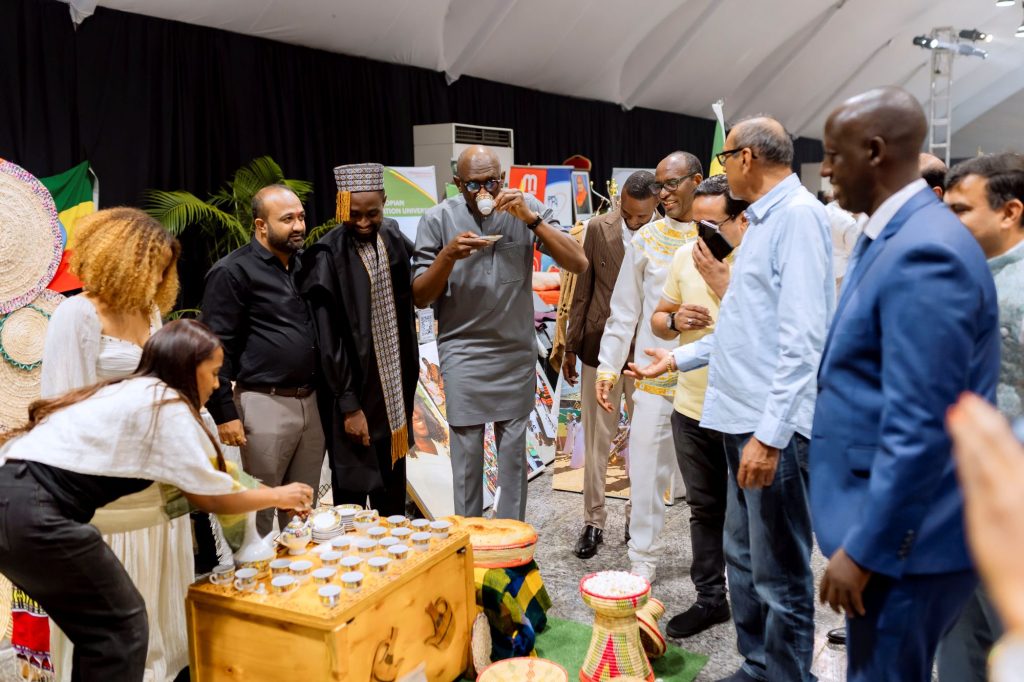
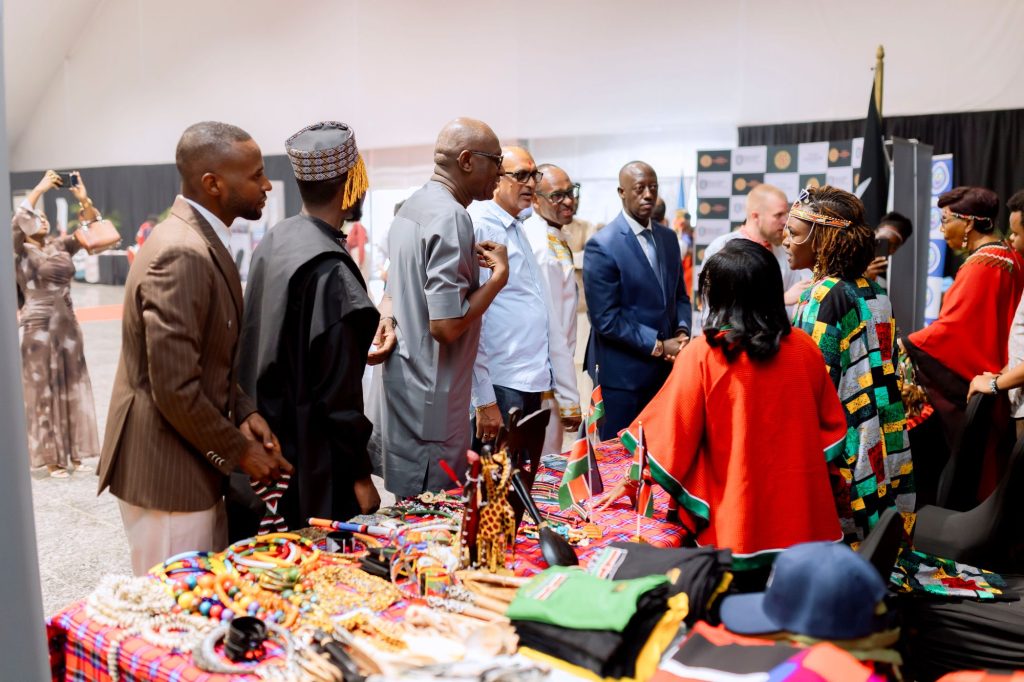
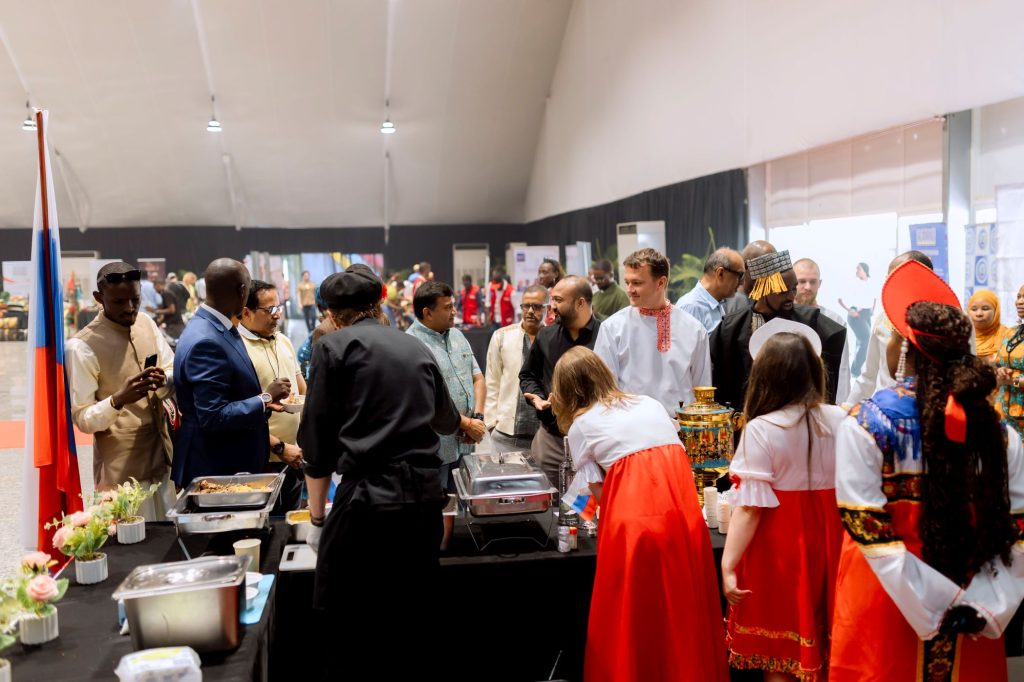
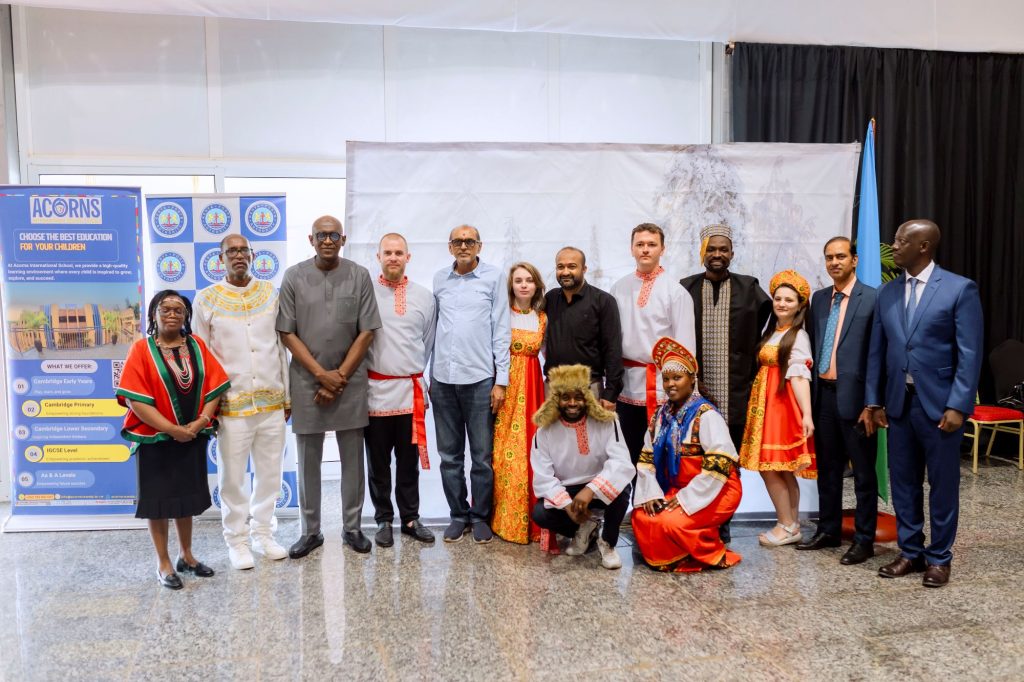
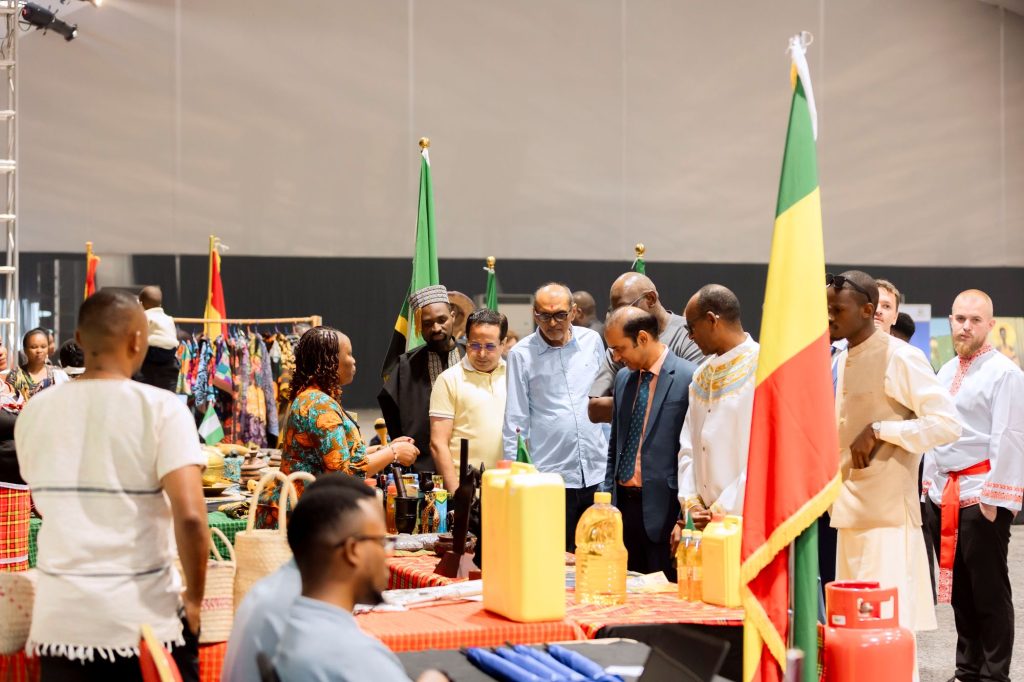
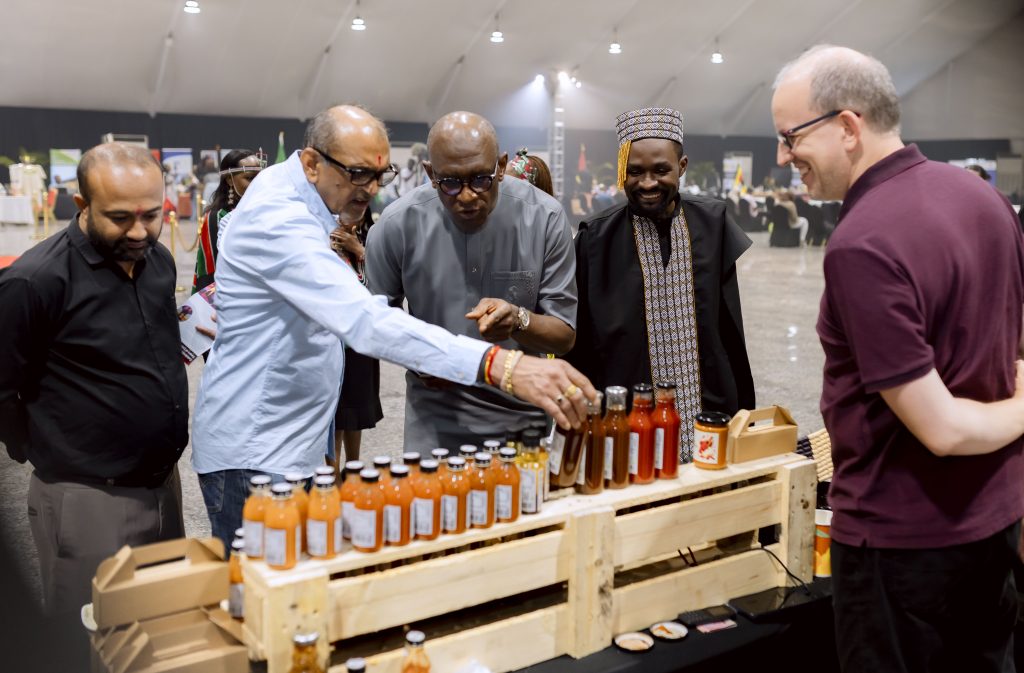
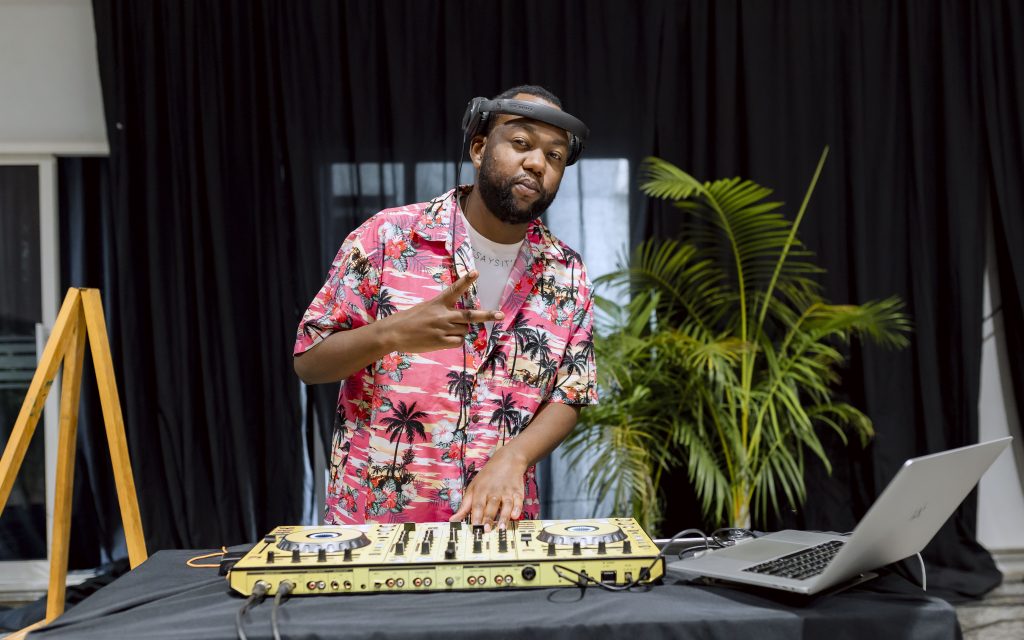
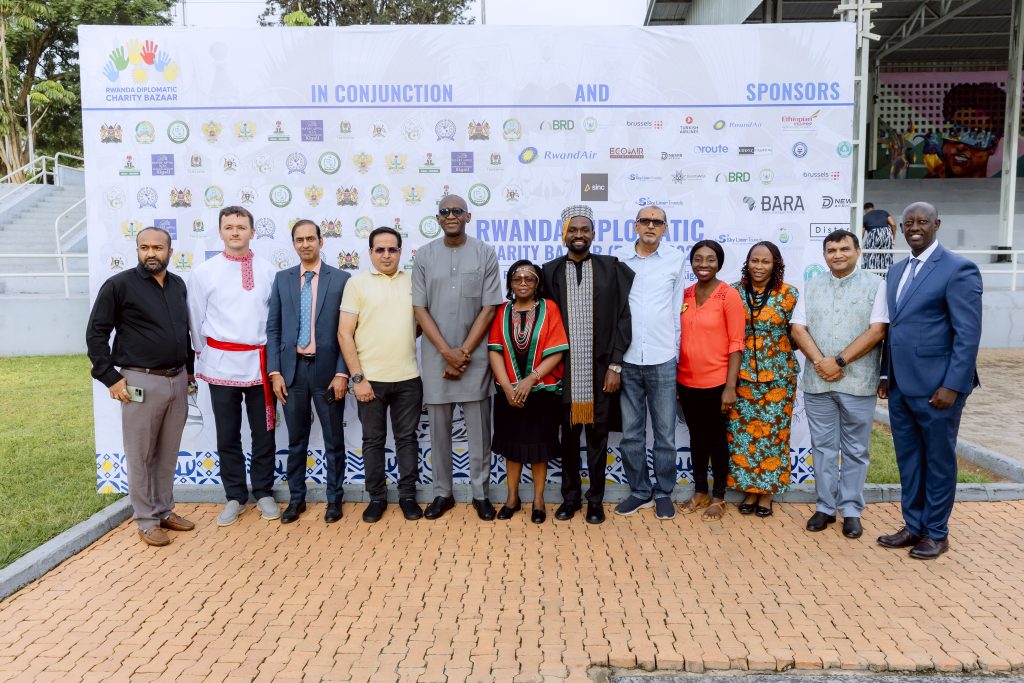
Held at Camp Kigali, the bazaar featured cultural displays, traditional clothing, food, handicrafts and artistic performances, with participants from countries including Rwanda, Angola, Ghana, Uganda, Nigeria, Tanzania, Ethiopia, Kenya, Russia, India, Pakistan and Iraq.
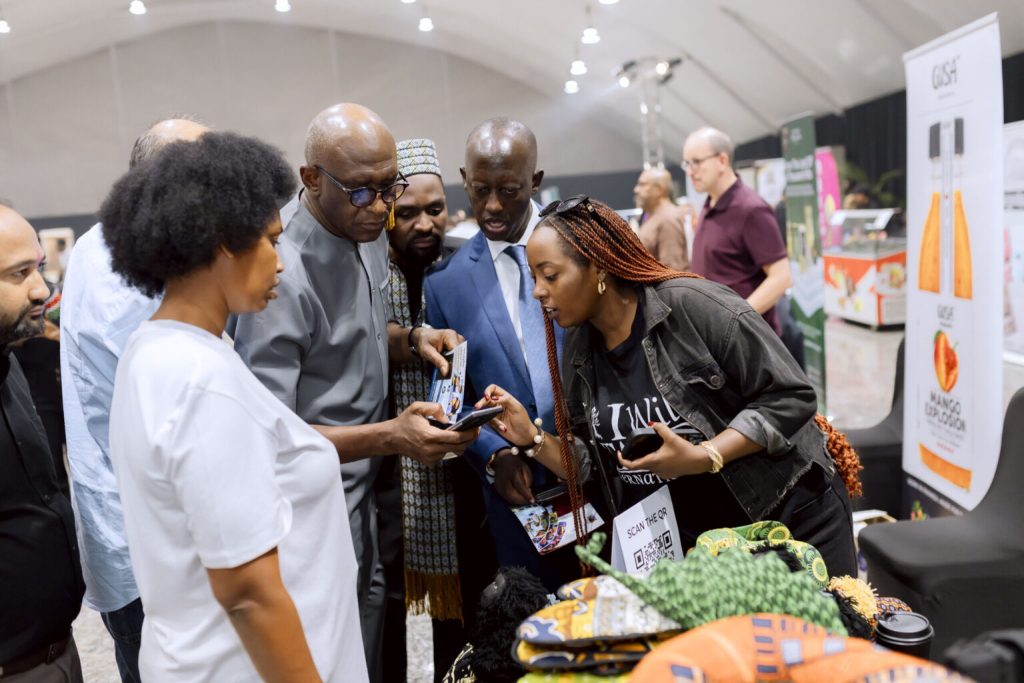
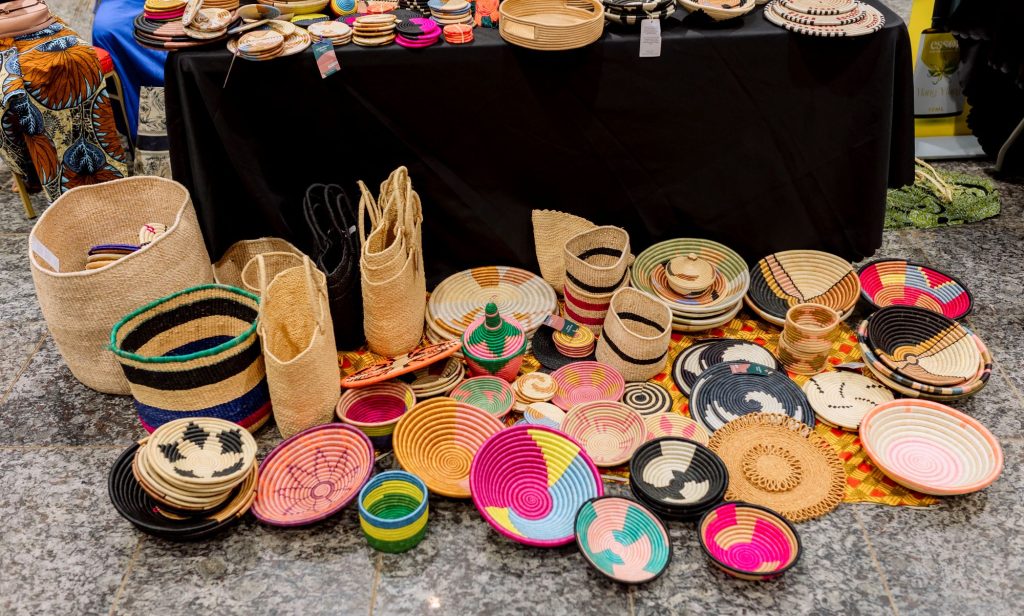
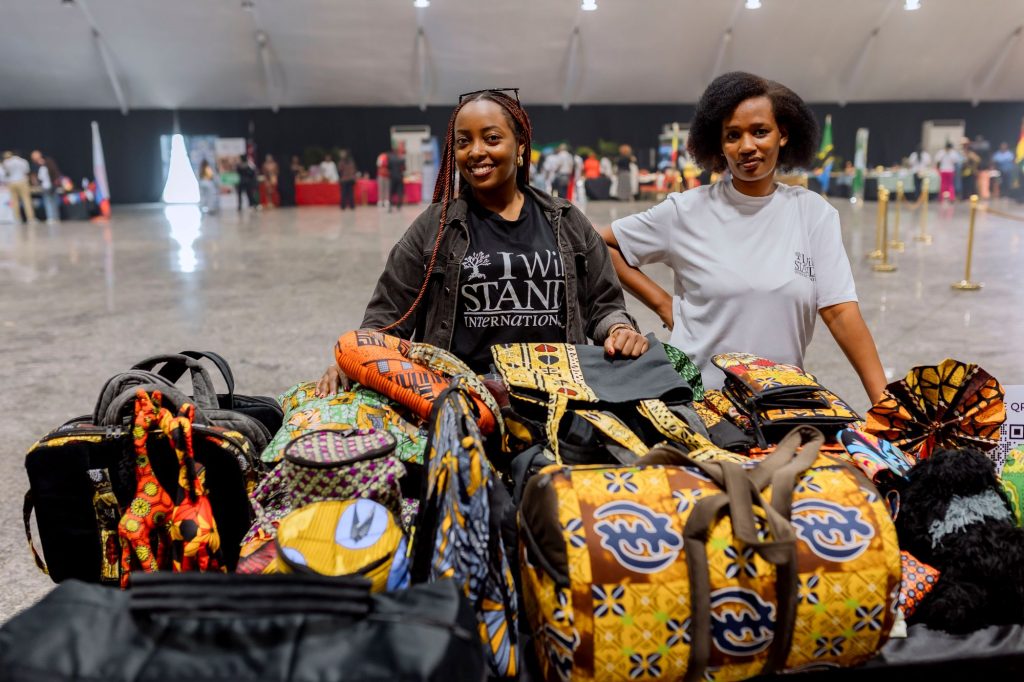
Visitors also had an opportunity to explore products made by local artisans, including Adeline Niyomufasha, a craftswoman working with Umurage w'Agaseke, a Kigali-based cooperative of about 30 women who make traditional handicrafts using weaving techniques passed down through generations.
Niyomufasha showcased Made-in-Rwanda products, including clothing, bags, bracelets and other accessories.
She said the event offered an opportunity to introduce the cooperative's products to a wider audience and connect with potential customers.
“We are happy that visitors are showing interest in our products, and some have already bought them. It also gives us hope of reaching more customers beyond Rwanda,” she said.
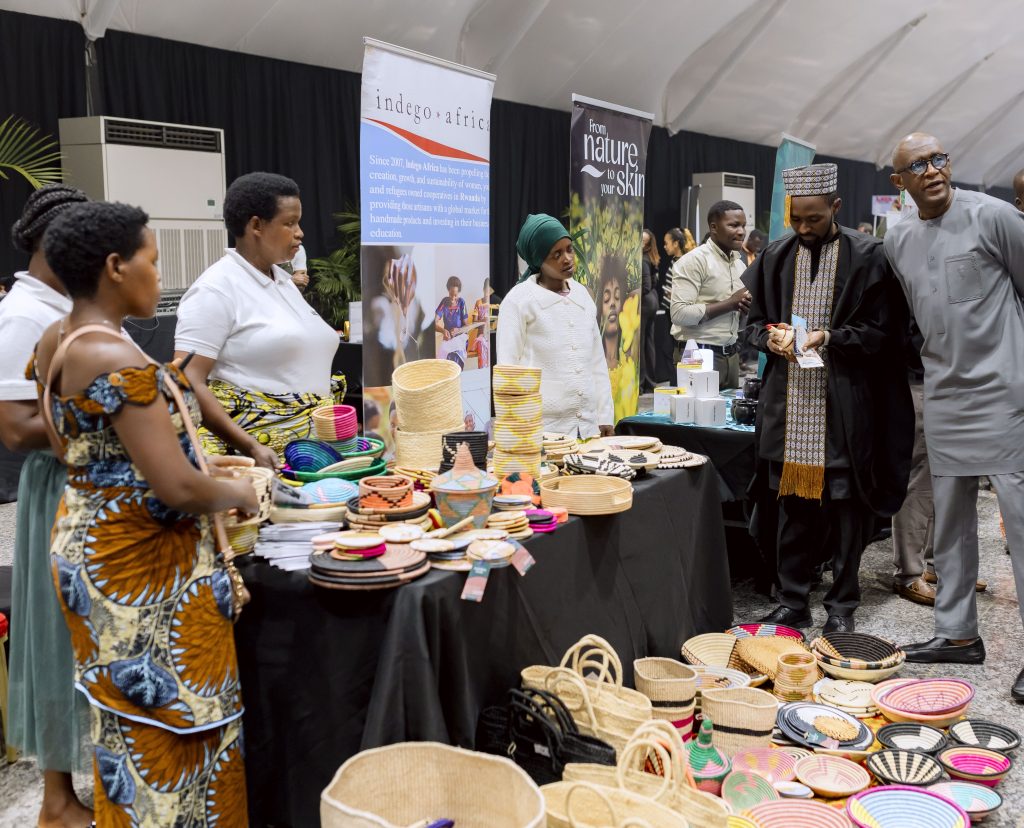
Nigeria's Acting High Commissioner to Rwanda, Ambassador Ibrahim Zanna, highlighted that the bazaar allowed diplomatic missions and their communities to share their cultural heritage while engaging with local businesses and artisans.
He recalled that his first participation in the event last year introduced him to Rwandan crafts, particularly traditional basket weaving, which he subsequently ordered.
“Last year’s edition was my first encounter with a lot of Rwandan arts and artisans. I had to order some of the basket weavings,” Zanna said.
He added that participation by members of the Nigerian community had grown since the inaugural edition, with more people coming forward to showcase their products.
Zanna said the event also offered foreign communities an opportunity to identify with Rwanda and give back to the country that hosts them.
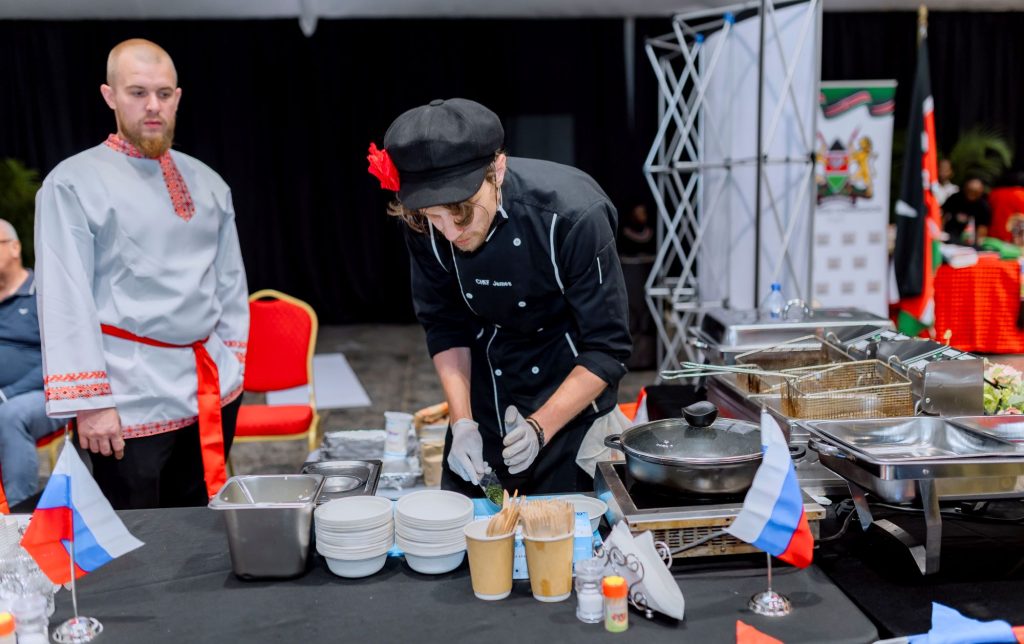
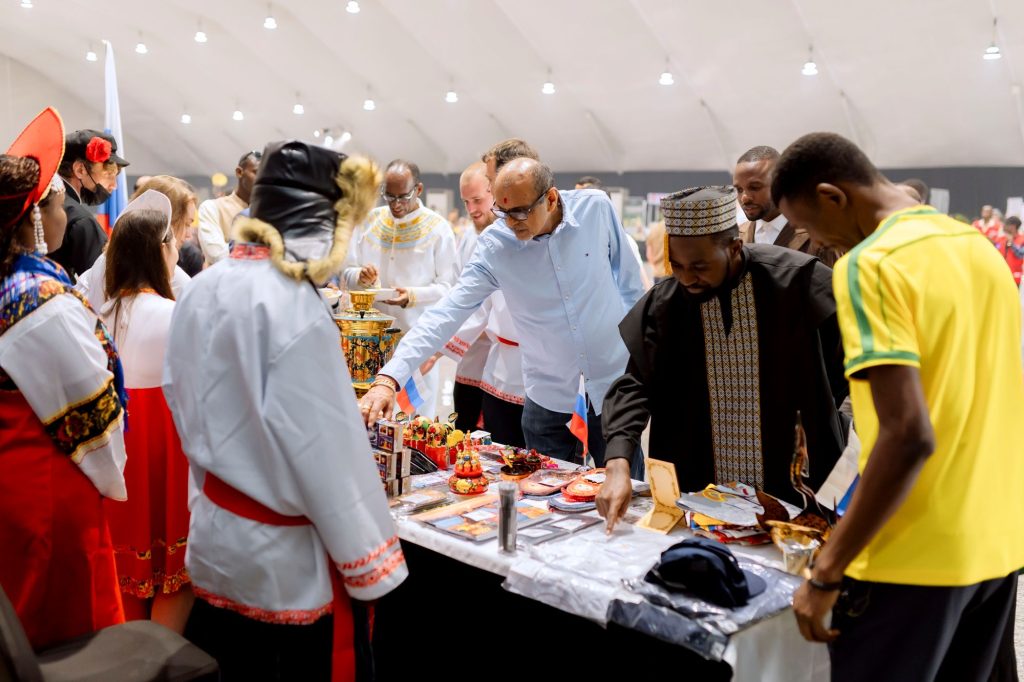
At the Russian display, visitors were introduced to traditional foods, including bliny, a type of pancake, and pelmeni, a form of dumpling.
The exhibition also featured Matryoshka nesting dolls, traditional wooden souvenirs that originated in Russia in the 1890s. Created by woodcarver Vasily Zvyozdochkin and painter Sergey Malyutin, the dolls are traditionally associated with motherhood, family and the generations within a family.
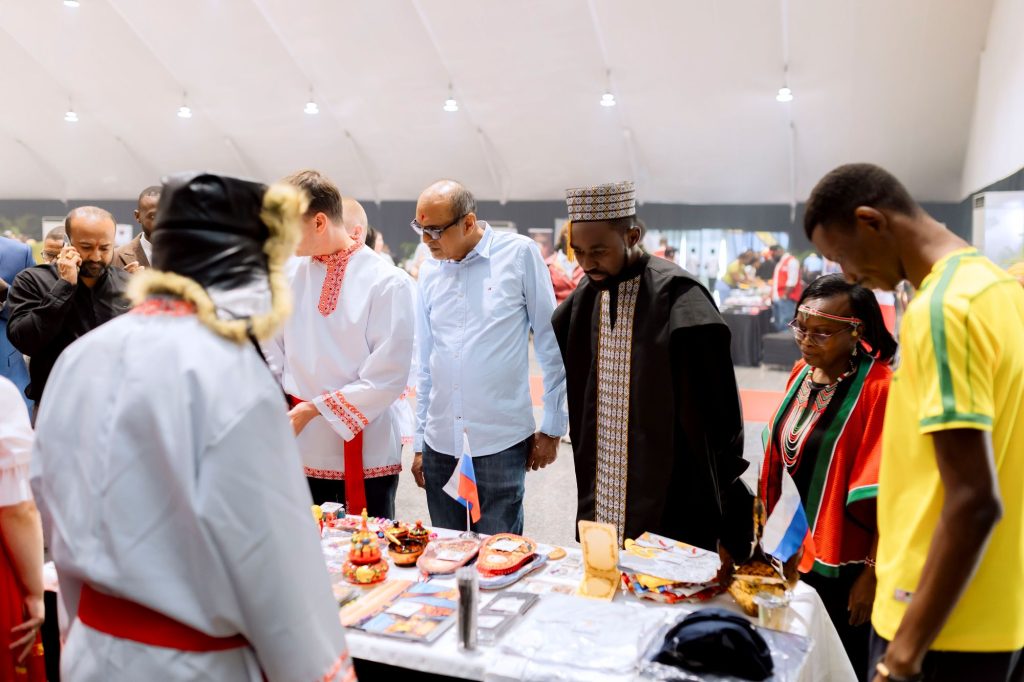
Alexander Sizov, a Consul at the Russian Embassy in Rwanda, explained that the dolls contain progressively smaller figures placed inside one another. He said they carry a message that “life goes on”.
Sizov noted that the cultural gathering was important because it allowed people to learn about one another beyond official and diplomatic engagements.
“We should show our cultures and share what we bring to this country. Not only politics, but also traditions,” he stressed.
The Indian community also highlighted the cultural connections between Rwanda and India, pointing to shared values such as family, hospitality, community and compassion.
Mukri Mohammed Hussain, representing the Indian community in Rwanda, said the bazaar provided an opportunity to bring people together through food, traditional clothing, handicrafts, music and dance.
“Through Indian food, traditional clothing, handicrafts, music, dance, and Rwandan cultural expressions, we build bridges between our communities,” he said.
He also emphasised the charitable purpose of the gathering, saying contributions, purchases and acts of kindness could help people in need.
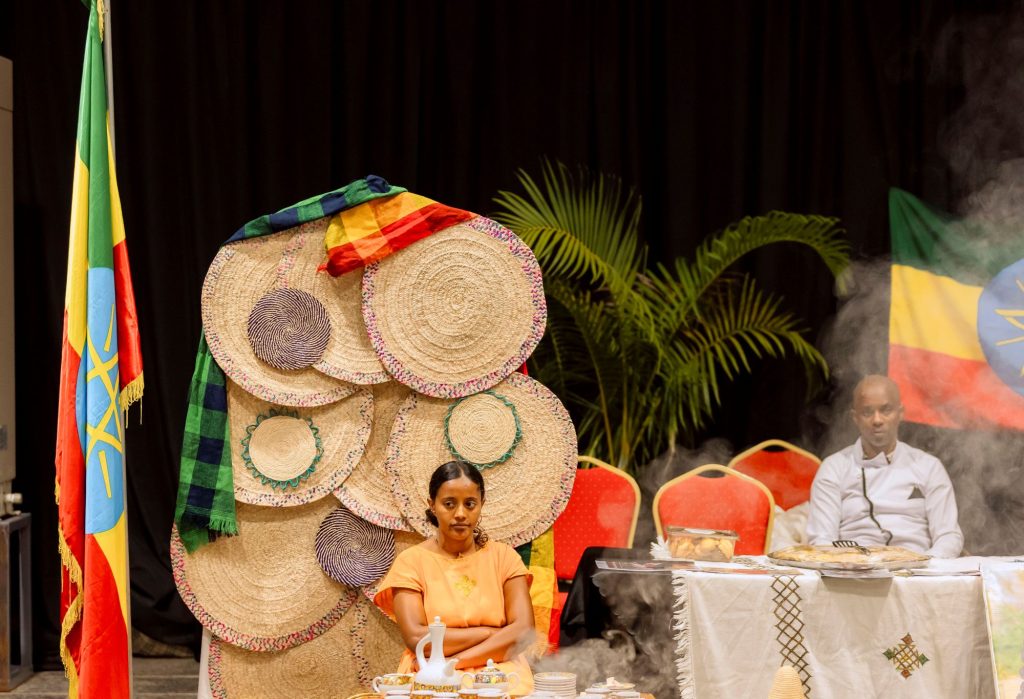
For Othman Aland Koran, an Iraqi living in Rwanda, the bazaar offered an opportunity to interact with people from different backgrounds, exchange experiences and challenge divisions that persist in different parts of the world.
“If we are hoping for a peaceful future, then this is part of it. Today, I have had so many conversations with people, explaining where I come from and sharing my culture, while also learning about theirs. In a world where we have so many divisions, this is exactly what we need,” he said.
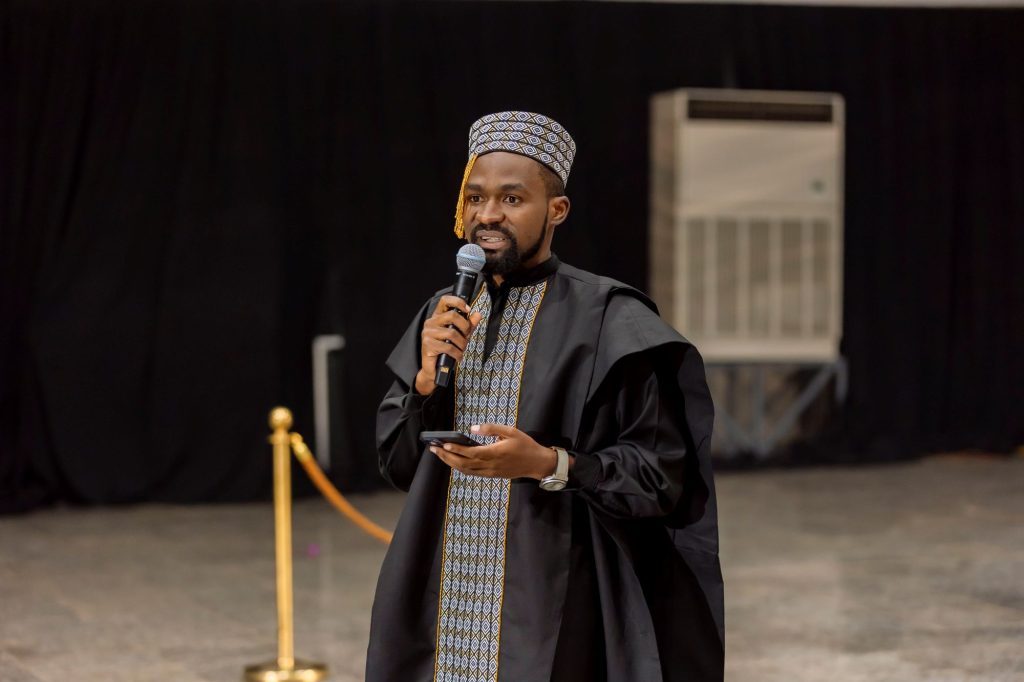
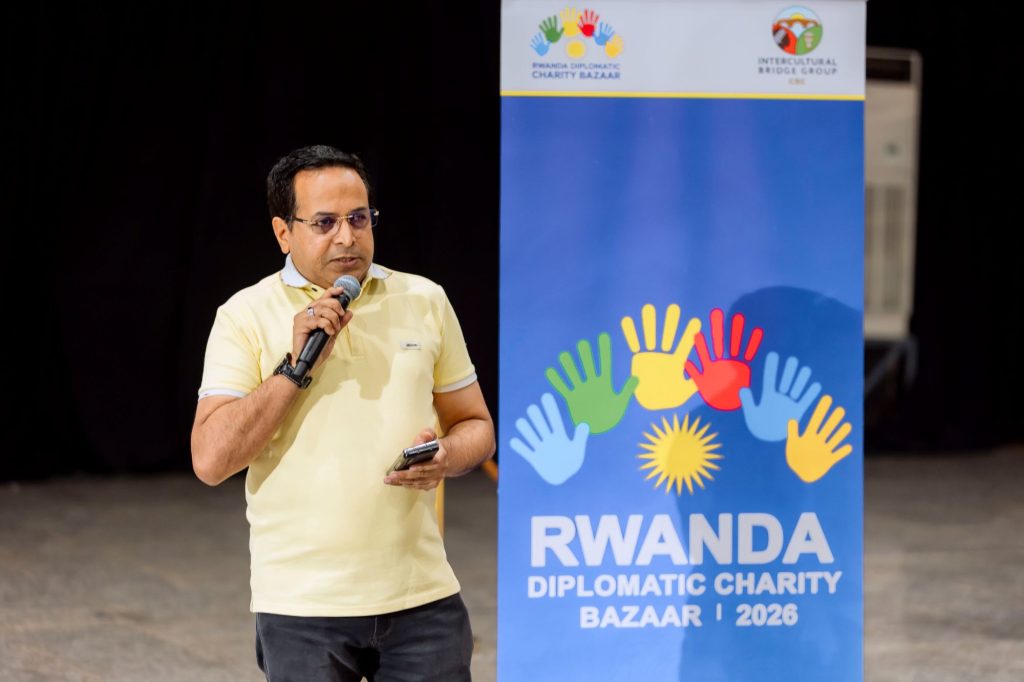
The event was organised by Intercultural Bridge Group CBC (IBG CBC), whose founder and CEO, Edison Niyontegereje, emphasized that the bazaar was part of a broader effort to promote cultural education, exchange and dialogue among communities.
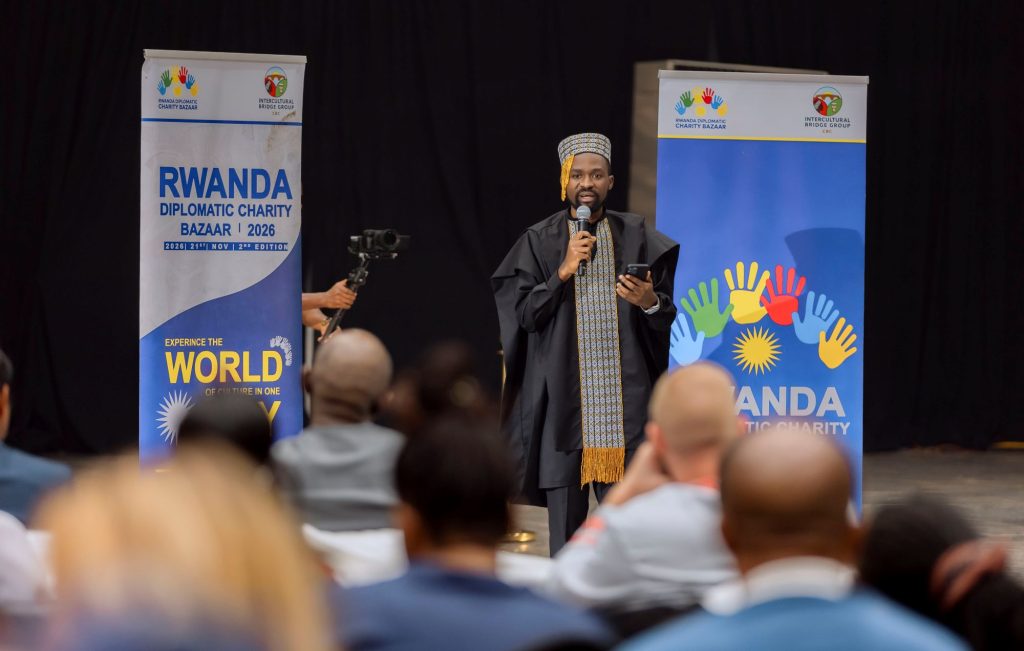
He highlighted that the second edition built on the foundation of the inaugural event, with organisers expanding engagement with diplomatic missions, educational institutions, businesses and entrepreneurs.
Niyontegereje said IBG CBC's work also includes helping international communities learn about Rwandan culture, facilitating exchanges between Rwanda and other countries, and creating opportunities for dialogue among people from different backgrounds.
“We need to enjoy each other, share opportunities and come together as a whole,” he said.
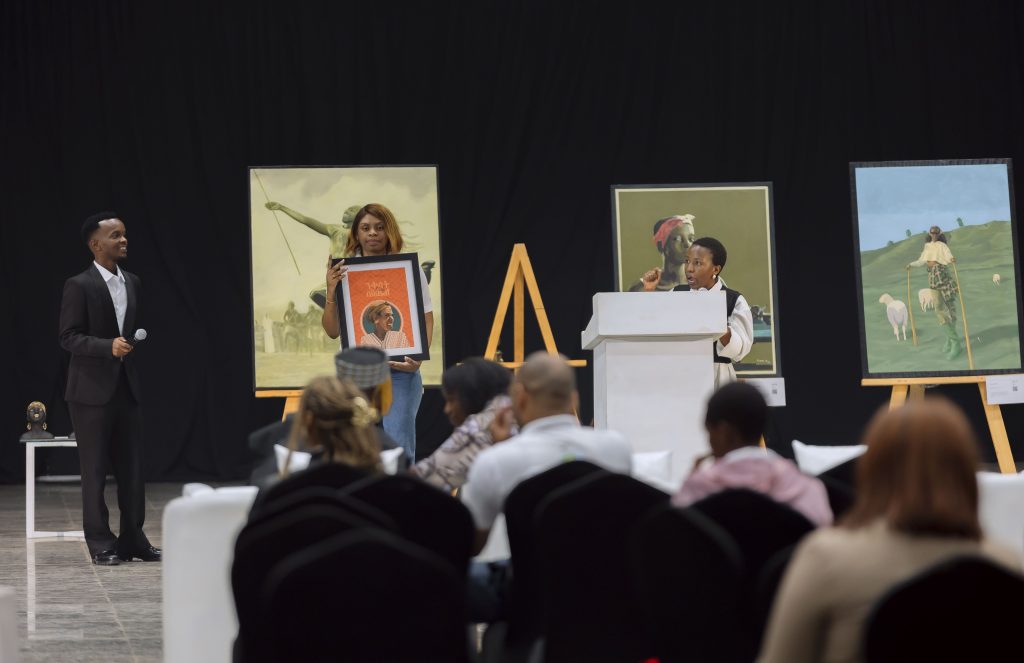
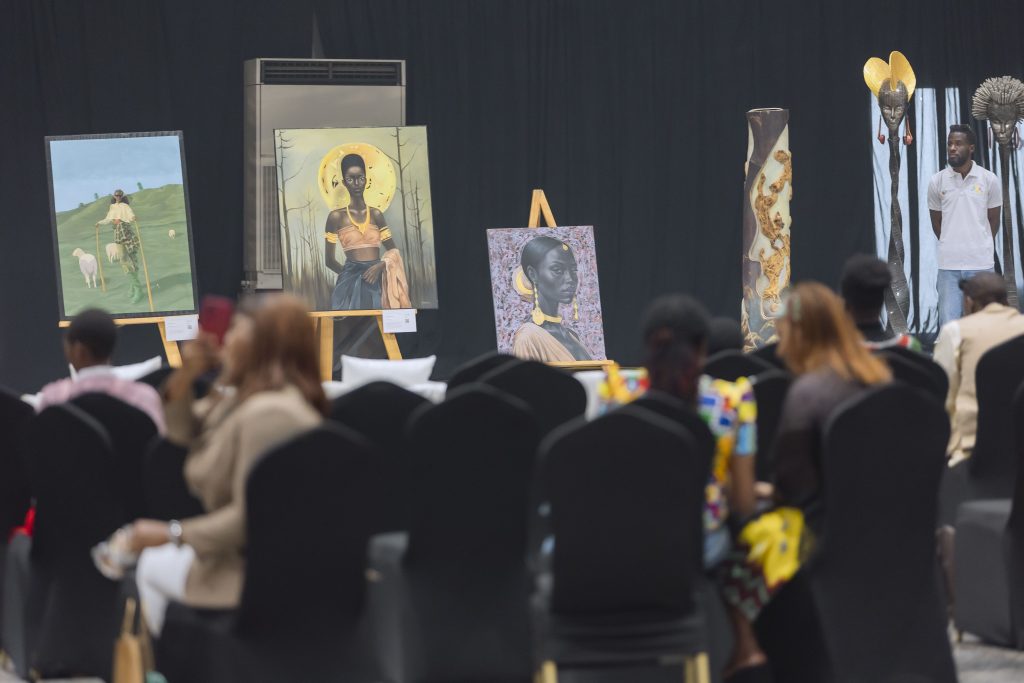
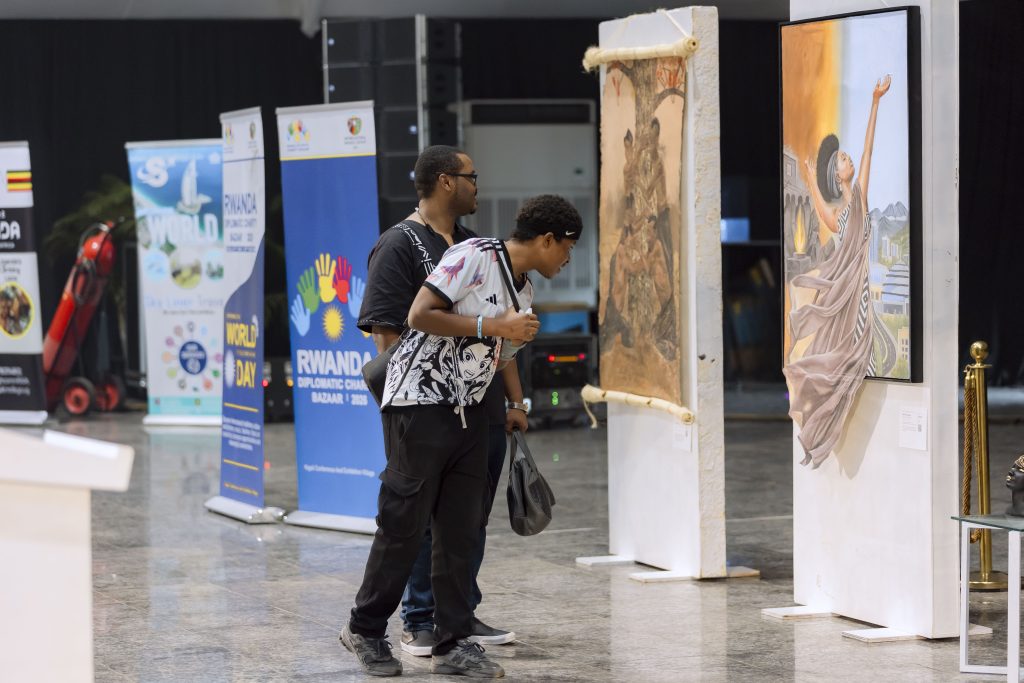
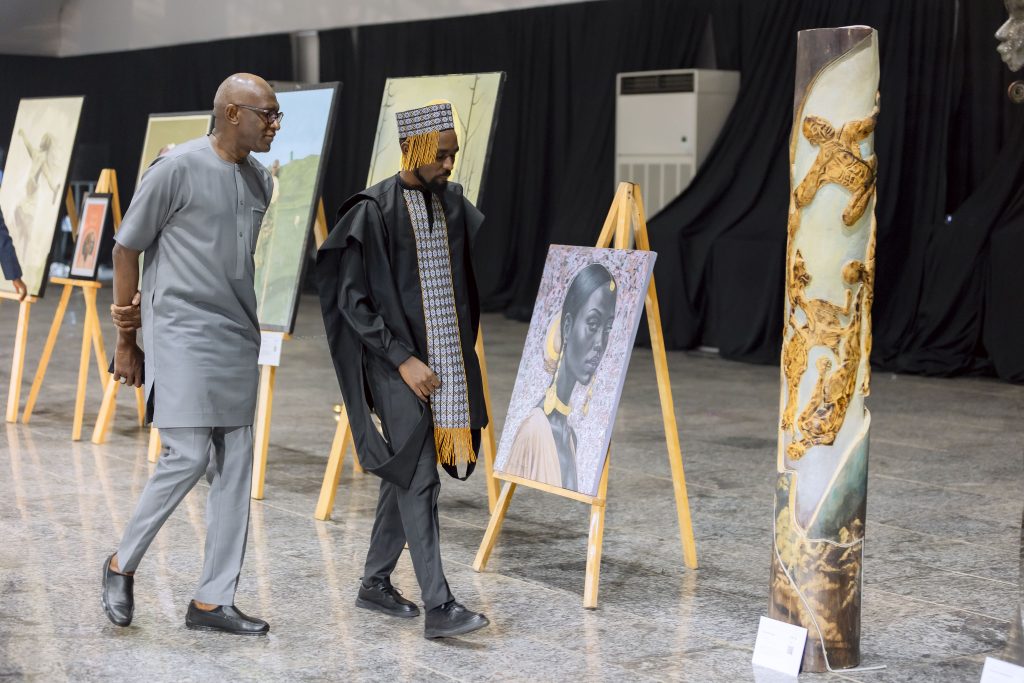
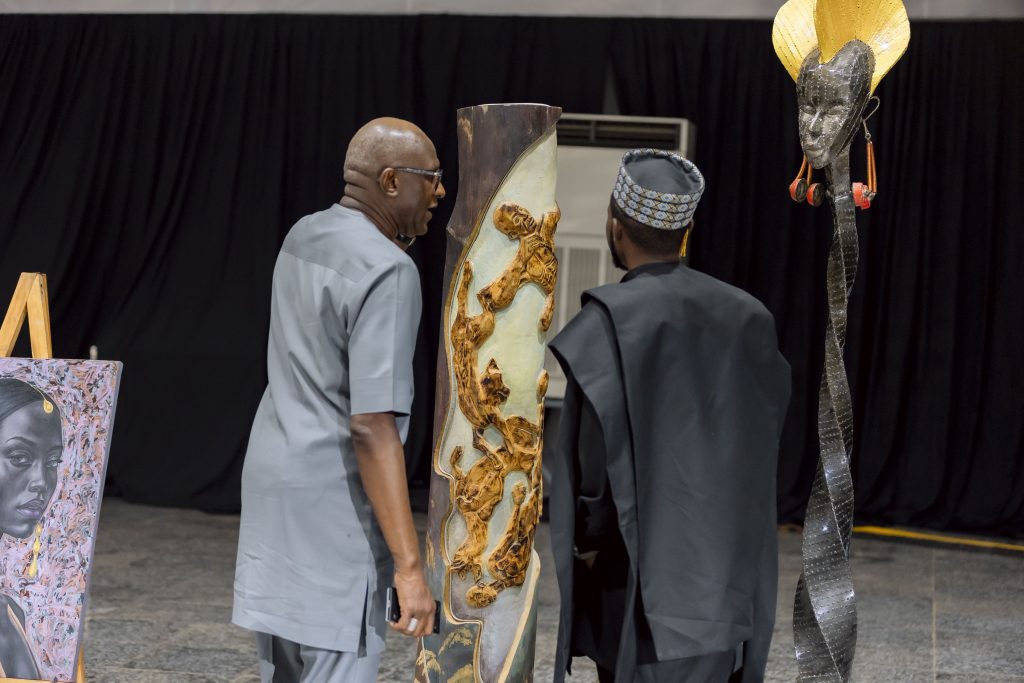
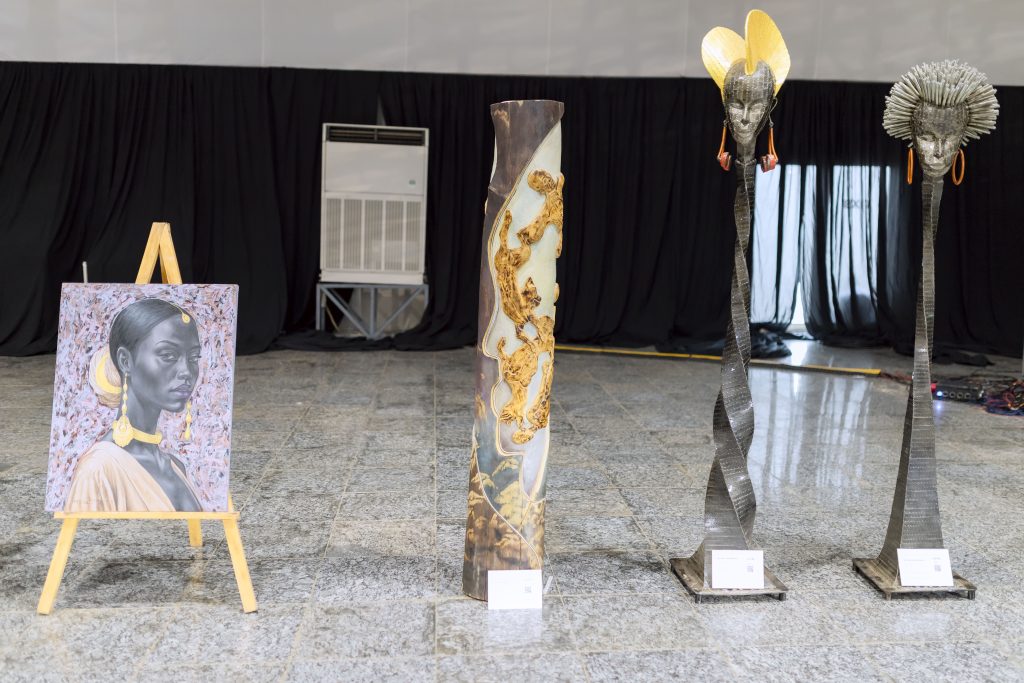
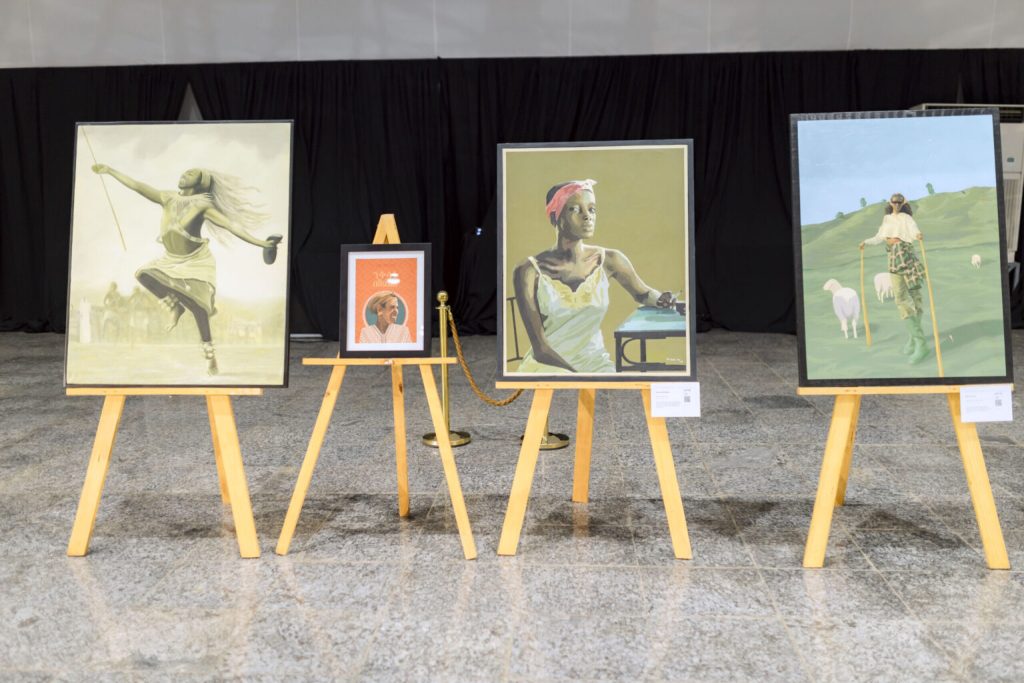
The bazaar also featured a charity art exhibition and auction, combining cultural expression with efforts tosupport communities in need.






Loading comments...
Leave a comment