






This is the spirit behind Umuganura, one of Rwanda's oldest cultural traditions.
Celebrated every year on the first Friday of August, Umuganura is commonly described as Rwanda's harvest festival. But calling it only a harvest festival does not fully capture its meaning.
For generations, Umuganura has been a time for Rwandans to give thanks, celebrate achievements, share with others, strengthen relationships and reflect on what they hope to accomplish in the future.
In 2026, Umuganura is being celebrated today on Friday, August 7.
The meaning and origin of Umuganura
The word Umuganura is linked to the idea of enjoying and celebrating the results of one’s work. Traditionally, it referred to the first harvest and the moment when people gathered to appreciate what they had produced after months of effort.
For Rwandans of the past, agriculture was at the centre of life. A successful harvest meant food, security and prosperity for families and communities.
However, Umuganura was not only about crops. It represented gratitude, unity and responsibility. It reminded people that achievements were the result of commitment, cooperation and respect for one another.
The tradition dates back centuries in Rwanda. Historical accounts describe Umuganura as one of the most important ceremonies in the traditional Rwandan kingdom. At the national level, the celebration was led by the King together with Abiru, royal ritualists who played a significant role in preserving traditional practices.
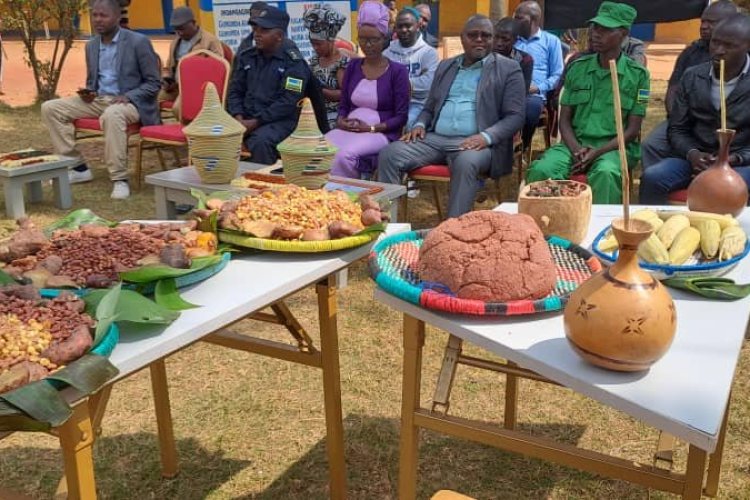
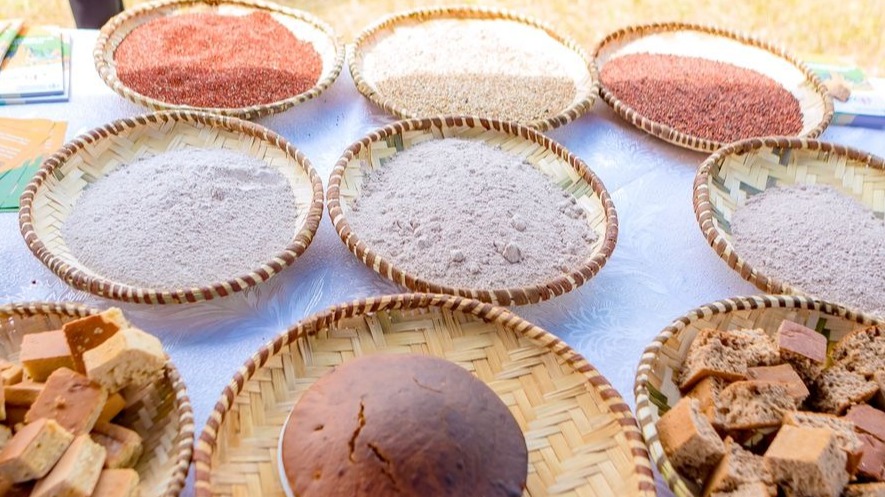
During the ceremony, the first produce from the harvest was presented as a symbol of prosperity and appreciation. Crops such as sorghum held an important place because they were among the products that represented abundance and wellbeing.
The celebration connected the success of individual families and communities with the prosperity of the entire kingdom.
How Umuganura was celebrated traditionally
Although Umuganura was recognized as a national celebration, it was also deeply rooted in family and community life.
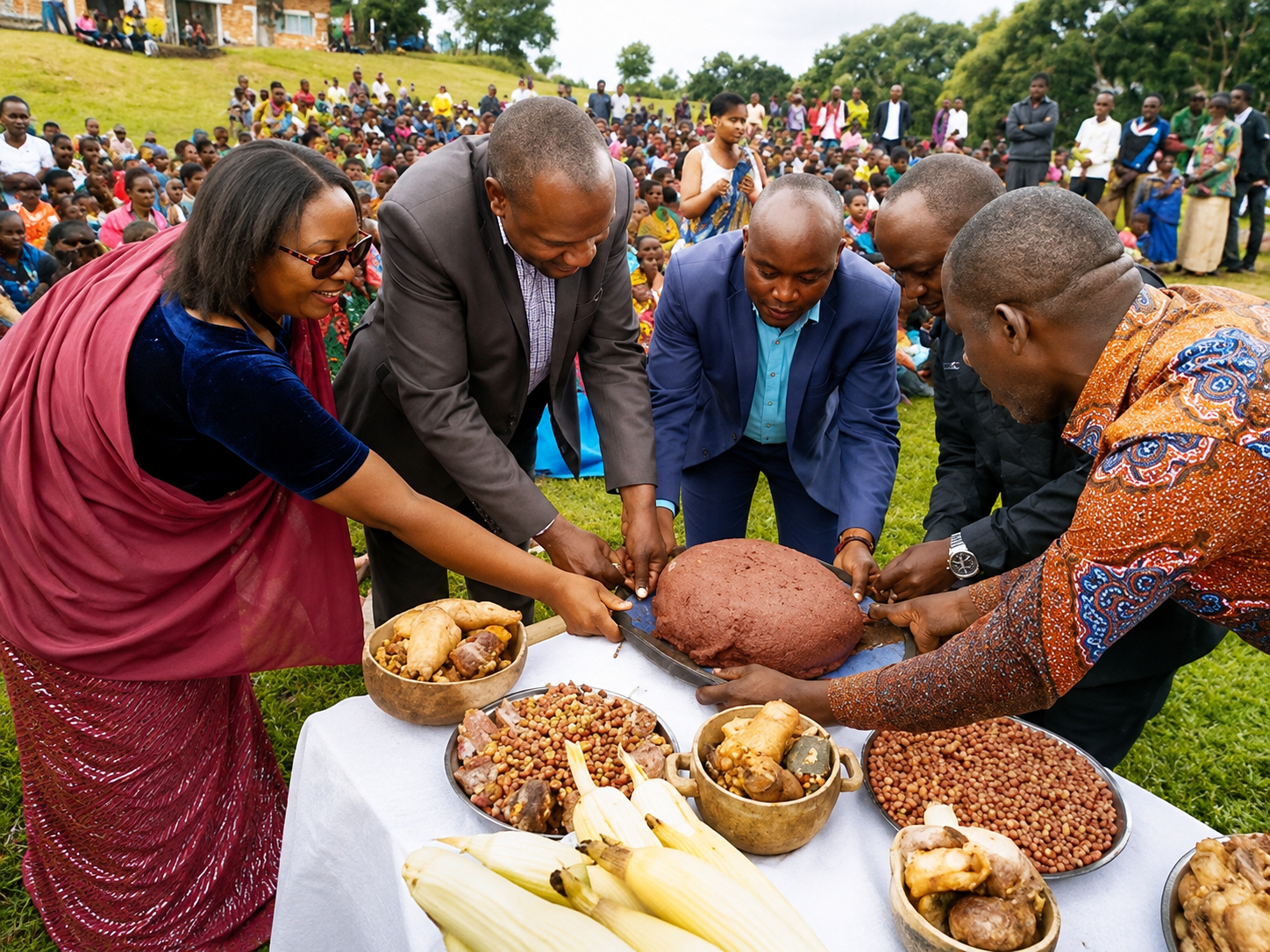
Families gathered together to prepare and share food made from their harvest. Relatives and neighbours came together, stories were shared and people celebrated the results of their collective efforts.
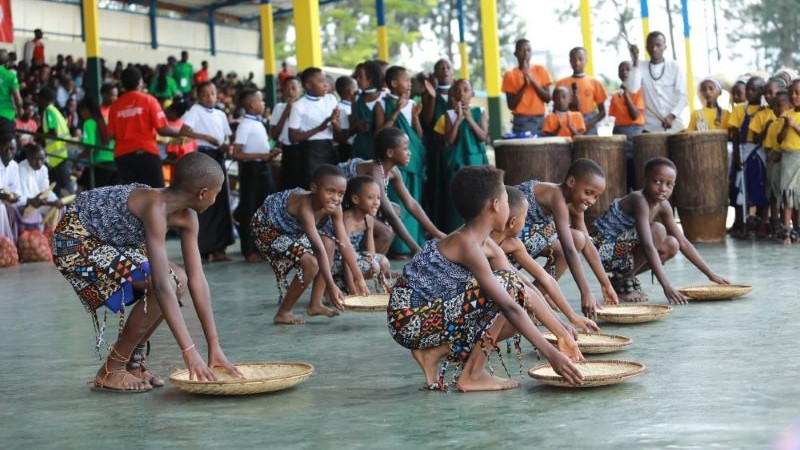
Traditional music and dance were important parts of the celebration, creating an atmosphere of joy and togetherness.
One of the most important values behind Umuganura was sharing. A good harvest was not meant to benefit only one person or one family. People were encouraged to share what they had with others, especially members of their community.
This spirit of sharing reflected the belief that prosperity should contribute to the wellbeing of everyone.
Beyond celebration, Umuganura was also a moment of reflection. People looked at what they had achieved during the year and considered what could be improved in the future.
It was a time to celebrate yesterday’s achievements while preparing for tomorrow’s goals.
The interruption and revival of the tradition
Like many cultural practices, Umuganura experienced changes throughout Rwanda’s history.
During the colonial period, the traditional ceremony was interrupted and eventually abolished in 1925. Since the celebration was closely connected to traditional institutions and cultural identity, its disappearance represented a significant loss in public cultural life.
For many years, Umuganura was no longer celebrated as a national tradition.
However, Rwanda later revived Umuganura as part of efforts to preserve and promote cultural heritage. In 2011, the celebration was officially restored as a public holiday, giving it a new place in Rwanda’s national calendar.
The modern Umuganura maintains the spirit of the traditional celebration while adapting to the realities of today’s Rwanda.
Umuganura in modern Rwanda
Today, the meaning of harvest has expanded beyond agriculture.
While farmers continue to celebrate the fruits of their work, Rwanda also uses Umuganura to recognize achievements in different areas, including education, business, technology, sports, culture, tourism and community development.
For a farmer, the harvest may be crops collected from the land.
For a student, it may be completing an education journey.
For an entrepreneur, it may be building a successful business.
For a community, it may be completing a development project that improves people’s lives.
This broader understanding has allowed Umuganura to remain relevant in a changing society.
The celebration encourages Rwandans to appreciate progress while remembering the importance of teamwork and determination.
Why Umuganura remains important today
One of the reasons Umuganura continues to hold importance is because it represents values that go beyond one day of celebration.
First, it promotes gratitude. It encourages people to recognize the effort behind every achievement instead of taking success for granted.
Second, it strengthens unity. By bringing families and communities together, Umuganura reminds people that progress is often achieved through cooperation.
Third, it preserves cultural identity. As younger generations learn about the tradition, they gain a deeper understanding of Rwanda’s history and values.
For young Rwandans, Umuganura provides an opportunity to connect with their heritage while also celebrating the achievements of their own generation.
The tradition shows that culture is not only about remembering the past. It is also about giving meaning to the present and inspiring the future.
Loading comments...
Leave a comment