



But for Rwandan visual artist and gallery director Elisa Niyogisubizo, AI is more of a tool to improve his work than a threat to his profession.
Niyogisubizo, who runs Sunday's Art Hub and Inyuguti Art Hub in Kigali, believes artists can use emerging technologies to reduce production costs, communicate ideas more effectively and improve their engagement with clients.
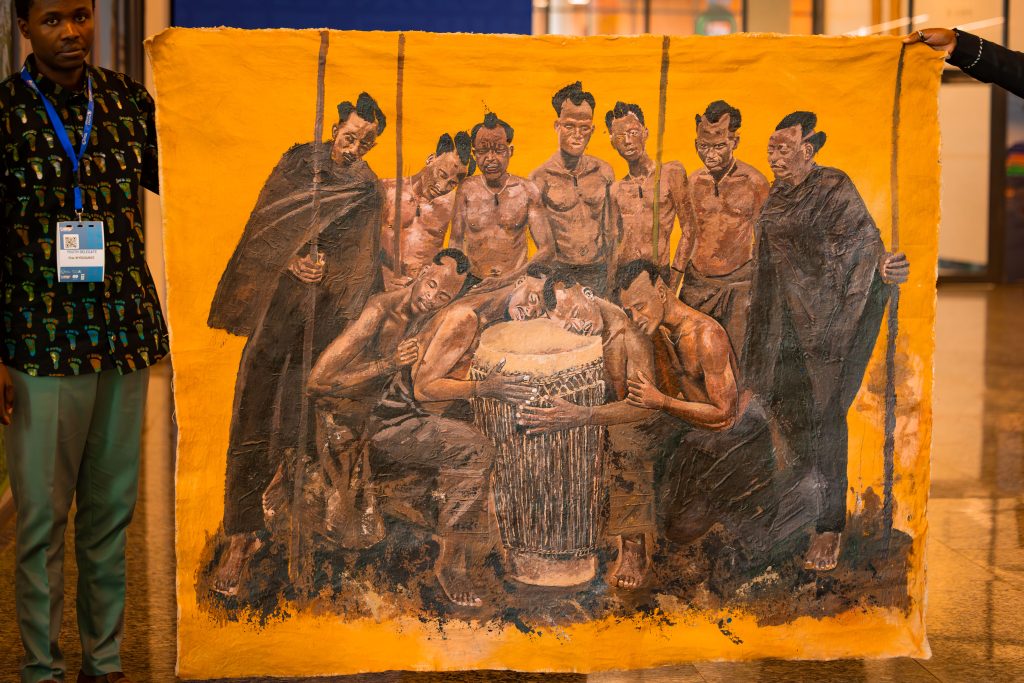
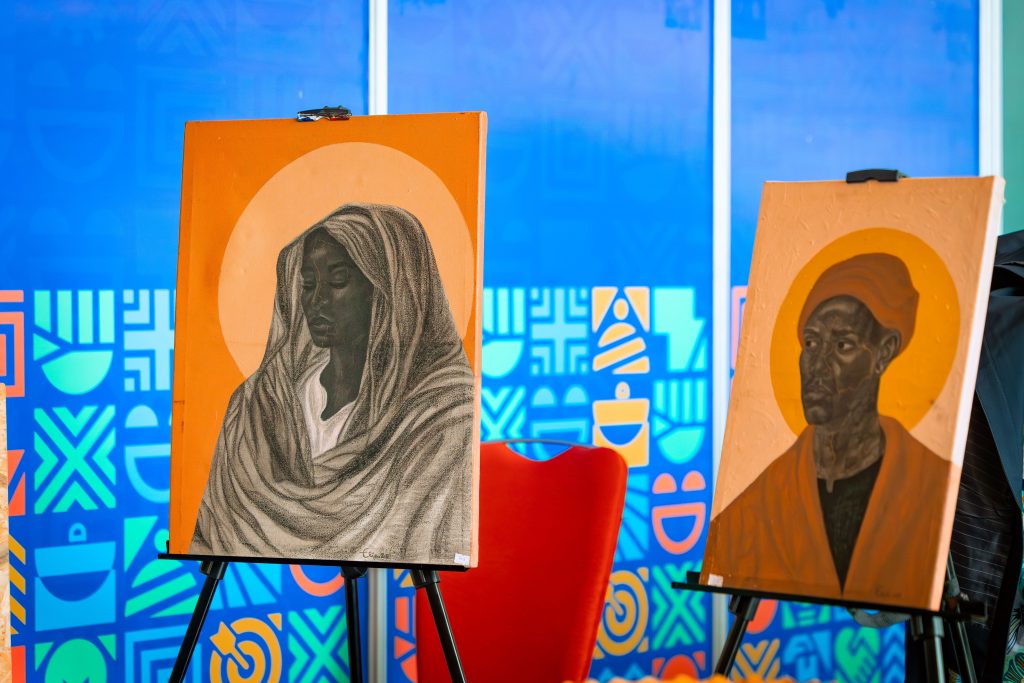
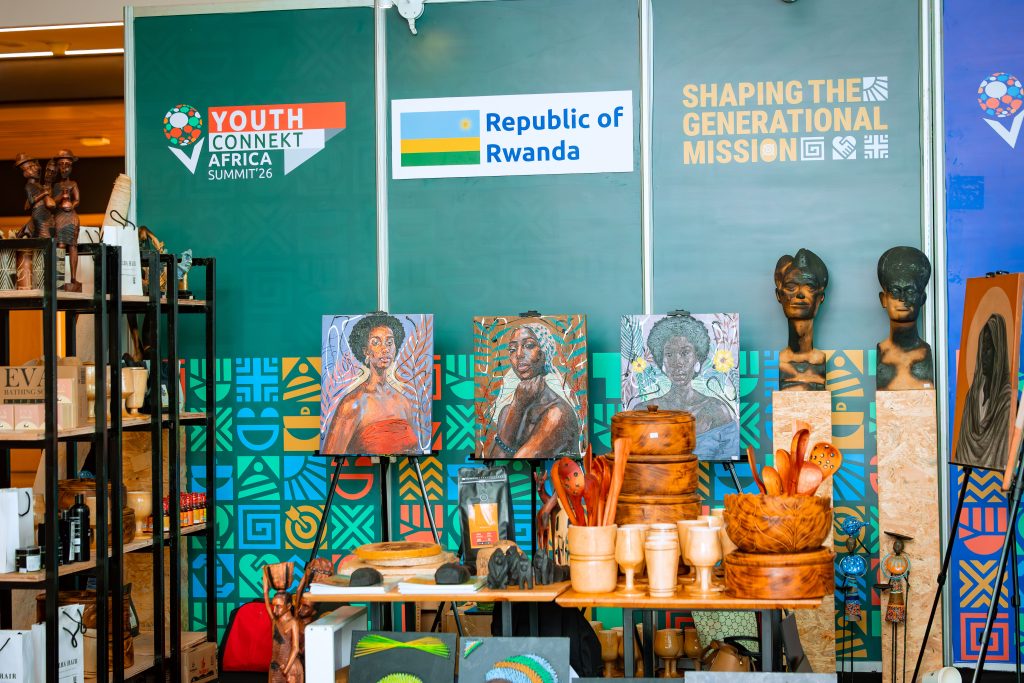
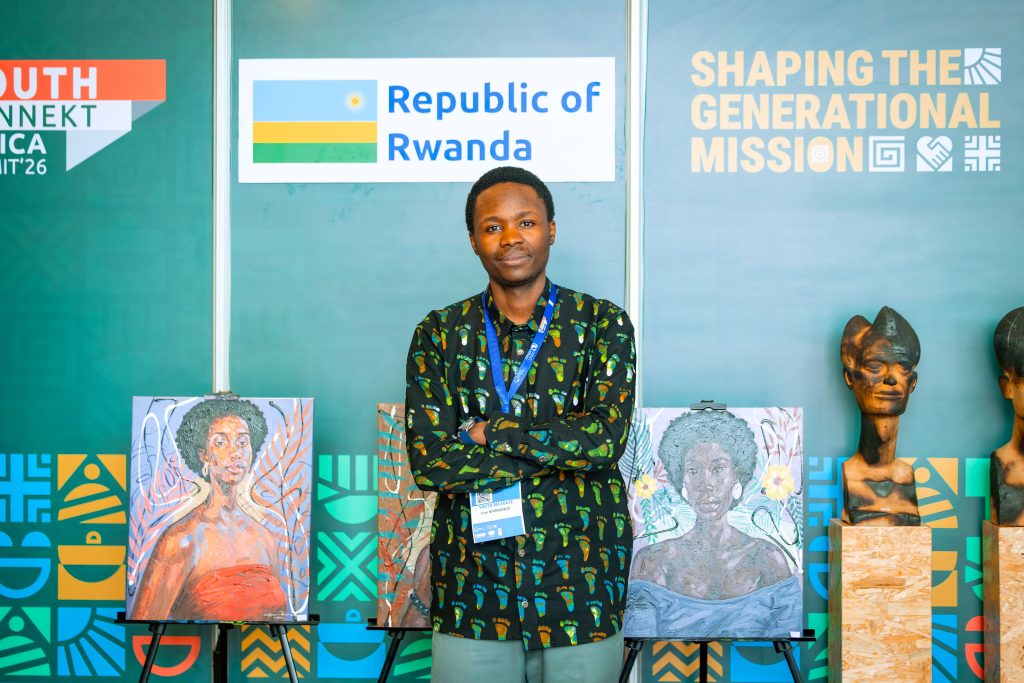
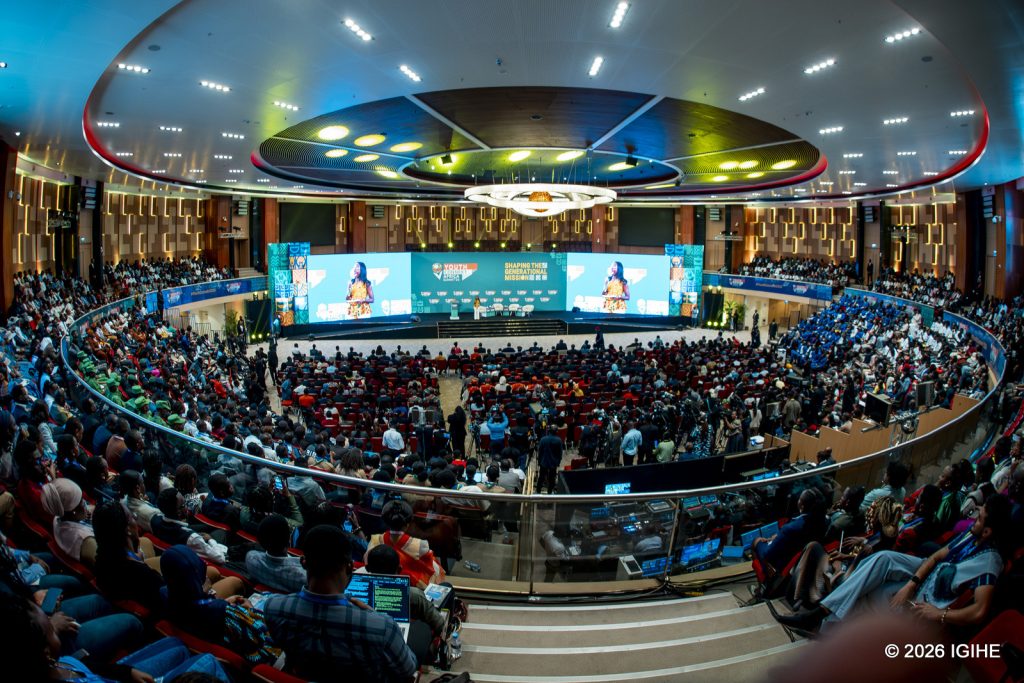
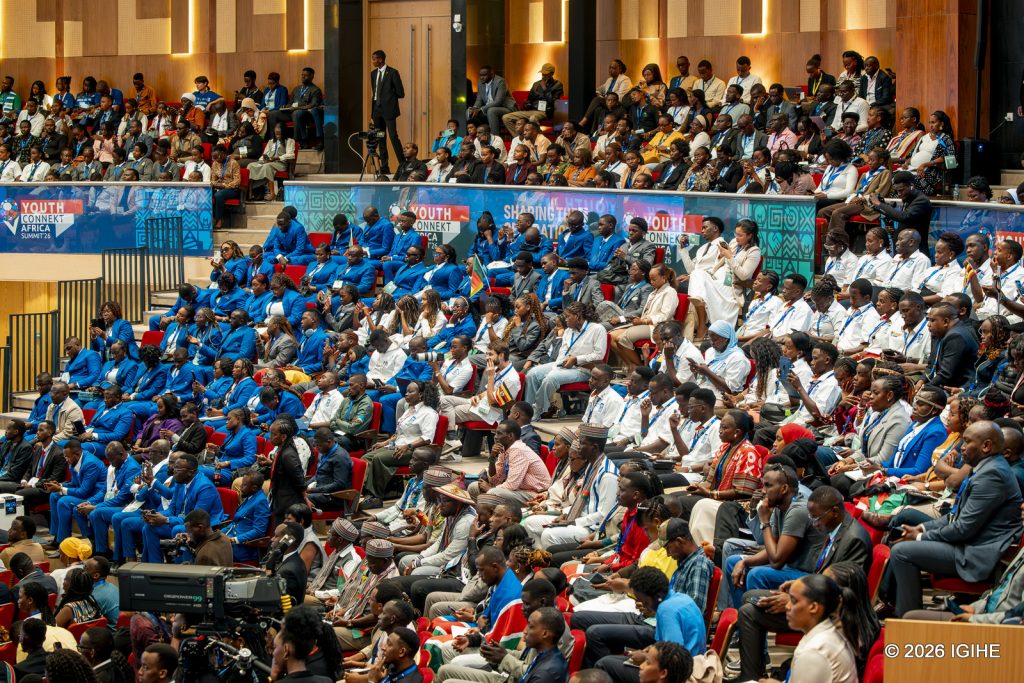
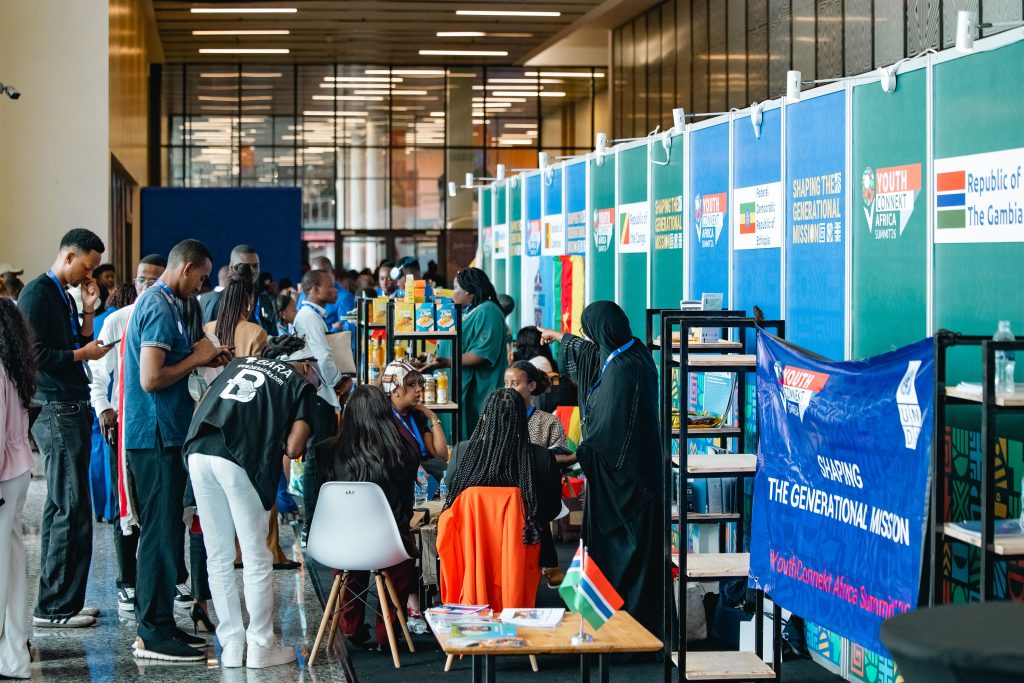
He spoke to IGIHE on the sidelines of the 8th YouthConnekt Africa Summit in Kigali, where he is exhibiting paintings, sculptures, ceramic pieces and wood-burning artworks.
Rather than compete with technology, he believes creatives should explore how to incorporate it into their work.
"There are more ways for us creatives to adopt AI, and more things that can be helpful to us," he remarked.
One area where he has found it particularly useful is the preparation of artwork proposals for clients.
When approaching large institutions for exhibitions or commissioned projects, artists are sometimes required to present mock-ups showing what their proposed work or exhibition will look like.
Producing such visual concepts traditionally requires working with illustrators or designers, which can be expensive, particularly for independent artists and small creative businesses.
AI tools have made the process easier by allowing him to generate preliminary visual concepts and make adjustments based on client feedback before committing resources to the actual work.
He explained that the technology also helps when clients commission artwork but struggle to communicate exactly what they want.
Previously, he would have to produce an initial painting before presenting it to a client, only to be asked to change certain elements.
Now, he can use AI to generate a visual representation of the proposed concept, allowing clients to suggest adjustments to elements such as backgrounds and colours before the actual artwork is produced.
This, he believes, saves time and makes communication between artists and customers more efficient.
Making technology work for creatives
Niyogisubizo's experience reflects a broader debate about the place of artificial intelligence in the creative economy, where concerns about job displacement and originality coexist with opportunities to improve productivity.
For independent artists, the cost of developing concepts, marketing products and accessing professional design services can affect their ability to compete.
AI offers tools that can help address some of these challenges, although Niyogisubizo does not see it as a substitute for the artistic process itself.
He pointed to a performance by local creatives during the summit, which incorporated AI-generated visuals and storytelling alongside live dancers.
For him, the example demonstrated how technology could complement human creativity without taking away the role of performers.
His approach is to identify areas where AI can support the creative process while allowing artists to retain control over the actual work.
Building a market for African art
Beyond technology, Niyogisubizo is also working to address another challenge facing visual artists: limited appreciation and consumption of locally produced artwork.
He observed that international buyers often show greater interest in African art than local consumers, a situation he wants to change by encouraging more young people, particularly Gen Z and millennials, to engage with visual arts.
One of his strategies is to make artwork more affordable.
While an original painting might cost Rwf200,000, he explained that customers can purchase a print of a similar size for about Rwf50,000.
He also uses painting classes and interactive experiences to introduce people to art and help them appreciate the work involved in producing it.
His galleries organise painting activities that allow participants to experience the creative process themselves.
He believes that once people understand the effort involved in producing artwork, they develop a greater appreciation for artists and their work.
"When you are with people and collect feedback, you try to see how to intervene at this intersection to make sure those people can access my products," he said.
From Kigali to international markets
Niyogisubizo is also looking beyond Rwanda's borders to expand opportunities for his business.
He identified access to markets and professional networks as some of the biggest challenges facing creatives, explaining that participating in exhibitions helps artists establish connections with potential buyers, partners and institutions.
He won the ArtsConnekt Award 2025/2026, a programme under YouthConnekt, and exhibited his work alongside creatives from other African countries at the Kigali summit.
He said such platforms provide opportunities to meet other artists, exchange ideas and establish contacts that can open doors to international markets.
“Access to market goes with connectivity. When you are doing business, the connection and the network you have matter a lot,” he told IGIHE.
Launched in Rwanda in 2017, YouthConnekt has grown into a continental platform involving 39 African countries. Organisers say it has engaged more than 16 million young people, supported over 50,000 youth-led businesses and contributed to the creation of 250,000 jobs.
Meanwhile, Niyogisubizo told IGIHE that, beyond the award, he had secured an opportunity to exhibit his work in Qatar after earlier attempts fell through. He said the opportunity had taken time to materialise, with partnerships and support from Rwanda's Ministry of Foreign Affairs and the country's embassy in Qatar helping make it possible.
For Niyogisubizo, the experience demonstrates the importance of combining individual initiative with institutional support to help creative businesses reach new markets.
As artificial intelligence continues to reshape creative industries, he believes artists should remain open to new tools rather than view technological change solely as a threat.
His position is that technology can make certain aspects of artistic work easier, but the ideas, cultural identity and human expression behind the artwork remain essential.
Loading comments...
Leave a comment