



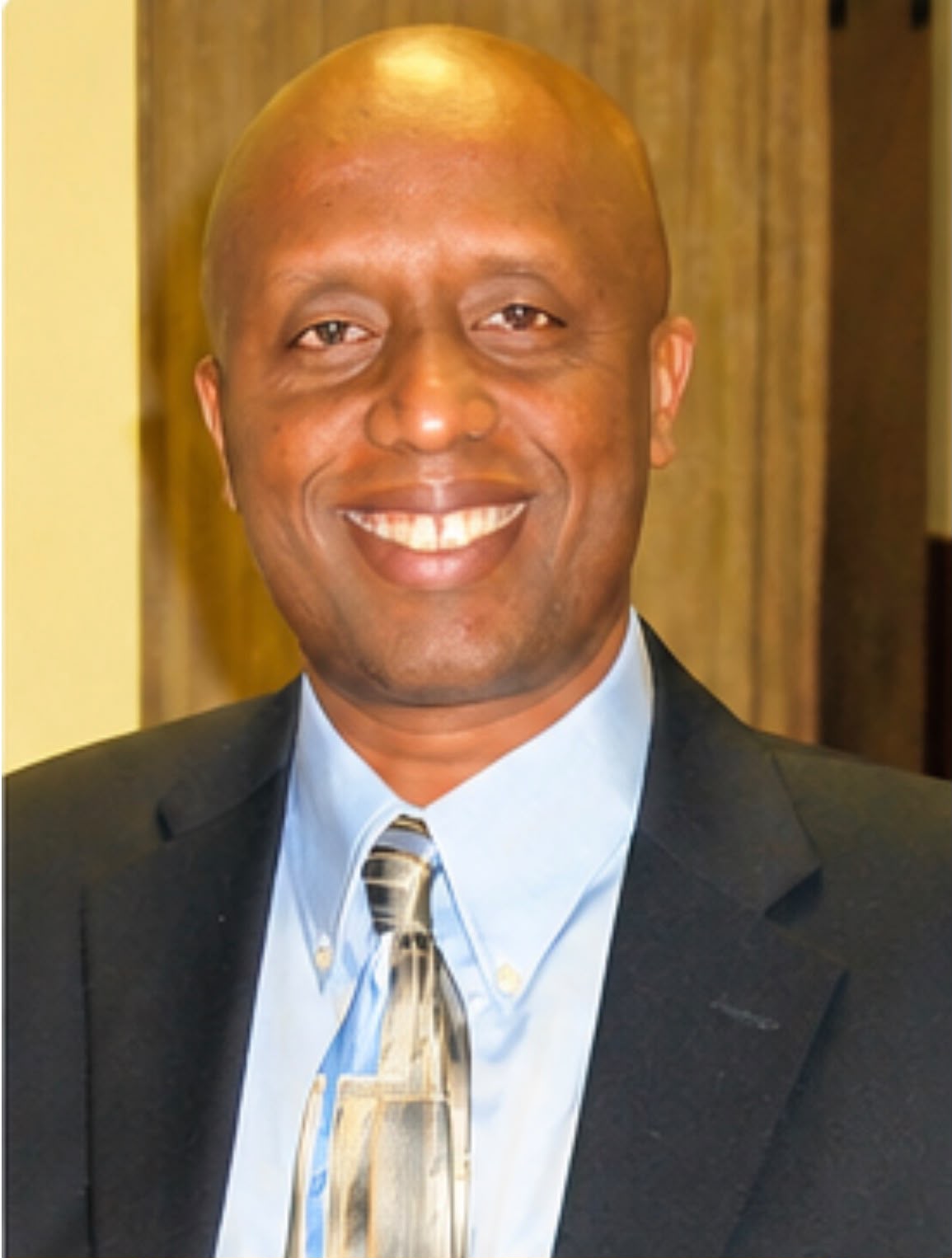
More than three decades later, Rutonesha, who now lives in Ohio, is revisiting that period through his account of the arrests, fear and difficult prison conditions that followed the outbreak of war in Rwanda in October 1990.
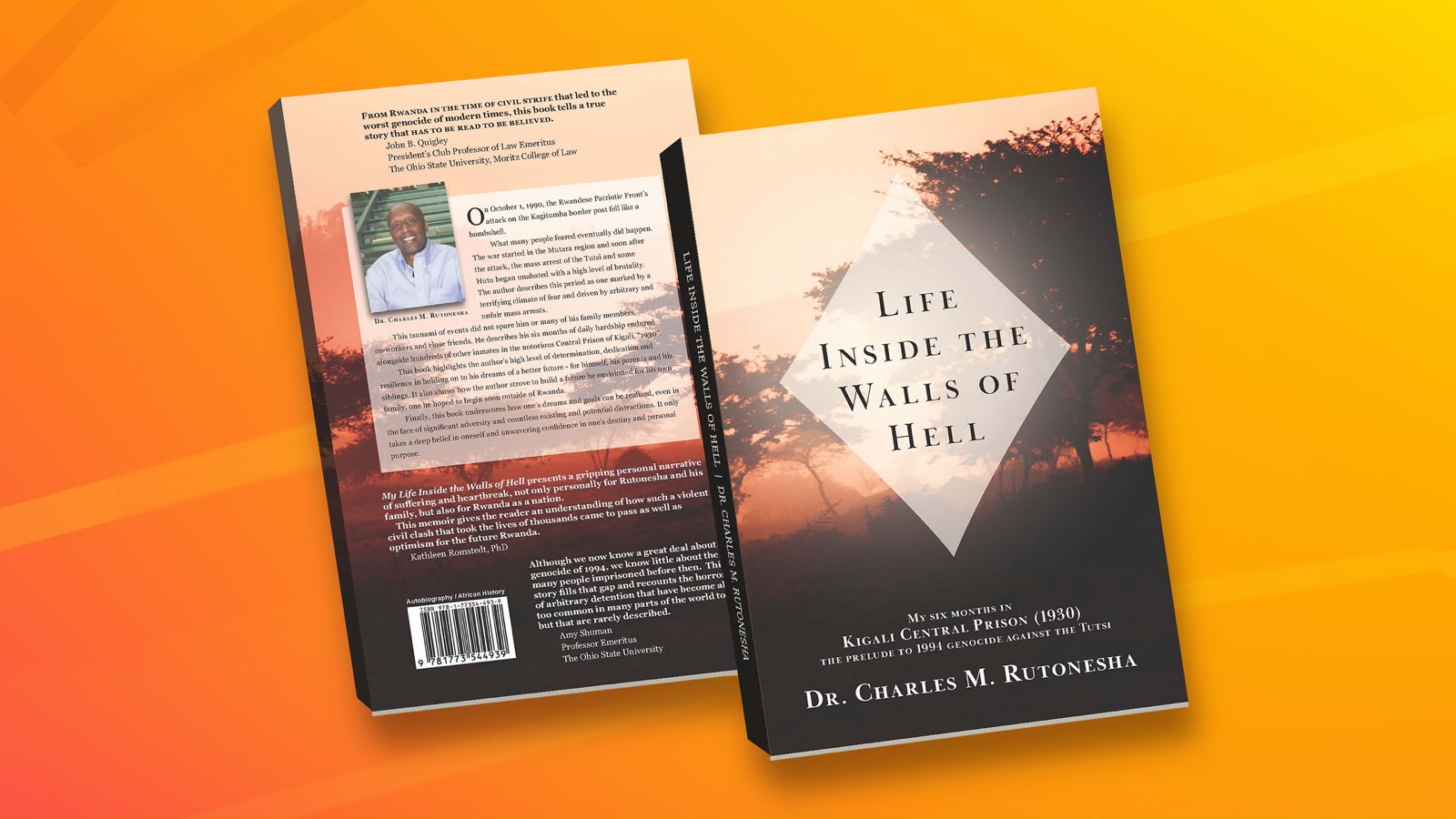
In an interview with IGIHE about his book, Dr. Rutonesha recounts how his arrest disrupted his plans, describes his experiences at Kigali Central Prison, commonly known as 1930, and explains how he eventually left Rwanda to rebuild his life abroad.
His account in the book focuses on a period when people suspected of supporting or collaborating with the Rwandan Patriotic Front (RPF) faced arrest. Those accused of being accomplices were commonly referred to as ibyitso, a Kinyarwanda term used at the time.
Arrested while preparing to leave Rwanda
Dr. Rutonesha was working at the Ministry of Labour when intelligence agents arrested him at around 10 a.m. on October 23, 1990, according to his account.
He had already secured admission to Ohio State University and obtained a US visa in July that year. His plans to pursue further studies, however, were interrupted by his arrest.
He was taken to the Office of the President, where he remained throughout the day, before being transferred that evening to the gendarmerie brigade in Muhima, Kigali. He spent the night there.
The following day, October 24, he was transferred to Kigali Central Prison, where he remained until his release on April 8, 1991.
Looking back on the weeks surrounding his arrest, Dr. Rutonesha describes an atmosphere in which uncertainty and fear had become part of everyday life.
In Life Inside the Walls of Hell, he writes: “The events I experienced between October 1 and October 23 were a real living hell.”
The period followed the outbreak of war on October 1, 1990, when the RPF launched an offensive against the government of President Juvénal Habyarimana.
Dr. Rutonesha recalls the presence of soldiers, police officers and intelligence agents, as well as arrests carried out in workplaces and neighbourhoods. The possibility of being detained, he writes, created persistent anxiety among those who feared being accused of supporting the RPF.
“It was an endless mental torture,” he writes, describing the psychological strain of living under those circumstances.
Life inside Kigali Central Prison
Rutonesha's account of his time at 1930 prison describes the hardships detainees faced during their confinement.
He recounts limited food supplies, rudimentary sleeping arrangements and the physical and psychological toll of detention. He also reflects on how prisoners interacted, coped with their circumstances and relied on one another to endure daily life.
Beyond documenting his personal experience, the book seeks to preserve the stories of other detainees who lived through the same period.
His testimony presents detention as an experience that extended beyond the loss of freedom, disrupting personal plans, education and family life while leaving lasting consequences.
For Dr. Rutonesha, documenting these experiences is also a way of drawing attention to a period he believes deserves greater consideration in accounts of Rwanda's history.
He explains his motivation in the book's opening pages: “I decided to write this book because I wanted to document one of the darkest chapters in Rwanda’s history.”
His account places the arrests and persecution he describes within the wider political climate that followed the outbreak of war in 1990. He also considers these events in relation to the developments that preceded the 1994 Genocide against the Tutsi.
From detention to a new life in the United States
Dr. Rutonesha was released on April 8, 1991, at around 5 p.m., bringing his nearly six-month detention to an end.
His freedom did not immediately restore the life he had planned before his arrest. About a month later, on May 10, 1991, he left Rwanda for Nairobi, Kenya, where he stayed with his sister, Chantal, and her family.
On September 8, 1991, he arrived at John F. Kennedy International Airport in New York before travelling to Columbus, Ohio.
He subsequently pursued studies in sociology, business administration and law, building a life in the United States after the upheaval he recounts in his book.
Now married and the father of two adult children, Dr. Rutonesha continues to live in Ohio.
His journey from detention in Kigali to a new life in the United States forms an important part of his account, illustrating how the events of 1990 and 1991 altered the course of his personal and academic ambitions.
Preserving a difficult chapter of history
For Dr. Rutonesha, documenting his experience is a way of preserving the memories of those who were arrested and detained during a turbulent period in Rwanda’s history.
Through Life Inside the Walls of Hell, he hopes to encourage other witnesses to share their experiences and ensure that the events they lived through are not forgotten.
Loading comments...
Leave a comment