



Since the scheme was introduced in 2019, farmers have paid Rwf 22 billion in insurance premiums, including government subsidies.
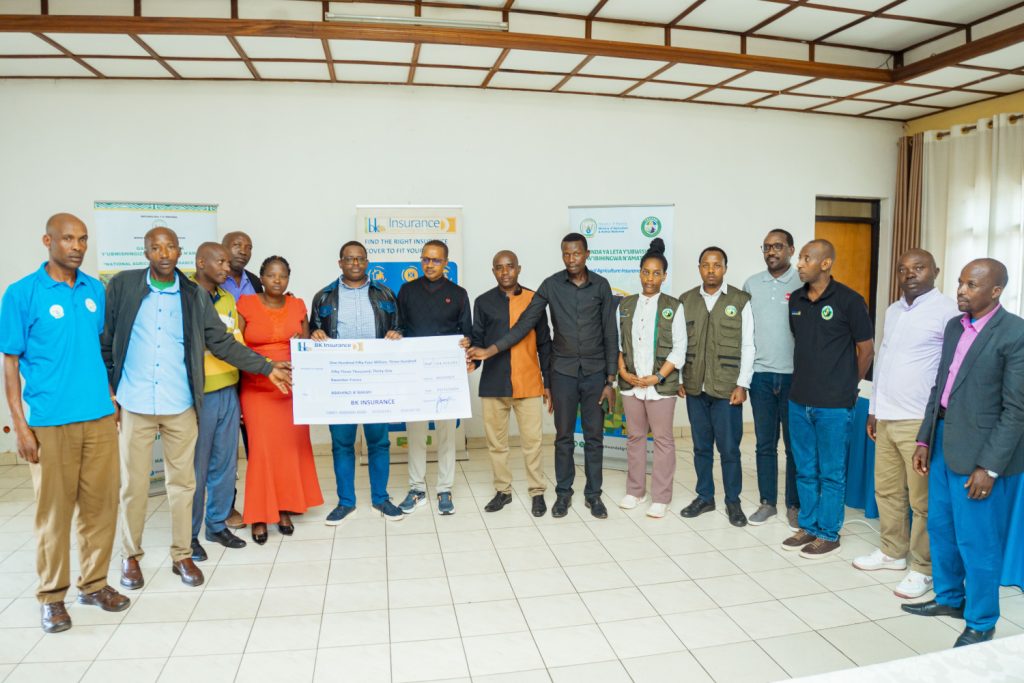
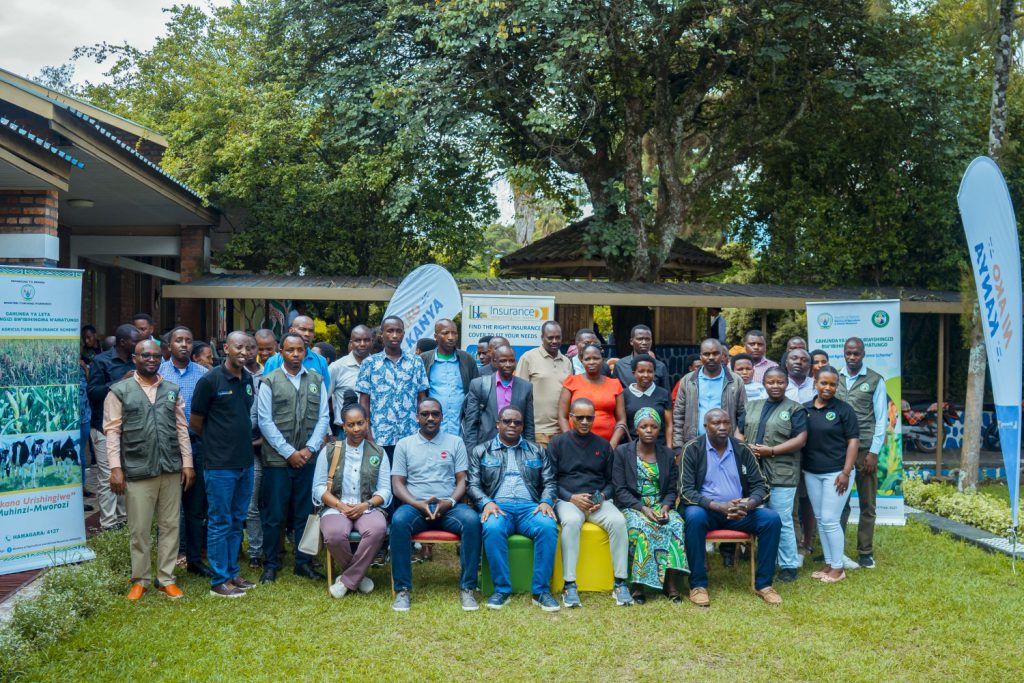
The figures were disclosed by MINAGRI Permanent Secretary Dr. Olivier Kamana on November 25, 2026, during an event to compensate crop and livestock farmers in the Northern Province who suffered losses caused by natural disasters.
“Since the launch of the Tekana Urishingiwe Muhinzi Mworozi programme, farmers have paid Rwf 22 billion in insurance premiums, including government subsidies, and received Rwf 11.6 billion in compensation. Of this amount, Rwf 6.7 billion went to crop farmers, while Rwf 4.9 billion was paid to livestock farmers,” he said.
Dr. Kamana noted that crops eligible for insurance include rice, maize, potatoes, chilli peppers, French beans, soybeans, beans, cassava and crops grown in greenhouses.
Livestock covered under the scheme include cattle, pigs, poultry and fish.
He commended insurance companies for their partnership in advancing the programme and encouraged more farmers to embrace agricultural insurance, particularly those operating in designated farming zones.
BK Insurance Managing Director Alex Bahizi said that between January and October 2026, the company paid more than Rwf 150 million in compensation to crop and livestock farmers in the Northern Province.
“We compensated crop and livestock farmers in the Northern Province who suffered various losses to the tune of Rwf 154,353,031. We are also pleased to see the continued growth in the uptake of agricultural insurance,” he said.
Agricultural insurance boosts farmers’ access to financing
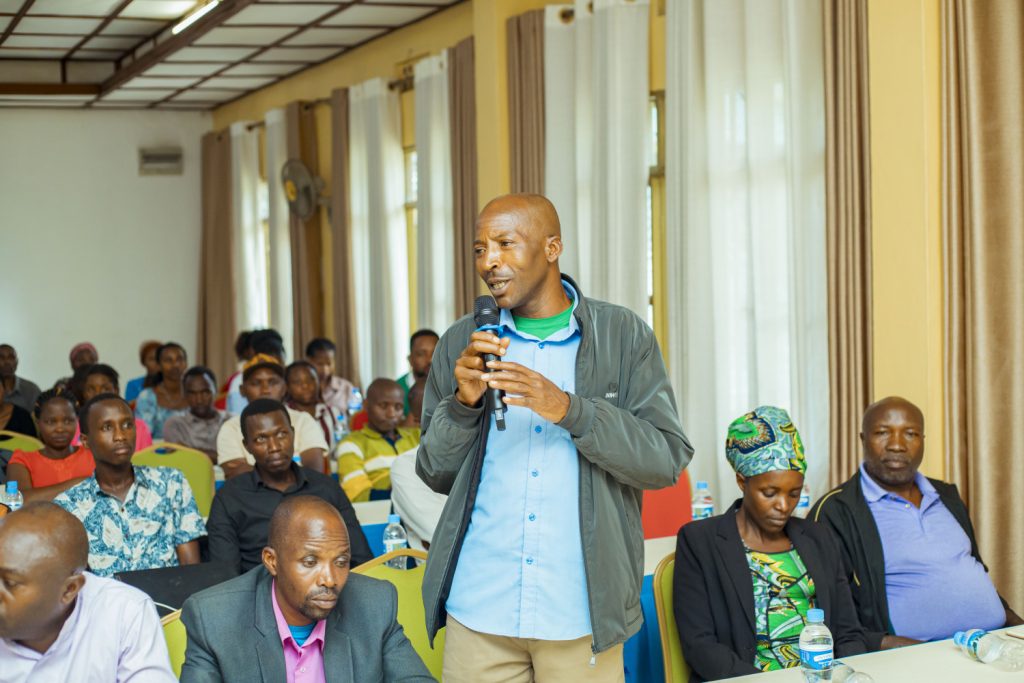
Jean de Dieu Niyibizi, president of Twihangire Umurimo Cooperative (KOTWUMU), which brings together maize and bean farmers in Gakenke District, said the cooperative has received more than Rwf 6 million in compensation since it began insuring its crops.
“We have received over Rwf 6 million in compensation for losses caused by adverse weather conditions, including strong winds. This has greatly strengthened us, especially considering that we initially did not understand the agricultural insurance programme,” he said.
“This farming season, we insured all 172 hectares under cultivation, compared to 100 hectares last year. In earlier years, we started by insuring no more than 10 hectares. This expansion was driven by the confidence the insurance scheme gave us. Previously, we would suffer losses and struggle to raise capital for the following farming season.”
Niyibizi explained that financial institutions previously had little confidence in the cooperative due to the risks associated with agricultural production.
At one point, the cooperative was denied a Rwf 30 million loan because of concerns over potential farming losses.
Today, however, it has managed to secure a Rwf 80 million loan without collateral.
Since January 2026, BK Insurance has paid Rwf 1.2 billion in agricultural insurance claims, including Rwf 667 million to crop farmers, with the remainder going to livestock farmers.





Loading comments...
Leave a comment