



The figure represents a 24.3 percent increase from the previous financial year, highlighting Rwanda’s continued efforts to strengthen the agricultural export sector, build resilience and expand access to international markets.
Agricultural and livestock exports generated $839.21 million in 2023/24, rising to $893 million in 2024/25 before exceeding $1.1 billion in 2025/26.
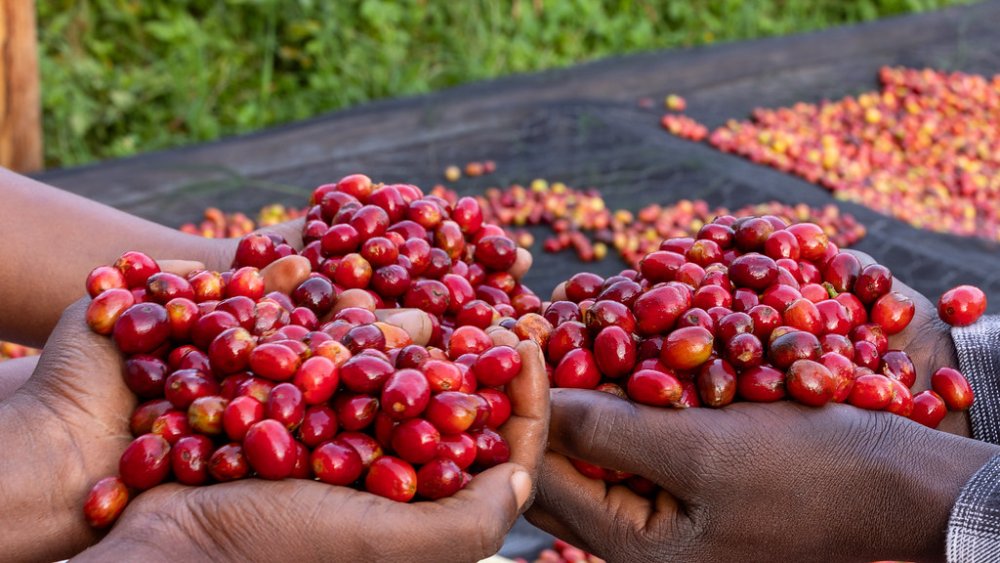
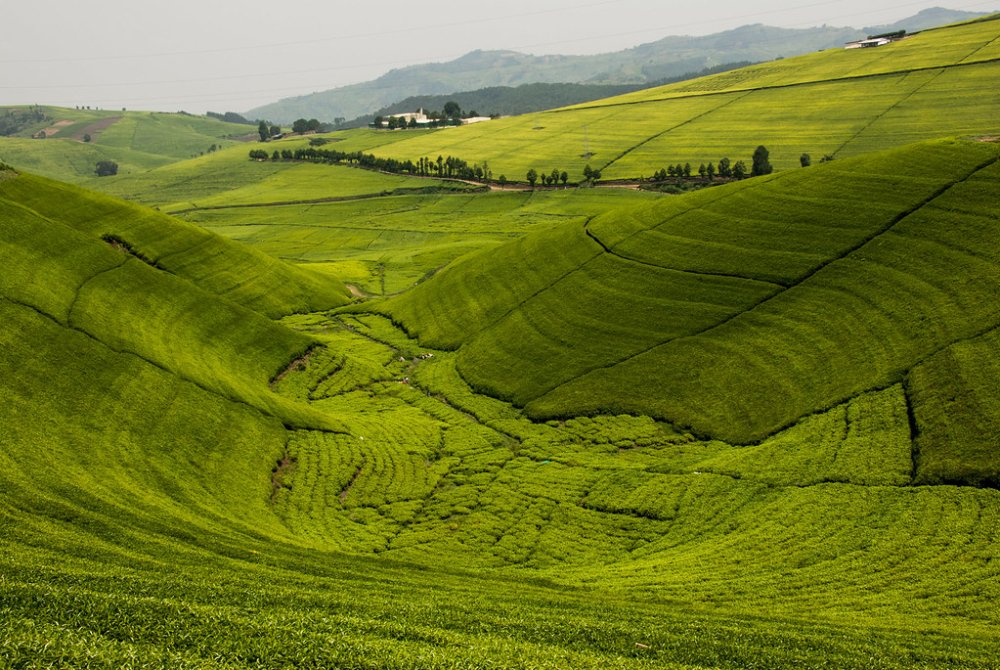
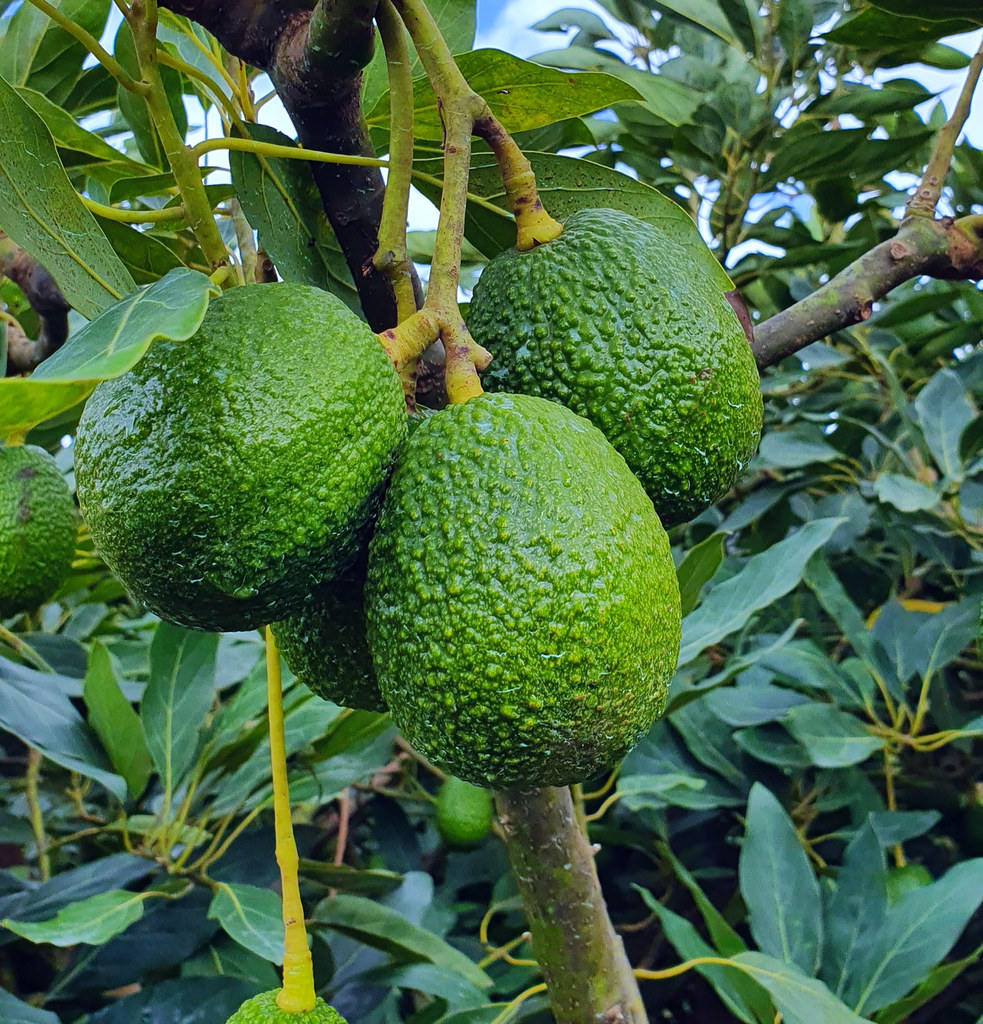
During the 2025/26 financial year, coffee, tea and pyrethrum generated $264.88 million in export revenues, while flowers, fruits and vegetables brought in $86.83 million.
Livestock products generated $204.79 million, while other agricultural and livestock-related products accounted for $554.28 million.
Rwanda exports agricultural and livestock products to markets including the United Arab Emirates, Qatar, China and other countries in Asia, as well as the United States, Europe and various African countries.
NAEB Director General Claude Bizimana told IGIHE that surpassing $1.1 billion was a reflection of the government’s continued investment in developing agricultural exports.
“Generating $1.1 billion for the first time in history demonstrates the efforts the country continues to make to develop the agricultural and livestock export sector and expand international markets,” Bizimana said.
The achievement comes as Rwanda seeks to increase the contribution of agriculture to economic development by boosting production, developing infrastructure to maintain the quality of exports and strengthening compliance with international standards, all aimed at expanding access to global markets.
Infrastructure as a pillar of export growth
Bizimana said the milestone was achieved as the government continued to invest in infrastructure designed to address challenges facing the agricultural export sector.
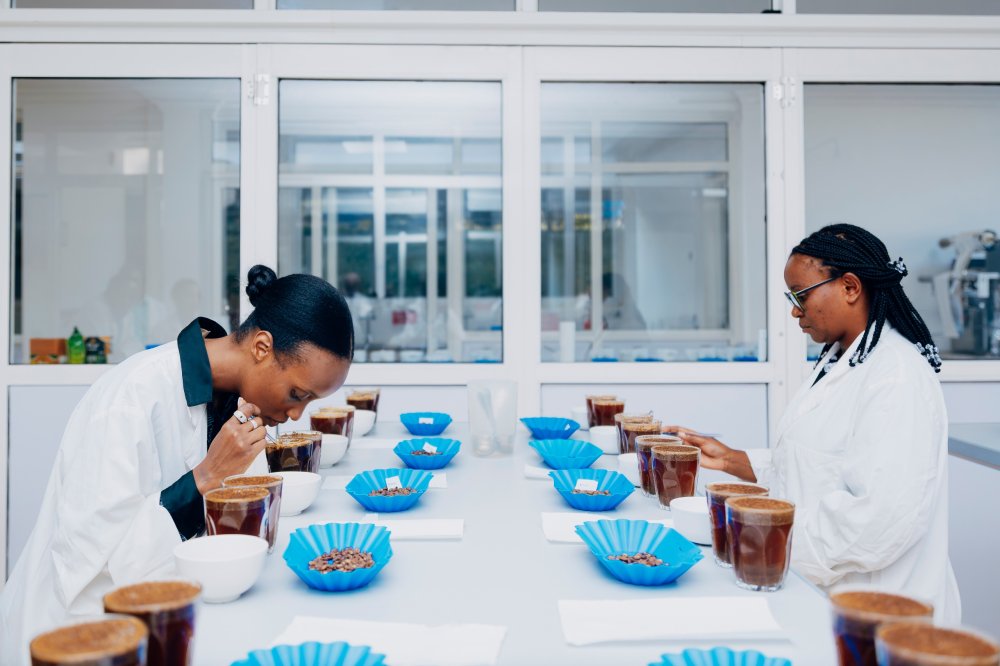
“Through NAEB, the government has developed various infrastructure, including coffee and tea processing and testing facilities, as well as facilities for maintaining the quality of produce before export, including sorting and storage facilities,” he said.
Rwanda currently has a laboratory at NAEB that has received international accreditation, enabling it to conduct tests whose results are recognised internationally.
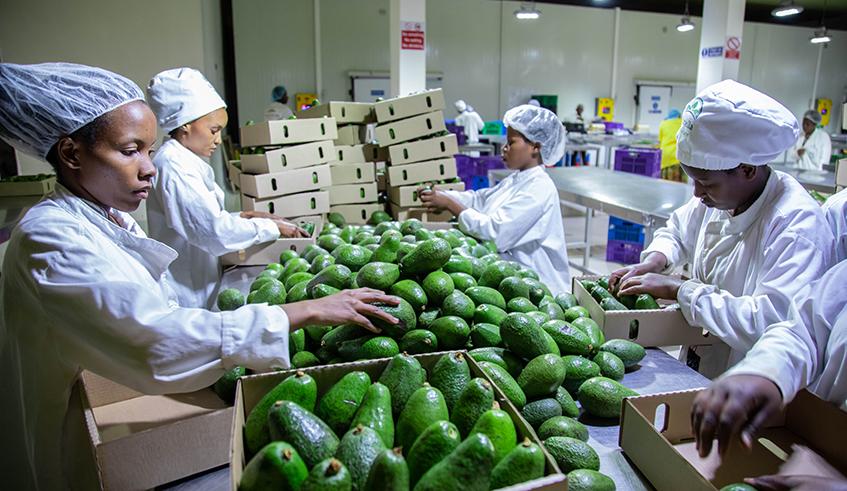
The country also has facilities for sorting and storing coffee, as well as facilities for processing and cold storage of fruits and vegetables.
Focus on quality and traceability
Quality and traceability are among the key requirements in international agricultural markets, with buyers increasingly seeking information about the quality and origin of products.
NAEB says Rwanda has developed systems to maintain export quality and provide international buyers with information about the products being exported.
The government also supports the promotion of Rwanda’s agricultural and livestock exports through international trade fairs and by connecting exporters with buyers, with NAEB playing a key role in facilitating these engagements.
As part of efforts to promote innovation and expand markets, NAEB has also introduced the annual Best of Rwanda coffee competition. Top-performing Rwandan coffees are sold through auctions, helping increase their value, expand markets and improve farmers’ earning potential.
NAEB has also increased the use of digital systems to speed up service delivery and make it easier for exporters to conduct business.
Increasing production and strengthening farmers’ capacity
One of the strategies for increasing foreign exchange earnings from agricultural and livestock exports is to increase both the volume and quality of production.
Bizimana said various programmes and projects have been introduced to support this goal, including helping farmers access high-quality seedlings that are resilient to climate change, providing technical support and conducting campaigns aimed at increasing productivity.
Rwanda is continuing efforts to meet the targets set under the second National Strategy for Transformation (NST2) and the fifth Strategic Plan for Agriculture Transformation (PSTA5).
NAEB says it is working with various partners to increase foreign exchange earnings from agricultural and livestock exports and expand Rwanda’s presence in international markets.
The country aims to increase revenues from agricultural and livestock exports to $1.5 billion by 2029.
Loading comments...
Leave a comment