



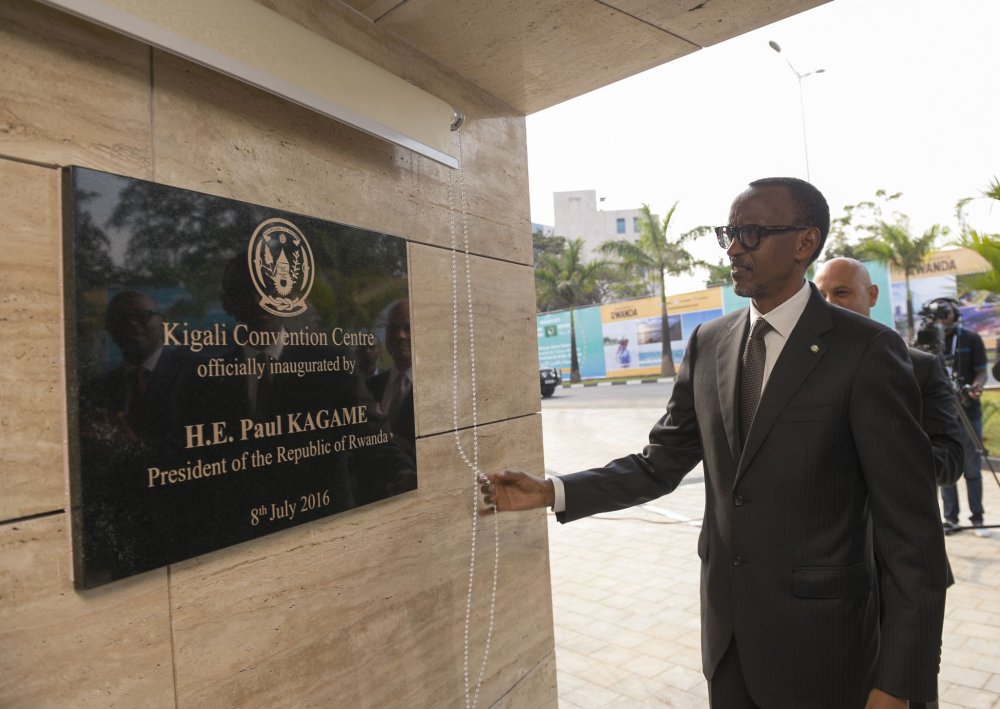
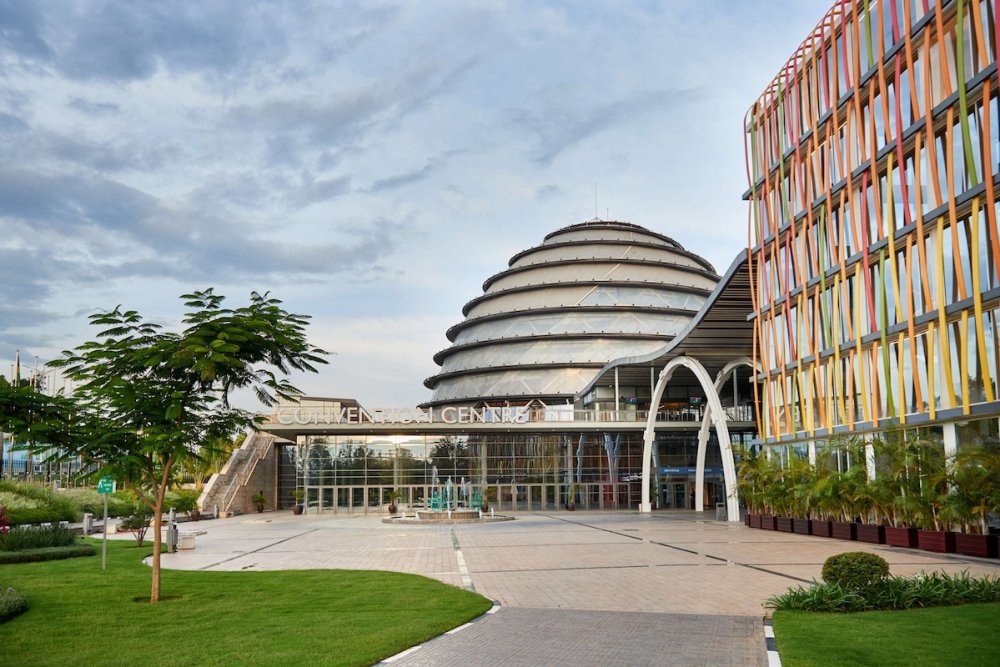
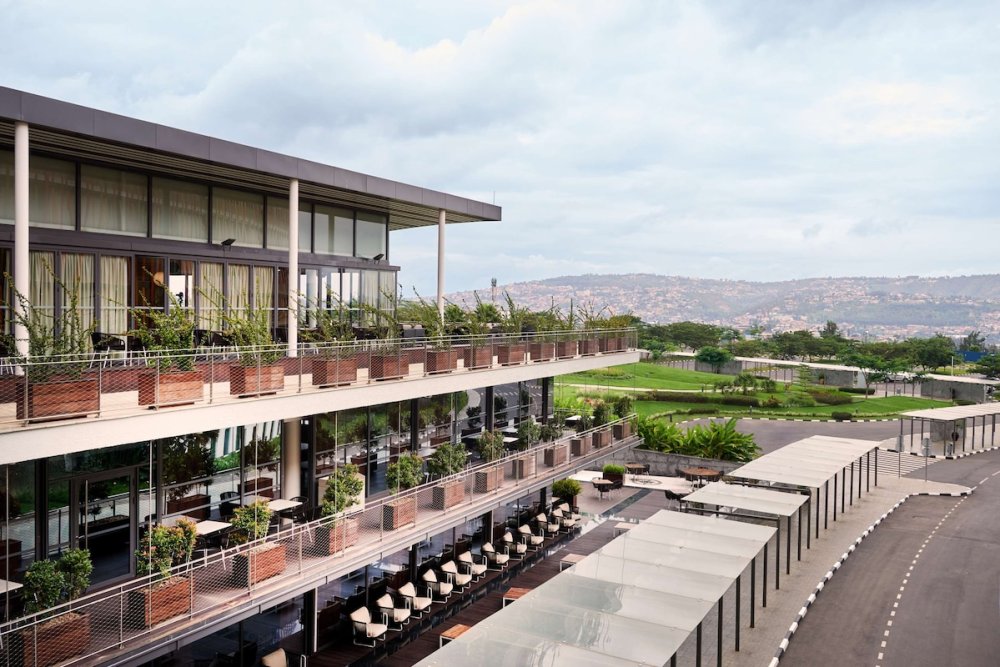
Over the past 10 years, the iconic facility has hosted some of the continent's largest summits, welcomed more than 100 heads of state and government, created thousands of jobs, and built a supply chain that now sources nearly all of its goods locally.
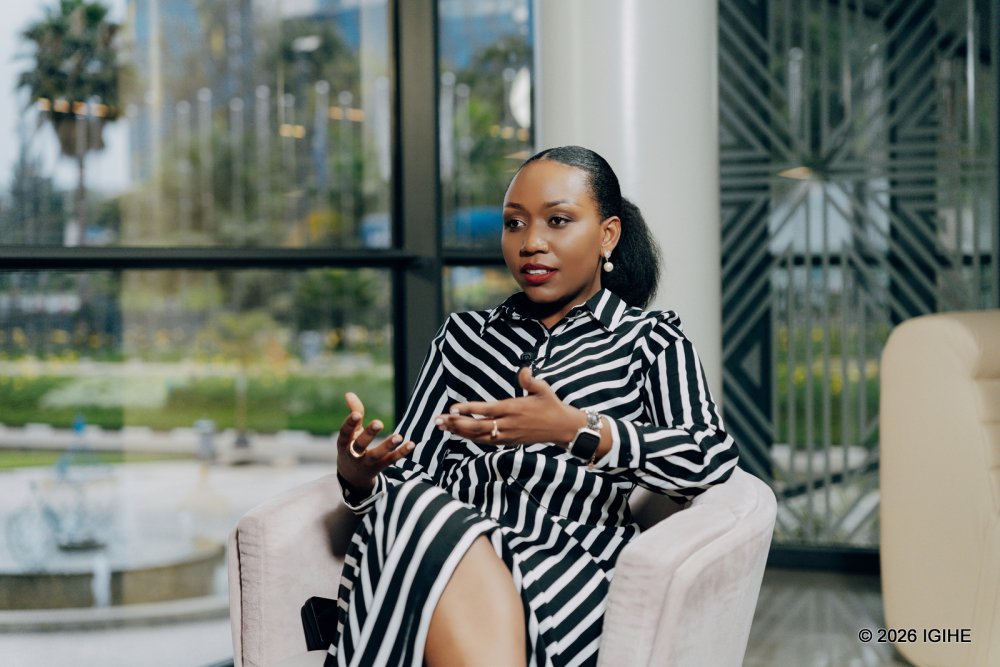
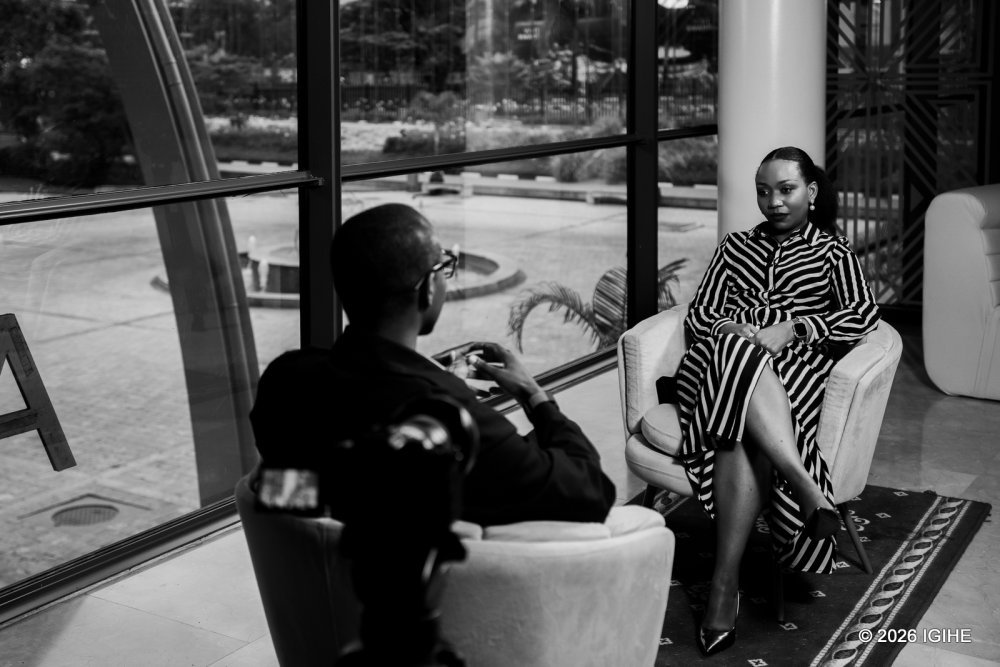
For Nice Uwase, the Acting General Manager of Radisson Blu Hotel & Convention Centre Kigali, the journey began months before the official opening.
She joined the team nearly four months before KCC welcomed its first guests and was responsible for developing the commercial strategy for both the hotel and convention centre, including pricing, sales, and market positioning.
Looking back, Uwase describes the opening day as one of the defining moments of her career.
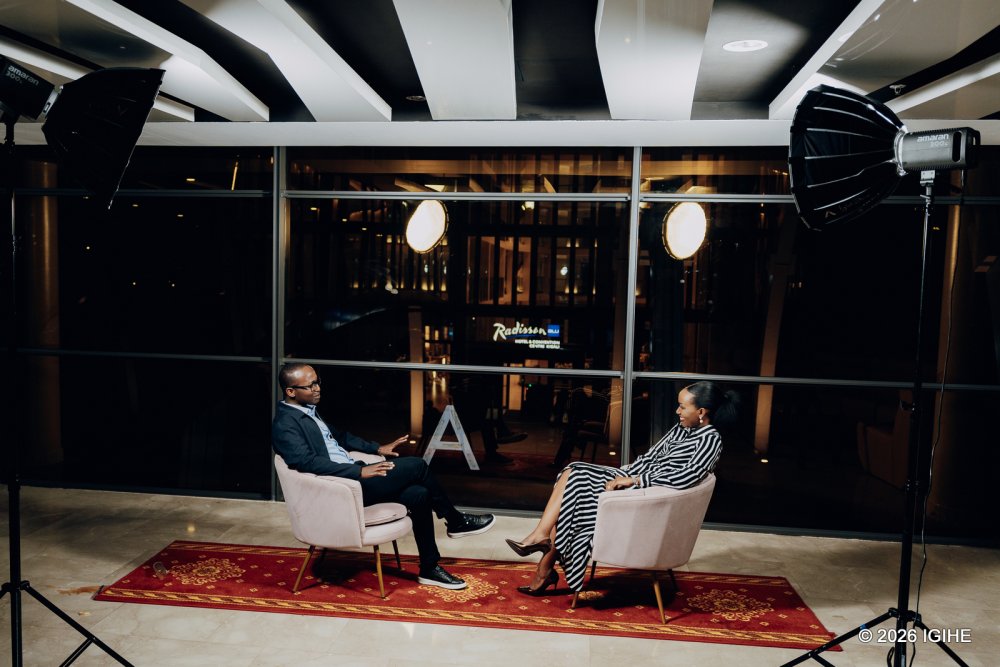
"It was an incredible experience. There was immense excitement, but also uncertainty because we didn't know exactly what would come next. Watching the building finally completed and ready to welcome guests felt like a dream," she told IGIHE in a recent exclusive interview.
A debut on Africa's biggest stage
Unlike most newly opened convention centres, KCC had no opportunity to test its operations through smaller events before taking on a major assignment.
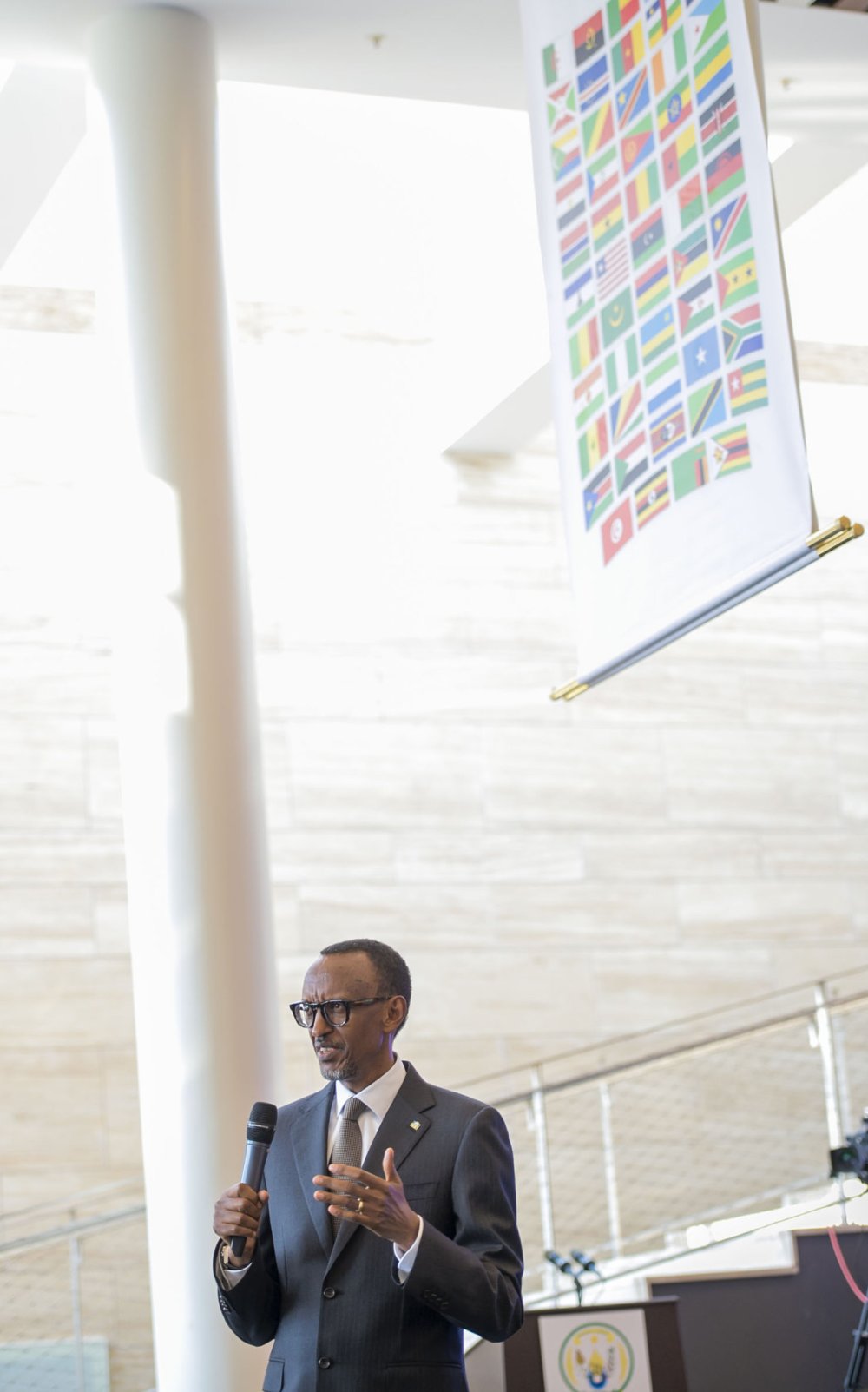
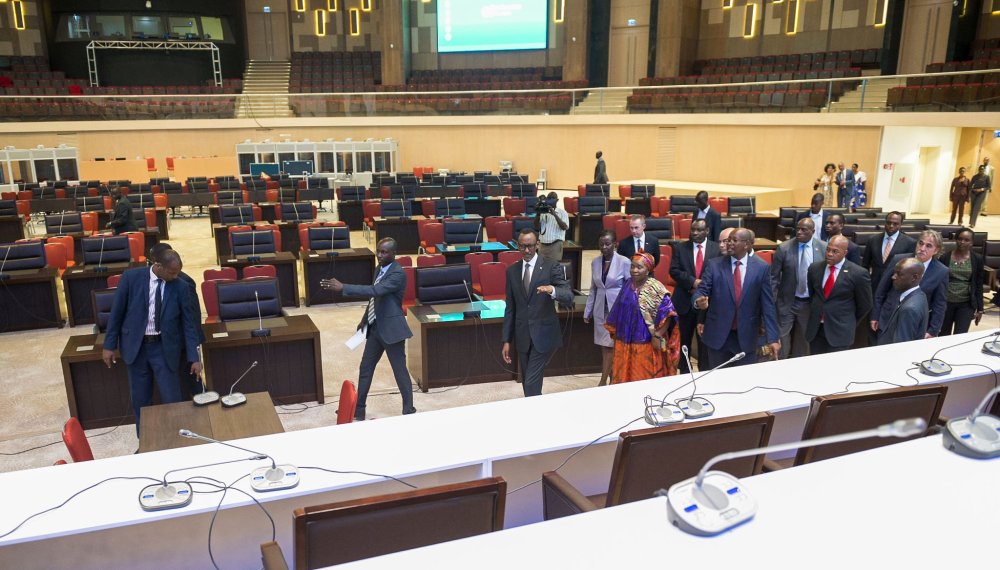
Its first event was the African Union Summit, bringing together more than 30 heads of state alongside delegations from almost every African country.
"We never had the luxury of testing our systems to see what worked and what didn't," Uwase recalls.
"We opened and immediately hosted one of Africa's biggest summits for heads of state. It was certainly not easy, but we successfully delivered."
Home to Africa's largest conferences
Since then, KCC has become the venue of choice for many of Africa's flagship conferences.
The largest event hosted at the venue remains the 2019 International Conference on AIDS and Sexually Transmitted Infections in Africa (ICASA), which attracted about 9,000 participants, including around 7,000 who attended sessions held at KCC.
Other major conferences include the Women Deliver Conference, which brought together approximately 6,000 participants, while the annual Africa Green Revolution Forum (AGRF) has consistently attracted between 4,000 and 5,000 delegates.
Several GSMA Mobile World Congress (MWC) events have also been held at the venue, drawing between 2,500 and 4,000 participants, while the inaugural African Union Summit that marked KCC's opening welcomed roughly 2,500 delegates.
Despite these milestones, Uwase says every event comes with its own unique expectations, meaning KCC never considers itself to have reached its full potential.
Delivering CHOGM
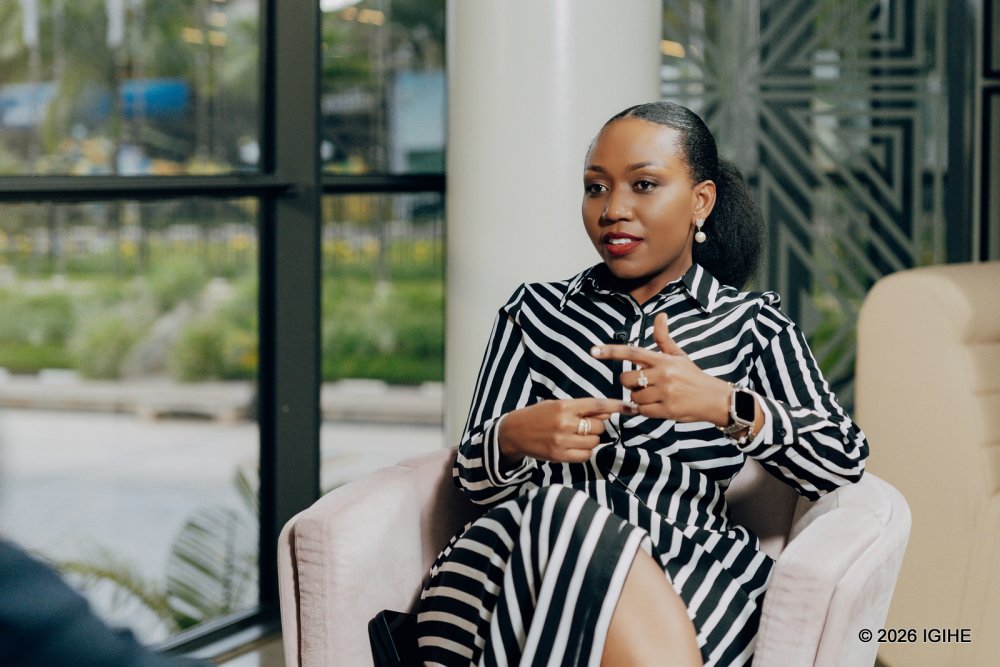
Among the landmark events hosted at KCC was the 2022 edition of the Commonwealth Heads of Government Meeting (CHOGM), one of the most significant international gatherings ever held in Rwanda.
Uwase says the summit carried added importance because it marked only the second time in many years that CHOGM had returned to Africa.
"We wanted Rwanda to leave a lasting impression. Achieving that required close collaboration with many government institutions because although KCC hosted the event, its success depended on collective effort. I am grateful for the support from the country's leadership because we could not have accomplished it alone."
Welcoming more than 100 world leaders
Over the past decade, KCC has hosted more than 100 heads of state, government leaders, prime ministers and members of royal families, underscoring Rwanda's growing role as a destination for high-level international diplomacy.
Creating jobs and strengthening local supply chains
Beyond conferences, KCC has also made a significant contribution to Rwanda's economy.
Over the past 10 years, the facility has directly employed more than 2,000 people, while its operations have supported over 10,000 jobs across different sectors.
Its procurement strategy has also shifted dramatically. When KCC first opened, more than 95% of the products it used, including food, cleaning supplies and operational equipment, were imported.
Today, 98% of those supplies are sourced locally through a network of more than 300 Rwandan suppliers, most of whom provide locally manufactured products.
"We started by importing almost everything we used. Today, only about two percent of our supplies still come from abroad, and we are working towards sourcing everything locally."
The remaining imports mainly consist of specialty products that are difficult to source in Rwanda.
Uwase cites Filini Restaurant, KCC's Italian restaurant, as an example, explaining that certain ingredients must still be imported to preserve the authenticity of the cuisine. Some specialised technologies used in guest rooms also remain unavailable on the local market.
Growing business while investing in sustainability
According to Uwase, KCC's business has expanded steadily over the past decade, recording average annual growth of more than 40%.
Between 60% and 65% of conference organisers return to host future events at the venue, while the Radisson Blu Hotel records a repeat customer rate of around 80%.
The convention centre has also generated nearly $1 million in savings through environmental sustainability initiatives, including water recycling systems, solar energy, and other resource-efficiency measures.
Looking ahead, KCC aims to source at least 30% of its energy from renewable sources by 2036.
The facility also wants to contribute to Rwanda's ambition of attracting one million conference delegates annually, helping the country's meetings, incentives, conferences and exhibitions (MICE) industry generate $1 billion in annual revenue.
Uwase says her ultimate ambition is for Rwanda and KCC to become synonymous with excellence in conference hosting.
"I want anyone planning a world-class conference with flawless execution to immediately think of Rwanda and the Kigali Convention Centre."
Loading comments...
Leave a comment