



According to TransUnion Rwanda's Q1 2026 Consumer Pulse Study, 98% of Rwandans consider access to credit and lending products important to achieving their financial goals. However, only 42% believe they have sufficient access to the credit products they need, exposing a significant gap between demand and availability.
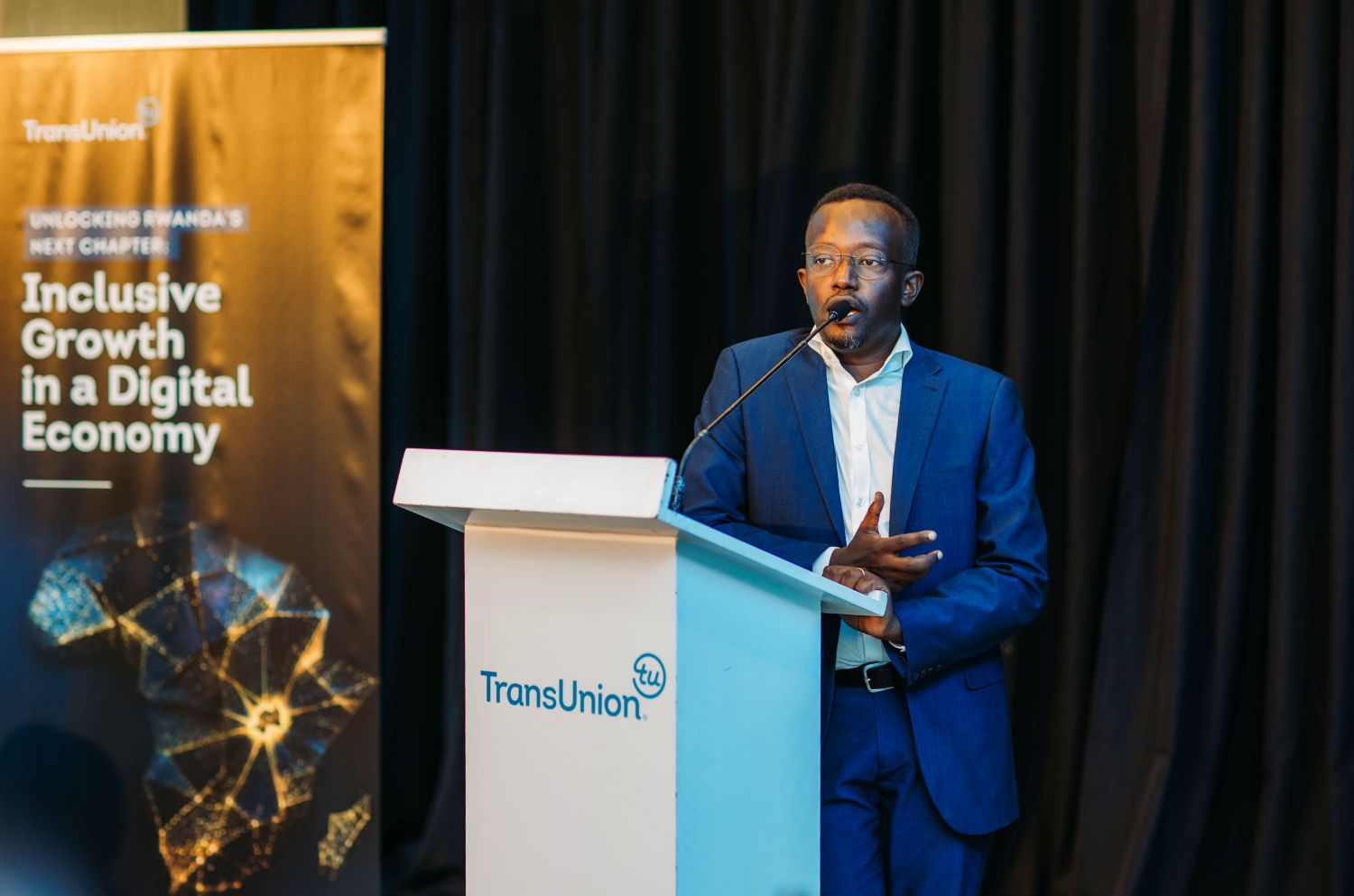
The findings come as Rwanda continues to expand formal financial services and digital payments, with 96% of the population now having access to financial services, according to TransUnion Rwanda Chief Executive Officer Didier Mutambazi.
"As we look at the growth of our economy, 9.4% GDP growth is a good number. The conversation we want to have today is how we ensure that, as the country grows, we also see improvements in the lives of consumers and how, as a financial industry, we all come together to solve the real problems affecting them," Mutambazi told journalists during the launch of the report at Kigali Marriott Hotel on Thursday, July 9, 2026.
Demand remains high
The survey, conducted between February 10 and March 9, 2026, among 259 adults, shows that 56% of consumers plan to apply for new credit or refinance existing loans within the next year, reflecting sustained appetite for borrowing. Personal loans emerged as the most sought-after product, with 47% of prospective borrowers intending to apply, followed by student loans (28%) and Buy Now, Pay Later (BNPL) services (22%).
Yet many consumers are unable to translate that demand into actual borrowing.
Nearly half (49%) of respondents who considered applying for credit ultimately abandoned their plans. The most common reasons included concerns over income or employment (33%), the high cost of credit (30%), and the belief that refinancing would not significantly improve their repayments (22%).
Mutambazi said the findings indicate that the challenge is no longer simply expanding financial access but enabling more people to actively participate in the credit market.
"Today, only about 40% of consumers in the market are credit visible, while around 60% are not yet visible. This is a challenge we must address if we are to expand participation and increase usage of credit," he said.
To tackle this, TransUnion is working with lenders to incorporate alternative data, including mobile money transactions, into credit assessments to help consumers with limited borrowing histories build credit profiles.
Financial optimism persists
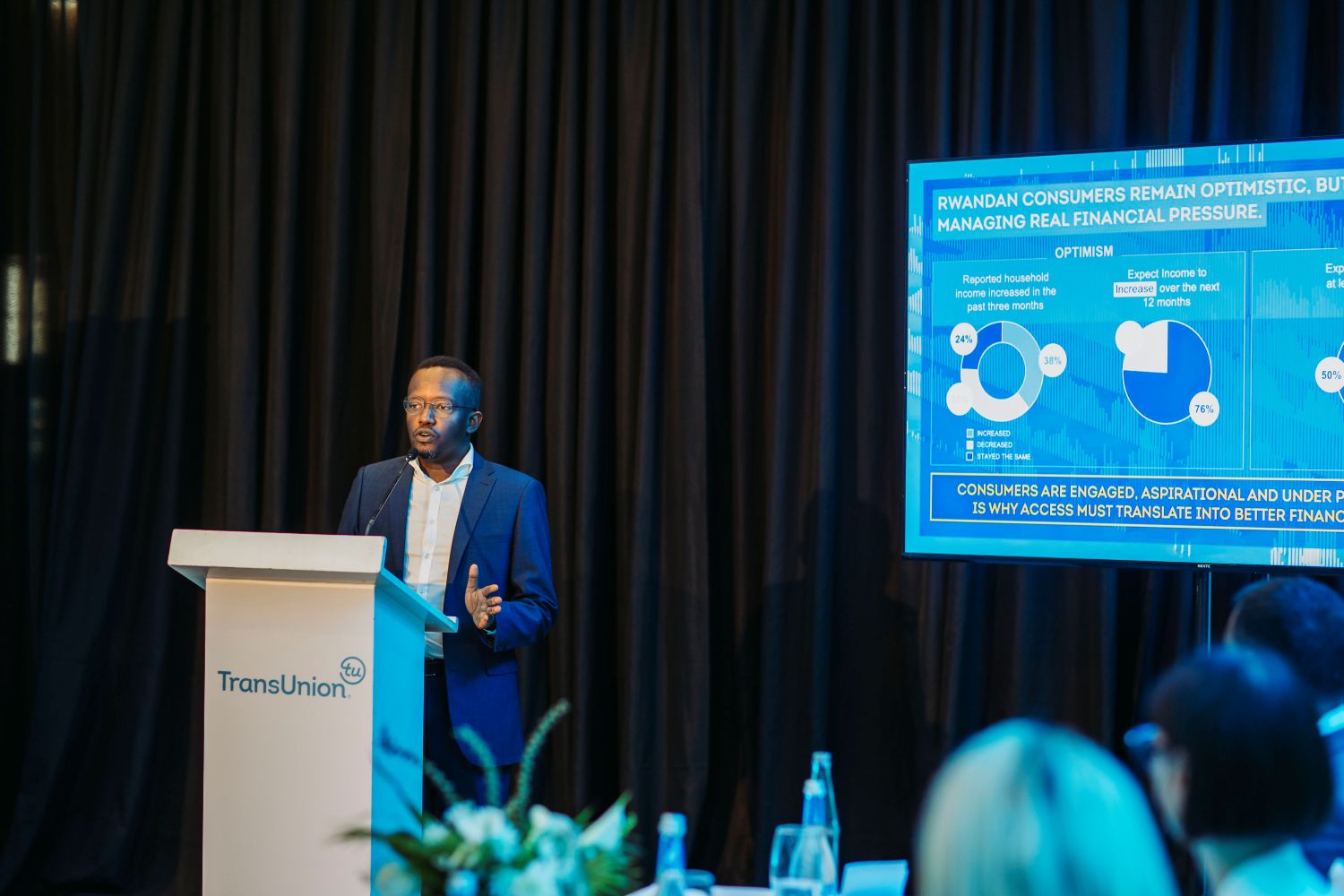
Despite the access challenges, the survey paints a relatively optimistic picture of household finances.
About 76% of respondents expect their household income to increase over the next 12 months, while another 16% expect it to remain stable. At the same time, 38% reported their incomes had increased over the previous three months, compared with 24% who experienced declines.
However, financial pressures remain evident.
Half of respondents said they expect to be unable to pay at least one current bill or loan in full. Among those anticipating difficulties, many plan to make partial payments, use savings or take on temporary work to meet their obligations.
The report notes that these coping mechanisms reflect resilience rather than declining confidence, as households continue adjusting to economic pressures while maintaining cautious optimism.
From financial inclusion to economic inclusion
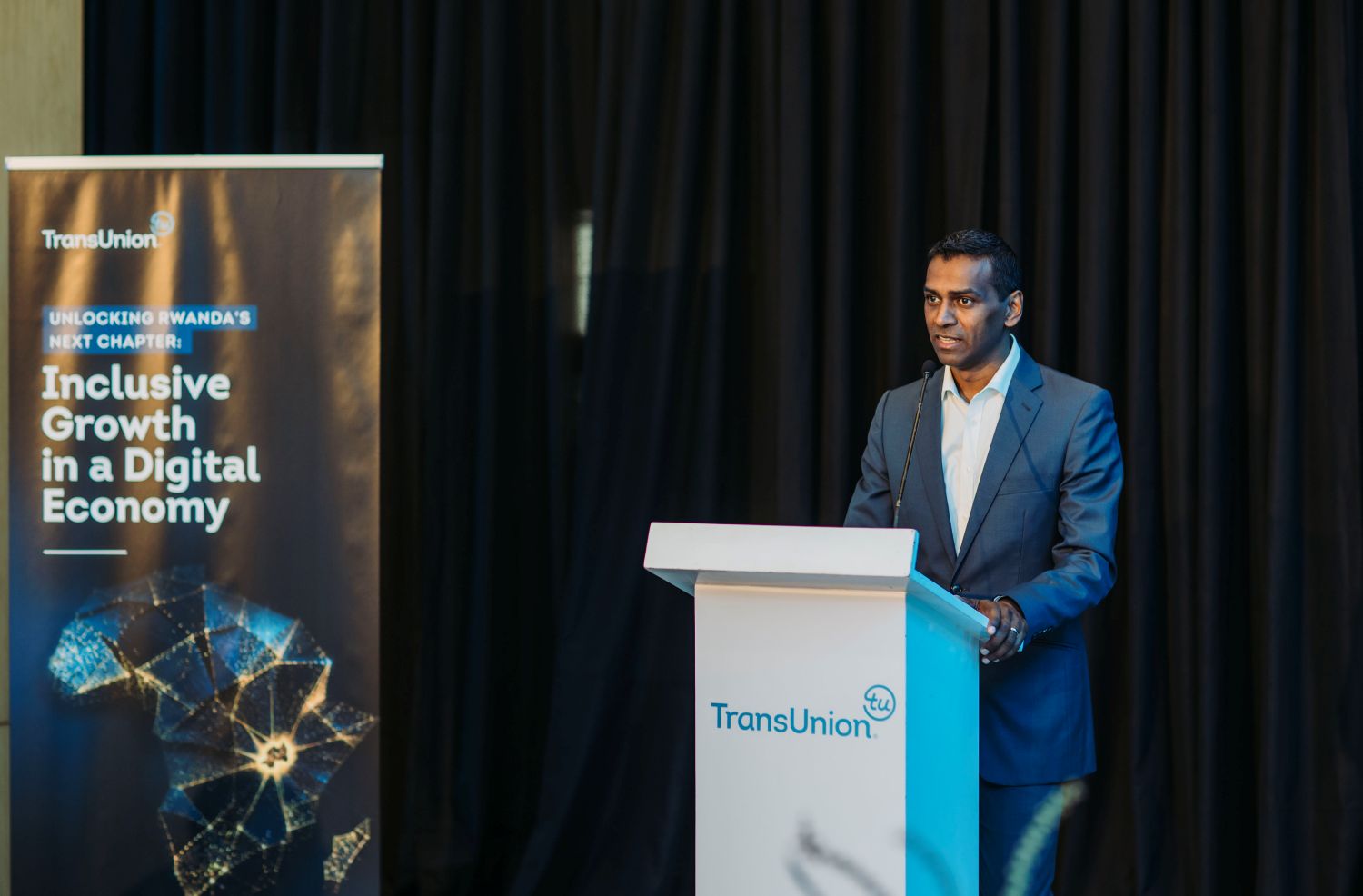
Speaking at the report's launch, TransUnion Africa Regional President and CEO Lee Naik argued that Rwanda's next challenge extends beyond simply expanding access to financial services.
"Financial inclusion is not just about accessing a way to pay bills or move money around. Financial inclusion is the ability to give people access to opportunity," he said.
He noted that greater access to credit would enable more Rwandans to purchase homes and vehicles, finance education, and invest in small businesses, particularly given that micro, small and medium-sized enterprises account for more than 70% of employment across Africa.
Naik also described financial inclusion, digital trust, cross-border collaboration, agri-finance and renewable energy financing as key trends that will shape Africa's economic future over the next five years.
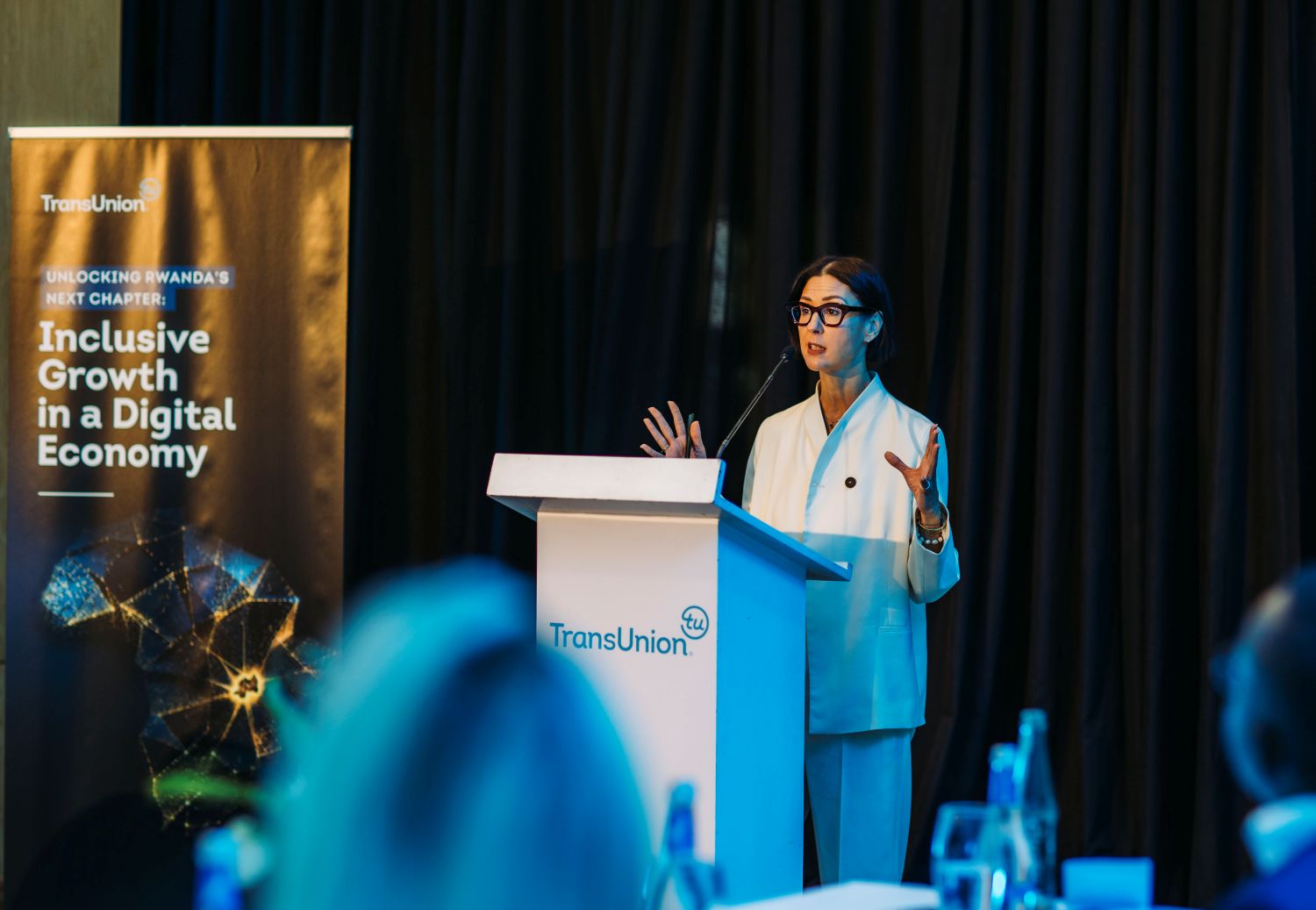
Building on that vision, Jeannine Naude, Vice President and Head of Africa Regions at TransUnion, said unlocking greater financial inclusion will require stronger collaboration across the financial ecosystem.
She said banks, fintechs, telecommunications companies and regulators must work together to build trusted digital infrastructure and develop financial products that reflect how consumers actually earn, save and transact. Such collaboration, she noted, will be key to expanding responsible lending and ensuring more people can participate meaningfully in Rwanda's growing digital economy.
Credit awareness on the rise
The study also found that consumers are becoming increasingly engaged with managing their financial profiles.
Seventy percent of respondents said they monitor their credit reports at least once a month, while 96% believe keeping track of their credit information is important. Meanwhile, 57% believe their credit scores would improve if lenders incorporated alternative data, such as rental payments and other non-traditional financial information, into credit assessments.
Mutambazi said this openness presents an opportunity for financial institutions to broaden lending without increasing risk.
"The future is bright," he said. "As an industry, we must work collaboratively on initiatives to meet this demand."
Digital trust remains critical
As Rwanda's digital economy expands, the survey also highlights the importance of strengthening trust in digital financial services.
Some 62% of respondents said they had been targeted by at least one form of digital fraud during the previous three months. However, only 9% said they actually became victims, suggesting that while fraud attempts are widespread, many consumers are successfully avoiding scams.
Naik said Rwanda compares favourably with several other African markets, where fraud victimisation rates are considerably higher, but stressed that continued investment in digital security and consumer education remains essential.
"Access creates participation, but trust sustains it," Mutambazi said, adding that expanding financial inclusion will increasingly depend on building confidence in digital systems while ensuring more consumers can access affordable and suitable credit products.
TransUnion, the global credit reporting and information services company behind the survey, operates across more than 30 countries, including Rwanda and several African markets. The company provides credit data and analytical insights that help financial institutions assess risk, expand access to credit, and enable consumers to participate more confidently in the financial system.
Beyond its traditional credit reporting services, TransUnion has expanded into areas such as fraud prevention, marketing, and advanced analytics, using data to support more informed financial decisions for businesses and consumers.


Loading comments...
Leave a comment