



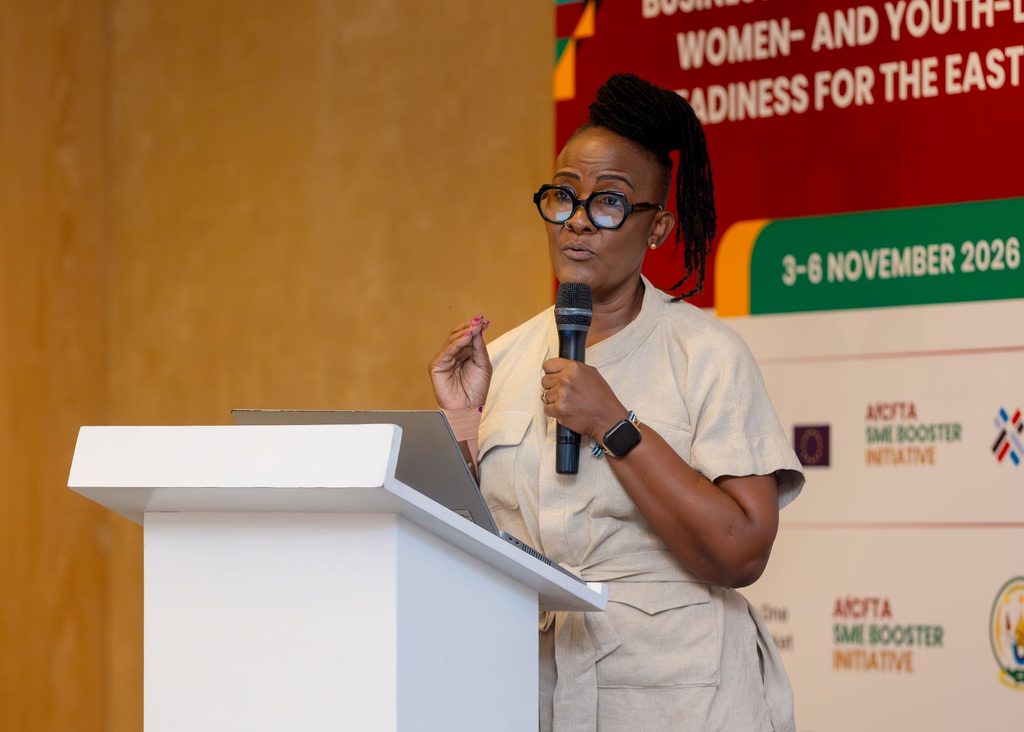
Abibata Shanni Mahama, Senior Advisor for Micro, Small and Medium Enterprises (MSMEs) Development in the Office of the AfCFTA Secretary General, said African countries should use the changing trade environment to expand intra-African commerce rather than depend heavily on external markets.
Her remarks come after the United States announced plans to terminate Rwanda and South Africa's eligibility for preferential access to its market under the African Growth and Opportunity Act (AGOA), effective January 1, 2027.
AGOA, introduced in 2000, allows eligible sub-Saharan African countries to export more than 1,800 products to the US without paying import duties.
The Trump administration said its decision followed concerns that the two countries were engaging in practices inconsistent with the programme's eligibility requirements, including barriers to American trade and investment and issues relating to US national security and foreign policy interests.
Rwanda had previously faced US trade restrictions under AGOA in 2018 after raising tariffs on imported second-hand clothes and shoes to protect its domestic textile and garment industry. Washington suspended duty-free access for Rwandan apparel exports, although the country retained AGOA benefits for other products.
President Paul Kagame defended the decision, arguing that Rwanda needed to build its own manufacturing capacity rather than continue relying on imported used clothing. He maintained that the country was prepared to face the consequences, saying the priority was to grow and establish local industries.
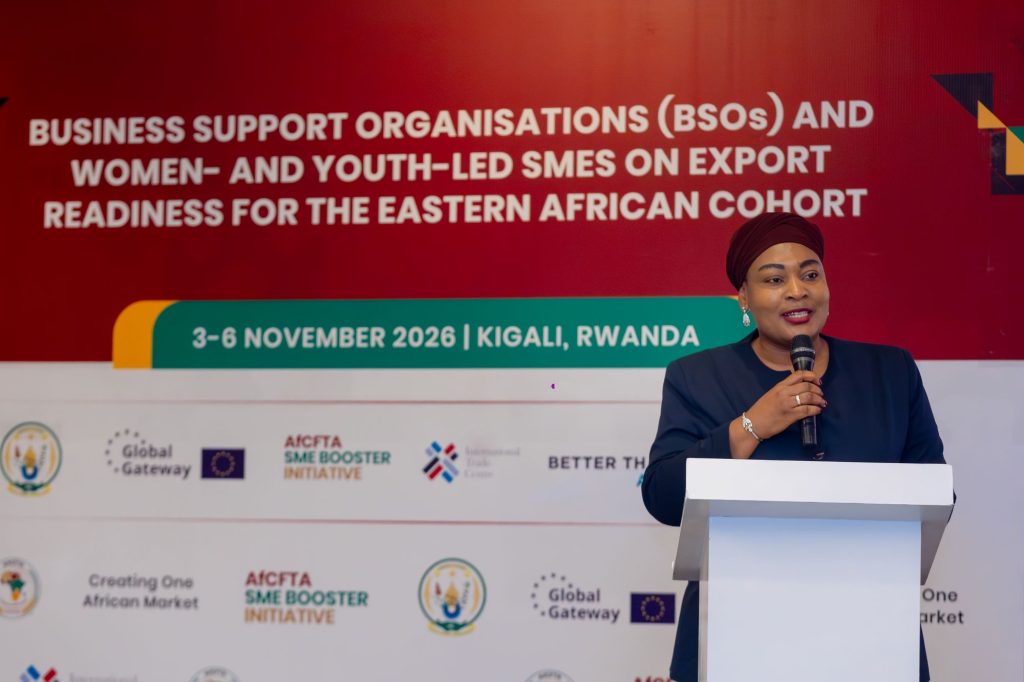
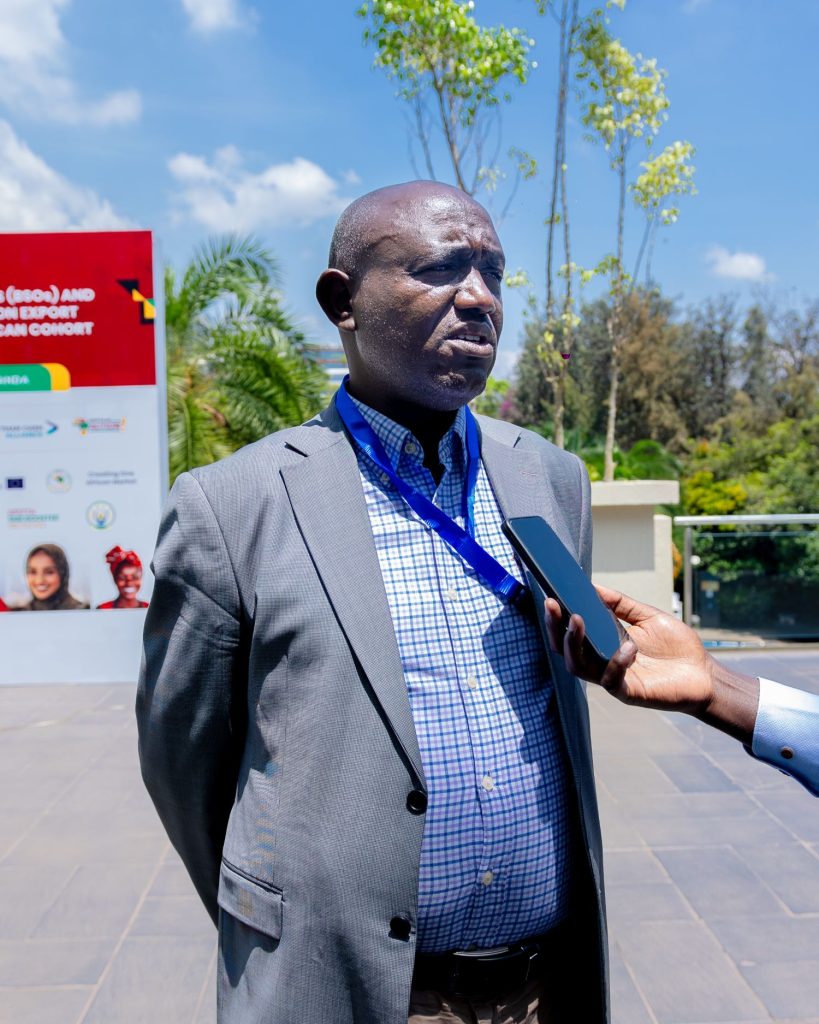
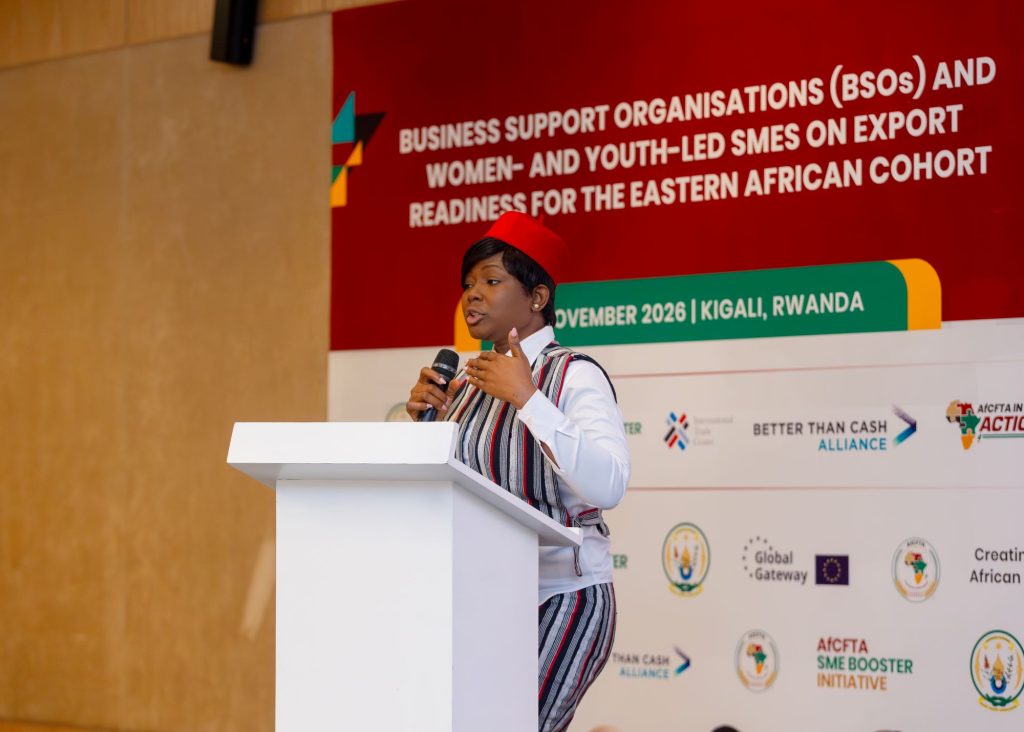
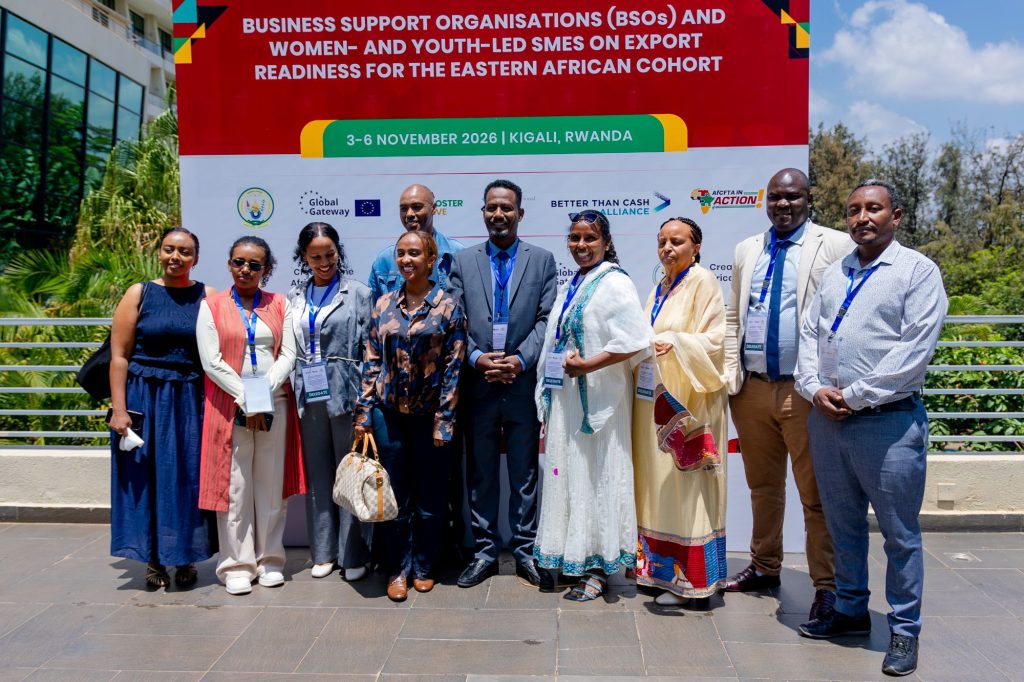
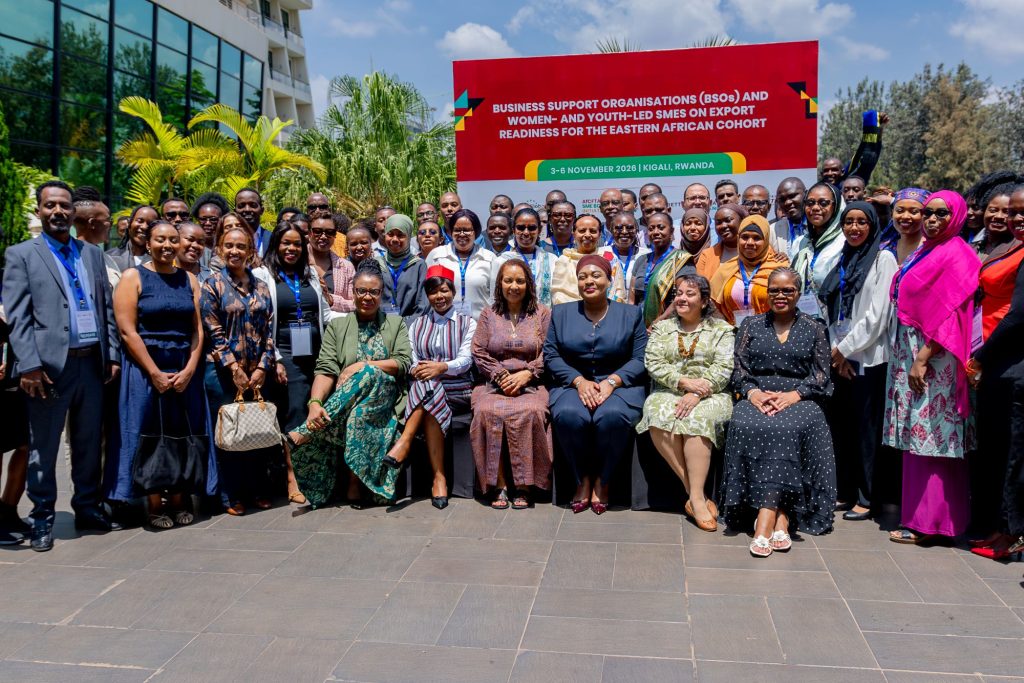
Speaking to IGIHE in Kigali on Wednesday, November 4, 2026, during the AfCFTA SME Booster Programme's East African regional cohort, Mahama argued that the developments should encourage African countries to make better use of opportunities within their own markets.
"With AGOA and other initiatives that were cancelled by the current administration of America, it is the more reason why we are encouraging ourselves to trade within," she said.
Mahama argued that African countries already have significant demand for products traded with markets outside the continent, creating opportunities for businesses to supply one another.
"Whatever we are sending to America and Europe, there are things that amongst us we also need. Demand is high for those things," Mahama added.
She also highlighted that stronger intra-African trade could reduce the exposure of businesses to changing trade policies in external markets while creating opportunities for producers to expand their customer base.
Nomalanga Gule, Regional Trade Advisor for Southern and East Africa, said the changing international trade environment should encourage African businesses to reconsider their reliance on markets outside the continent.
She argued that Africa has sufficient resources and market potential to support stronger commercial relationships among its countries, including through processing raw materials and developing products for regional consumers.
"We have got enough in Africa that can be traded in Africa and not needing support or trade, opening of trade markets from other parts of the world," Gule said.
She cited examples of existing trade relationships, including Ugandan milk exports to North Africa and Kenyan businesses establishing commercial connections with West African markets.
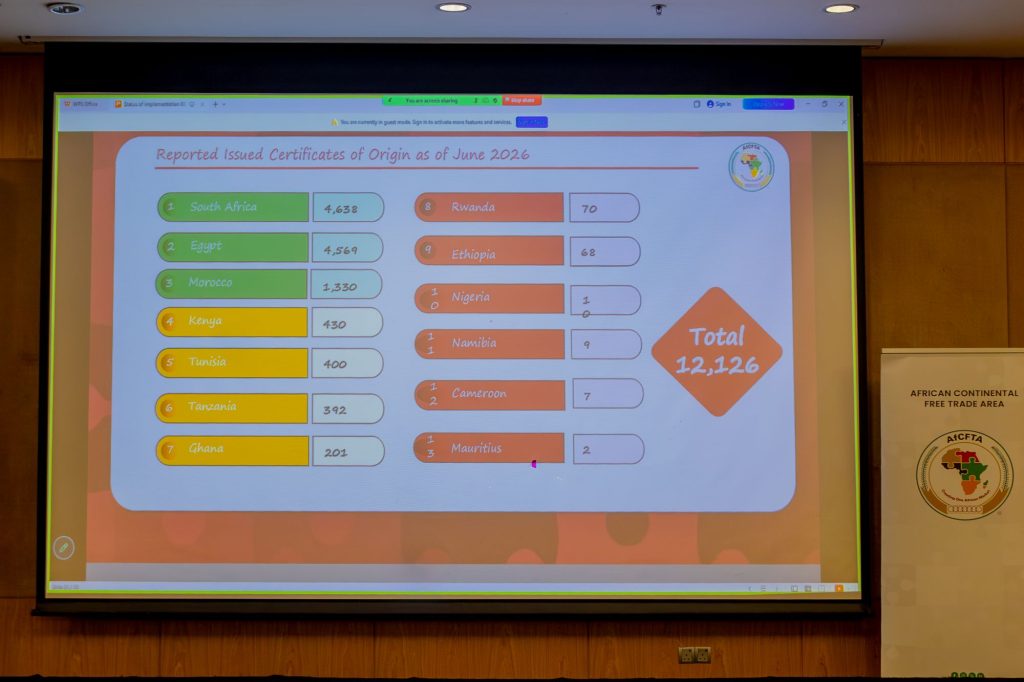
According to Gule, more than 60% of businesses using the AfCFTA framework are small and medium-sized enterprises, highlighting the importance of helping smaller businesses access the continental market.
However, she acknowledged that awareness of the agreement has not yet translated into an equivalent level of business participation, noting that companies are still learning how to use its provisions.
John Bosco Rukundo, an Economic Specialist at the United Nations Development Programme (UNDP), said the AfCFTA's ambition of creating a single African market would not be realised through trade agreements alone. Businesses must also have the capacity to compete, meet market requirements and navigate trade procedures.
He identified limited access to finance, technology, market intelligence, productive capacity, standards, certification and logistics among the barriers preventing small businesses from expanding into regional markets. He added that business support organisations should go beyond providing information to helping enterprises prepare for exports, identify market opportunities and connect with potential buyers.
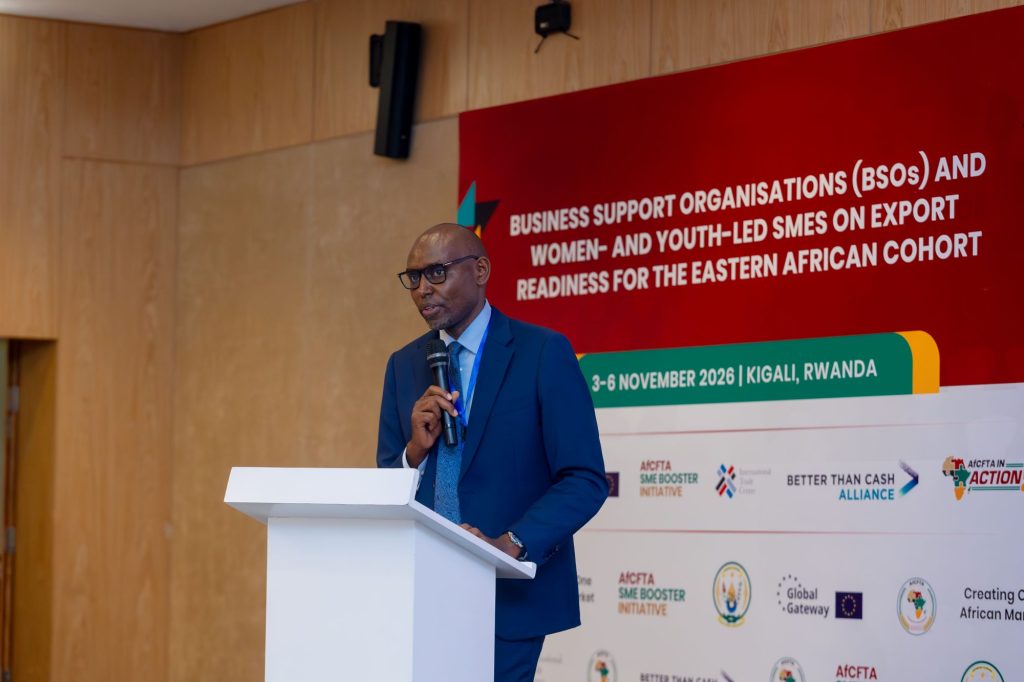
The AfCFTA Secretariat is seeking to address some of these challenges through its SME Booster Programme, which brings together enterprises and business support organisations to strengthen export readiness and facilitate access to buyers, financiers and distributors.
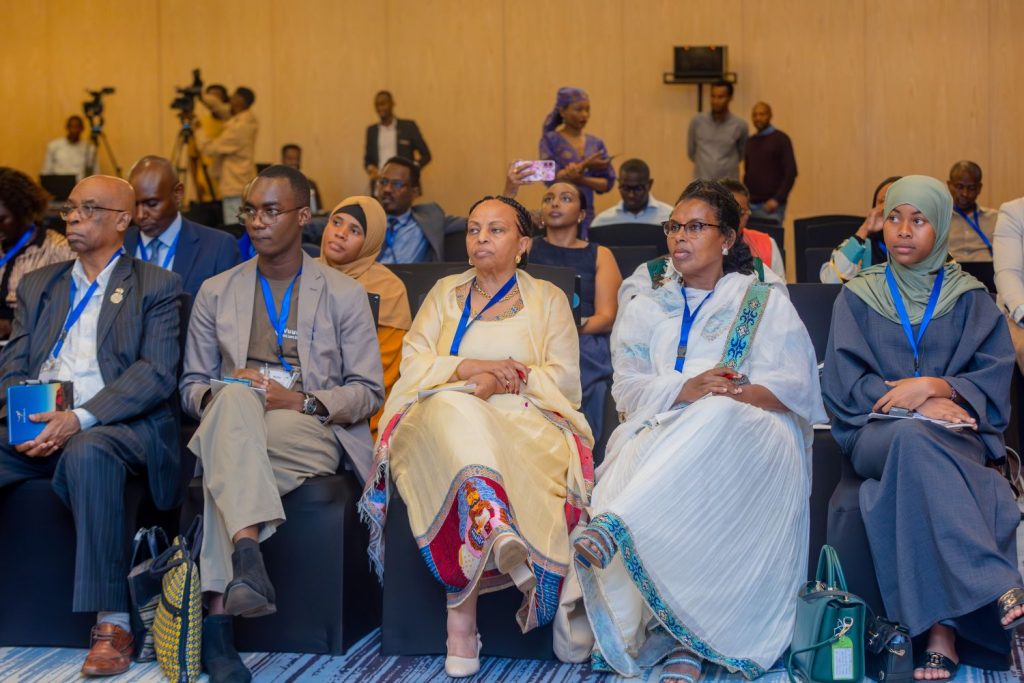
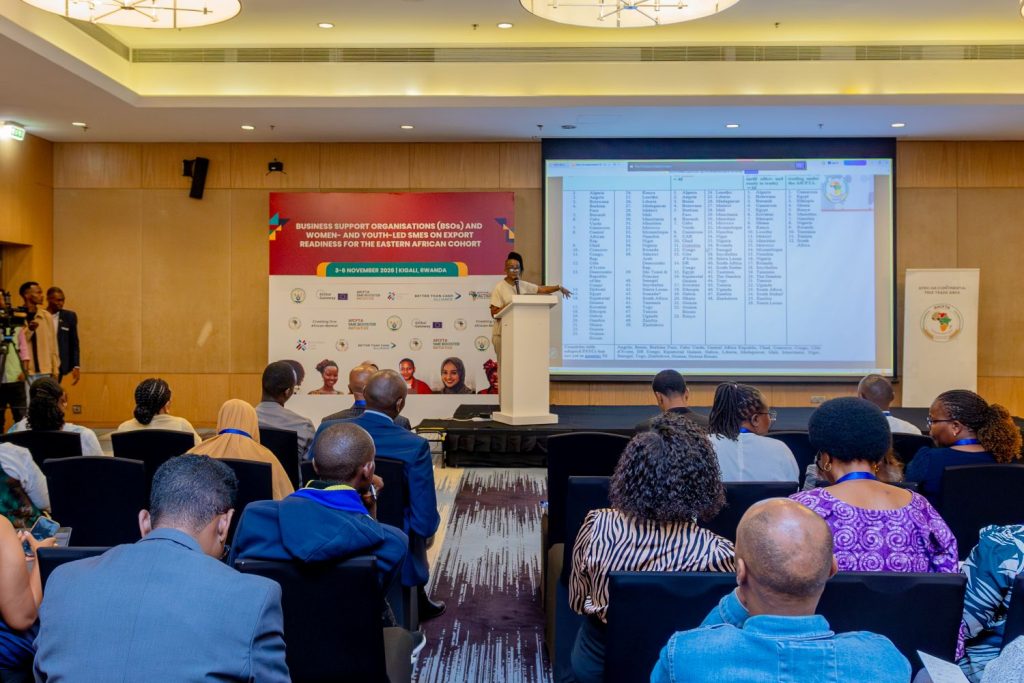
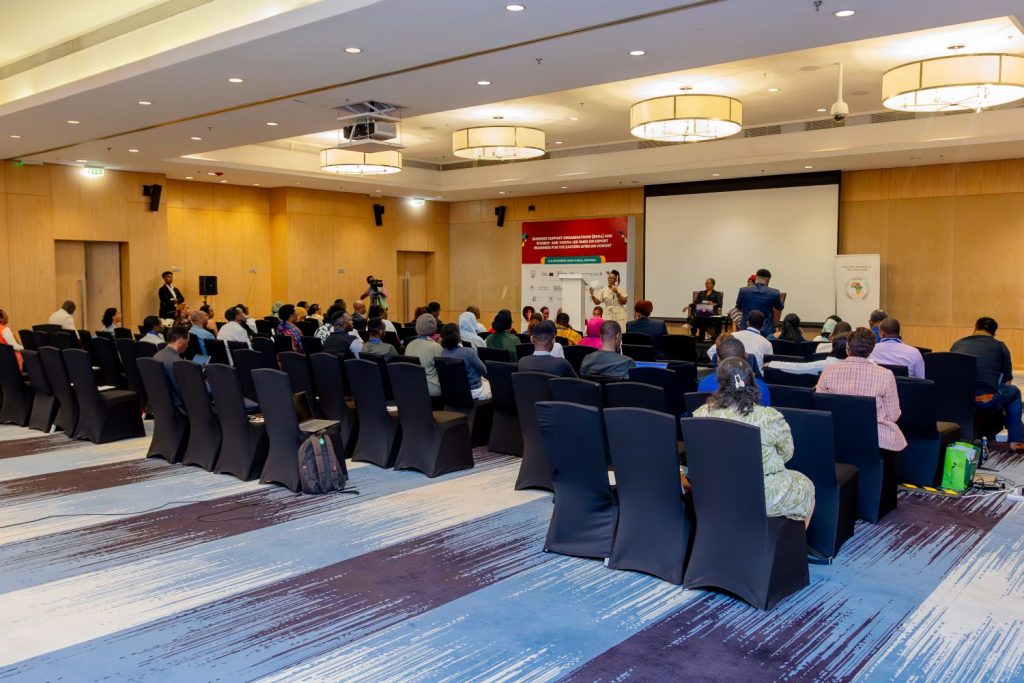
The East African regional cohort being held on the sidelines of the 26th East African Community MSME Trade Fair, focuses on areas including product standards, certification, packaging, trade documentation, market intelligence and access to finance.
The Kigali meeting builds on lessons from four previous cohorts held in West Africa, Southern Africa, Central Africa and North Africa, making it the fifth and final regional activation of the AfCFTA SME Booster Programme.
The initiative focuses on helping small businesses in priority value chains, including coffee, tea, horticulture, fisheries and aquaculture, dairy, leather, textiles and apparel, oil seeds, natural cosmetics and spices, to improve their export readiness and access markets across the continent.
The initiative also seeks to connect participating businesses to the AfCFTA Deal Room, a platform designed to facilitate buyer matchmaking, supplier onboarding and commercial partnerships.
Mahama said the programme was intended to move beyond training and help businesses convert opportunities into actual transactions.
During Biashara Afrika 2026, the Deal Room identified 38 business opportunities valued at an estimated $2.77 million across eight countries and six sectors. Sixteen meetings were scheduled, while transactions worth $500,000 were concluded during the event.
For Rwanda, the push to expand intra-African trade presents an opportunity to reach markets beyond its relatively small domestic economy.
Nathan Gashayija, Chief Executive Officer of the Council of Small and Medium Enterprises of Rwanda, said some local businesses were already exporting coffee and other products to Ghana, while others were registering under the AfCFTA trading framework.
However, he noted that limited business capacity, inadequate knowledge of trade requirements and skills gaps were preventing more companies from taking advantage of the expanded market.
He said improving businesses' understanding of rules of origin, certificates of origin, tariffs and digital trade tools would be essential to increasing Rwanda's participation.
Diane Bampire, a representative of Kigali-based OME Group Ltd, which produces mushroom cookies, porridge and spices, said she hoped the forum would help her find business partners and distributors in other African markets. The company has participated in exhibitions in Kenya, Uganda, Togo and Nigeria as it seeks to expand beyond Rwanda.
“I’m eager to see if I can get partners,” she stated, explaining that working with distributors in other countries would allow the company to reach new markets without having to transport products there itself.
The AfCFTA brings together a market of more than 1.4 billion people, with a combined gross domestic product exceeding $3.4 trillion. As of September 2026, 50 countries had ratified the agreement, creating a framework for African businesses to expand beyond their national markets and access opportunities across the continent.
For the Secretariat, the challenge now is to ensure that the continental trade framework translates into greater commercial participation, stronger regional value chains and increased trade among African countries.




Loading comments...
Leave a comment