



Ngabitsinze says governments must move beyond relying on emergency funding after disasters strike and instead put financing arrangements in place that allow them to respond earlier to droughts, floods and other climate-related emergencies.
He argues that financial protection must go hand in hand with investments that address the vulnerabilities facing farmers, including limited access to finance, agricultural inputs, infrastructure and markets.
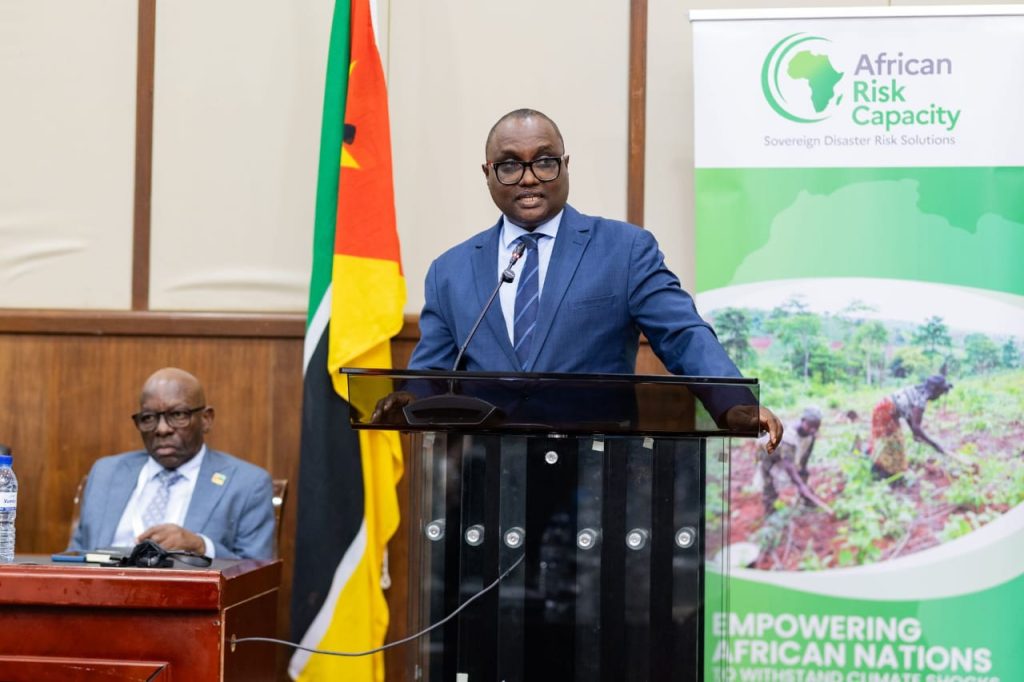
ARC, a specialised agency of the African Union focusing on disaster risk management and financing, works with 39 member states to help them prepare for and respond to climate-related disasters.
Ngabitsinze, a former Rwanda Minister of Trade and Industry and Minister of State in the Ministry of Agriculture and Animal Resources, brings experience in agricultural policy and trade to the role.
Financing before disasters strike
African governments often face competing demands on public finances when disasters occur. They must provide emergency assistance while maintaining spending on infrastructure, health, education and other development priorities.
Arranging funds only after a disaster strikes can delay relief and put additional pressure on government budgets.
Ngabitsinze sees pre-arranged financing, particularly parametric insurance, as an important way to address this challenge. The mechanism releases payments when predetermined conditions, such as rainfall levels or satellite-monitored weather indicators, reach agreed thresholds.
ARC has disbursed more than $170 million in parametric insurance payouts since its establishment, providing early response protection to over 26.4 million people across participating countries.
However, parametric insurance has limitations. One is basis risk, which occurs when an insurance payout does not adequately reflect the actual losses experienced on the ground.
Ngabitsinze says improving data quality and insurance design is essential to addressing this challenge. He also argues that insurance should complement other financing arrangements, including government reserves, contingency credit and social protection programmes.
The objective is to ensure that governments can access resources quickly when disasters occur, without having to divert funds from other essential development priorities.
Making agriculture more resilient
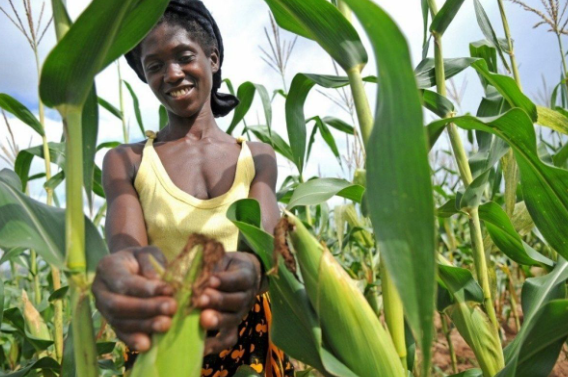
The need for stronger financing is particularly important in agriculture, where climate shocks can disrupt production, reduce household incomes and undermine food security.
In Rwanda, agriculture accounts for nearly 25% of gross domestic product and engages approximately 65% of the labour force. Prolonged dry spells in eastern districts such as Bugesera and Kayonza, alongside destructive rainfall and landslides in other parts of the country, can therefore affect household incomes and wider economic activity.
Across Africa, smallholder farmers face several challenges beyond changing weather patterns. Limited access to finance, unreliable agricultural inputs, inadequate infrastructure, weak extension services and uncertain markets can make it difficult for them to sustain production or recover after a crisis. Women and young farmers may face additional barriers in accessing land and productive assets.
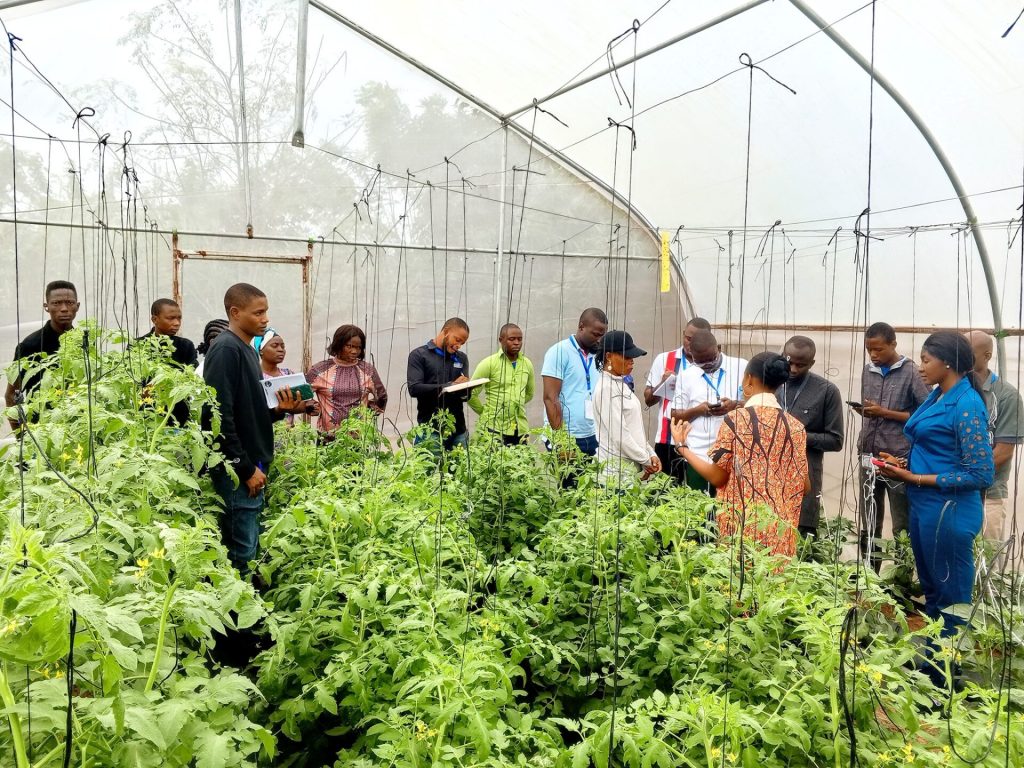
Ngabitsinze argues that improving agricultural resilience requires coordinated solutions. Farmers need access to finance and reliable inputs, alongside stronger agricultural advisory services, infrastructure and policies that allow them to plan ahead.
Producer organisations can also help farmers improve their bargaining power and reach wider markets. Higher productivity, he argues, should translate into better incomes and more secure livelihoods, rather than simply increased production.
To extend financial protection beyond national governments, ARC has partnered with micro-insurance schemes and organisations including the World Food Programme (WFP) and One Acre Fund through its ARC Replica framework.

Building value beyond the farm
Strengthening agriculture also requires addressing weaknesses along the supply chain, where poor storage, limited processing facilities and weak market connections can reduce the value farmers receive from their produce.
Ngabitsinze sees opportunities in reducing post-harvest losses, expanding storage and cold-chain facilities, supporting local processing and improving access to markets.
These investments can increase farmers' earnings while creating employment and business opportunities in rural areas. Their success, however, depends on supporting infrastructure, including reliable energy and transport, quality standards and accessible finance.
He also points to the role of agricultural research in identifying ways to improve productivity, use resources more efficiently and expand market access. Researchers, policymakers, extension services and farmers need to work together to identify problems, test solutions and assess their results.
Progress, he argues, should be measured through changes in farm incomes, productivity, resilience and market participation. Programmes should also be adjusted when evidence shows they are not delivering the intended results.
Connecting national efforts through regional cooperation
Climate risks and food markets frequently cross national borders, making regional cooperation important to Africa's agricultural resilience.
Ngabitsinze says countries can strengthen their ability to manage shared risks by exchanging forecasting capabilities, improving risk models and coordinating disaster preparedness.
Regional risk pooling allows participating countries to spread their exposure to disasters, while cross-border trade can help move food from areas with available supplies to regions experiencing shortages.
He also calls for stronger coordination between finance, agriculture, environment and disaster-management institutions. Climate risks, he argues, should inform national budgets, agricultural policies and public investment decisions rather than being treated as separate concerns.
Ultimately, the challenge is to connect disaster financing with investments that help farmers withstand shocks, sustain production and access markets.
For ARC, success will depend not only on the financing countries secure before disasters strike, but also on whether that support reaches vulnerable communities and helps protect the agricultural livelihoods on which millions of people depend.
Loading comments...
Leave a comment