



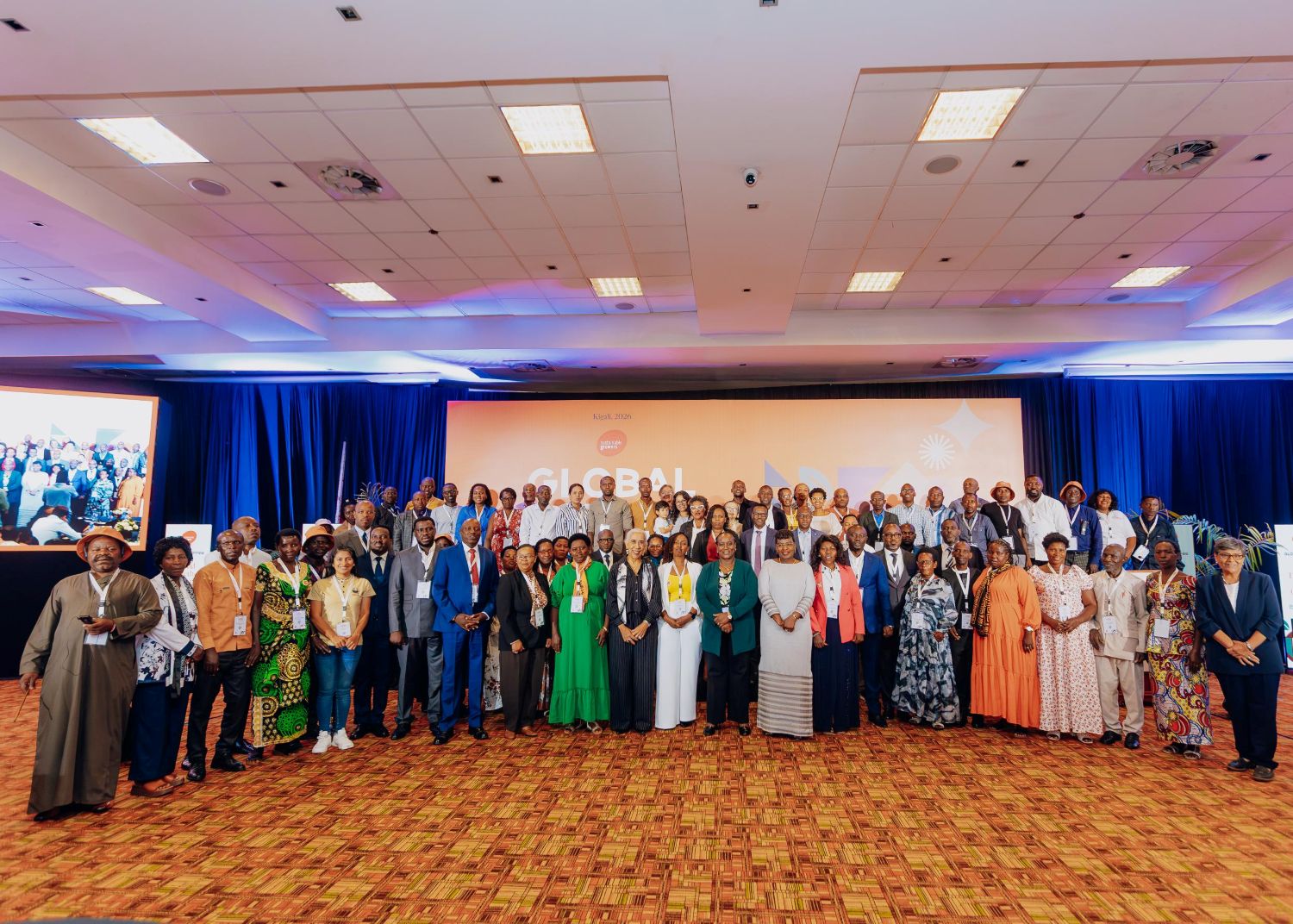
The recommendations were made during the International Coffee Conference, which concluded in Kigali on September 25, 2026.
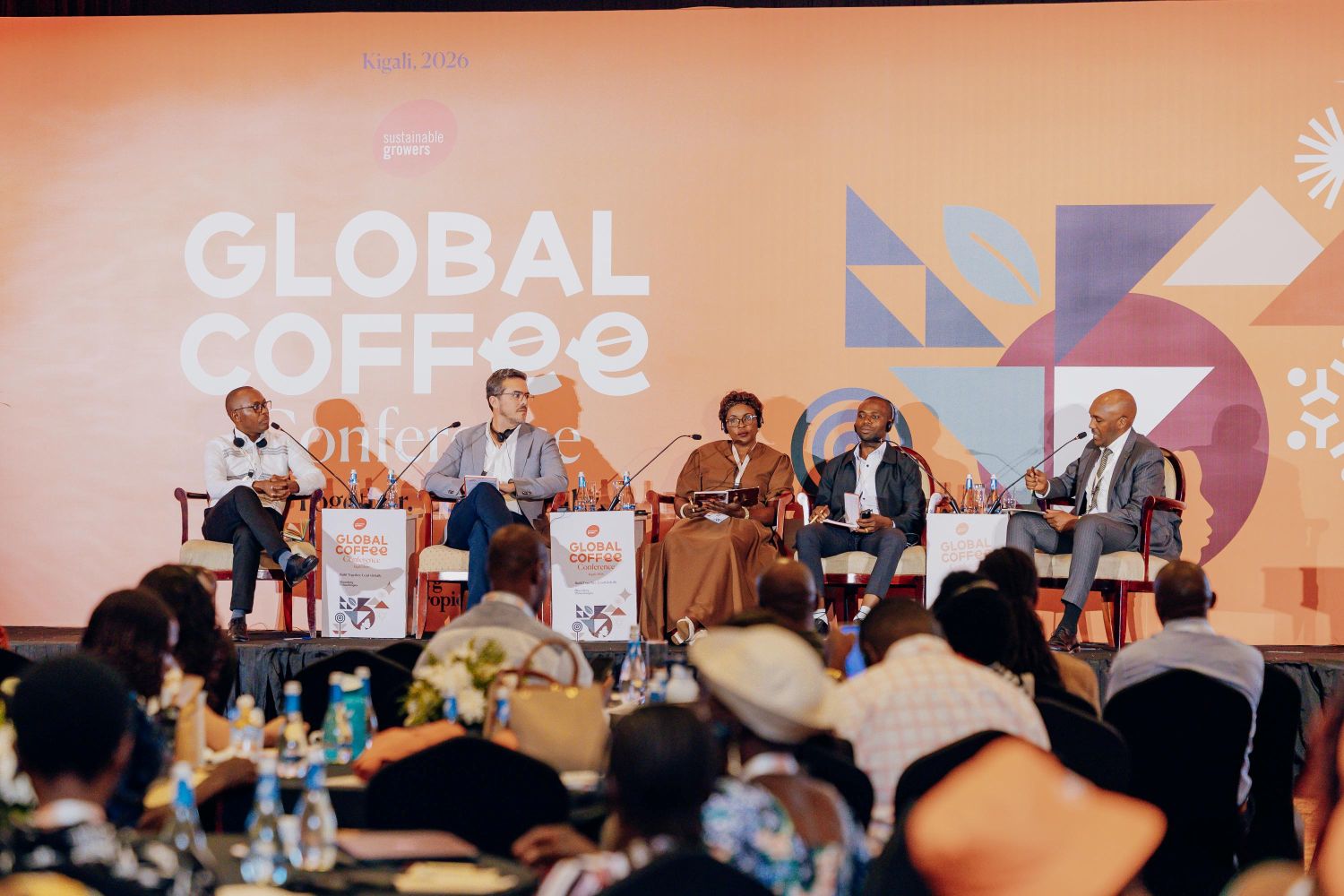
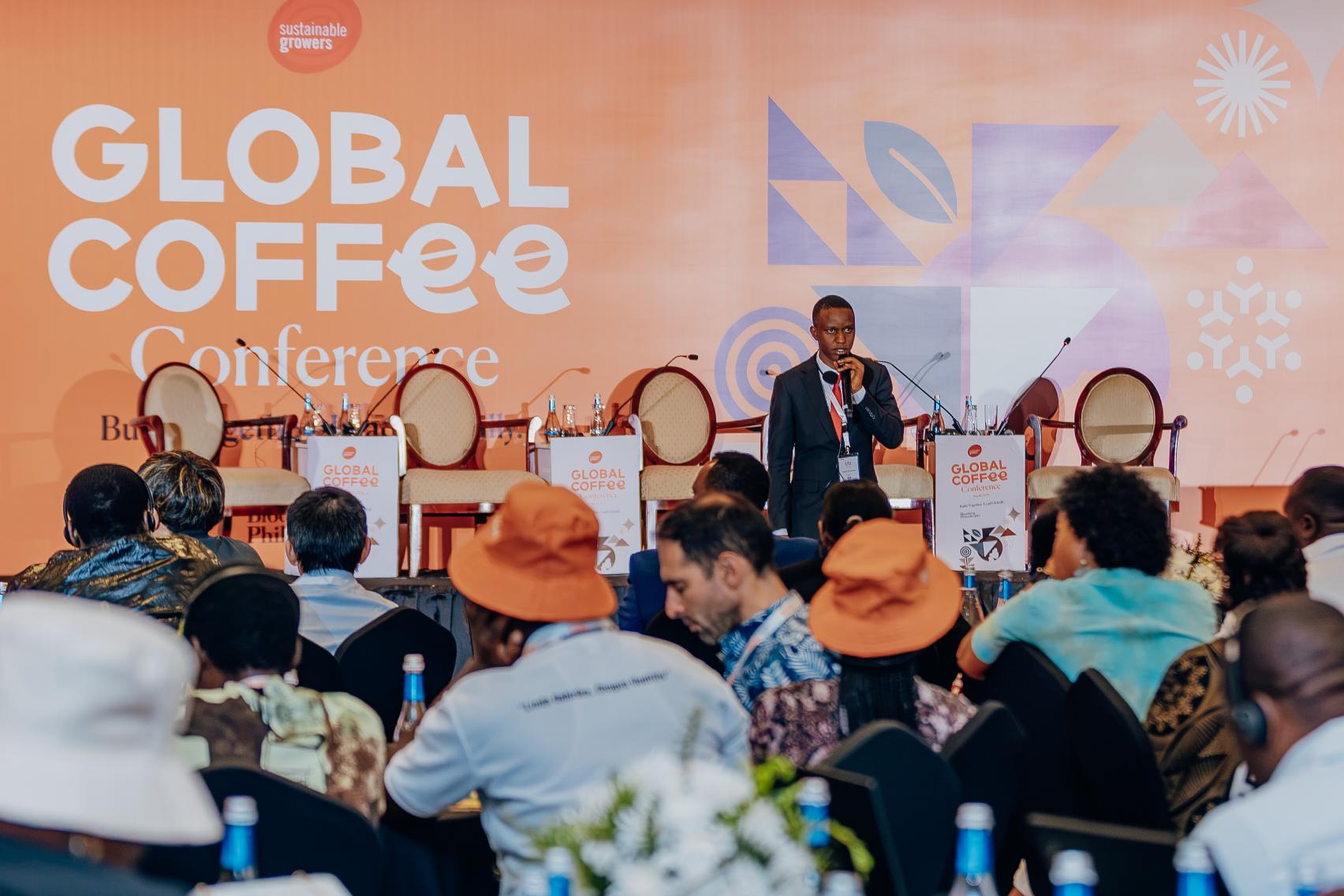
Organised by Sustainable Growers, the conference brought together participants from more than 17 countries, including Rwanda, to discuss the development of the coffee value chain from production to the final cup.
Michel Ruzindana, a Senior Programme Officer at Fairtrade Africa, an umbrella organisation representing Fairtrade-certified producer organisations, said international certification can help coffee cooperatives access better markets and strengthen their businesses.
“For every coffee cooperative we certify, the first thing we help them establish is a minimum price. This helps farmers when market prices fall, allowing them to sell their coffee at a price that still gives them enough return to continue farming. We also provide cooperatives with additional funds on top of the coffee price to support activities that improve their profession,” he said.
Fairtrade Africa, which works with some coffee cooperatives in Rwanda, encouraged more producers to join the organisation, saying new regulations are expected in the coffee sector. Certification can help producers meet the requirements and maintain access to international markets.
Delphine Chassaigne, a coffee buyer at French coffee processing company Destination France, said consistent quality is key to building long-term relationships between cooperatives and buyers.
“When we work with a cooperative over a long period, we are confident that we will continue receiving coffee with consistent quality, similar to what we bought before. That is more important to us than buying coffee just once. For that relationship to last, the cooperative needs to continue supplying us with that quality, and we buy it at a good price so that it can continue working with us,” she said.
Chassaigne added that coffee producers need strong systems to manage their production, enabling them to work effectively with long-term buyers, showcase their coffee and obtain international certification that provides important information about the product.
Mukamusoni Ruth, President of Mayogi Coffee Cooperative, which grows and processes coffee in Gicumbi District and receives training from Sustainable Growers, said access to financing is increasingly important for cooperatives seeking to operate professionally.
“So far, we have not had any problems with the banks we work with, such as failing to repay loans or struggling to make repayments. We repay the loans according to the agreements we have made, and sometimes we even repay them before the agreed deadline,” she said.
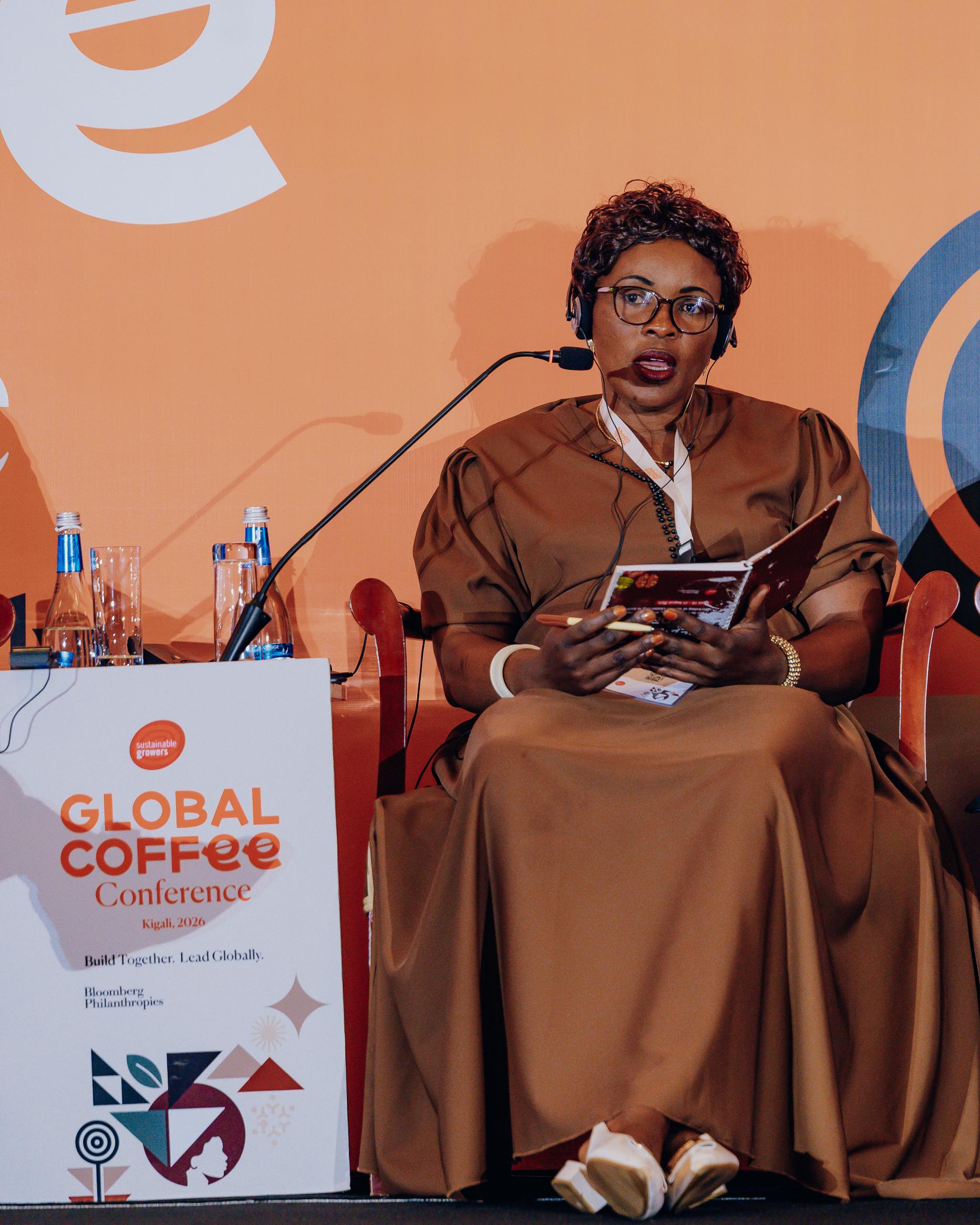
Mukamusoni encouraged other farmers to seek financing where their cooperatives have strong management systems. She also called on banks to speed up loan processing, saying delays can affect farmers’ ability to invest and expand their businesses.
Dunia Muhindo, who assesses coffee quality in the Democratic Republic of Congo, said consistent quality can help cooperatives gain the confidence of buyers, banks and investors.
“When cooperatives demonstrate that they can consistently produce quality coffee, they gain the confidence of buyers, banks and investors. This opens the door to partnerships and access to larger markets,” she said.
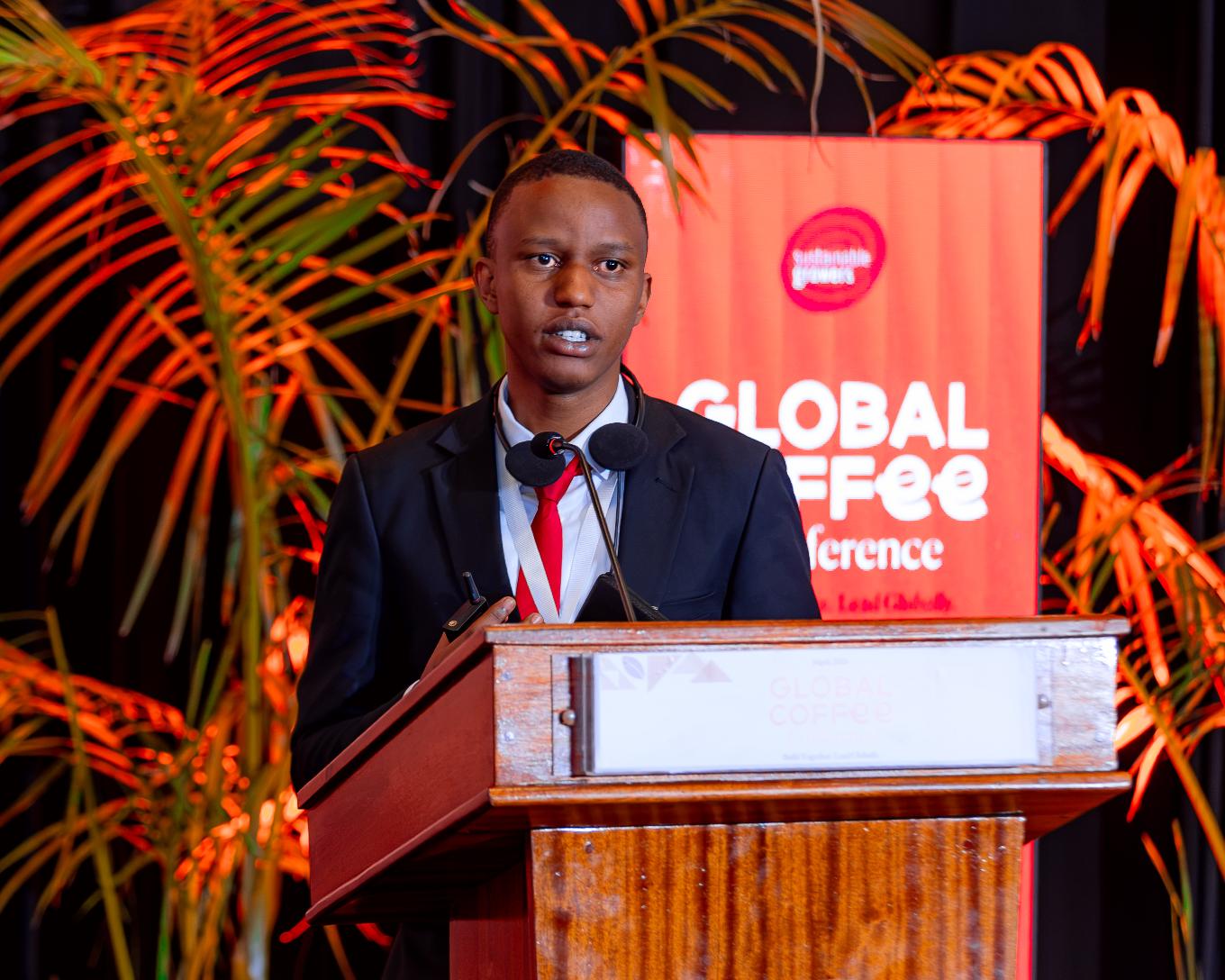
Augustin Nkundimana, founder of Rwanda-based Agric AI, which develops artificial intelligence technology for agriculture, said the company has started helping Rwandan coffee farmers identify diseases and pests affecting their crops through images.
He encouraged farmers to adopt the technology, saying its information is currently between 70% and 90% accurate. This, he said, gives farmers an opportunity to identify problems affecting their coffee plants early and take action to protect their crops.
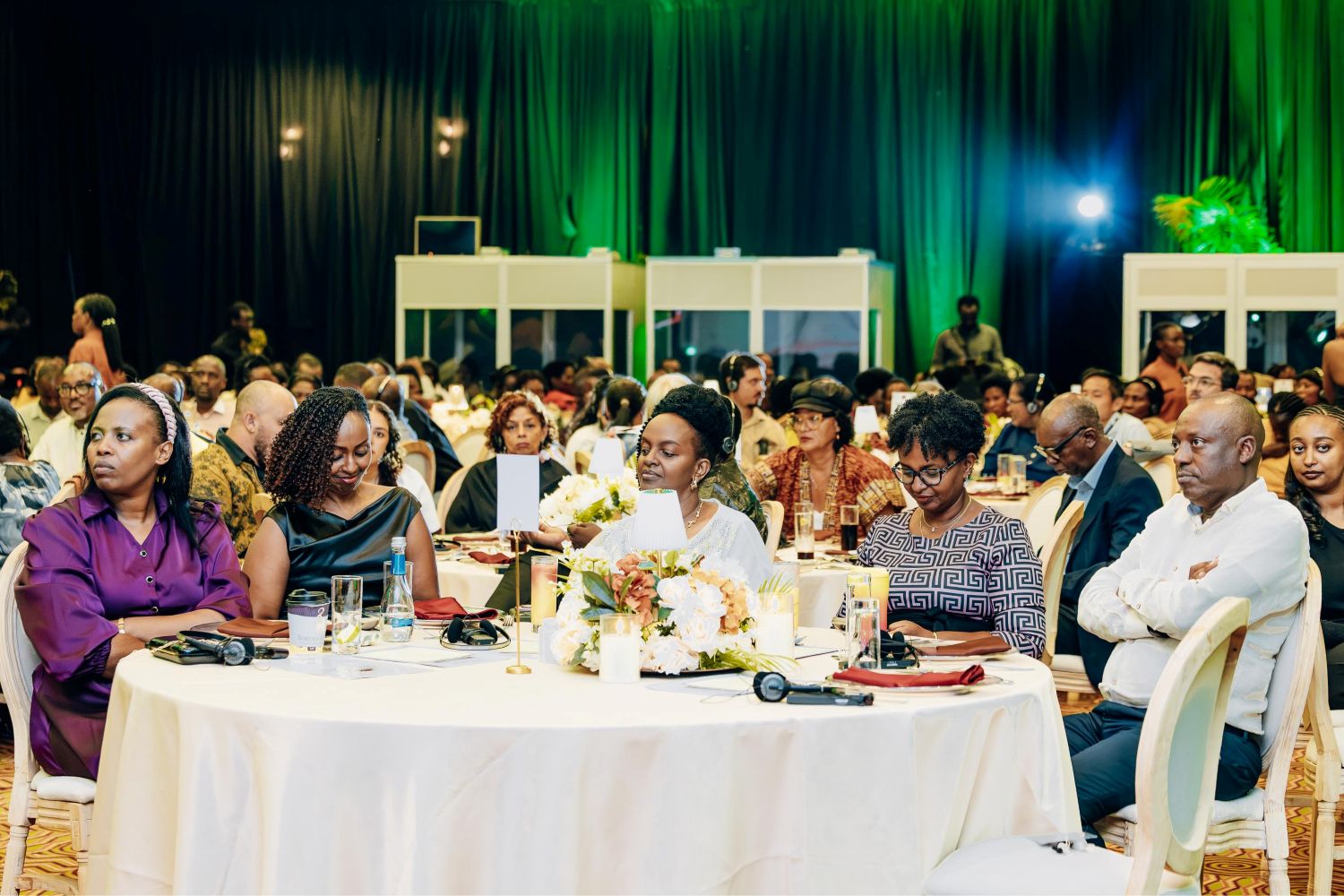
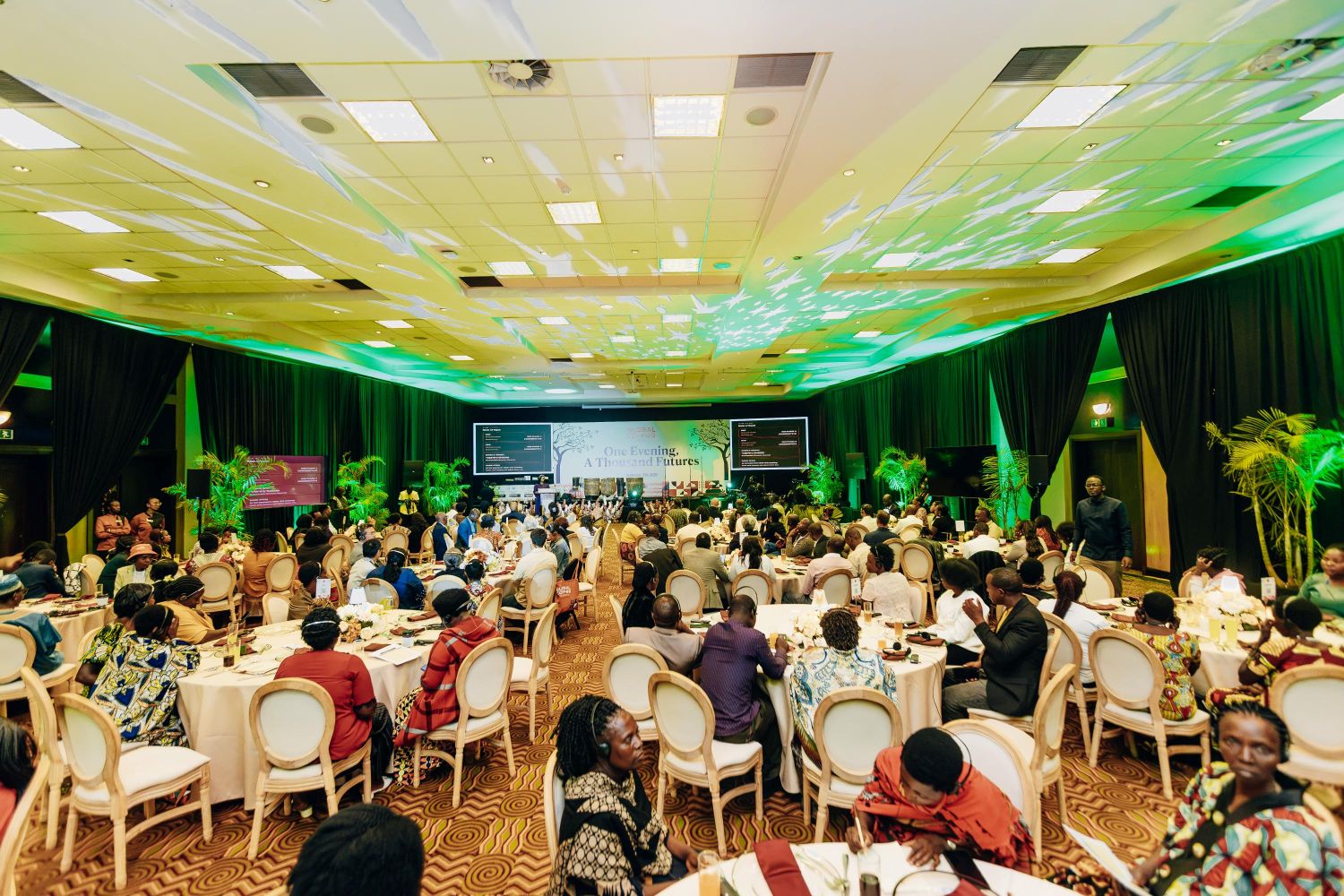
The conference concluded with a fundraising dinner to support Sustainable Growers’ coffee-related initiatives.



Loading comments...
Leave a comment