



The 700,000-barrel-per-day refinery will be financed through a combination of internally generated funds, bond issuances and proceeds from a planned initial public offering (IPO), according to Edwin Devakumar, Dangote Industries’ vice president for oil and gas.
Devakumar told Reuters that site selection had been completed, with soil testing under way and design and engineering work already started.
“Kenya was the choice from the beginning,” he said, adding that the decision was based on infrastructure, logistics and market considerations.
The Lamu refinery will mark Dangote Group’s largest refining investment outside Nigeria and expand the company’s ambition to increase fuel-processing capacity across Africa.
The facility is expected to supply refined petroleum products to Kenya and neighbouring countries, helping reduce the region’s heavy reliance on imported fuel.
East Africa currently imports most of its refined petroleum products, making the project a strategic investment for regional energy security.
The refinery will also revive Kenya’s ambition to become a major petroleum processing hub after the country’s former refinery in Mombasa stopped processing crude oil more than a decade ago and was converted into a storage facility.
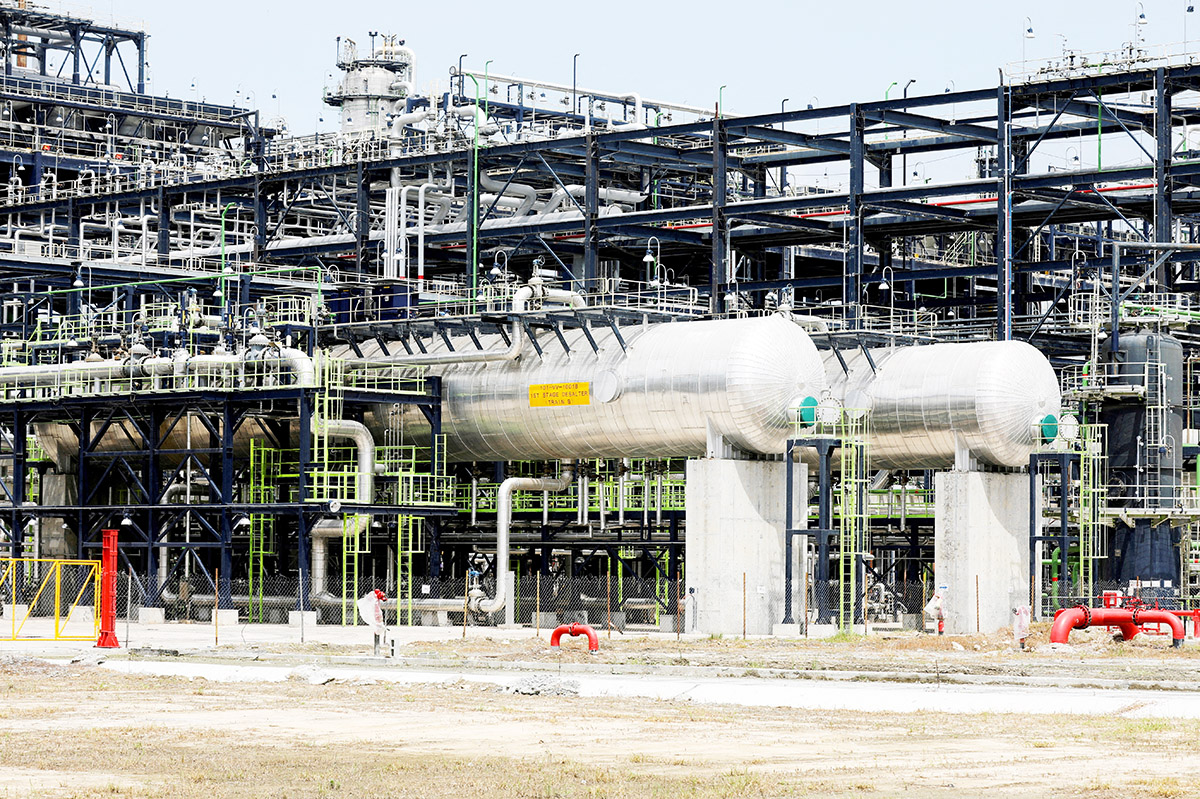
The project follows Dangote’s successful launch of its 650,000-barrel-per-day refinery in Lagos, Nigeria, which began operations in 2024 after years of construction delays and cost increases.
Built by Nigerian billionaire Aliko Dangote, Africa’s richest man according to Forbes rankings, the Lagos refinery cost more than $20 billion, significantly above its initial estimate of about $9 billion due to factors including engineering challenges, inflation and currency depreciation.
Dangote had previously considered Tanzania’s port city of Tanga for the East African refinery before shifting focus to Kenya. The company said Lamu offered better commercial and technical advantages.
Kenya has expressed support for the project, with President William Ruto saying regional governments would participate in the investment. Nairobi has also set aside about $165 million as seed capital for the refinery.
Once completed, the Lamu refinery is expected to strengthen Kenya’s energy independence and position the country as a key supplier of refined petroleum products in the region. The project is part of Dangote Group’s broader expansion plan, which includes billions of dollars in investments across refining, cement and fertiliser sectors in the coming years.
Loading comments...
Leave a comment