



Located in Jarama Sector, Ngoma District, in Rwanda’s Eastern Province, Jarama Farm is turning that idea into reality, transforming a stretch of farmland into a diverse agricultural venture that also invites visitors to experience farming firsthand.
Founded in February 2024, Jarama Farm currently covers 24 hectares, with another 52 hectares under preparation.
Led by Ronald Asiimwe, its managing director and co-founder, the farm combines crop production, livestock farming, agritourism and community initiatives.
The inspiration behind the business came during a trip to China, where a conversation with a stranger introduced Asiimwe to the potential of chili farming. China is a major market for chili, including dried peppers exported from Rwanda
“I remember a moment when I was in China, and a stranger got me interested in chili farming. And it seemed too good to be true,” he recalls.
Determined to explore the opportunity, Asiimwe returned to Rwanda and travelled across the country searching for suitable farmland.
Friends with agricultural experience advised him to prioritise access to water, eventually leading him to Jarama, where a lake attracted his attention.
“I was drawn to the lake,” he says. “I visited so many areas at the beginning… there isn’t a part of the country I haven’t gone to look for farmland.”
His first attempts at chili cultivation did not meet expectations. After one or two growing cycles, he changed direction and invested in greenhouse farming.
Today, Jarama operates 10 greenhouses, primarily growing tomatoes. Production initially reached approximately 400 kilogrammes per greenhouse before stabilising at around 150 kilogrammes per week per unit.
The farm reports overall production of approximately two tonnes, with monthly output estimated at 10 tonnes.
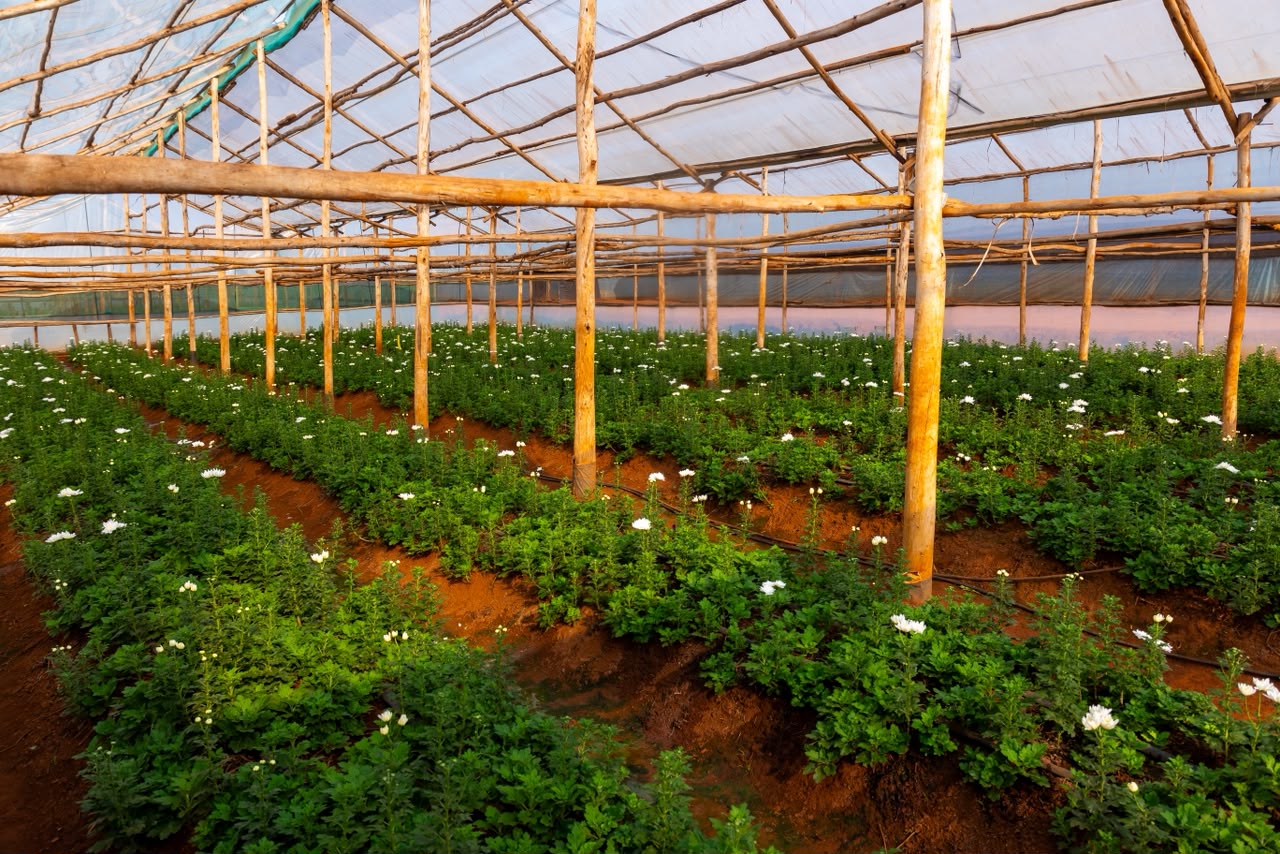
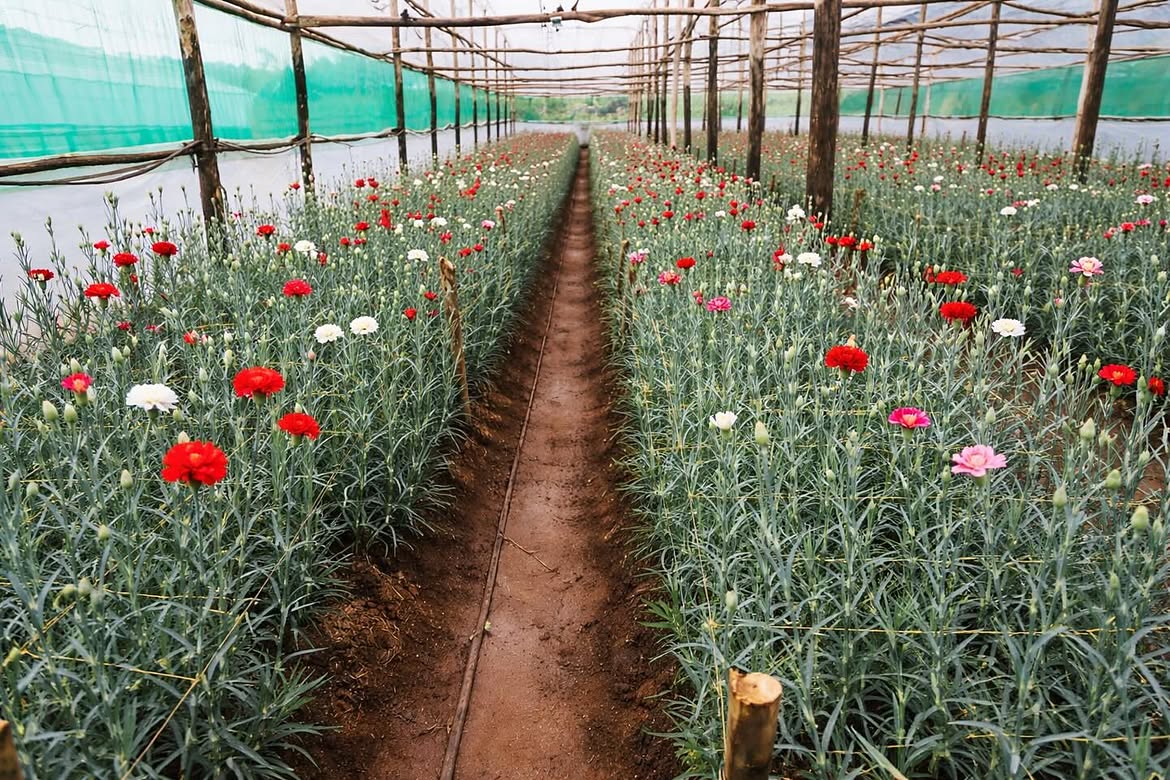
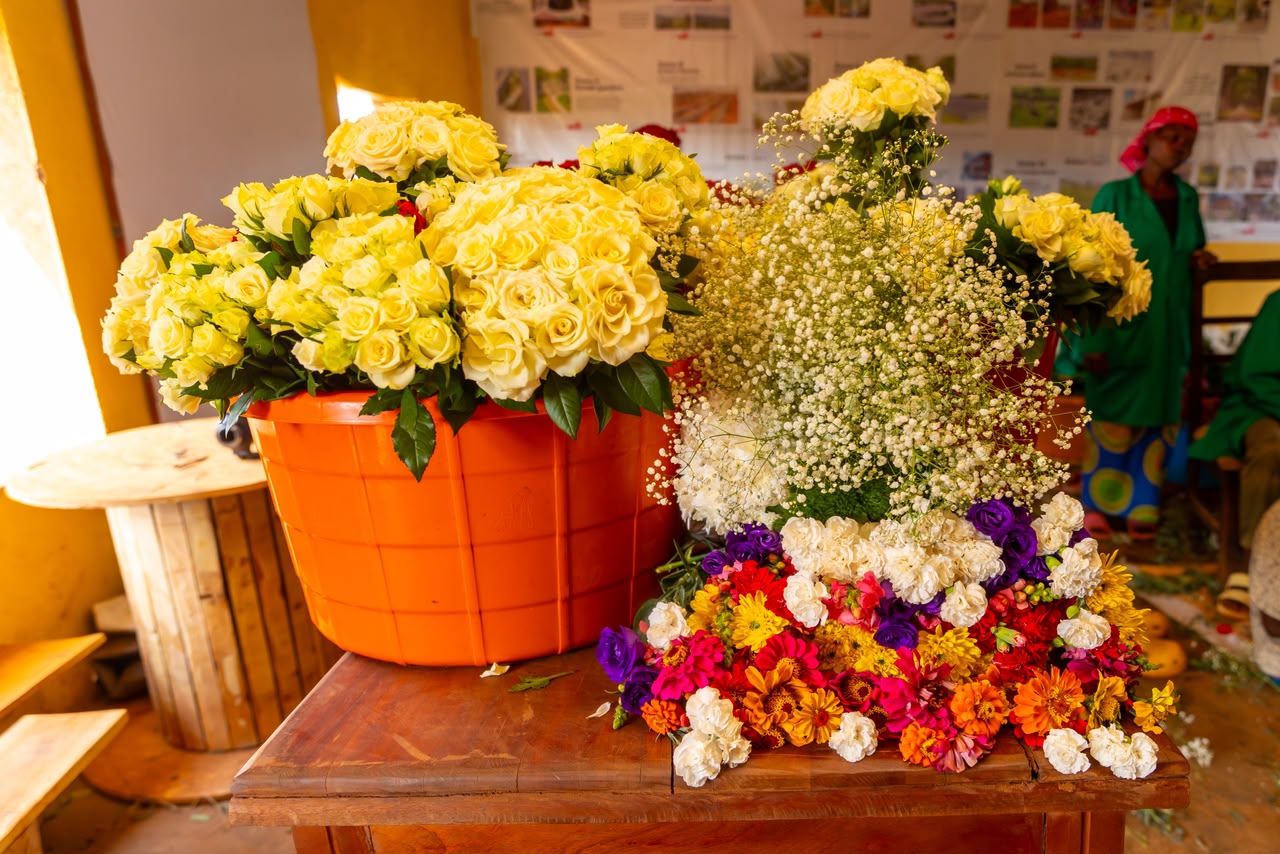
Flower production is another major activity, with an annual harvest of approximately 612,000 bouquets.
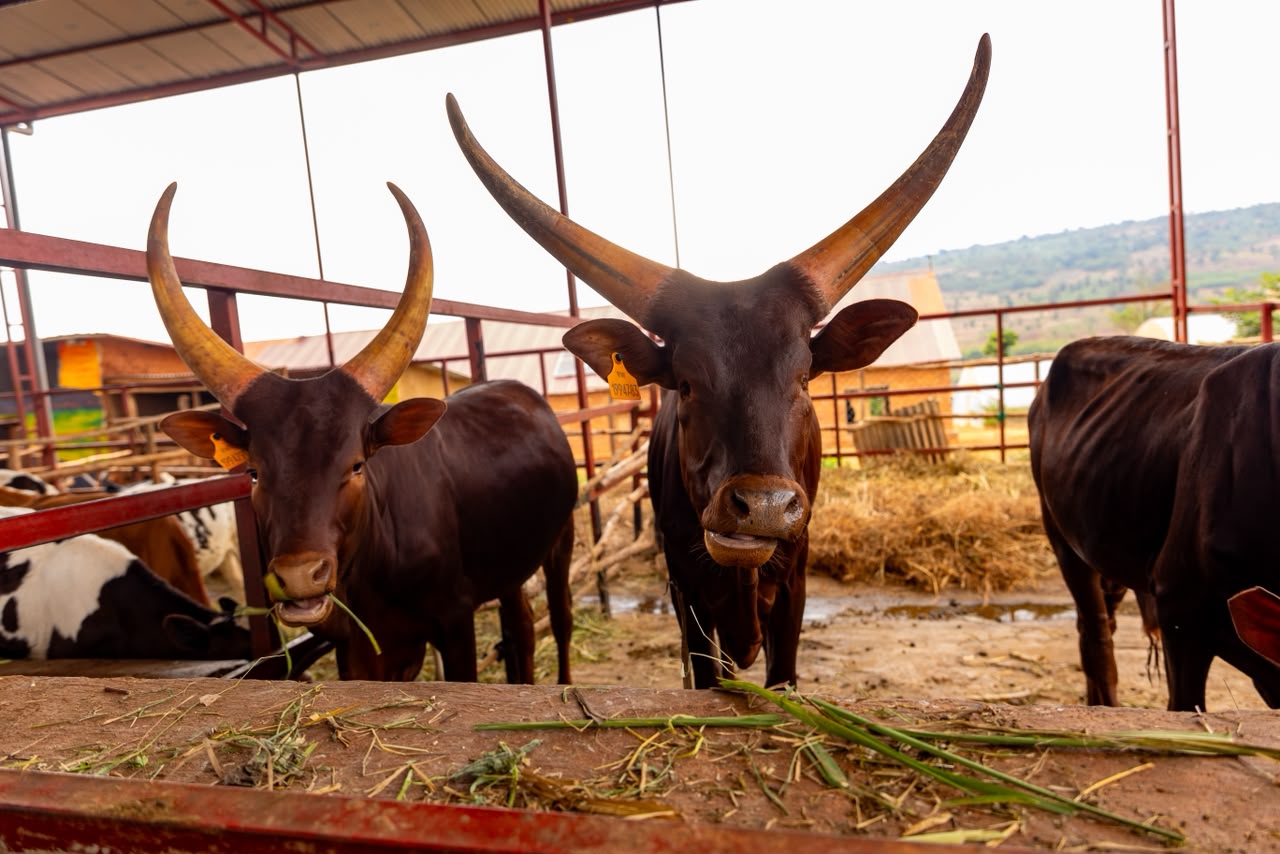
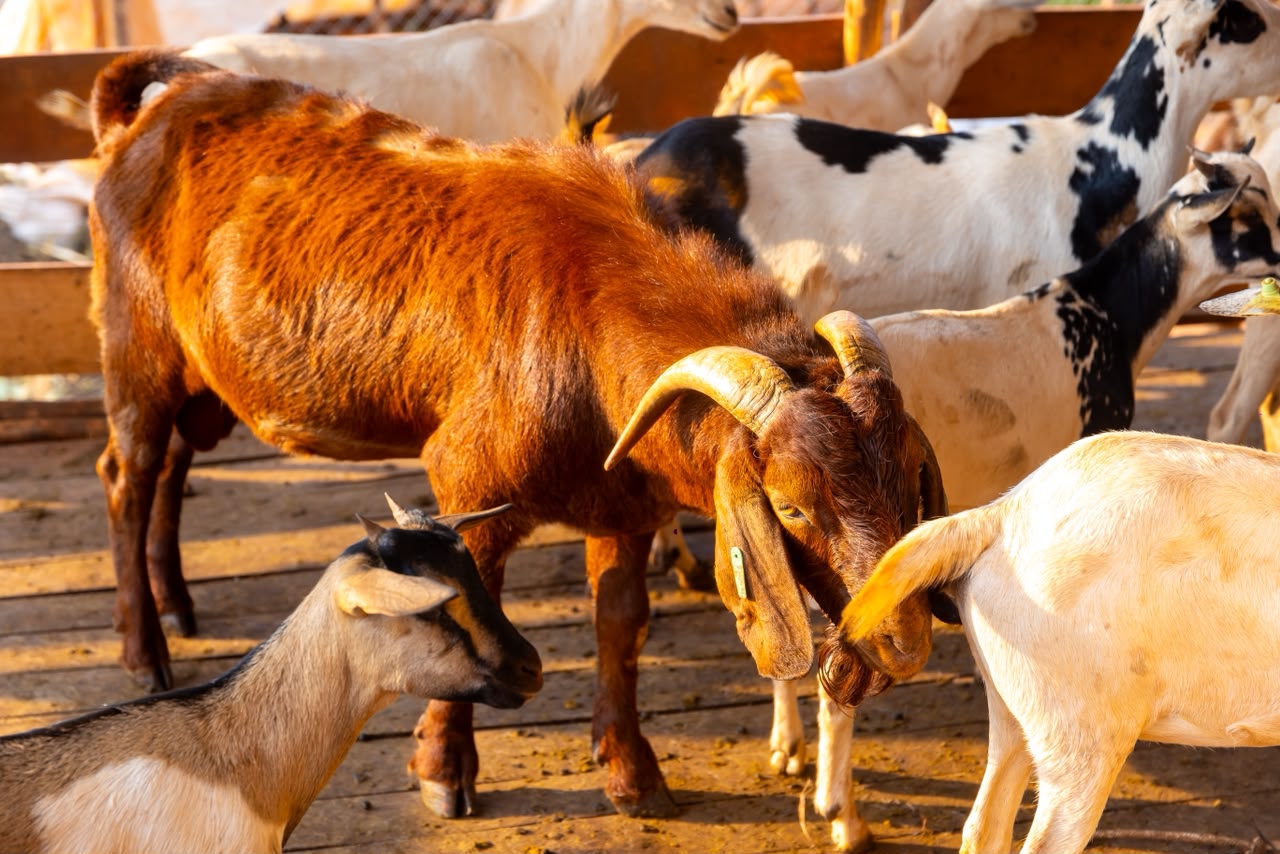
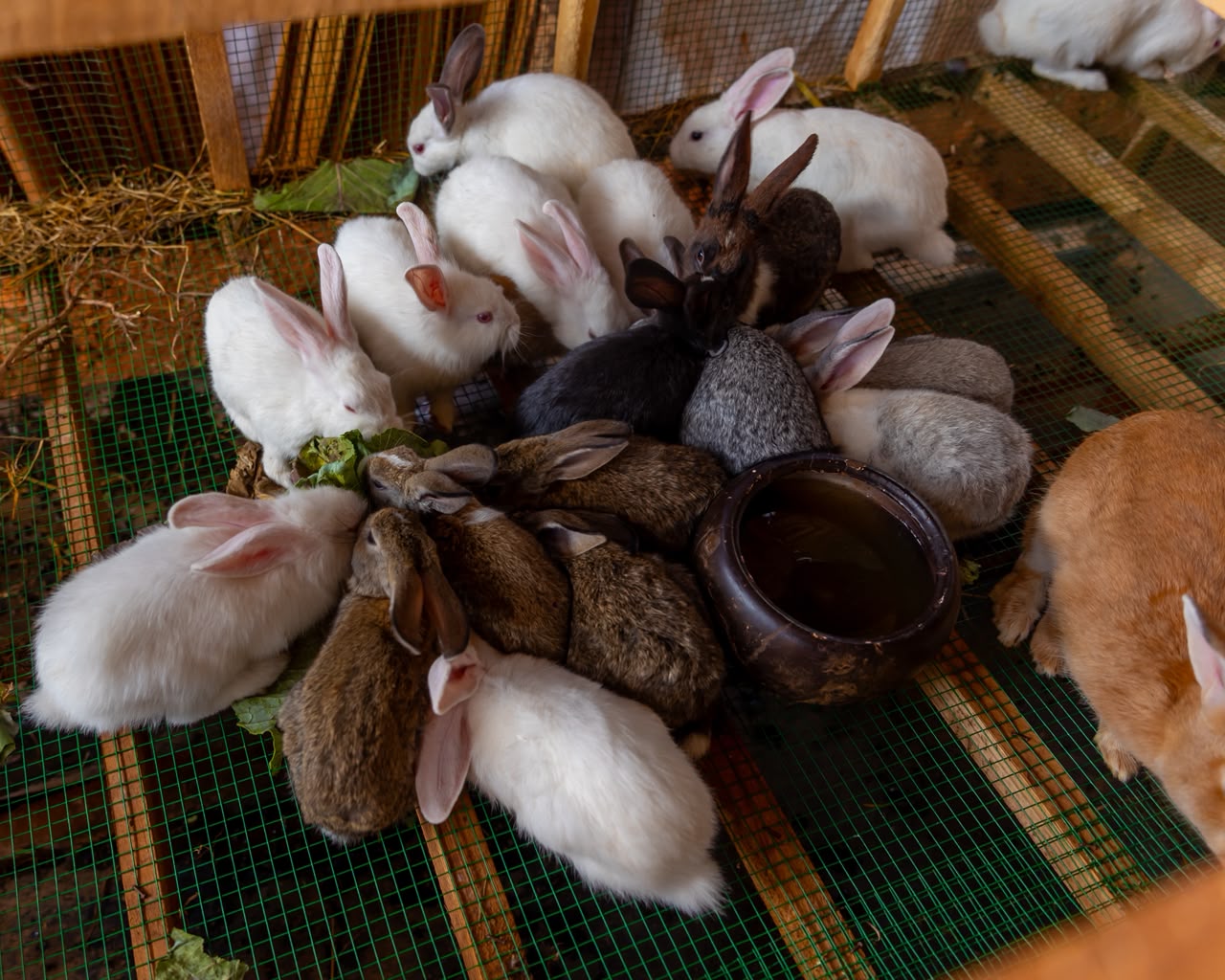
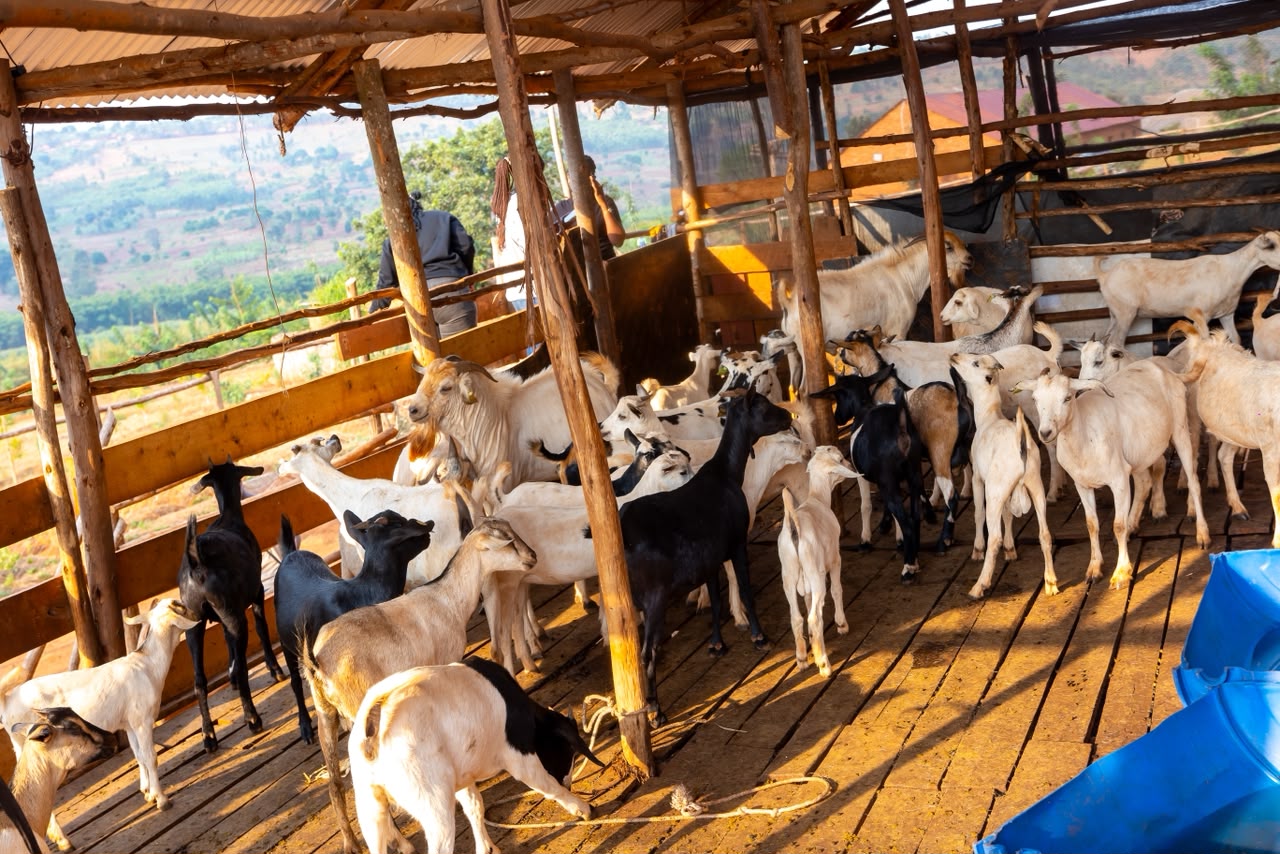
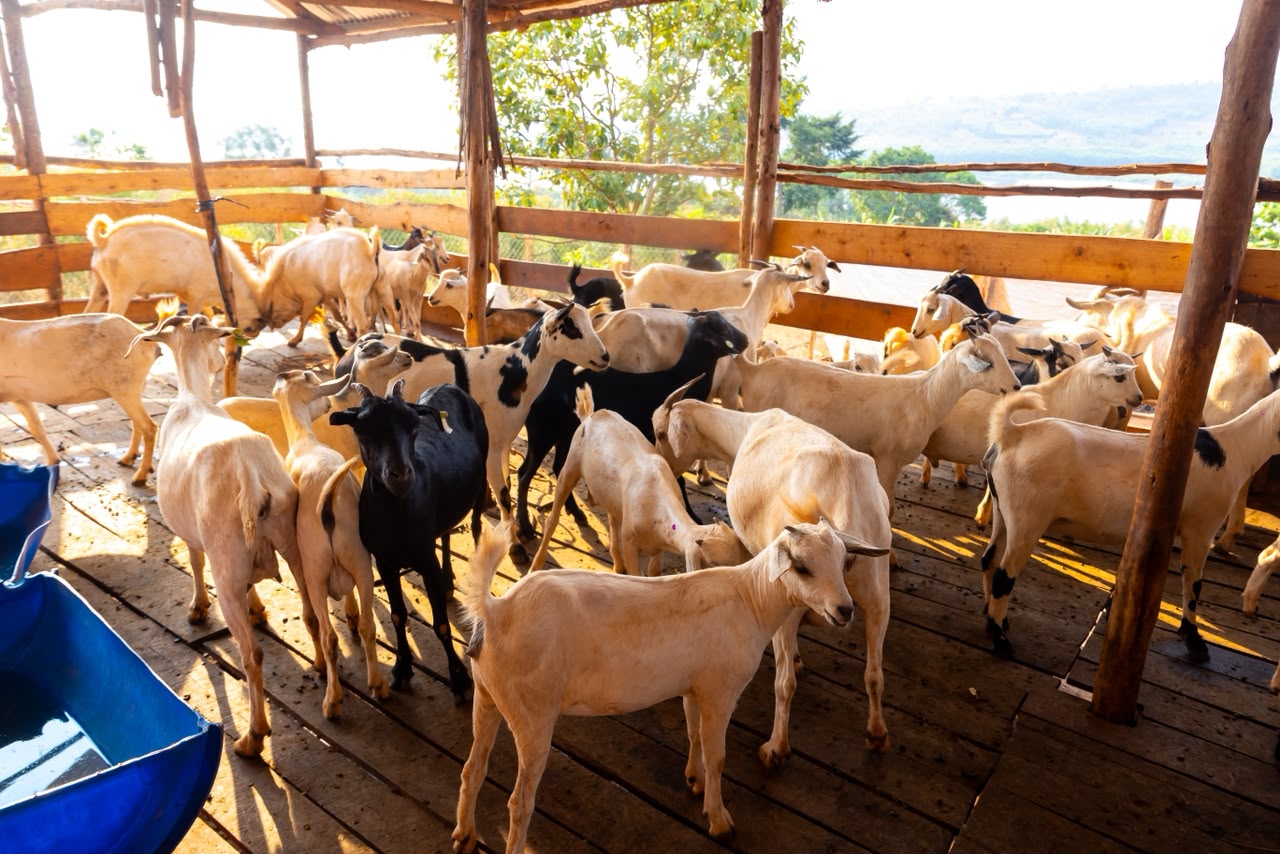
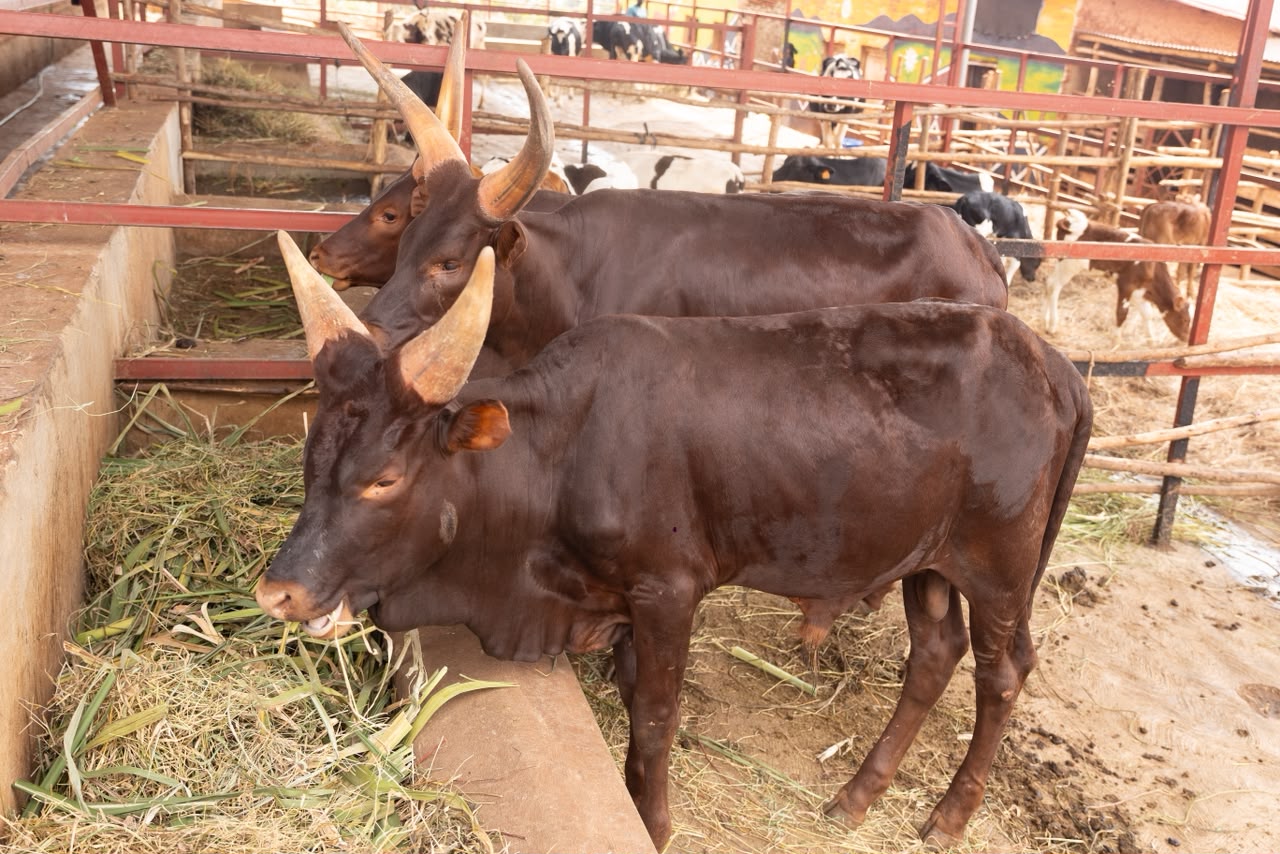
The farm also raises cows, goats, rabbits, chickens and bees, alongside black soldier flies, which contribute to its integrated production system.
Different activities support one another, helping the business connect livestock management with crop production and other agricultural processes.
“Everything we do here is business-oriented. Nothing we do here is without a commercial purpose or profitability; everything is interwoven,” Asiimwe explains.
“The cows serve the crops, the black soldier flies serve the chickens, so everything is linked. It’s a perfect example of a mixed farm.”
Turning farming into a tourism experience
Beyond agricultural production, Jarama is developing as an agritourism destination where visitors can learn about farming while experiencing rural life.
Asiimwe describes it as “an agritourism destination… a place where you can come and kill several birds with one stone.”
The farm receives approximately 50 individual visitors monthly and hosts four or five groups. It limits organised visits to roughly one per week to maintain the quality of the experience.
Tours introduce visitors to different parts of the operation, including the black soldier fly section, which often surprises people unfamiliar with the insects' agricultural applications.
“I take them to see the black soldier flies,” he says. “Many people don’t expect to see flies on a farm… the flies catch them off guard, so I find it’s always an interesting place to start.”
For Asiimwe, the tours provide an opportunity to demonstrate how different farming activities work together while challenging perceptions of agriculture as a sector limited to conventional crop cultivation.
Social media expands the farm’s reach
Jarama’s visibility has grown through social media, particularly Instagram, where videos showcasing everyday farm activities have attracted audiences interested in agriculture.
The content reaches aspiring farmers and urban residents who may have limited exposure to agricultural production. It has also helped people recognise Asiimwe outside the farm after watching the videos online.
“Our goal is to show that side of life that many people may not experience day to day… to educate as many people as possible and to introduce farming to those who would like, at some point in their lives, to come and do what we are doing right now,” he says.
The discipline behind the business
Managing the farm requires close supervision of its different activities. Asiimwe begins his typical day in the nurseries, where young plants are prepared before being transferred to production areas.
“We believe a healthy nursery is a reliable indicator of a healthy farm. You can’t have a healthy farm without perfect nurseries.”
His responsibilities then extend to milking, goat management, flower production and beekeeping, among other activities. He also checks on the rabbits whenever time allows.
“Farming can never be done remotely… it takes a lot of presence. It takes being very present, following everything,” he says.
The farm employs approximately 150 to 162 daily workers, with the number occasionally rising to around 300 during busier periods. However, finding skilled labour remains a major challenge, making employee training an important part of the operation.
Supporting the surrounding community
Employment is one of Jarama’s most direct contributions to the surrounding community. The farm also emphasises agricultural skills transfer and support for vulnerable children.
Additionally, Asiimwe says the desire to contribute to children’s nutrition and healthy development inspired the establishment of a food programme designed to support their well-being and future.

Ambitions beyond Rwanda
Jarama plans to expand its tourism offering by introducing accommodation, wedding venues and a game centre. These facilities are intended to attract more visitors while keeping interactive farming at the heart of the experience.
Asiimwe hopes the farm will become one of East Africa’s leading agritourism destinations within five years, with ambitions to reach a wider African audience in the following decade.
His advice to aspiring farmers is to take the first step and approach agriculture with patience, commitment and a long-term vision.
“I would advise them to start. That’s the most important thing. It’s easy to dream, but commitment begins when you start. The second thing is patience and having a long-term vision, because most people get frustrated by the short term.”
Loading comments...
Leave a comment