



Today, the 20-year-old from Bunyogombe Cell in Ruhango District, southern Rwanda, runs a piggery and grows tomatoes. She has also leased land and is saving towards expanding her business.
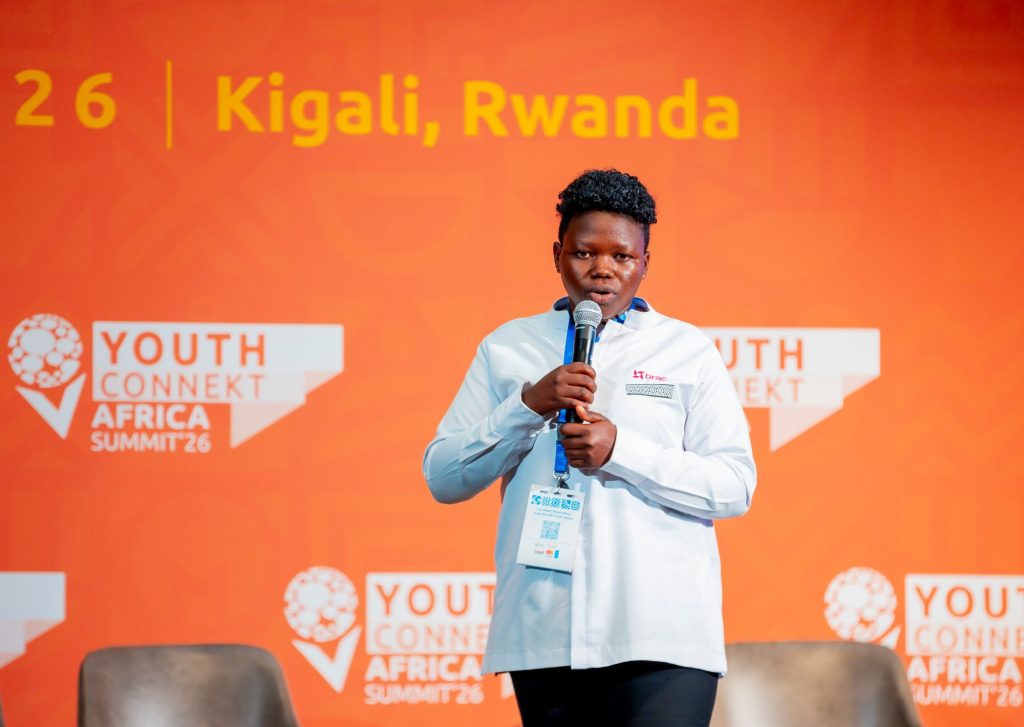
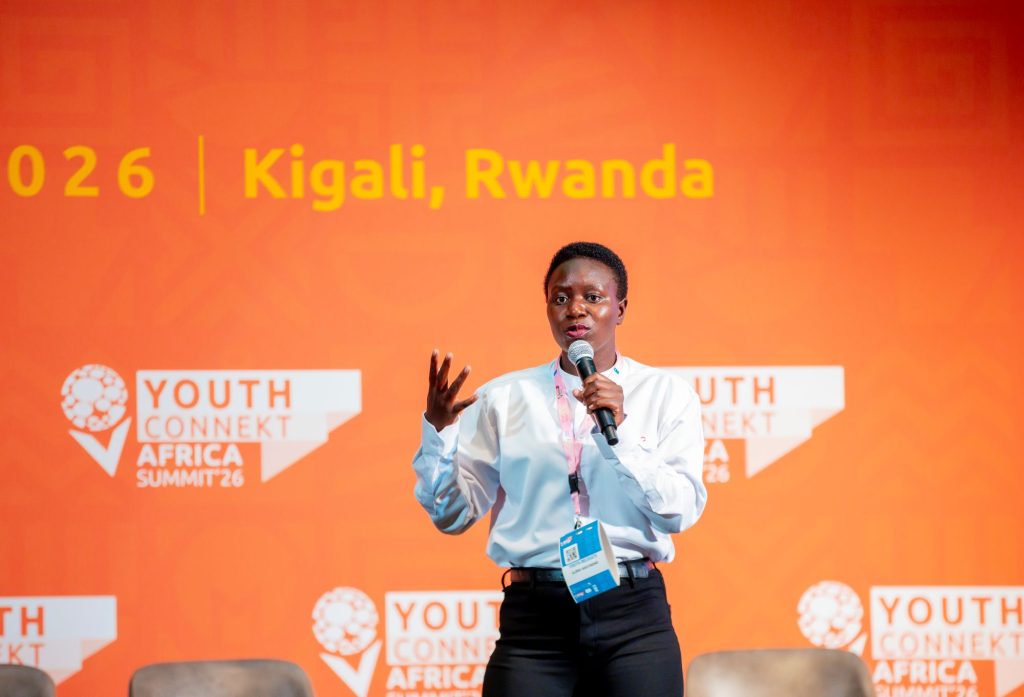
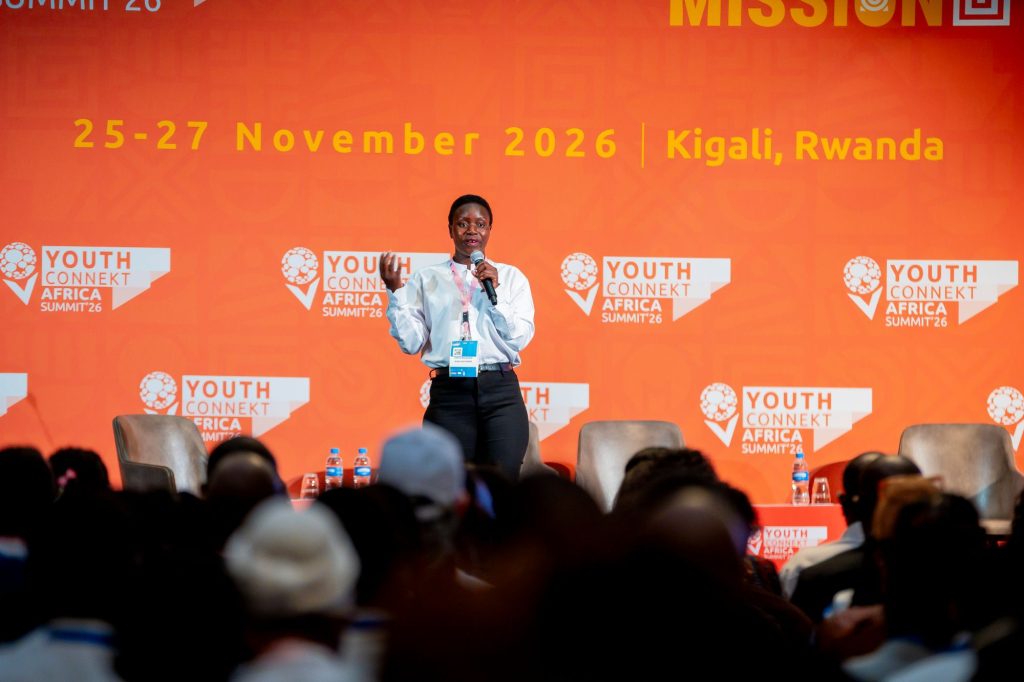
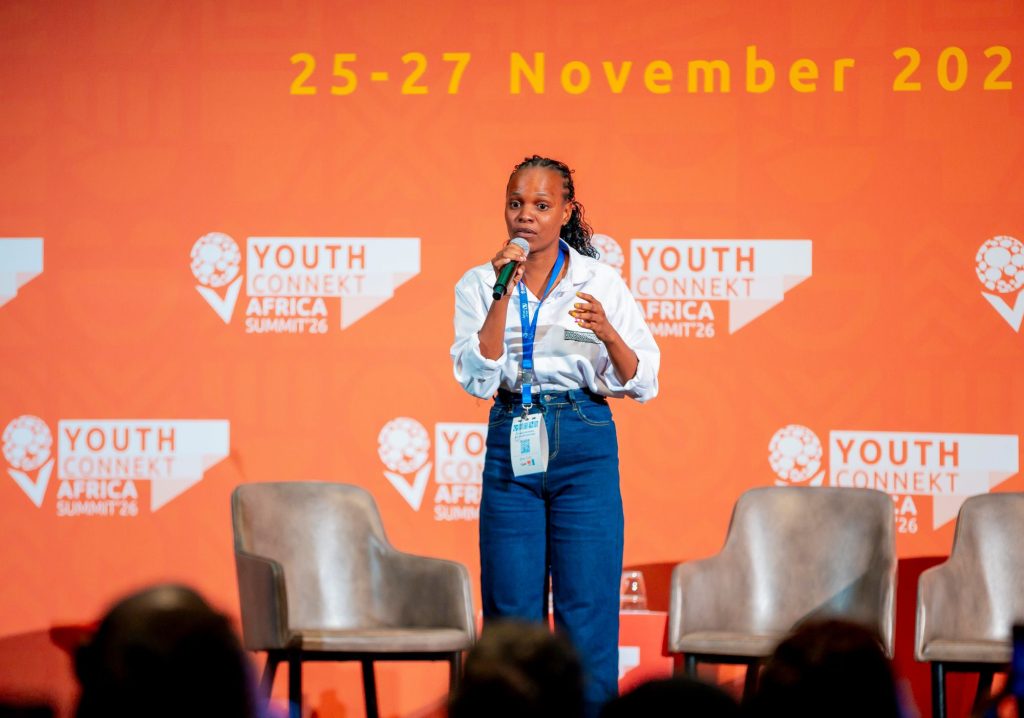
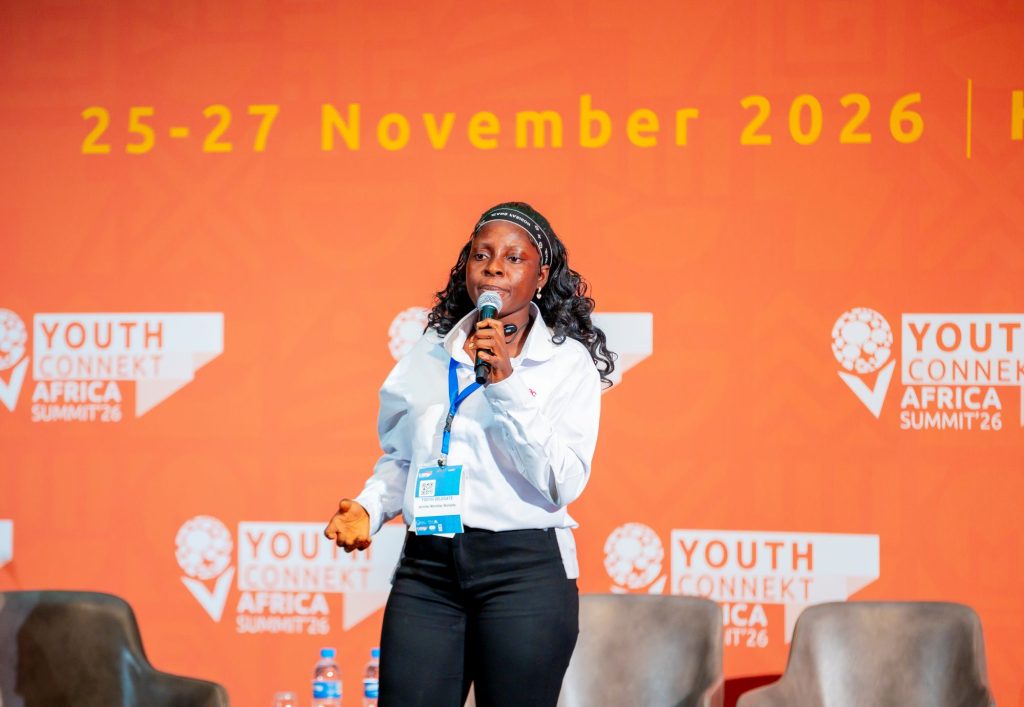
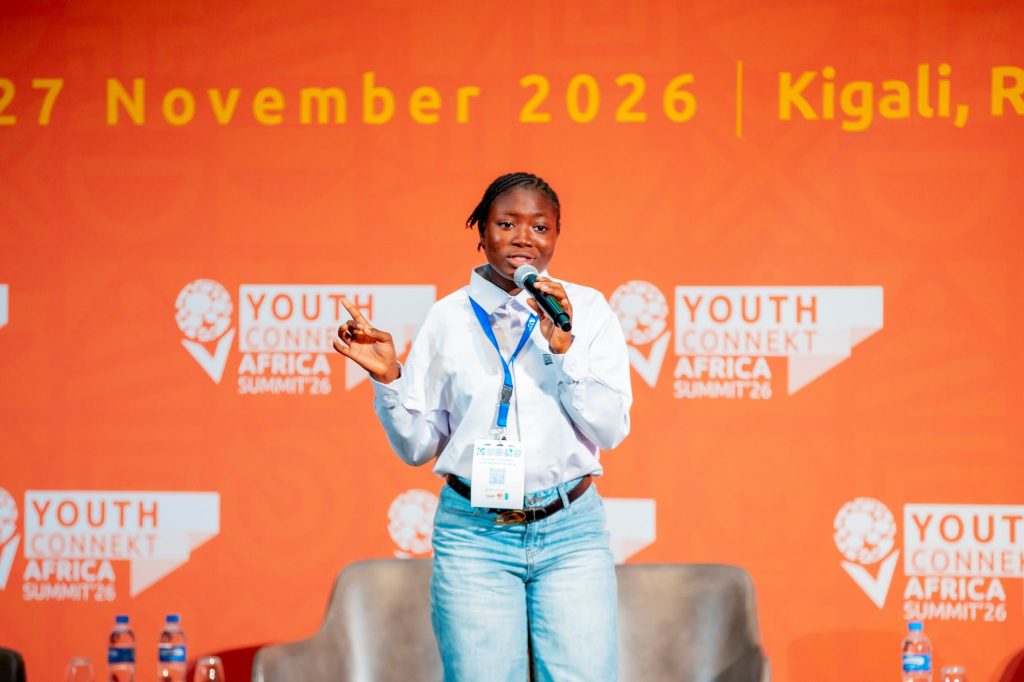
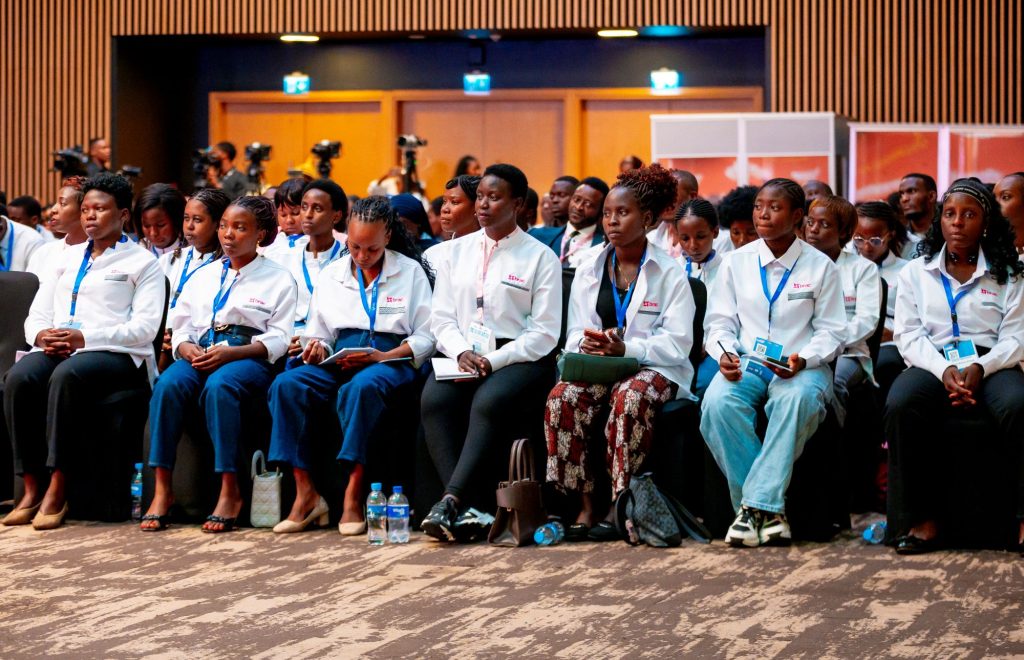
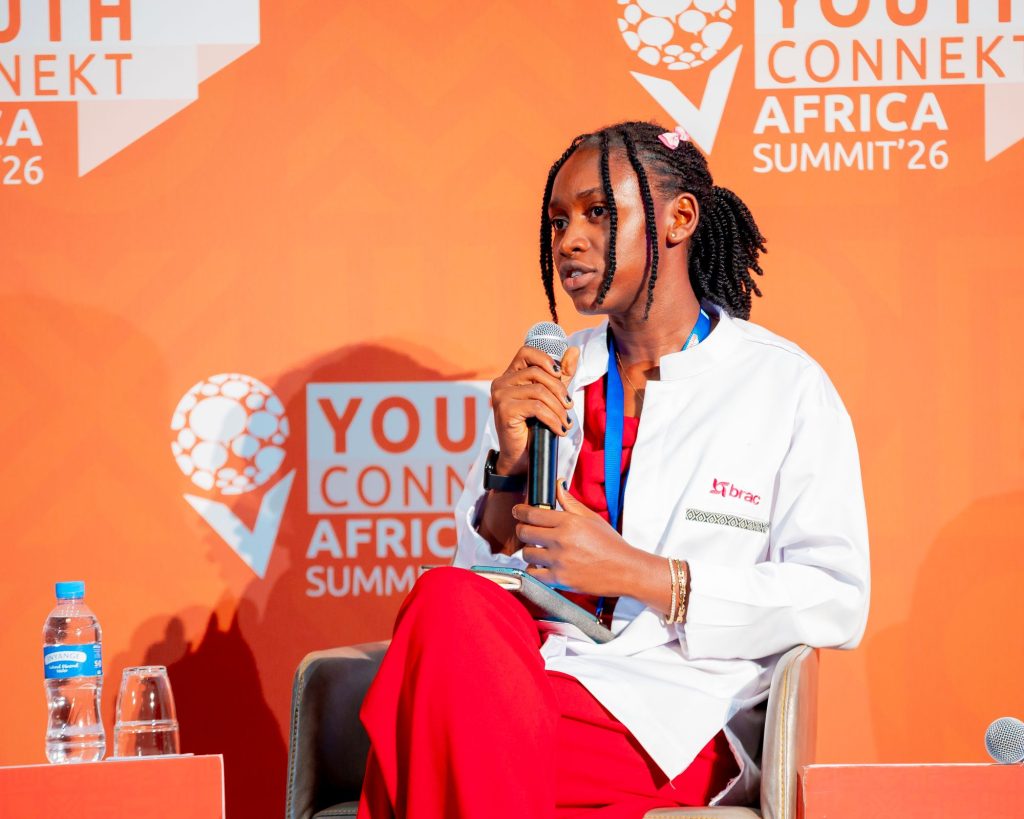
Nisingizwe was among five young women who shared their experiences at a BRAC International side event during the YouthConnekt Africa Summit in Kigali on November 26, 2026. Her story illustrates how targeted support can help young women overcome barriers and build livelihoods.
Her progress has been supported by the Accelerating Impact for Young Women (AIM) programme, implemented by BRAC International in partnership with the Mastercard Foundation. The initiative works with adolescent girls and young women to help them overcome social and economic barriers, develop practical skills and establish sustainable sources of income.
For Nisingizwe, the programme offered more than business training. It also helped address challenges within her family.
Through sessions involving family members, she was able to rebuild her relationship with her father and gain greater support for her ambitions. She subsequently received training and financial assistance that enabled her to start income-generating activities.
She started with savings of just Rwf500 and has since built it to about Rwf1 million. Beyond running her businesses, she serves as a youth leader at the cell level and represents young women in her community. She hopes to expand her enterprises, access better markets for her produce and establish business premises of her own.
“Before the training, whenever I received a little money, I would spend it immediately. Now I understand the importance of saving something early for the days ahead,” the young woman, who once dreamed of becoming a soldier, told the delegates.

Beyond skills and training
Speaking during the event, Rwanda Country Director Alex Bekunda said supporting rural young women requires more than providing them with jobs or vocational training.
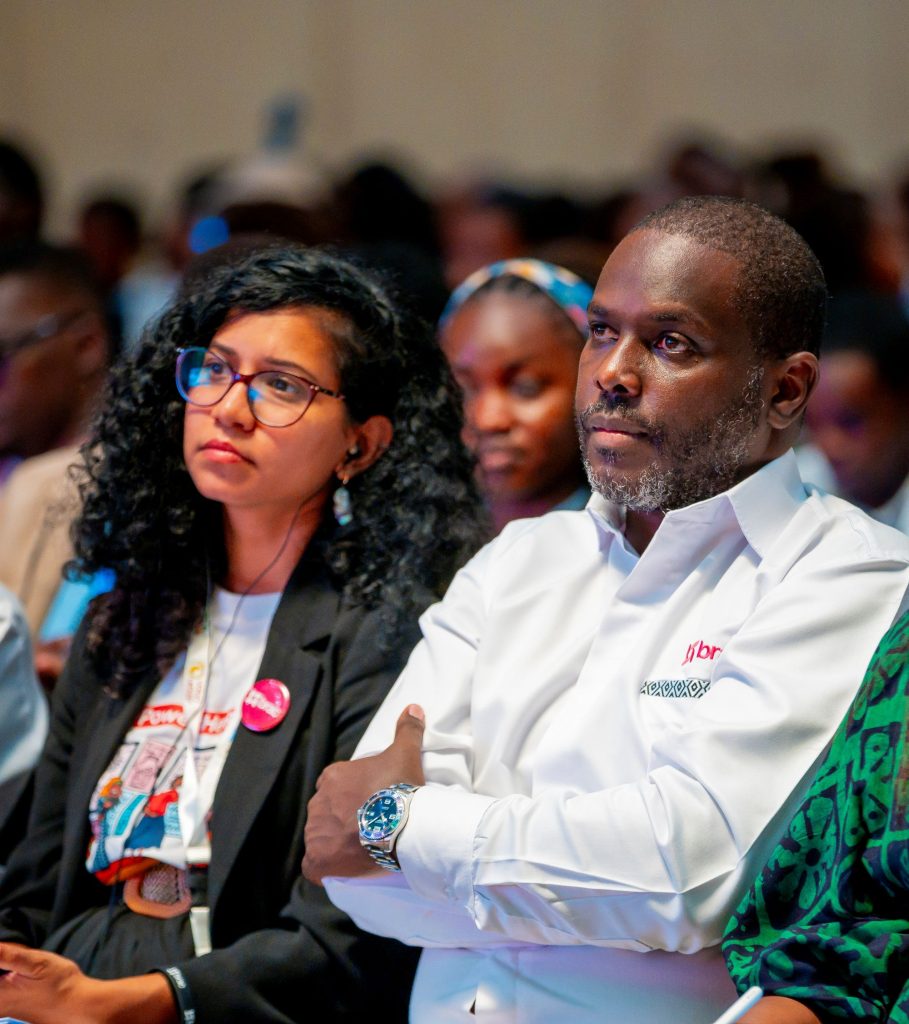
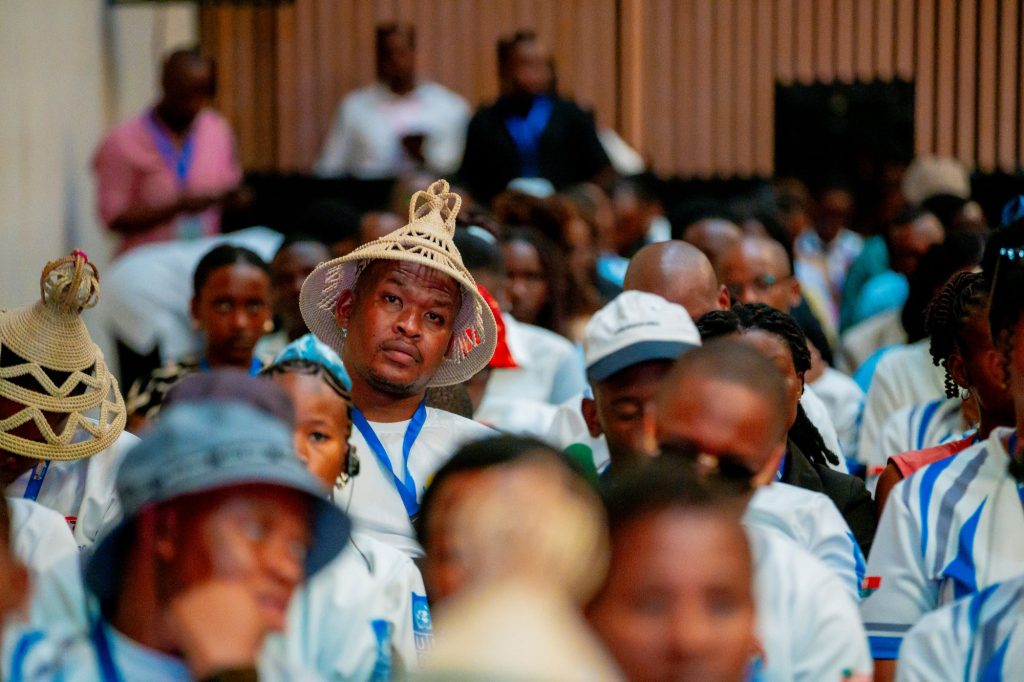
The session, titled “Beyond the City: Building Resilient Livelihoods for Rural Young Women”, brought together programme participants, development practitioners, policymakers and young advocates to discuss how to make economic opportunities more accessible to women outside urban centres.
Bekunda said young women need access to markets for their products, financial services, technology and the resources required to build businesses. He also pointed to social expectations and restrictive norms that can limit their ability to make economic decisions.
BRAC's approach combines three areas of support: social empowerment, economic empowerment and efforts to create an enabling environment within families, communities and institutions.
The model recognises that a young woman may acquire business skills but still struggle to establish an enterprise if she cannot access capital, secure family support or find customers for her products.
The AIM programme was designed to address these interconnected challenges by supporting young women to develop confidence, strengthen their economic capabilities and participate more actively in decisions affecting their lives.
Implemented in Rwanda, Uganda, Tanzania, Liberia, Sierra Leone, Kenya and Ghana, the programme has engaged more than 500,000 adolescent girls and young women (AGYW) by July 2026 through over 5,800 youth clubs.
More than 170,000 participants have received start-up assets or capital, while over 200,000 were building savings through savings groups.
In Rwanda, the programme has reached more than 30,000 adolescent girls and young women.
BRAC reported that nearly 60 per cent of participants who received livelihood support started new self-employment activities within one to two months.
Among those who were already self-employed, just under 86 per cent reported improvements in their businesses.

From confidence to business growth
The experiences of other programme participants at the Kigali gathering illustrated how access to skills, finance and support networks can help young women turn ideas into businesses.
In Uganda, Gloria Nakitandwe, who also left school, established an early childhood development centre that has grown from eight children to 102. The centre also serves children with disabilities and employs four young women.
She used savings and a loan to support the expansion of the business, demonstrating how access to financial services can help young entrepreneurs move beyond small-scale activities.
Nakitandwe urged other young women not to view leaving school as the end of their prospects.
“School dropout is not the end of life,” she said, while encouraging girls who are still in school to continue their education.
In Tanzania, Theofrida John also established an early childhood development centre. She said she has grown the number of children attending from six to 40 by using social media platforms, including TikTok, WhatsApp and Instagram, to reach potential clients. She also highlighted the potential of artificial intelligence as a tool for marketing and business development.
Their stories underscored the importance of combining entrepreneurship training with access to technology, capital, networks and markets.
For Steffi Nineza, Head of Gender and Inclusion at the Mastercard Foundation, skills development alone cannot guarantee that young people will secure meaningful economic opportunities.
She called for stronger pathways connecting learning to earning, supported by access to finance, coaching, markets and professional networks.
She also highlighted practical barriers that can prevent young women from participating in economic activities, including childcare responsibilities, transport costs and inflexible programmes.
The foundation supports the AIM programme as part of wider efforts to expand economic opportunities for young women across Africa.

Making financial services work for young women
Access to finance remains a major challenge for young entrepreneurs, particularly those living in rural areas who may lack collateral, formal business records or experience dealing with financial institutions.
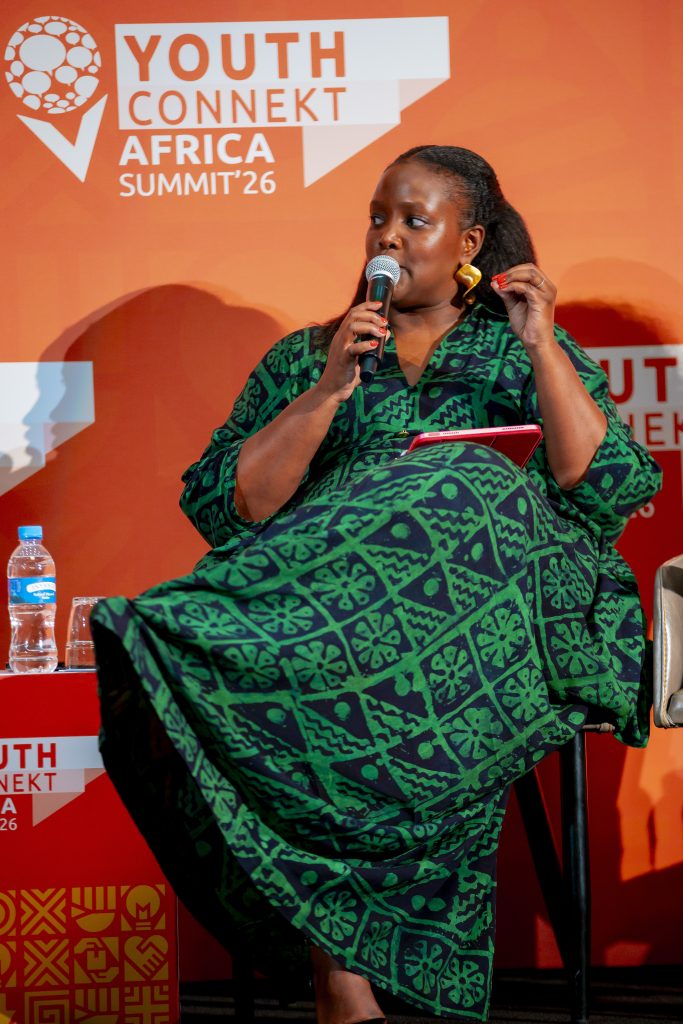
Upoma Antara Husain, Chief Executive Officer of BRAC Microfinance Rwanda, said financial services must be designed around the realities and needs of young women.
She emphasised the importance of building trust through financial education and savings before introducing young people to borrowing.
She also called on financial institutions to simplify access to services, reduce unnecessary paperwork and ensure that young clients are treated with transparency and respect.
“We have to design the financial service journey with the young people, not for them,” Husain said.
BRAC Microfinance Rwanda committed to reaching at least 25,000 rural young women by 2027, with more than a third of its total portfolio directed towards them. The institution also plans to train more than 300 frontline staff in youth-friendly financial products and client protection.

Removing barriers beyond the marketplace
While access to finance and markets is essential, participants at the event also highlighted the influence of family relationships, education and social norms on young women's economic participation.
Rwanda's Permanent Secretary in the Ministry of Gender and Family Promotion, Mireille Batamuliza, said successful individual stories should not remain exceptions, stressing the need to address the structural barriers that prevent many girls and women from reaching their potential.
These include interrupted education, early pregnancy, economic dependency, restrictive social norms and limited participation in decision-making.
She reaffirmed the government's commitment to strengthening families, protecting the rights of women and girls, promoting male engagement and removing barriers to gender equality.
Youth advocate Esther Grace Saque from Sierra Leone also highlighted challenges facing young women, including limited access to education, finance and land, as well as early and forced marriage and harmful practices.
She stressed the importance of involving young women in decisions and programmes intended to improve their lives.
The event also featured Lesotho's Minister of Gender, Youth and Social Development, Pitso Lesaoana, who shared his country's efforts to support rural businesses and expand opportunities for young people and women.
Expanding opportunities for more young women
BRAC's work with adolescent girls and young women in Africa began in Uganda in 2006, when the organisation introduced youth clubs under its Empowerment and Livelihood for Adolescents model.
The approach was adapted from BRAC's experience in Bangladesh, where safe spaces provided girls with opportunities to build confidence, develop life skills and access livelihood support.
Over time, the model expanded to other African countries, informing the development of the AIM programme in partnership with the Mastercard Foundation in 2021.
BRAC now plans to expand the initiative to reach two million adolescent girls and young women by 2033, building on its work across the six countries where it currently operates.
For young women such as Nisingizwe, the value of such programmes is measured not only in the number of people reached, but also in the opportunities they can create after receiving support.



Loading comments...
Leave a comment