



The agreement follows discussions between an IMF team led by Rwanda Mission Chief Albert Touna Mama and government officials from September 23 to October 6.
Rwanda will be able to access the funds once the agreement is approved by IMF management and the IMF Executive Board, which is expected to consider the review in December.
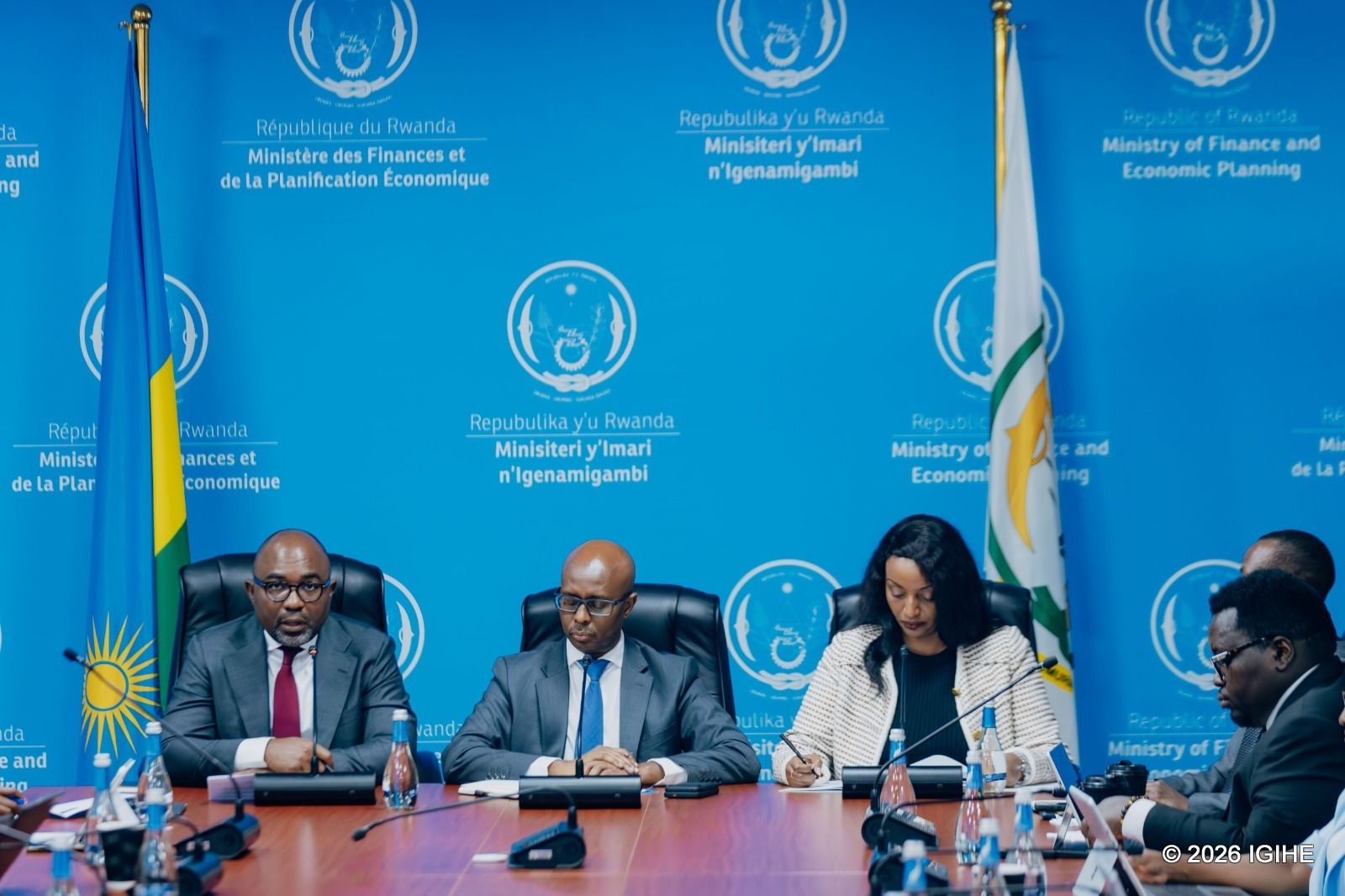
Addressing the press in Kigali on Tuesday, October 6, 2026, Touna said Rwanda’s programme implementation has been satisfactory, with all quantitative performance targets for the end of June 2026 met.
The government is also advancing reforms aimed at strengthening the investment framework and deepening the domestic securities and foreign exchange markets.
“Better public investment management and closer monitoring of fiscal risks will reinforce these efforts,” Touna said.
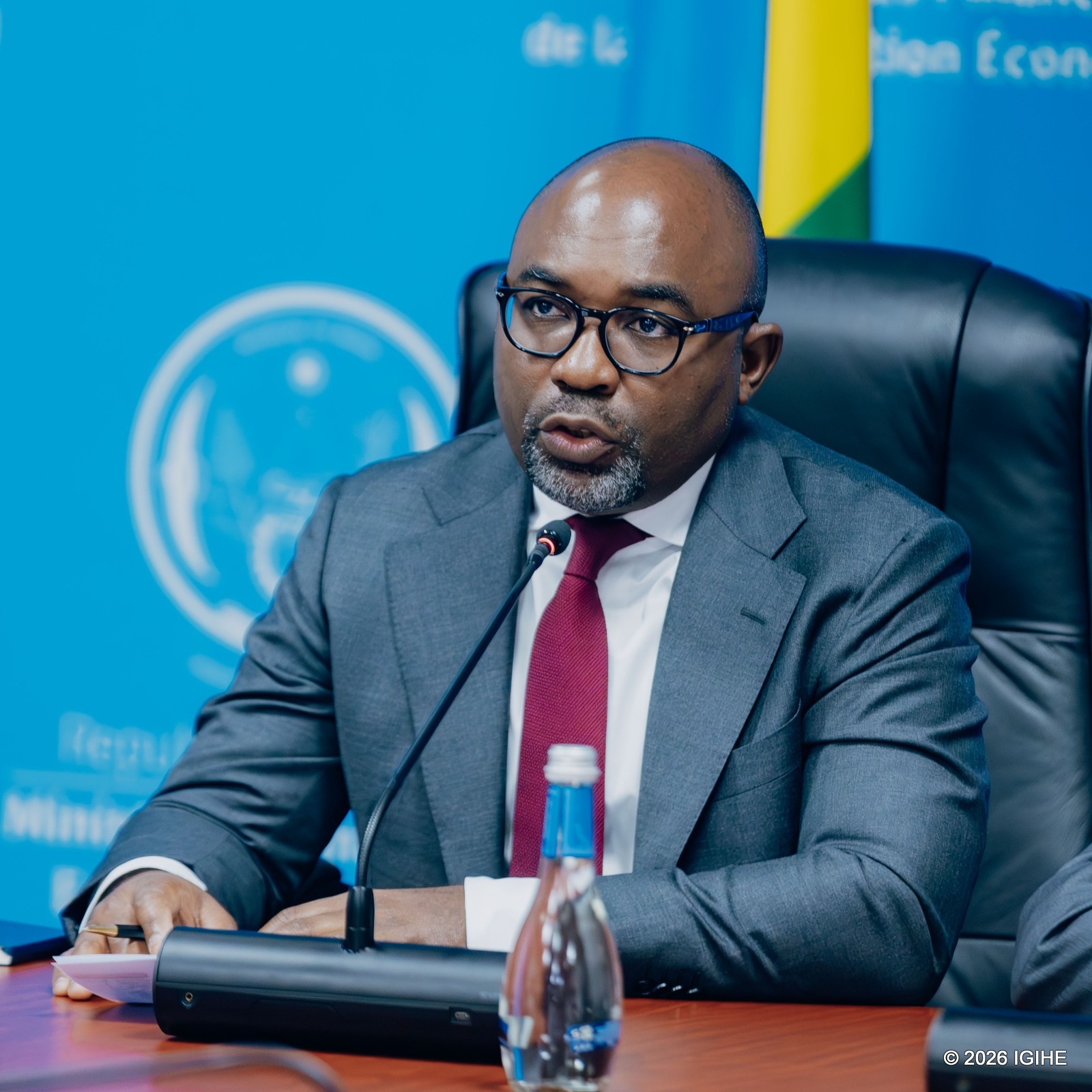
Rwanda’s economy grew by 9.7 percent in the first half of 2026, supported by strong export and remittance inflows, while foreign exchange reserves remained at about four months of import cover.
However, inflation remains a key concern. Headline inflation reached 15.7 percent in August, well above the National Bank of Rwanda’s medium-term target of 5 percent.
The IMF attributed the elevated inflation to existing price pressures and higher international oil and fertilizer prices, including spillovers from the war in the Middle East.
The central bank has responded by tightening monetary policy, with the IMF calling for an appropriately tight and data-driven approach to bring inflation back towards its target.
The IMF also noted that Rwanda’s fiscal performance had strengthened, with the budget deficit falling to 4.8 percent of GDP in the 2025/26 financial year.
It said strong tax collections and the full pass-through of higher international prices to fuel pump prices helped limit pressure on government finances.
Looking ahead, the IMF urged continued fiscal consolidation to maintain Rwanda’s moderate risk of debt distress and rebuild financial buffers.
It also called for stronger domestic revenue mobilisation, including through the planned second Medium-Term Revenue Strategy, as well as careful prioritisation of foreign-financed capital projects.
Asked whether this would mean higher taxes, Finance and Economic Planning Minister Yusuf Murangwa said Rwanda does not plan to rely primarily on tax increases to repay its loans.
“We do not plan to repay primarily by raising taxes. We aim to repay from an economy that is more productive than the amount borrowed,” Murangwa said.
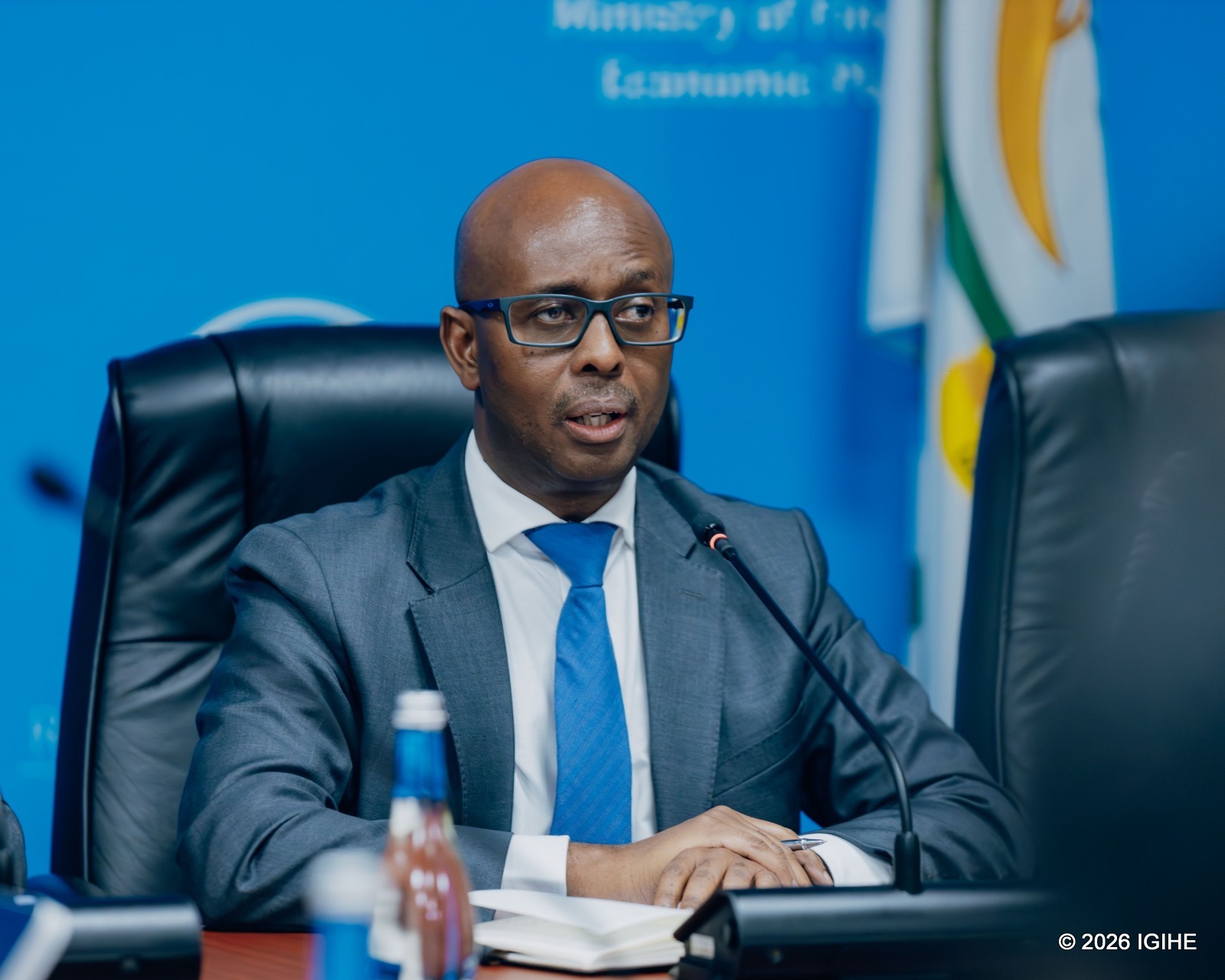
Murangwa highlighted that the government already has a tax calendar running to around 2030 and reviews it periodically, adding that some revenue gains could come through improved tax administration rather than new taxes.
Murangwa also noted that the government was not planning to halt major investments because of tighter fiscal conditions. He said any changes in the pace of investment would depend on financing conditions, while stressing that this would not amount to an overall slowdown.
On Bugesera International Airport, he said the project remains on track for completion by the end of 2027 or early 2028.
The IMF projects Rwanda’s economy to grow by 7.8 percent in 2026 and 7 percent in 2027, while identifying global commodity price volatility, geopolitical tensions, climate shocks linked to El Niño and tighter global financing conditions as downside risks.
On the upside, the IMF said Rwanda’s new petroleum procurement framework with Kenya, alongside a separate route through Tanzania, could strengthen fuel supply security and make procurement more competitive.
The IMF said it would continue supporting Rwanda’s efforts to preserve macroeconomic stability, reduce inflation and advance priority reforms.
Loading comments...
Leave a comment