



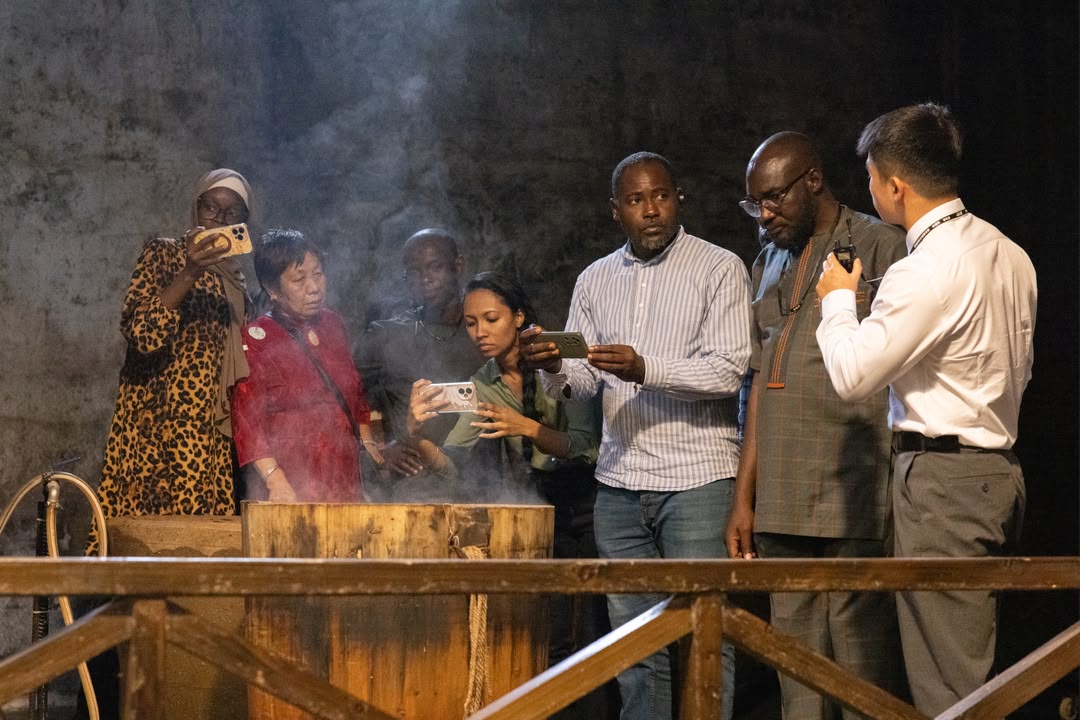
The scent immediately tells a story — this is not just a factory producing a kitchen ingredient; it is a place where more than 2,000 years of Chinese tradition continues to breathe through modern technology.
Located in Jiangsu Province, eastern China, Zhenjiang has earned the title “Vinegar Capital of China” because of its unique relationship with one of the world’s oldest fermented products.
Here, vinegar is more than a seasoning placed on a dining table. It represents history, culture, science and industrial transformation.
During our visit recently, we discovered how a simple-looking bottle carries centuries of knowledge, connecting ancient fermentation techniques with intelligent manufacturing systems capable of producing thousands of bottles every hour.
China’s relationship with vinegar stretches back more than two millennia. Ancient communities discovered that grains such as rice, wheat and sorghum could be transformed through fermentation into a product with a distinctive taste, longer shelf life and important culinary value.
Over generations, Zhenjiang developed its own speciality, Zhenjiang aromatic vinegar, a black vinegar recognised for its deep colour, balanced sourness, mild sweetness and unique fragrance.
Unlike ordinary vinegar, whose main purpose is acidity, Zhenjiang vinegar is created through a complex fermentation process where time, microorganisms and craftsmanship determine the final flavour.
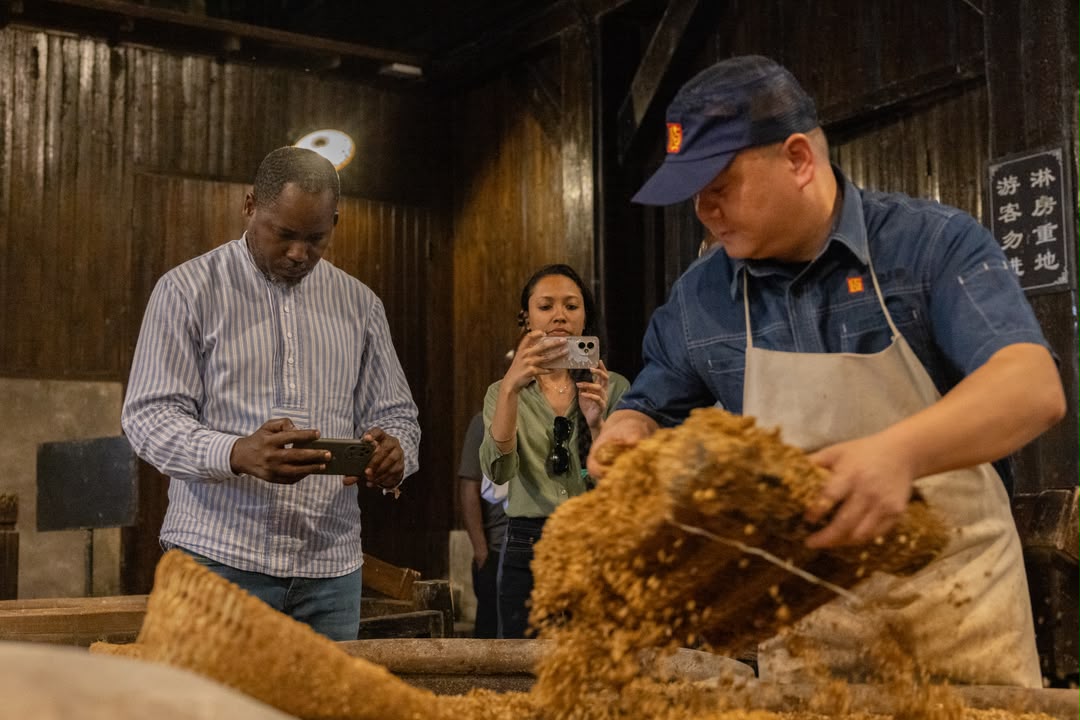
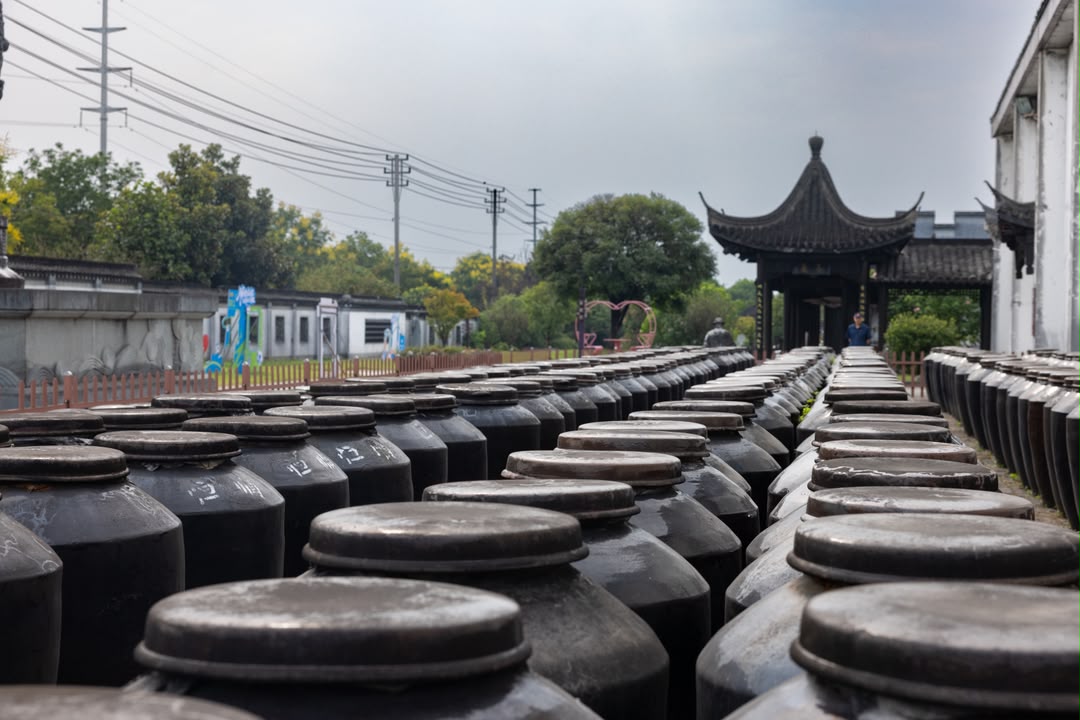
The process begins with carefully selected grains. Through alcoholic fermentation, natural sugars are converted into alcohol before acetic acid bacteria transform it into vinegar. But the secret is not only in science.
For generations, craftsmen have mastered the relationship between temperature, fermentation conditions and ageing techniques, creating a product where sourness, sweetness and aroma exist in perfect balance.
At the centre of this story is Jiangsu Hengshun Vinegar Industry, a company founded in 1840 during the Qing Dynasty.
What started as a traditional workshop has developed into one of China’s most recognised vinegar brands, combining centuries-old brewing methods with biotechnology, quality control systems and intelligent production.
Traditional fermentation areas exist alongside modern laboratories, automated production lines and digital monitoring systems designed to improve efficiency while preserving the original character of the vinegar.
Today, Zhenjiang’s vinegar industry has grown far beyond one company. The city has built a complete vinegar ecosystem involving more than 40 enterprises, producing over 300,000 tonnes annually and contributing a significant share of China’s vinegar production.
Hengshun’s transformation reflects this wider industrial growth. In 2017, the company invested 120 million yuan, equivalent to about 26 billion Rwandan francs, in advanced German automated filling technology.
The production line can process 24,000 bottles per hour while enabling real-time monitoring and complete product traceability. The company later introduced another intelligent filling line capable of handling 36,000 bottles per hour, further strengthening its manufacturing capacity.
The journey continues at the Zhenjiang Vinegar Culture Museum, where vinegar becomes a story of people, heritage and innovation.
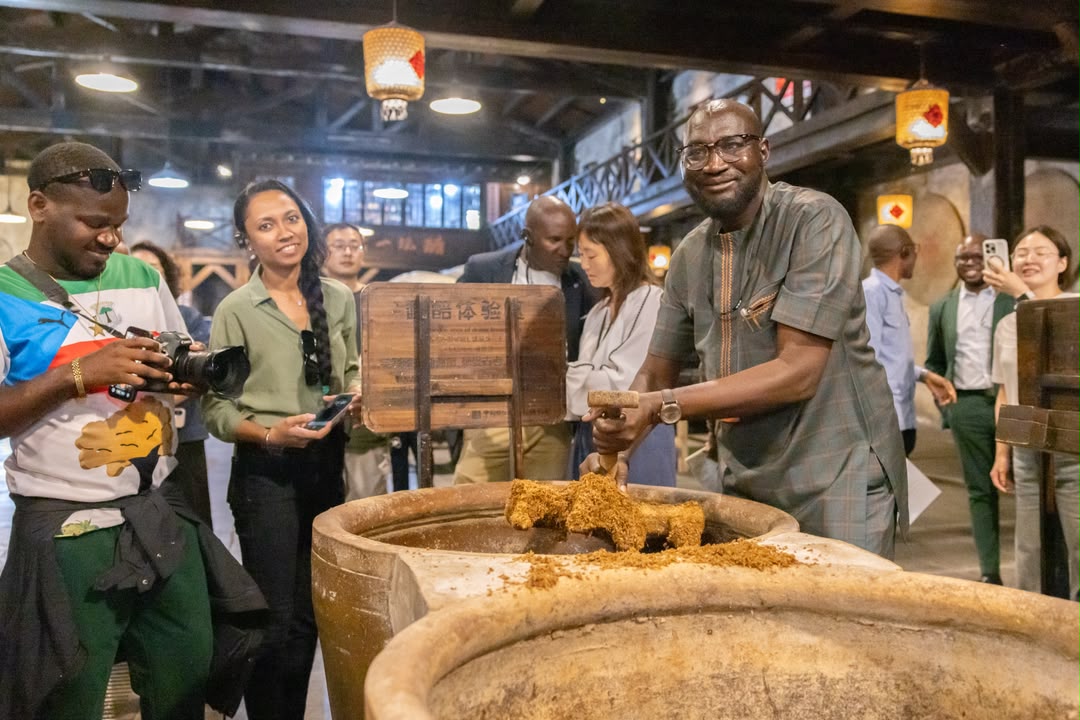
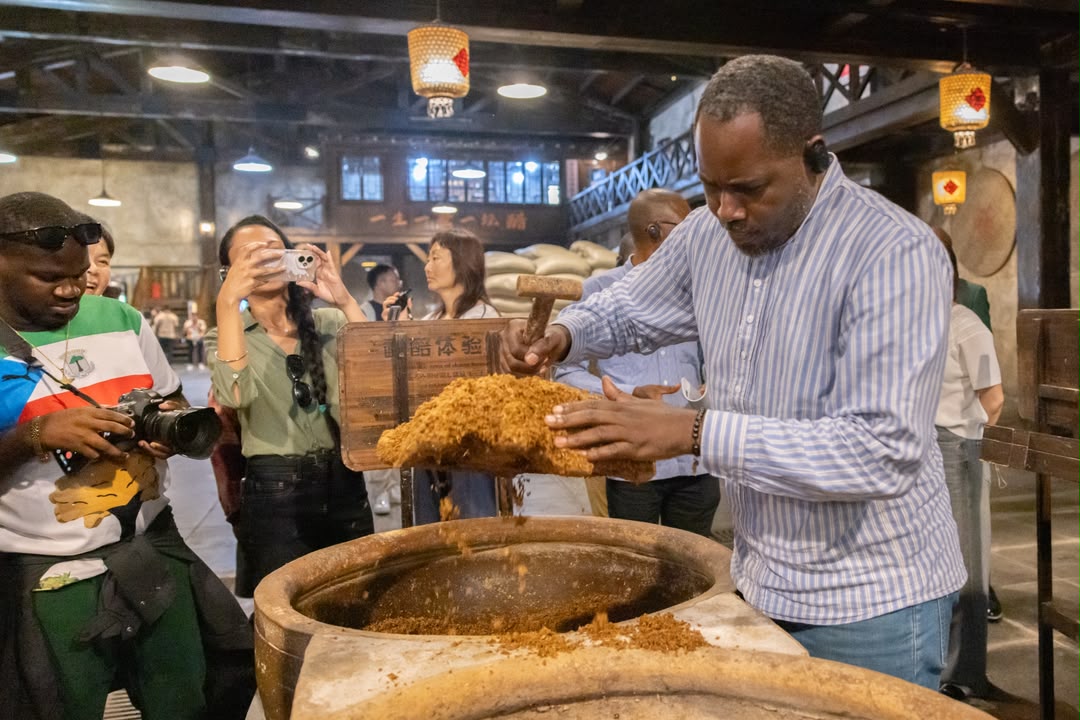
Established to preserve the history of vinegar-making, the museum displays traditional brewing tools, historical documents, old production methods and materials showing how Hengshun developed from a small workshop into a modern industrial enterprise.
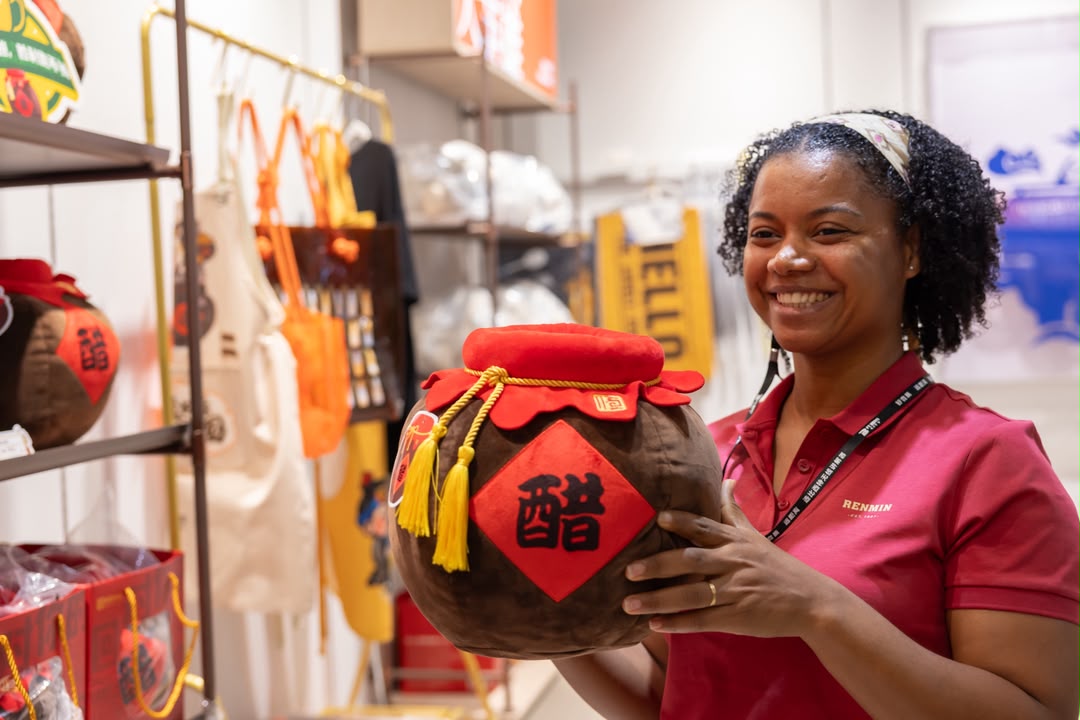
Recognised as a National Demonstration Base for Industrial Tourism in 2023, the museum has transformed vinegar into an educational and cultural experience. Visitors do not only learn how vinegar is produced; they discover why it remains an important part of Chinese identity.
Technology has also changed how this heritage is shared. Through virtual reality experiences, digital guides, online exhibitions and livestreaming, Zhenjiang’s vinegar culture is reaching audiences beyond the city and beyond China.
In Chinese cuisine, Zhenjiang vinegar plays an important role. It is used in sauces, seafood dishes, soups and traditional recipes, adding depth and fragrance while maintaining the original taste of food.
However, modern consumer preferences are creating new opportunities. Younger generations are increasingly interested in natural ingredients, healthier products and new flavours.
Responding to these changes, Hengshun has expanded beyond traditional cooking vinegar by introducing products such as floral vinegar varieties featuring ingredients like rose, osmanthus and camellia.
At Hengshun Industrial Park, a new 33,000-square-metre intelligent production facility is being developed with automated feeding, fermentation management and modern processing systems. Once completed, it is expected to increase annual capacity by 56,000 tonnes of table vinegar and 20,000 tonnes of white vinegar.
A product that began as an ancient fermentation technique has become an industry connecting agriculture, tourism, food technology and modern manufacturing.
In China’s Vinegar Capital, every drop tells a story, a story of tradition preserved, innovation embraced and a city that transformed a simple ingredient into a symbol of heritage.

Loading comments...
Leave a comment