



Over the same period, the country’s urbanisation rate is projected to more than double. With a substantial housing backlog already in place, meeting the demand for affordable, quality homes has become one of the country’s major development challenges.
One company working to address that challenge is Fortico Group. Headquartered in Kigali and led by Executive Chairman Simon Sondern and Managing Director Heruy Afework Kahsay, the group has developed from a small real estate agency into a
diversified business spanning much of the construction and property sector.
Today, its companies work across development, architecture, engineering, building materials, construction and property management.
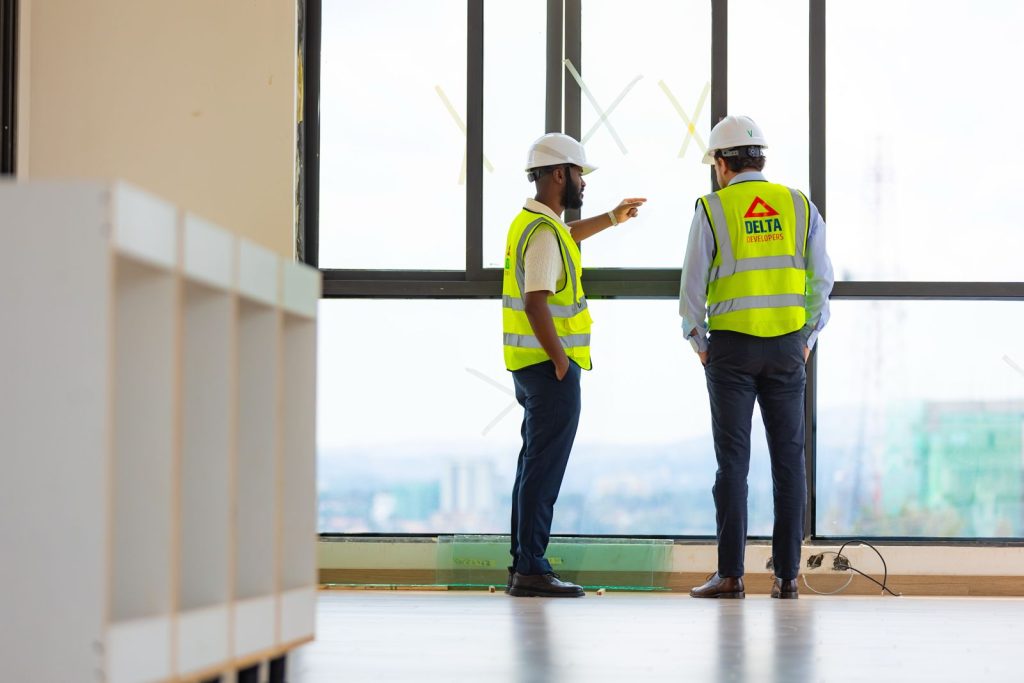
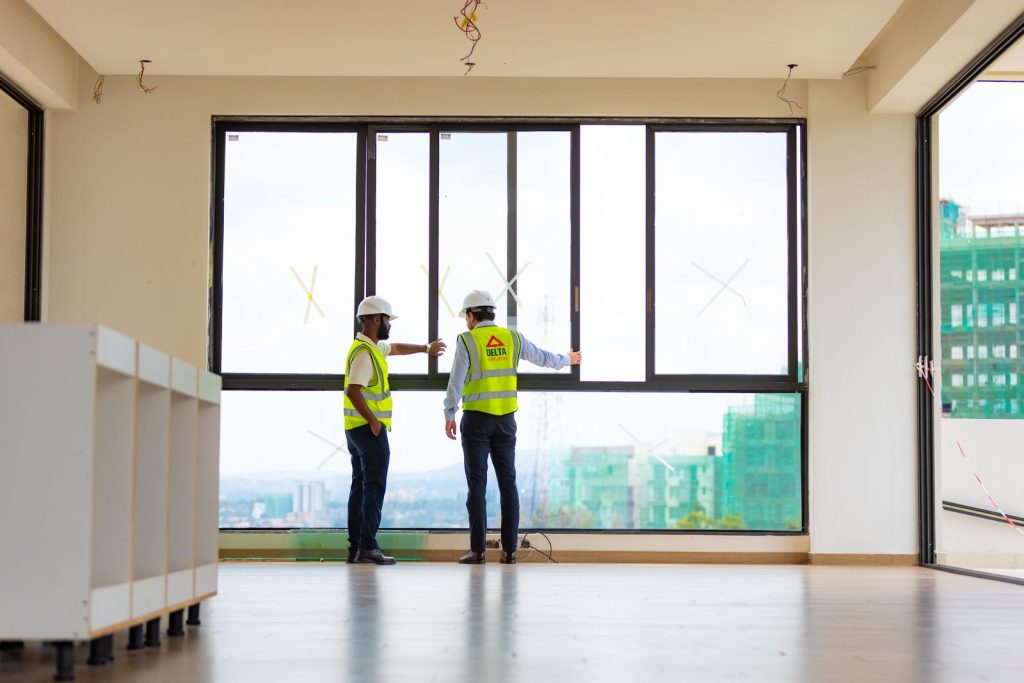
The group’s real estate activities are centered around Delta Developers, which has established a track record in residential and mixed-use developments across Kigali.
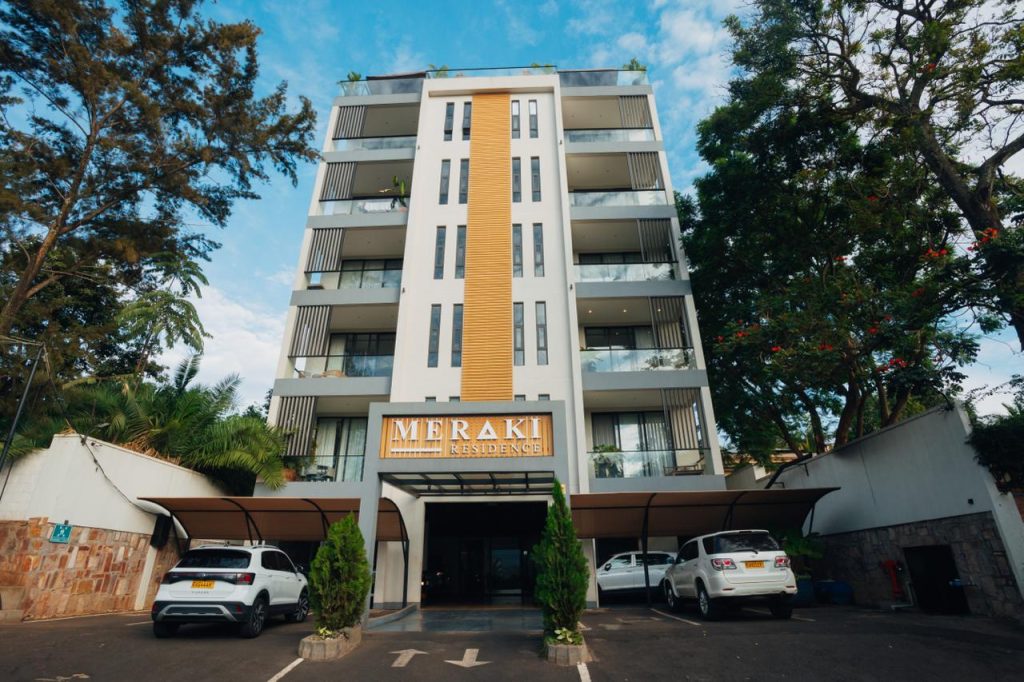
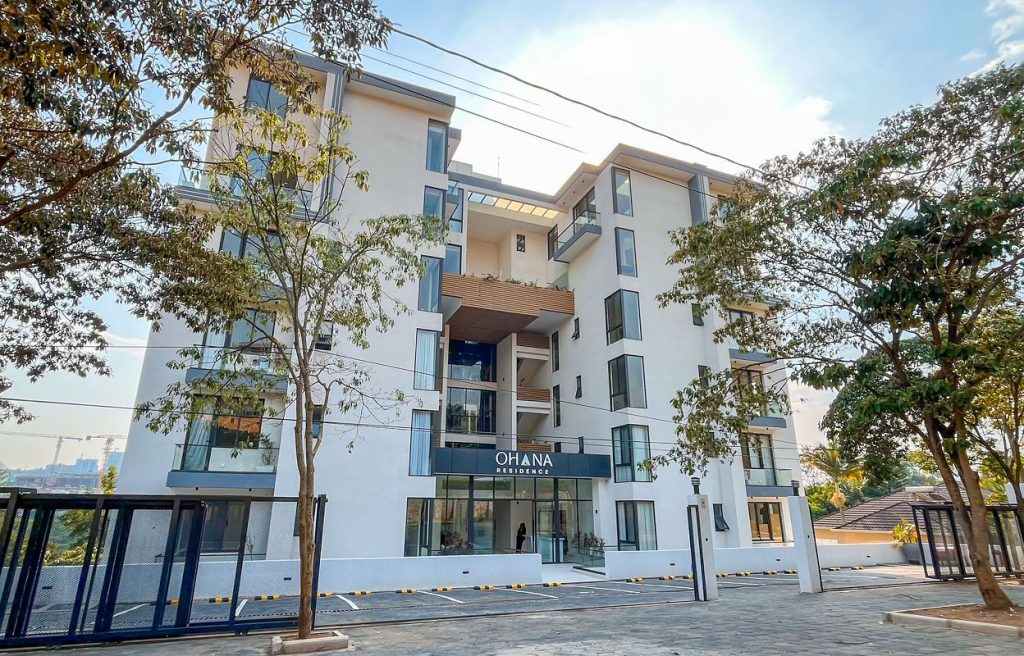
Its portfolio includes Kinyinya Villas, Meraki Residence, Ohana Residence and Aluna Residence.
All of Delta’s developments have sold off-plan, while completed projects have consistently been delivered either on time or ahead of schedule.
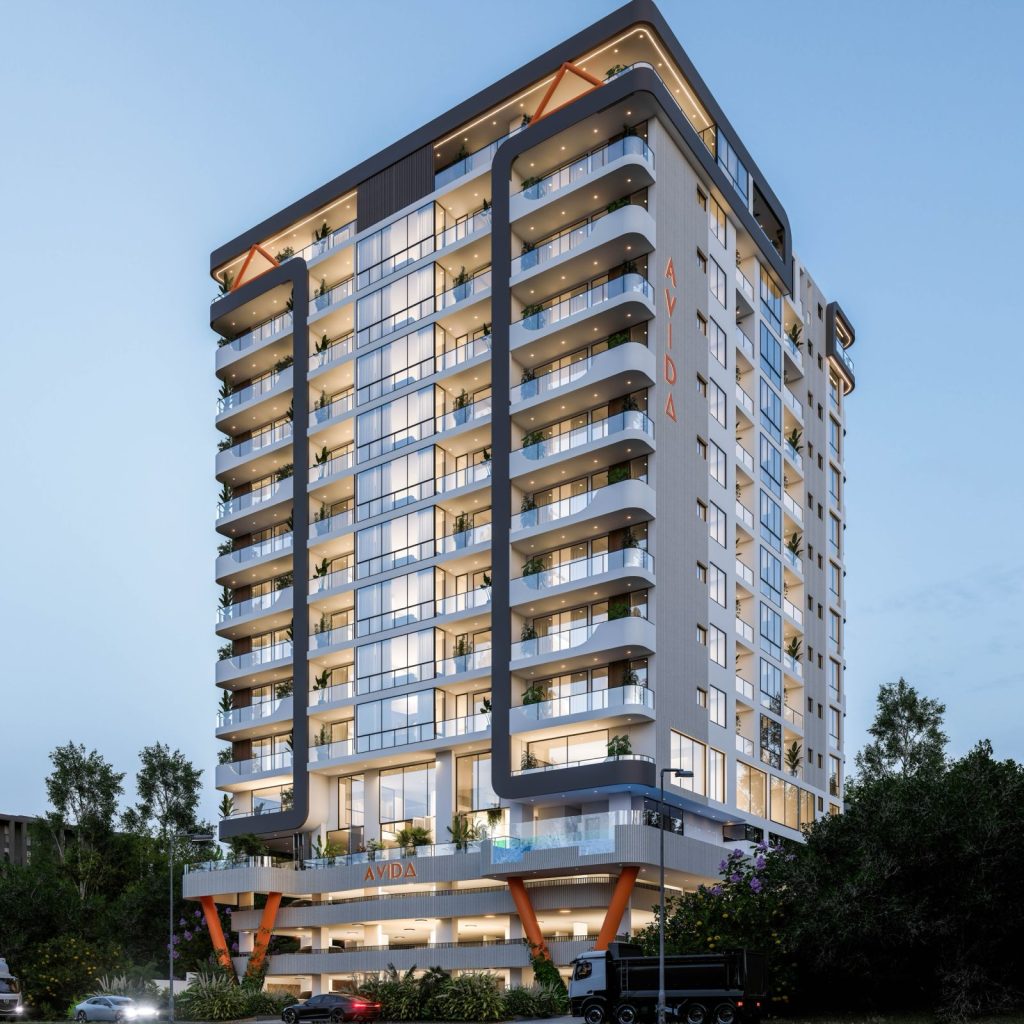
Its largest undertaking to date is AVIDA, a 15-storey residential development overlooking Kigali Golf Course. Scheduled for completion in 2028, the building is expected to become Kigali’s third tallest.
For Kahsay, a civil engineer with two decades of experience in construction and project management, delivering on commitments to clients is fundamental to the business.
“In this market, trust is built one handover at a time,” says Kahsay. “When buyers see that what was promised on paper is delivered on site, on the agreed date, they come back for the next project and recommend future projects to their network.”
That focus on reliability has shaped the way Fortico has expanded. As Delta took on more developments, the group increasingly needed dependable access to engineering expertise, building materials and quality finishes.
Rather than relying entirely on external suppliers and service providers, it began establishing its own specialised businesses.
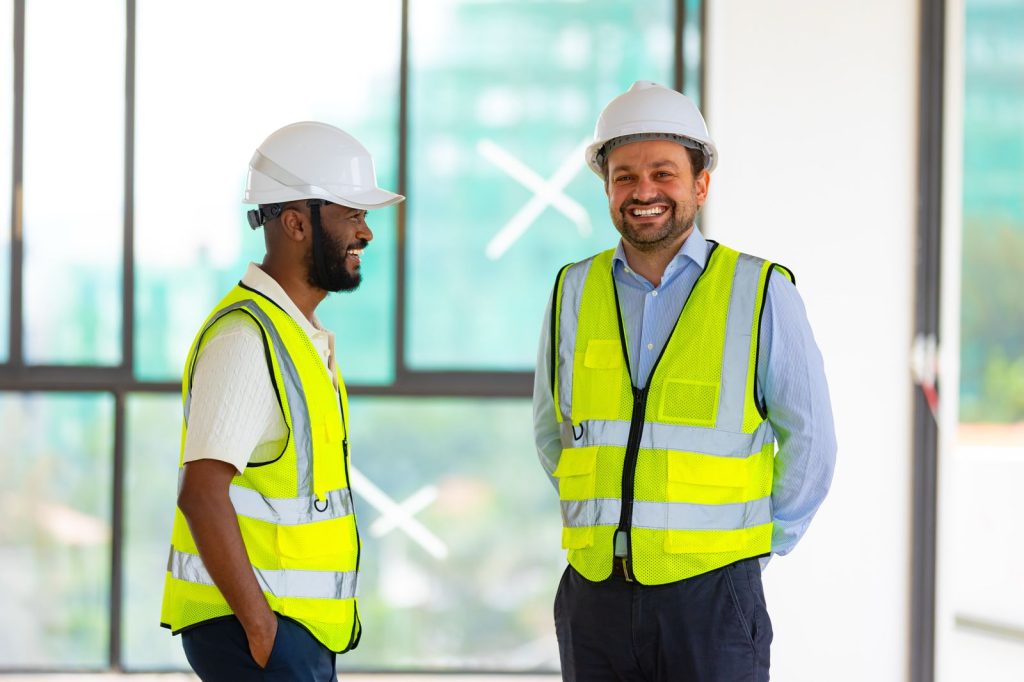
Today, Delta’s Engineering division employs more than 50 architects and engineers responsible for designing and supervising the group’s developments.
Delta Sourcing manages the procurement of materials from established international manufacturers, while Nova Homes manufactures aluminium windows, kitchens and cabinetry at its factory in Kigali.
Urban Property Management completes the chain by managing properties after residents have moved in.
Together, these businesses allow Fortico to oversee the development process from initial design through construction to long-term building management, giving the group greater control over costs, quality and delivery schedules.
“In a young market, some of the products and services we needed simply did not exist locally yet,” says Sondern. “So we started building them ourselves, first for our own projects. Over time, those efforts grew into companies that now also serve other developers and clients across Rwanda.”
The latest addition to the group takes this approach a step further. Civitech Industries is establishing Rwanda’s first large-scale manufacturing facility for EPS construction panels in Gahanga, with production expected to start by the end of this year.
The technology offers a faster, more cost-effective way of building while improving living comfort and ensuring consistent quality. Equally important is the decision to manufacture locally.
Rather than relying on imported materials that can take months to arrive, the new factory will be able to supply construction sites across Rwanda within days, reducing transport distances, foreign exchange requirements and dependence on imports.
“We want as much of the value as possible to be created here in Rwanda,” says Sondern. “Civitech means local jobs, local skills and less dependence on imports. It also gives other developers and public housing programmes access to a faster way of building.”
Developing local expertise is another part of the group’s long-term strategy. The majority of Fortico’s employees work on full-time contracts, and international specialists are regularly brought in to share technical knowledge and train local teams.
Plans are also underway for a dedicated construction academy that would help develop the skills needed as the industry grows.
The group’s leadership sees Rwanda as particularly well positioned for this type of long-term investment.
The country’s fully digital land registry, efficient property title transfers and transparent zoning system provide a framework for development.
Close cooperation between government and the private sector also helps address practical challenges as new projects and industries take shape.
From residential developments to local manufacturing and professional training, Fortico’s businesses reflect a broader ambition to support Rwanda’s urban transformation while building more of the necessary capabilities within the country itself.
“Rwanda has a clear plan for how its cities should grow,” says Sondern. “Our role is to help deliver it, with good homes, built faster and at prices more people can afford.”
Loading comments...
Leave a comment