



The transformation stems from a multibillion-franc investment that has nearly tripled production, improved miners’ safety and increased their earnings fivefold.
Located in Rulindo District in Rwanda’s Northern Province, Nyakabingo Mine produces wolframite, an ore from which tungsten is extracted.
Tungsten is one of the metals derived from minerals commonly known as the 3Ts, alongside tin and tantalum.
It is an exceptionally hard metal capable of withstanding extremely high temperatures, making it essential in the manufacture of metal-cutting tools, mining machinery and construction equipment.
It is also used in the aerospace and advanced defence industries, as well as in the manufacture of other high-tech equipment.
Historical records indicate that mineral exploration at Nyakabingo began in the late 1930s, while mining operations commenced shortly after the Second World War.
By the late 1960s, mining had expanded underground through the development of deep tunnels. Operations were suspended in 1994 during the Genocide against the Tutsi.
The mine reopened in 1995 and was subsequently taken over by Euro Trade International in 2007.
The Rwf36 billion investment that transformed the mine
In May 2022, Nyakabingo became one of three mines managed by Trinity Metals, a company established following the consolidation of companies operating Nyakabingo, Rutongo and Musha mines.
That same year, Trinity Metals invested more than $25 million, equivalent to over Rwf36 billion, in Nyakabingo Mine.
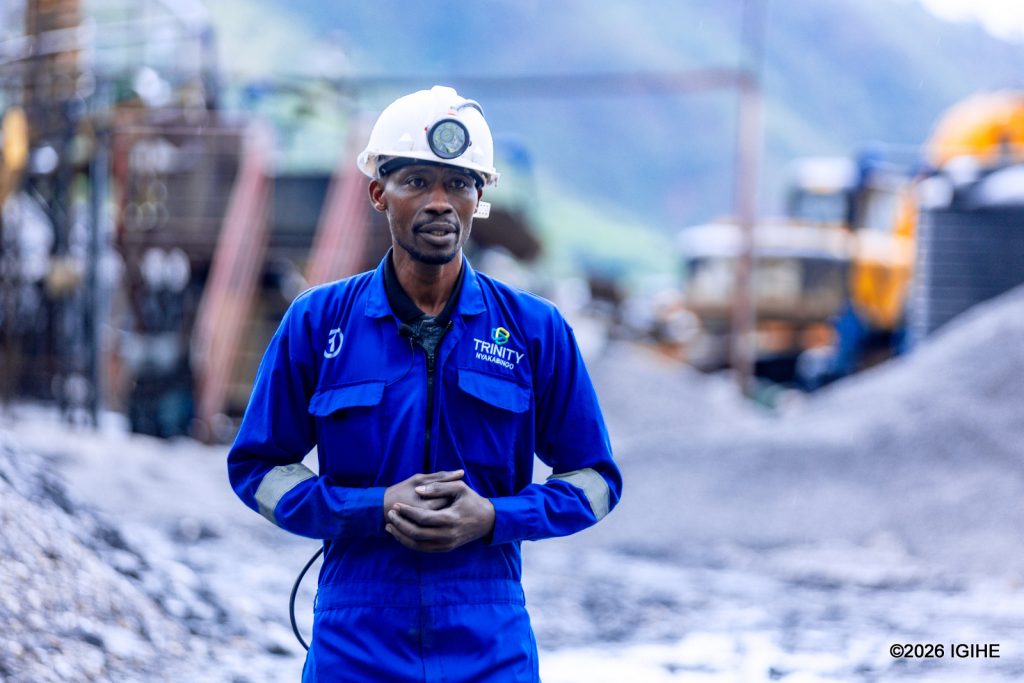
Nyakabingo Mine Manager Justin Uwiringiyimana said that before the investment, mining operations largely relied on traditional methods, resulting in low productivity.
“Before 2022, the mine’s production did not exceed 35 tonnes, but today we produce more than 100 tonnes per month,” he said.
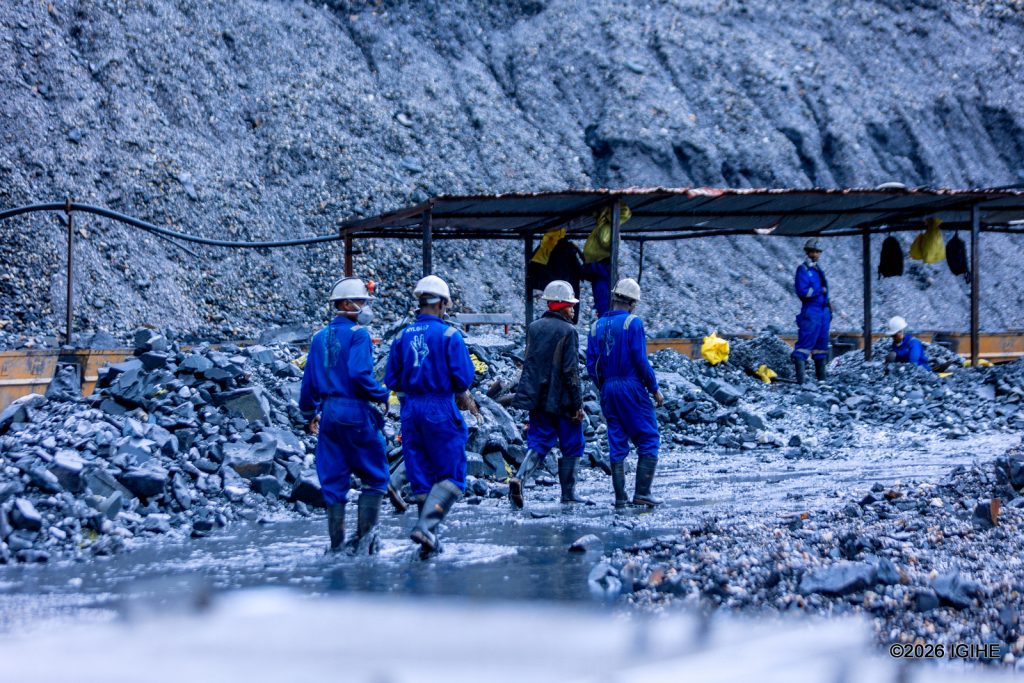
Trinity Metals holds mining rights covering 1,600 hectares at Nyakabingo, where it currently employs more than 1,800 workers.
Machines replace manual labour
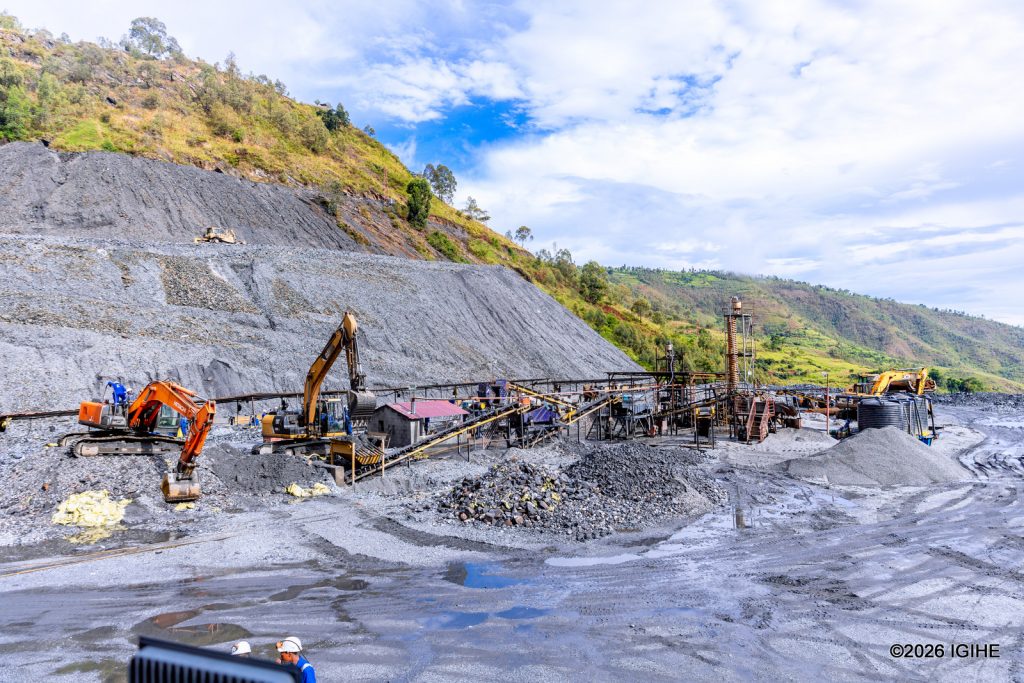
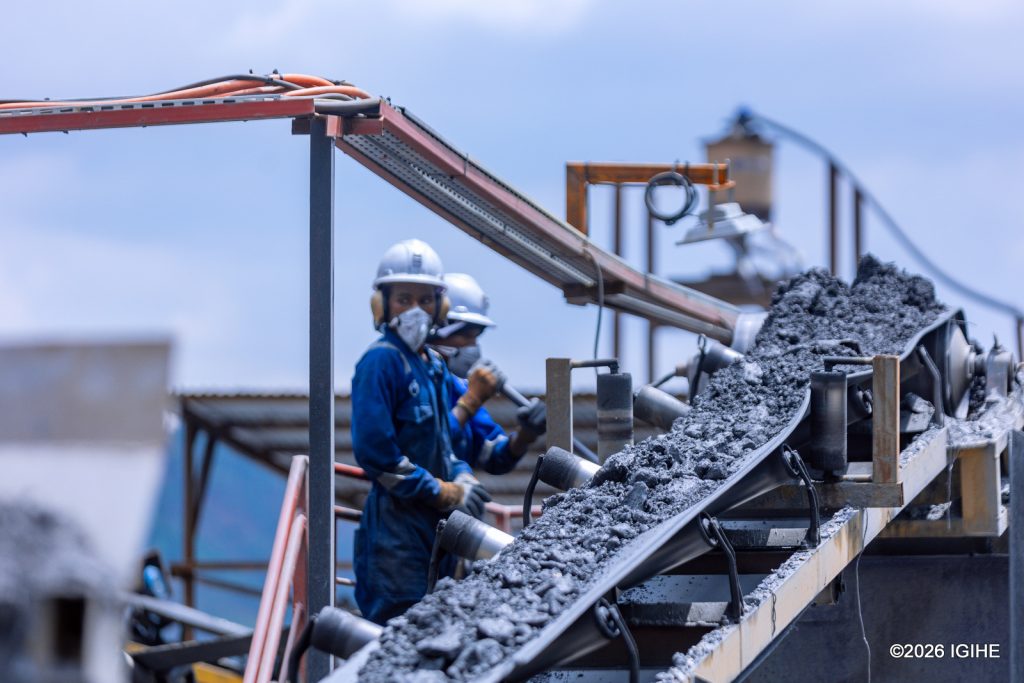
Uwiringiyimana explained that part of the investment was directed towards acquiring modern machinery, reducing reliance on manual labour and increasing productivity within shorter periods.
“Previously, you would find one machine in each tunnel, but today we have up to six machines per tunnel,” he said.
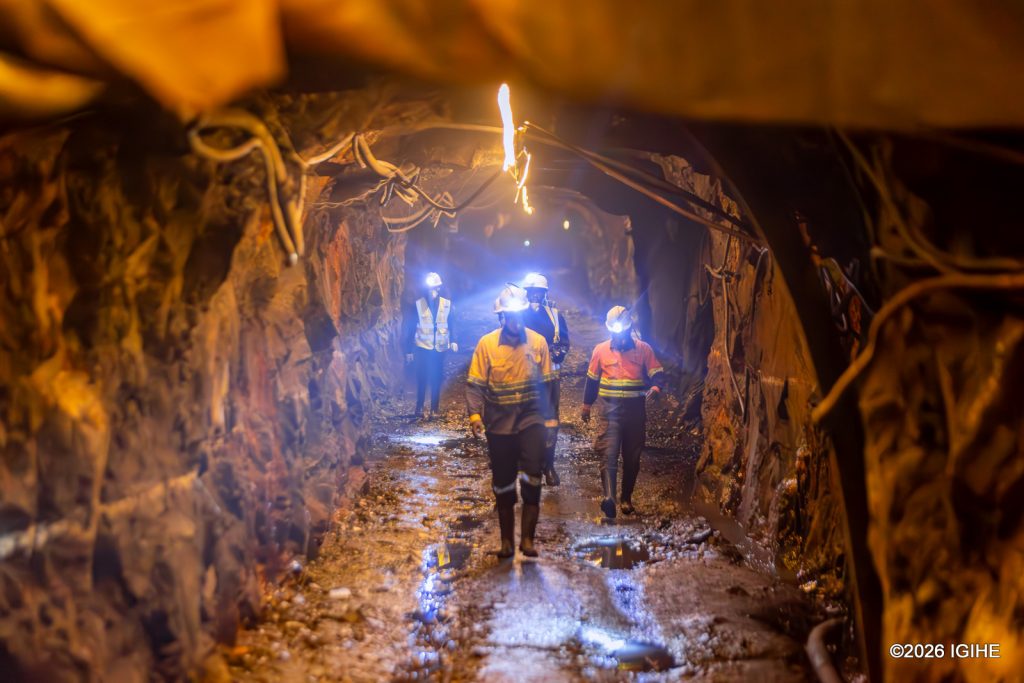
The machinery used at Nyakabingo includes Bobcat machines, underground locomotives that transport ore in rail-mounted carts, loaders and equipment used to transport mined materials to mineral processing facilities.
According to Uwiringiyimana, purchasing and transporting some of these machines to Rwanda can cost up to Rwf150 million per unit.
Although operating heavy mining machinery might traditionally be perceived as a job reserved for men, women are also taking on these roles at Nyakabingo.
Among them is Betty Abijuru, who has been trained to operate four different types of mining machinery.
She explained that one of these machines can accomplish in a single hour work that would otherwise require the combined efforts of many workers.
“When I started this job, I did not know how to operate any machinery. However, I received training, and today I can operate four different machines,” she said.
Nyakabingo Mine management says it partners with institutions in South Africa to train Rwandan workers, equipping them with the skills required for technology-driven mining operations.
Putting miners’ safety first
Beyond increasing production, Nyakabingo Mine management says the investment has significantly contributed to improving occupational safety.
Lucie Mukashyaka, who oversees occupational safety at the mine, said one of their key objectives is to prevent accidents that could result in injuries or fatalities among miners.
She explained that mechanisation has reduced workers’ exposure to accidents compared to the period when mining operations relied heavily on traditional methods.
Before mining begins in a particular area, geological assessments are conducted to identify potential hazards that could endanger workers’ lives.
Mukashyaka noted that workers who experience accidents or other health-related challenges now receive greater attention than they did in the past.
“Whenever one of our employees experiences a problem, we make sure they receive proper care. In the past, when an accident occurred and a miner lost their life, others would sometimes simply leave them and continue mining,” she said.
Jean Mutemberezi, who began his mining career in 2006, is among those who have witnessed the transformation of the profession firsthand.
He recalled that mining was previously physically demanding, with workers lacking adequate protective equipment to shield them from occupational illnesses and accidents.
“We used to suffer from respiratory illnesses, and the money we earned was not even enough to cover our medical expenses,” he said.
Miners’ earnings increase fivefold
The transformation at Nyakabingo Mine has extended beyond increased production and improved occupational safety to enhancing workers’ livelihoods.
According to the mine’s management, miners receive monthly salaries, performance bonuses and accident insurance coverage.
Management noted that miners’ earnings have increased considerably compared to what they received before the investment to modernise the mine.
“What a miner earns today is five times what they used to earn before,” the management said.
From deep beneath Nyakabingo to American factories
Minerals extracted from the hills of Rulindo are increasingly playing a role in global supply chains that provide essential raw materials to industries in developed economies.
In September 2025, Trinity Metals announced that its first shipment of tungsten concentrate from Nyakabingo Mine had arrived at the Global Tungsten & Powders facility in Pennsylvania, United States.
Trinity Metals also recently announced plans to list on the New York Stock Exchange through an initial public offering (IPO).
The company aims to raise between $100 million and $200 million to expand its mining operations and establish a mineral processing facility.
These developments come at a time when Rwanda occupies a significant position in the global production of minerals essential to advanced technology industries.
According to data from the United States Geological Survey (USGS), Rwanda ranked as the world's sixth-largest tungsten producer in 2024, accounting for approximately 1.5% of global production.
In the same year, Rwanda ranked third globally in tantalum production.
Figures from the Rwanda Mines, Petroleum and Gas Board (RMB) indicate that mineral exports generated $1.75 billion for the country in 2024.
The Government of Rwanda has set a target of increasing mineral export revenues to $2.17 billion by 2029.
Nyakabingo Mine, located in Rulindo District, stands as Africa’s largest tungsten-producing mine.



Loading comments...
Leave a comment