



A vineyard estate is a property where wine grapes are cultivated and turned into wine, usually as part of one integrated operation. It may also combine wine production with tourism, hospitality and other visitor experiences.
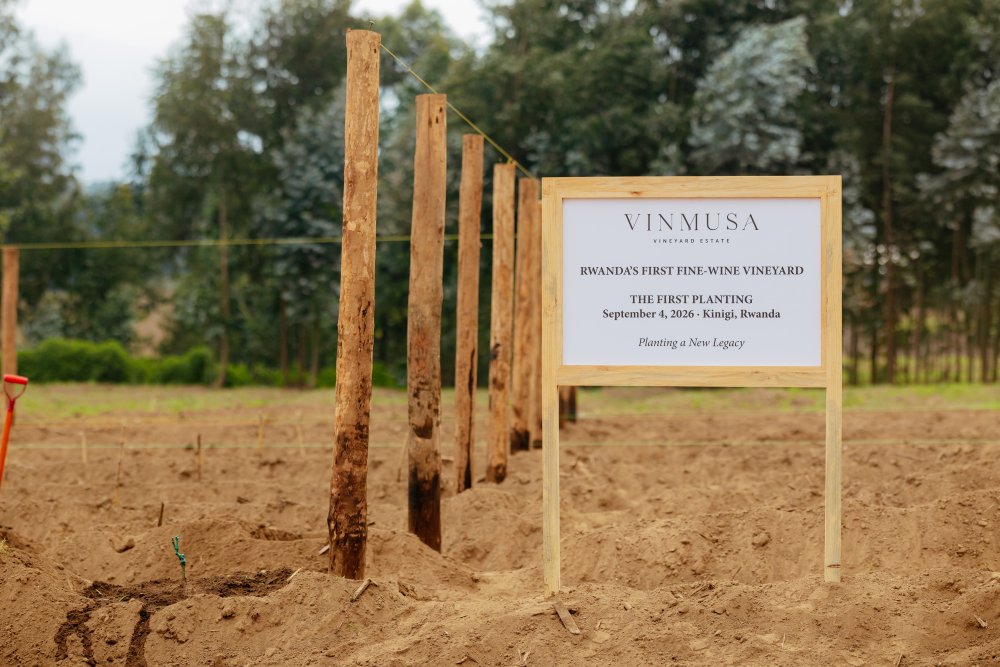
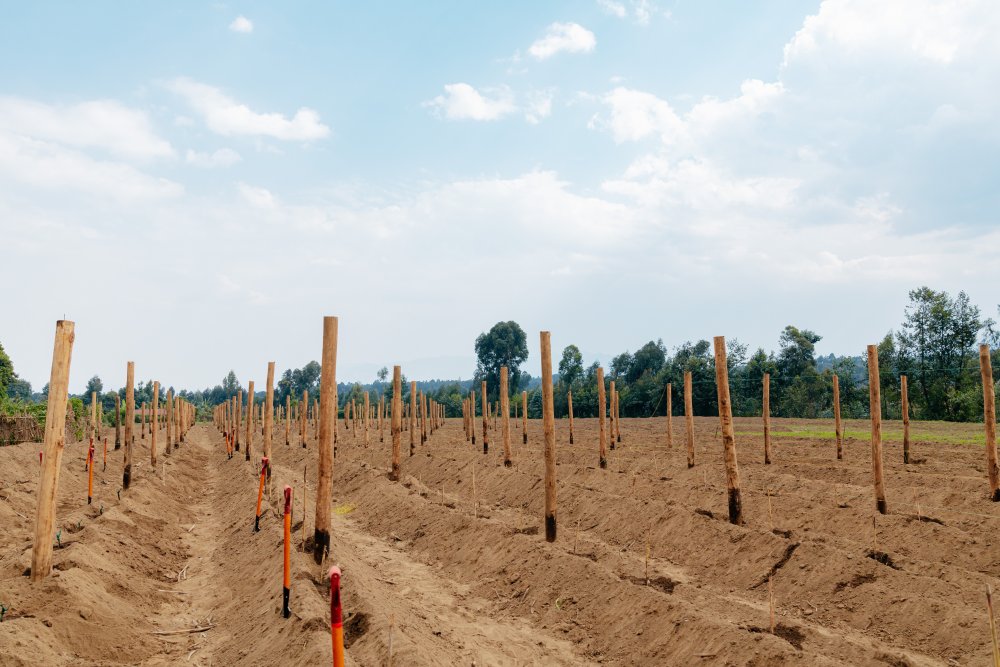
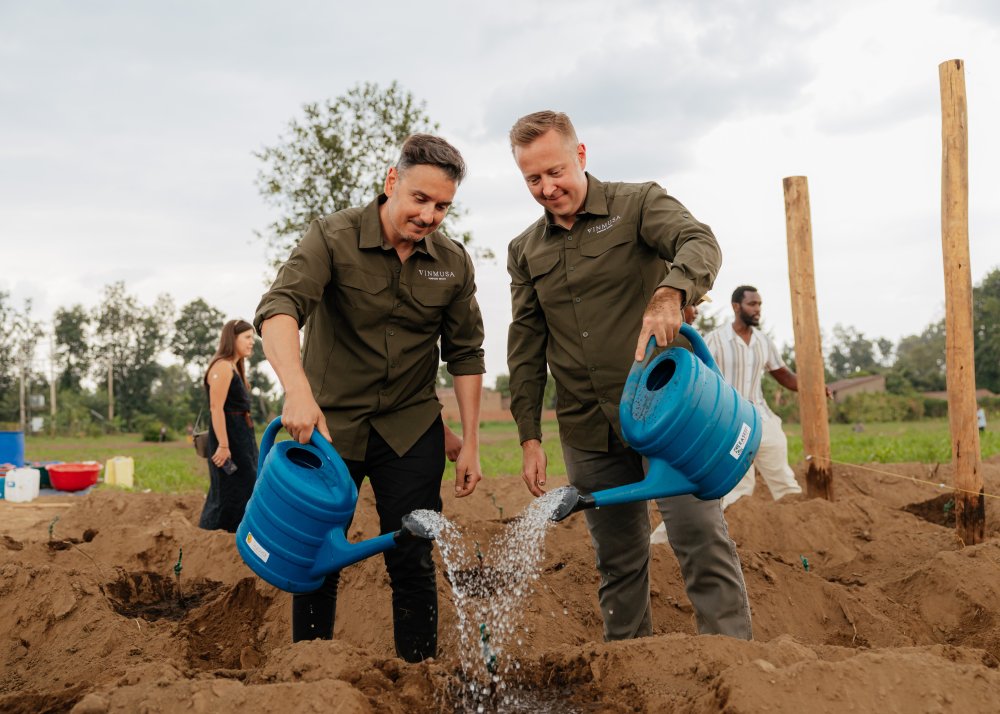
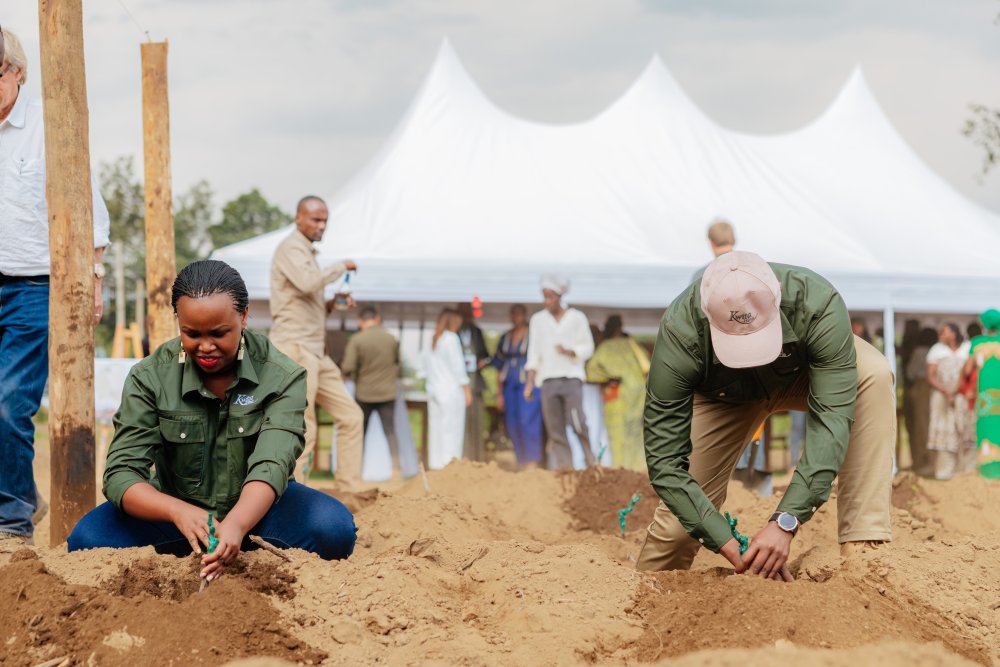
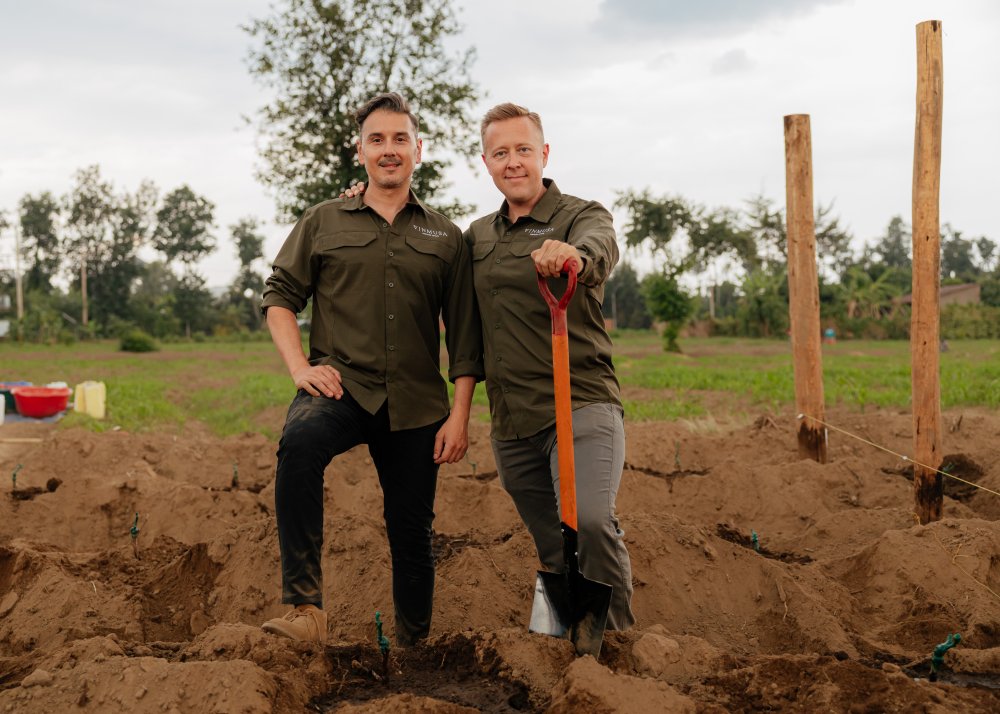
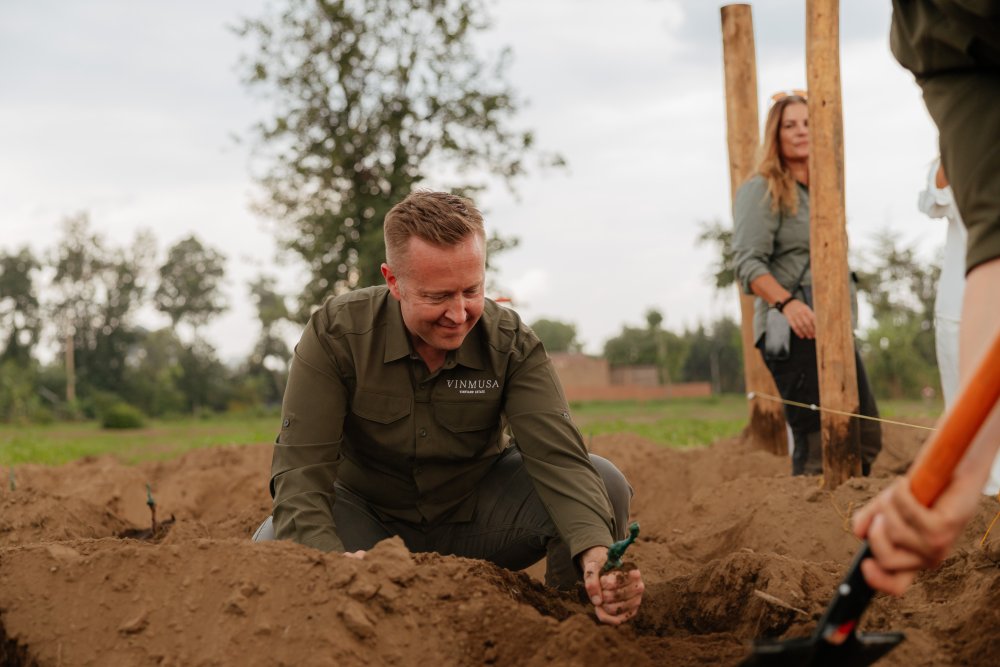
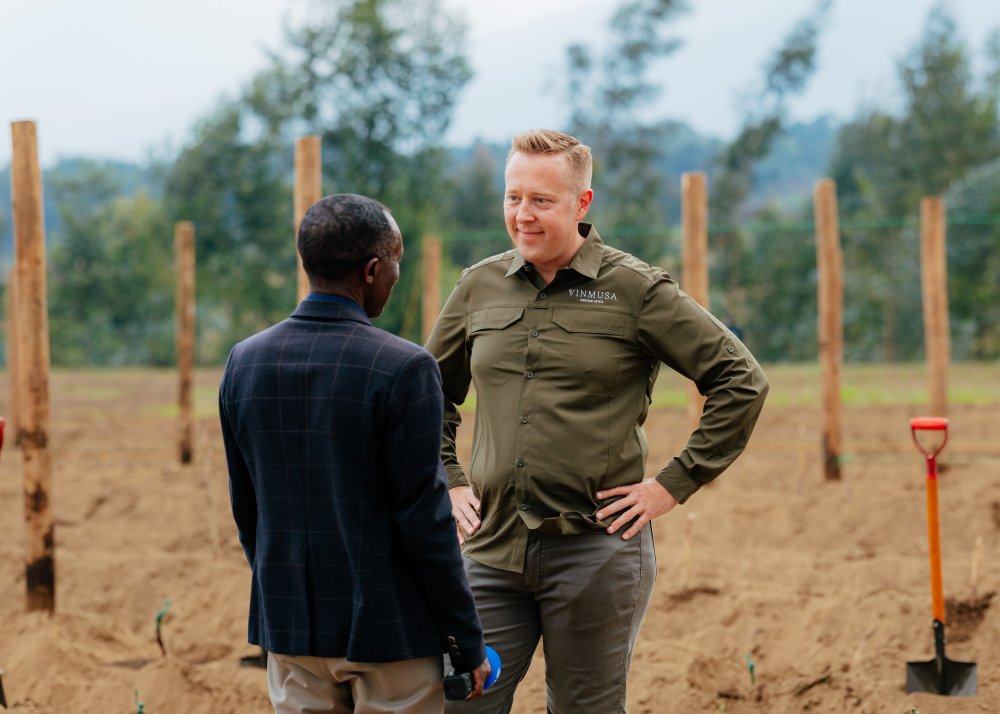
The first vines were planted in Kinigi, Musanze District, on September 4, 2026, coinciding with the 21st Kwita Izina gorilla naming ceremony.
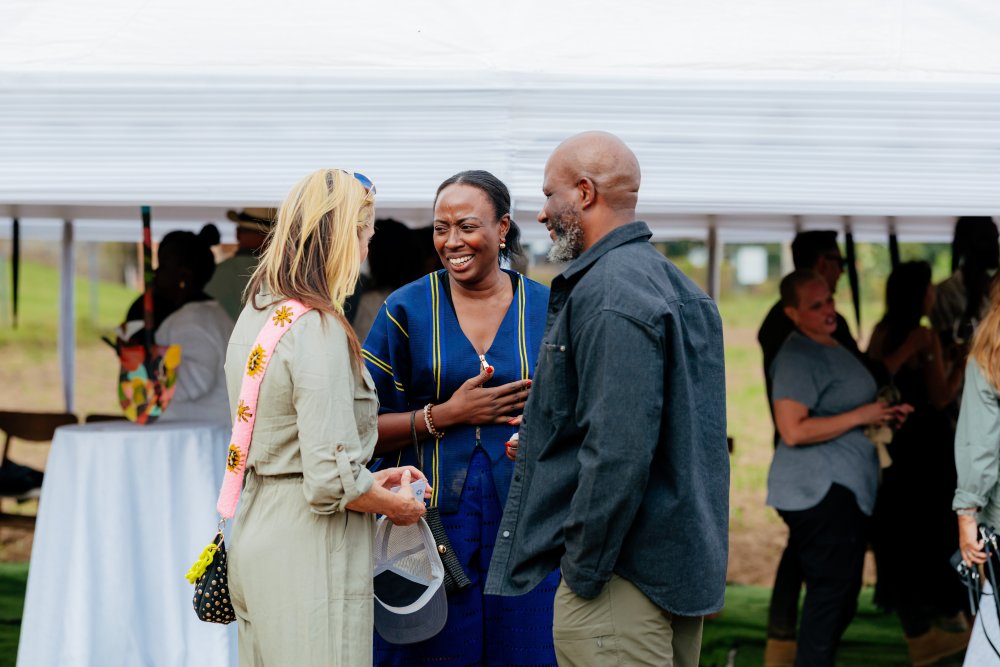
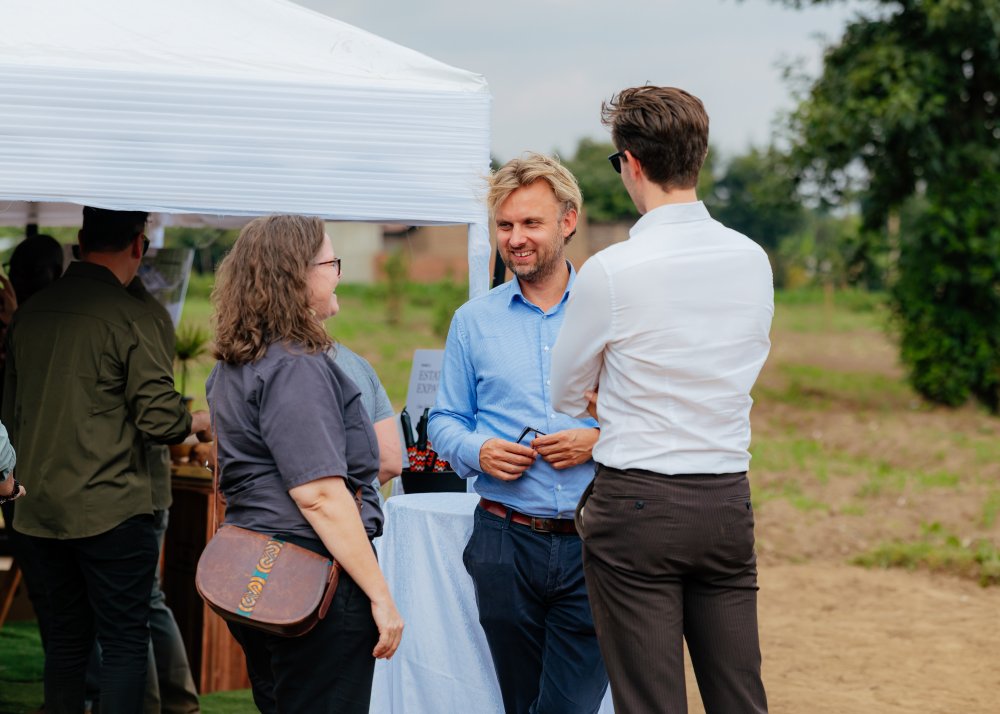
The milestone brought together investors, partners, diplomats, government officials and members of surrounding communities.
The project will be developed across three sites in northwest Rwanda; Kinigi, Lake Burera and the slopes of Mount Karisimbi, with the latter expected to host Africa’s highest-elevation fine-wine vineyard at approximately 2,700 metres above sea level.
VINMUSA Founder, CEO and Creative Director Andres de la Roche told IGIHE that the estate is expected to require approximately $22 million from the first planting through to full development.
“We expect the full development of VINMUSA Vineyard Estate to represent an investment of approximately $22 million, from the first vines we planted this week through to completion of the estate,” de la Roche said.
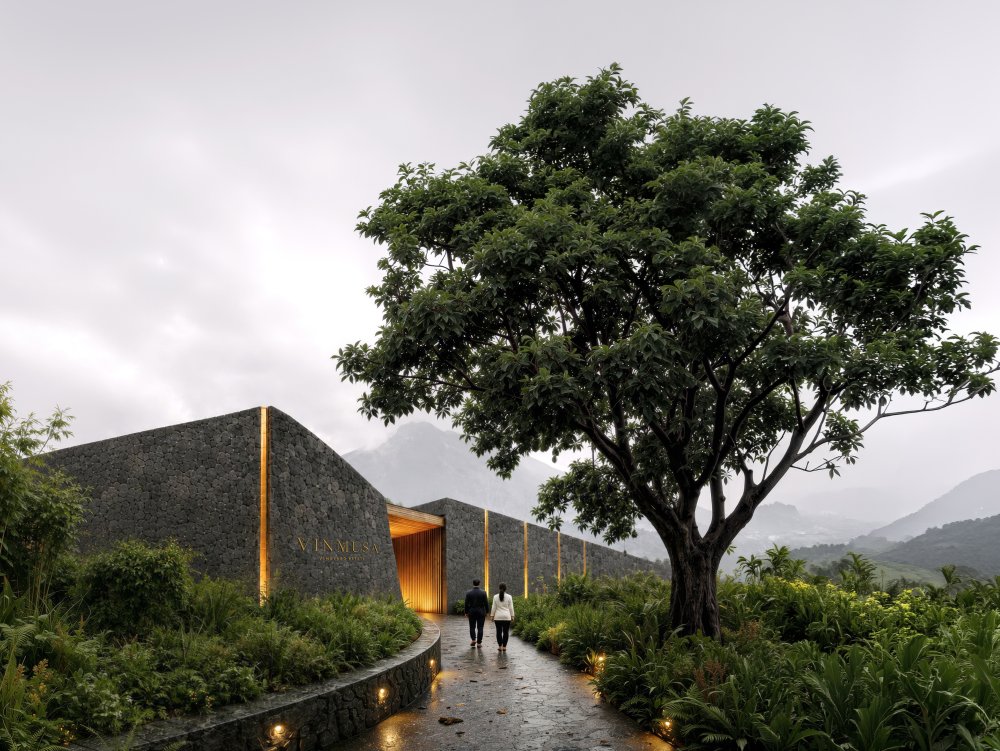
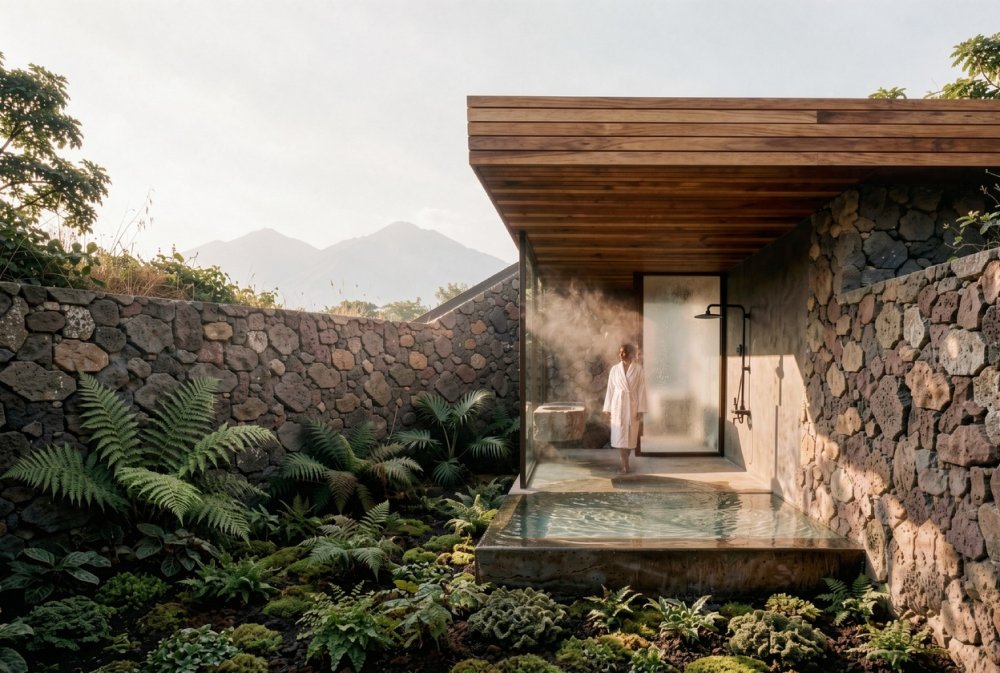
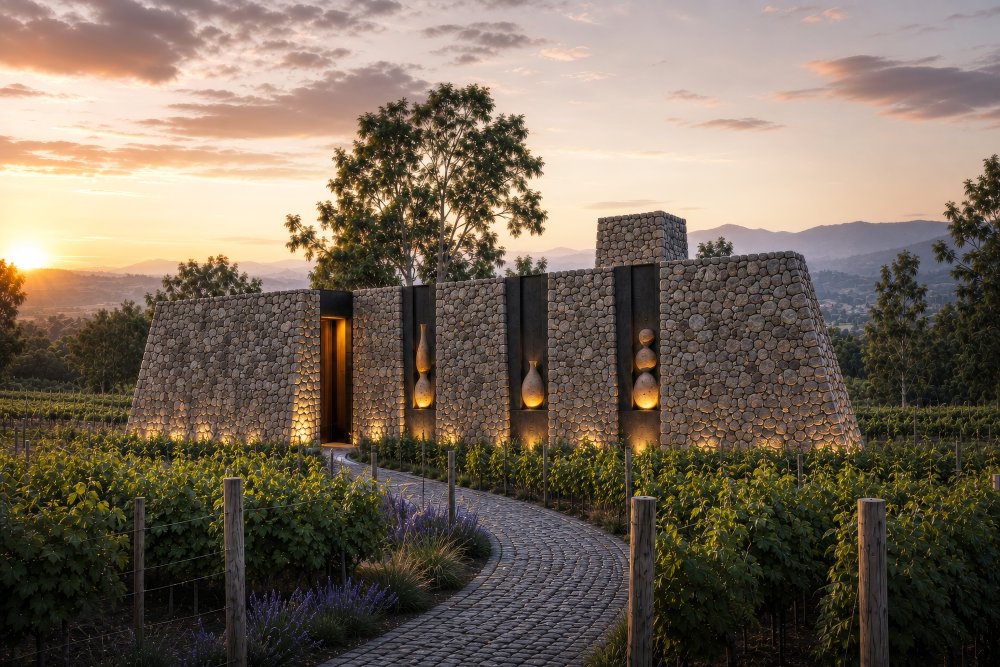
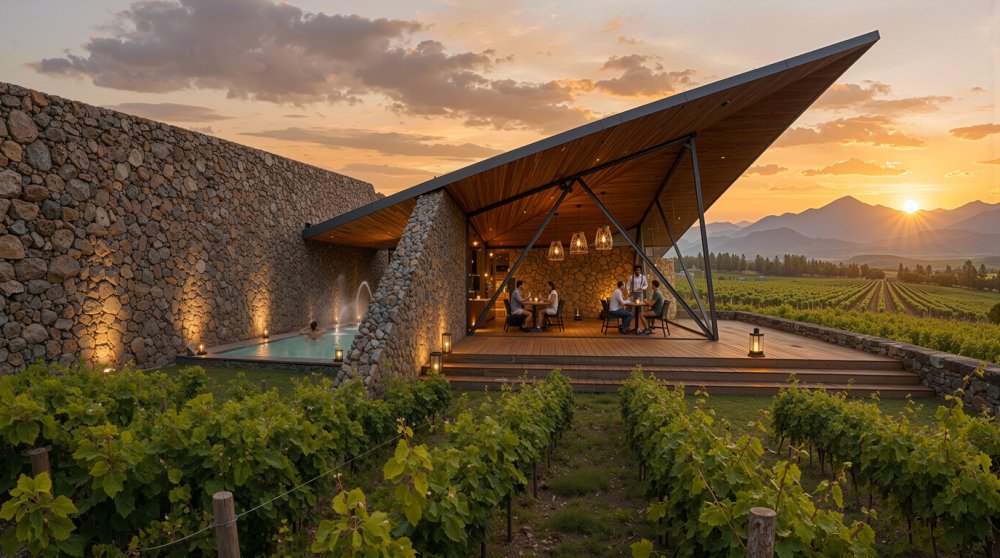
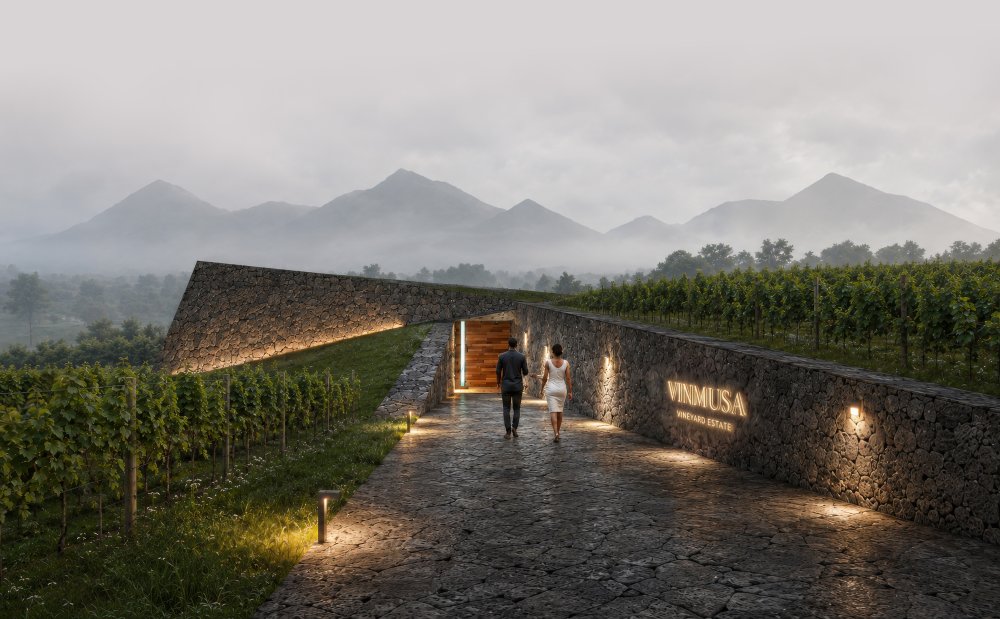
The investment will cover approximately 22 hectares of vineyards, a winery, nine luxury guest retreats and three suites, a Welcome Center and Tasting Gallery, an Experience Pavilion in Kinigi, as well as infrastructure, design and technical development.
The first phase alone is expected to cost approximately $9.8 million and will focus on Kinigi. It will include the first three guest retreats, the Welcome Center and Tasting Gallery, the Experience Pavilion and a winery that will eventually process VINMUSA’s first harvests.
More than $1.1 million had already been invested by the time of the inaugural planting, according to de la Roche. The expenditure includes land acquisition, vineyard preparation and planting, architecture and engineering, technical viticulture work and establishing the company’s initial team in Rwanda.
Building a new wine industry
VINMUSA is positioning itself not simply as a vineyard but as an integrated wine and hospitality destination intended to create a new premium wine industry in Rwanda.
The initial grape varieties include Chenin Blanc, Sauvignon Blanc and Pinotage, with certified disease-free planting material sourced from South Africa. The project is receiving technical guidance from Vinpro, South Africa’s wine industry organisation, while Vititec is supplying the certified vines.
De la Roche said the company chose Rwanda after assessing the country’s investment environment as well as its potential to support high-elevation viticulture.
“Rwanda is open for investment from really everyone. This is an innovation hub of Africa. This is a country that we want to be part of, the first wine production in the entire country,” he said.
He said the project’s appeal goes beyond producing wine, with the company seeking to establish skills and employment opportunities around an industry that is largely new to Rwanda.
“What’s especially important to us is the impact that this will bring for the country: training the first generation of Rwandan viticulturists, training the first generation of Rwandan winemakers, bringing jobs to rural communities, and really being women-forward and youth-led as well,” de la Roche said.
VINMUSA is working with Gold Youth Development Agency to create opportunities for young people, while partnerships with Bridge2Rwanda and the University of Rwanda’s Busogo campus are being explored to support viticulture training.
The company is also working with women’s agricultural cooperatives in preparing land in Kinigi, while young people and residents of Sunzu village in Lake Burera are involved in seasonal employment linked to the project.
Rwanda’s elevation as a competitive advantage
The estate’s three vineyard sites have been selected based on differences in elevation, volcanic soils and microclimates.
Kinigi, which will also serve as the future hospitality hub, has an initial vineyard covering about 0.9 hectares. The Lake Burera site is expected to cover approximately 1–1.1 hectares, while the Karisimbi vineyard will cover about 1.2 hectares in the initial planting.
The Karisimbi site is particularly significant because of its elevation.
“Our highest elevation vineyard will be 2,700 meters at the foothills of Mount Karisimbi. The high elevation allows for a cool climate,” de la Roche said.
He added that the company worked with South African viticulture specialists to conduct soil sampling and climate studies before selecting the sites and grape varieties.
“We also chose disease-resistant cultivars because of the high moisture. But the amazing volcanic soils, the minerality in the soils, will really produce something that is authentically Rwandan, that is very unique not only in Africa but really in the entire world,” he said.
The company’s stated ambition is therefore not to replicate established wine regions but to develop wines that reflect Rwanda’s own terroir.
First commercial wine expected in 2029
Although the first vines are now in the ground, consumers will have to wait several years before VINMUSA’s first commercial bottles reach the market.
De la Roche said grapevines generally require about three growing seasons before producing fruit of the quality and quantity required for commercial wine production.
VINMUSA expects its first harvest in 2029, with the inaugural vintage projected at approximately 9,000 bottles.
The first white wines could be released from late 2029 into 2030, while the red wines will require longer maturation and are expected to follow between 2030 and 2031.
By around 2032, the estate is targeting annual production of approximately 90,000 bottles.
The company does not yet provide projected revenue figures, saying its focus at this stage is on establishing the vineyards, developing the estate and building the skills required for a sustainable wine industry.
A self-sustaining estate
VINMUSA plans to develop the estate in phases, with subsequent expansion partly financed by revenues generated from its earlier operations.
“Our longer-term plan is for a significant portion of the estate’s subsequent development to be funded through the revenues generated by VINMUSA itself,” de la Roche said.
“The intention is that what Kinigi earns helps build Karisimbi, and what those operations generate helps us continue developing Lake Burera. We chose that approach deliberately: we want VINMUSA to become an estate capable of sustaining its own growth over time,” he added.
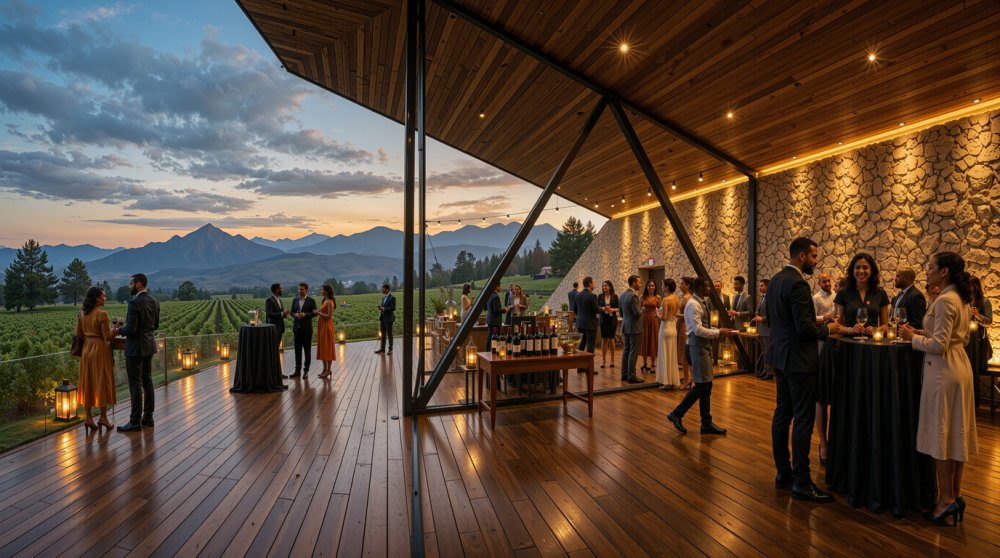
Beyond vineyards and wine production, the development will include luxury accommodation, public wine-tasting experiences, culinary programming, wellness facilities, artist-in-residence programmes, research and education initiatives and expanded community partnerships.
The hospitality programme is being developed in partnership with Virunga Mountain Spirits, with Kinigi Table serving as the estate’s culinary and food-and-beverage partner.
For de la Roche, the broader objective is to create a destination that links agriculture with Rwanda’s rapidly developing tourism and hospitality sectors.
“We want this to bring a new culture of fine wine in East Africa, and having the best be here from Rwanda,” he said.
VINMUSA’s development comes as Rwanda continues to diversify its tourism offering beyond traditional wildlife experiences, with the estate seeking to add premium wine, gastronomy, luxury accommodation and high-elevation agriculture to the country’s growing tourism economy.
Loading comments...
Leave a comment