



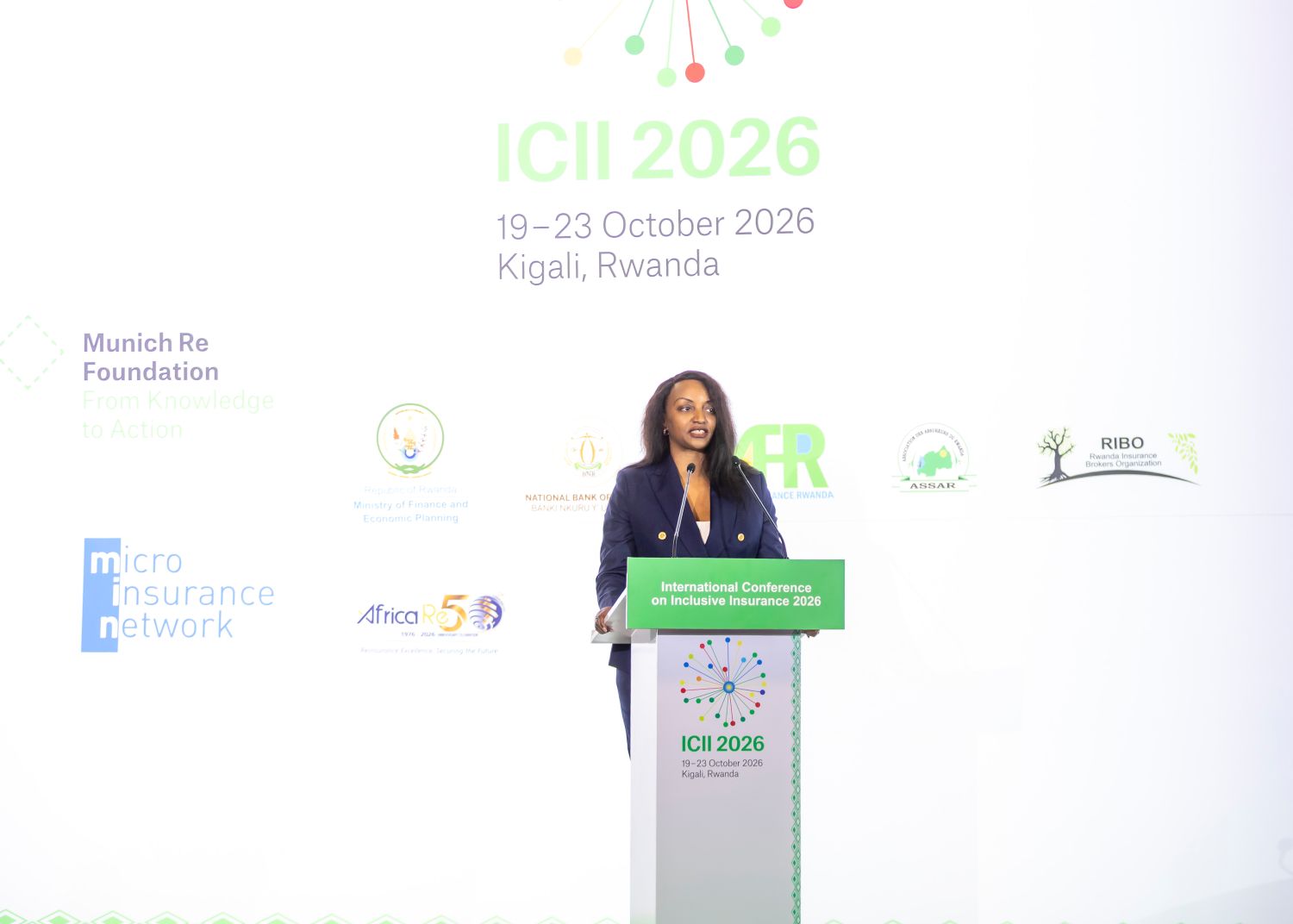
Speaking at the International Conference on Inclusive Insurance 2026 in Kigali on Tuesday, October 20, she said the central question is how to deliver the right protection at an affordable price through channels that citizens trust.
She identified three priorities for the industry: putting customers at the centre of product design, strengthening insurance literacy, and building trust through transparent coverage and reliable claims.
“Technology alone will not close the gap,” she said, adding that products must reflect the risks facing underserved households, smallholder farmers and small businesses, including climate shocks.
Trusted channels
The Governor said innovation can help lower distribution costs through digital technologies and insurtech, alongside trusted channels such as microfinance institutions and savings and credit cooperatives (SACCOs).
She said Rwanda’s financial inclusion rate of 92% shows the value of policy commitment and private-sector innovation, but that access to finance without risk protection remains incomplete.
Understanding what is covered
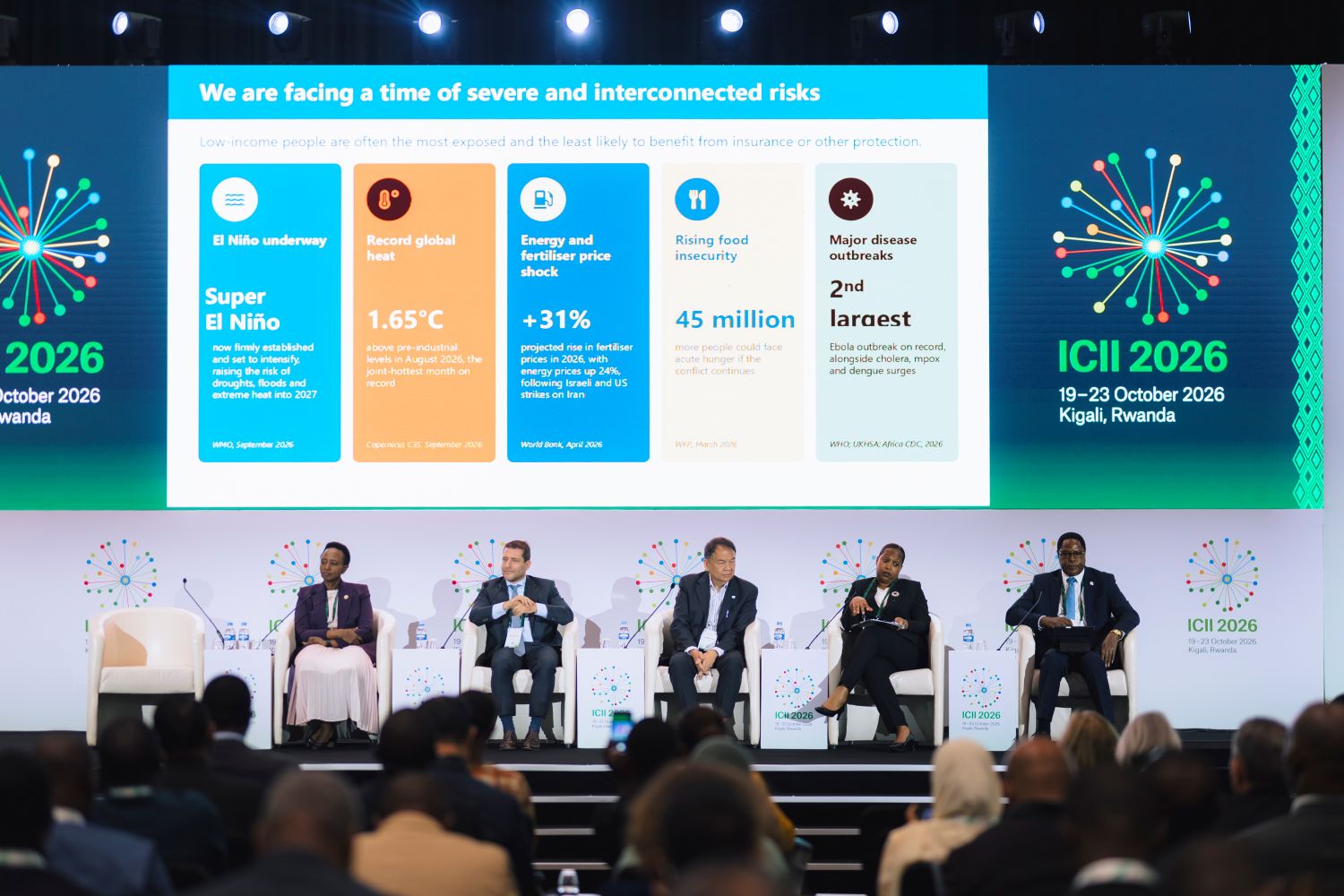
Laura Elena Rosado, Acting Chair of the Board of the Microinsurance Network, said customers need to clearly understand what their insurance covers, particularly when several types of protection are bundled into one product.
“Making sure that they understand what they are being covered for is very, very important,” she said of customers who have never had insurance.
She said bundling many risks into one product can turn a one-page set of terms into a hundred-page document with many exclusions. Bundling can work, she said, when the context is right, and customers understand what they are buying.
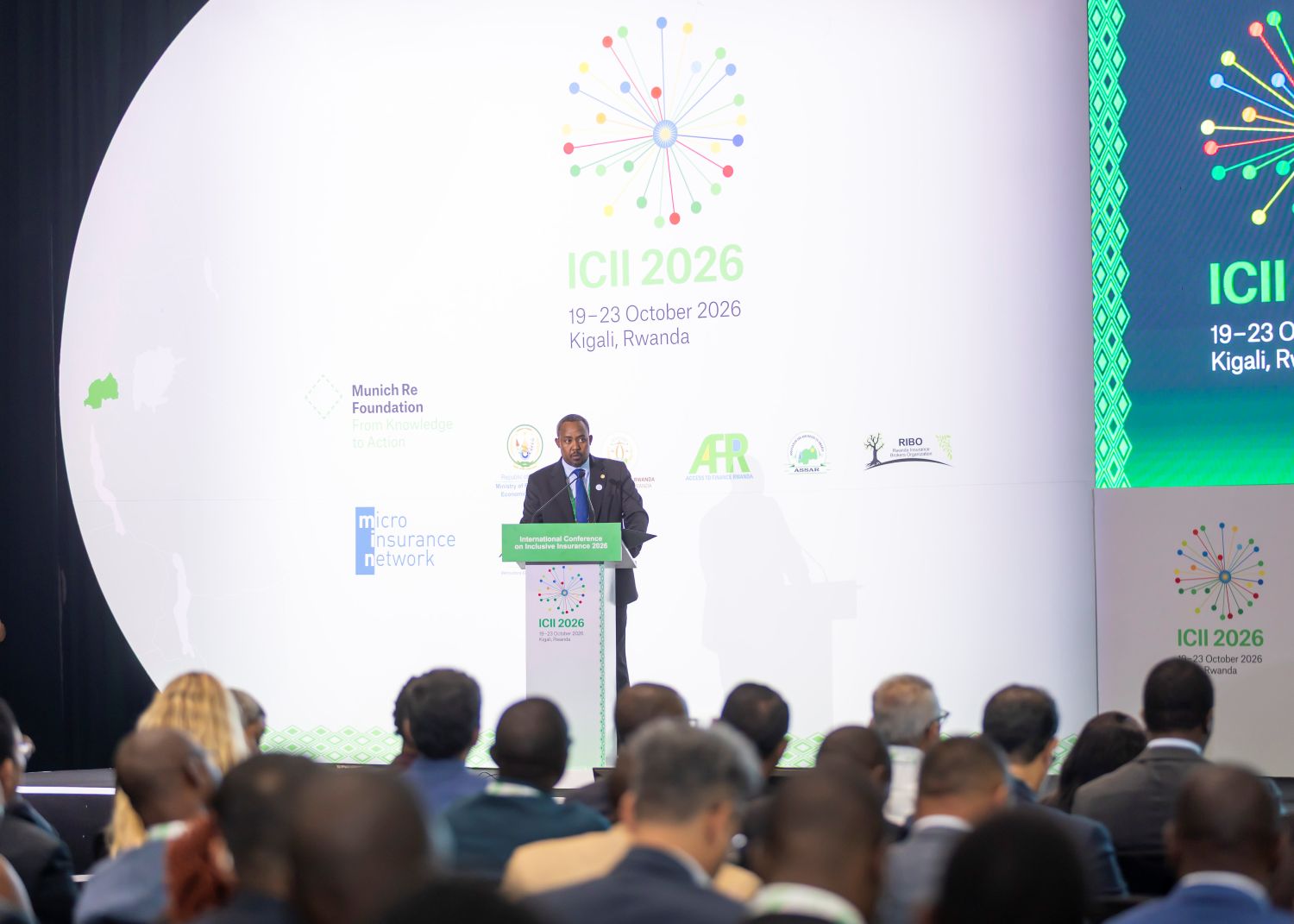
Herbert Asiimwe, Head of Financial Sector Development at the Ministry of Finance and Economic Planning, said the government was open to exploring ways to link community-based health insurance with other insurance products, noting that bundling can make cover easier to sell and deliver greater benefits.
Value and evidence
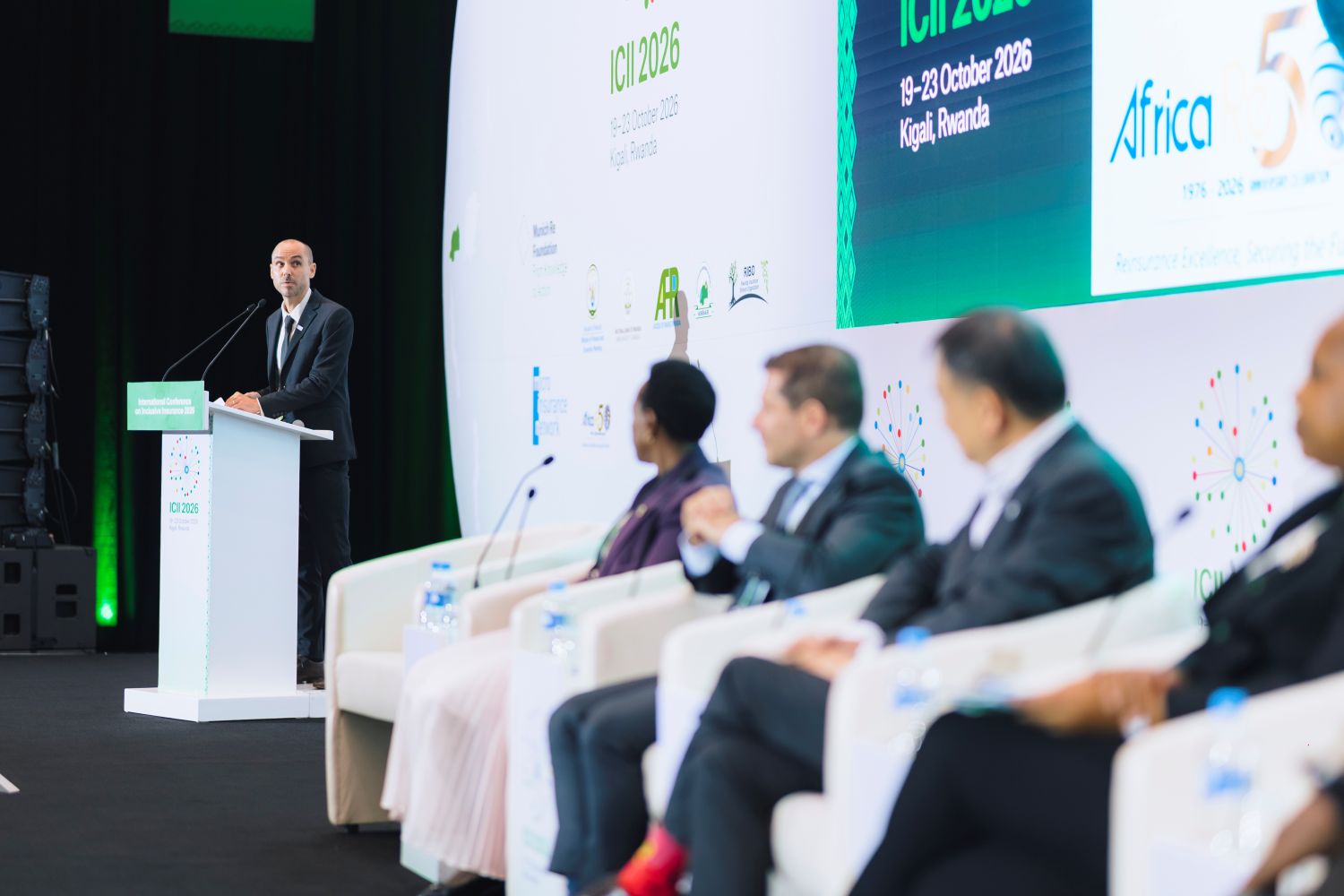
Andrew Kulayige, Chairperson of the Rwanda Insurers Association (ASSAR), said the industry must now go beyond expanding access and make insurance a better value proposition.
He said cover must be “affordable and reliable for the people and businesses that need protection most.”
Renate Bleich, Chair of the Munich Re Foundation, urged delegates to rely on evidence and on the voices of customers.
“Share the knowledge and experience of what works in practice and what has not worked,” she said, adding that delegates should use it when designing solutions.
Room to grow
Private insurance uptake in Rwanda rose from 17% in 2020 to 27% in 2024, according to figures the Governor presented. Under the National Insurance Strategy, the country aims to raise insurance penetration from 1.9% to 5% of GDP by 2035.
The conference runs at the Kigali Convention Centre until October 23 and has drawn about 600 registered participants from 58 countries.
The conference aims to identify commercially sustainable approaches to inclusive insurance, improve access to affordable products and strengthen collaboration among governments, insurers, technology providers and development partners.



Loading comments...
Leave a comment