



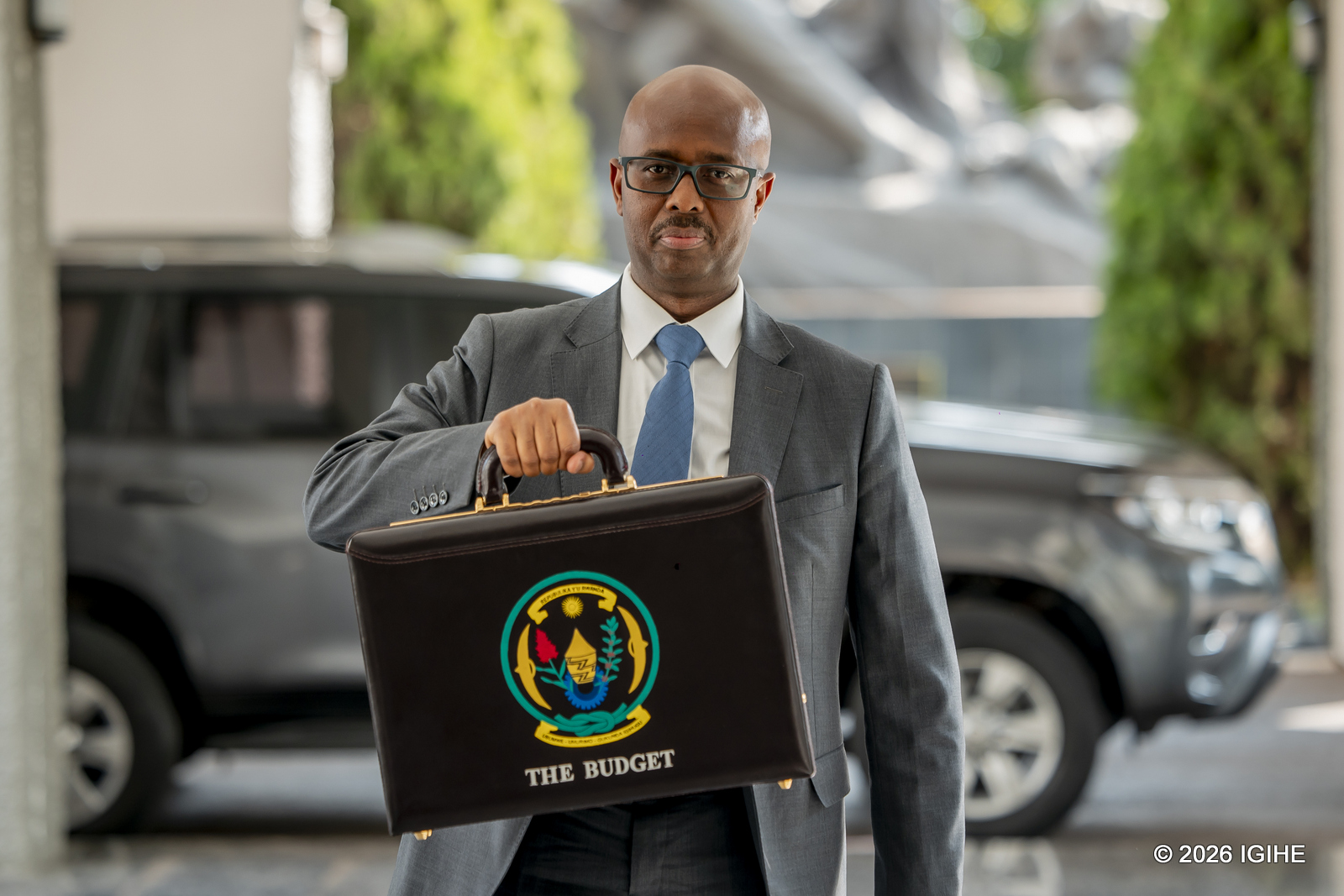
Presenting the draft budget to a joint sitting of Parliament on June 11, Minister of Finance and Economic Planning Yusuf Murangwa announced a proposed budget of Rwf 7,796.3 billion, representing a 12 percent increase from the previous fiscal year.
Of the total budget, 63 percent will be directed toward economic transformation programmes, reflecting the government's continued focus on accelerating growth, strengthening resilience, and advancing the long-term objectives of the Second National Strategy for Transformation (NST2).
Domestic revenues are projected at Rwf 5,273.8 billion, including Rwf 4,429.1 billion in tax revenues and RWF 582.4 billion from non-tax sources. External grants are expected to contribute Rwf 548.3 billion, while foreign borrowing is projected at Rwf 1,974.1 billion.
According to Murangwa, Rwf 4,785.5 billion, equivalent to roughly 61 percent of the budget, has been allocated to recurrent expenditure and public sector wages, while Rwf 3,010.8 billion, or 39 percent, will finance development projects and public investments.
The minister said budget priorities were selected to support Rwanda's development ambitions while mitigating the impact of global economic uncertainties, including disruptions linked to ongoing conflicts in the Middle East.
Agriculture and food security
The economic transformation pillar has been allocated Rwf 4.9 trillion, making it the largest component of the budget.
Priority interventions include boosting agricultural and livestock productivity, strengthening post-harvest management systems, and improving national food security. The government plans to ensure timely access to agricultural inputs, including fertilisers, improved seeds, and agricultural lime.
Murangwa said the allocation for fertiliser subsidies has increased substantially from RWF 39 billion in the previous fiscal year to nearly Rwf 64 billion in the proposed budget. The increase comes amid rising fertiliser prices on international markets, partly driven by geopolitical tensions and supply chain disruptions.
Additional funding will support seed multiplication programmes for strategic crops and expand irrigation infrastructure to help farmers adapt to climate change. The government also plans to increase national grain and bean reserves by constructing additional storage facilities and procuring strategic food stocks.
In the livestock sector, resources will be directed toward animal vaccination programmes, artificial insemination services, and other measures aimed at improving animal health and productivity. Support for Rwanda's key export crops will continue through the rehabilitation of ageing coffee and tea plantations and the expansion of cultivated areas.
Energy and infrastructure investments
The budget provides continued financing for major energy and transport projects.
Among the flagship initiatives is the construction of the Nyabarongo II Hydropower Plant, alongside programmes to expand electricity access to households and institutions that remain off-grid.
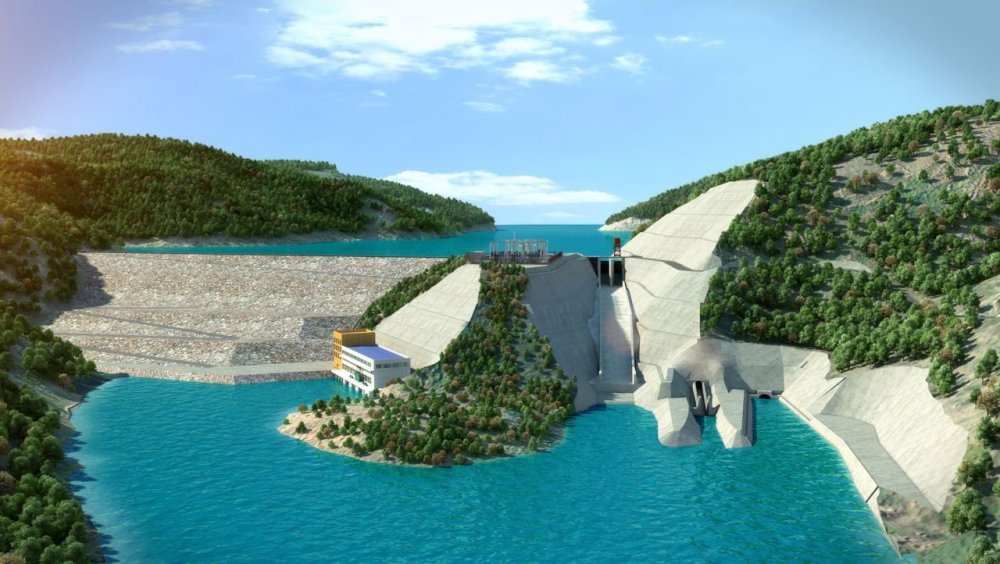
Infrastructure investments will include the development of feeder roads, road interchanges, and transport links serving the new Bugesera International Airport, which is expected to become a major logistics and aviation hub.
Environmental sustainability
The government has also prioritised environmental protection and climate resilience.
Planned interventions include completing wetland restoration projects in Kigali, rehabilitating degraded forests, and protecting surrounding ecosystems. Funding has also been allocated to strengthen weather forecasting services through the acquisition of modern meteorological equipment, including radar systems.
The budget further supports continued implementation of the multi-sectoral Muvumba Project, which is expected to contribute to energy generation, irrigation, and broader agricultural development.
Education, health, and social protection
The social transformation pillar has been allocated Rwf 1,711.3 billion, representing 22 percent of the total budget.
In education, the government plans to recruit additional teachers, provide learning materials across all levels of education, expand school feeding programmes, and strengthen teacher training institutions.
Healthcare investments will focus on expanding Muhororo, Kabgayi, and Ruhengeri hospitals, while construction of a maternity facility at Kibagabaga Hospital will continue. The government also intends to increase the number of healthcare professionals and strengthen programmes aimed at reducing child stunting.
Social protection initiatives will continue through the Vision Umurenge Programme (VUP) and other welfare schemes targeting vulnerable households, including families affected by natural disasters.
Transformational governance and justice
The governance pillar has been allocated Rwf 1,184 billion, accounting for 15 percent of the proposed budget.
Planned interventions include strengthening the justice sector through enhanced institutional capacity, expanding the use of forensic investigations, improving alternative dispute resolution mechanisms, and reducing court case backlogs.
In foreign affairs, the government will continue efforts to deepen diaspora engagement in national development and expand international markets for Rwandan exports.
The proposed budget underscores Rwanda's strategy of combining economic transformation with social investment and institutional strengthening as it seeks to sustain growth and improve living standards in the coming fiscal year.
Loading comments...
Leave a comment