



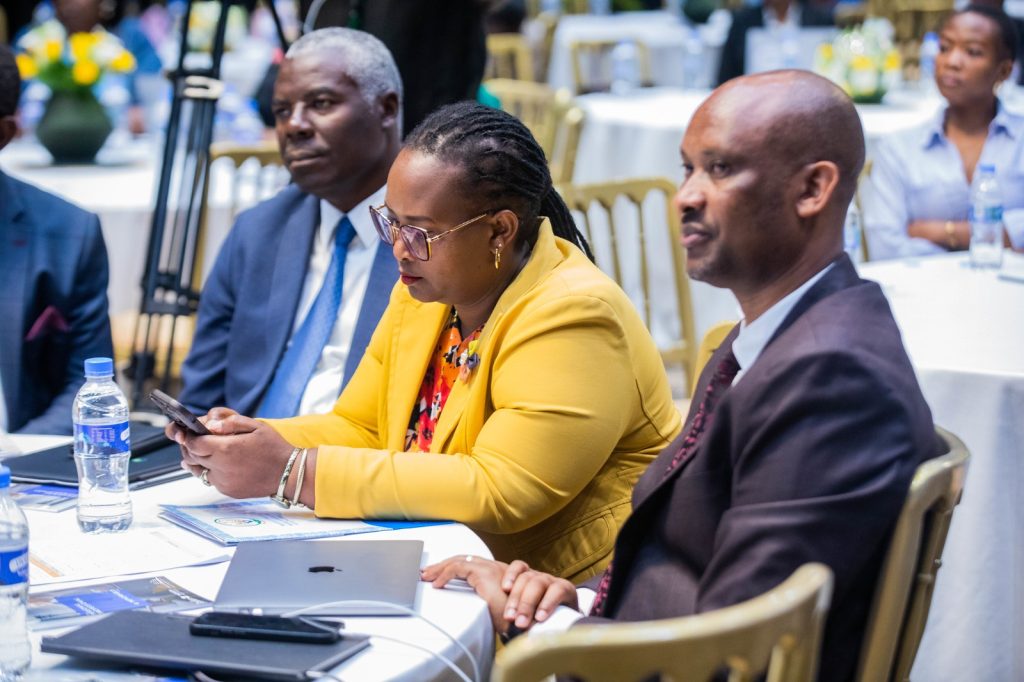
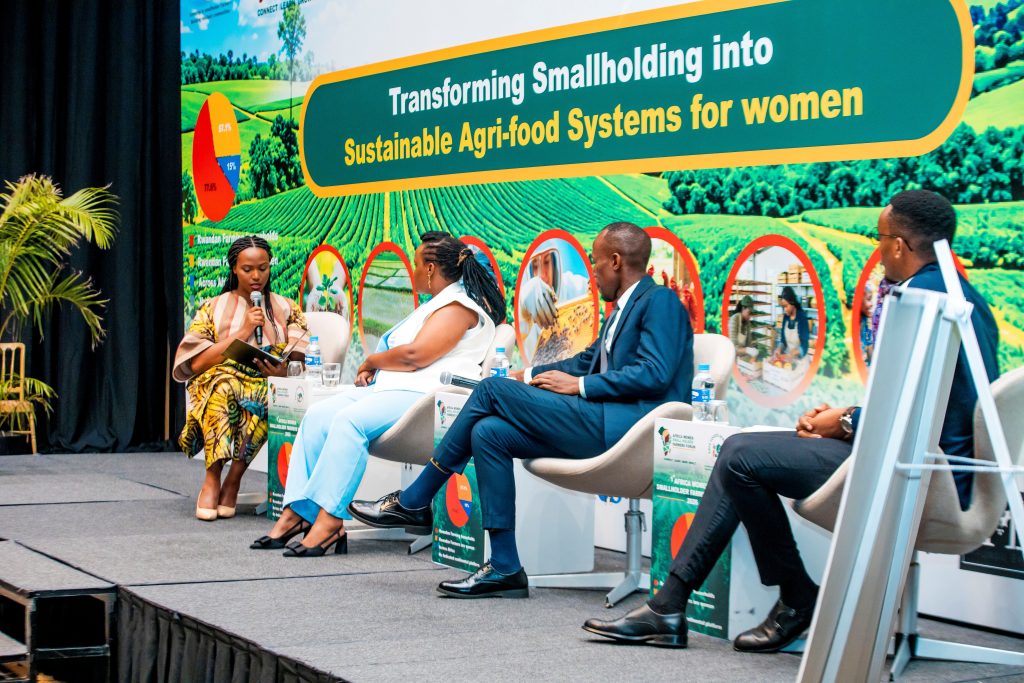
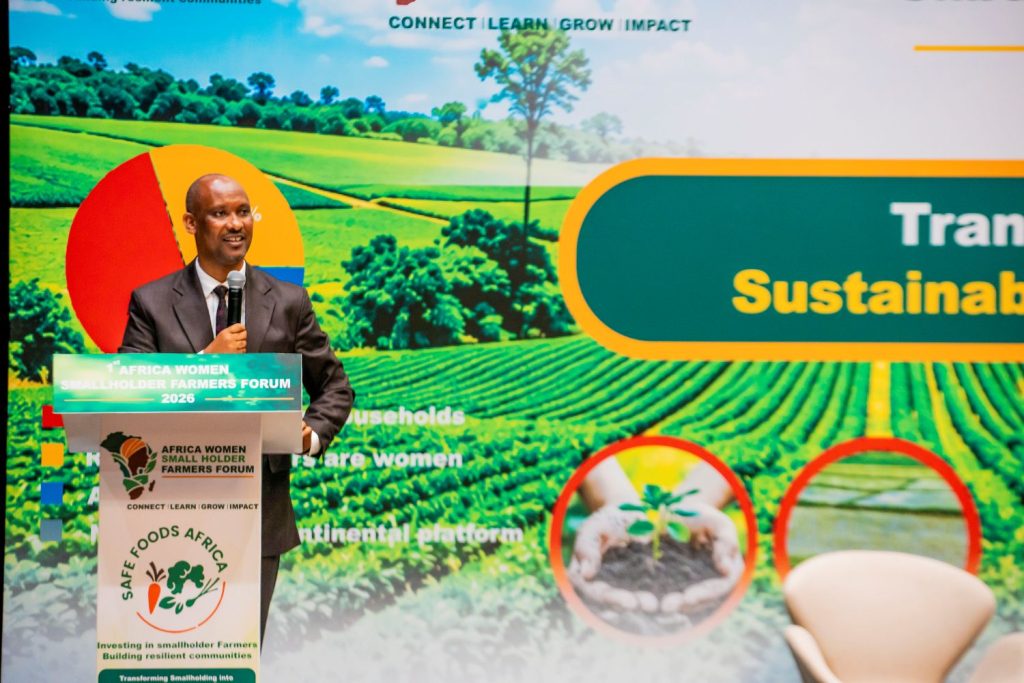
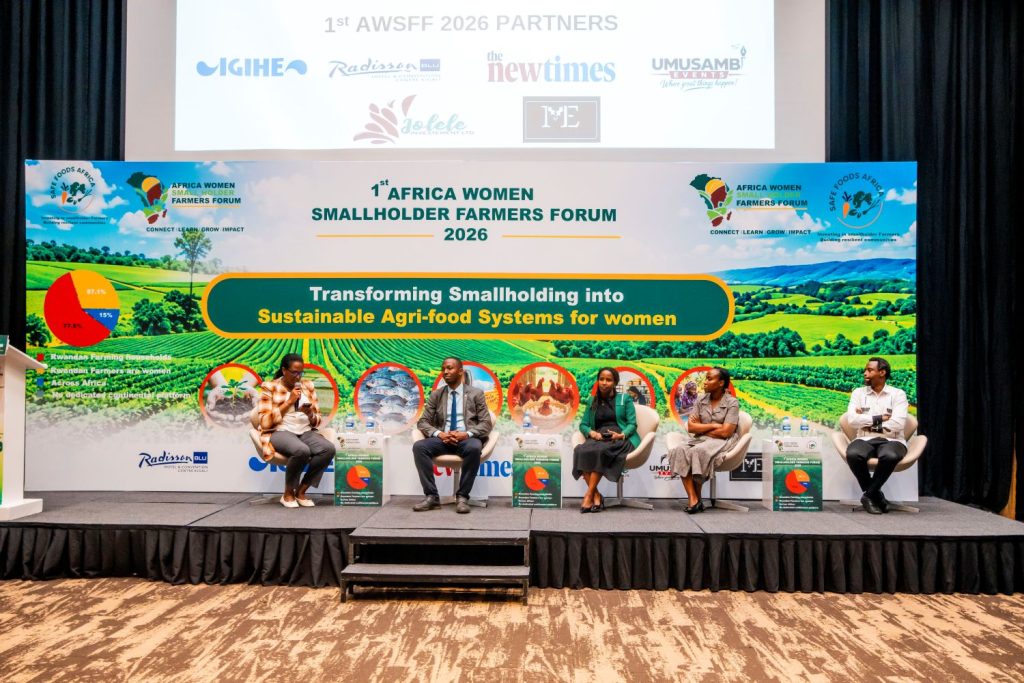
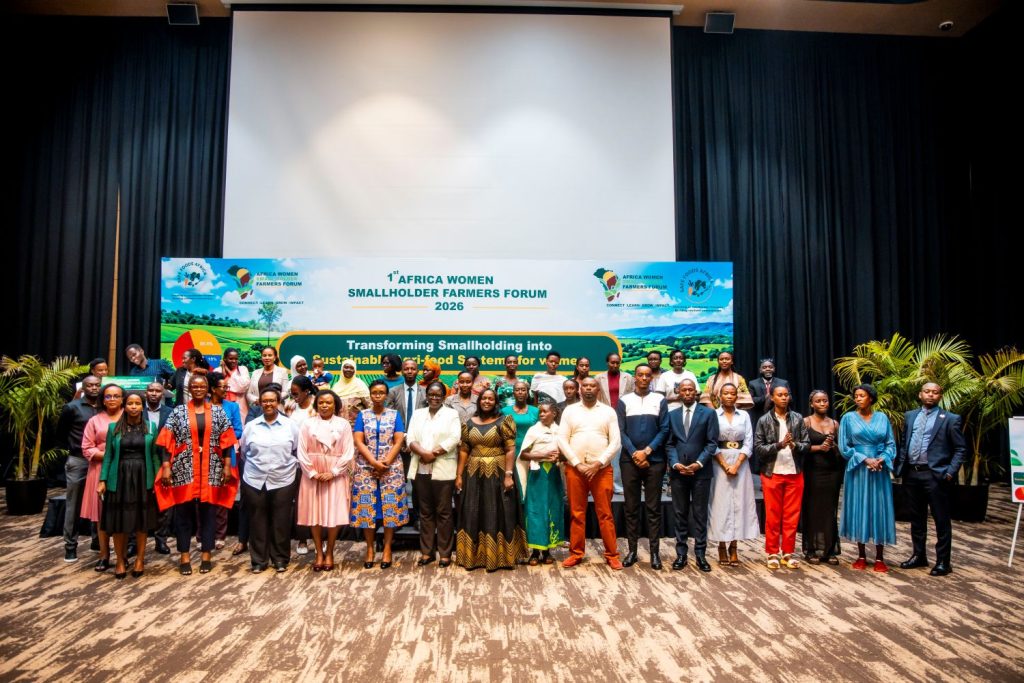
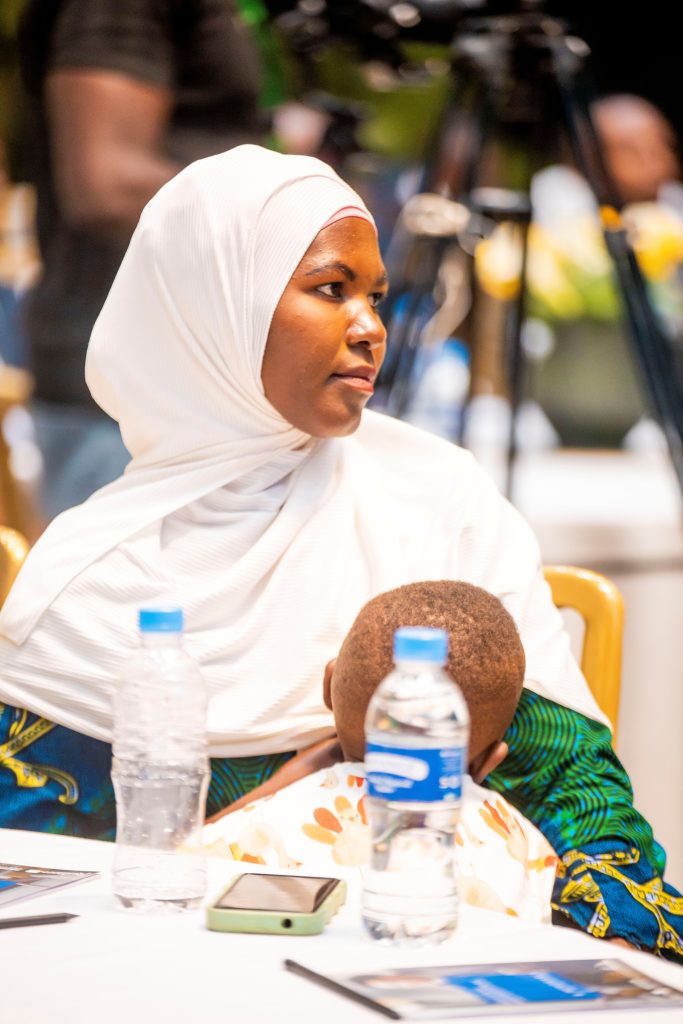
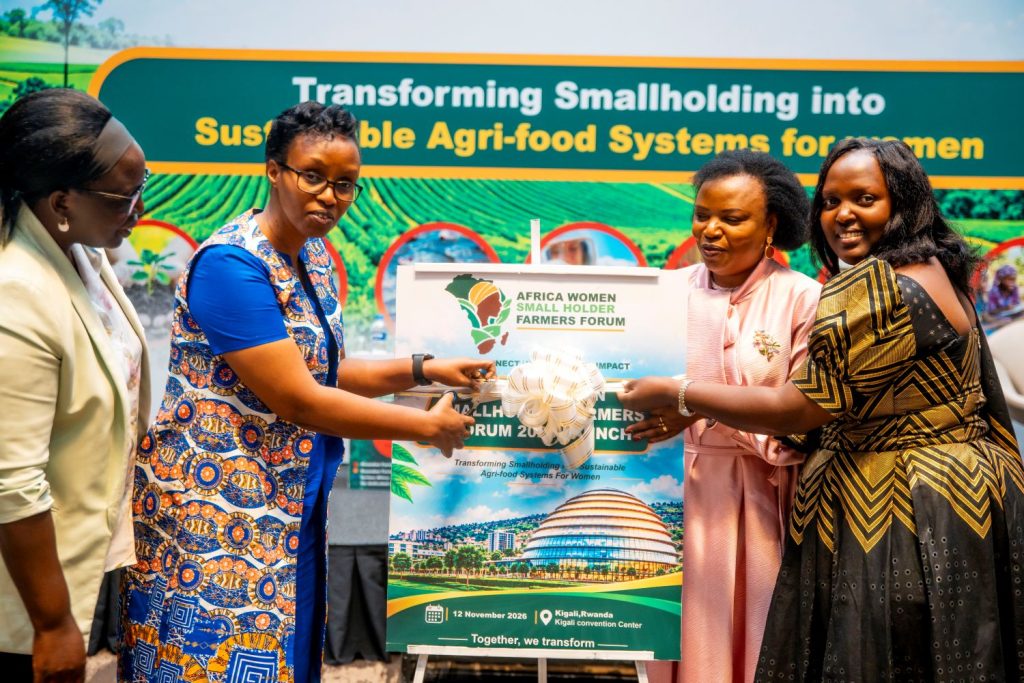
The inaugural Africa Women Smallholder Farmers Forum (AWSFF) brought together policymakers, development partners, financiers, researchers and farmers at the Kigali Convention Centre on Thursday, November 12, to discuss ways of addressing the barriers that limit women’s participation and earnings across agricultural value chains.
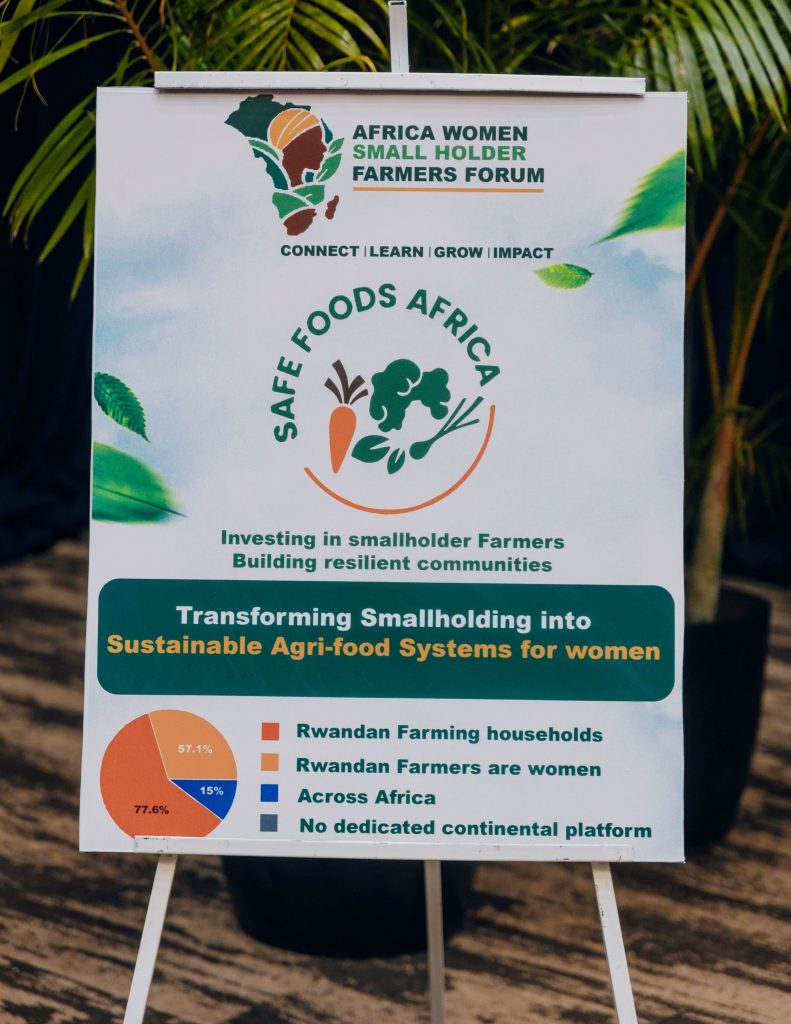
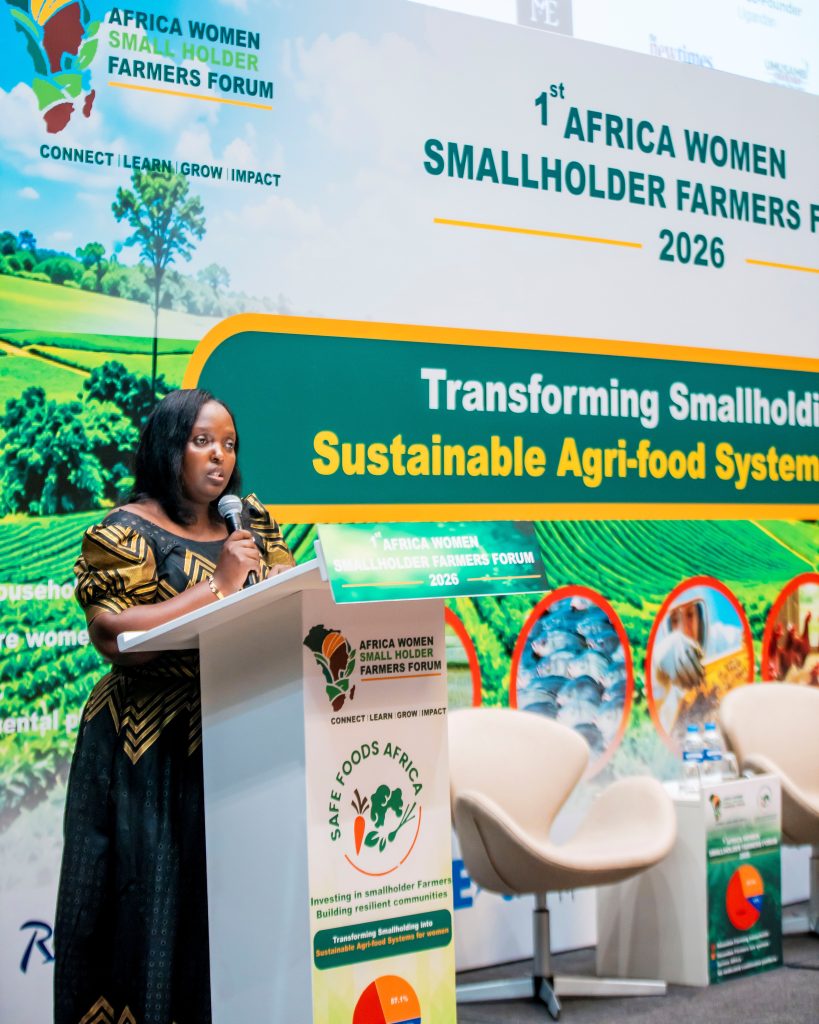
Held under the theme, “Transforming Smallholdings into Sustainable Agri-food Systems for Women”, the forum also marked the launch of the Safe Foods Africa Initiative and the establishment of AWSFF as an annual platform for advancing women’s role in African agriculture.
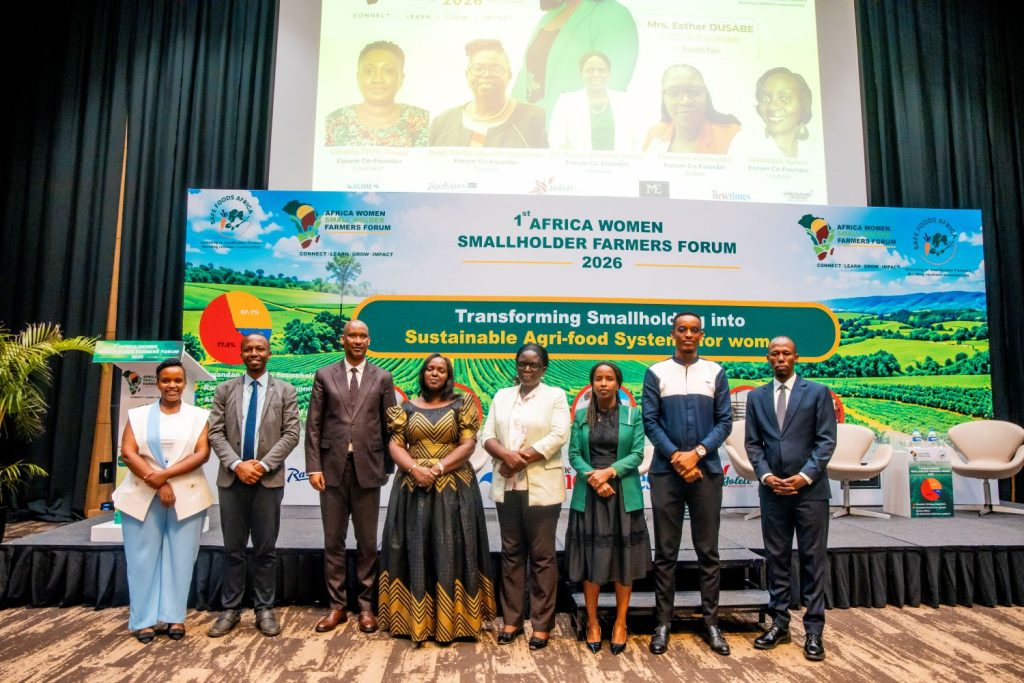
The forum was co-founded by Esther Dusabe, alongside five women from across the continent: Vinolia Pitris Pawar of Ghana, Prof. Stella Olusola Odebode of Nigeria, Dr. Claire d’Andre Hirwa of Rwanda, Florence Kamwana of Malawi and Namara Sylvia of Uganda.
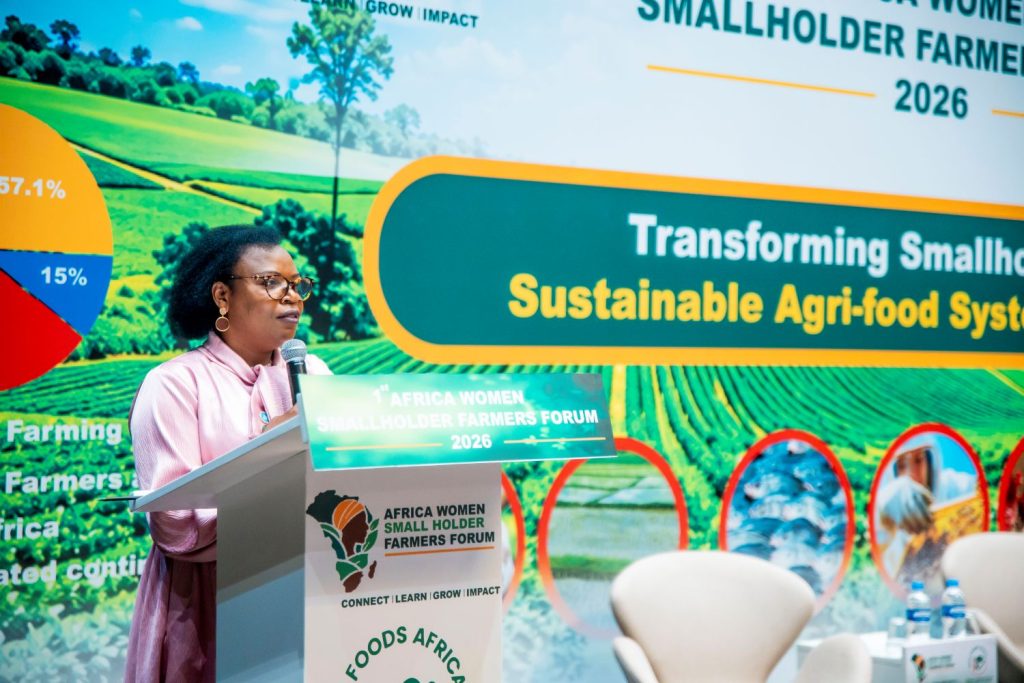
Dusabe, who serves as the CEO of Safe Foods Africa, said women play a central role in food production and food security but continue to face barriers to land ownership, financing, appropriate technologies, markets and decision-making.
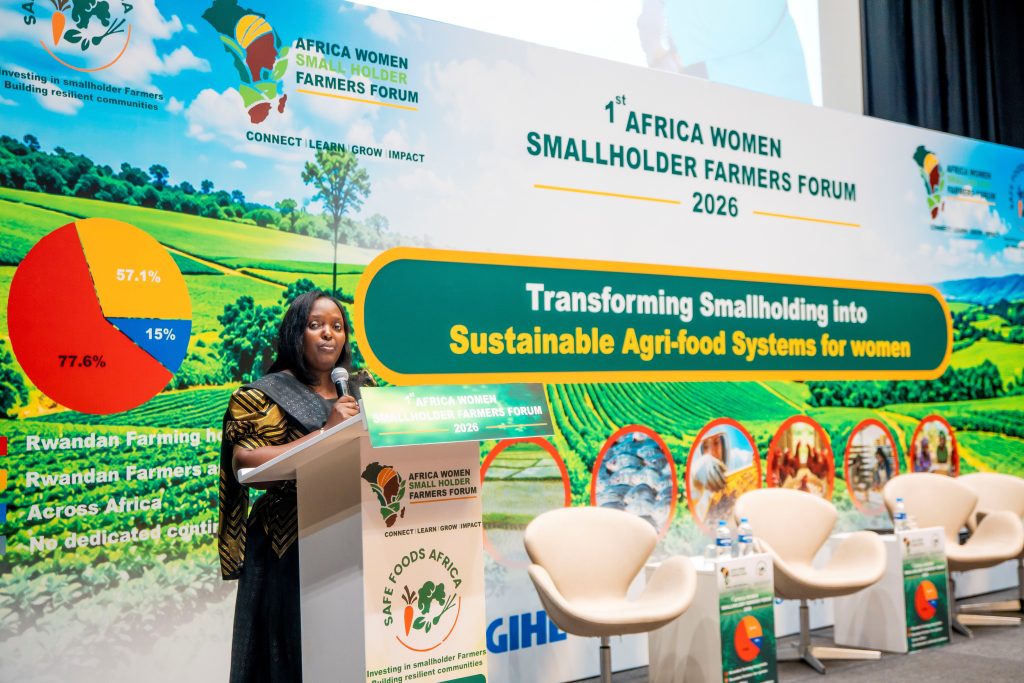
She noted that women’s contribution to agriculture often does not translate into ownership, income, wealth or economic power, calling for interventions that address the structural challenges holding them back.
“We need gender-transformative approaches that move women beyond subsistence production towards profitable, sustainable agricultural enterprises,” Dusabe said.
She called for greater investment in circular farming systems, climate-resilient technologies, mechanisation, sustainable financing and stronger market access, alongside better connections across agricultural value chains.
Dusabe also highlighted the need to address unpaid care responsibilities that affect women’s ability to participate fully in economic activities, while creating more opportunities for girls and young women to pursue careers in agriculture and agribusiness.
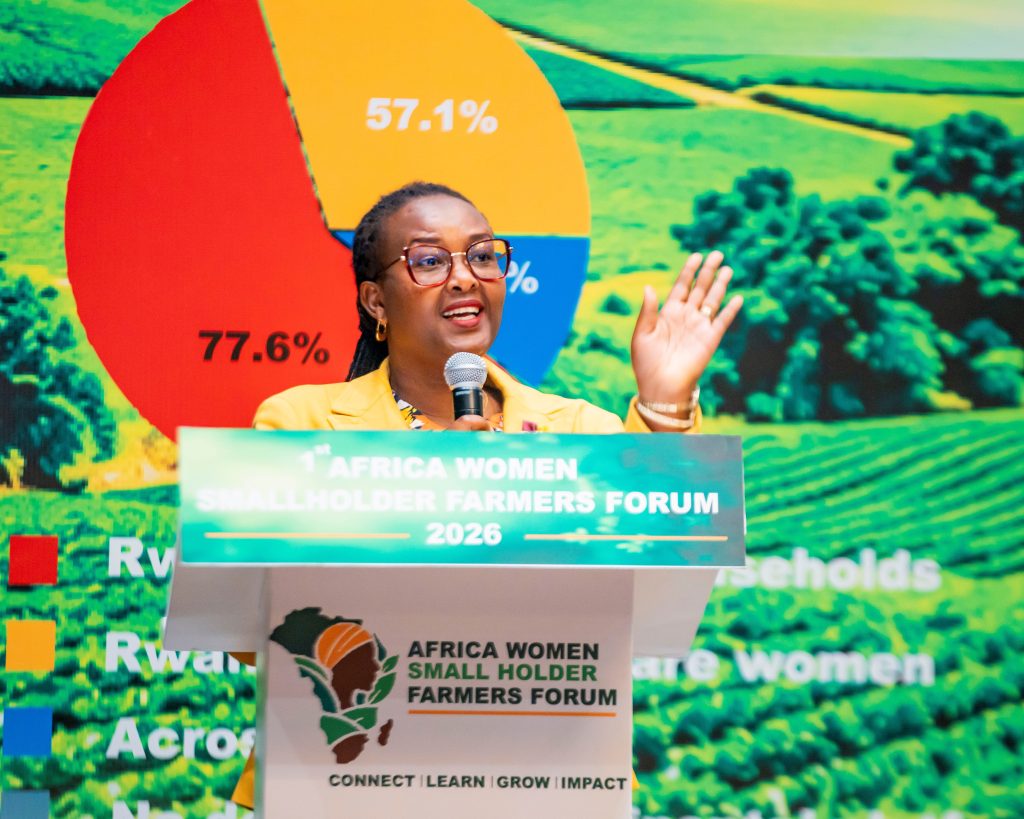
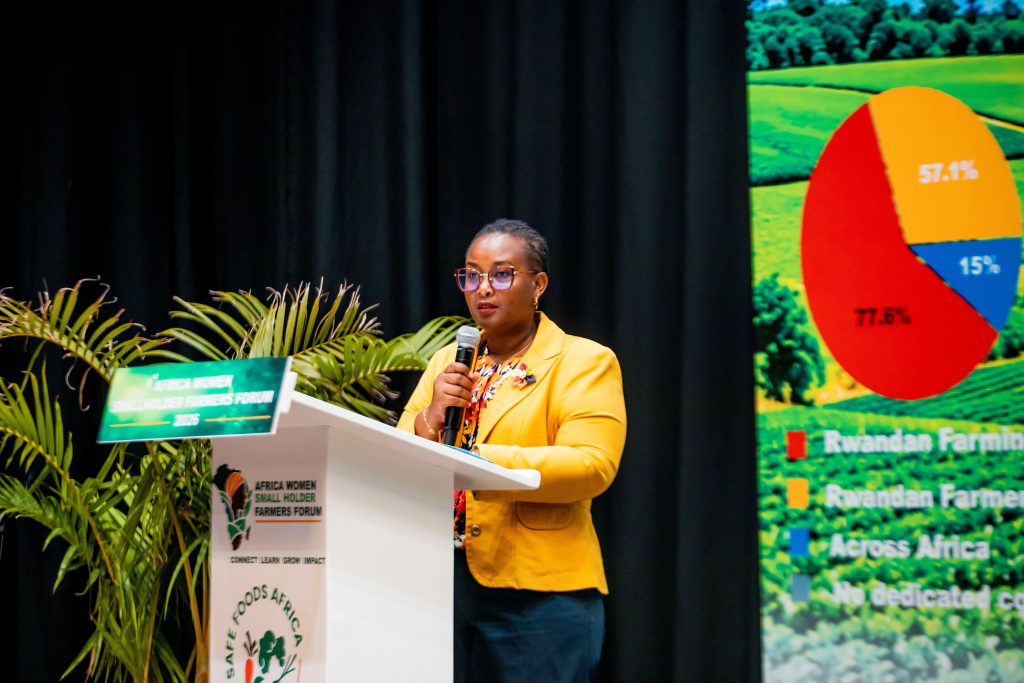
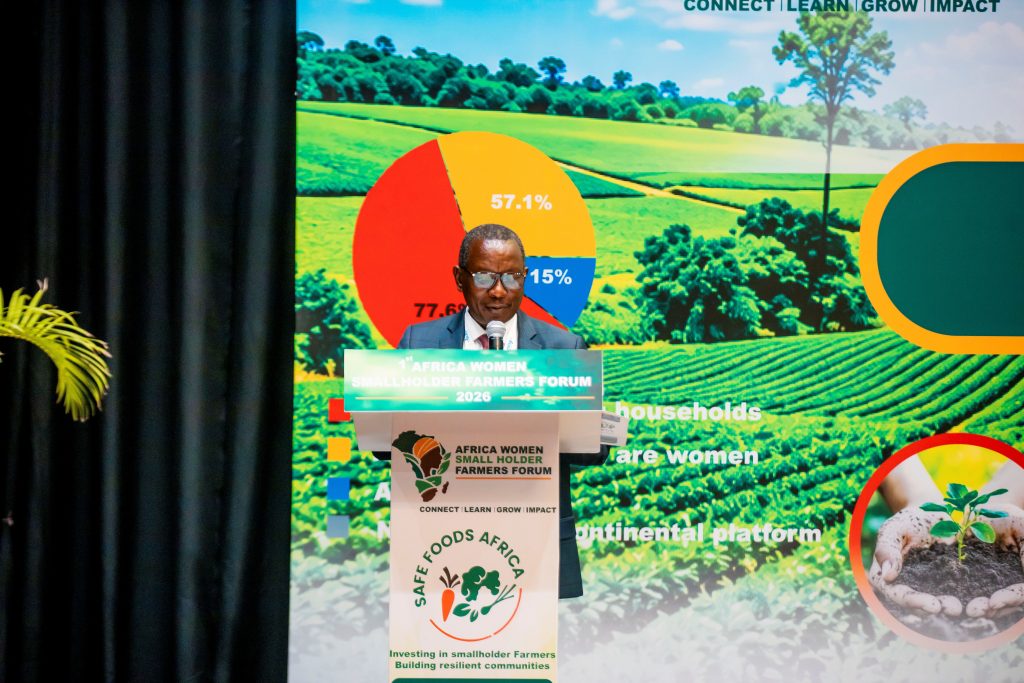
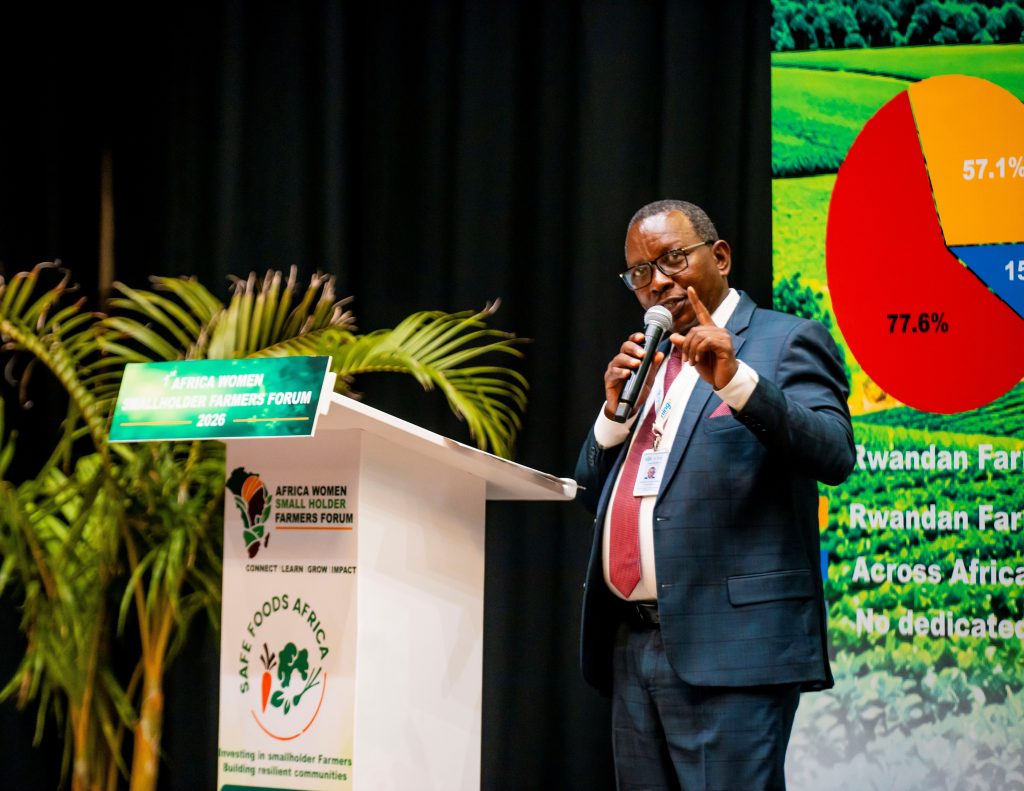
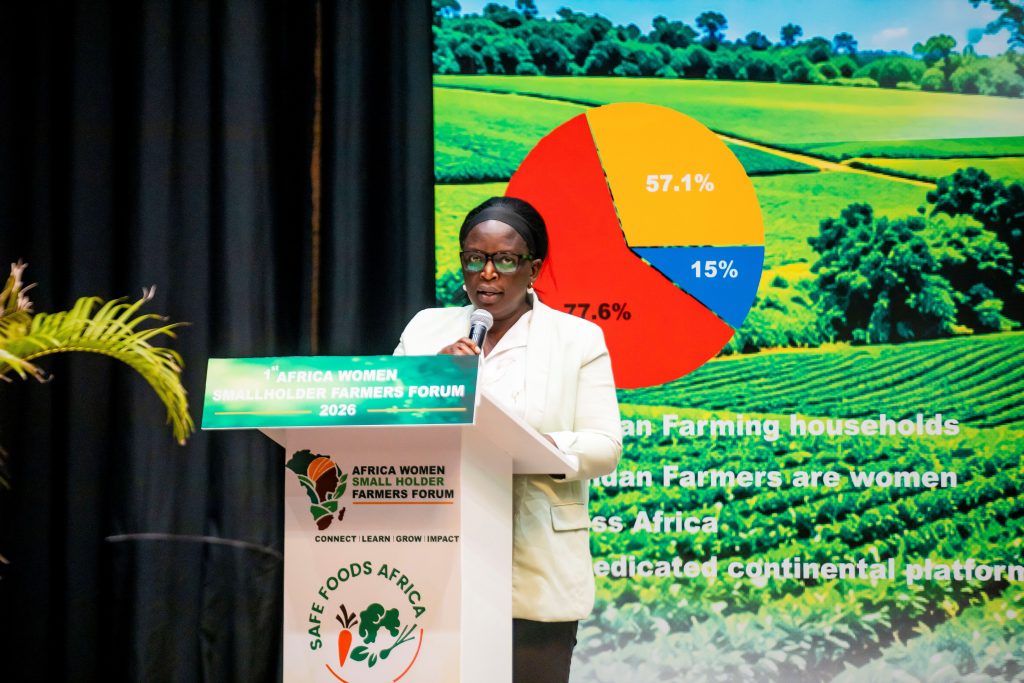
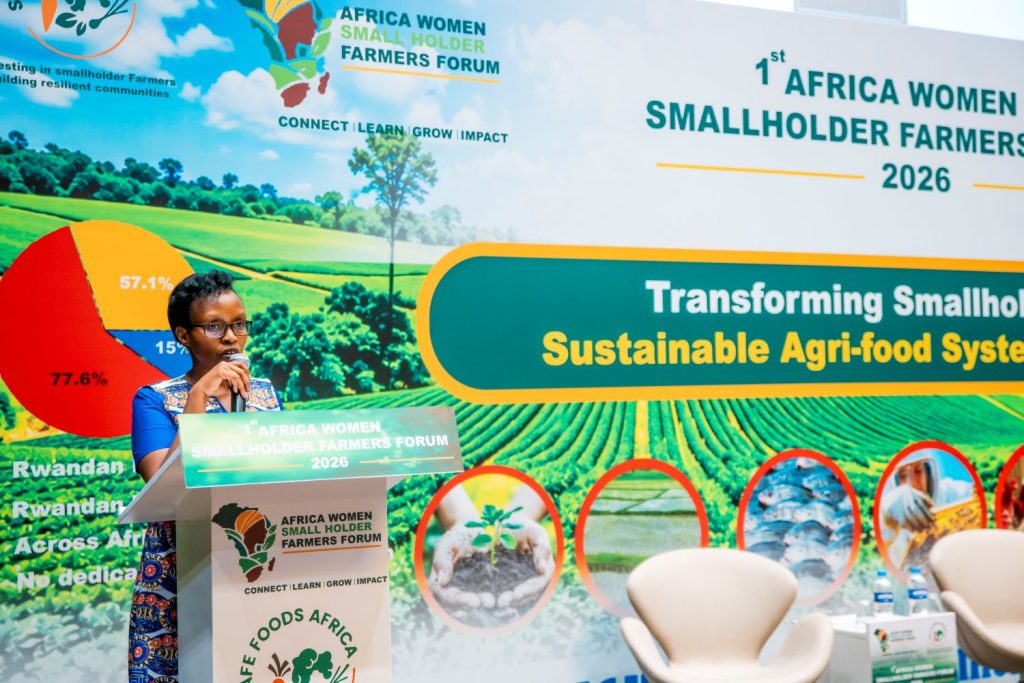
Figures presented at the forum highlighted the scale of the challenge. In Rwanda, 77.6% of farming households cultivate less than 0.5 hectares, with women- and youth-headed households tending to operate on the smallest plots.
Women account for 57.1% of farmers in Rwanda, while across Africa smallholder farmers produce more than 70% of the continent’s food. Yet women own less than 15% of the land they work on, according to figures presented at the forum.
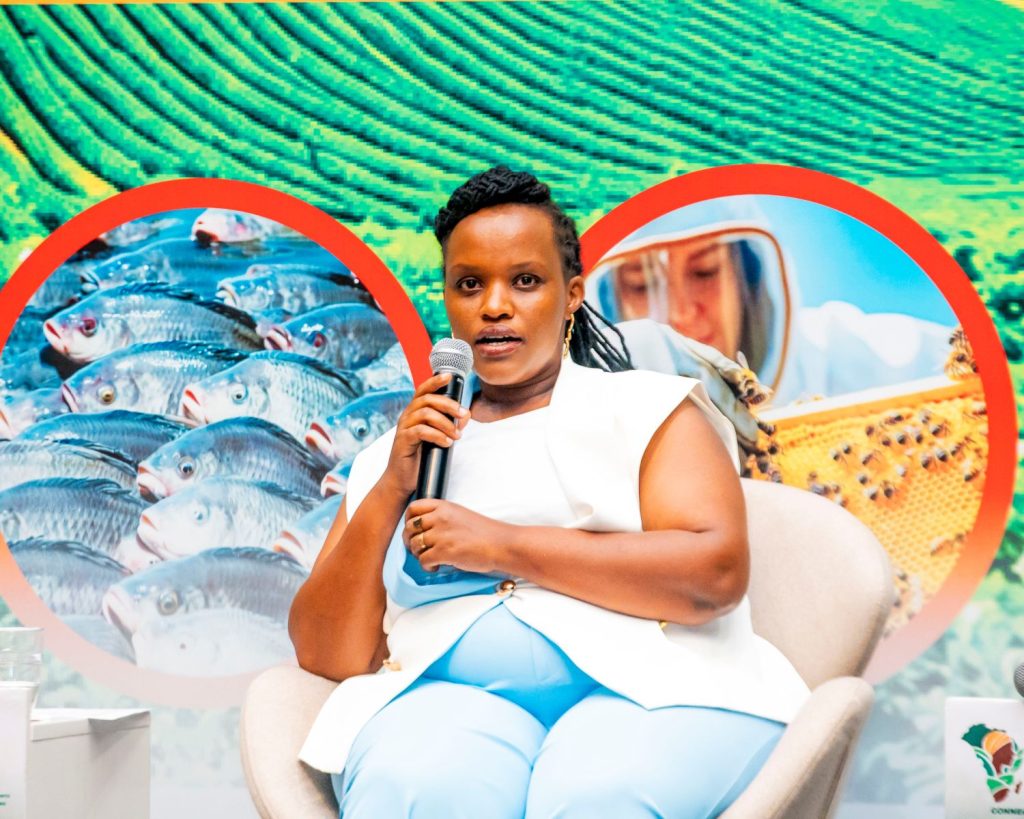
Françoise Uwumukiza, a member of the East African Legislative Assembly (EALA) representing Rwanda, said the continent must move beyond policy commitments and focus on implementation, arguing that existing frameworks have not sufficiently addressed the challenges facing women farmers.
She called for stronger coordination among institutions responsible for agriculture, trade, finance and gender equality, alongside practical measures to improve women’s access to land, affordable credit, agricultural inputs, extension services and markets.
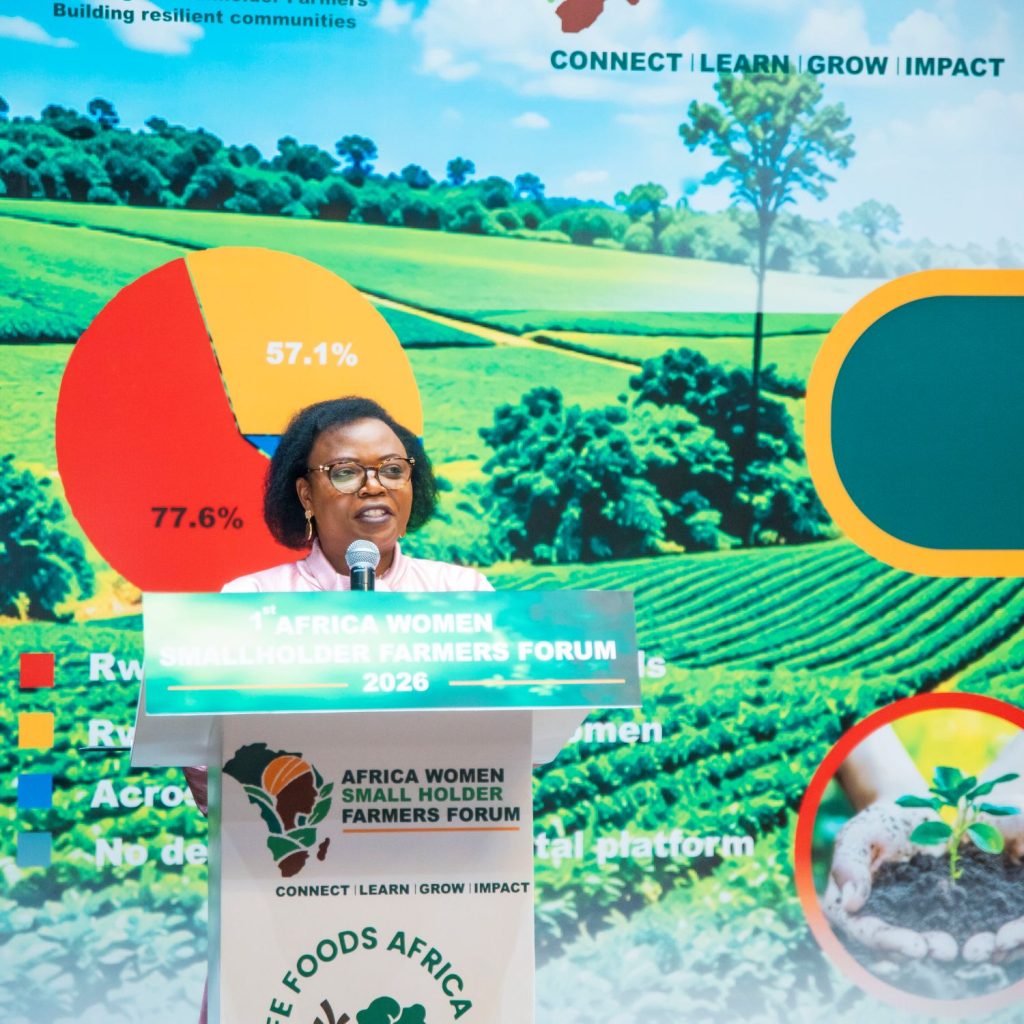
Uwumukiza also urged governments to support women-led agro-processing businesses and help them access regional markets and cross-border trade opportunities.
“Don't honour women farmers with just words—fund them, protect them and put them at the centre of decision-making every year,” she said.
Dr Chantal Ingabire, Director General of Planning at the Ministry of Agriculture and Animal Resources, said agricultural transformation should be assessed not only through production figures but also by the value farmers retain and the businesses they are able to build.
“We can no longer measure progress in agricultural transformation by only looking at agricultural production. We are now going beyond production. We are talking about the value that farmers retain from agriculture,” she remarked.
Ingabire noted that limited landholdings should not automatically exclude farmers from commercial opportunities, provided they have access to appropriate technologies, knowledge, financing and reliable markets.
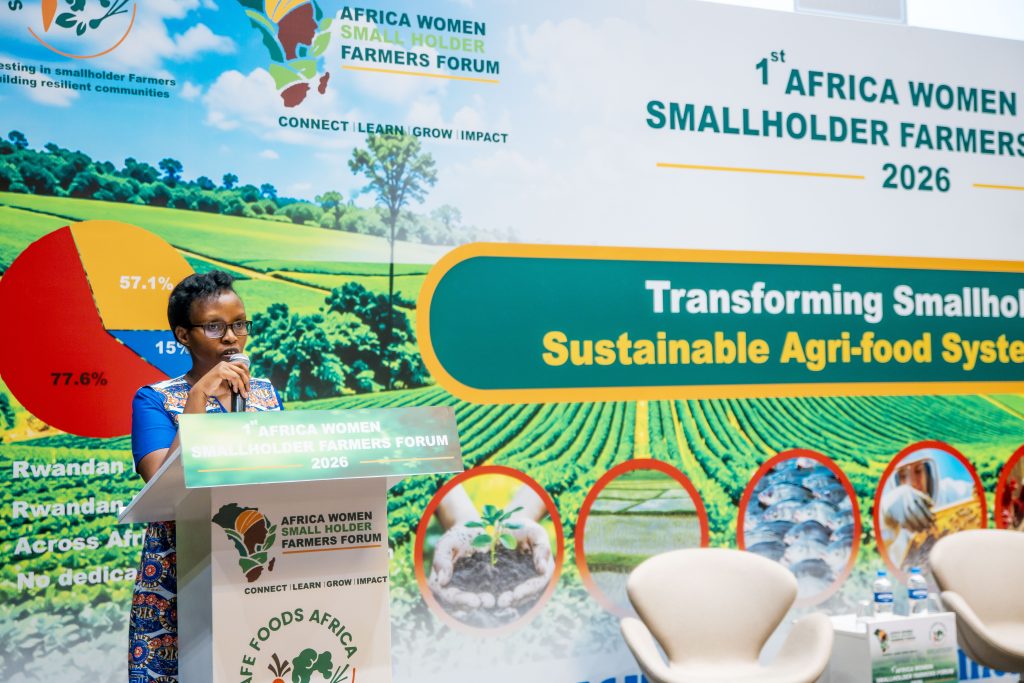
She also called for stronger links between smallholder farmers and markets, including opportunities emerging from the African Continental Free Trade Area.
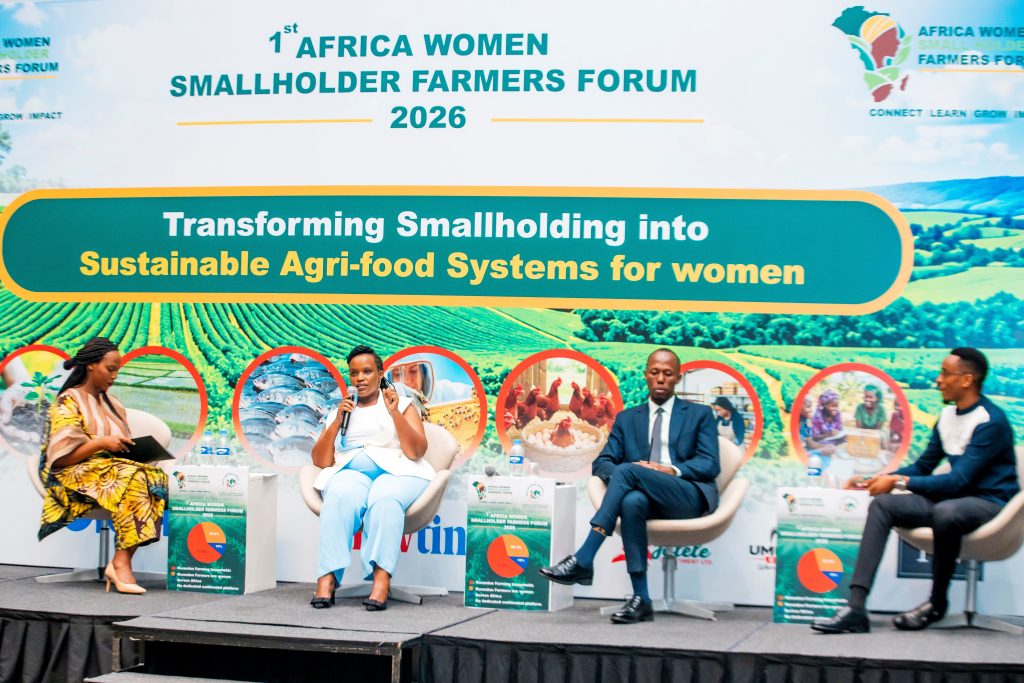
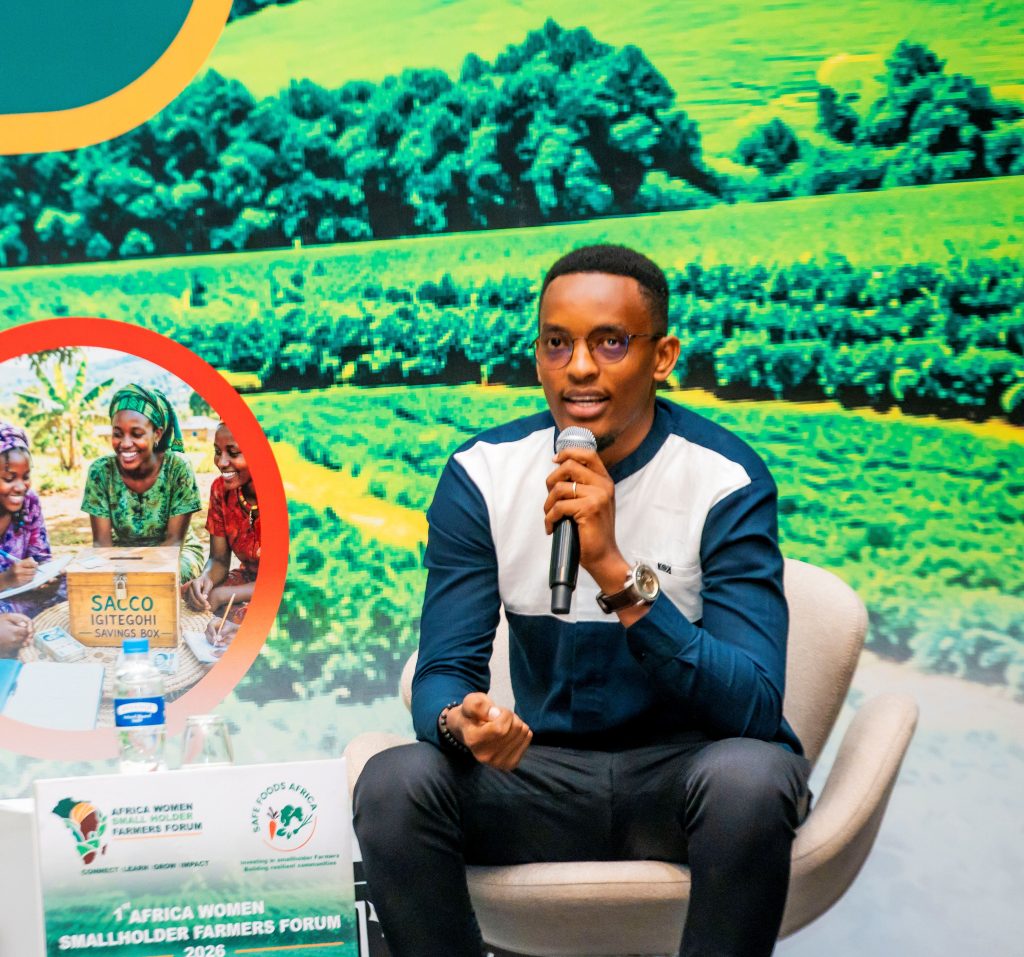
Food systems and nutrition specialist Justus Mugabo pointed to financing as one of the major constraints facing women farmers.
He said many women lack land titles and other assets that financial institutions require as collateral, while lenders often favour large-scale producers and established cash crops such as coffee and tea.
This leaves many women growing vegetables, fruits and legumes with limited access to affordable financing, despite the importance of these crops to food security and household incomes.
Mugabo advocated more flexible lending arrangements, including seasonal repayment schedules, lower borrowing costs and group-based financing models that reflect the realities of smallholder agriculture.
Farmer and agripreneur Chantal Kamashazi, founder of GANA HEZA, stressed the importance of fair prices and reliable market information, saying farmers need to understand where and when to sell their produce to earn better returns.
“Keep valuing the smallholder farmer, because she is the root of our economy,” she said.
A proposed model for small farms
The Safe Foods Africa Initiative is promoting an integrated circular farming model designed to help farmers make better use of limited land while reducing waste and improving productivity.
The proposed approach combines crop and livestock production, composting, value addition, soil regeneration, aquaculture, beekeeping and biodigester energy. It also incorporates access to financing, savings groups, training and market connections.
For areas where land can be consolidated, the initiative proposes establishing what it calls “Food Basket Sites”, bringing farmers together to aggregate production and supply larger markets.
The model seeks to demonstrate how small plots can support more diversified and commercially oriented farming systems when farmers have access to the right technologies, knowledge and investment.
Discussions at the forum also examined how the African Continental Free Trade Area could open opportunities for women-led agricultural businesses, particularly those seeking to move beyond selling raw produce into processing and exporting finished products.
The establishment of AWSFF as an annual platform is expected to provide a space for governments, businesses, financiers, researchers and farmers to build partnerships and pursue investment opportunities across Africa’s agricultural value chains.







Loading comments...
Leave a comment