






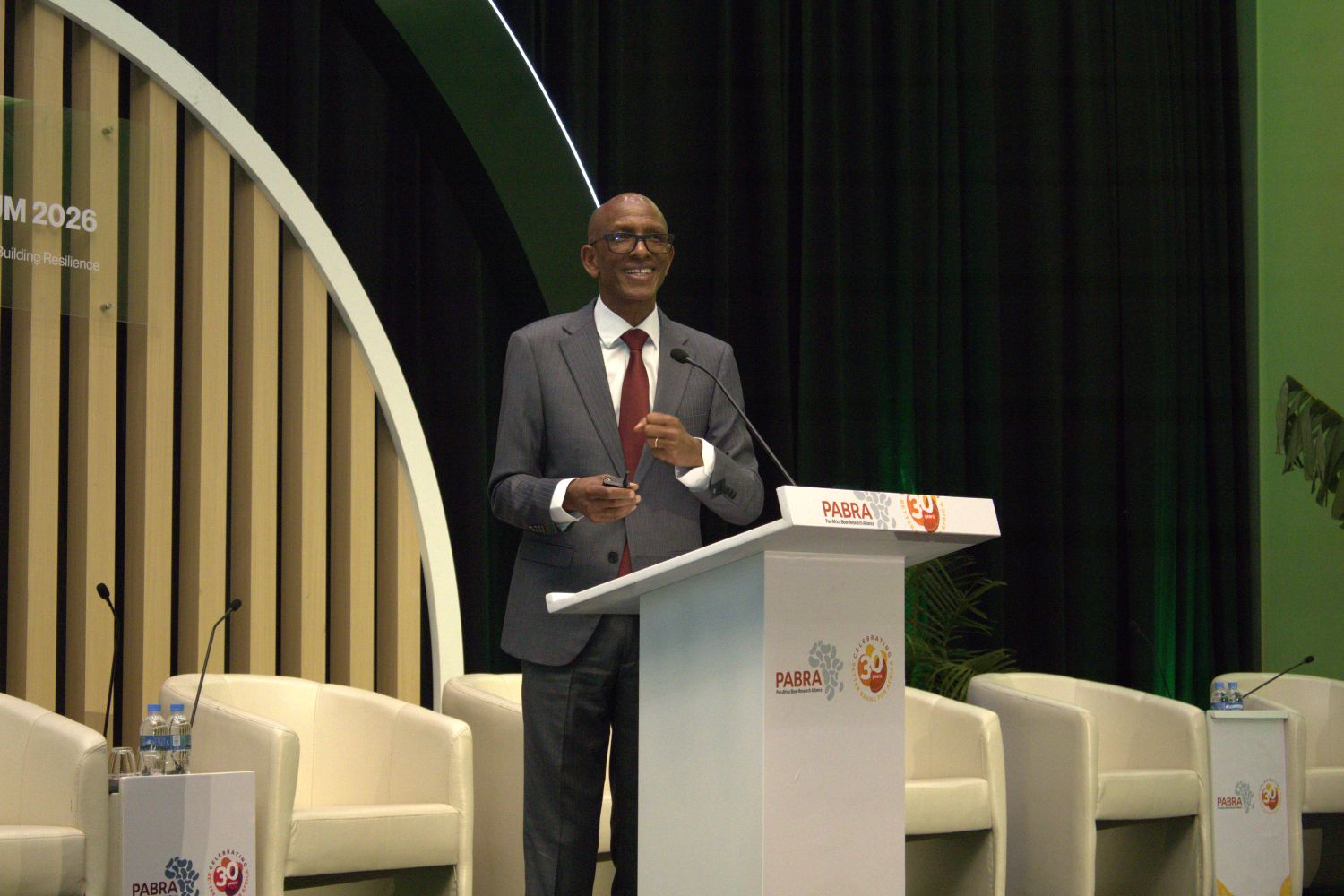
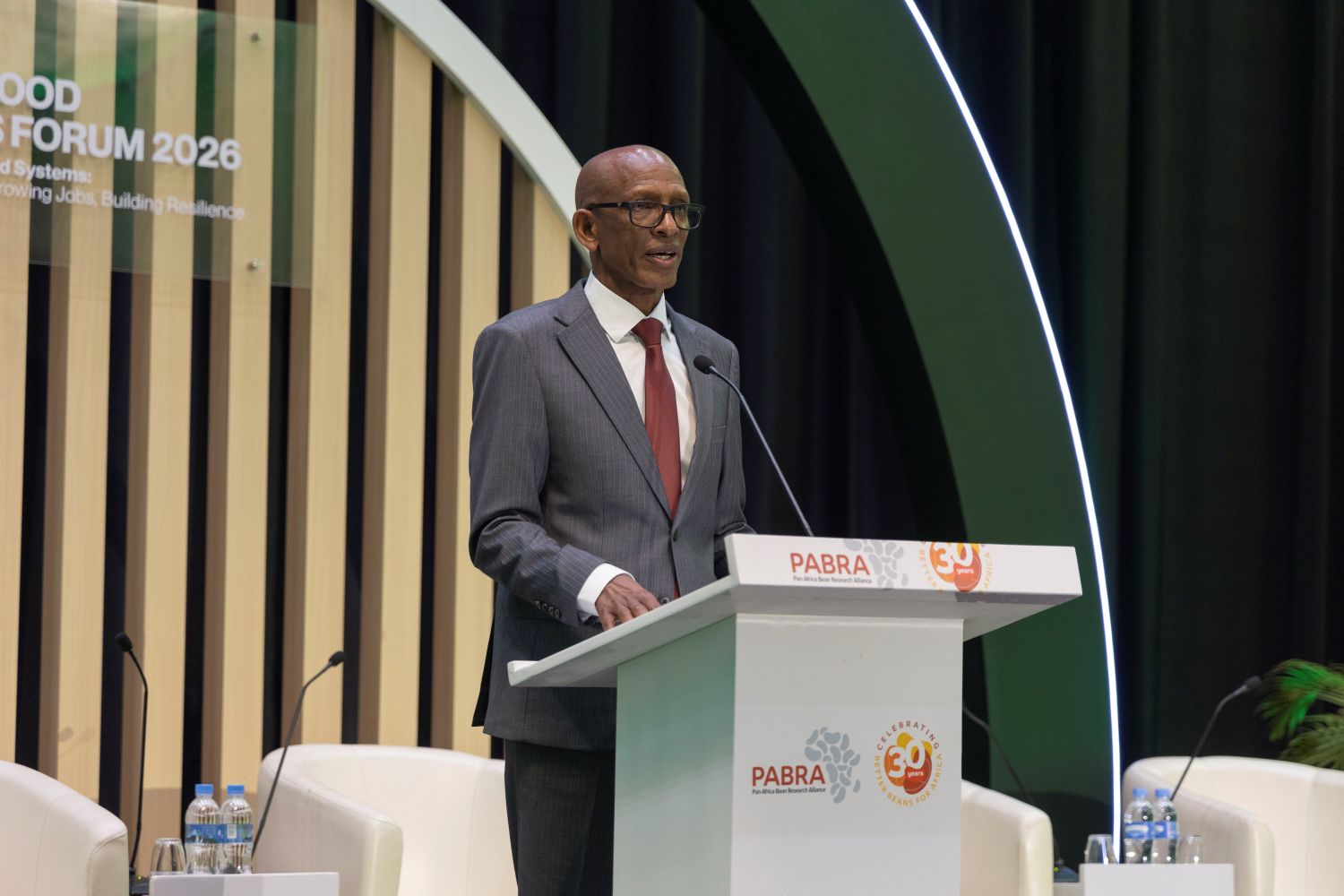
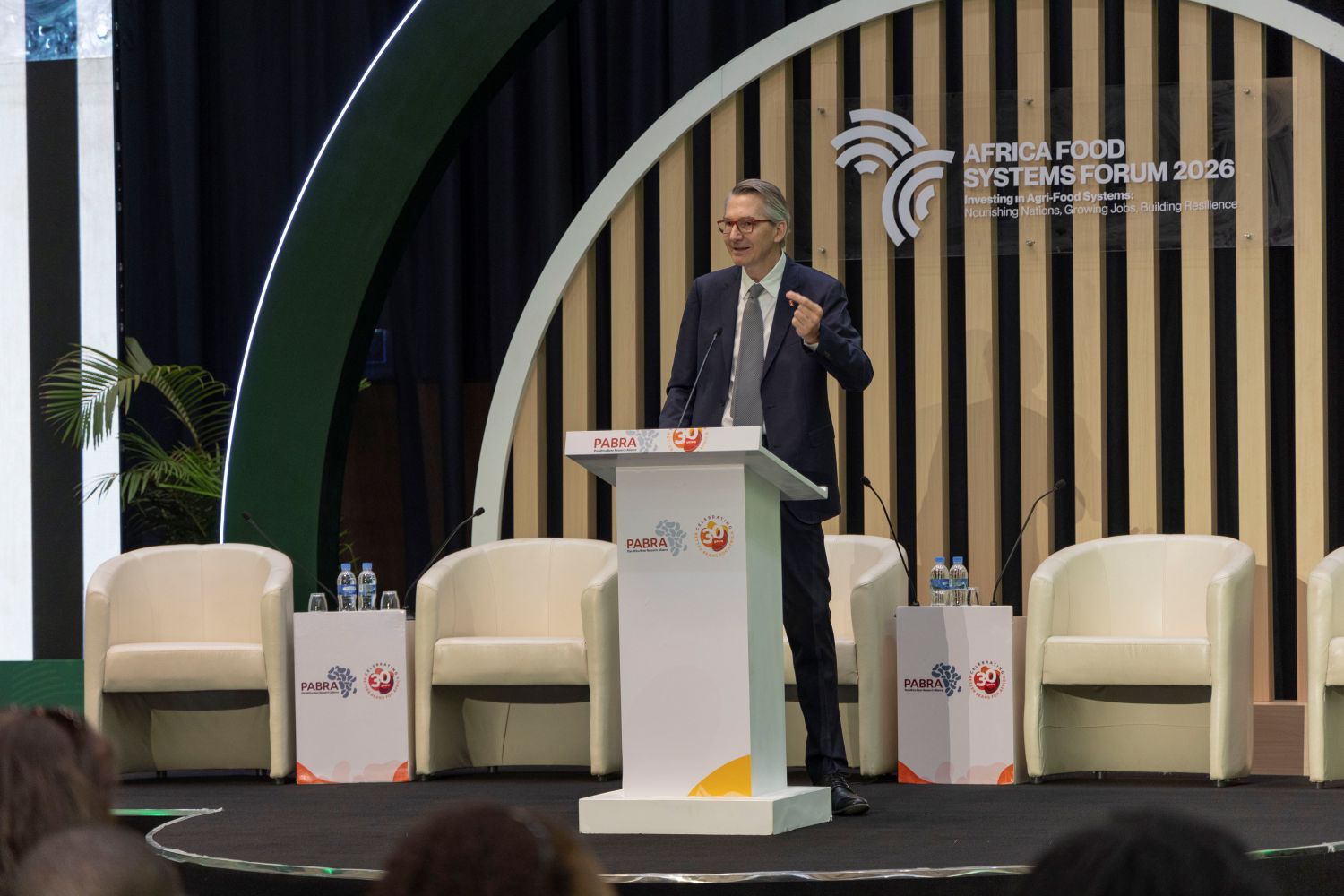
Jean Claude Rubyogo, Director of PABRA and Global Bean Program Leader at the Alliance of Bioversity International and CIAT, told the gathering that around 150 million people in Africa consume beans regularly, and that PABRA's roots stretch back further than its formal 1996 founding, to three regional bean research networks that had already been operating for nearly a decade with support from the Swiss Agency for Development and Cooperation (SDC).
"Why don't we come together?" Rubyogo recalled asking at the time. "Today we have a strong network of national programmes working as one regional system."
He said PABRA has released 624 improved bean varieties over the past 30 years, now reaching more than 46 million farmers across the continent, 58 percent of them women.
Juan Lucas Restrepo, Director General of the Alliance of Bioversity International and CIAT, said the alliance's strength lies in bringing together public sector, private sector and farming communities around shared goals.
"It is not about beans per se," he said at the Kigali Convention Centre. "It is about the economic opportunities they create, allowing more women to participate in business, opening opportunities for youth, and connecting producers to expanded markets."
Rwanda's own bean story
Florence Uwamahoro, Director General of the Rwanda Agriculture and Animal Resources Development Board (RAB), said Rwanda has both benefited from and contributed to the wider African bean sector. She cited varieties such as RWR 2245, RWR 3194, RWR 2154 and RWR 1129, bred in Rwanda and shared through PABRA's regional networks for adoption elsewhere. With bean consumption in Rwanda exceeding 100 grams per person per day, she said, "investment in beans means investing in healthy populations, food security and economic well-being."
Rubyogo pointed to the same shift from Rwanda's side of the story: climbing beans, which occupied only about 5 percent of Rwanda's bean-growing area in 1985, now account for around 45 percent. Six or seven varieties bred in Rwanda are now grown as far afield as Tanzania, Uganda, Cameroon and Burundi, he said, while a recent study found farmers who adopted the new varieties cut the number of days they went without beans in their meals by about 20 days a month.
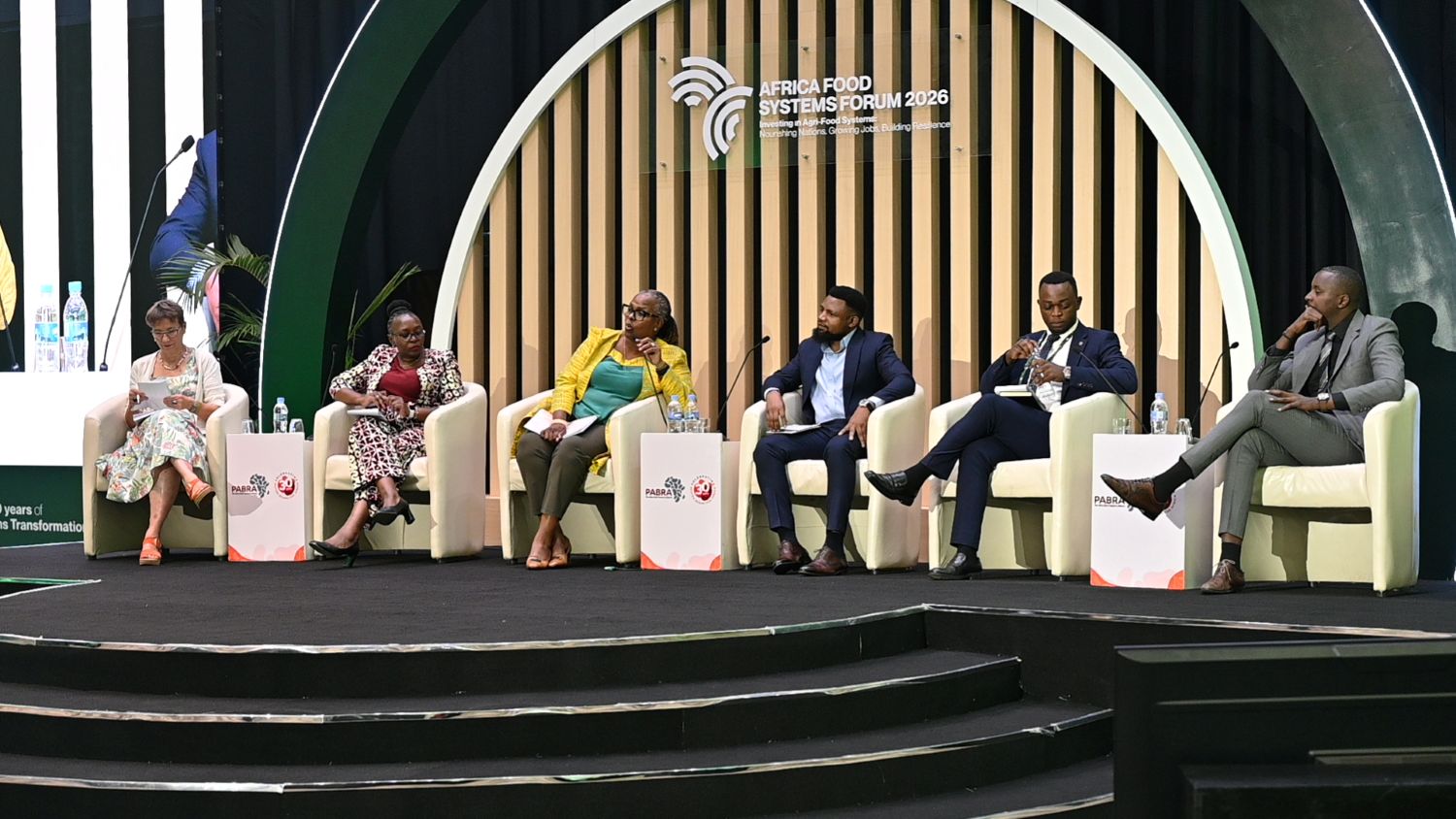
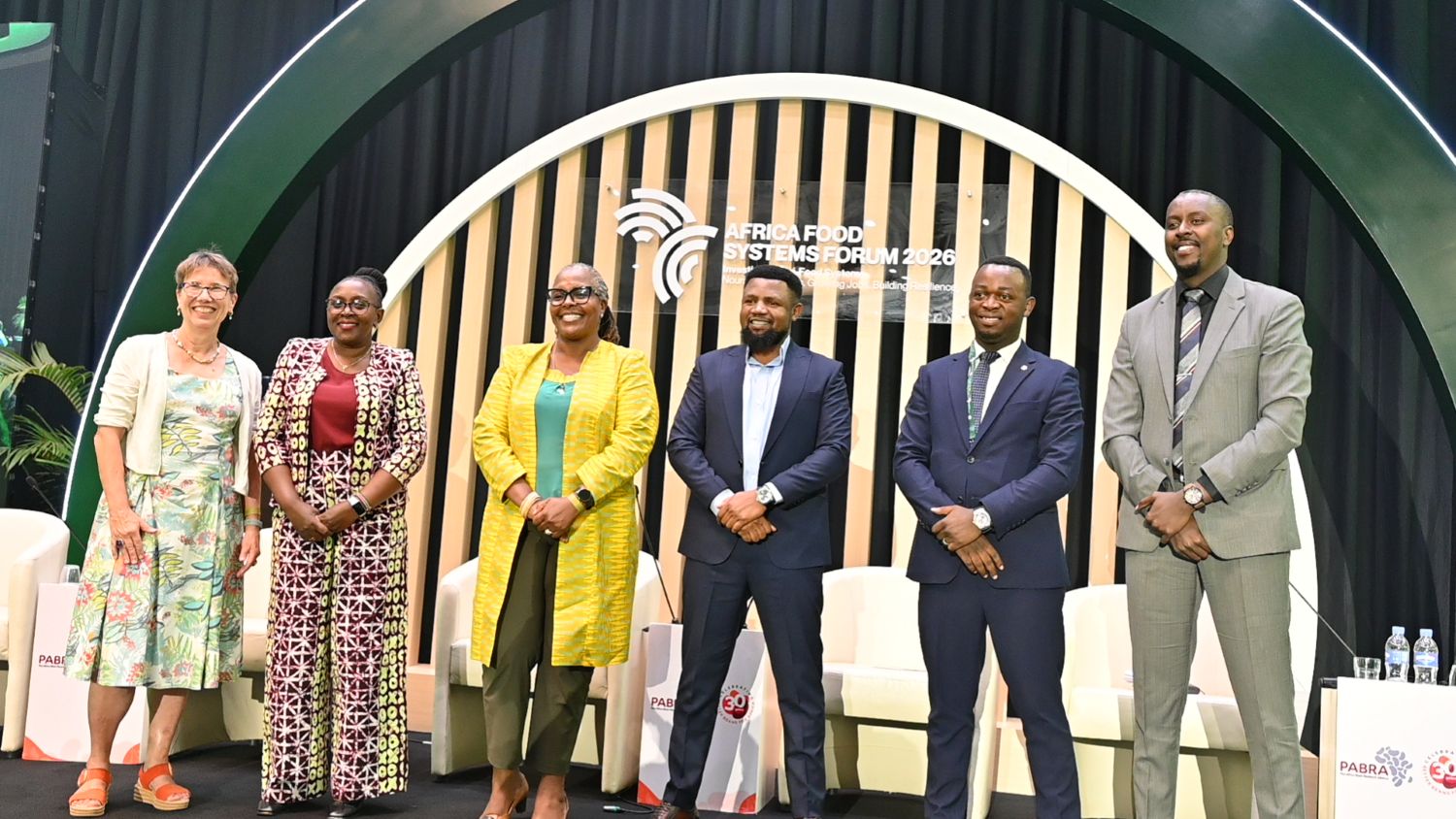
Rwandan entrepreneurs described how that research reaches the field. Emma Uwera, founder of I&JJ Harvest Seed Company, said PABRA and RAB's Bean Programme shaped her career from her undergraduate studies onward and helped her grow from supplying seed in eastern Rwanda to marketing nationwide.
"Farmers believe what they see," she said, describing demonstration plots where 100 to 200 farmers at a time watch new varieties grow from planting to maturity before deciding to buy the seed.
Rose Kabuye, a retired Rwandan lieutenant colonel, grain trader and off-taker who has worked in bean exports since 2020, said the market increasingly rewards varieties that cook quickly and generate higher returns for farmers and traders. She said poor-quality grain still undercuts the market, particularly in school feeding programmes, where nutrition is a key consideration, and called for continued investment in post-harvest handling.
School meals link farms to classrooms
A major theme of the day was the link between bean research and school nutrition. Jean Damascène Nsengiyumva, Director General of School Health and Wellness at Rwanda's Ministry of Education, said the Scale Sustainable School Feeding Innovation Project is being implemented in 509 schools across Karongi, Nyamasheke and Rusizi districts, with the ambition of reaching more than 445,000 schoolchildren, supported by the SDC and implemented by the Alliance of Bioversity International and CIAT with MINEDUC, MINAGRI, RAB and other partners.
"A nutritious school meal begins long before it reaches the plate," Nsengiyumva said. "It begins with the soil, the seed, the farmer, the school garden, the knowledge of the teachers and the communities."
Today, more than 1,000 school staff and 1,000 teachers, including agronomists and community health workers, have been trained under the project in high-iron bean and vegetable production, nutrition, fertilizer application and post-harvest management.
Dr. Olivier Kamana, Permanent Secretary at the Ministry of Agriculture and Animal Resources, said the model aligns with Rwanda's Agricultural Transformation agenda and called for continued investment in biofortified crops, school garden programmes and climate-smart farming. Rubyogo added that governments in Rwanda, Kenya and Tanzania have all prioritised school feeding, with new varieties bred to cut cooking time by around 30 percent, easing pressure on firewood and the time women spend preparing meals.
Markets, jobs and research gains
Eliud Birachi, Project Leader for Markets and Business Development at the Alliance of Bioversity International and CIAT, said PABRA's commodity corridor approach now spans about ten corridors across Eastern, Southern, Central and West Africa, drawing in around 200 enterprises collaborating within the bean system.
Rubyogo added further detail on research outcomes: in Ethiopia, nationally developed varieties have almost tripled yields compared with older ones, while yellow bean varieties popular in East Africa have doubled yields in places. He said the time between a variety's release and its widespread use by farmers has fallen from 10-15 years in the network's early period to roughly three years today. Mobile threshers introduced through PABRA's partnerships with local artisans have reached 152,000 smallholders since 2018 and created close to 6,500 jobs, while bean exports from Ethiopia have grown from about $8 million to more than $100 million a year.
Looking ahead, Rubyogo said climate resilience will remain central to PABRA's work as rising temperatures and shifting rainfall patterns threaten production, and pointed to Africa's rapid urbanization, with cities such as Lagos and Kinshasa expected to reach tens of millions of residents by 2050, as a reason to keep developing affordable, nutritious bean varieties.
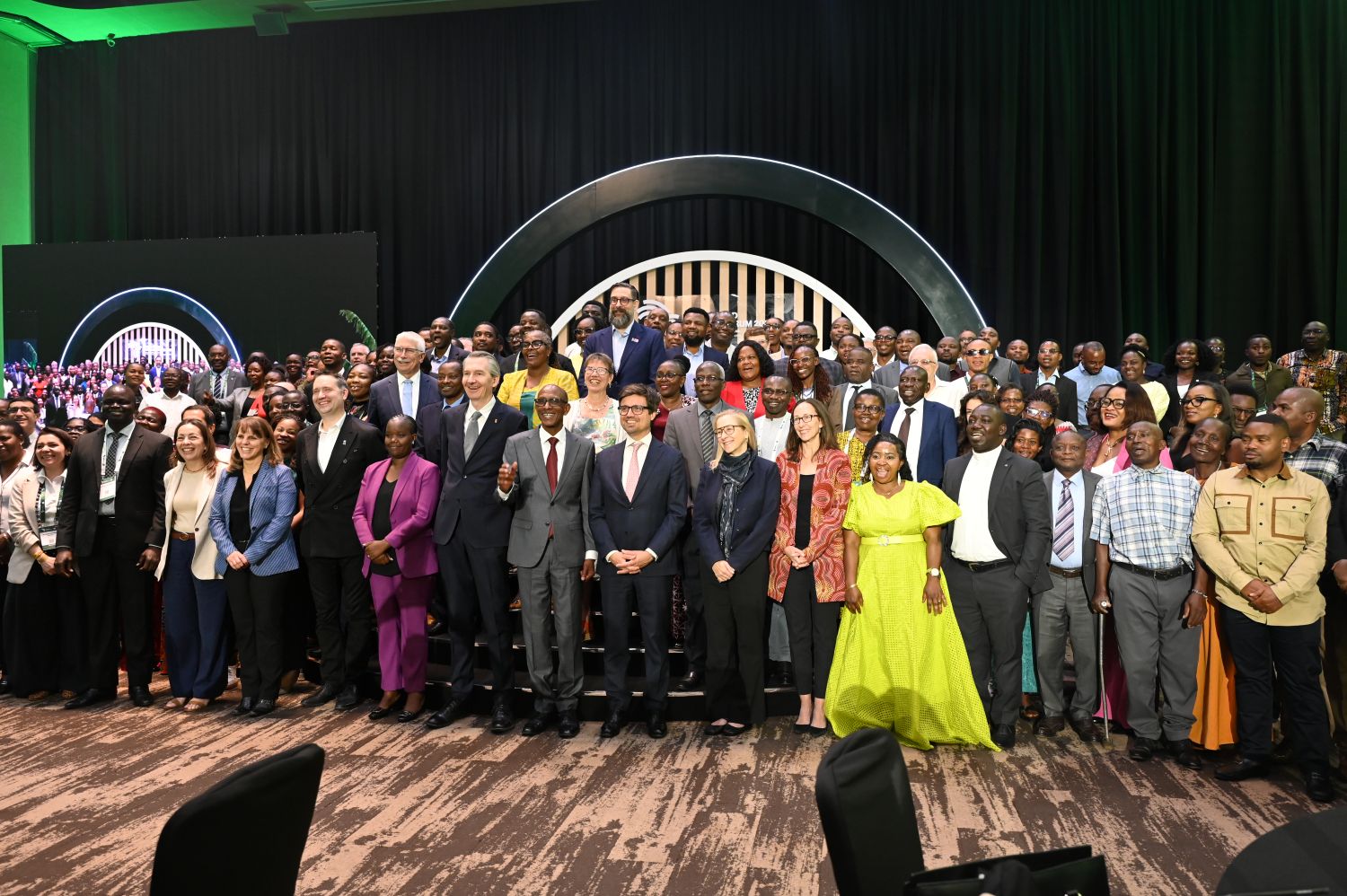
The event, themed "PABRA beyond #30, and beyond Beans," was organised by CGIAR through the Alliance of Bioversity International and CIAT on behalf of PABRA, a partnership of more than 934 partners across 31 countries. Discussions also touched on extending PABRA's demand-led, corridor-based model to other crops, including groundnuts and sorghum, and on the launch of PABRA's 10-year strategy for 2027-2037.
Loading comments...
Leave a comment