



The Energy Development Corporation Limited (EDCL), a subsidiary of Rwanda Energy Group (REG), has invited qualified independent power producers (IPPs) to apply for pre-qualification to develop, install, operate and maintain the facility.
According to a pre-qualification notice seen by IGIHE dated October 12, 2026, the project is intended to increase electricity generation from renewable sources, support productive activities such as irrigation and industrial operations, and improve the stability of Rwanda's national electricity grid.
The selected investor will be responsible for the project's design, supply, installation, testing and commissioning, as well as its operation and maintenance.
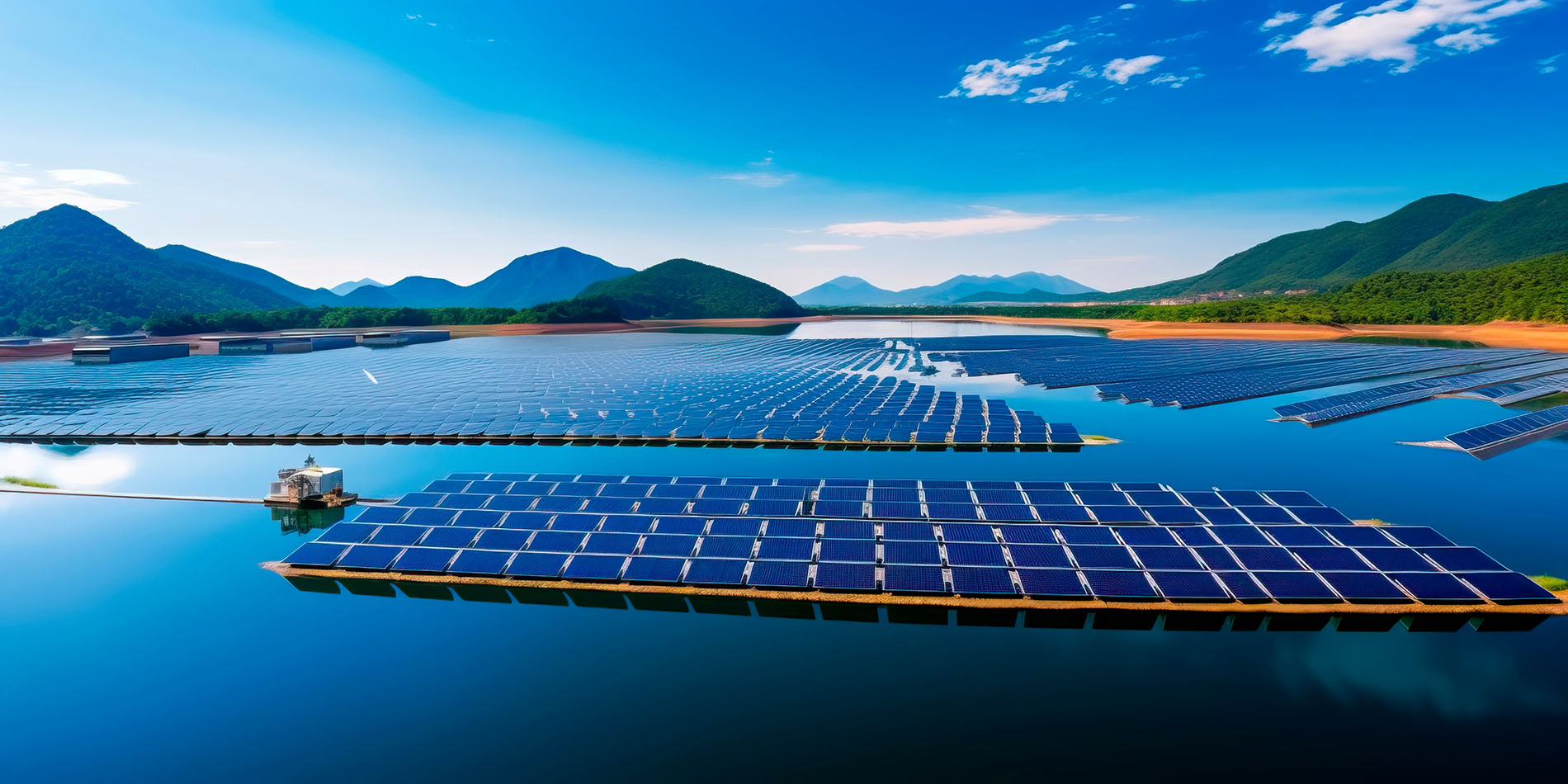
The planned infrastructure includes a floating solar photovoltaic system, battery storage facilities, a substation and a high-voltage transmission line connecting the plant to the national grid through a nearby substation on the 220-kilovolt transmission network.
The battery storage system will have a capacity of 800 megawatt-hours, equivalent to four hours of storage at the plant's 200MW output.
It is expected to help shift solar-generated electricity to periods of higher demand, particularly during evening peak hours, while providing frequency and voltage support, reducing solar power curtailment and supporting grid recovery following certain outages.
Financial and technical requirements
EDCL is targeting experienced renewable energy developers with the technical expertise and financial capacity to deliver the project.
Applicants must demonstrate at least 10 years of experience in the design, supply, construction and management of renewable energy power plants.
They must also provide evidence of completed solar photovoltaic projects within the past decade. Experience in battery energy storage will be considered in the pre-qualification assessment, with higher scores awarded to applicants that have delivered larger solar and storage projects.
The notice sets a minimum average annual turnover of $300 million (about Rwf443 billion) for the 2023-2025 financial years. Applicants must also demonstrate access to at least $60 million in financial resources and a credit line of the same amount.
Companies may apply individually or form a joint venture, consortium or association with one other company, subject to the conditions set out in the pre-qualification documents.
The selection process will follow Rwanda's Public Private Partnership guidelines dated July 16, 2018.
The notice provides for an 18-month implementation period covering the design, supply, installation, testing and commissioning of the facility.
The project will operate under an independent power producer arrangement, with a long-term power purchase agreement involving Rwanda Energy Group's subsidiary, the Energy Utility Corporation Limited (EUCL), as the electricity off-taker.
The plant's operation and maintenance arrangements will fall under a 25-year power purchase agreement, according to the notice.
EDCL has scheduled a site visit for prospective applicants on October 23, 2026. The visit is intended to help potential investors assess the site and understand the project's requirements.
Applications must be submitted electronically to EDCL by November 12, 2026, at 5 p.m. Kigali time.
Theoneste Higaniro, Director of Generation and Transmission at EDCL, told The New Times that Lake Sake was selected partly because of the Eastern Province's year-round sunshine.
He added that the government was also considering installing floating solar panels at the planned Nyabarongo II hydropower dam, where a similar project could generate up to 200MW.
The proposed plant forms part of Rwanda's efforts to expand access to affordable, clean energy and strengthen electricity supply to support economic growth, industrial development and other productive uses.
Rwanda is implementing a 10-year strategic plan covering 2024–2034 that requires an estimated $3.25 billion in investment to expand electricity generation, improve access and strengthen the country's energy infrastructure.
REG aims to increase installed electricity generation capacity to 1,066 megawatts by 2034. In December 2025, the utility reported that capacity had reached 467.142MW, up from 238.36MW in the 2020/2021 financial year.
Solar power accounts for about 2.6% of Rwanda’s installed electricity generation capacity, with 12.08MW of grid-connected solar capacity out of a national total of 467.14MW reported by the Rwanda Energy Group (REG) in December 2025.
Loading comments...
Leave a comment