



Rwanda used the occasion to showcase its coffee sector and highlight its vision of building a more sustainable, inclusive and value-driven industry, with farmers and rural communities at the heart of the transformation.
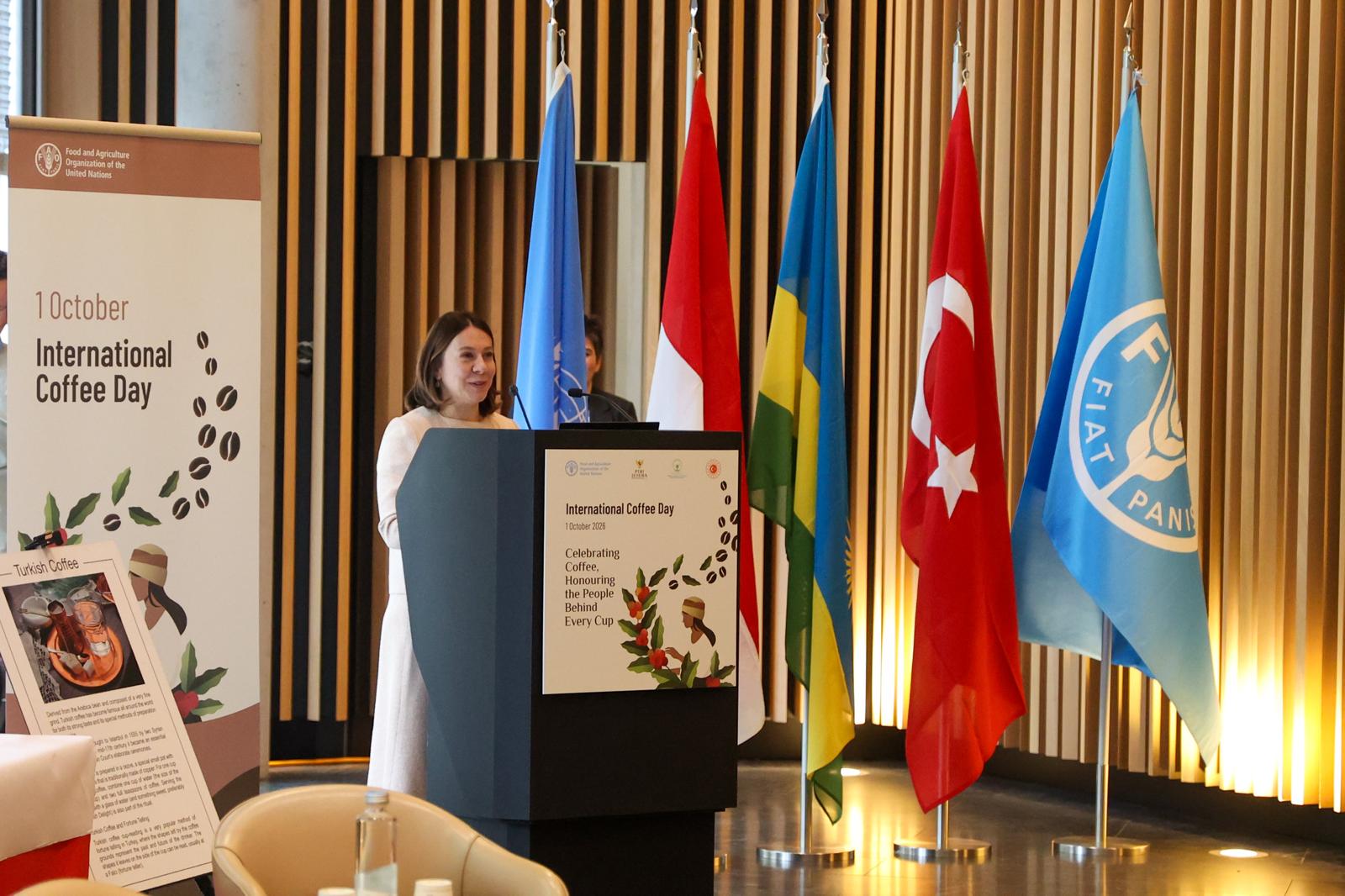
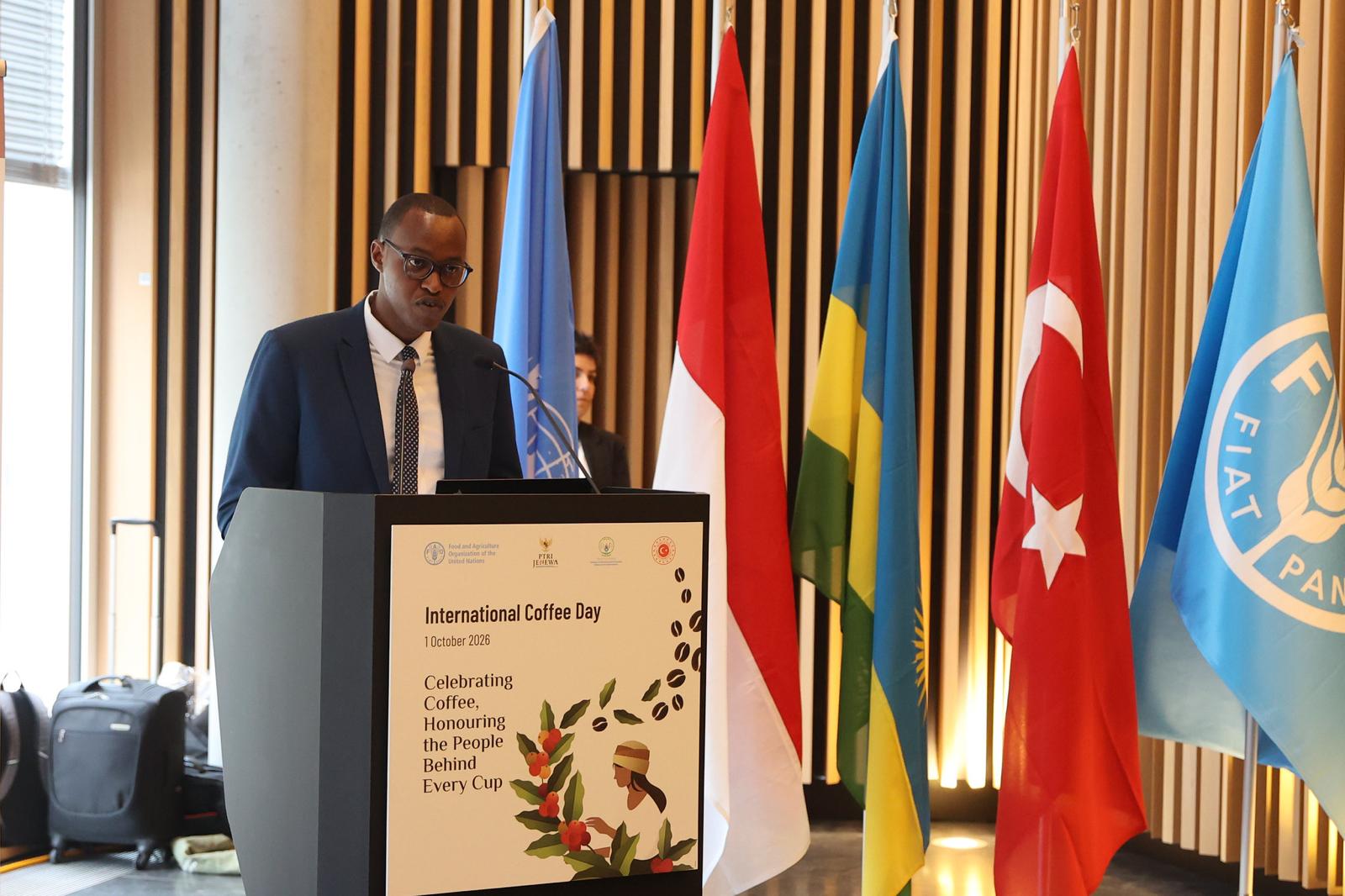
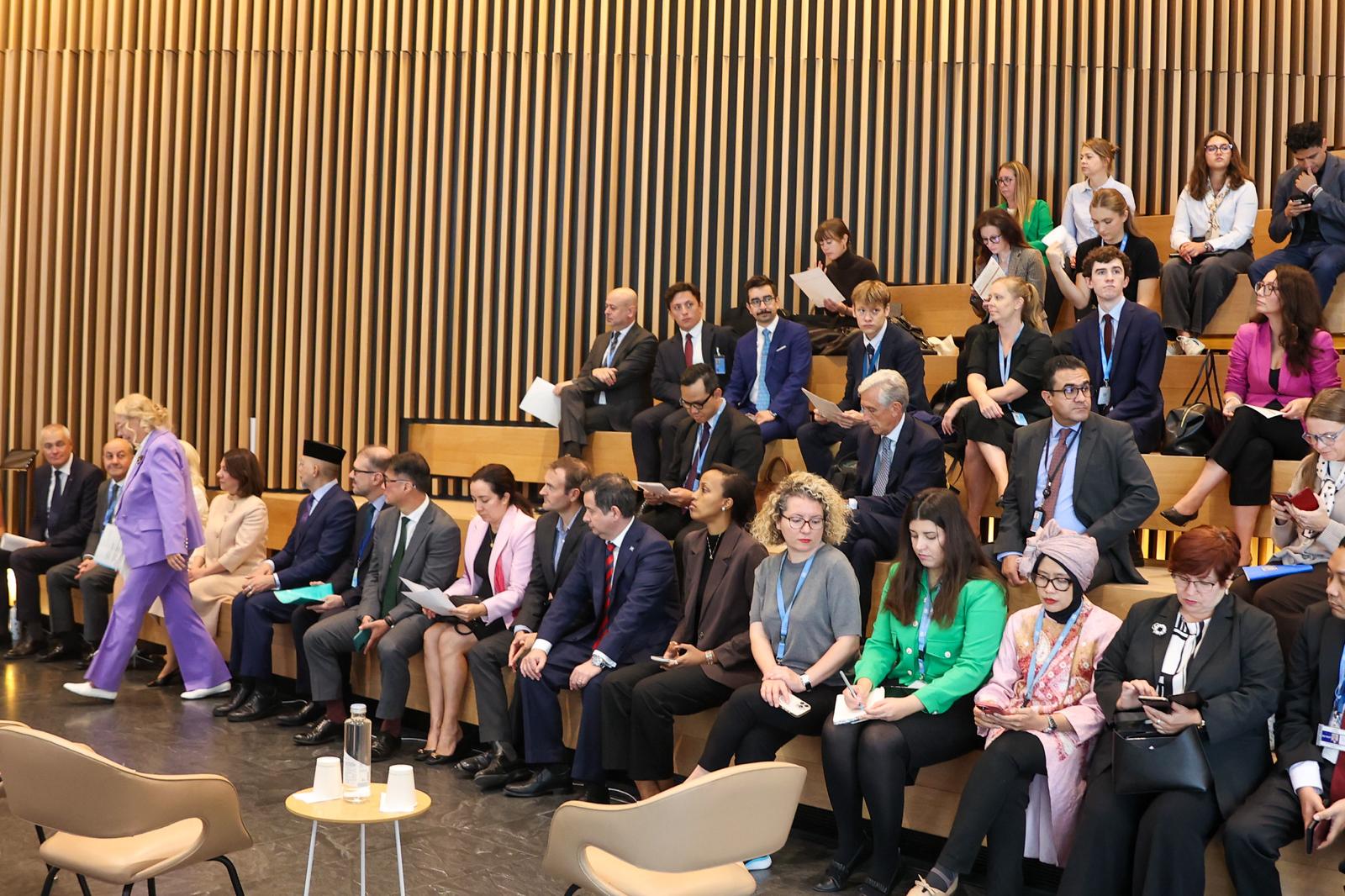
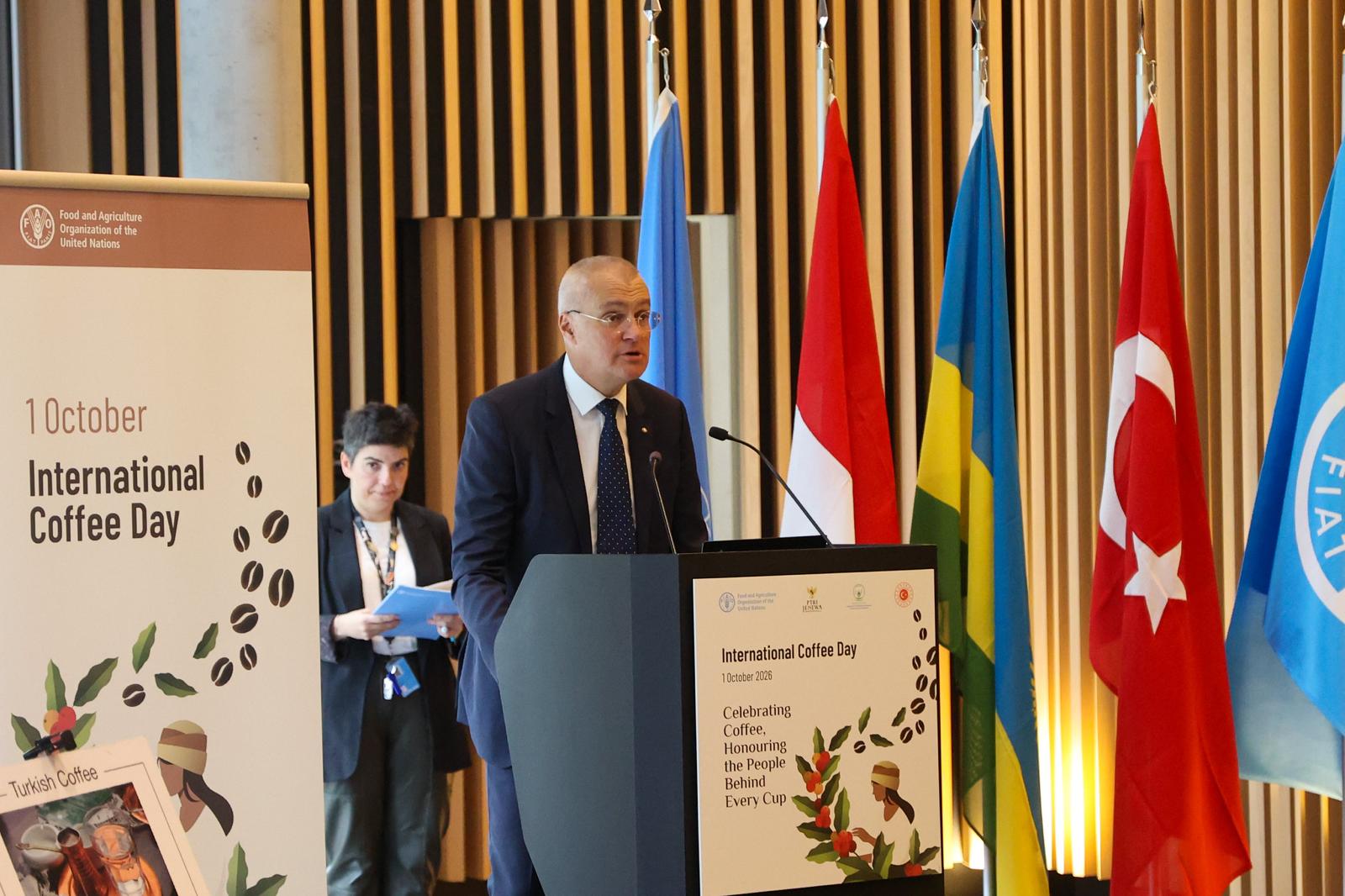
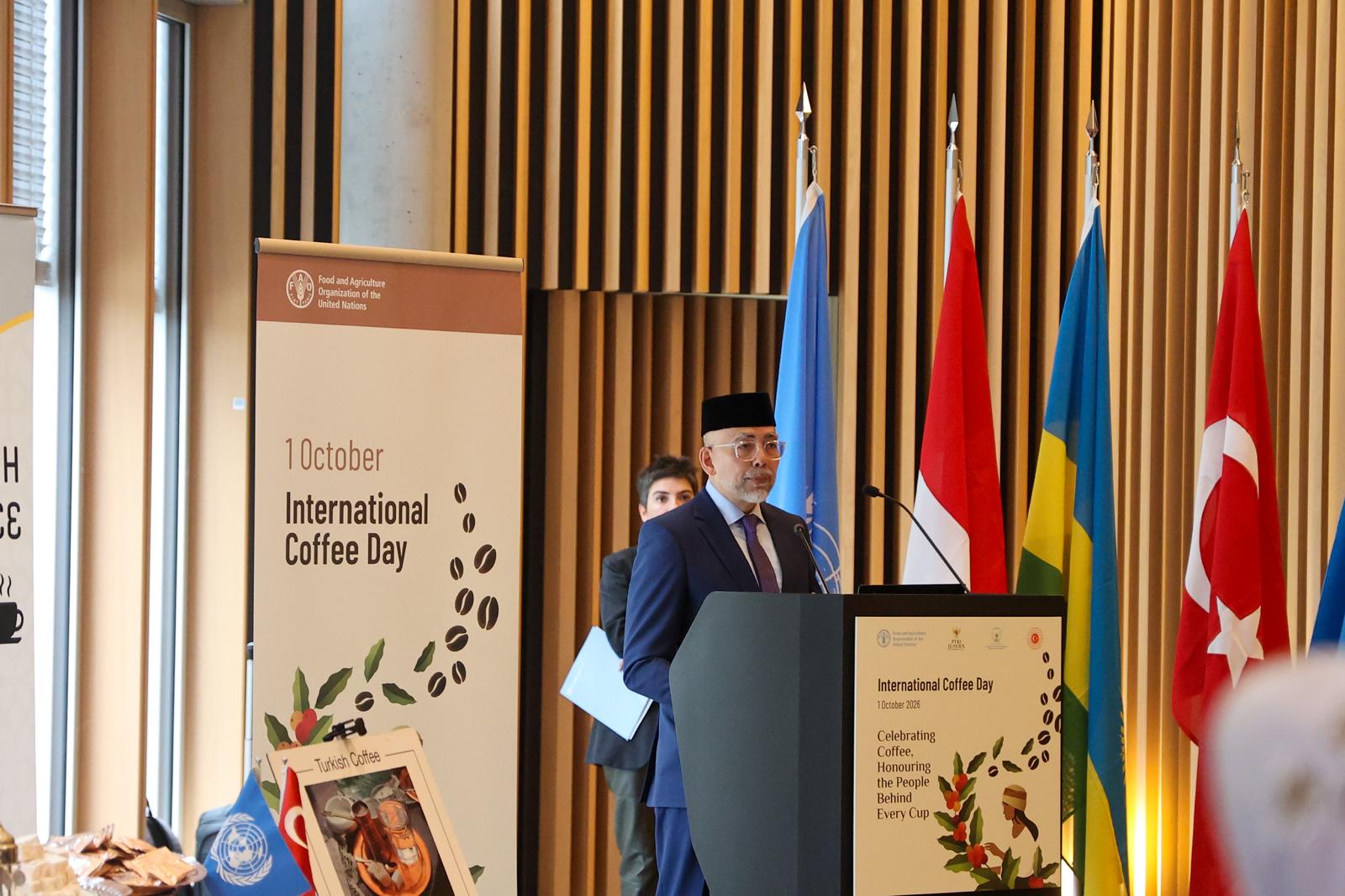
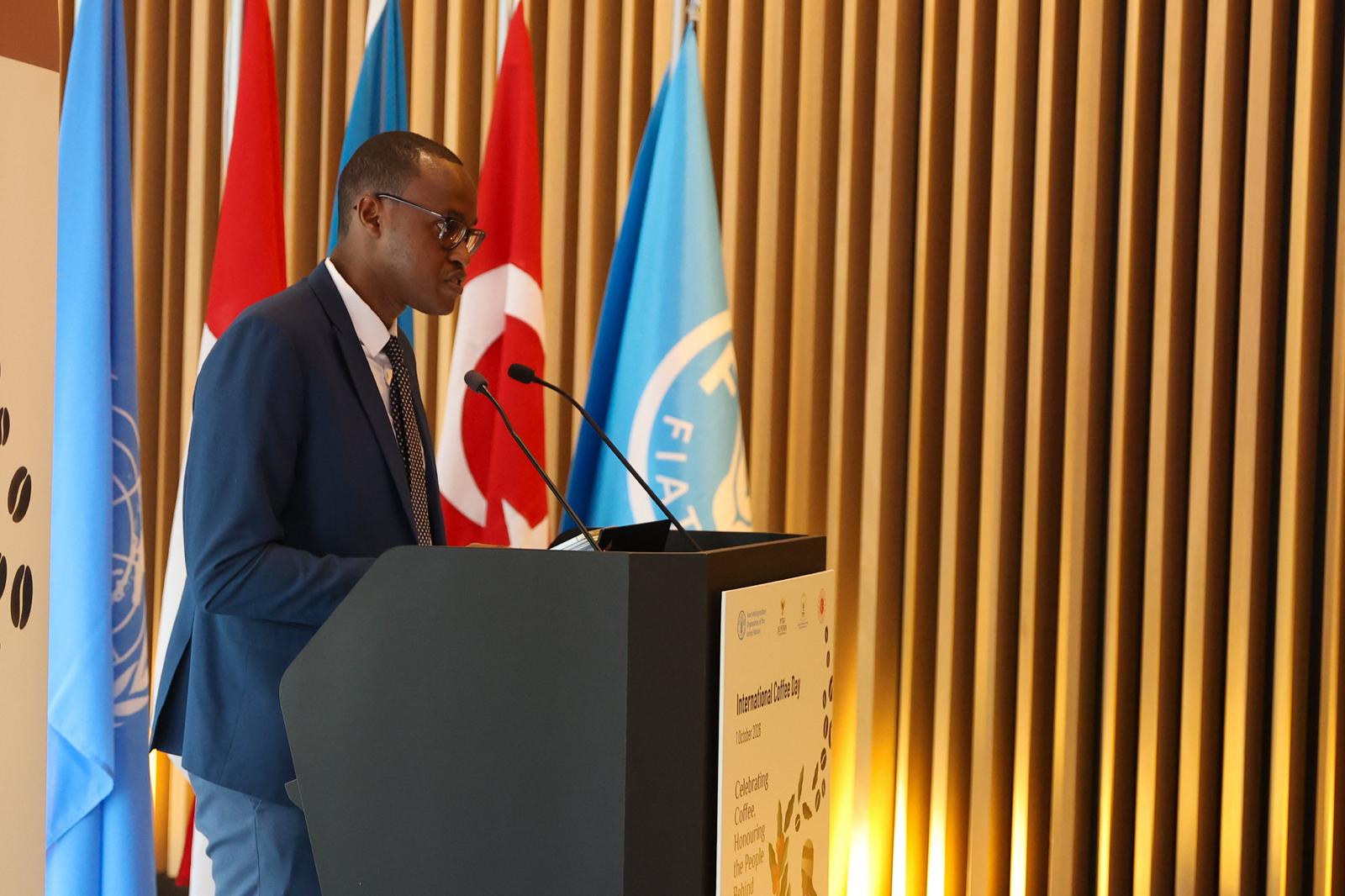
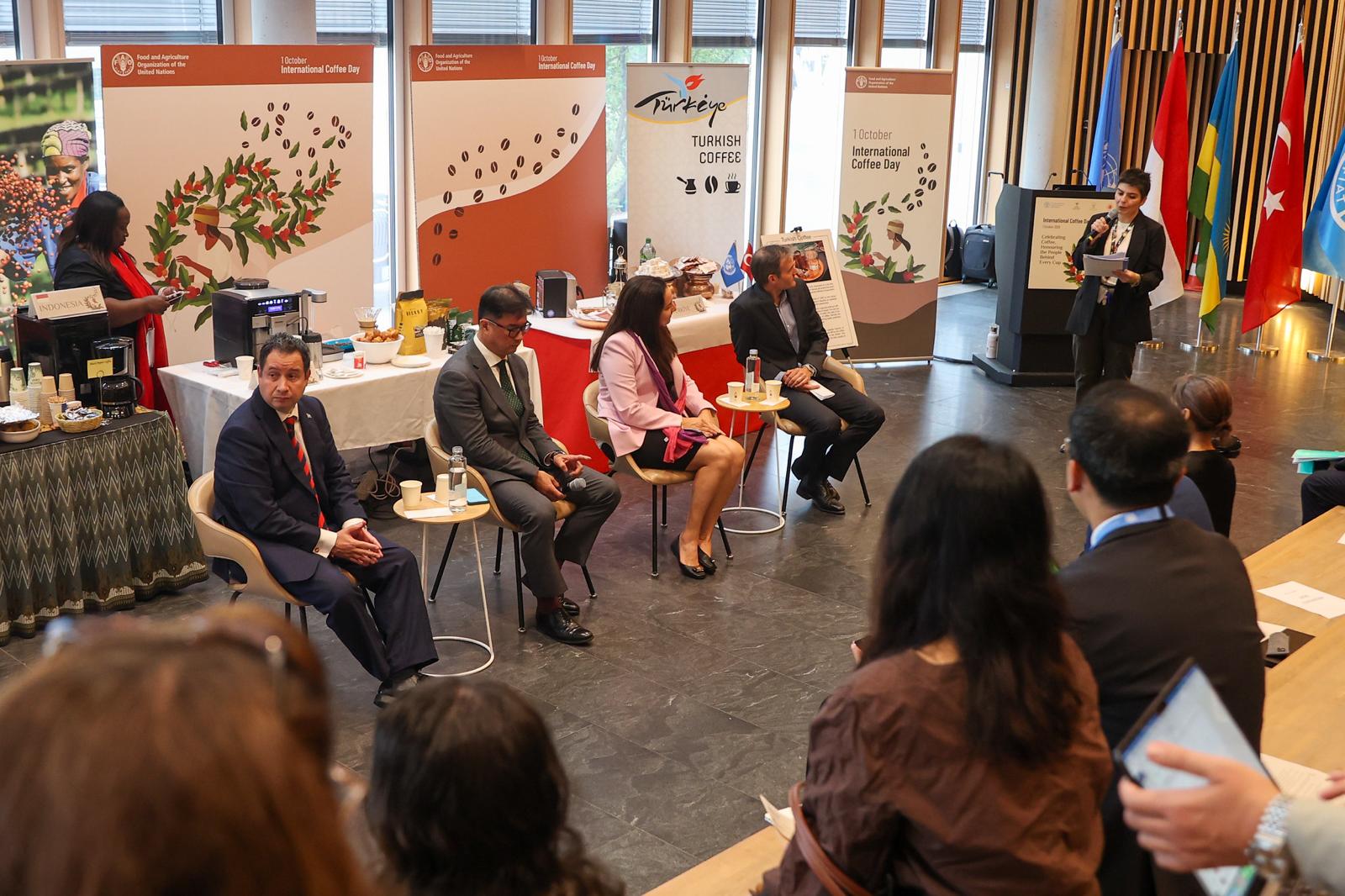
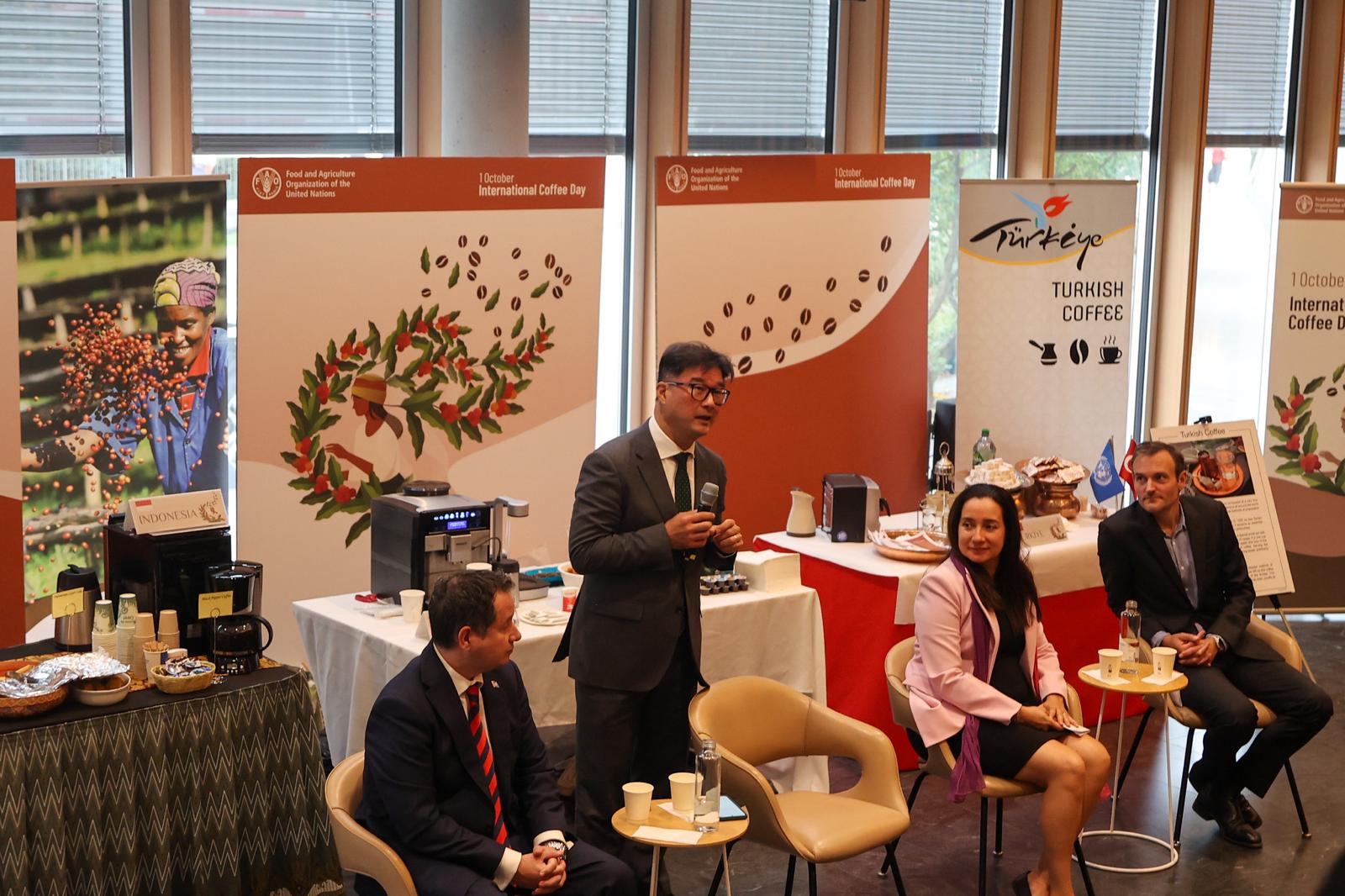
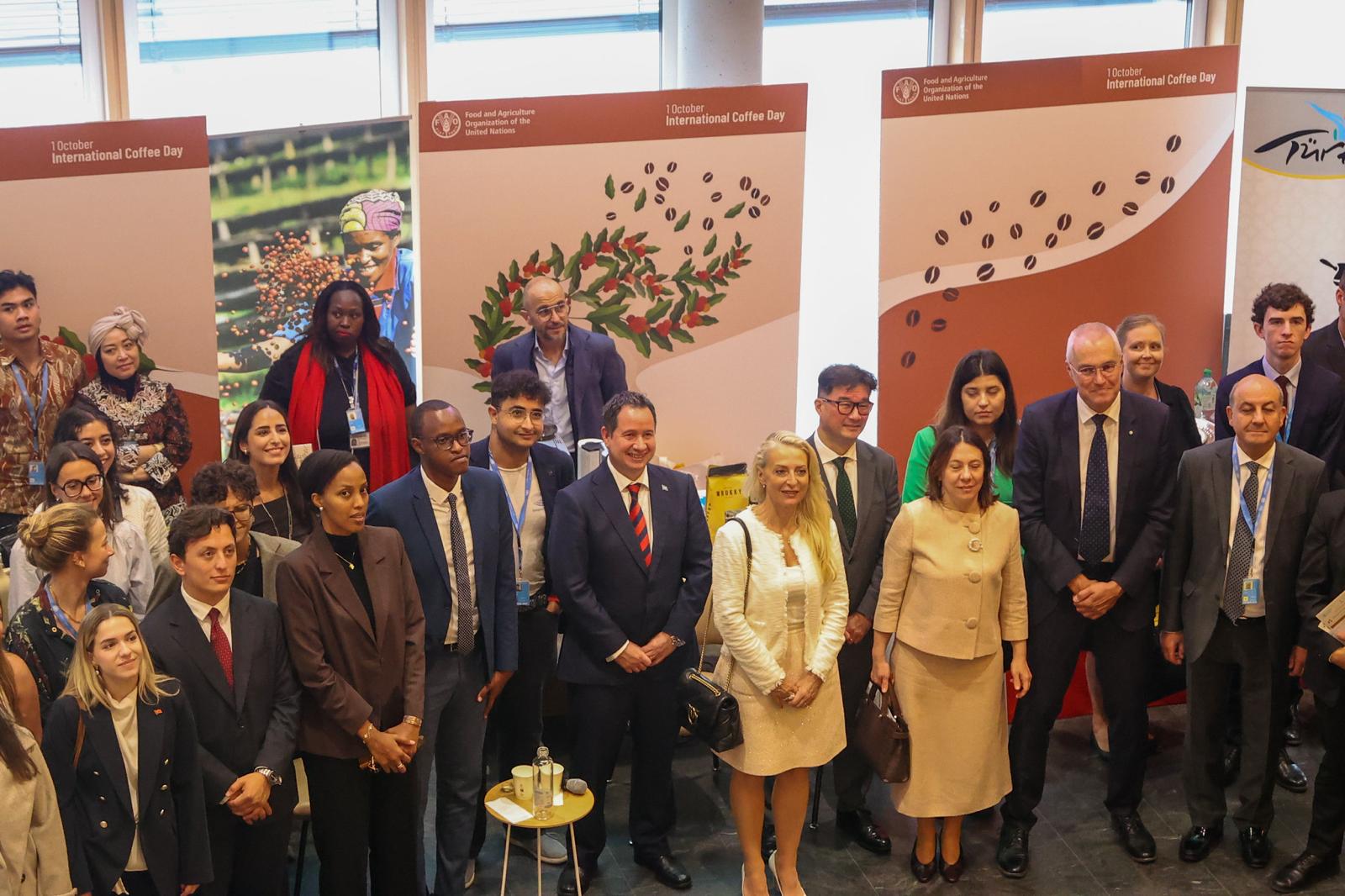
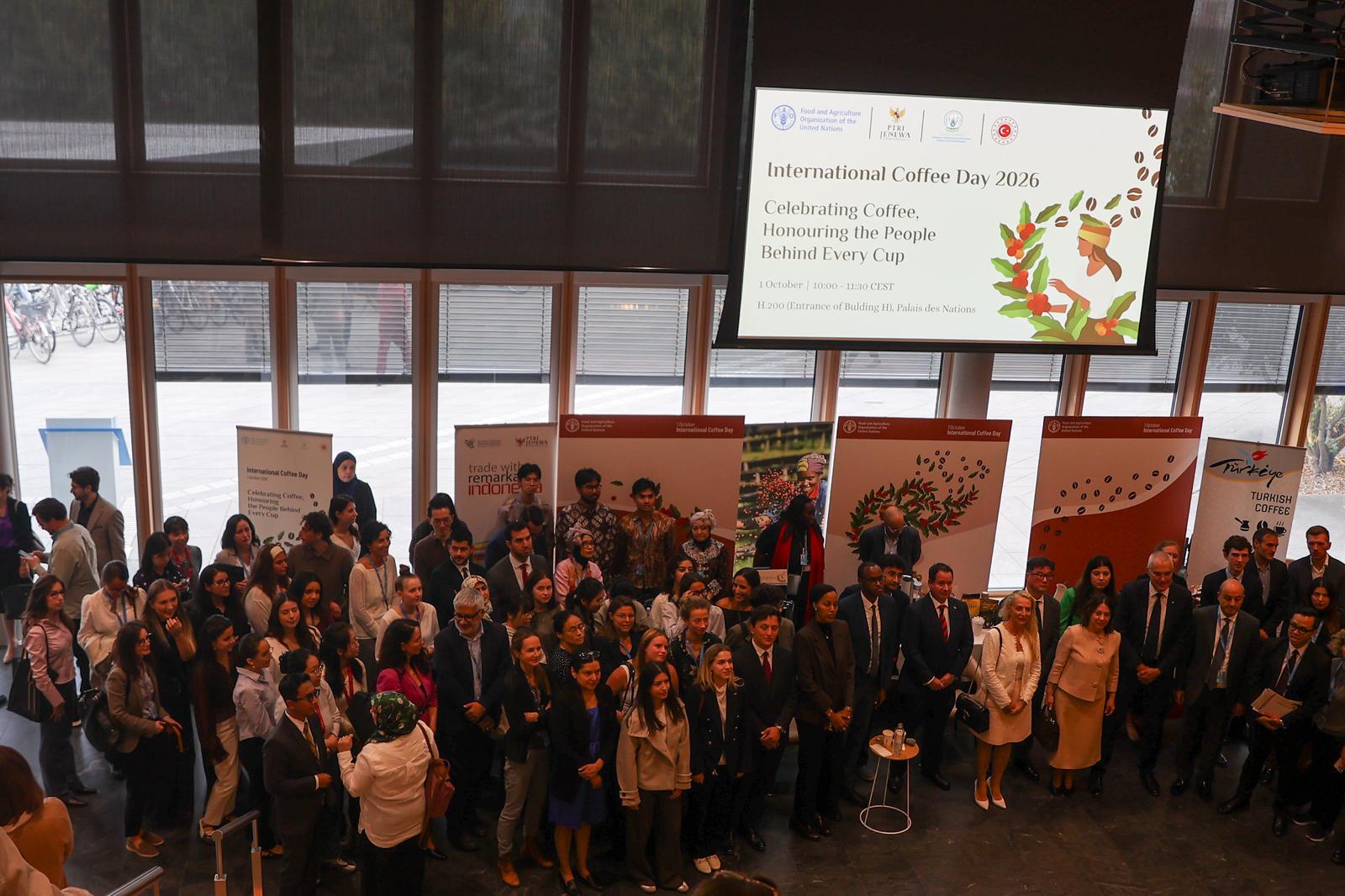
The event held recently brought together the Permanent Missions of Indonesia and Türkiye, the FAO Liaison Office in Geneva, the United Nations Office at Geneva and the Permanent Mission of Rwanda, among other partners.
For Rwanda, coffee represents much more than an agricultural commodity. It is closely linked to the livelihoods, resilience and aspirations of rural communities across the country.
Rwanda’s coffee sector has undergone significant transformation, with increasing emphasis on quality, origin and value creation rather than simply export volumes.
The country has invested in improved farming practices, processing, traceability and access to international markets, with the aim of ensuring that Rwandan coffee is recognised not only for its origin, but also for its distinctive quality and the story behind it.
Putting farmers at the centre
A key message from Rwanda was the importance of ensuring that farmers benefit more from the value generated throughout the coffee value chain.
Every cup of coffee reflects the work of farming families involved in cultivating, harvesting and processing the crop. Their contribution remains fundamental to the development of the sector.
Rwanda therefore continues to emphasise the need for greater value to reach the producers whose work makes the entire coffee industry possible.
The event also highlighted the importance of inclusion across the coffee value chain.
Women and young people play important roles as farmers, entrepreneurs, processors and innovators.
Their meaningful participation is essential to developing a coffee sector that is competitive while also being equitable and sustainable.
Strengthening international cooperation
The discussions further highlighted the importance of cooperation among producing countries, consumer markets, businesses, international organisations and consumers.
Such cooperation can contribute to strengthening sustainability, improving traceability, expanding market access and supporting decent livelihoods for coffee-producing communities.
The International Coffee Day celebration therefore served not only as an opportunity to celebrate coffee, but also as a platform to reflect on the people and communities behind the product and on the partnerships needed to strengthen the sector.
Rwanda showcases its coffee in Geneva
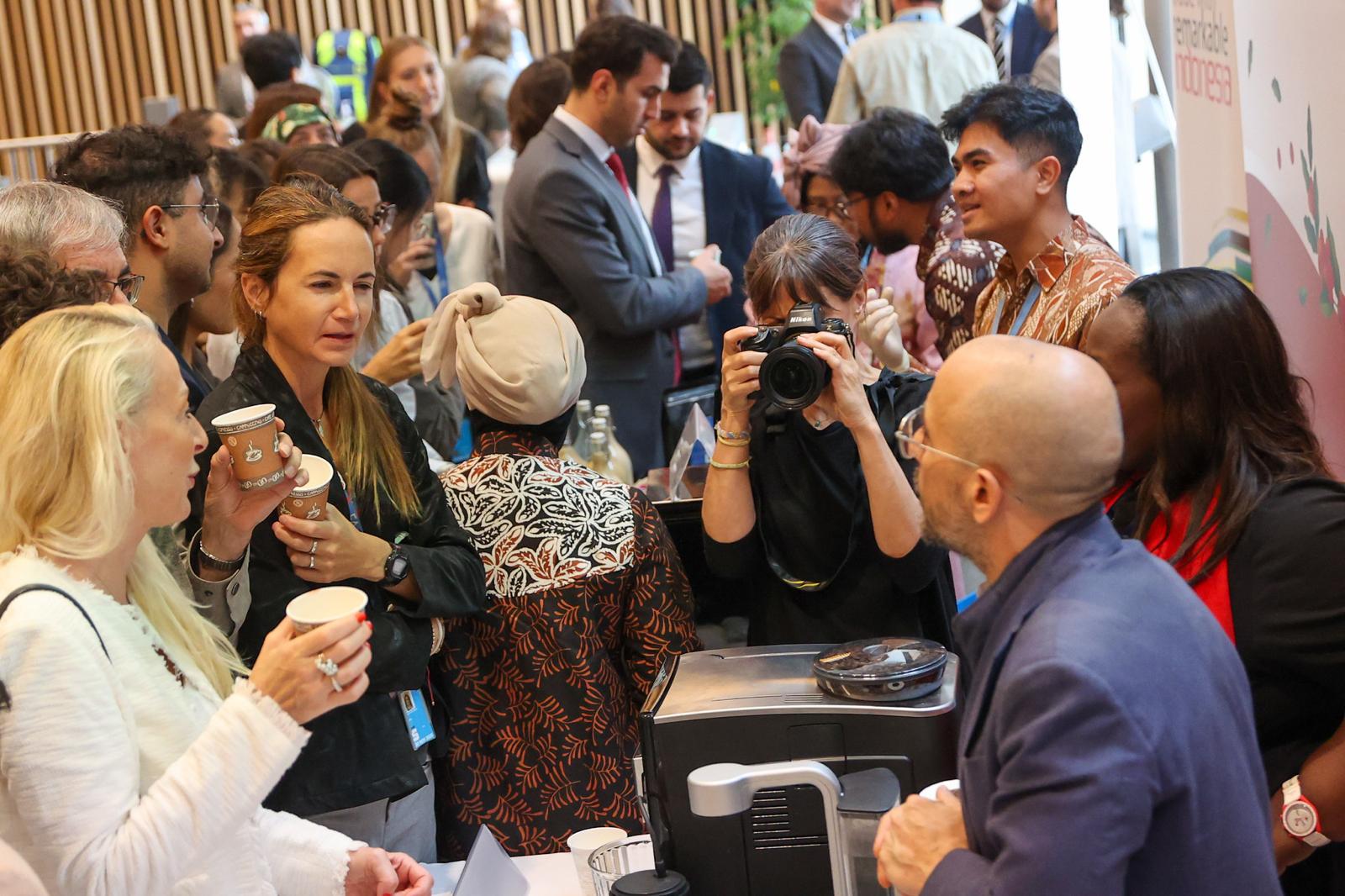
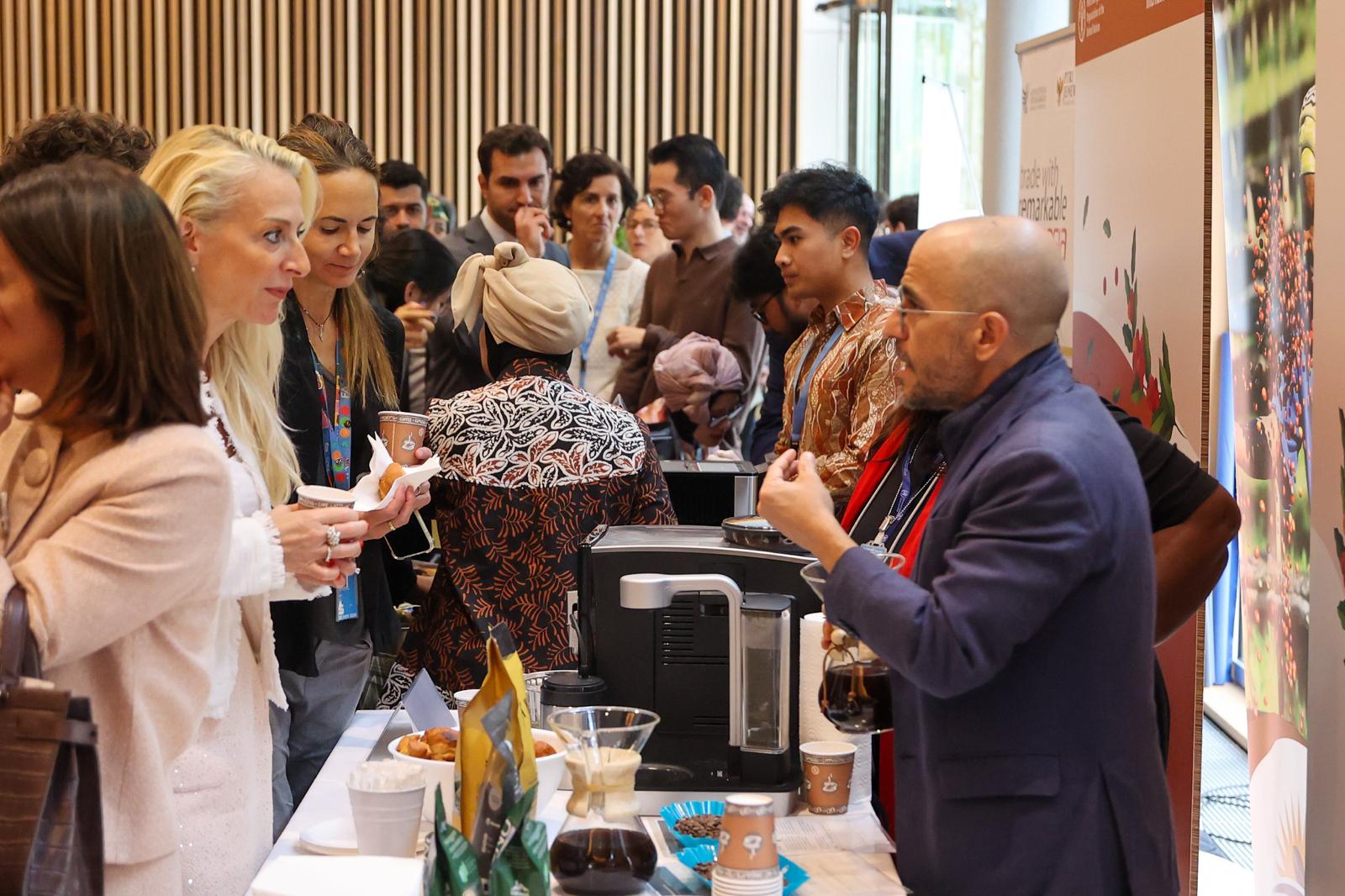
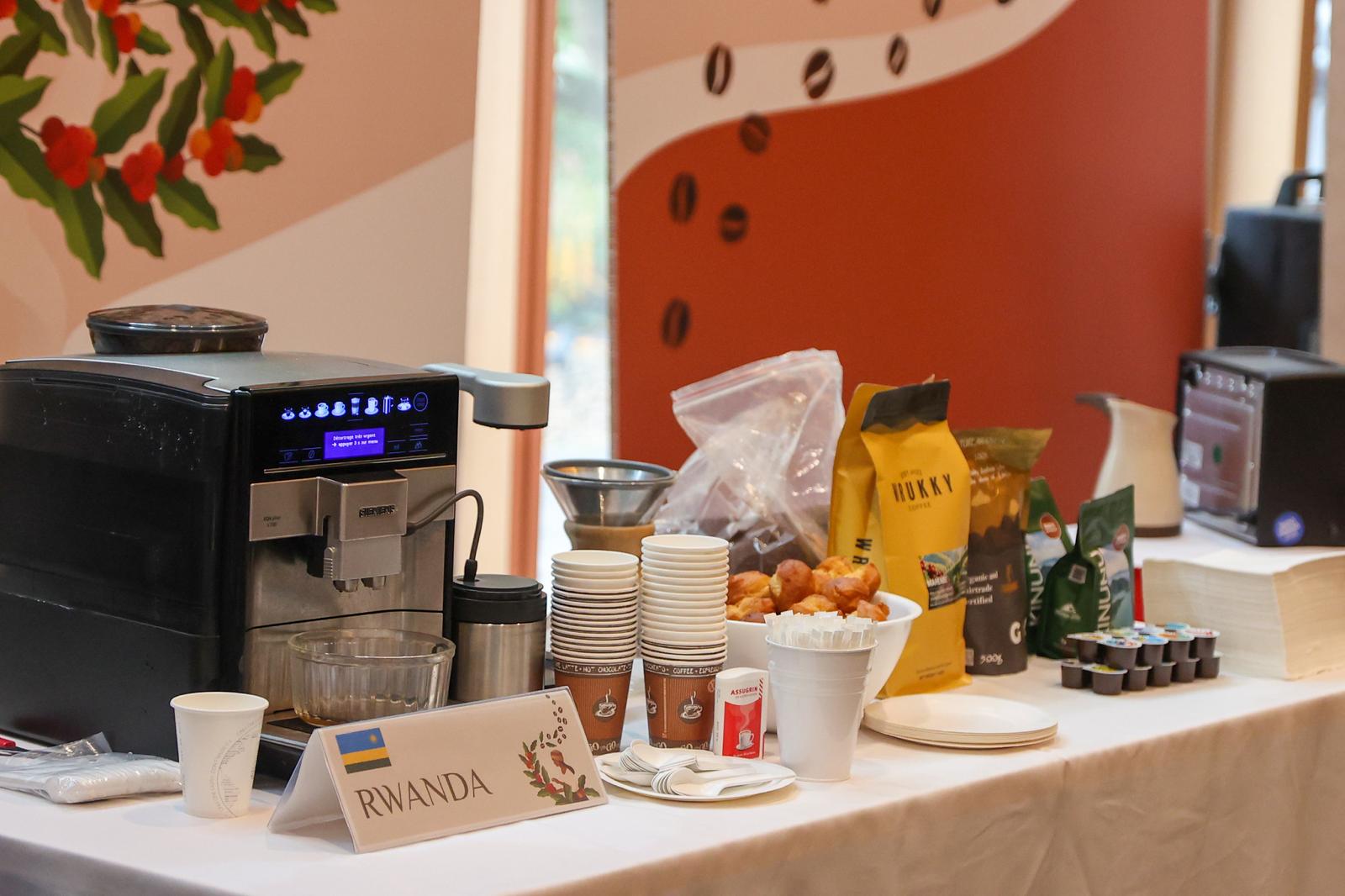
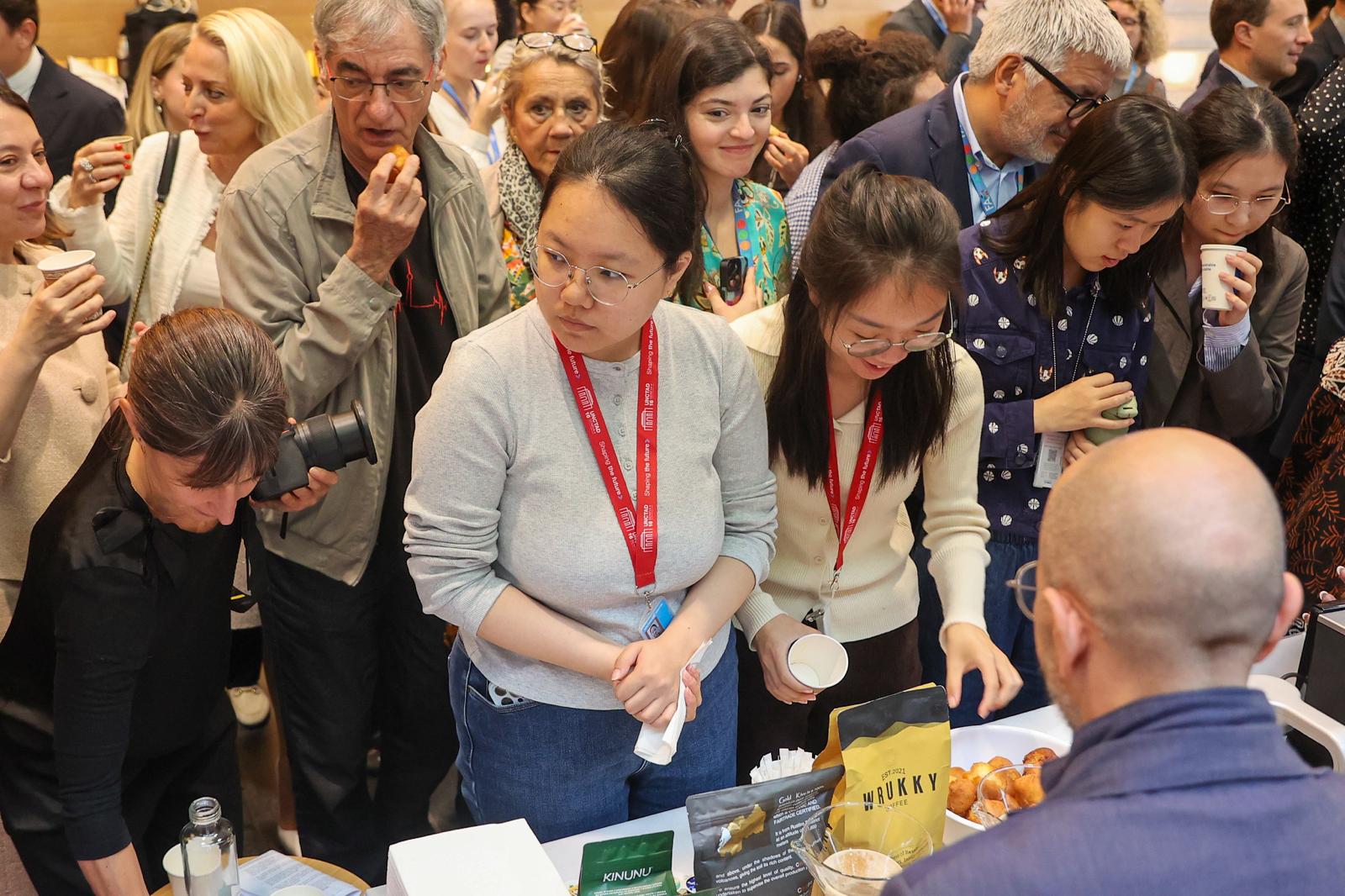
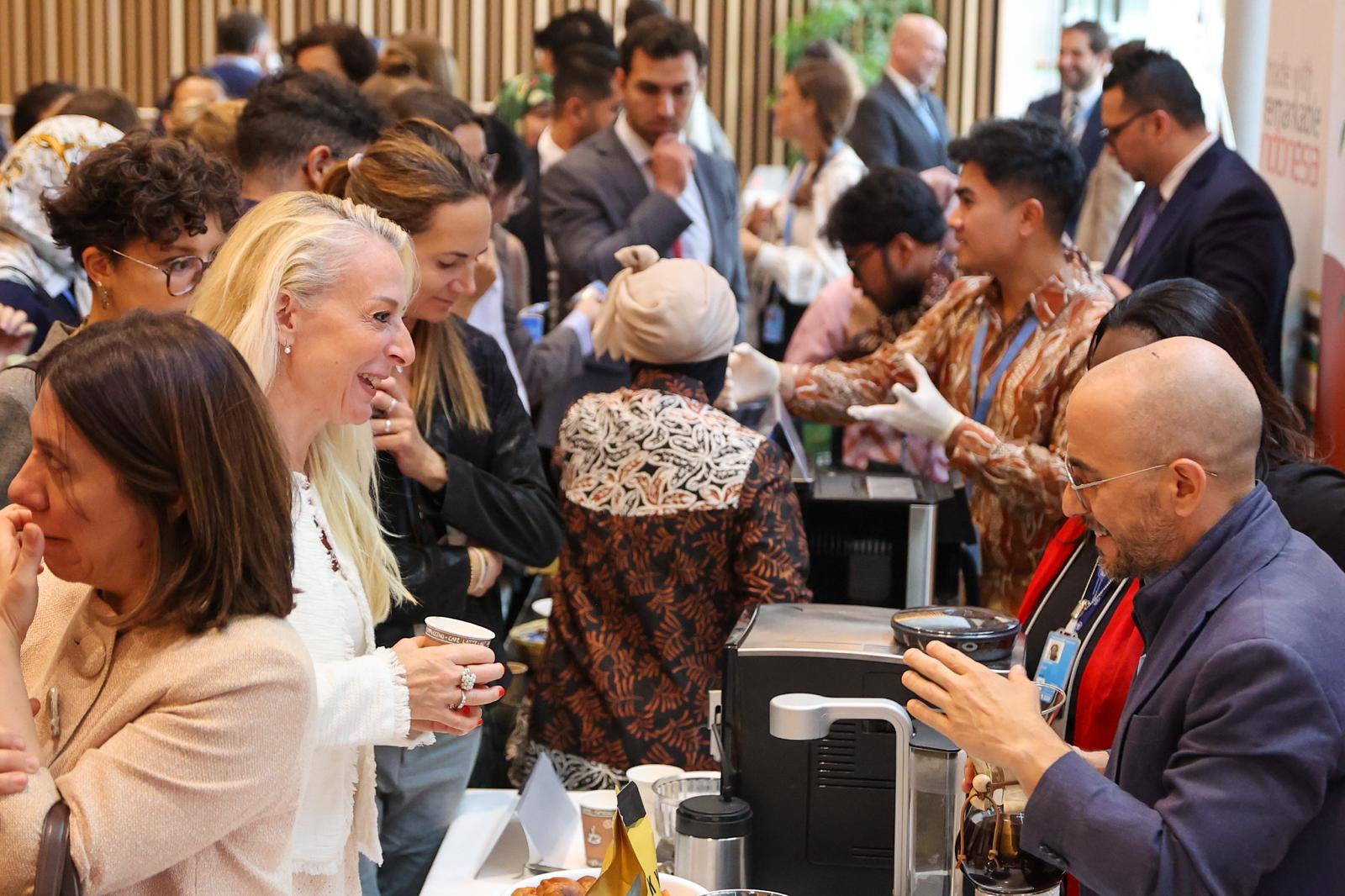
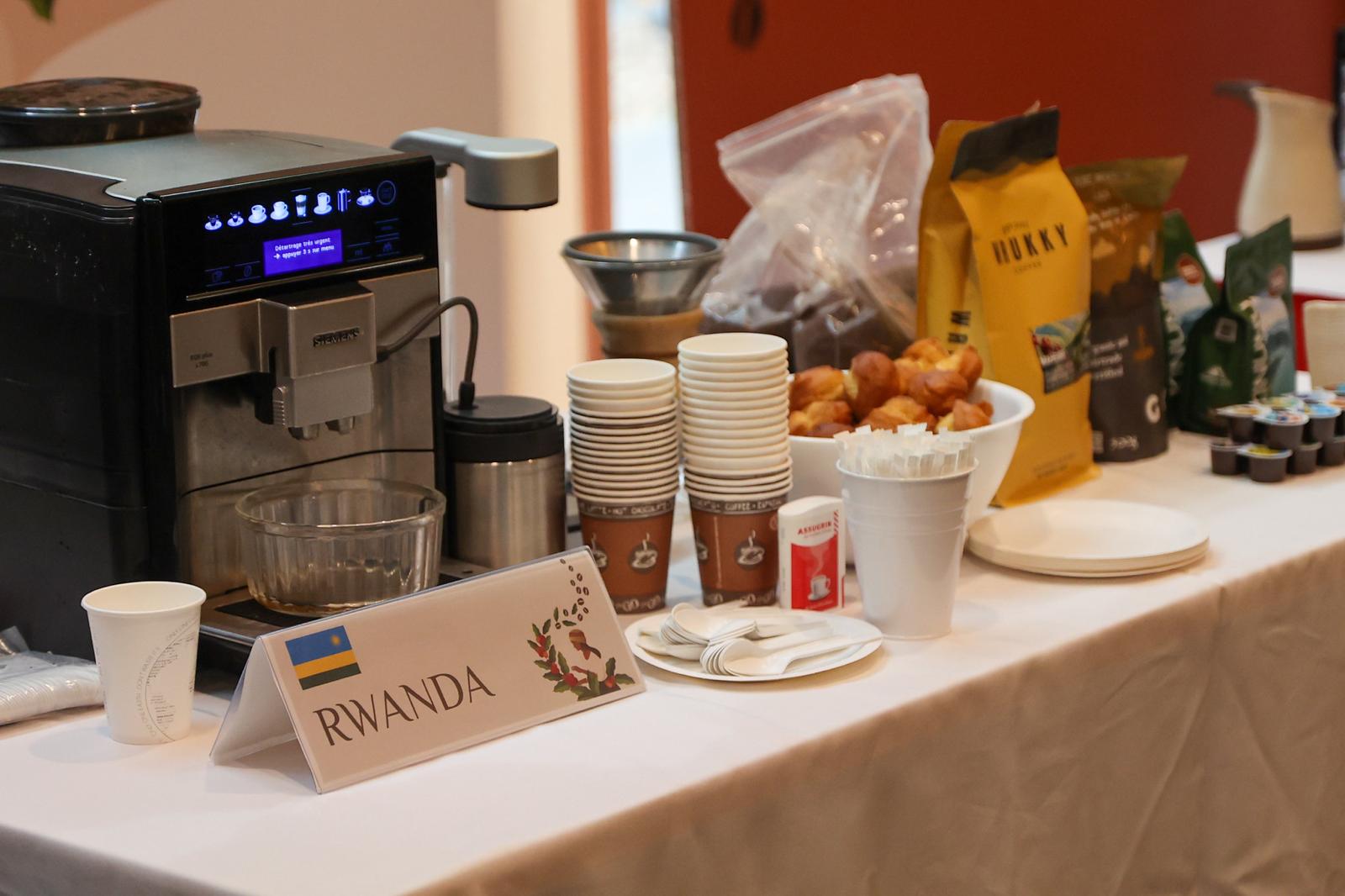
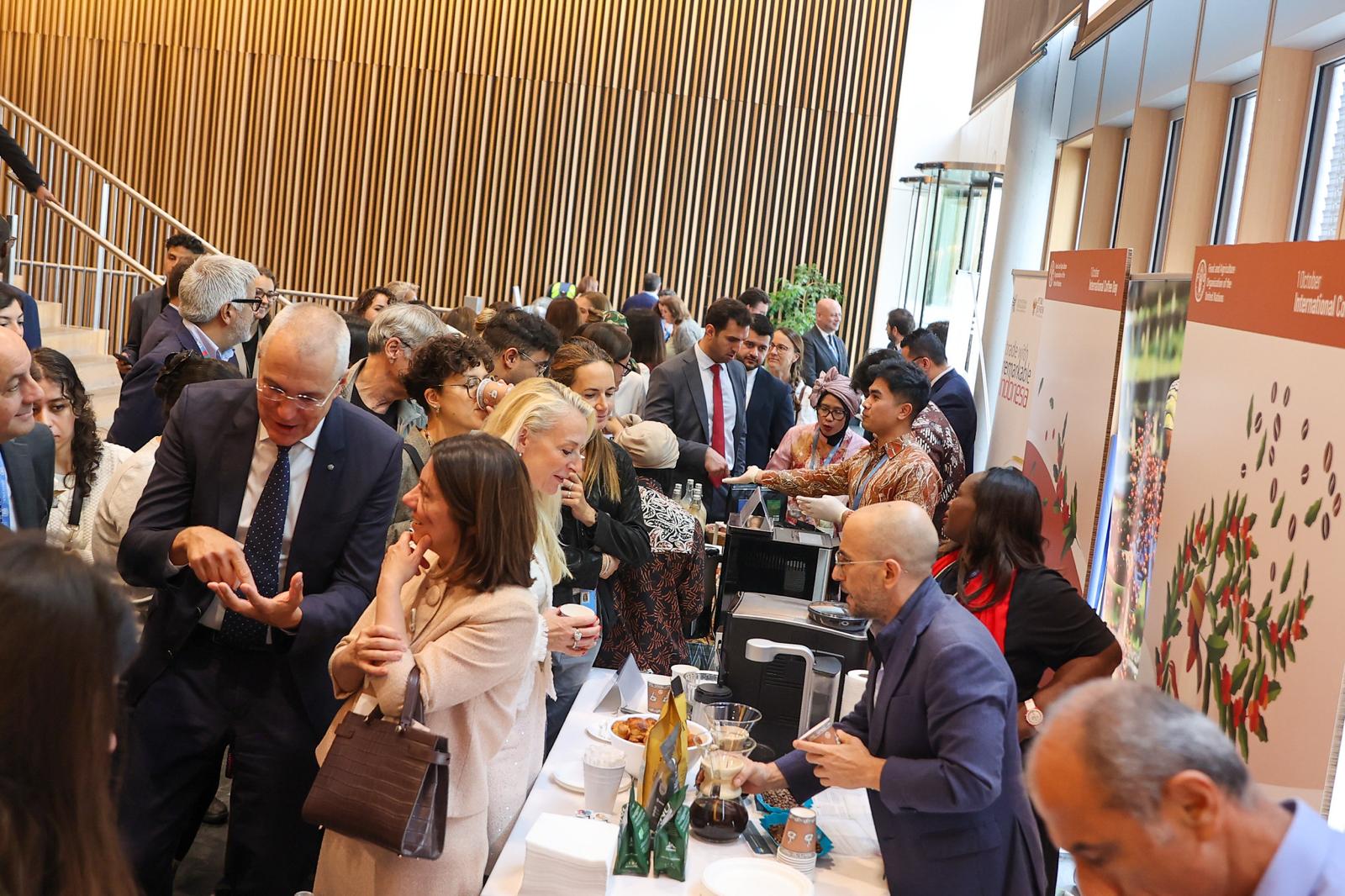
As part of the event, participants were invited to visit the Rwandan coffee table, where they had the opportunity to taste Rwandan coffee and discover its distinctive quality and character.
The showcase provided an opportunity for Rwanda to promote its coffee, share its experience with international partners and engage with stakeholders from across the global coffee value chain.
For Rwanda, the event offered another platform to position its coffee as a product of quality and origin, while drawing attention to the farmers, families and communities whose work remains at the foundation of the sector.
The celebration ultimately placed coffee at the centre of a broader conversation about quality, sustainability, inclusion, value creation and the future of the communities that produce it.

Loading comments...
Leave a comment