



The platform is being developed by the National Bank of Rwanda (BNR) in partnership with the Rwanda Information Society Authority (RISA), the Ministry of Agriculture and the Ministry of Local Government, with support from Access to Finance Rwanda.
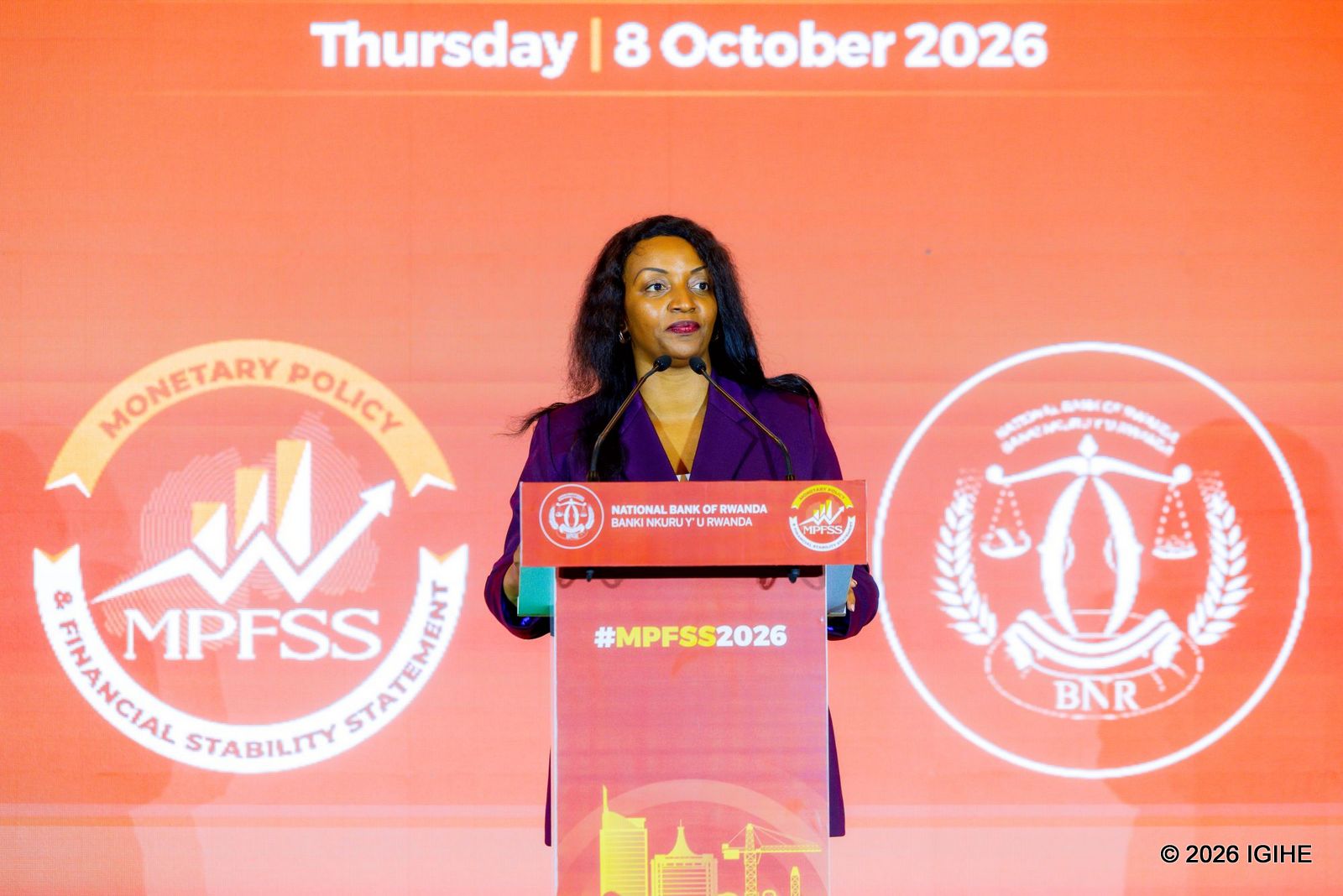
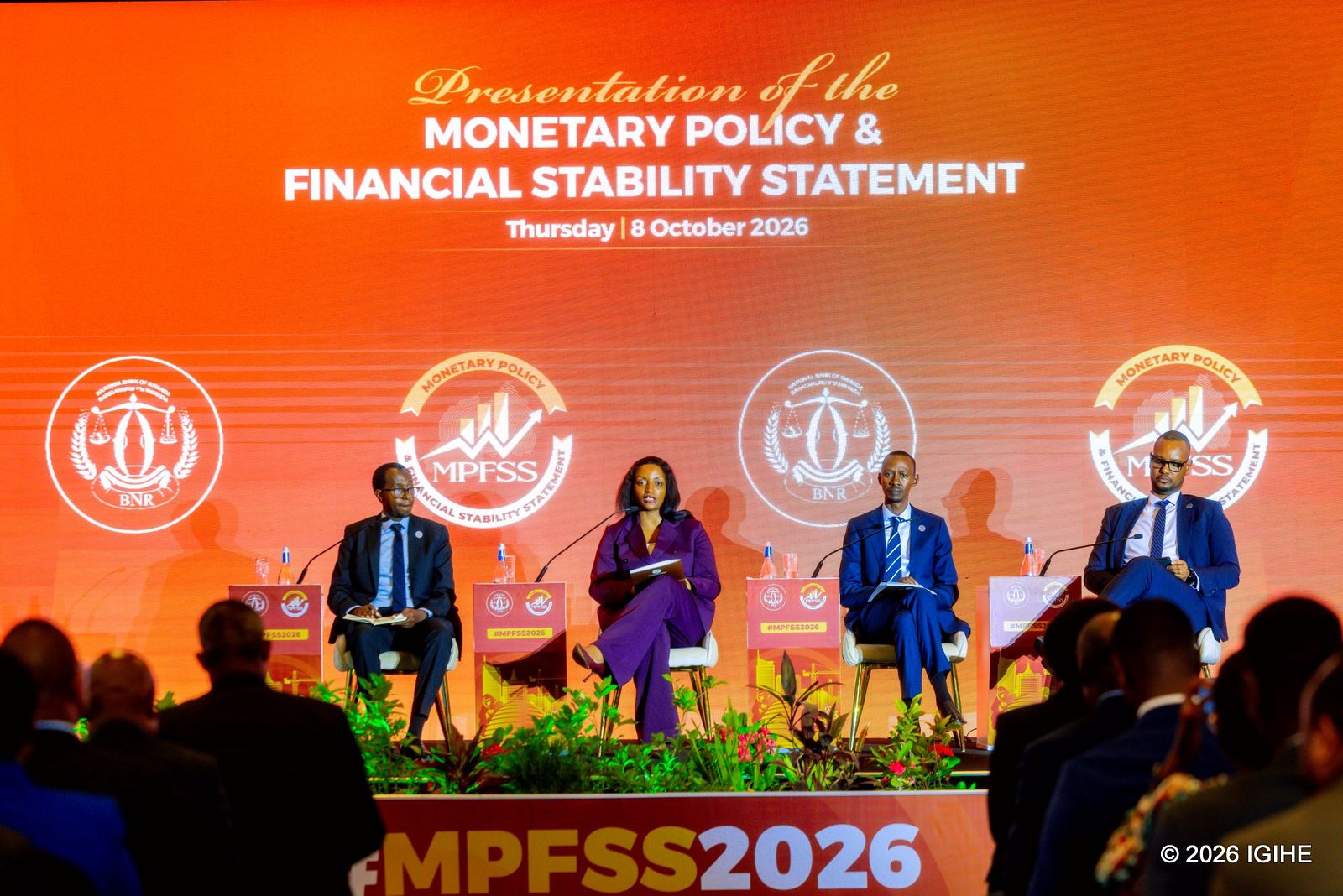
BNR Governor Soraya Hakuziyaremye announced the initiative on Thursday, October 8, during the Monetary Policy and Financial Stability Statement held at Kigali Serena Hotel.
She said the six-month pilot began in September and is being implemented through microfinance institutions Umutanguha Finance PLC and COPEDU, as well as Bank of Kigali and the Development Bank of Rwanda.
“The digital agriculture lending platform is aimed at providing smallholder farmers with loans digitally, but also reducing the turnaround time it takes for farmers to get access to loans,” Hakuziyaremye said.
The pilot will assess how digital technology can simplify the loan application and disbursement process before the platform is rolled out more widely in 2027.
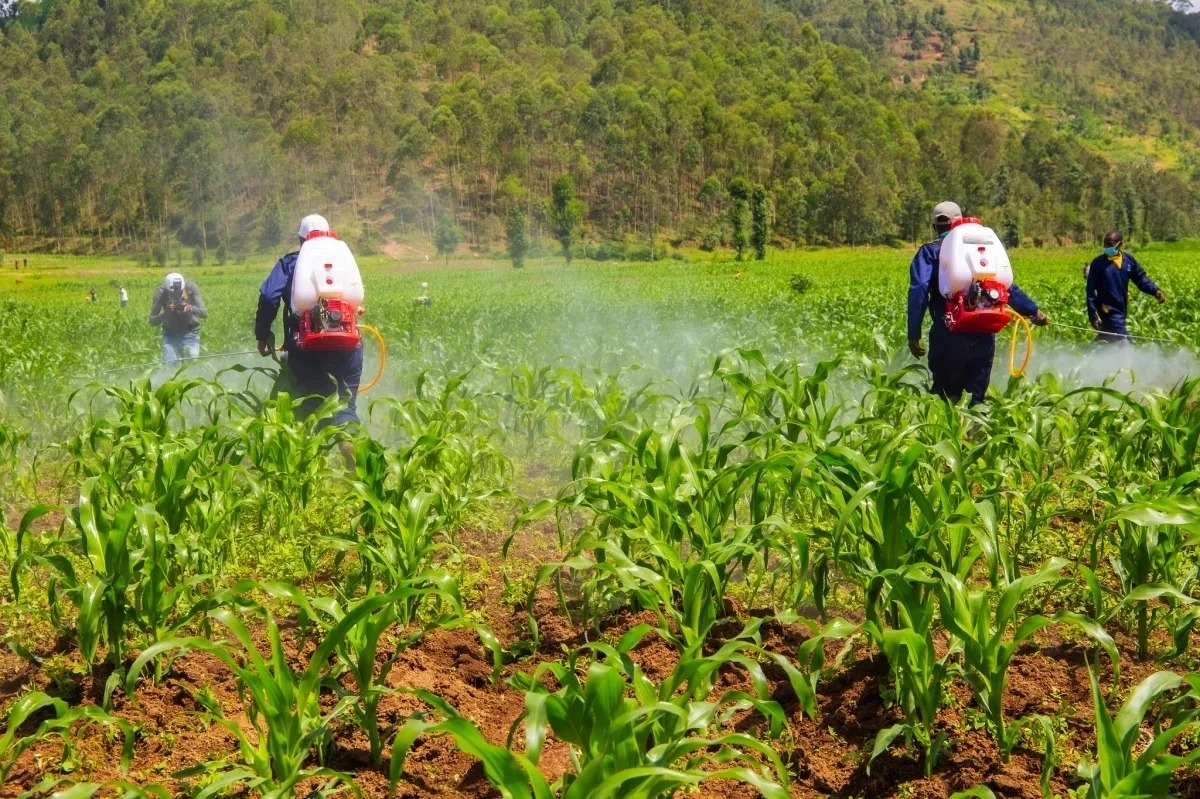
According to BNR, a survey found that farmers currently wait about five to seven weeks to obtain agricultural loans, a delay the central bank considers unsuitable for the sector because farmers often need financing within specific production cycles.
The new platform is expected to allow farmers to apply for and receive loans digitally, cutting the process to less than 48 hours from application to disbursement.
The initiative comes as Rwanda seeks to expand access to formal credit for agriculture, which accounted for 5% of total lending in the first half of 2026, up from 3% a year earlier.
In nominal terms, lending to agriculture increased by 177% to Rwf57 billion during the period.
Despite the increase, Hakuziyaremye said agriculture lending remains below the level needed to adequately support the sector.
The digital platform is expected to address some of the barriers that have limited farmers' access to formal credit, including lengthy application and approval processes.
The initiative is part of broader efforts by financial sector regulators and government institutions to use digital infrastructure to expand access to financial services.
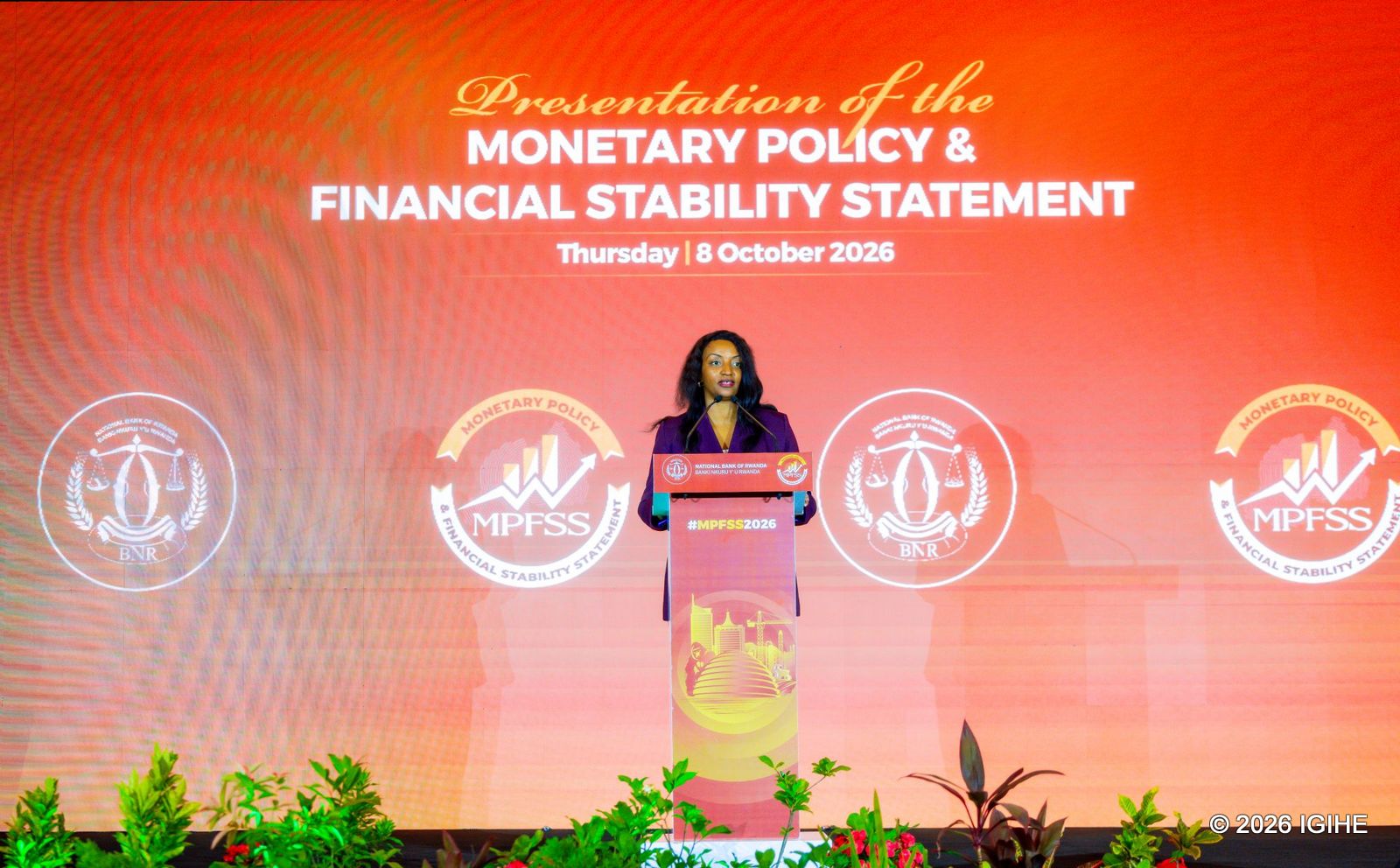
The announcement came as BNR presented an overview of Rwanda's economic and financial performance during the first half of 2026.
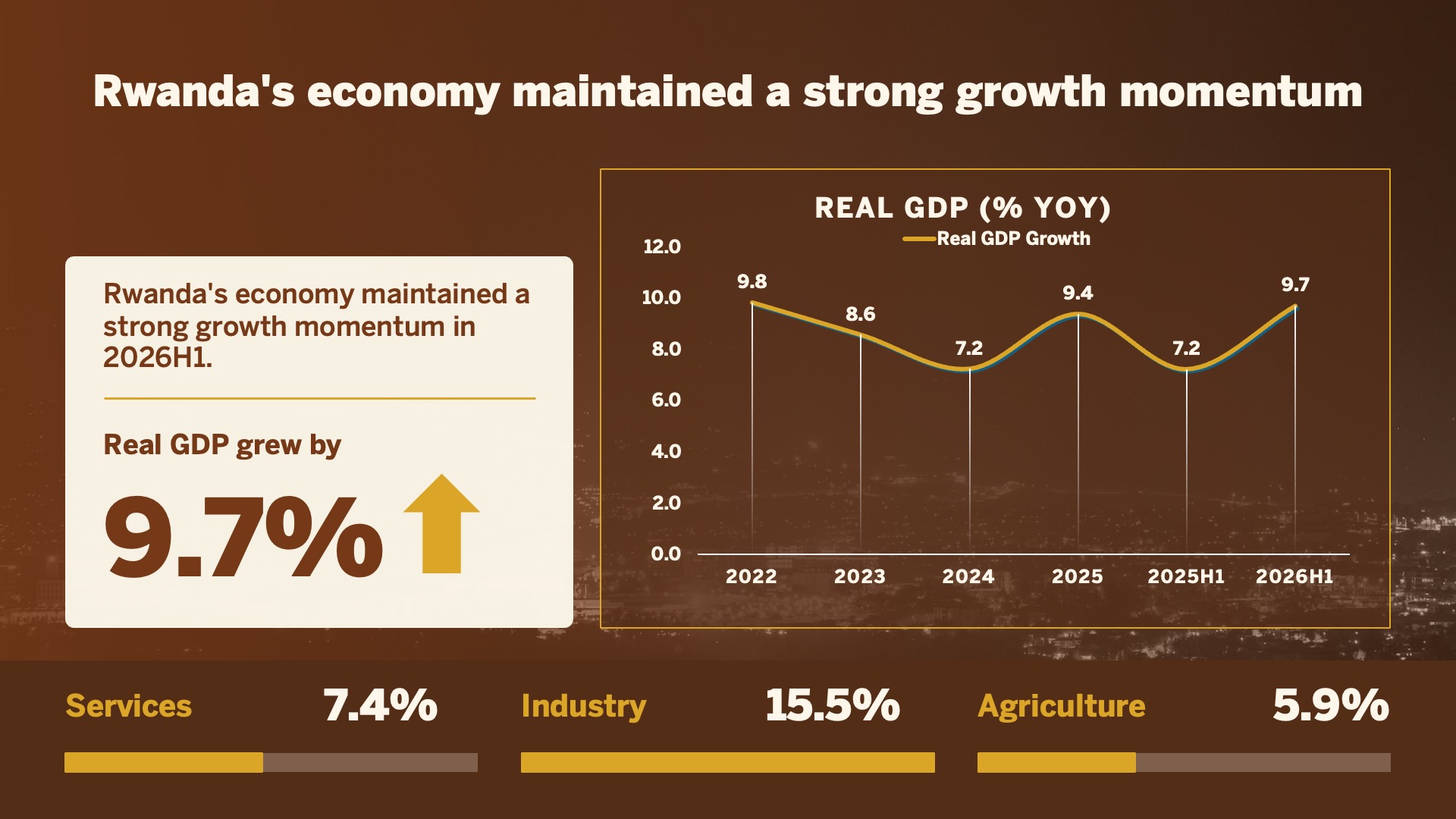
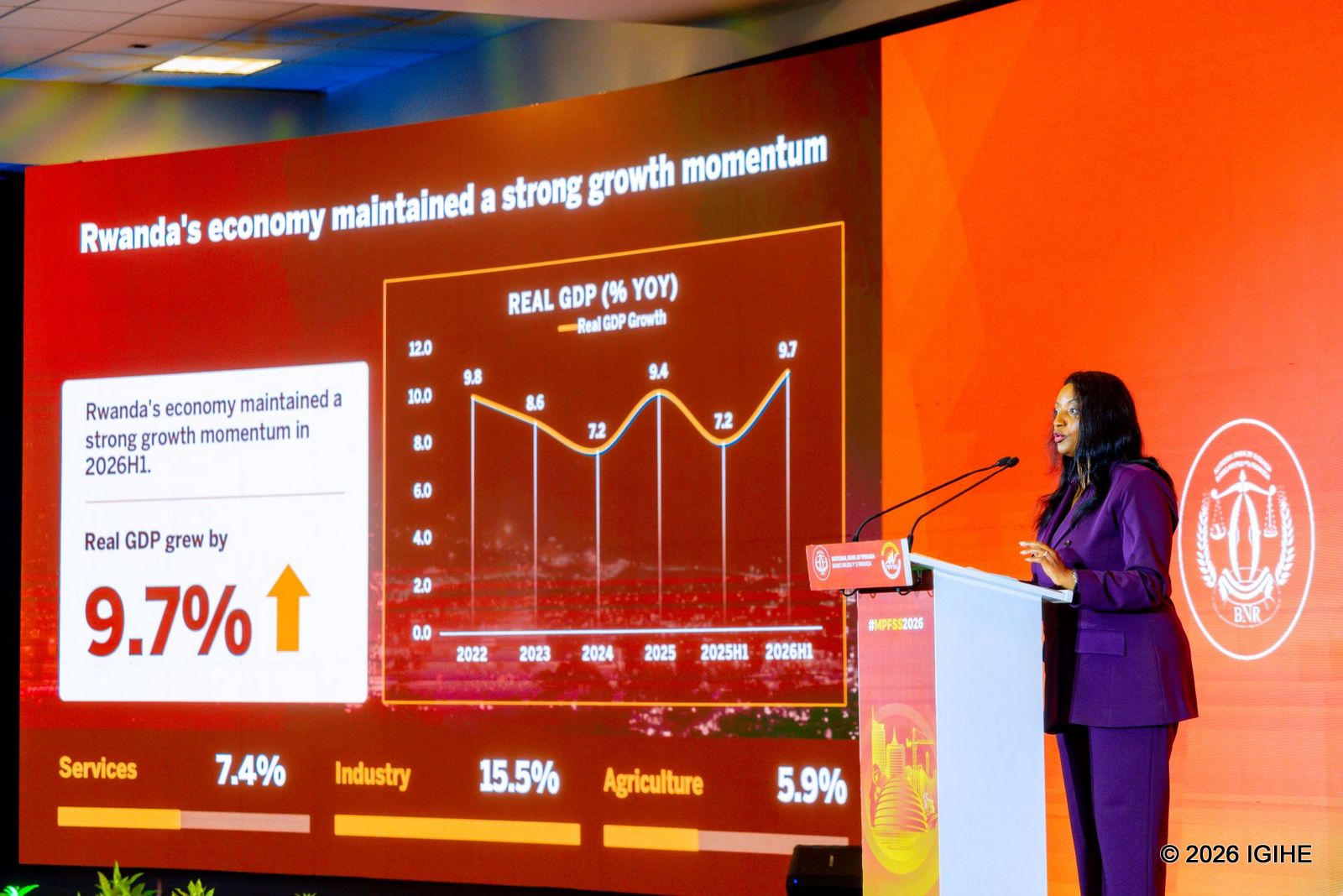
The economy grew by 9.7% during the first six months of the year, with industry leading growth, followed by services. The central bank expects the economy to grow by 7.8% for the full year.
However, inflation remained a key concern, averaging 11.2% in the first half of the year before rising to 15.7% in August, driven mainly by higher food, energy and transport prices. BNR expects inflation to average about 13.9% in 2026 before easing below the upper target band of 8% in the second half of 2027.
The financial sector also continued to expand, with total assets rising by nearly 23% to Rwf17.5 trillion in the first half of the year. Bank lending increased by 22% to Rwf6 trillion.
The briefing was attended by delegations from the central banks of Kenya, Uganda, Zambia, Tanzania, Egypt, Somalia, South Sudan and Sweden, which were visiting Rwanda for benchmarking
Hakuziyaremye said Rwanda's financial system remains resilient, supported by adequate capital and liquidity buffers, while warning that geopolitical uncertainty, cyber risks and fraud remain key risks that the central bank will continue to monitor.
BNR said the results of the agricultural lending pilot will inform the planned nationwide rollout of the platform in 2027.






Loading comments...
Leave a comment