



The urban index, which serves as the headline measure for monetary policy, rose 2.7 percent on a monthly basis compared to August 2026. The annual average inflation rate between September 2026 and September 2025 stood at 11.5 percent, while the annual average underlying inflation rate was 10.5 percent.
Nationally, the overall Rwanda CPI increased by 20 percent year-on-year and 5 percent month-on-month. Rural inflation rose 22 percent annually and 6.5 percent from August, with rural food and non-alcoholic beverages up 10.6 percent on the month and rural vegetables up 16 percent.
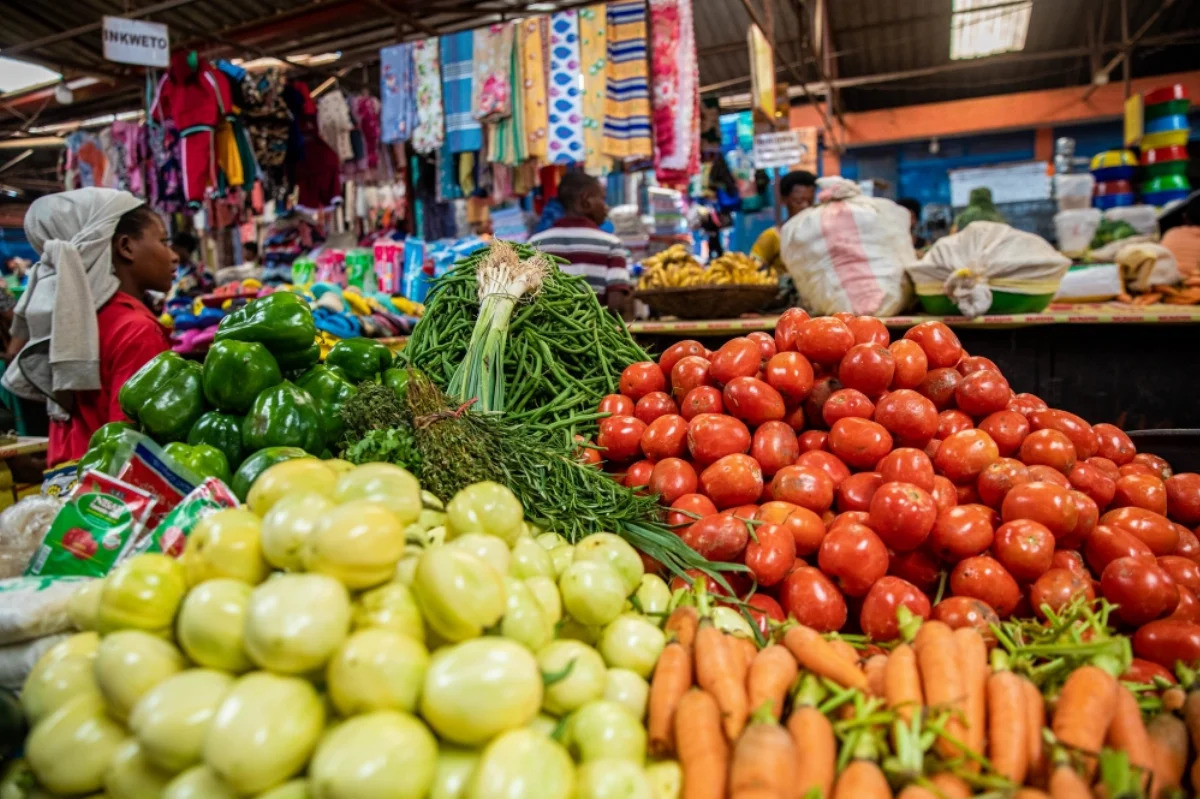
Food and non-alcoholic beverages, the largest component of the urban basket at 27 percent weight, increased 20.9 percent annually and 5.3 percent monthly, making it the biggest driver of September’s monthly rise. Vegetables rose 35.1 percent year-on-year and 10.9 percent in a single month, while meat prices were up 33.6 percent annually but eased 1.8 percent from August.
Transport and housing costs remain elevated. Urban transport prices rose 22.4 percent year-on-year and 0.2 percent month-on-month, while housing, water, electricity, gas and other fuels rose 18.3 percent annually and 0.1 percent monthly. Restaurants and hotels rose 18.9 percent year-on-year and 2.8 percent on the month.
NISR’s core index, which strips out fresh food and energy prices to capture underlying price trends, rose 11.4 percent year-on-year and 1.3 percent month-on-month. Fresh products rose 27.9 percent annually and 7.7 percent monthly.
The energy index rose 45 percent annually and 0.2 percent monthly, while the local goods index increased 19.8 percent and the imported goods index rose 9.7 percent over the same period. On a monthly basis, local goods rose 3.4 percent and imported goods 0.5 percent.
NISR’s CPI is based on a basket of 1,622 products, with more than 29,482 prices collected each month in urban areas and 10,744 in rural areas. The urban CPI serves as the headline index for monetary policy purposes.
Loading comments...
Leave a comment