



The latest figures represent a continued acceleration in consumer prices, with the annual urban inflation rate rising from 7.1% in October 2025 to 19.5% a year later. The urban Consumer Price Index (CPI) serves as Rwanda’s headline inflation measure for monetary policy purposes.
On a monthly basis, urban consumer prices increased by 3.3% in October, compared with 2.7% in September, reflecting mounting pressure on household expenditure.
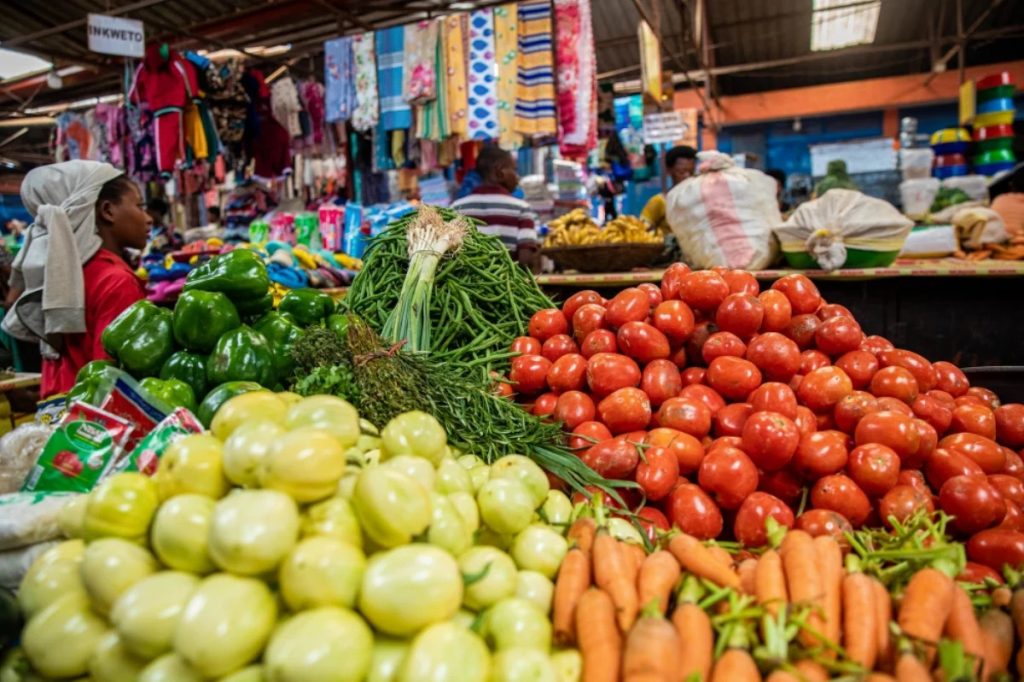
Food and non-alcoholic beverages recorded the biggest increase among major consumption categories, rising by 28.9% year-on-year and 7.8% compared with September.
Vegetables were the main contributor to food price increases, with their prices climbing by 56.4% over the year and 16.5% in October alone. The category accounts for 9% of the urban consumer basket.
The pressure was even greater in rural areas, where annual inflation reached 31.3% in October, up from 22% in September. Rural food prices increased by 43.5% year-on-year, while vegetable prices surged by 65.7%.
At the national level, annual inflation rose to 26.5% in October, compared with 20% in September. Consumer prices across the country increased by 6.5% month-on-month.
Beyond food, transport prices in urban areas increased by 22.4% year-on-year, while restaurants and hotels recorded a 20.6% increase. Housing, water, electricity, gas and other fuels rose by 14.2%.
NISR's analysis also showed that prices of locally produced goods increased by 22.8% annually, compared with 9.5% for imported goods. Fresh products recorded an annual increase of 39.9%, while energy prices rose by 36.3%.
Meanwhile, underlying inflation, which excludes fresh food and energy to provide an indication of broader price movements, increased by 11.5% year-on-year and 0.8% month-on-month.
The latest figures come amid efforts by the National Bank of Rwanda (NBR) to contain inflation through tighter monetary policy. In August, the central bank raised its benchmark interest rate by 50 basis points to 8.75%, the third consecutive increase in 2026.
The move followed earlier increases of 50 basis points in February and 100 basis points in May. The central bank said the adjustments were intended to anchor inflation expectations and bring price growth back within its target range of 2% to 8%.
The NBR projected inflation to average 13.1% in 2026 before declining to 7.9% in 2027, with a return to its target range expected in the second half of 2027.
The average annual urban inflation rate over the 12 months ending October 2026 stood at 12.5%, while the corresponding average underlying inflation rate was 10.7%.
NISR calculates the Consumer Price Index using a basket of approximately 1,622 products, collecting more than 29,482 prices monthly in urban areas and 10,744 in rural areas.
Loading comments...
Leave a comment