



The evidence synthesis by INCLUDE, drawing on country case studies from Benin, Ghana, Rwanda, Somalia and South Africa, found that skills development is important but cannot by itself ensure that young people benefit from emerging opportunities in the agri-food sector.
The findings were presented at the Africa Food Systems Forum 2026 in Kigali by Brian Kithinji, a Research Consultant at INCLUDE and Executive Director of Policy Action Initiative in Kenya.
“Skills entrepreneurship is important for young people to be able to engage and benefit from agri-food systems, but more importantly, the structural issues are,” Kithinji said.
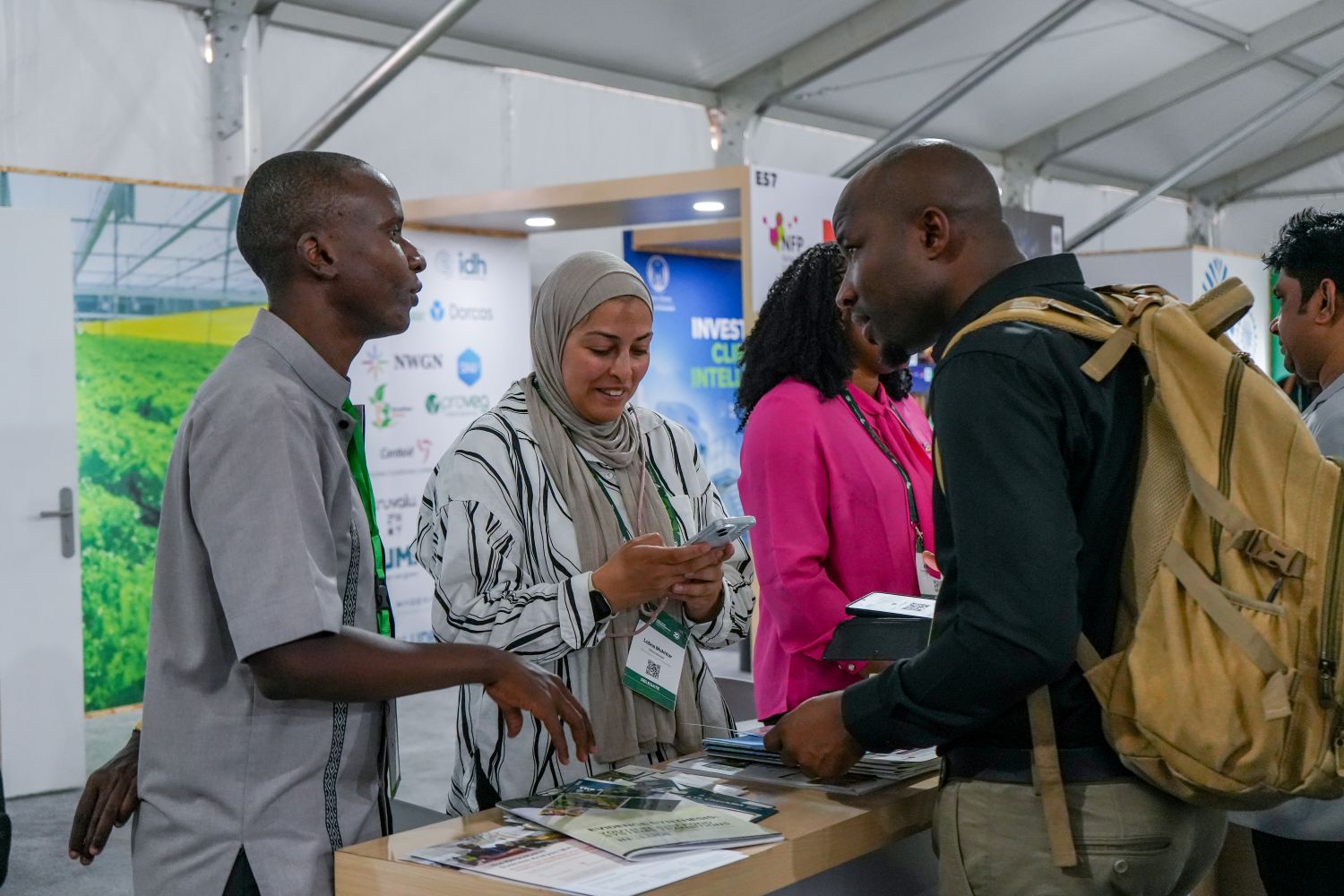
He pointed to access to finance, land and markets, gender-related barriers and regulatory requirements such as licensing and certification as some of the factors that continue to shape young people's ability to enter and grow businesses in food systems.
The findings come as African governments and investors are placing greater emphasis on agriculture and food systems as engines of employment, resilience and economic growth.
While opening the forum in Kigali this week, Prime Minister Dr. Justin Nsengiyumva urged young Africans to view agriculture as a modern sector offering opportunities in entrepreneurship, technology and investment rather than as a last resort.
“Our youth should start seeing agriculture not as a sector of last resort, but as a modern and dynamic sector full of opportunities,” Nsengiyumva said.
He highlighted opportunities beyond primary farming, including irrigation, energy, mechanisation, digital services, insurance, processing and retail.
The Prime Minister also stressed the need to connect capital with these opportunities, noting that a productive farm also depends on infrastructure, storage, logistics, processing and reliable markets.
Who benefits from growing investment?
The INCLUDE research argues that the success of food-system investment should not be measured only by the amount of capital mobilised or the number of jobs created.
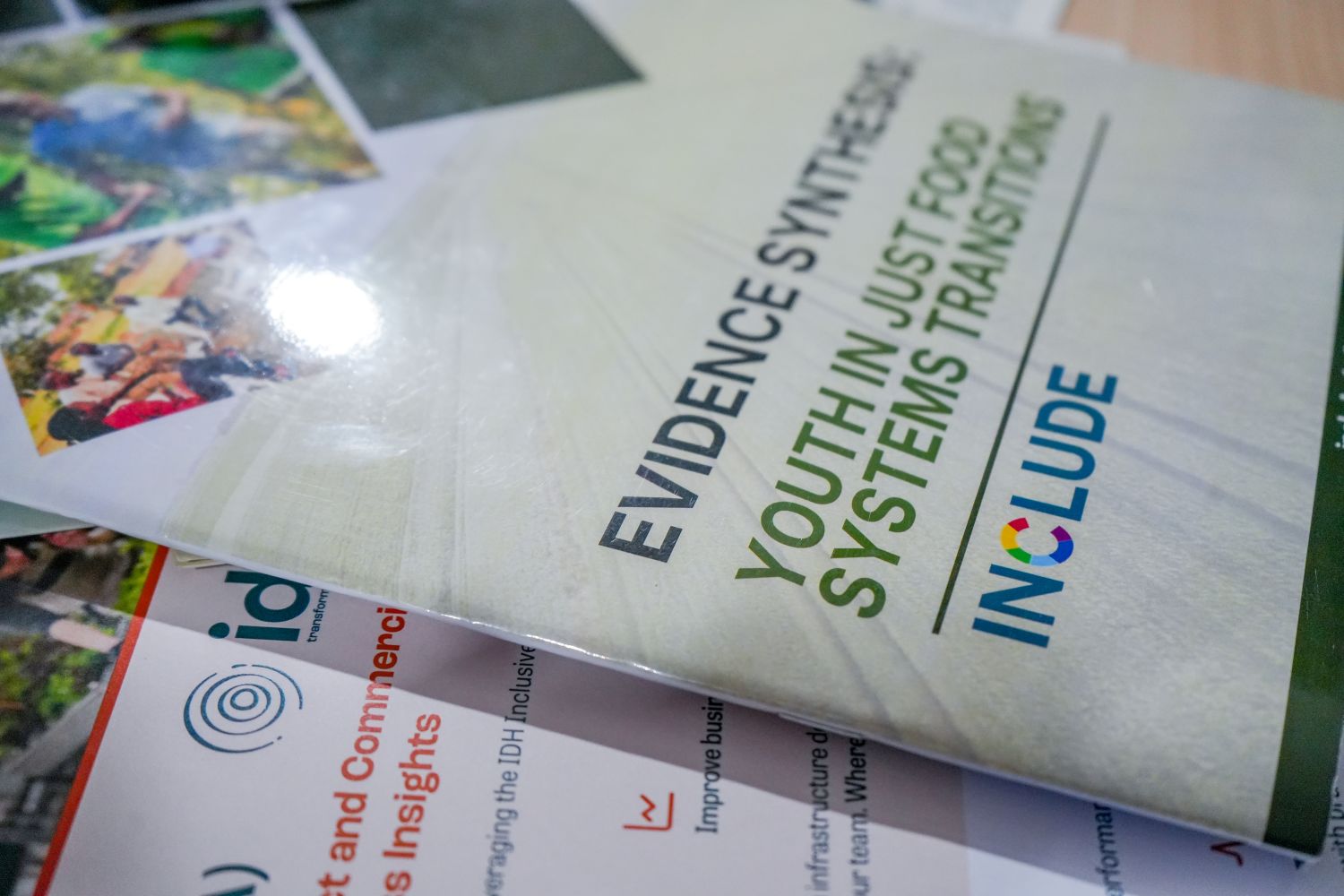
It also raises questions about who can access those opportunities and whose voices influence the policies and investments shaping Africa's food systems.
In Benin, for example, the research found significant barriers to land access among young people, while in Somalia more than 70 percent of young agripreneurs surveyed reported difficulty accessing funding for their ventures.
The evidence synthesis also highlights gender as a persistent structural factor.
In Somalia, women make up an estimated 80 percent of agricultural labour but control less than 20 percent of land and receive less than 10 percent of credit.
In South Africa, the research found that digitalisation can increase awareness of jobs and markets without necessarily removing the financial, certification and productive-asset barriers that prevent young people from accessing them.
Kithinji said the findings point to the need to address the conditions around young people's participation, rather than focusing only on giving them new skills.
“What is more important are the structural issues,” he said, citing access to land, finance and markets, as well as policy and regulatory barriers.
The issue of access to finance has also featured prominently at the Kigali forum.
President Paul Kagame, speaking during a conversation with young entrepreneurs on Thursday, said financial systems are often structured in ways that make capital more accessible to people who already have collateral.
He called for greater risk-sharing between governments and financial institutions to enable more young entrepreneurs to access capital.
“Unfortunately, a number of parts of financial systems on our continent are framed in such a way that they mostly avail capital to those who have collateral,” Kagame noted.
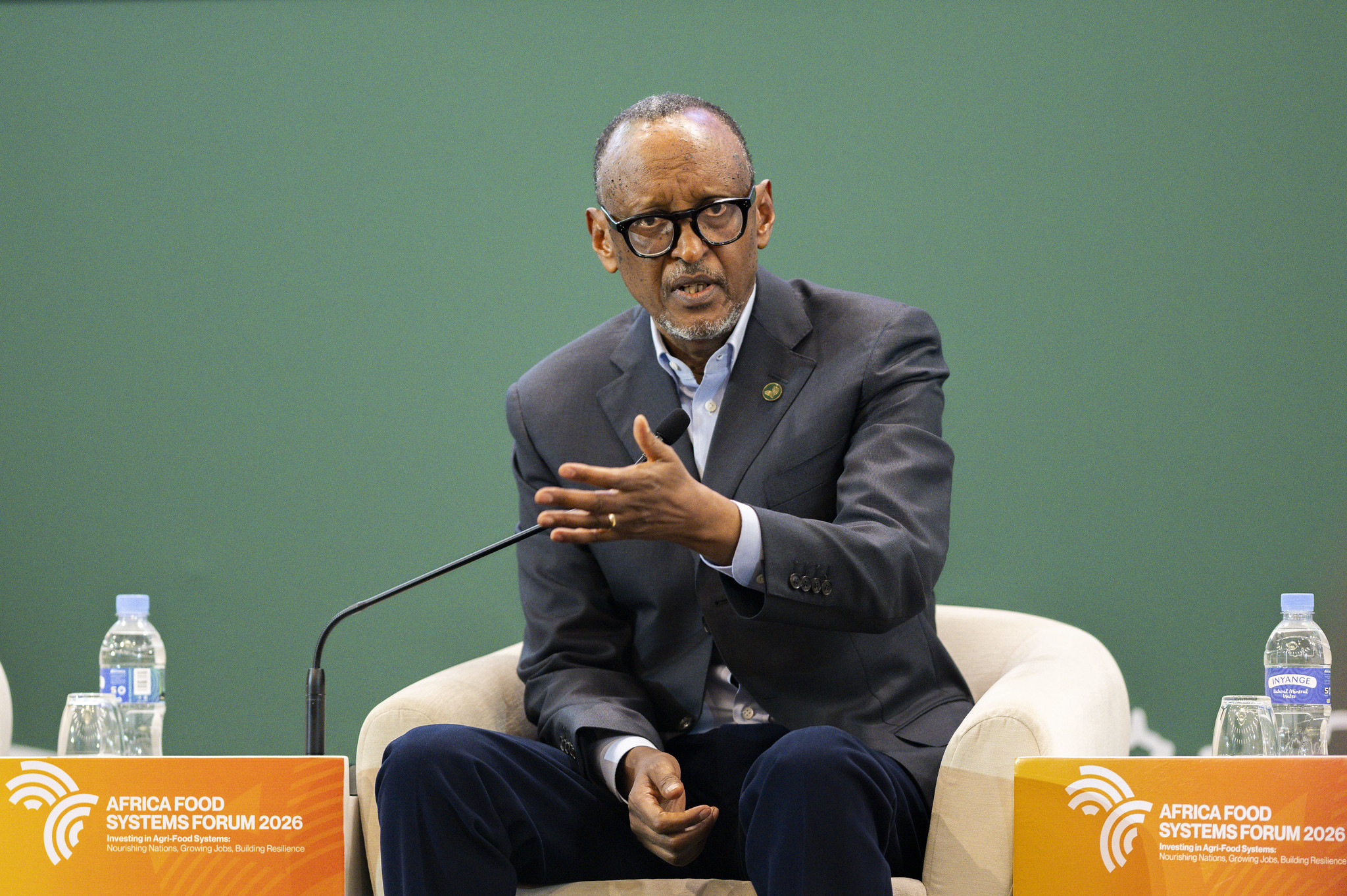
He said governments can use development financing and other mechanisms to help reduce risks for financial institutions and expand access to capital for people who have viable businesses but lack sufficient collateral.
The discussion comes as new financing commitments are being announced at the forum.
The International Fund for Agricultural Development and partners are launching a $200 million blended-finance facility to expand climate adaptation financing for farmers in Rwanda, Kenya, Tanzania and Uganda.
IFAD is also launching a $10 million facility to support small agribusinesses, while a separate $21 million blended-finance facility is being developed with Bank of Kigali to support farmers' organisations.
IFAD Vice-President Dr. Gérardine Mukeshimana said public financing alone would not be sufficient to transform Africa's food systems and should instead help reduce risks and unlock private investment.
Rwanda's experience offers opportunities to build on
The INCLUDE research also points to positive developments in Rwanda, particularly around youth cooperatives and institutional efforts to connect young people with opportunities in agriculture.
Kithinji said youth cooperatives are creating avenues for young people to build skills, develop businesses and connect with institutions involved in agriculture.
He also highlighted the role of the Rwanda National Youth Council in capacity building and creating linkages between young people and institutions such as the Ministry of Agriculture and Animal Resources and the Rwanda Agriculture and Animal Resources Development Board.
“Rwanda is a leader and it provides a unique model for the entire continent on how you can meaningfully engage young people,” Kithinji stressed.
He said the experience provides a foundation that can be strengthened further by expanding access to productive resources, markets and finance.
The country’s broader approach to youth participation was also visible at the forum, where young entrepreneurs and innovators from across Africa, including a significant number from Rwanda, showcased businesses and solutions across the food value chain.

For Kithinji, the next step is to ensure that participation translates into greater influence over the policies and programmes that affect young people's livelihoods.
From participation to influence
INCLUDE's second publication presented at the forum focuses specifically on meaningful youth engagement in food-systems research and policymaking.
The publication calls for expanding youth participation from attending workshops, conferences and panel discussions to giving young people greater opportunities to shape the decisions that affect their livelihoods and futures.
It introduces a “4 I's Framework” for meaningful youth engagement: intentional, inclusive, intersectional and impactful.
The framework encourages policymakers, researchers, funders and programme implementers to involve young people from the design stage through implementation and evaluation.
Kithinji said young people should not only be consulted as respondents but should also have opportunities to shape research questions, methods and policy discussions.
“If you're going to engage young people, you should engage them at a stage where it's going to be more meaningful, have more power,” he said.
The framework also recognises that young people are not a homogeneous group, with experiences differing according to gender, geography, socioeconomic circumstances, disability and livelihoods.
This approach aligns with the wider push at the Africa Food Systems Forum to position young people as entrepreneurs, investors, innovators and decision-makers within the continent's food economy.
During his conversation with young entrepreneurs, Kagame also encouraged them to look beyond farming itself and identify opportunities across the wider food value chain, including logistics, technology, irrigation, storage and markets.
“If we had the opportunity to think about that now, there is actually a whole long chain of things you can think about,” he remarked.
Turning investment into opportunity
The forum's discussions have increasingly focused on moving from commitments to implementation, with African leaders calling for investment that strengthens entire food systems rather than isolated parts.
African Union Commissioner for Agriculture Moses Vilakati said the continent's challenge is increasingly one of implementation, calling for stronger political commitment, investment, partnerships and accountability.
Nsengiyumva similarly called for credible, investable agricultural projects backed by clear priorities, realistic financing, strong institutions and measurable targets.
For INCLUDE, ensuring that young people can benefit from these investments will require attention to the structural barriers identified in its research.
Kithinji said African governments should examine the barriers within their own systems, including complicated procedures that can prevent young farmers from accessing existing financing.
He argued that making finance more accessible could be as important as mobilising additional capital.
With more than 5,000 delegates from over 50 countries attending the 2026 Africa Food Systems Forum, the focus is now increasingly shifting from identifying opportunities to ensuring that the continent's young population is positioned to participate in and benefit from them.
Loading comments...
Leave a comment