



But as African entrepreneurs build businesses around these emerging opportunities, a critical question remains: will young people have the skills to take up the jobs they create?
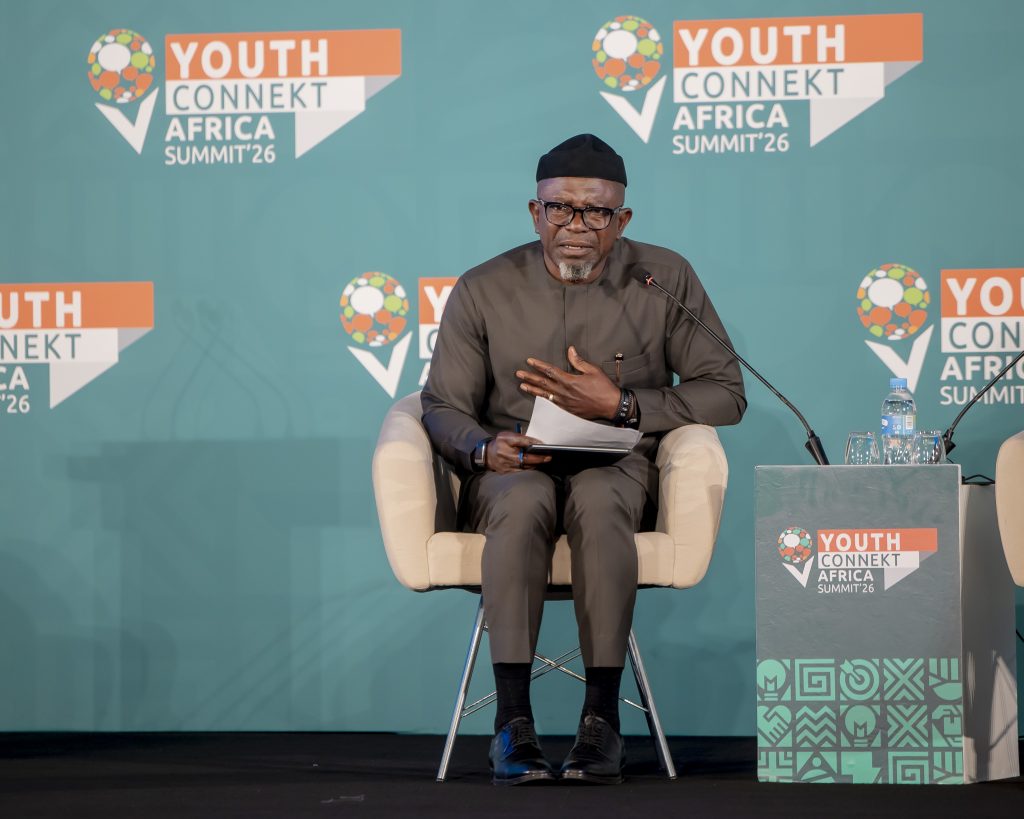
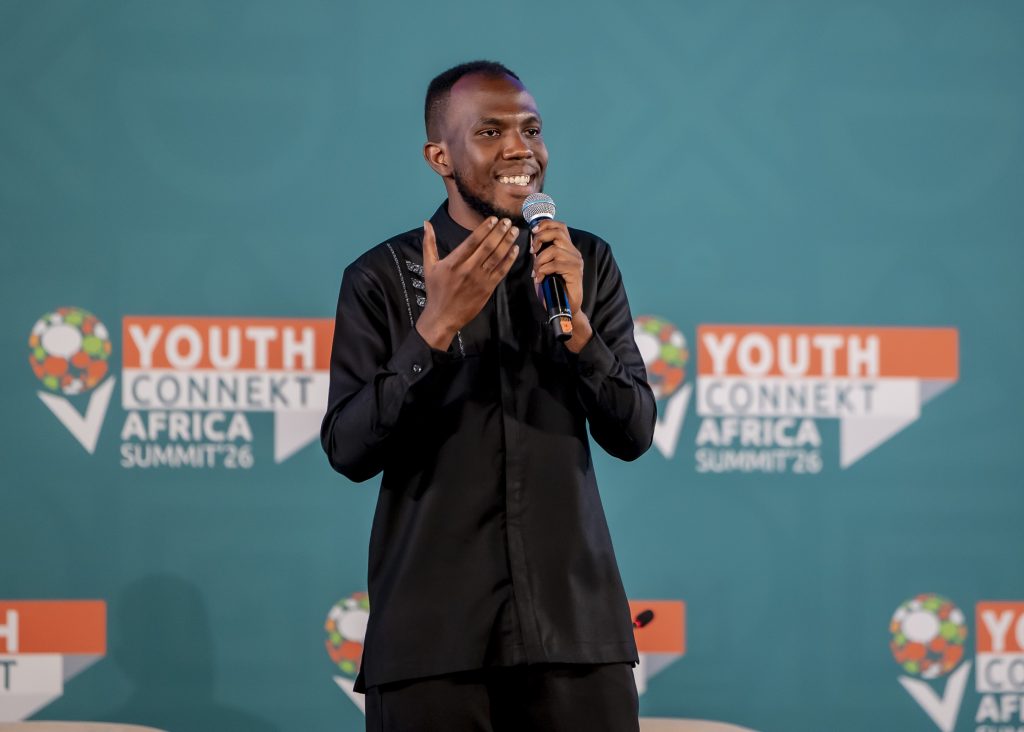
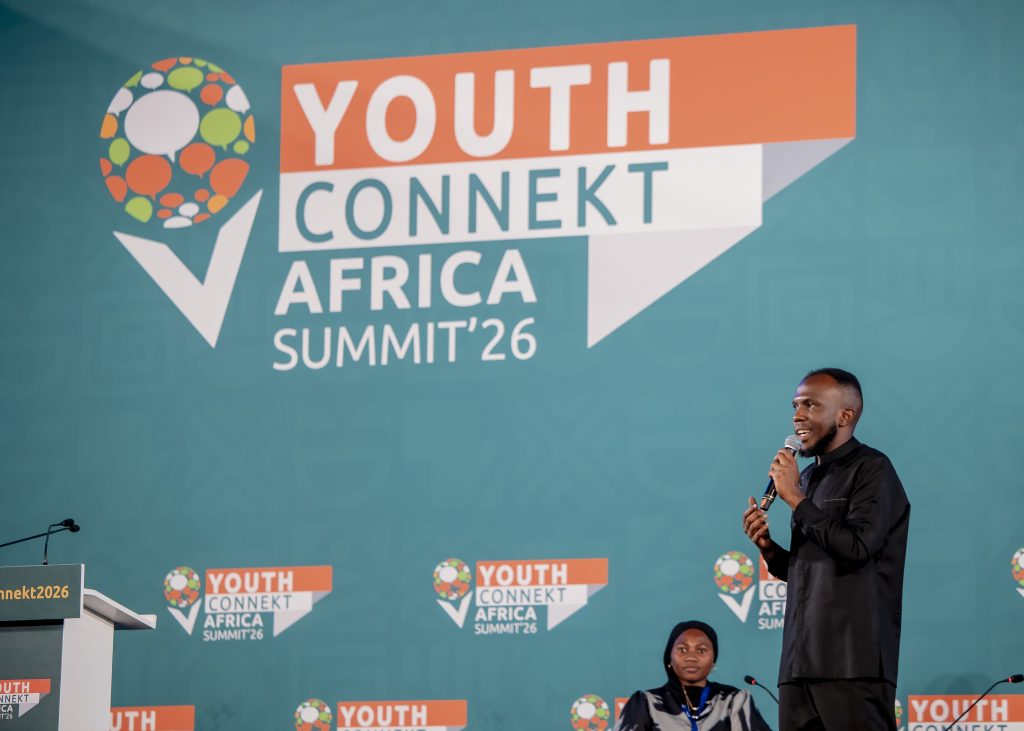
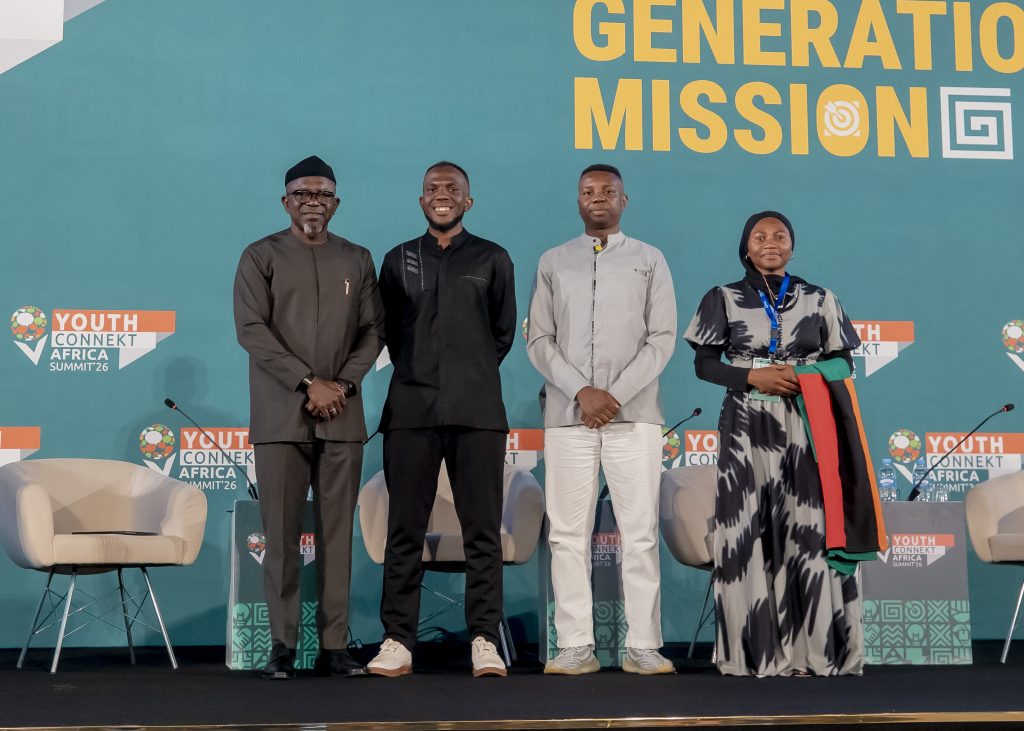
At the YouthConnekt Africa Summit in Kigali, founders working in technology and green innovation offered a glimpse of where employment could be headed by 2035, highlighting the skills, mindset and support systems young Africans will need to remain relevant.
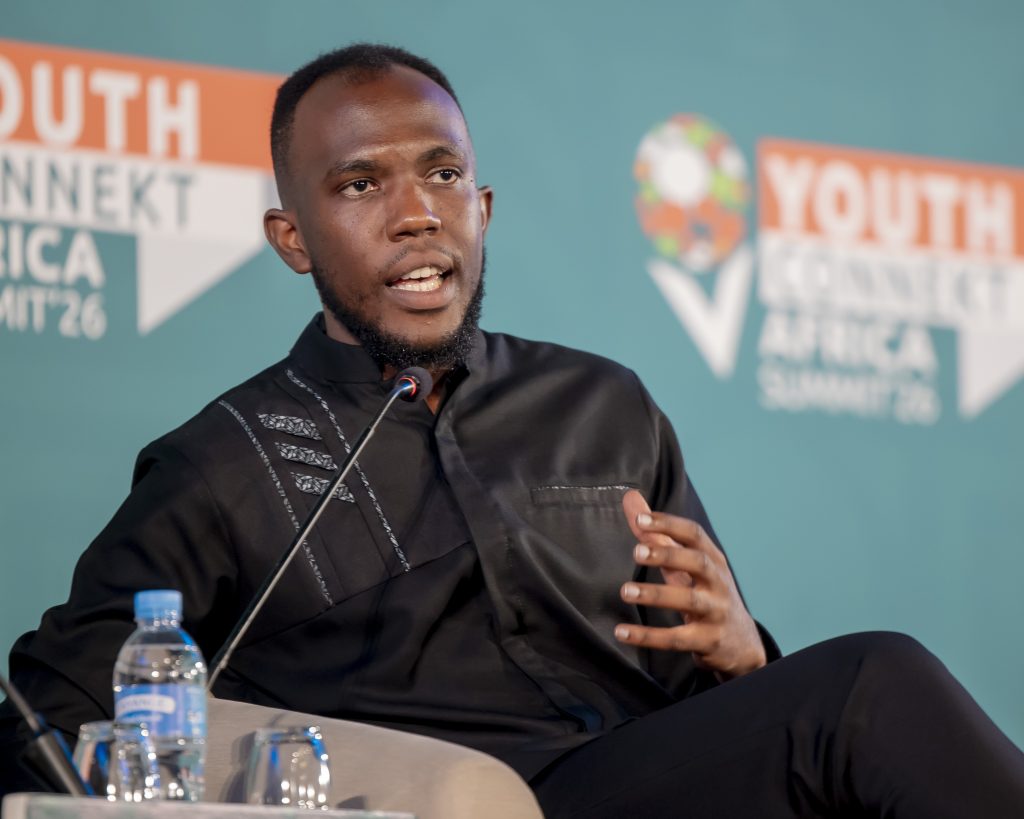
Jean-Luc Sauvé, founder of Rwandan cloud technology company Strettch Cloud, believes AI is already changing what young entrepreneurs can achieve, lowering the time and resources needed to develop technology products.
He cited his experience building a product with his team, saying AI tools and large language models helped them complete in three to four months what could previously have taken more than two years.
"We managed to build something that would have taken more than two years before the introduction of AI, LLMs, and it took us only three to four months to launch our product," he said.
Sauvé sees opportunities extending beyond software development into healthcare, robotics, automation and scientific research. He argued that young Africans should build strong foundations in subjects such as physics, chemistry and biology to combine scientific knowledge with AI in developing practical solutions.
He also cautioned against preparing only for jobs that exist today, arguing that many occupations expected by 2035 are difficult to predict.
"Either way, we will need to change, but we will change either by will and to change before, or we will be dragged along the process when it is inevitable to change," he said, emphasising the importance of adaptability.
Turning existing work into new opportunities
While AI could create entirely new industries, some of Africa's employment opportunities may come from improving how existing businesses and workers operate.
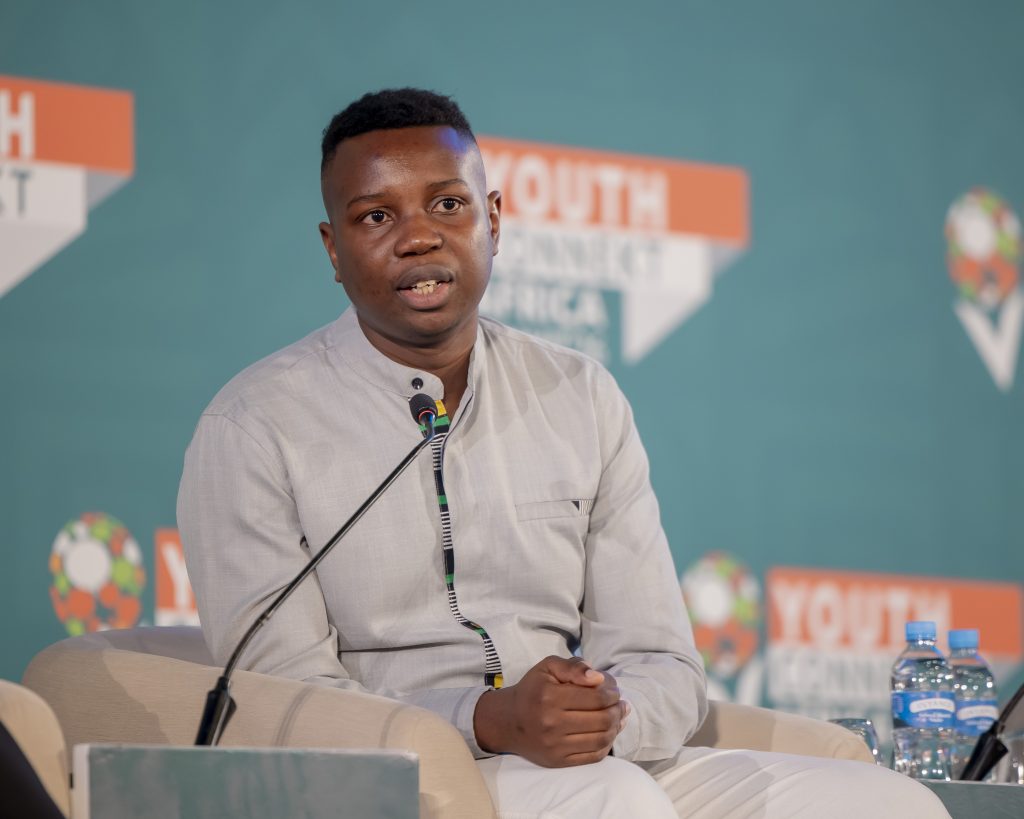
Tafara Makaza, co-founder of Fixa, a technology company working to improve the visibility of informal workers, said much of Africa's workforce is already economically active but remains largely undocumented.
"The majority of the workforce on the continent is still invisible because they are managed quite on pen and paper. They are already working. We just have to add that layer of visibility," he noted.
He argued that digitising these activities could help workers access services that are often difficult to obtain without formal employment records, including pensions, financial services and loans.
With reliable data on their earnings, financial institutions could assess workers for loans without requiring traditional collateral. Governments could also use the information to develop policies that better reflect the realities of the labour market.
Fixa works with Rwanda's Ministry of Labour and other institutions to support this process.
Makaza said opportunities would also emerge from developing financial, healthcare and pension services for a growing workforce, including people who will reach retirement age in the coming years.
He described technology as an enabler of employment rather than simply a threat, arguing that Africa should focus on using it to improve productivity and bring more workers into systems that recognise their economic contribution.
Green innovation as a source of employment
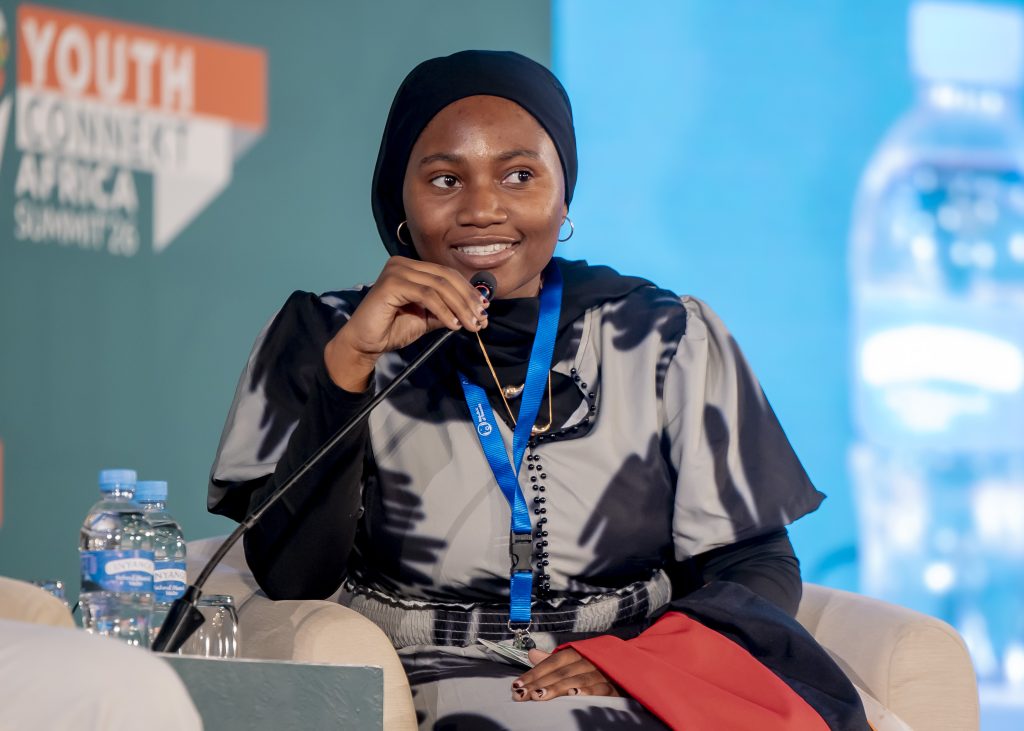
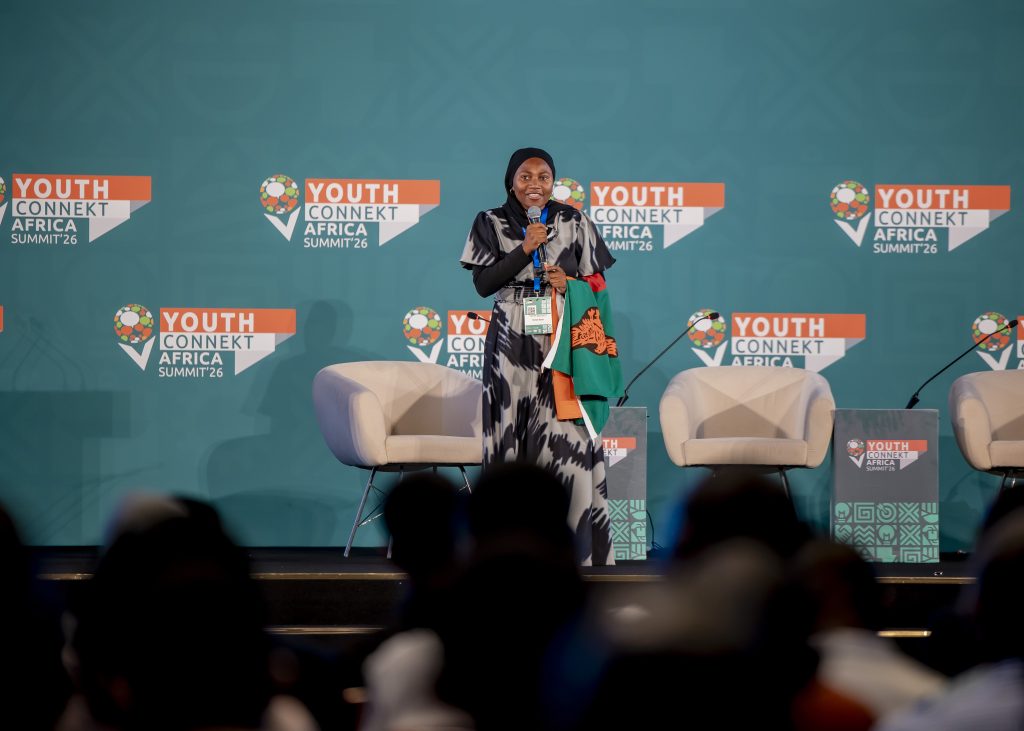
For Rachel Banda of Zambia-based Greenroots Innovation Limited, the future of work will also be shaped by how African countries respond to environmental challenges.
In parts of Zambia and other African countries, households continue to depend on firewood and charcoal for cooking. Banda sees the shift towards cleaner alternatives as an opportunity for young entrepreneurs, particularly women, to build businesses producing clean cookstoves and biomass briquettes.
"I see green technology, I see sustainable technology, I see the transition from using firewood for cooking, from using charcoal for cooking, from cutting down trees to something smarter," she remarked.
However, she noted that having an innovative product does not automatically translate into a successful business.
Young entrepreneurs must engage the communities they intend to serve, understand their needs and involve them in developing solutions. They also need support to move from small startups into sustainable enterprises.
Banda said access to grants and financing should be accompanied by business and financial mentorship, particularly for young founders learning how to manage revenue, reinvest profits and grow their businesses.
"We need mentorship on how to manage our money and finances, how to put our profits back into the business, and how we can grow our money," she said.
She urged governments to complement financial support with mentorship programmes and financial literacy training to help young entrepreneurs build sustainable businesses.
The need for skills, financing and stronger support for young entrepreneurs reflects some of the broader challenges YouthConnekt was established to address, including youth unemployment, barriers to entrepreneurship and limited access to markets, financing and business networks.
Launched in Rwanda in 2017, YouthConnekt has since expanded into a continental platform involving 39 African countries. Organisers say the initiative has engaged more than 16 million young people, supported over 50,000 youth-led businesses and contributed to the creation of 250,000 jobs.
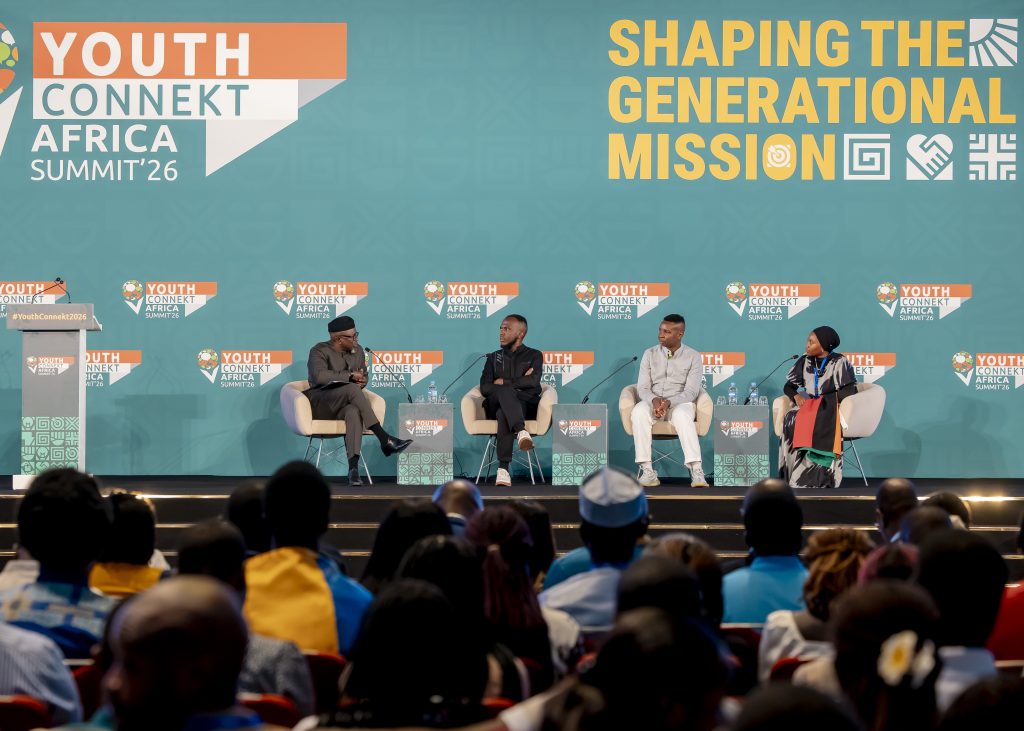
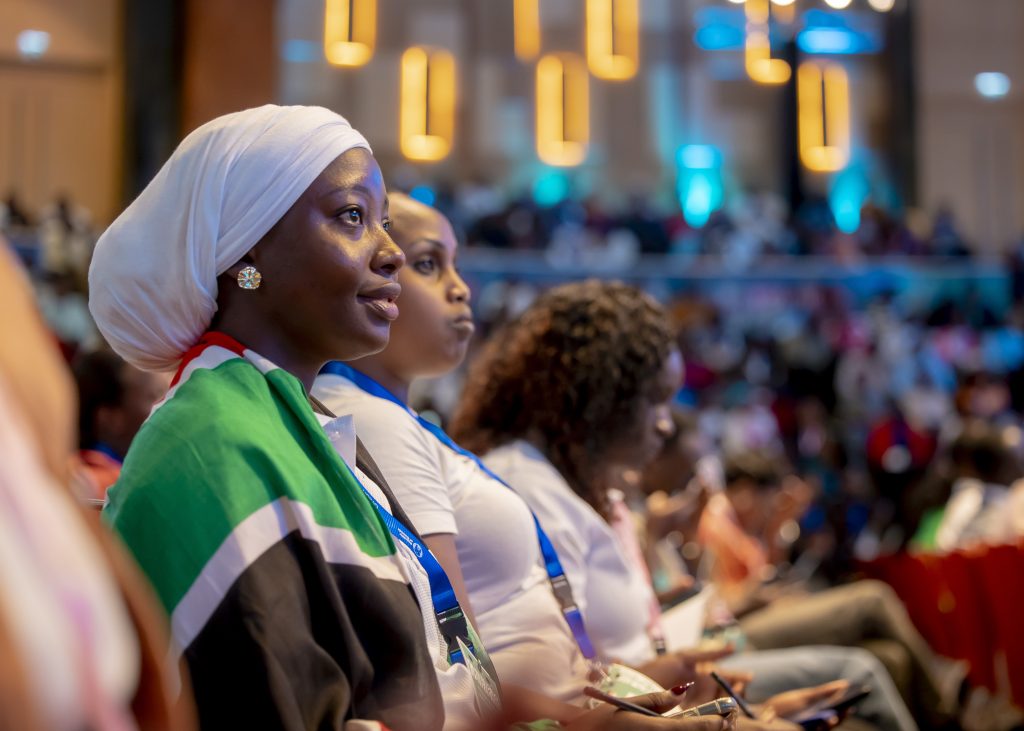
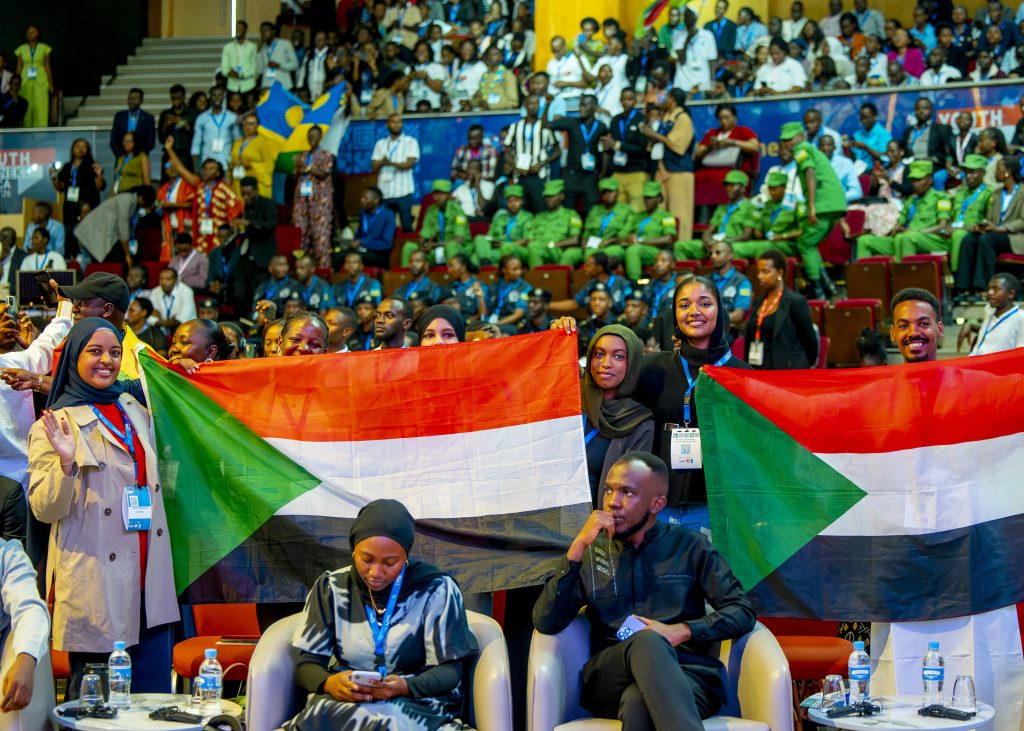
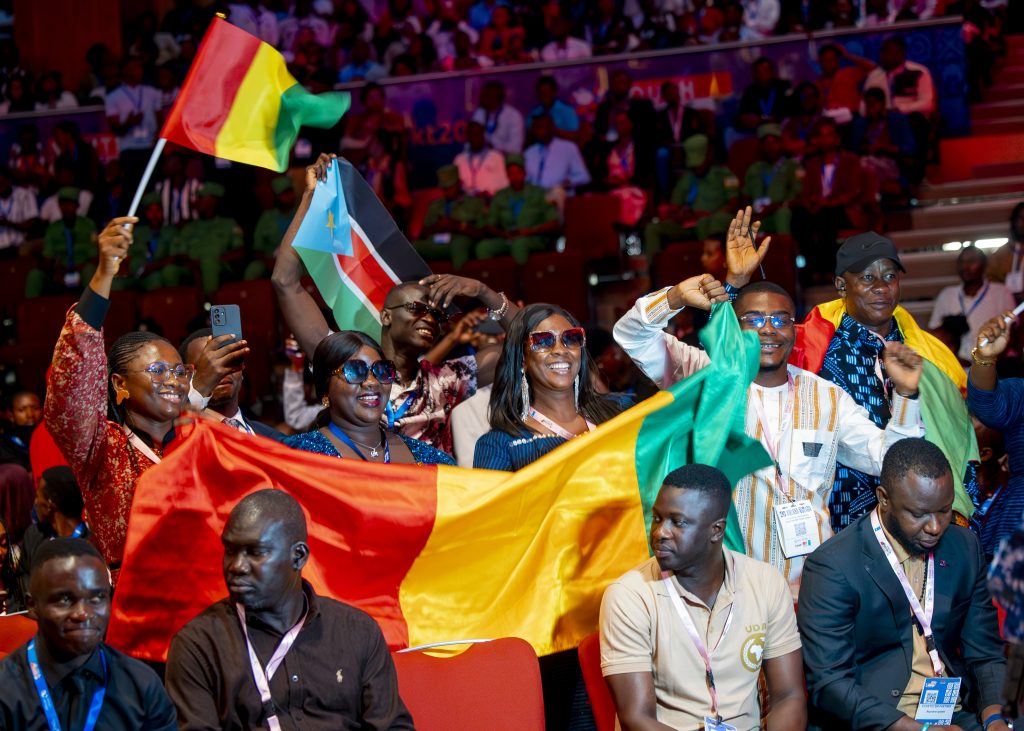
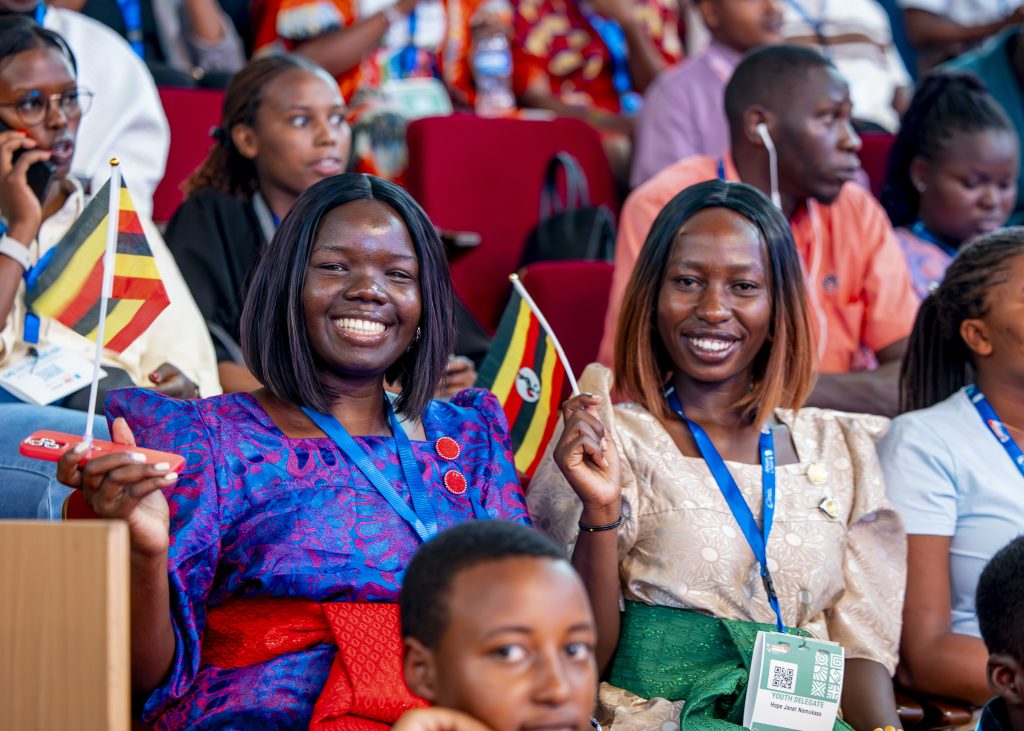
Its annual summit brings together young entrepreneurs, policymakers, investors, development partners and other stakeholders to explore ways of expanding economic opportunities for Africa's growing youth population.
This year's edition, held under the theme "Shaping the Generational Mission", focuses on how the current generation can shape the continent's future and turn its ambitions into practical action.






Loading comments...
Leave a comment