



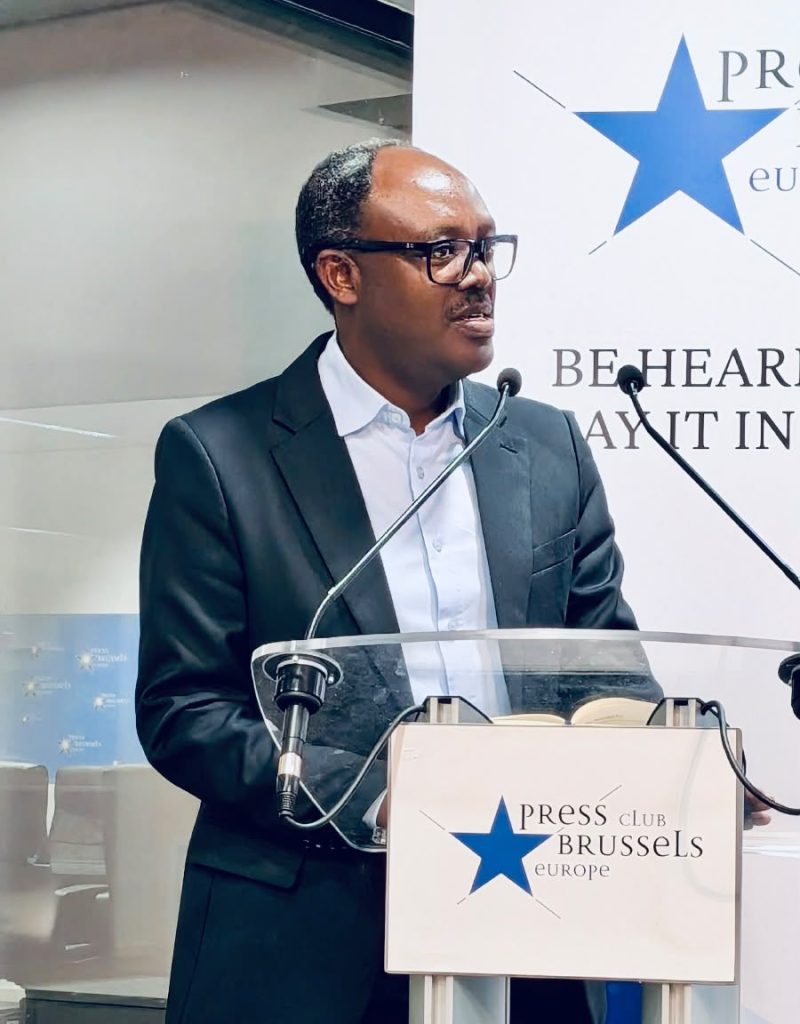
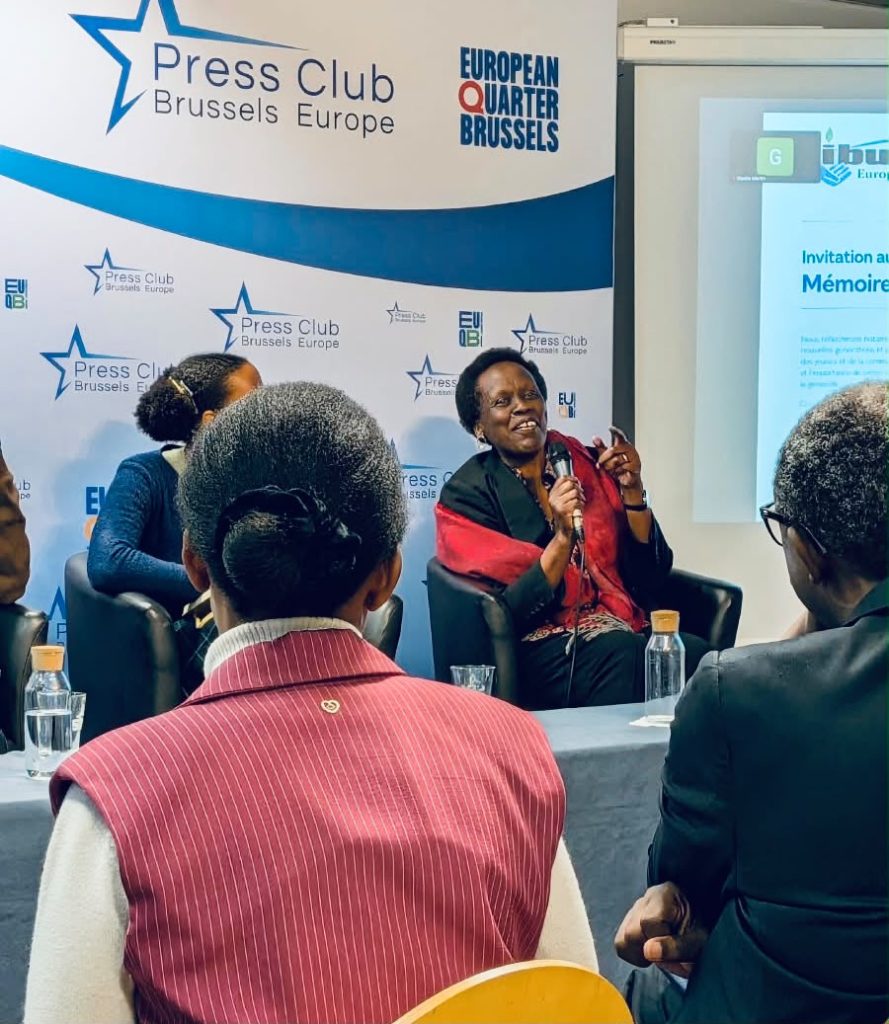
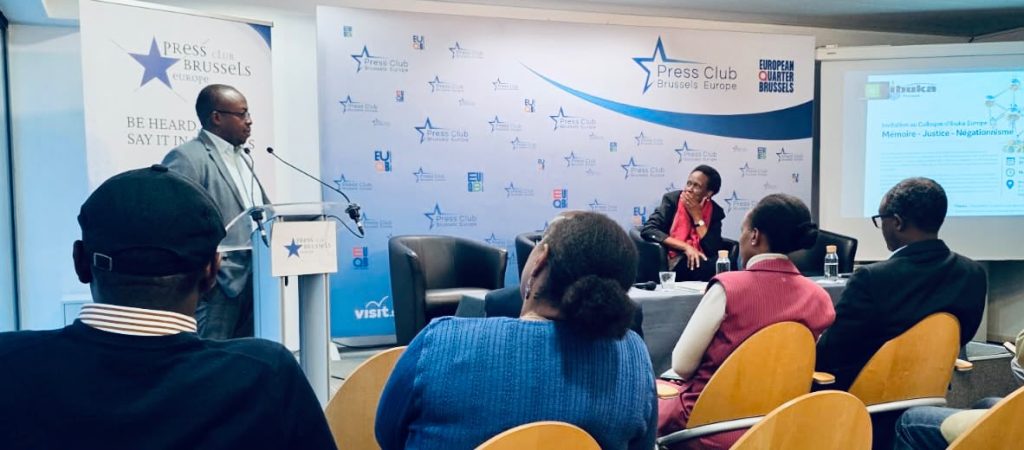
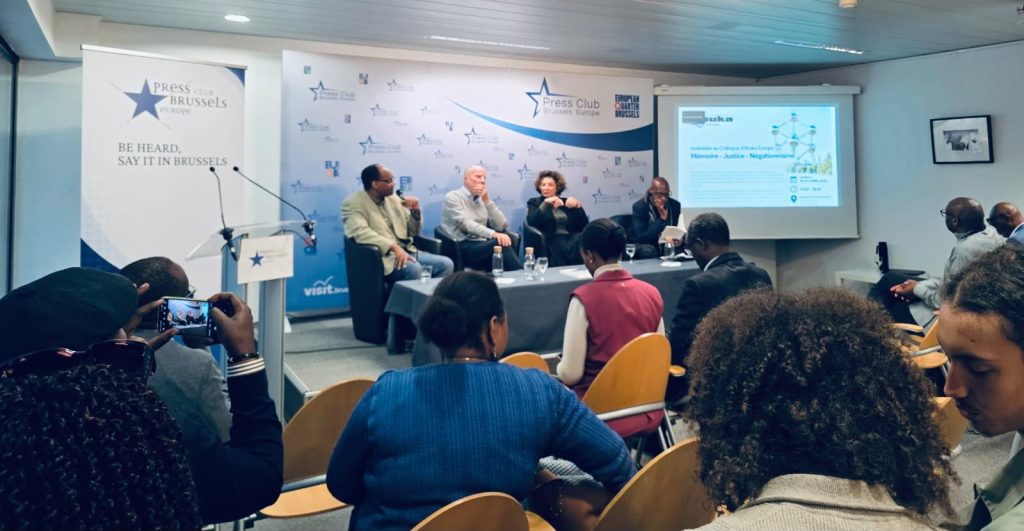
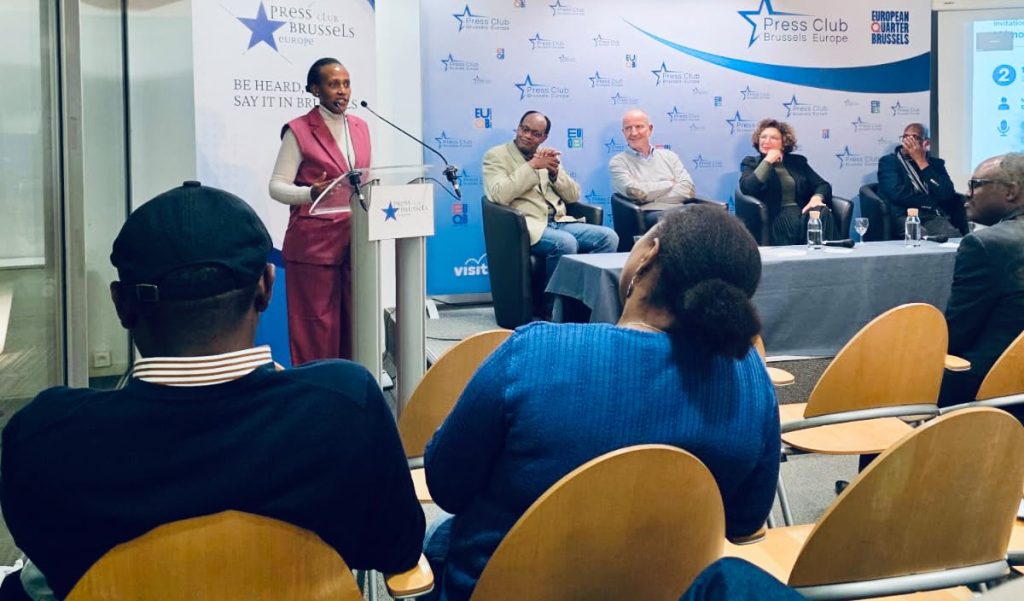
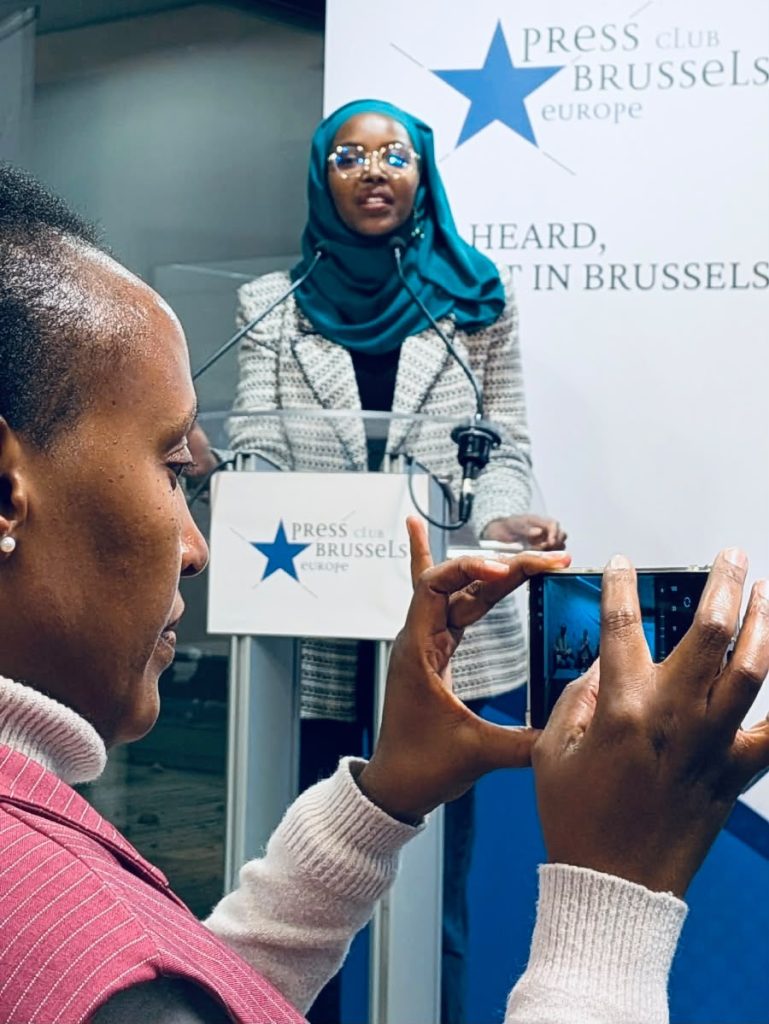
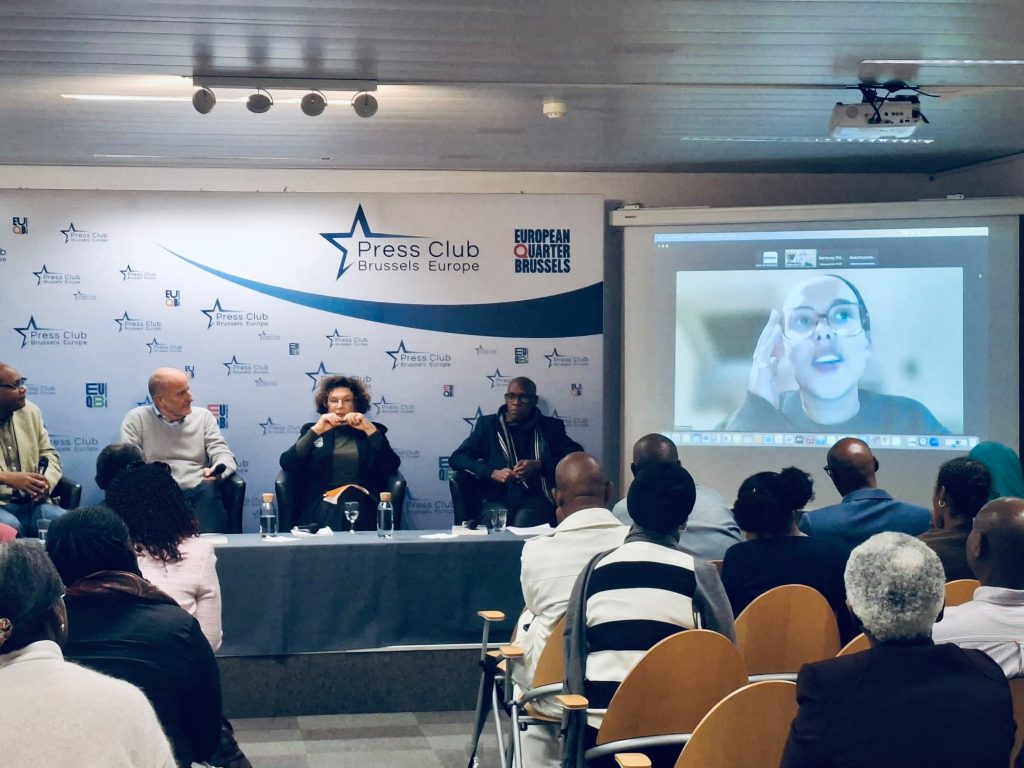
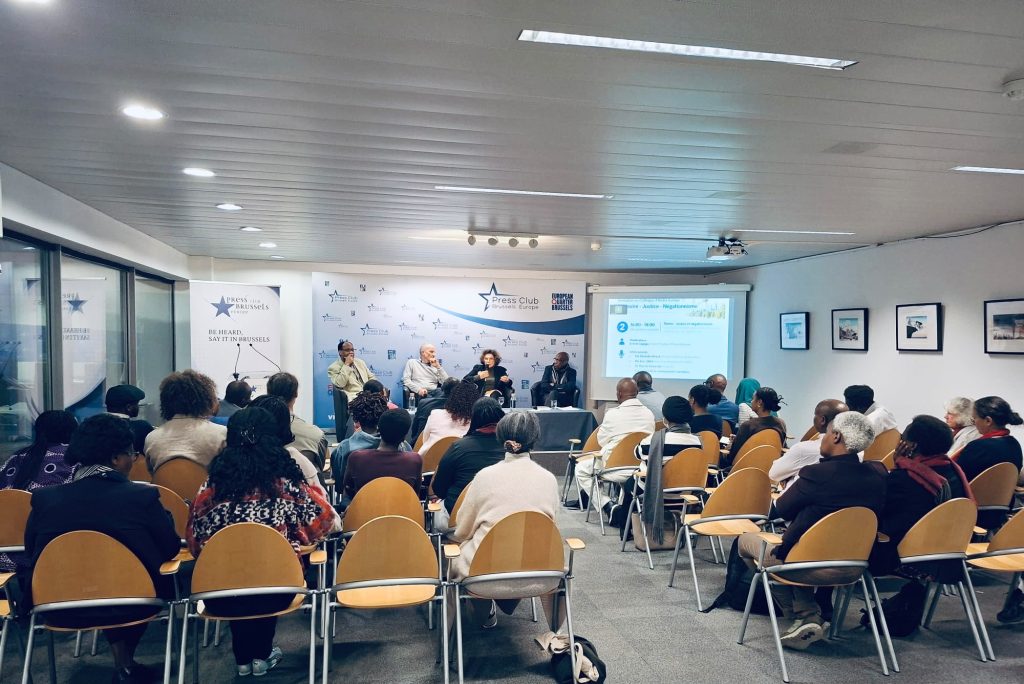
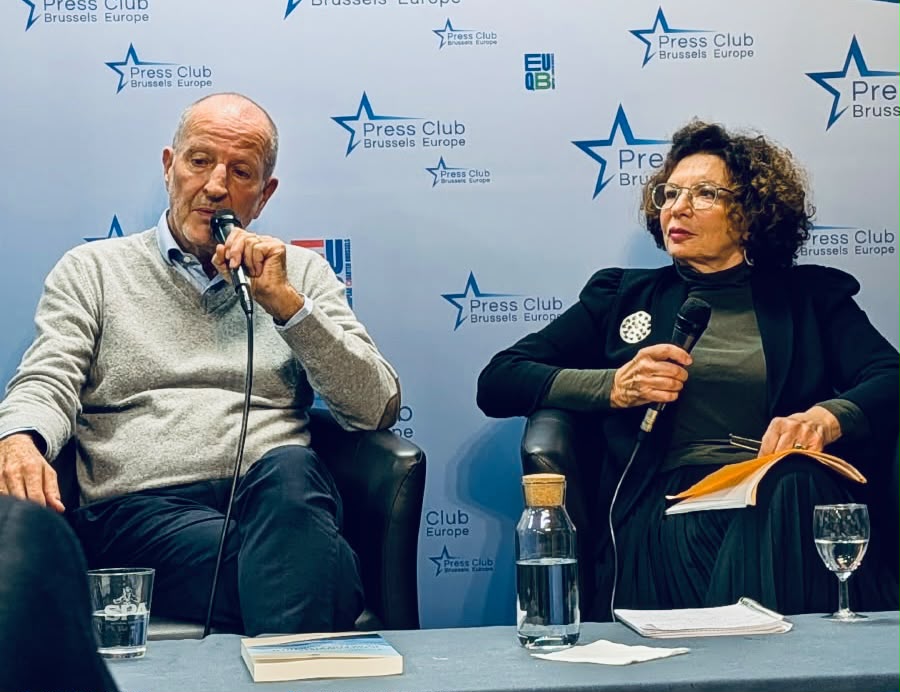
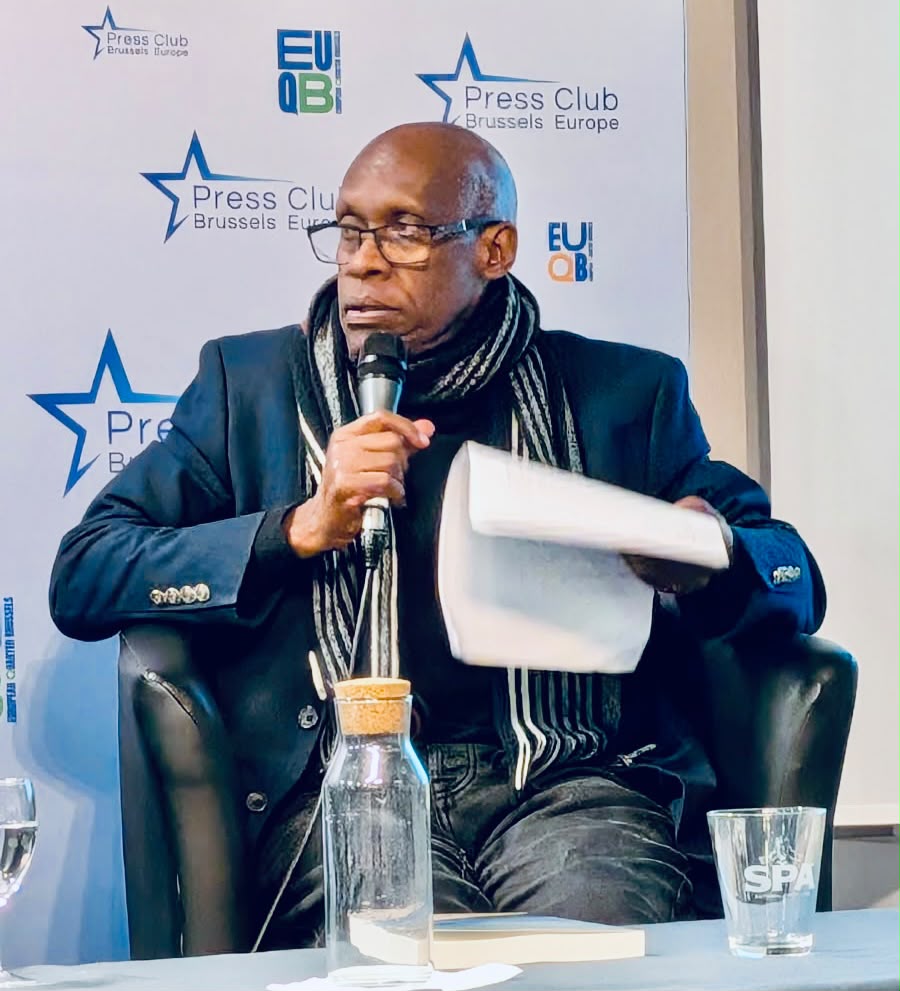
The issue was central to a conference held at the Press Club Brussels Europe on October 30, ahead of the Collective's annual general assembly in Brussels from October 31 to November 1, 2026.
Survivors, descendants, historians and lawyers discussed the transmission of the memory of the Genocide against the Tutsi and the role of justice in confronting denial and minimisation.
Passing on memory without passing on trauma
One of the central questions was how families and communities can ensure that the history of the genocide is not forgotten while taking account of the psychological effects that the experiences of survivors may have on their children and grandchildren.
Discussions considered how descendants understand the history they inherit, its impact on their mental health and their responsibility to pass it on.
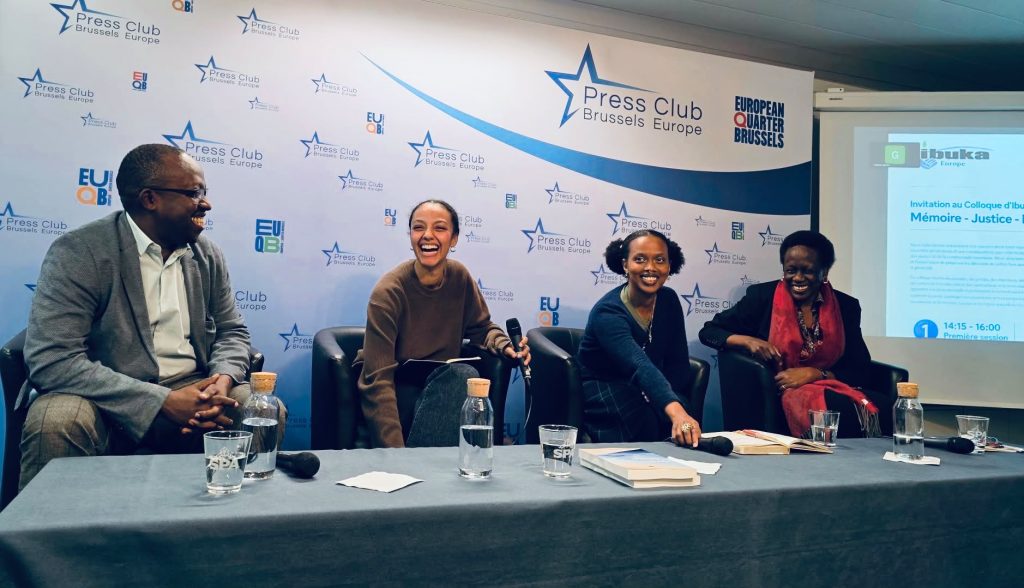
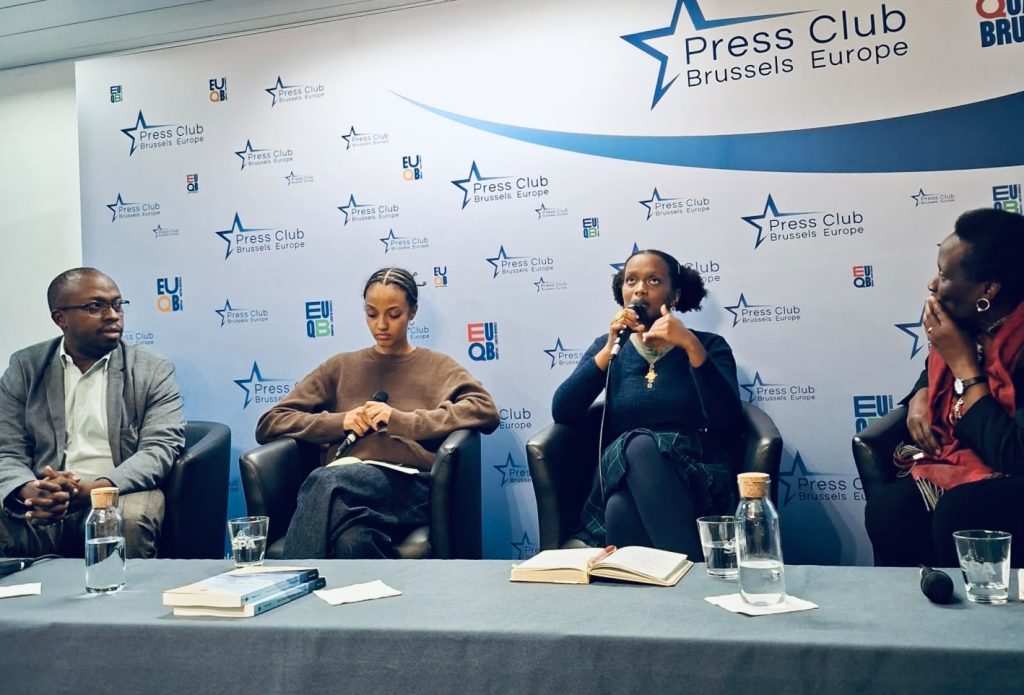
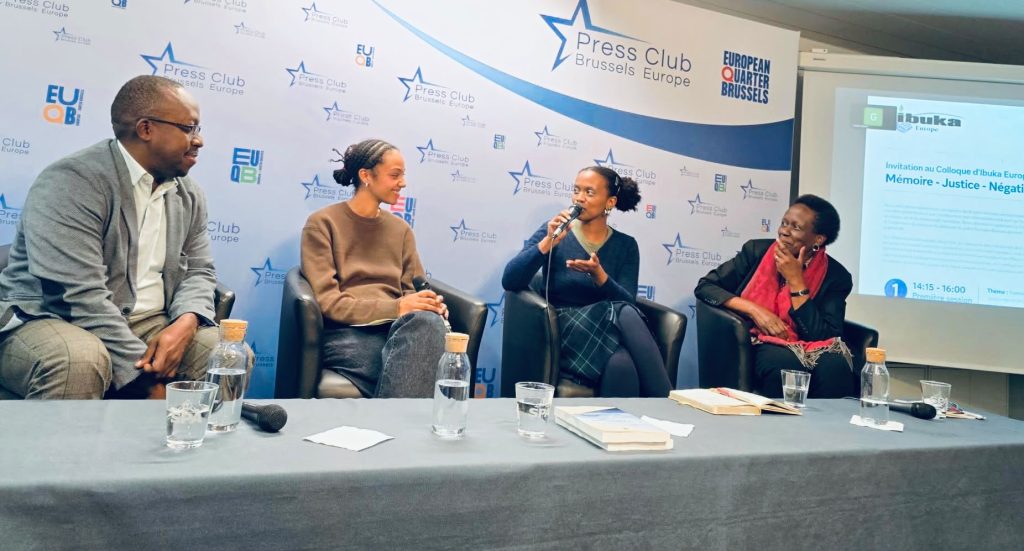
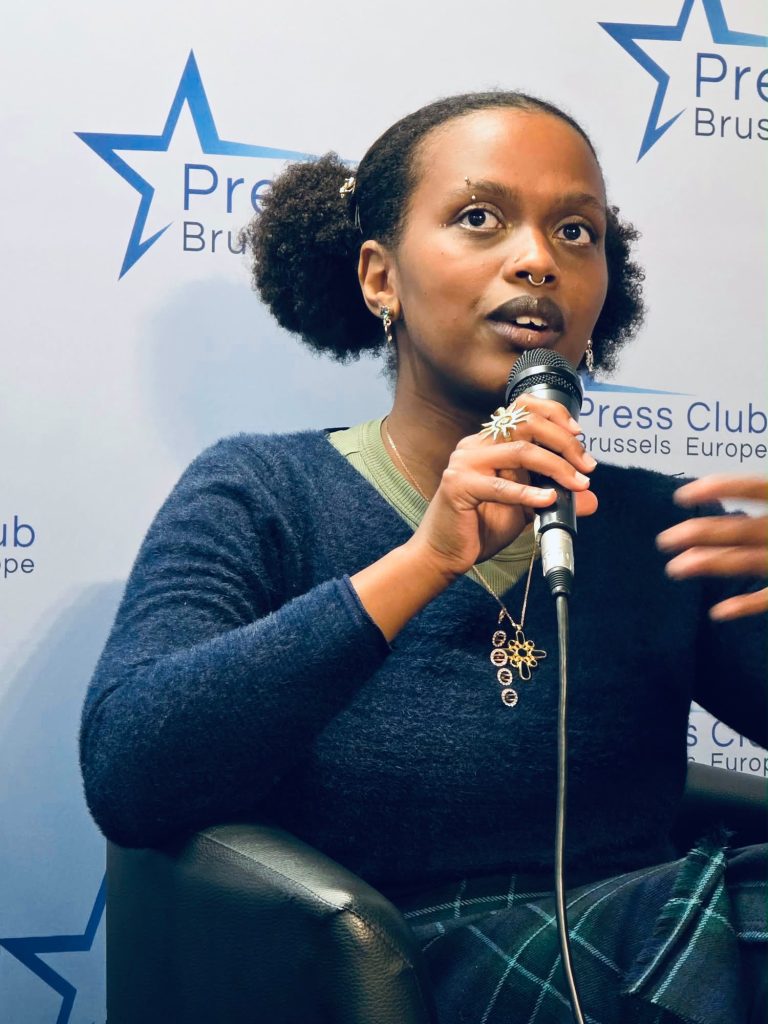
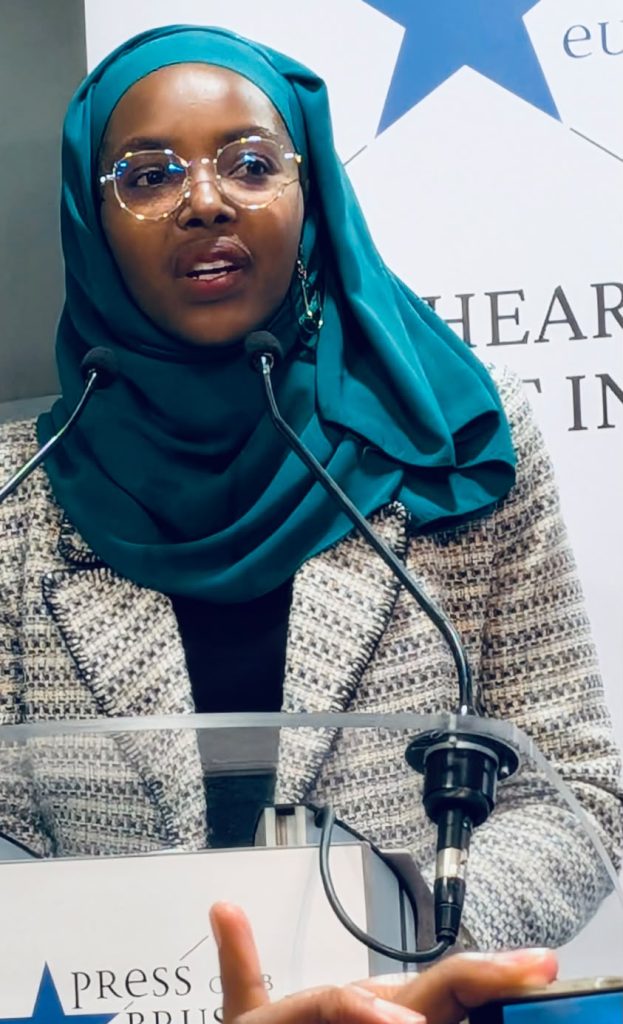
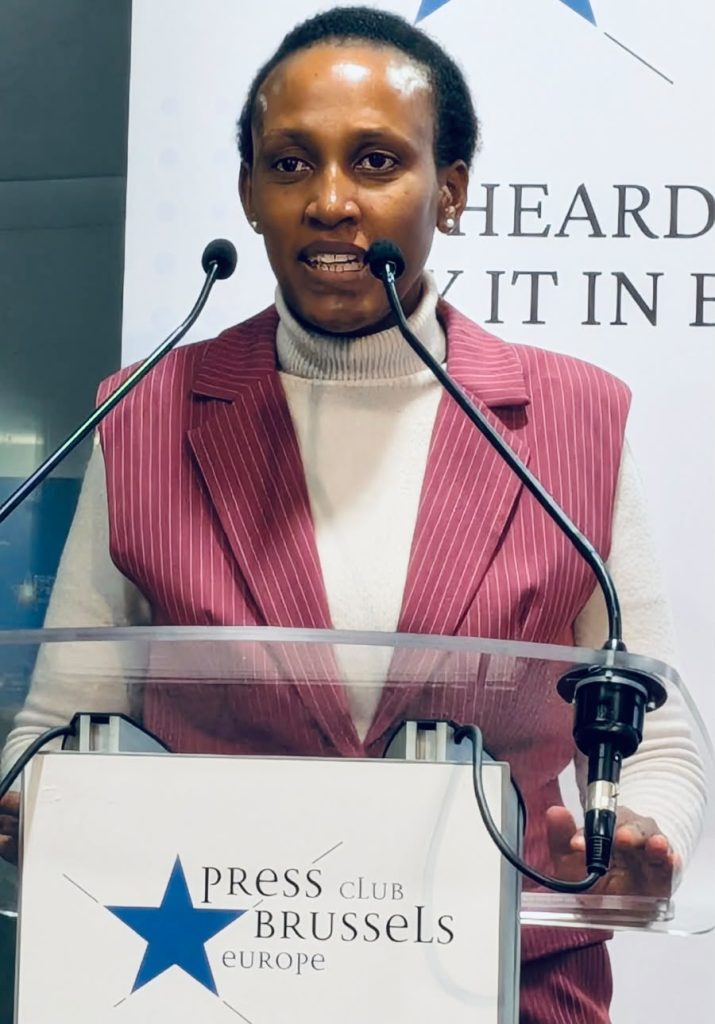
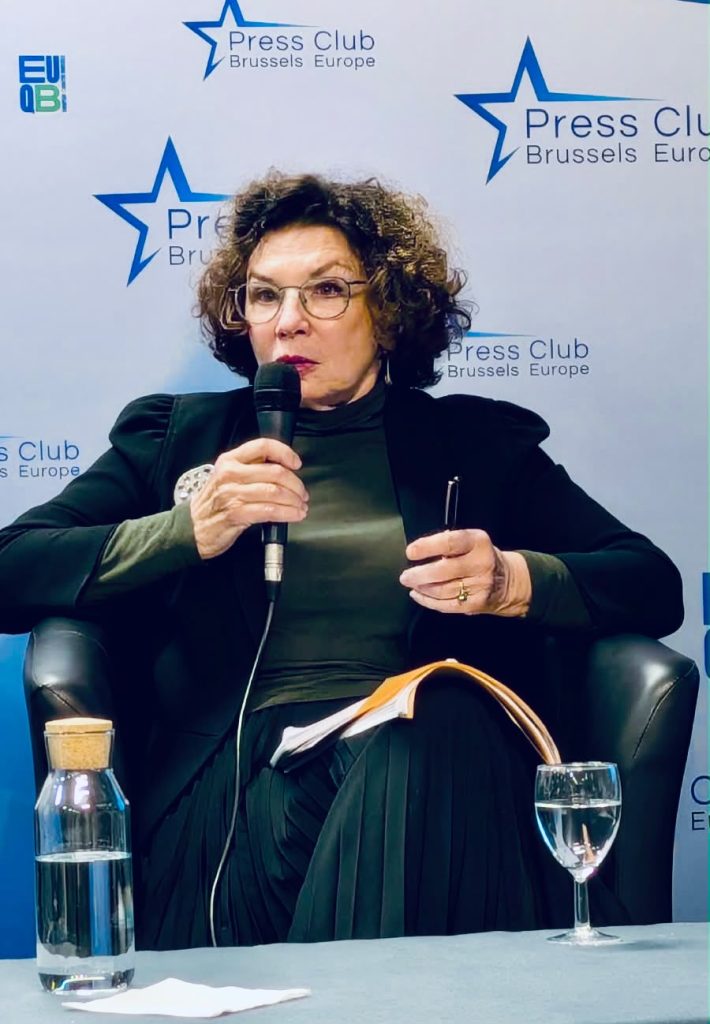
A discussion brought together Esther Mujawayo, a genocide survivor, therapist and co-founder of the Association of Widows of the Genocide against the Tutsi (AVEGA), and two young descendants of survivors, Impundu and Igihozo.
Drawing on her experiences as a survivor, a widow and a mother, Mujawayo said transmitting memory should not mean recounting only the horrors of the genocide. She emphasised the importance of also remembering the people who were killed through the lives they lived, including their happy memories, moments of joy and experiences shared with their families.
Remembering those who were killed, she said, should go beyond defining them by the circumstances of their deaths.
Mujawayo also drew attention to the ways memory is passed on without necessarily being discussed openly. Silence, non-verbal expressions and forms of communication rooted in Rwandan culture can also shape what children learn about their family histories, even when parents find it difficult to put painful experiences into words.
The experiences of the younger generation
Impundu and Igihozo, who were born after the genocide, spoke about growing up with its legacy through the experiences of their parents, who survived the atrocities.
Although the history was present in their family lives, they said their parents often found it difficult to speak about the past, possibly because they wanted to protect their children from the pain associated with what they had experienced.
The two women therefore began seeking information beyond their immediate families. They turned to commemorations, books about the genocide and conversations with their peers to develop a fuller understanding of what had happened and how it had affected their families.
Both have also used artistic expression as a way of engaging with their history and making sense of the legacy they inherited.
Their accounts highlighted cultural and family barriers that can complicate these conversations, including reserve, reluctance to discuss personal experiences and respect for elders. While these values are deeply rooted in Rwandan culture, they said, they can sometimes make it difficult for younger people to ask questions and learn details about their families' past.
Through their search for understanding, the two women said they had become better prepared to take part in preserving the memory of the genocide. They also expressed concern about the continued presence of genocidal ideology among some young people in the African diaspora in Europe, particularly on social media.
For them, transmitting memory is therefore not only a family responsibility but also a civic commitment that contributes to confronting genocide denial and preventing the spread of such ideologies.
They also spoke about the effect of learning more about their family histories on their mental health. Both said they had sought therapeutic support, which helped them understand their experiences and develop greater compassion for their parents and the difficulty of communicating events that are often hard to describe.
Their testimonies underlined the need for approaches to intergenerational memory that recognise survivors' suffering while also considering the needs of their descendants.
Justice as a response to genocide denial
The second part of the conference examined how trials of genocide perpetrators held in Europe have contributed to combating denial and minimisation.
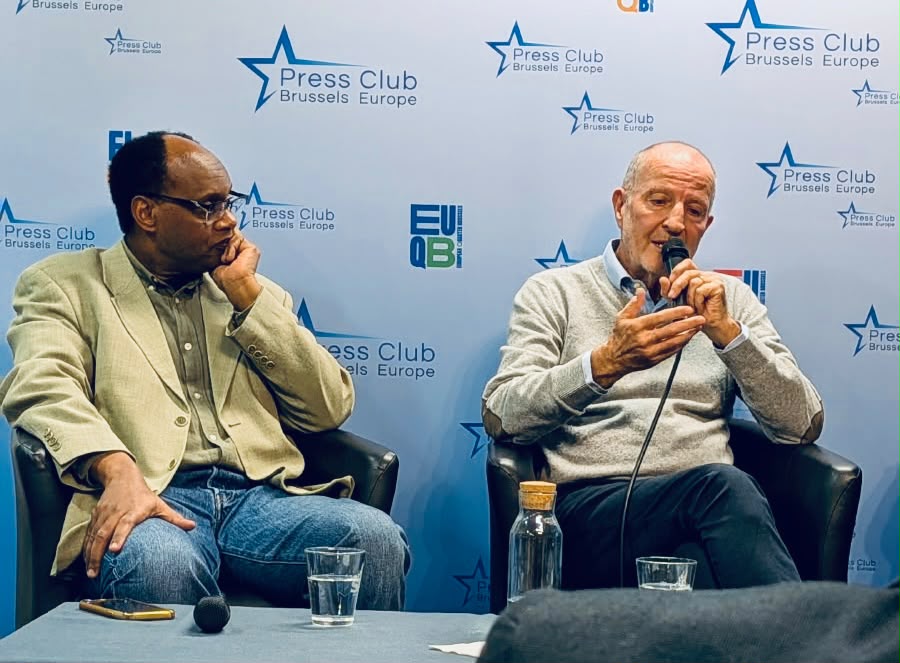
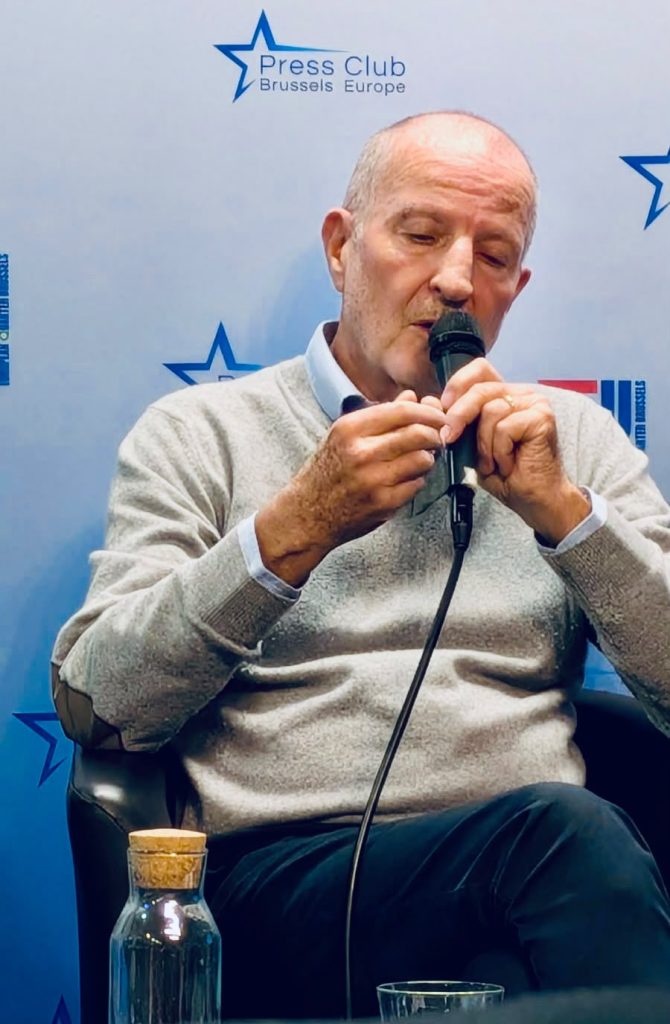
The discussion featured historian Marcel Kabanda, President of Ibuka France, and lawyers Éric Gillet and Michèle Hirsch. They reflected on the testimonies gathered during the trials, the work of different parties involved and the legal instruments used in prosecuting genocide suspects.
The speakers said the trials had produced important records for historical knowledge, professional training and the development of legal precedent. They stressed the importance of preserving these achievements and ensuring that future generations of legal professionals learn from the experience gained through the cases.
Gillet cautioned that genocide denial does not always take the form of openly rejecting established historical facts. It can also emerge through indirect or subtle statements which, if left unchallenged, may normalise hatred and violent rhetoric and create conditions for further violence.
He also referred to denialist statements made during some trials by lawyers representing people accused of genocide and by certain witnesses.
He noted, however, that such statements had not affected court decisions or verdicts. Instead, they had allowed lawyers representing victims and prosecutors to expose the strategies used by genocide perpetrators to deny or distort the truth.
Hirsch raised concern about the presence of genocide denial and genocidal rhetoric in the Great Lakes region, particularly in the Democratic Republic of the Congo, as well as within the diaspora.
She called for organisations such as Ibuka and others committed to justice and human values to strengthen efforts to challenge these ideologies.
Ibuka Europe renews its leadership
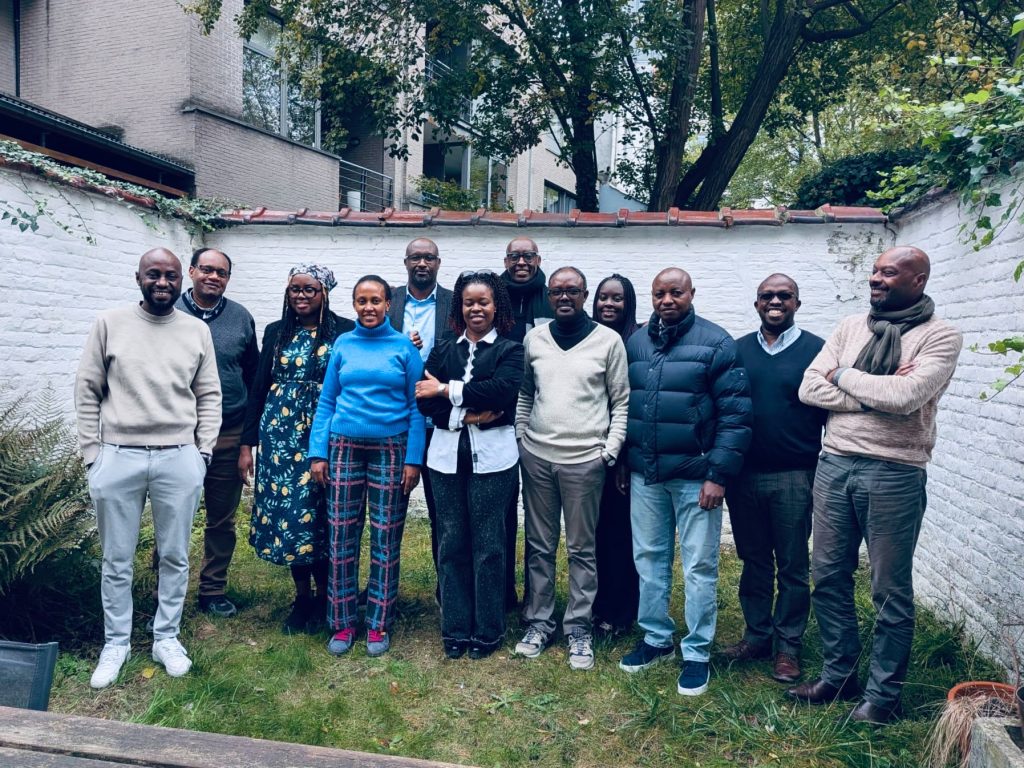
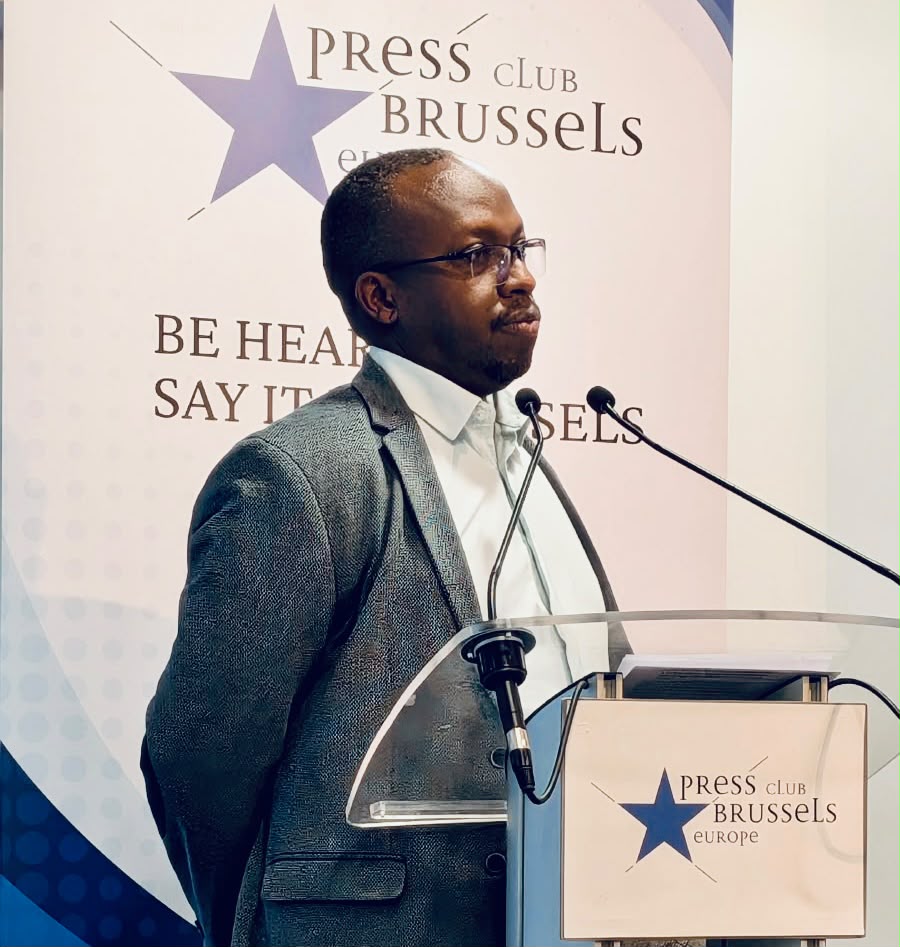
Alongside the conference, the Collective held its annual general assembly, attended by the President of Ibuka Rwanda, Dr. Philibert Gakwenzire.
The meeting welcomed Ibuka Luxembourg, established on March 11, 2026, and represented at the assembly by its president, Didace Kalisa. Its admission brings the number of member associations in the Collective to 10: Ibuka Belgium, Switzerland, France, the Netherlands, Italy, Germany, Denmark, Sweden, Finland and Luxembourg.
Representatives shared experiences, good practices and challenges from their respective countries. They also discussed the organisation and functioning of the Collective in a changing European environment. A working group was established to identify areas for improvement and propose changes to strengthen its effectiveness and cohesion.
The assembly also marked a change in leadership. After three years under the presidency of Ibuka Italy, represented by Dr. Honorine Mujyambere, the role was handed over to Ibuka Germany.
Philbert Gakuba, President of Ibuka Germany, will lead the Collective for the next two years. He will be supported by Mutabazi Eugène, President of Ibuka Belgium, as administrator; Albert Mukwiye of Ibuka Switzerland as secretary; and Christian Ngarambe of Ibuka Germany as treasurer.
The conference and assembly reaffirmed the Collective's commitment to preserving the memory of the Genocide against the Tutsi, supporting the transmission of history across generations and confronting denial through justice and public engagement.
The discussions also highlighted the importance of recognising the different experiences of survivors and their descendants, while ensuring that the duty to remember remains connected to historical truth, accountability and the prevention of future atrocities.
Loading comments...
Leave a comment