



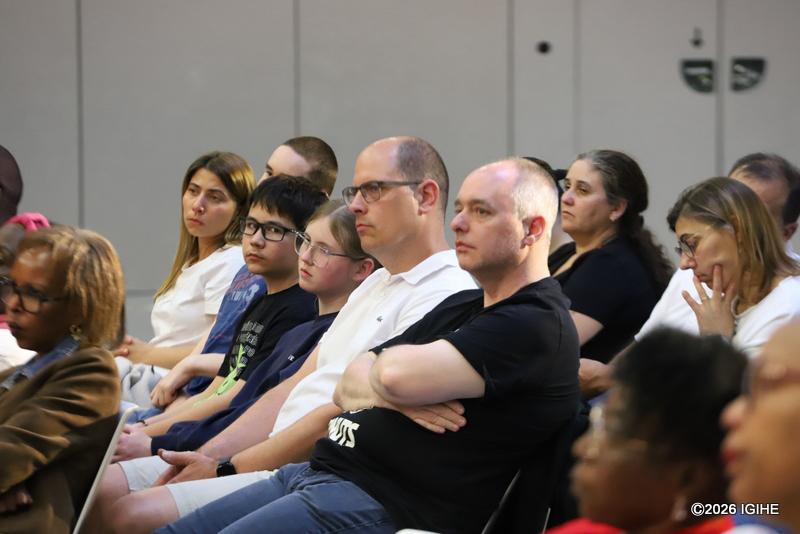
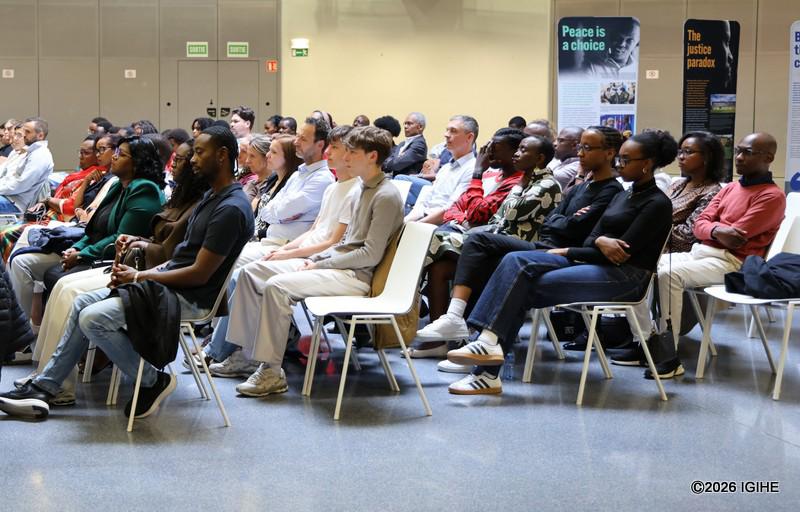
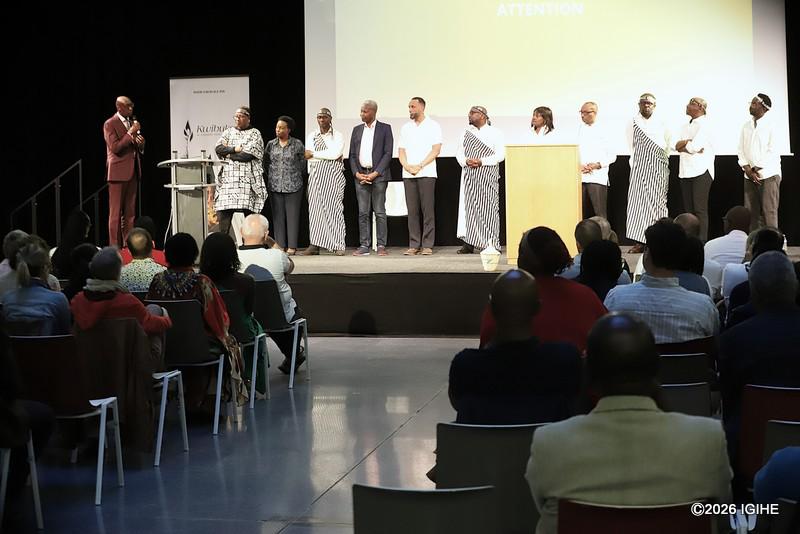
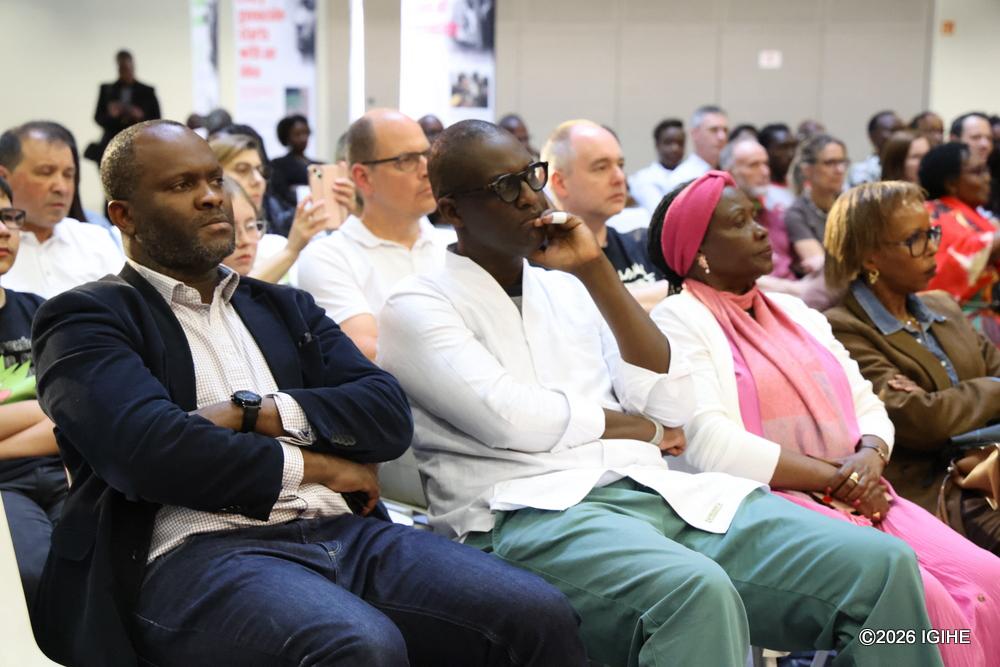
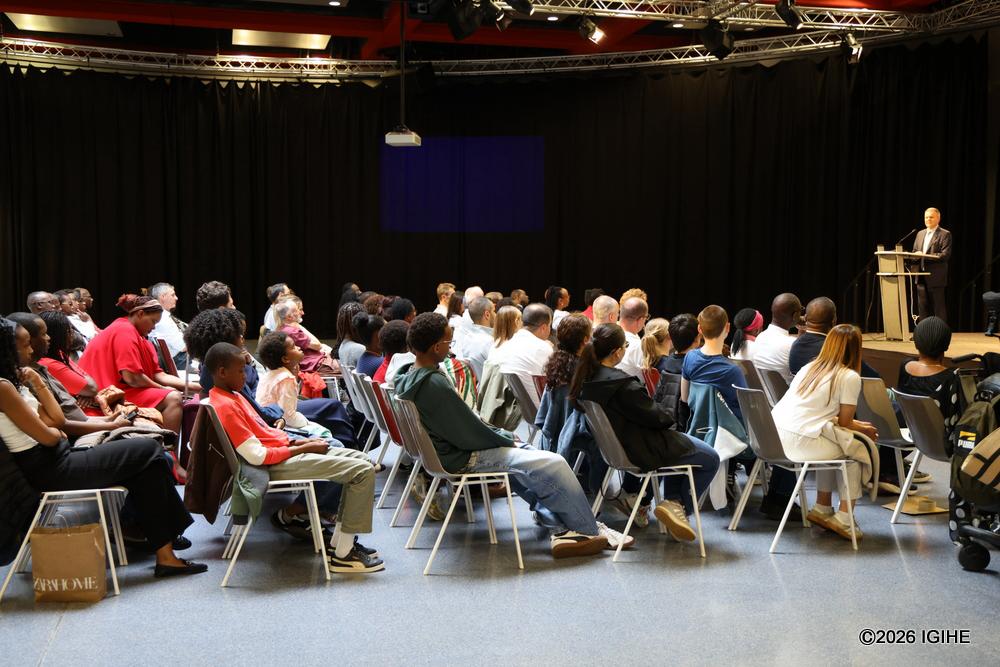
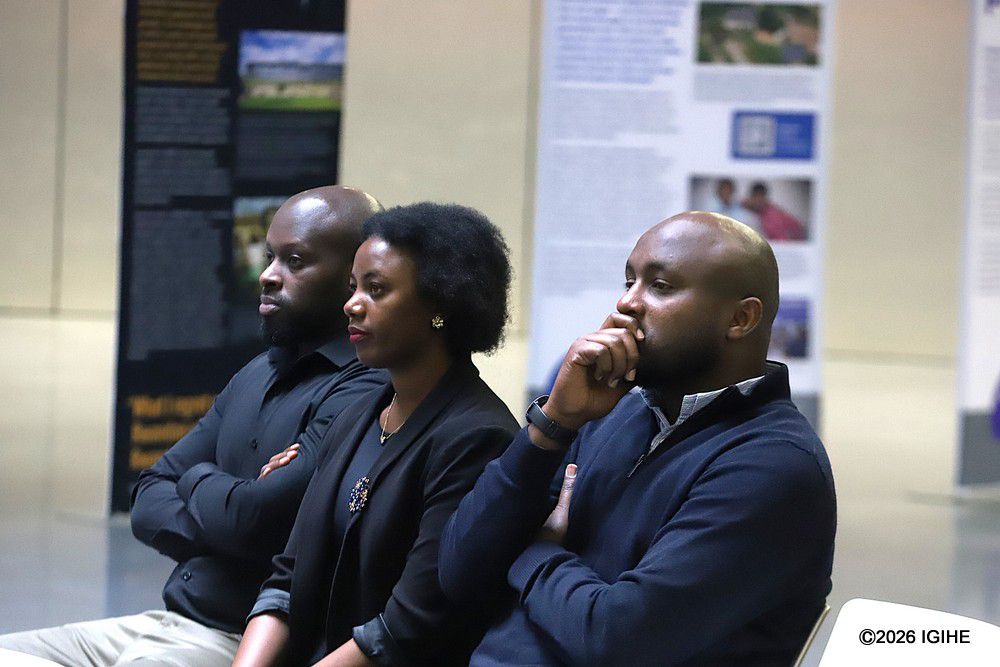
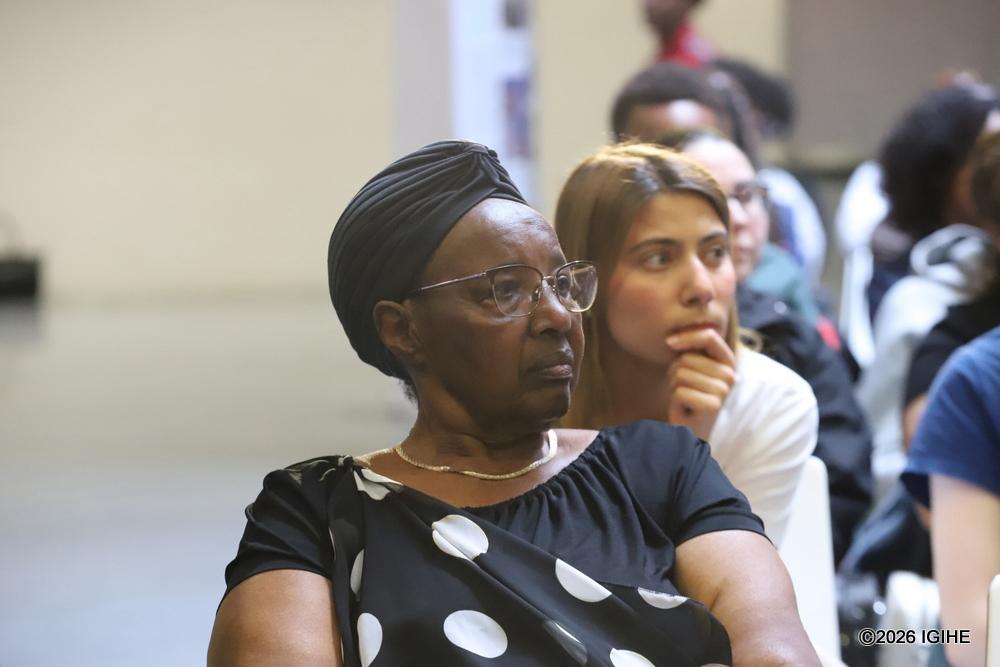
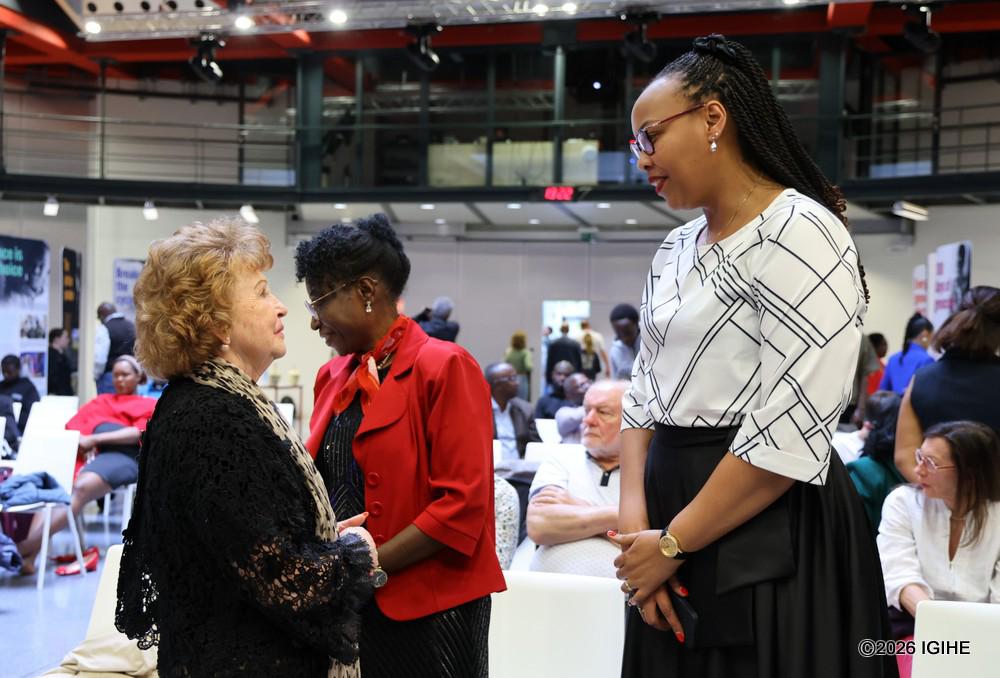
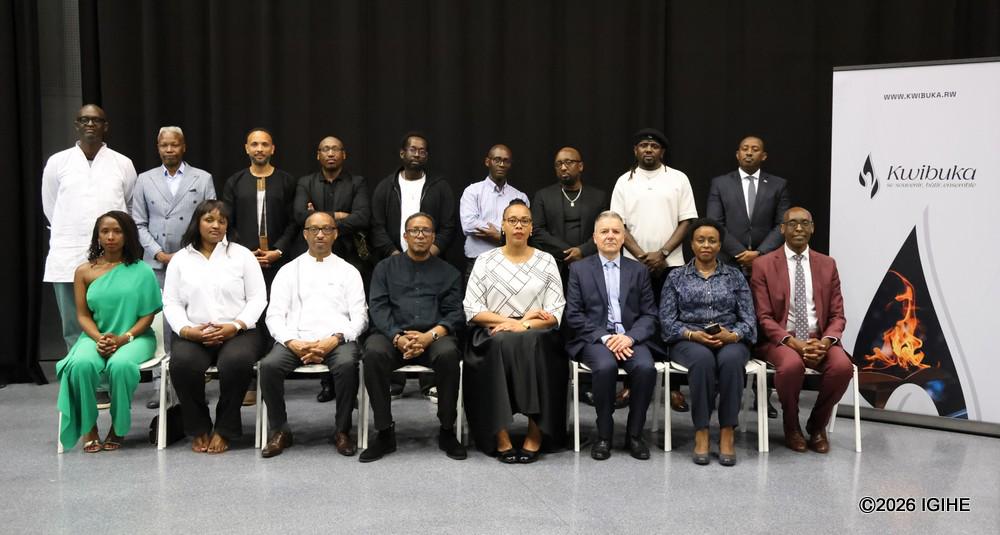
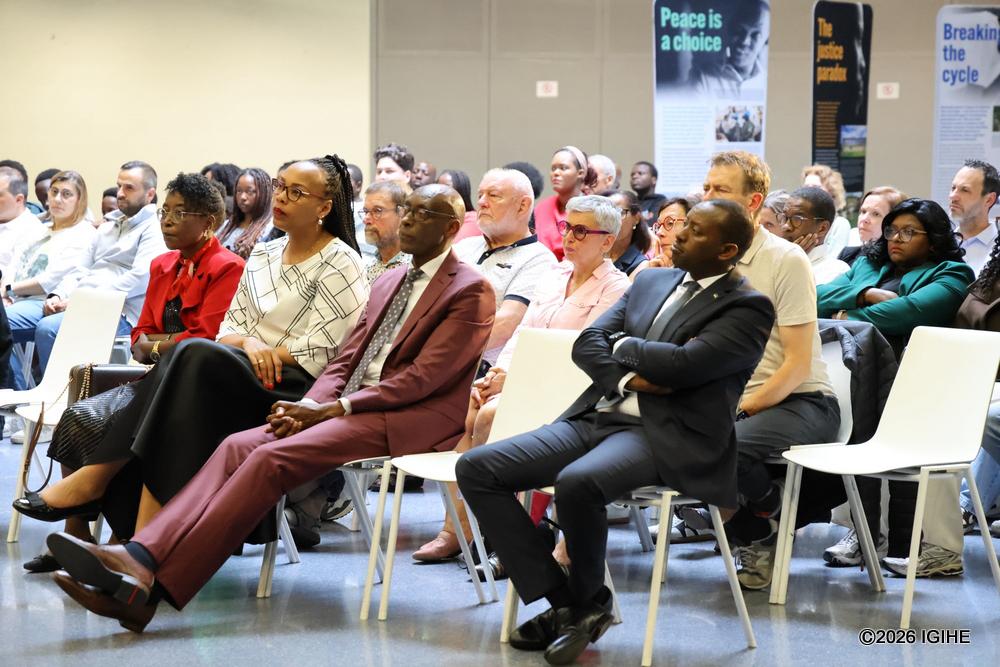
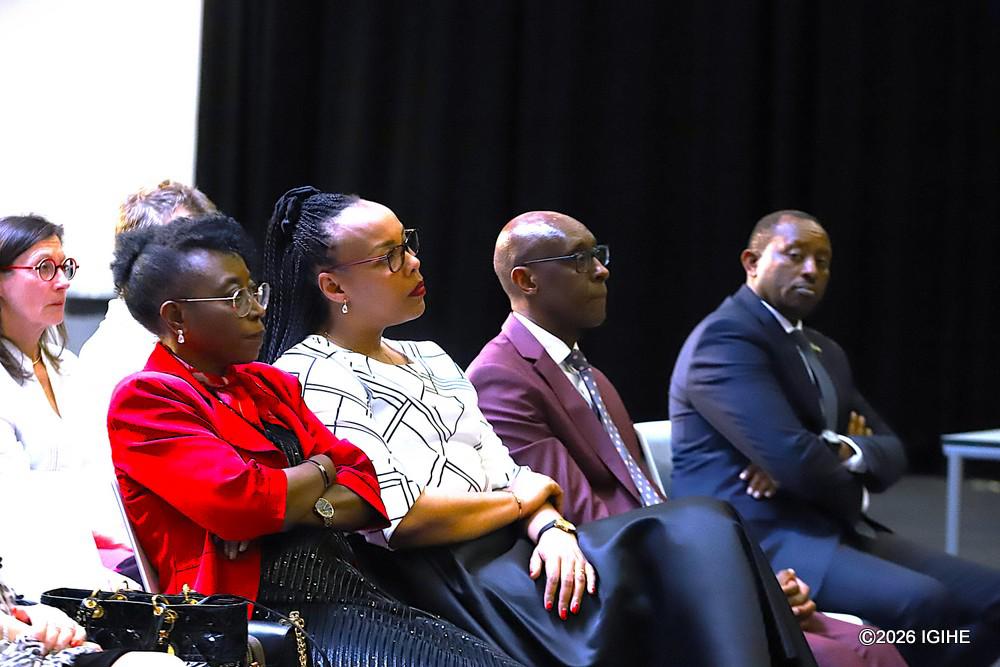
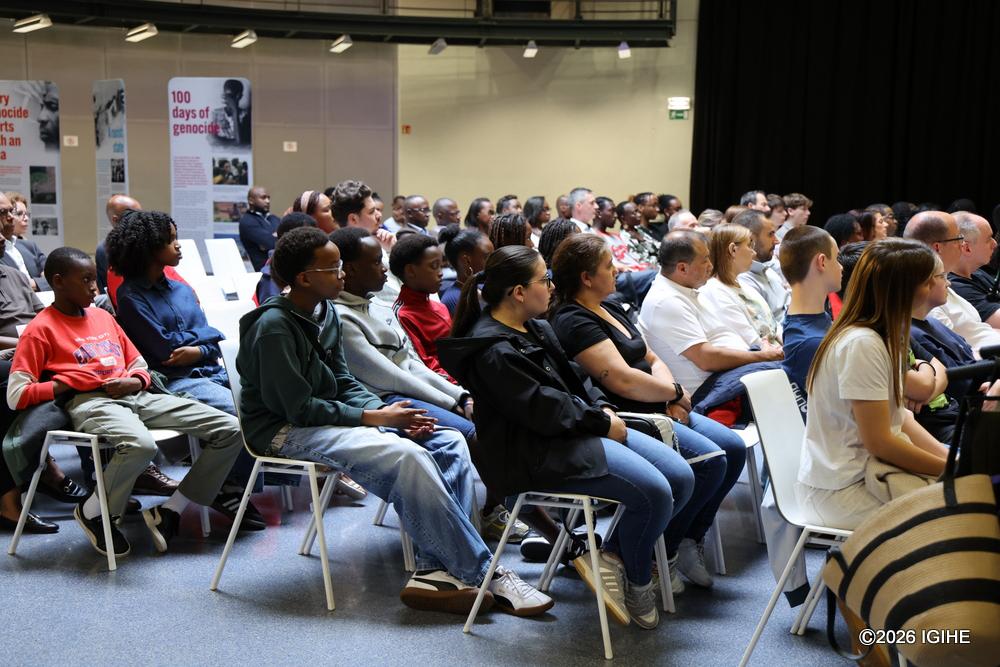
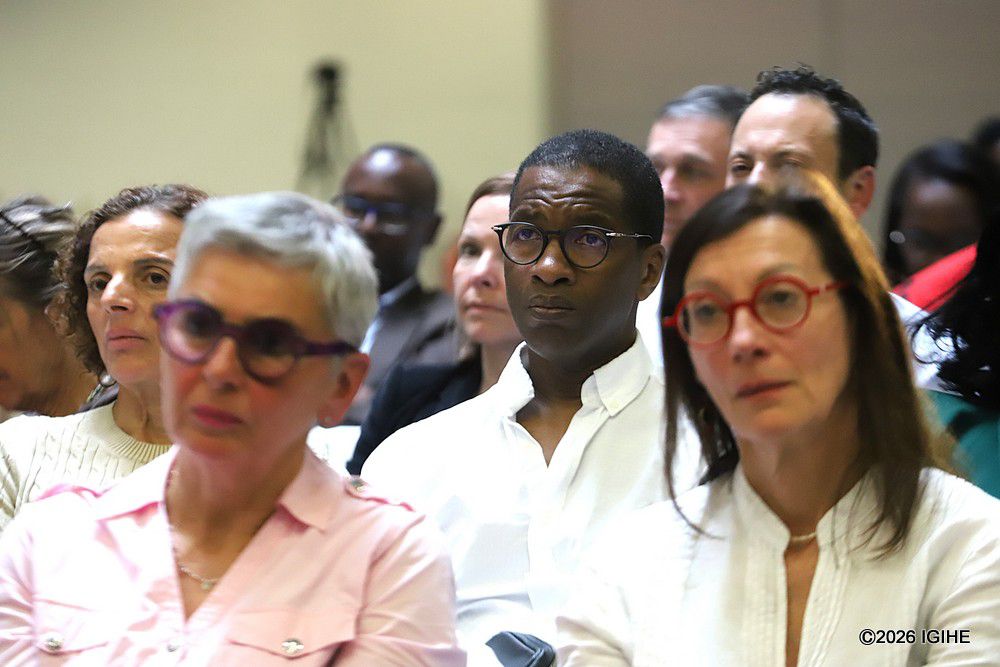
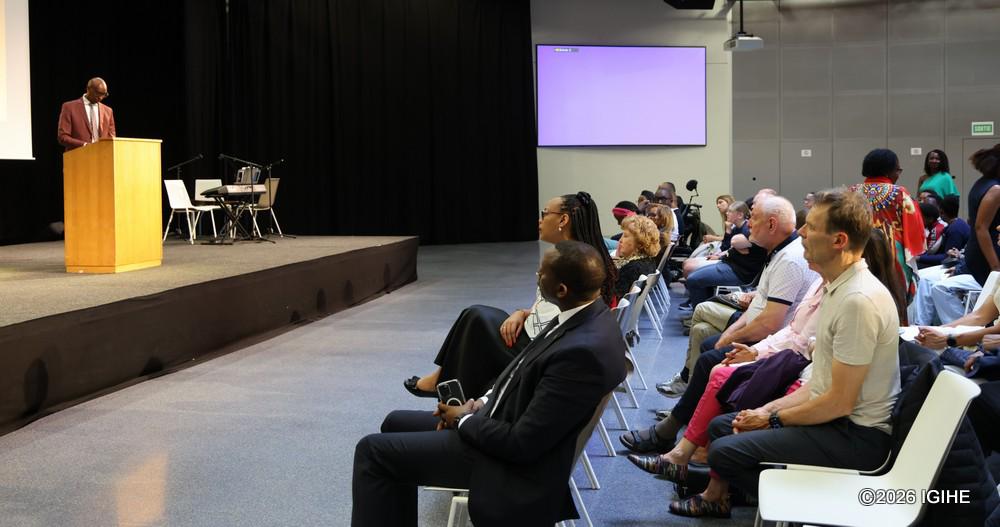
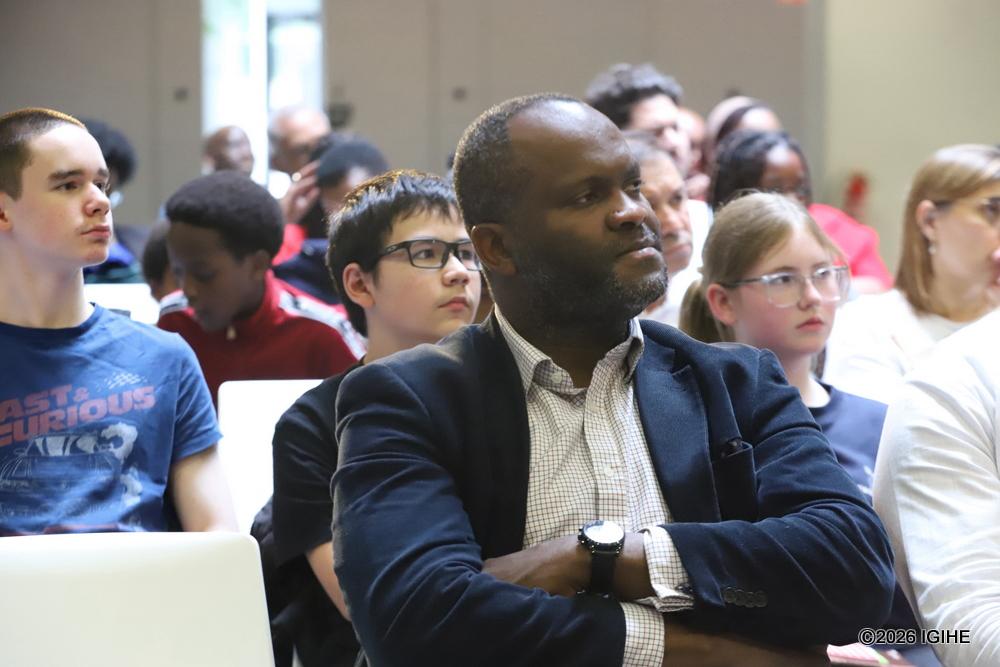
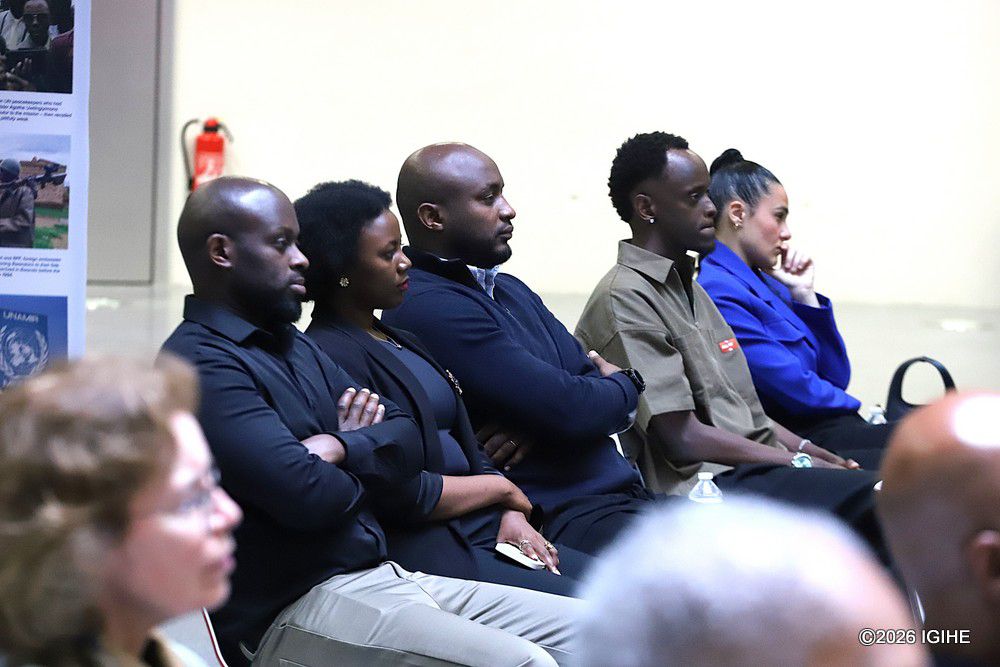
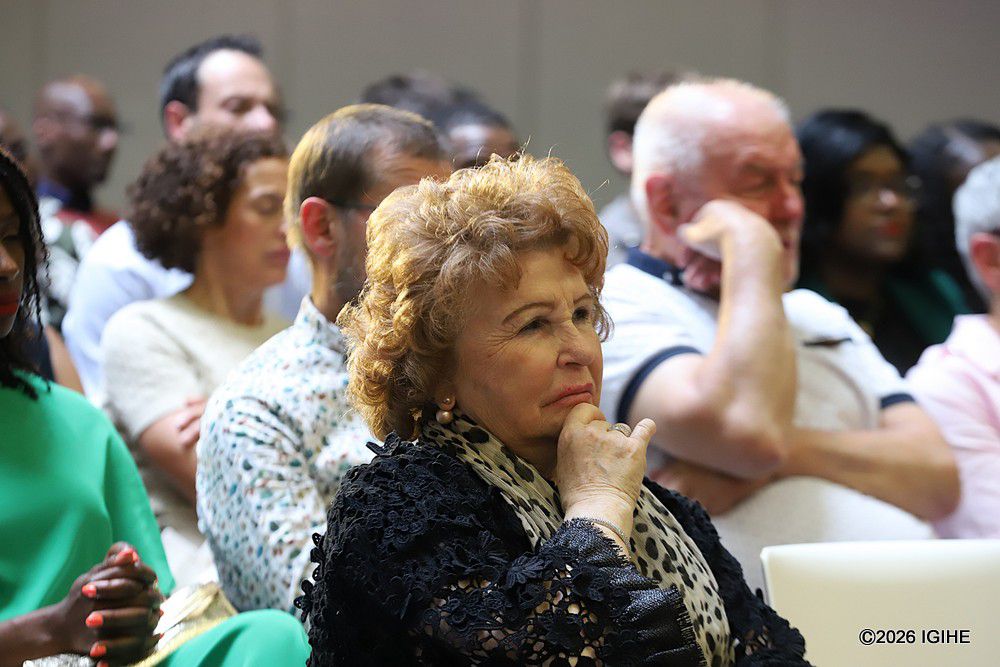
The event brought together many members of the Rwandan community as well as several distinguished guests, including the Ambassador of Rwanda to Luxembourg, Aurore Mimosa Munyangaju.
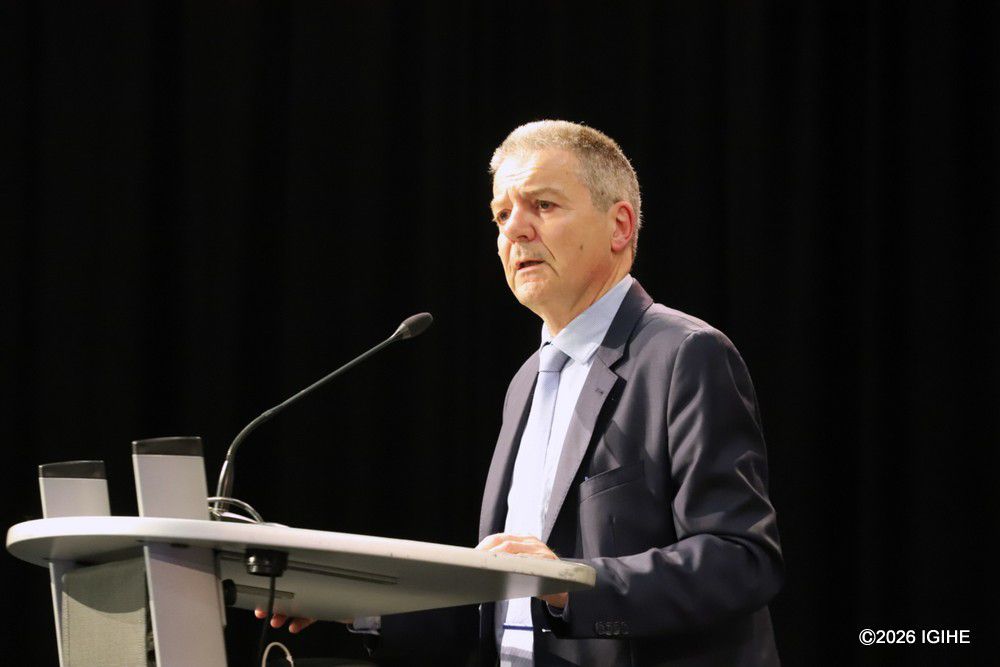
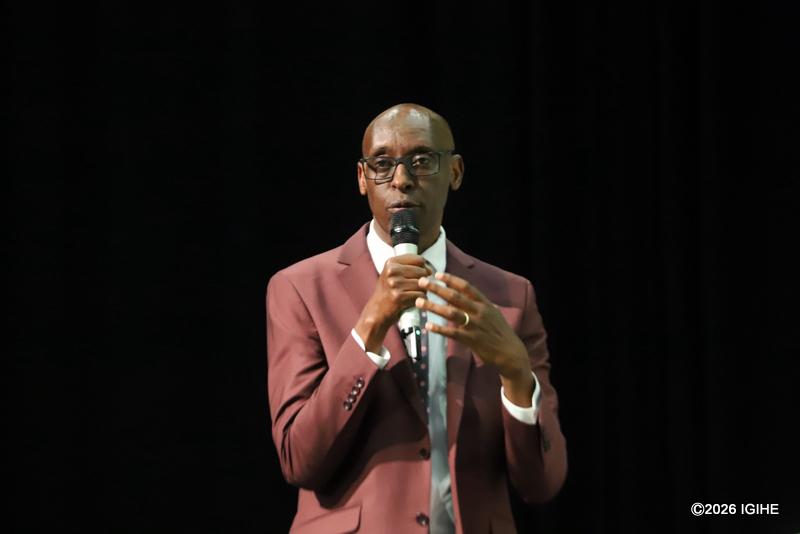
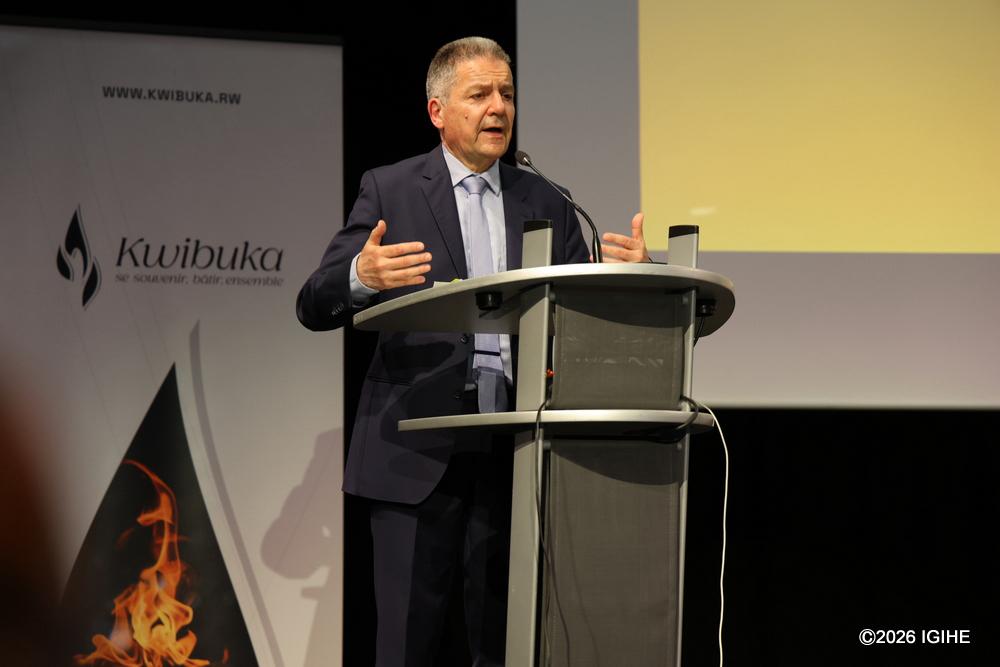
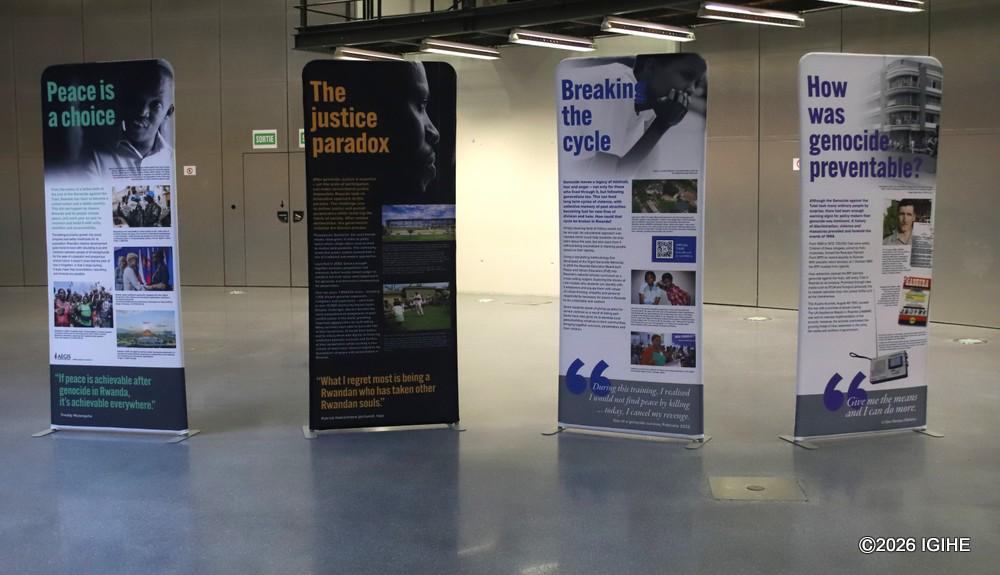
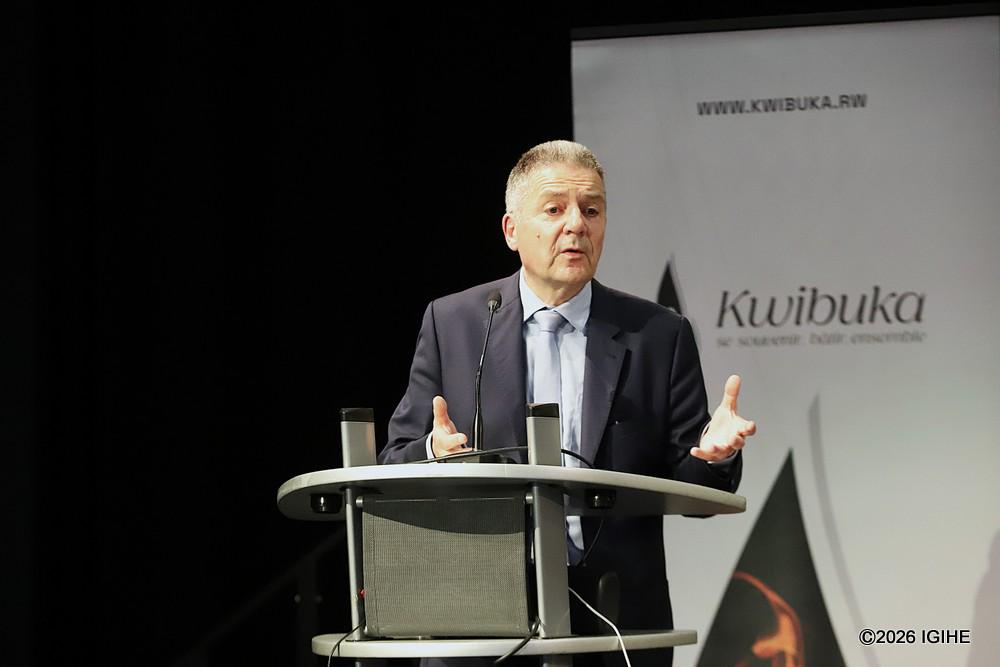
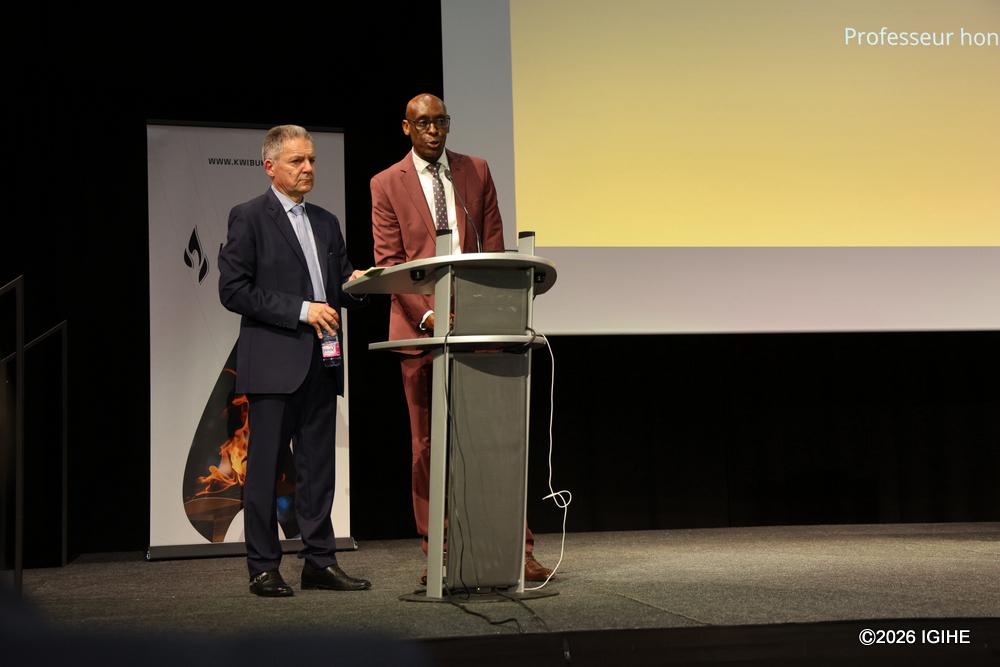
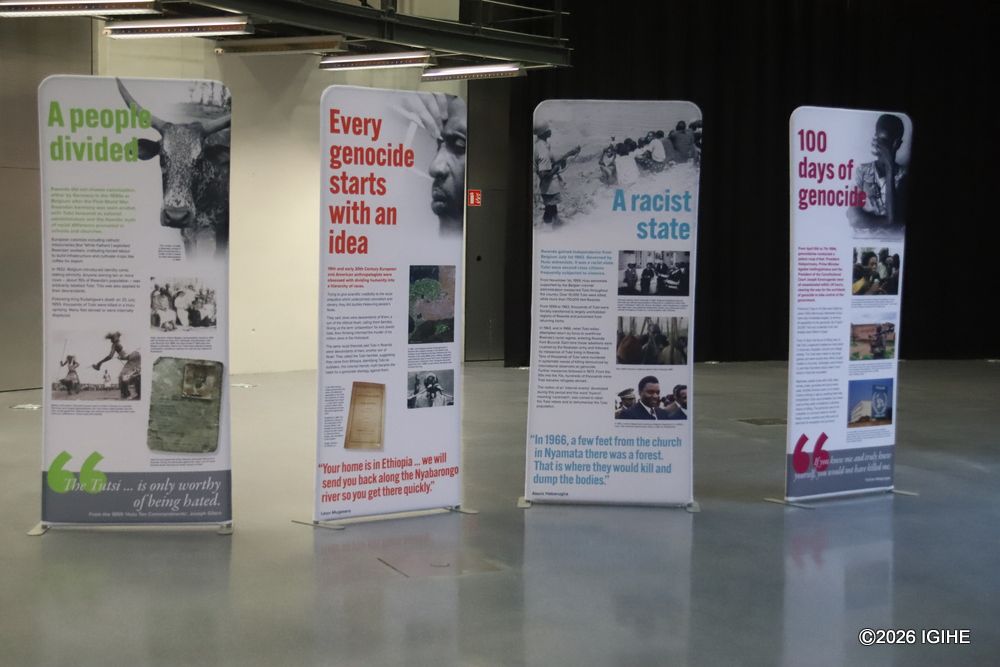
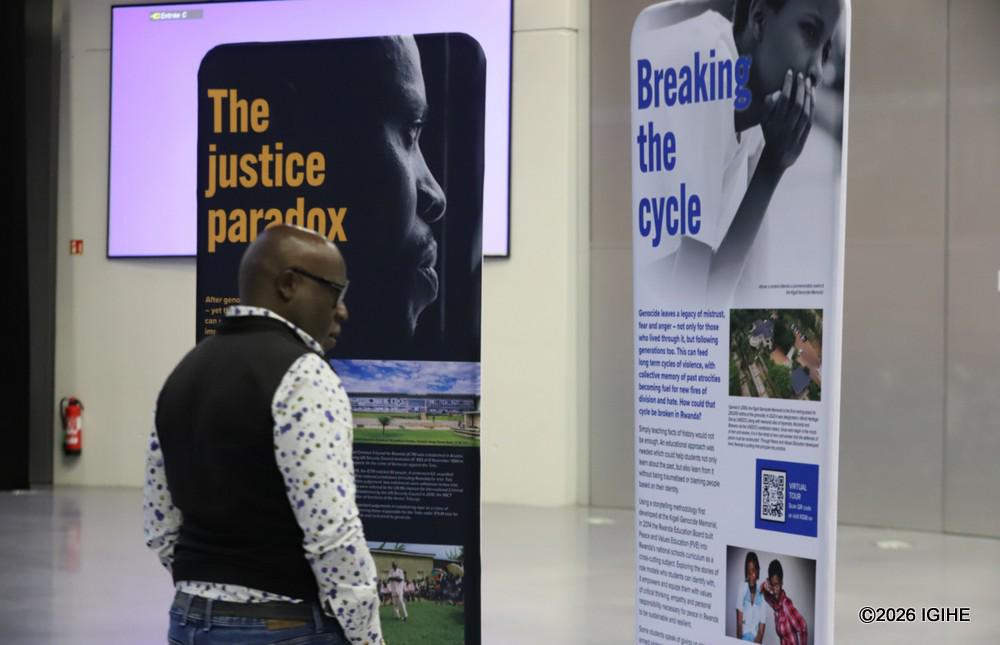
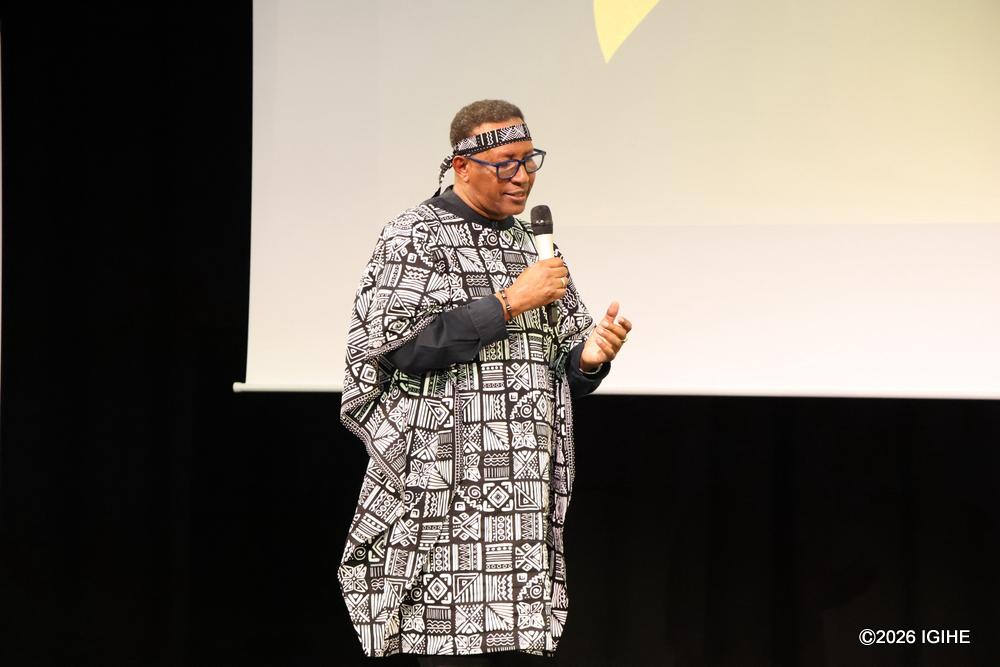
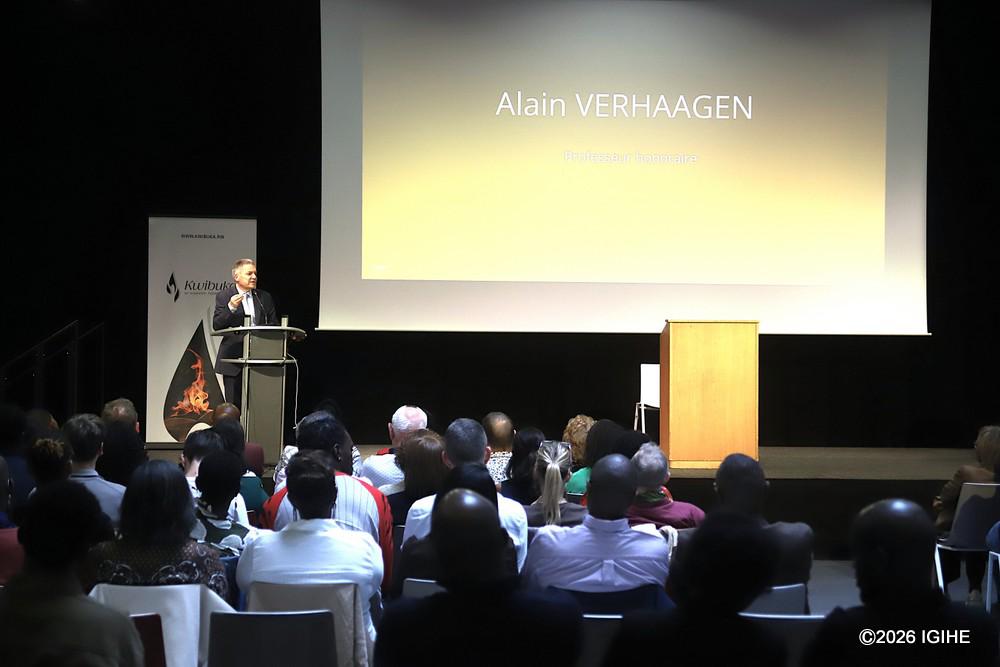
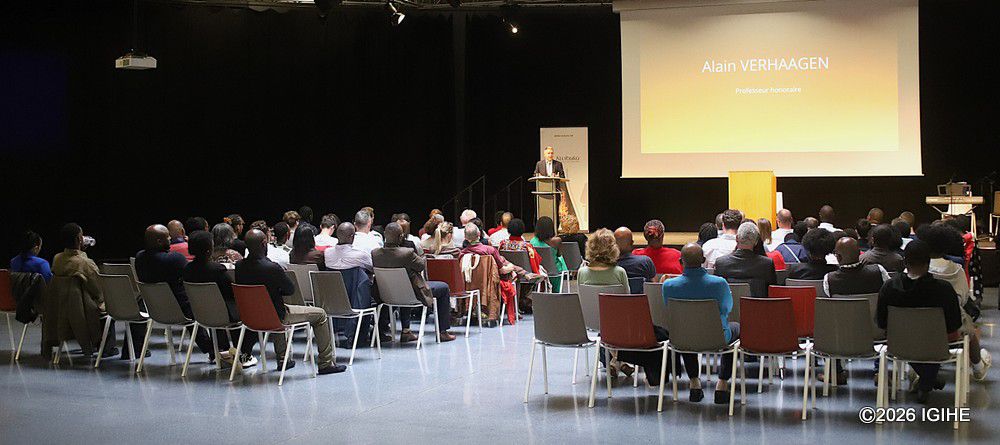
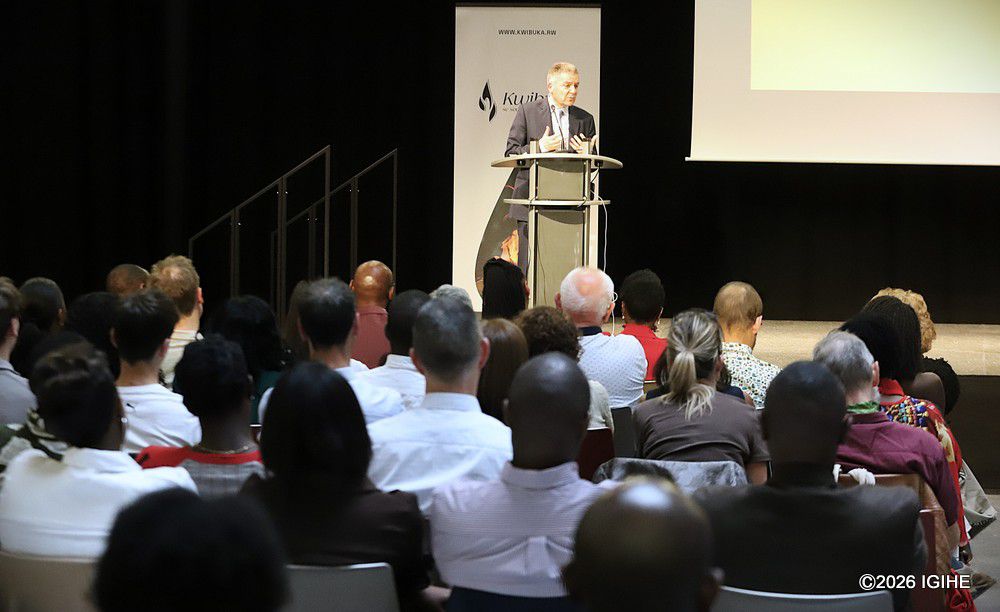
The evening was further enriched by a presentation from Professor Alain Verhaagen, who provided historical insight into the mechanisms that led to the Genocide against the Tutsi in Rwanda and the country’s reconstruction process based on unity, reconciliation, and peace.
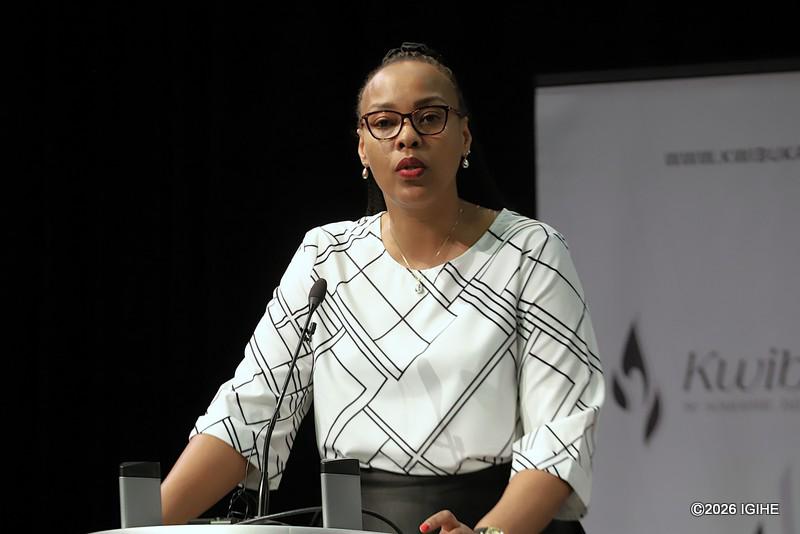
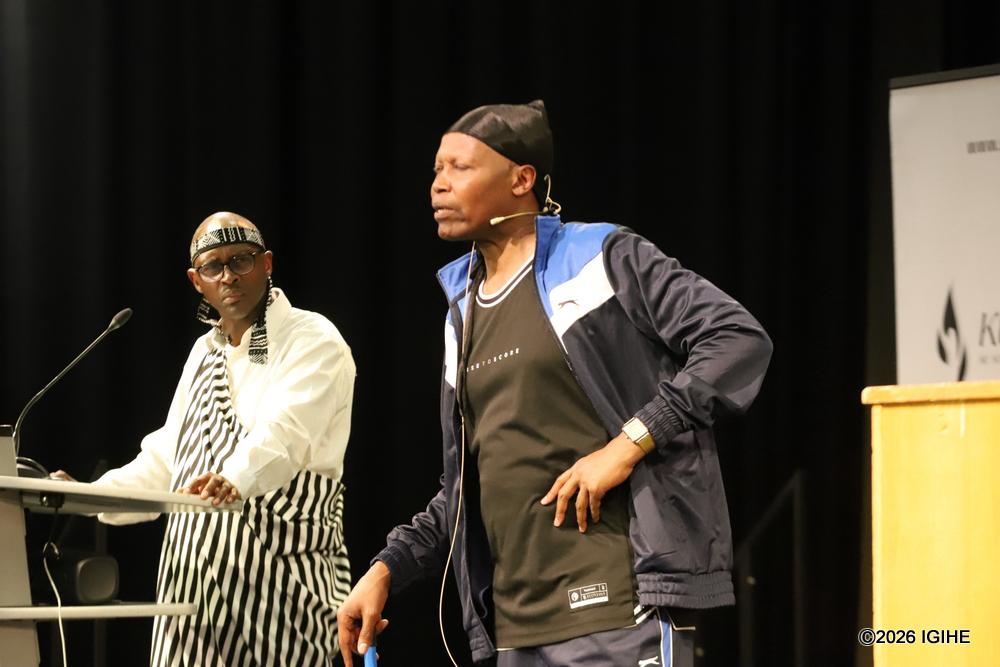
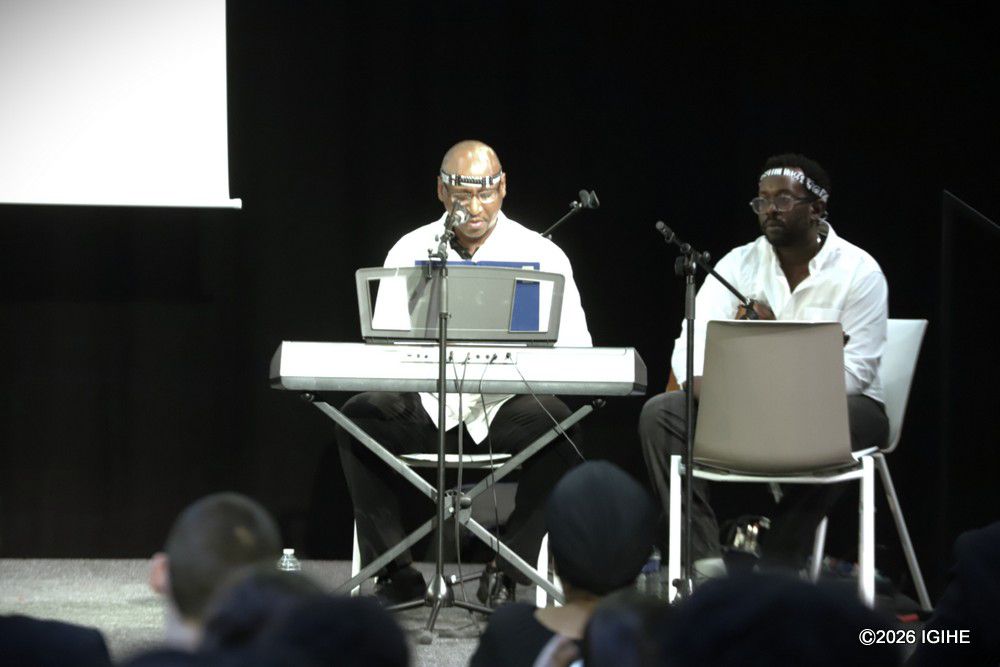
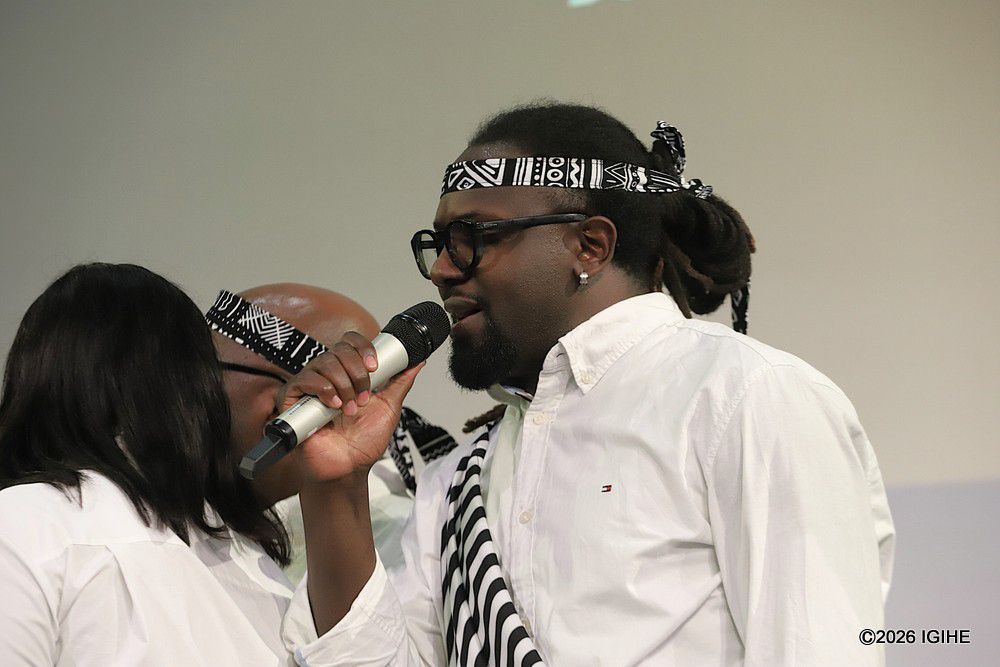
In her remarks, the Ambassador praised the play as a work that goes beyond artistic expression to become a powerful vehicle of memory, conveying essential values such as unity, respect, solidarity, resilience, and dialogue.
She emphasized the fundamental role of culture and the arts in preserving memory and passing this legacy on to younger generations.
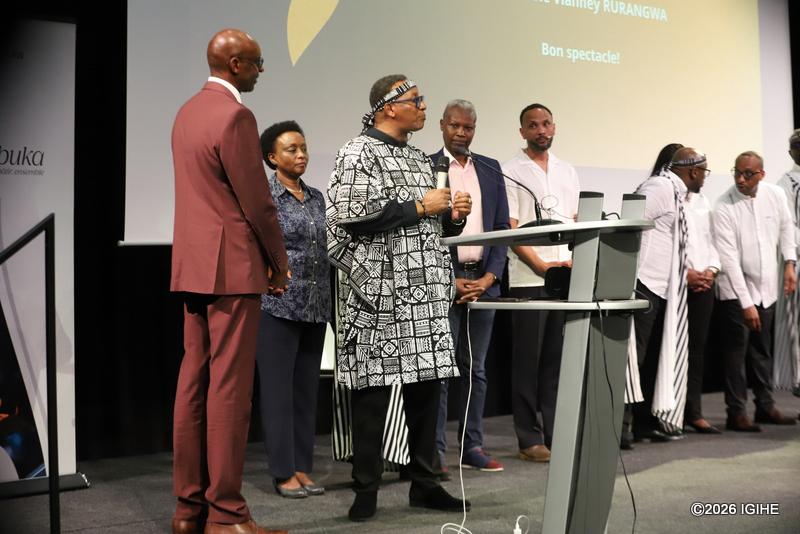
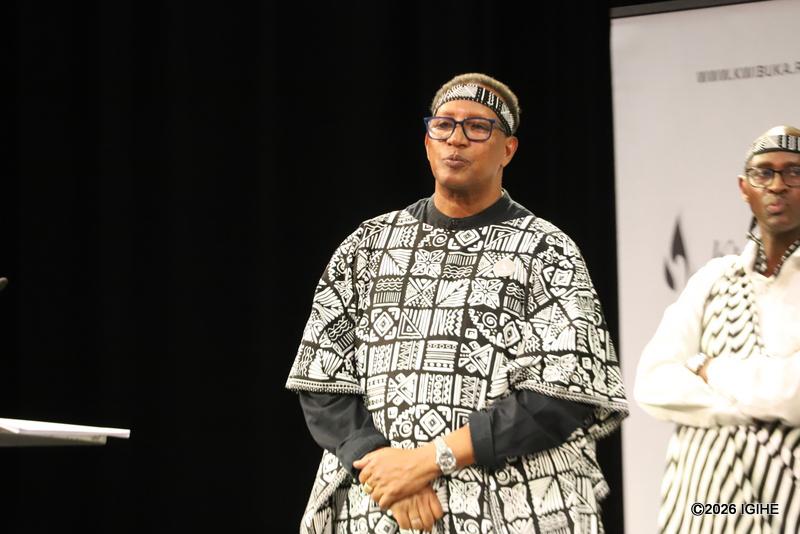
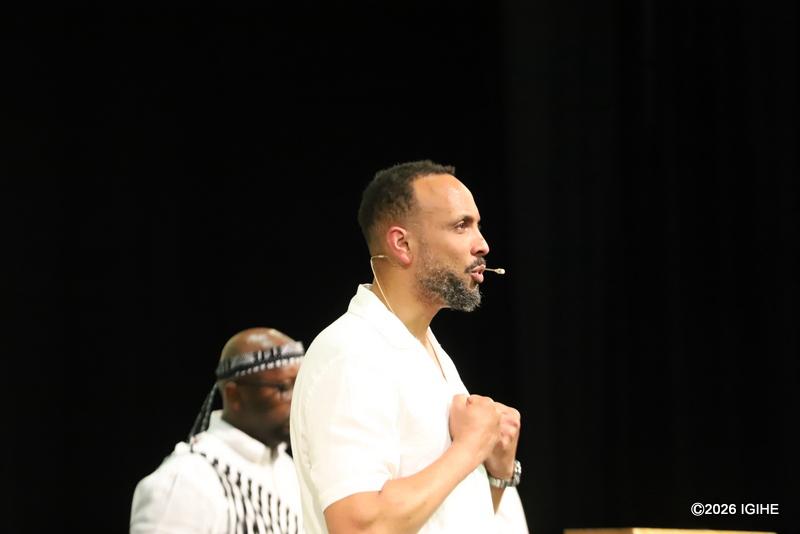
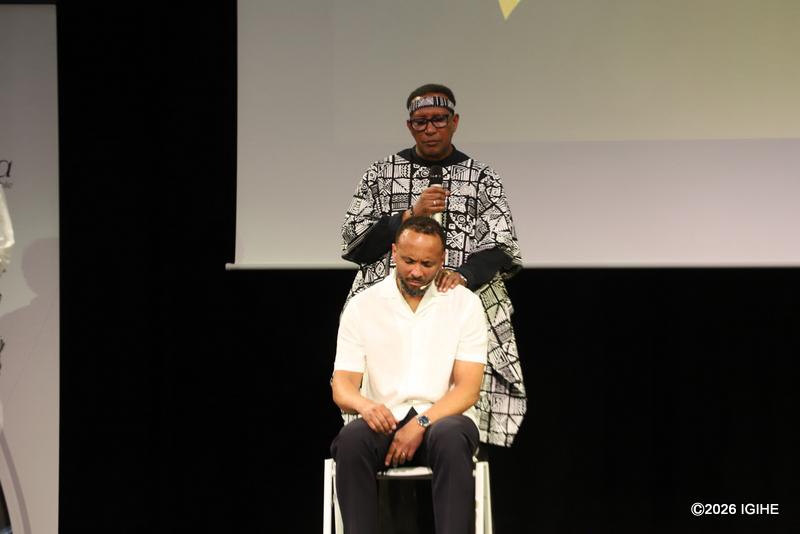
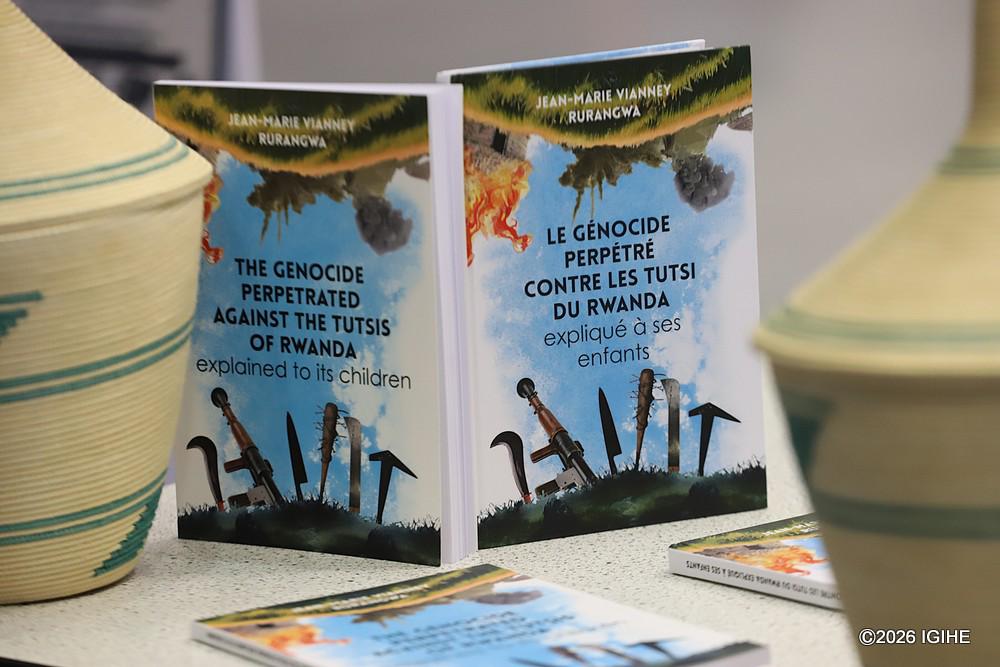
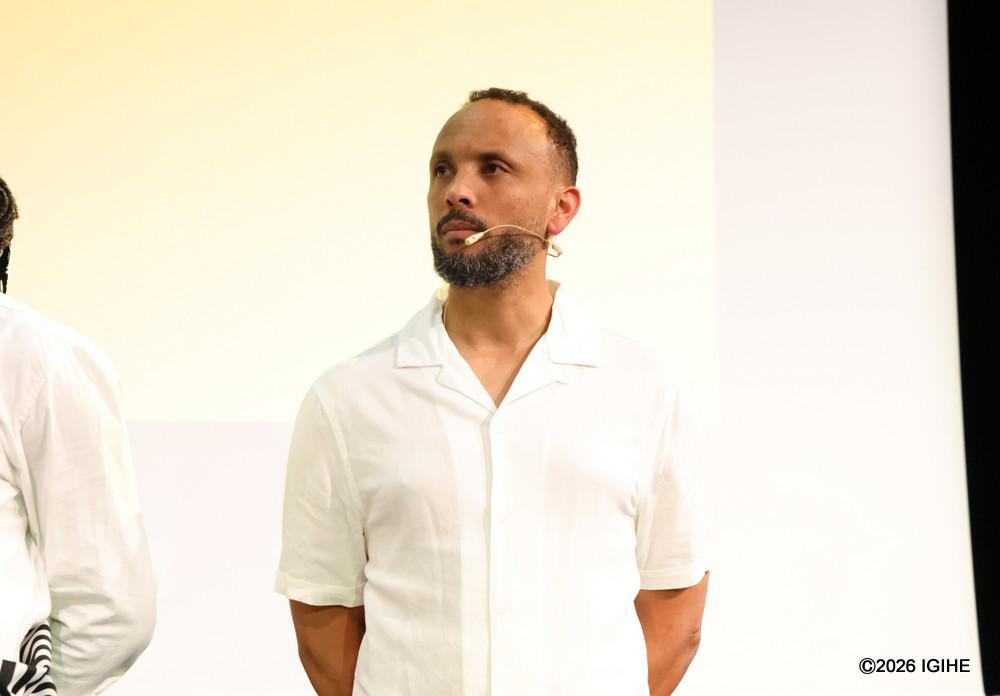
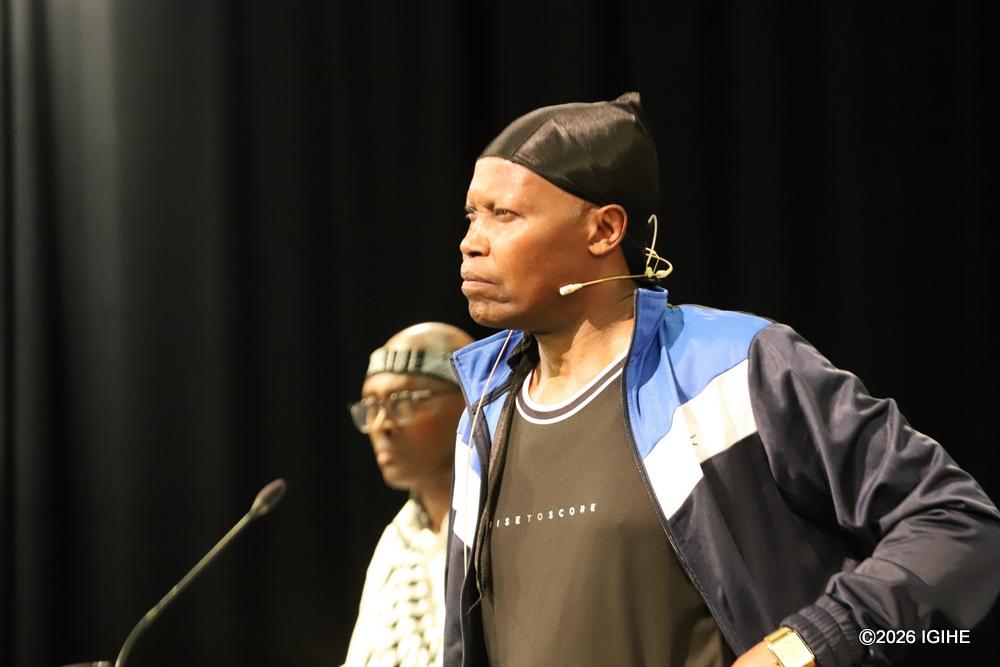
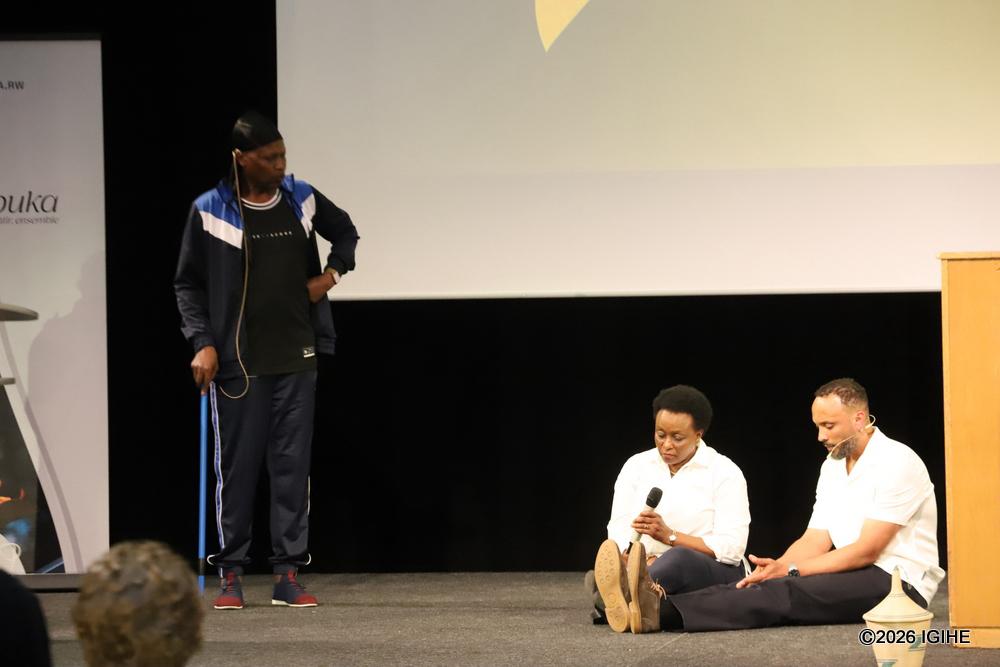
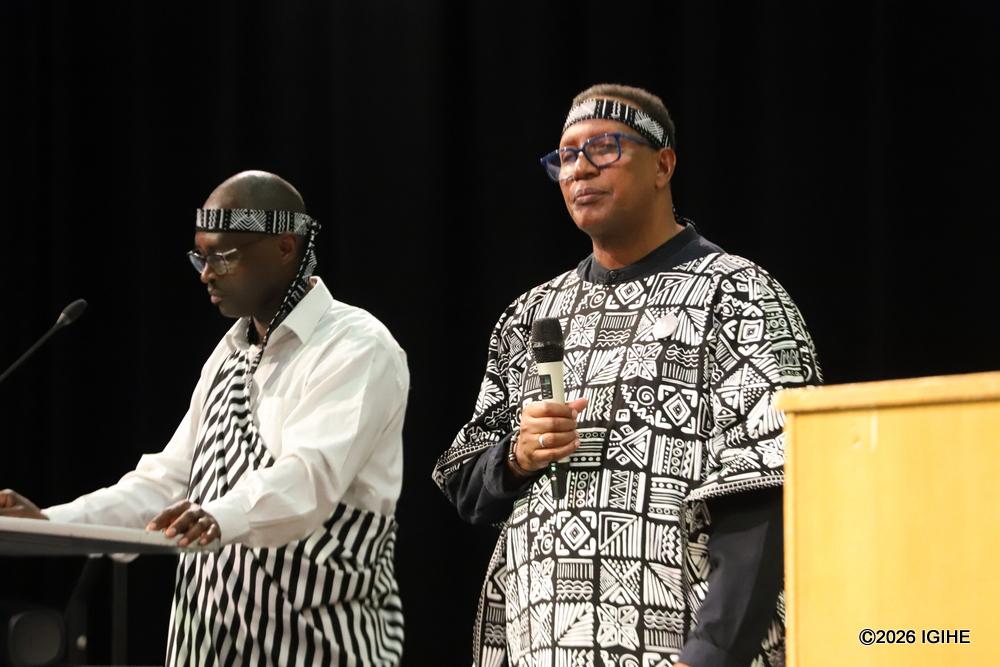
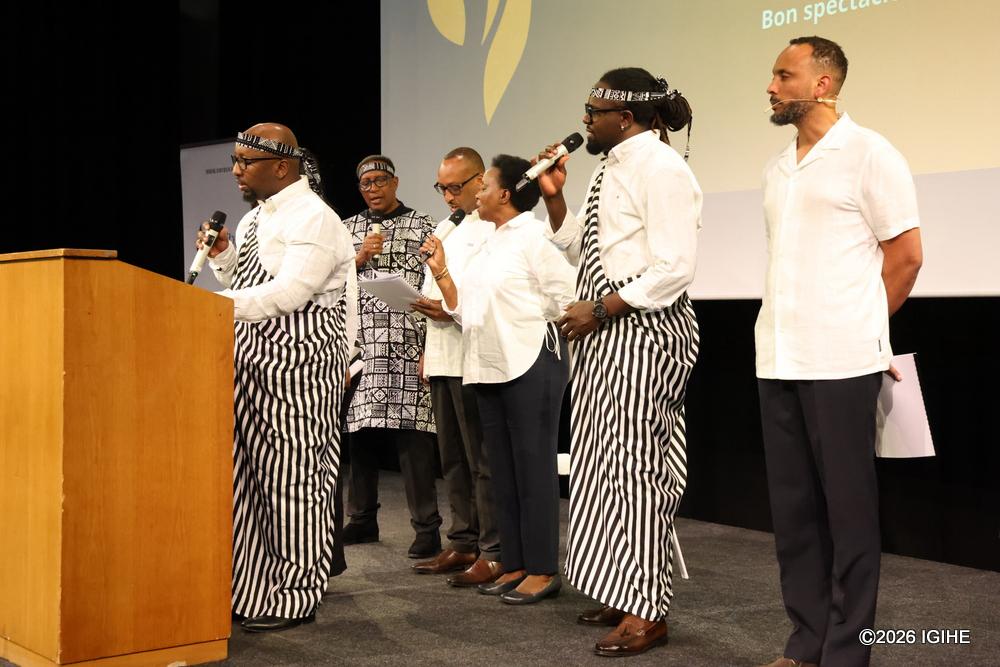
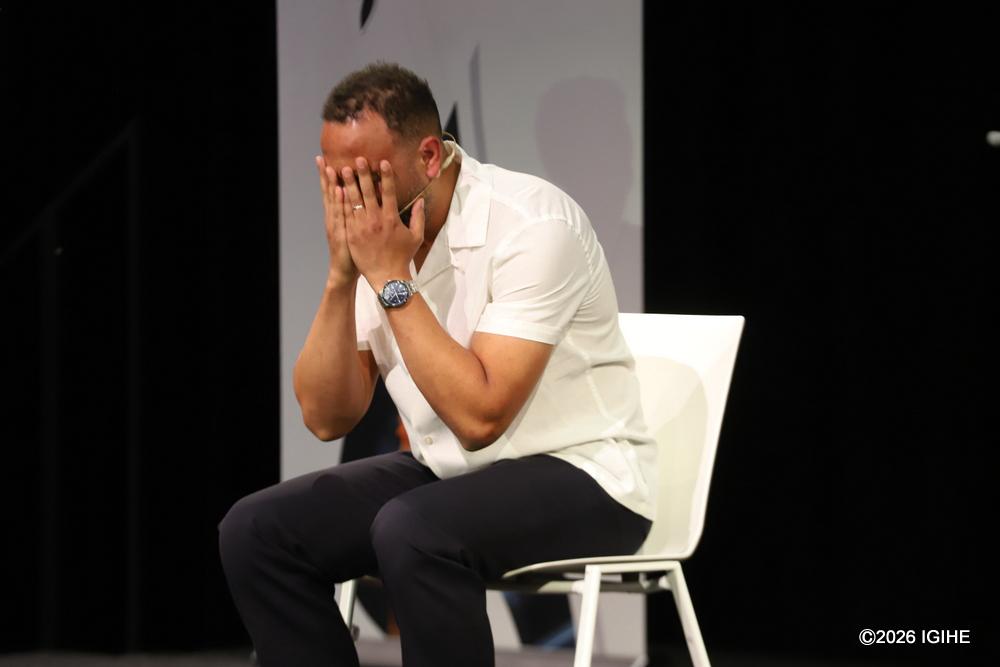
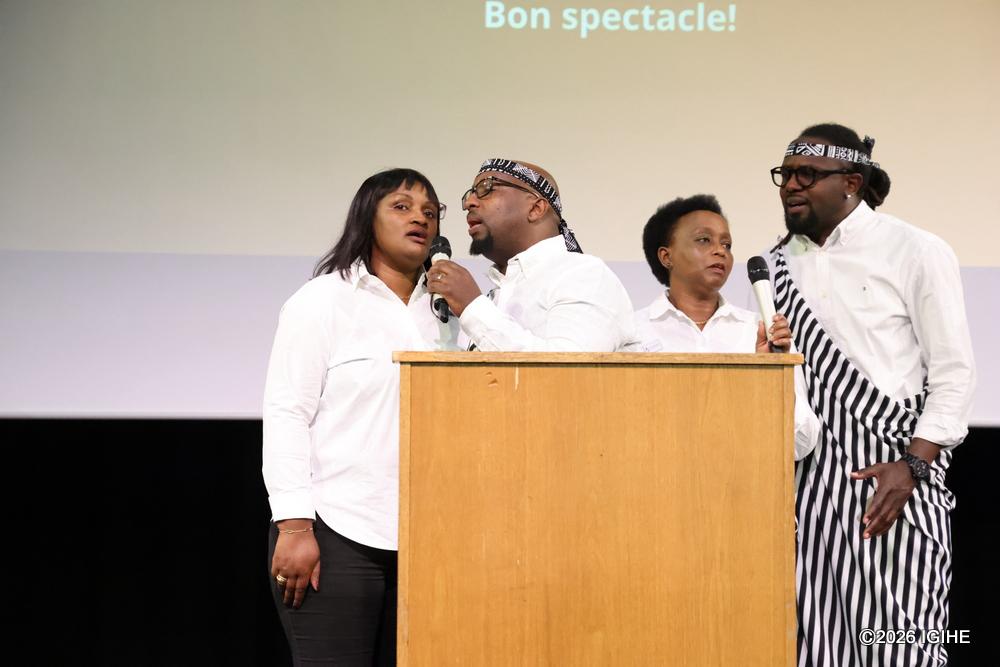
In an interview following the performance, author and director Jean-Marie Vianney Rurangwa expressed his delight at presenting Wipe Away Your Tears and Stand Up in the Grand Duchy of Luxembourg.
Having already brought the play to several countries, including Rwanda, Uganda, Egypt, the United States, Belgium, Poland, Senegal, and Guinea-Conakry, he said he was honored to have been invited by Ibuka Luxembourg in collaboration with the Embassy of Rwanda in the Grand Duchy of Luxembourg.
He extended his sincere gratitude to all the artists, organizers, partners, and everyone who contributed to the success of the performance. He also expressed his deep appreciation to the audience for their presence, attention, and commitment to the duty of remembrance.
According to him, everyone’s contribution helped make the Luxembourg stage of this journey a significant moment of commemoration, transmission, and reflection.
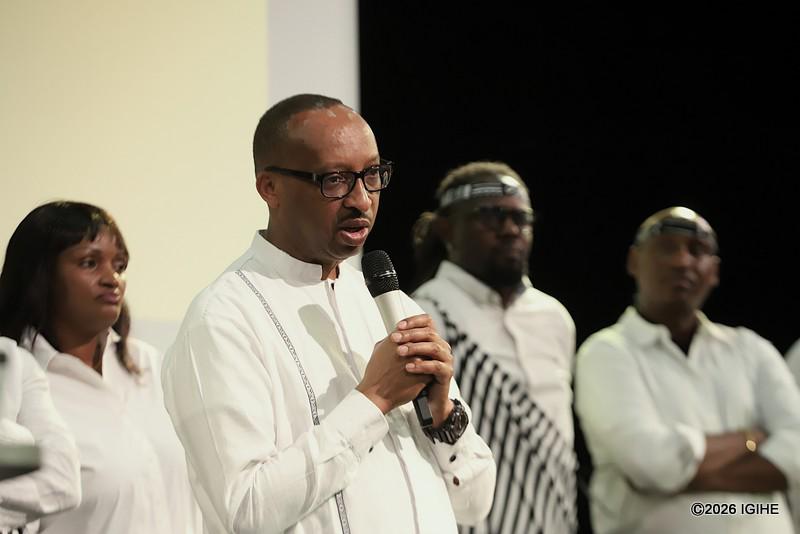
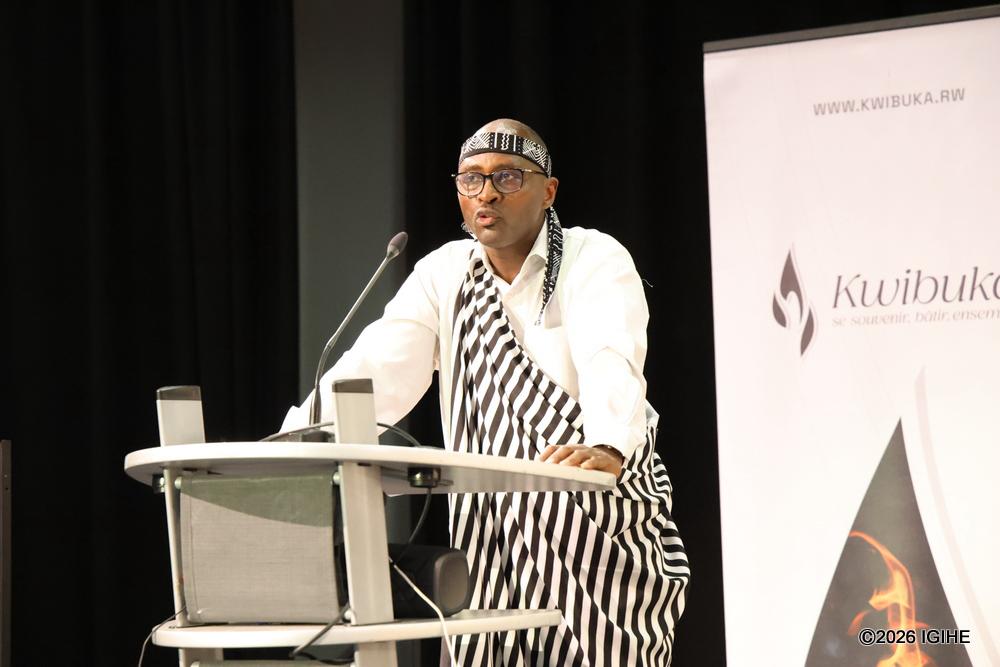
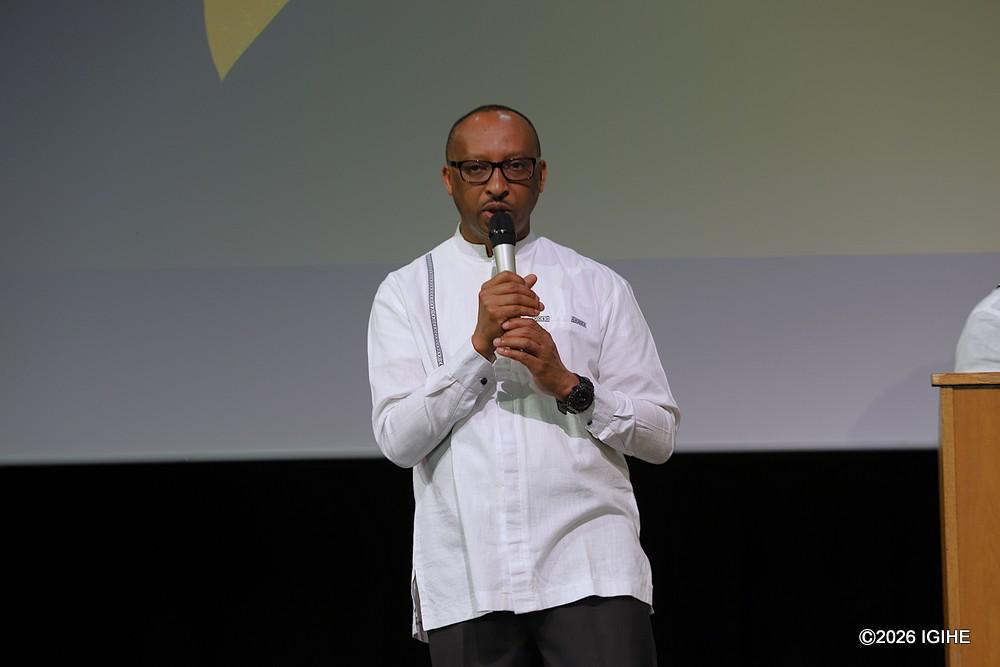
For his part, Kalisa Didace, President of Ibuka Luxembourg, recalled the importance of preserving the memory of the victims and continuing the fight against genocide denial, racism, and all forms of discrimination.
He also noted that this initiative, one of the first organized by the young association founded last March, is fully in line with its mission of transmitting memory to present and future generations.
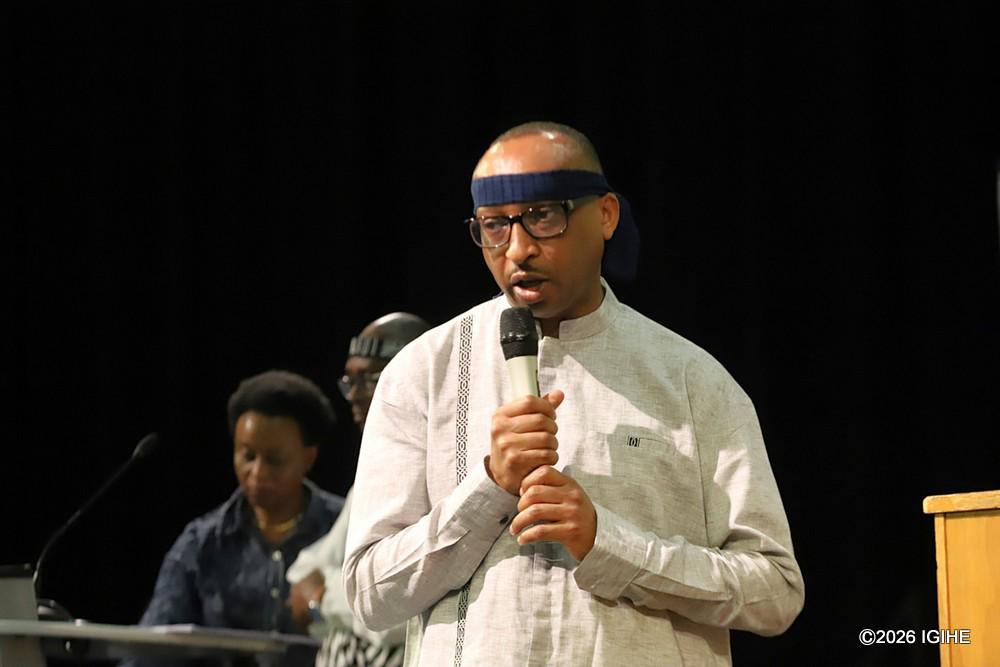
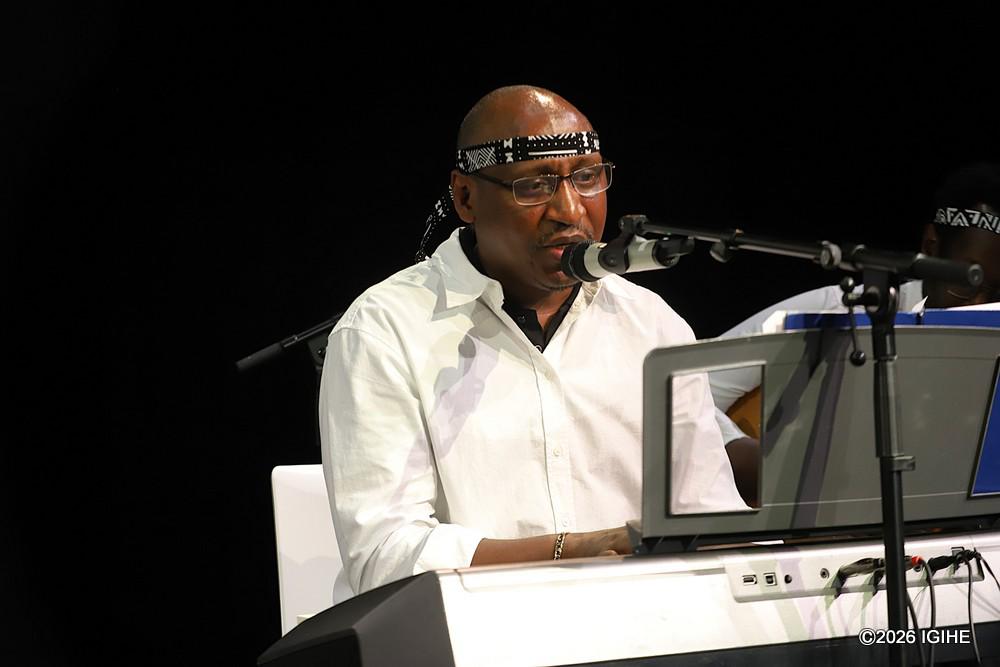
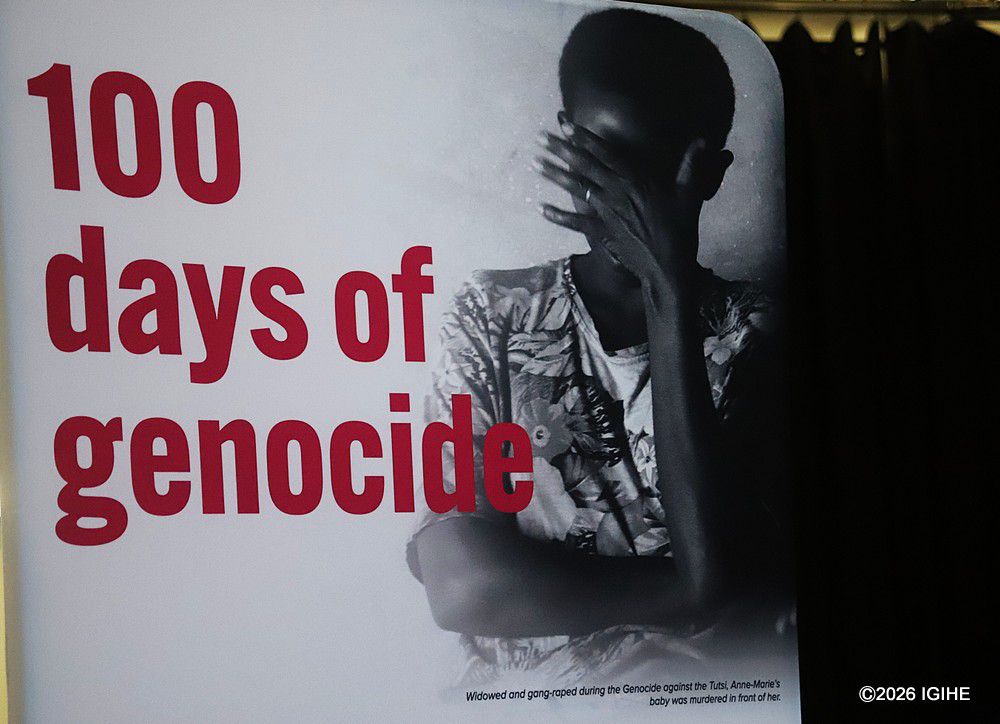
Through discussions, testimonies, and the power of theatre, the evening reaffirmed the importance of remembrance while conveying a message of hope, human dignity, and collective commitment to peace, mutual understanding, and social cohesion.
It also highlighted the essential role of culture in preserving the memory of the Genocide against the Tutsi and transmitting its lessons to future generations.



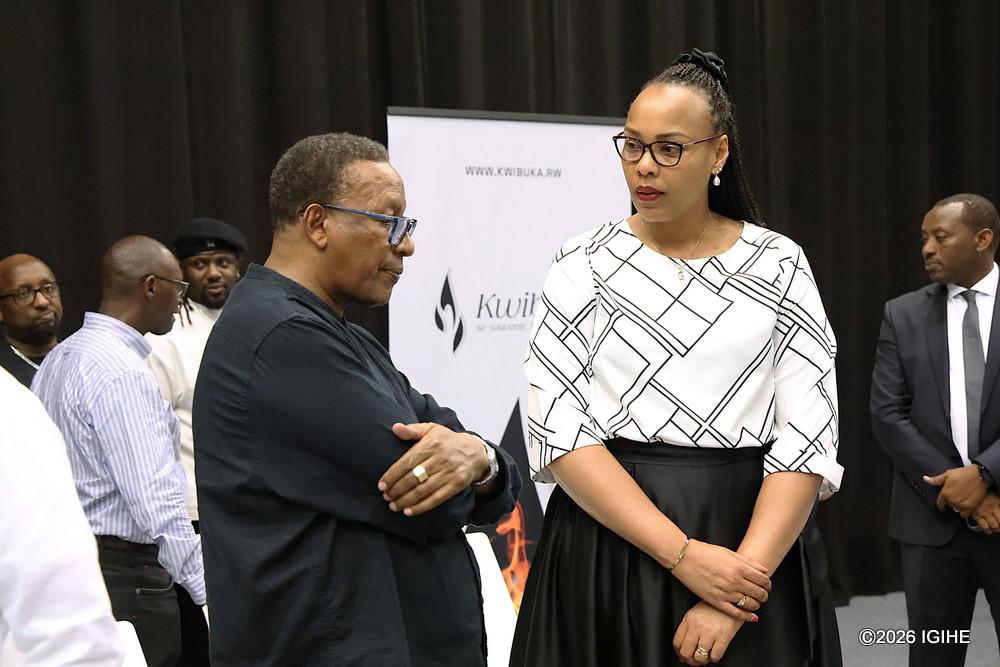
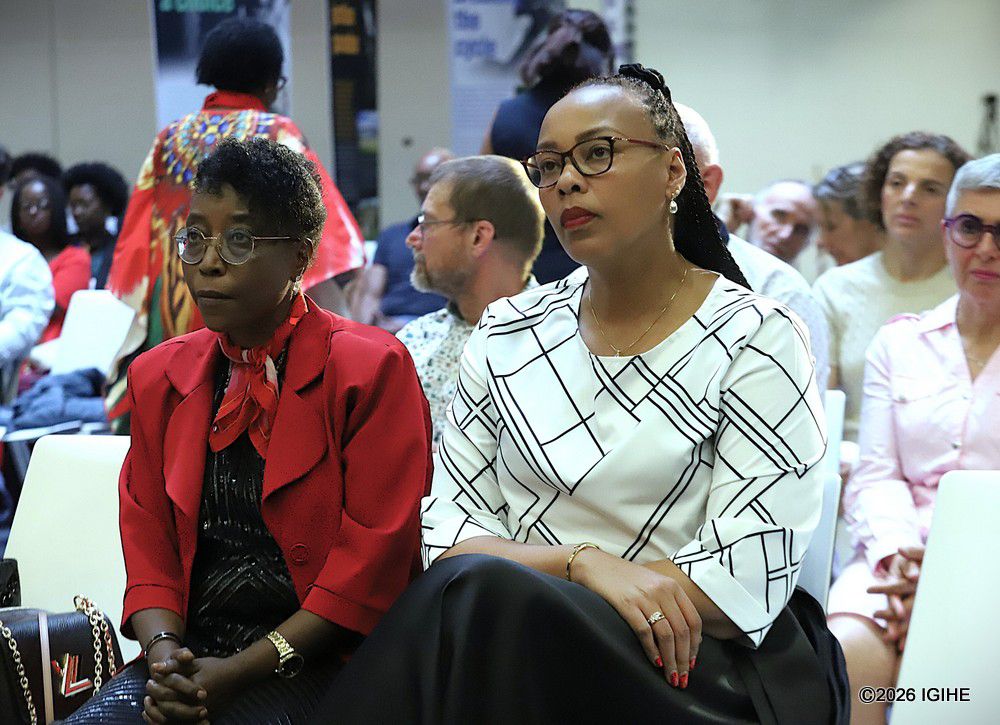
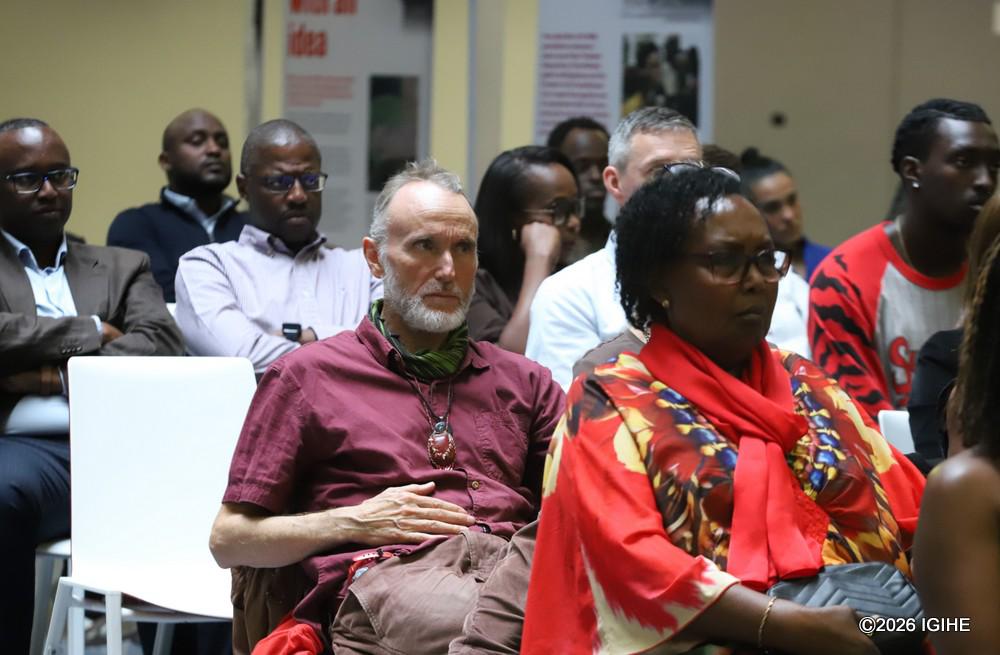
Photos: Emmy Uwimana
Loading comments...
Leave a comment