



Three decades ago, electricity in Rwanda was scarce. In the mid-1990s, only about 1% of households were connected, and outages were frequent. Today, that picture has changed dramatically. By 2025, electricity access has surpassed 85% of households (almost 100% in urban areas and 60~70% in rural areas), supporting urban development, industrial growth, and improved living standards across the country.
This transformation has been driven first and foremost by Rwanda’s strong national vision and leadership, implemented through institutions such as the Ministry of Infrastructure (MININFRA), Rwanda Energy Group (REG), EDCL, and EUCL. Over the past 20 years, JICA has supported these efforts by providing not only financing but also technical expertise and long-term capacity development.
Two decades of partnership and progress
Since the early 2000s, JICA’s cooperation with Rwanda has evolved alongside the country’s needs. Rather than focusing solely on short-term infrastructure delivery, JICA has taken a long-term approach—strengthening both infrastructure and human capacity to ensure sustainable power supply.
Between 2011 and 2020, JICA implemented a three-phase project to upgrade Rwanda’s substations and distribution infrastructure:
Phase I (2011-2014) focused on rehabilitating substations and expanding networks in key areas such as Kigali, Huye, Musha, and Rwinkwavu, addressing voltage instability and system losses.
Phase II (2016-2018) introduced new infrastructure, including the Ndera substation and transmission lines, to meet growing demand in high-consumption zones like the Kigali Special Economic Zone.
Phase III (2018-2022) further strengthened the system through the construction of the Gasogi substation and additional distribution facilities.
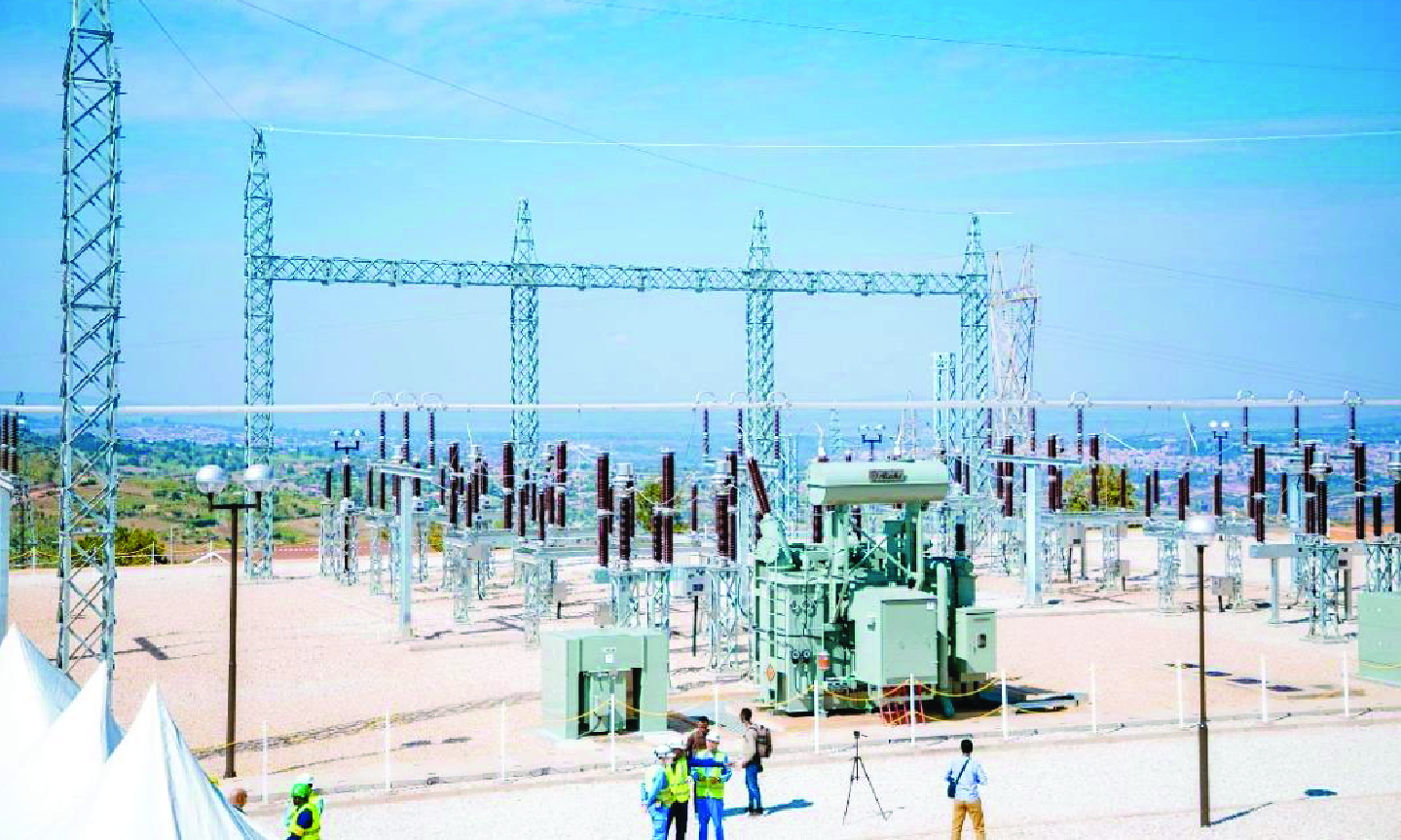
These investments came at a critical time, as Rwanda’s electricity demand was rising by roughly 10% annually and urban centers were expanding rapidly.
In Huye, electricity demand grew rapidly in tandem with the population increases of the 2000s and 2010s. However, much of Huye’s distribution infrastructure at the time had been built in the 1980s. Equipment deterioration and aging had progressed significantly, and because the specifications were older than those of other developing cities, spare parts were difficult to obtain. This meant that any malfunction could potentially trigger a large-scale power outage.
The Project for Improvement of Substations and Distribution Network (Phase I), launched in 2011, carried out rehabilitation and upgrades of substations in Kigali, Gikondo, and Birembo at the heart of Rwanda; Musha in the Eastern Province—which encompasses the Rwamagana district where an industrial park development plan was advancing; and the Rwinkwavu substation serving tourism facilities in and around Akagera National Park. In addition, the project extended and upgraded the distribution networks in Kigali City and Huye District.
This project improved the distribution network and made the line standards similar to those used in other cities. As a result, power outages were reduced, and the electricity supply became more stable and reliable.
Jean Paul Karinganire, an engineer involved in the projects, explains how system upgrades transformed operations:
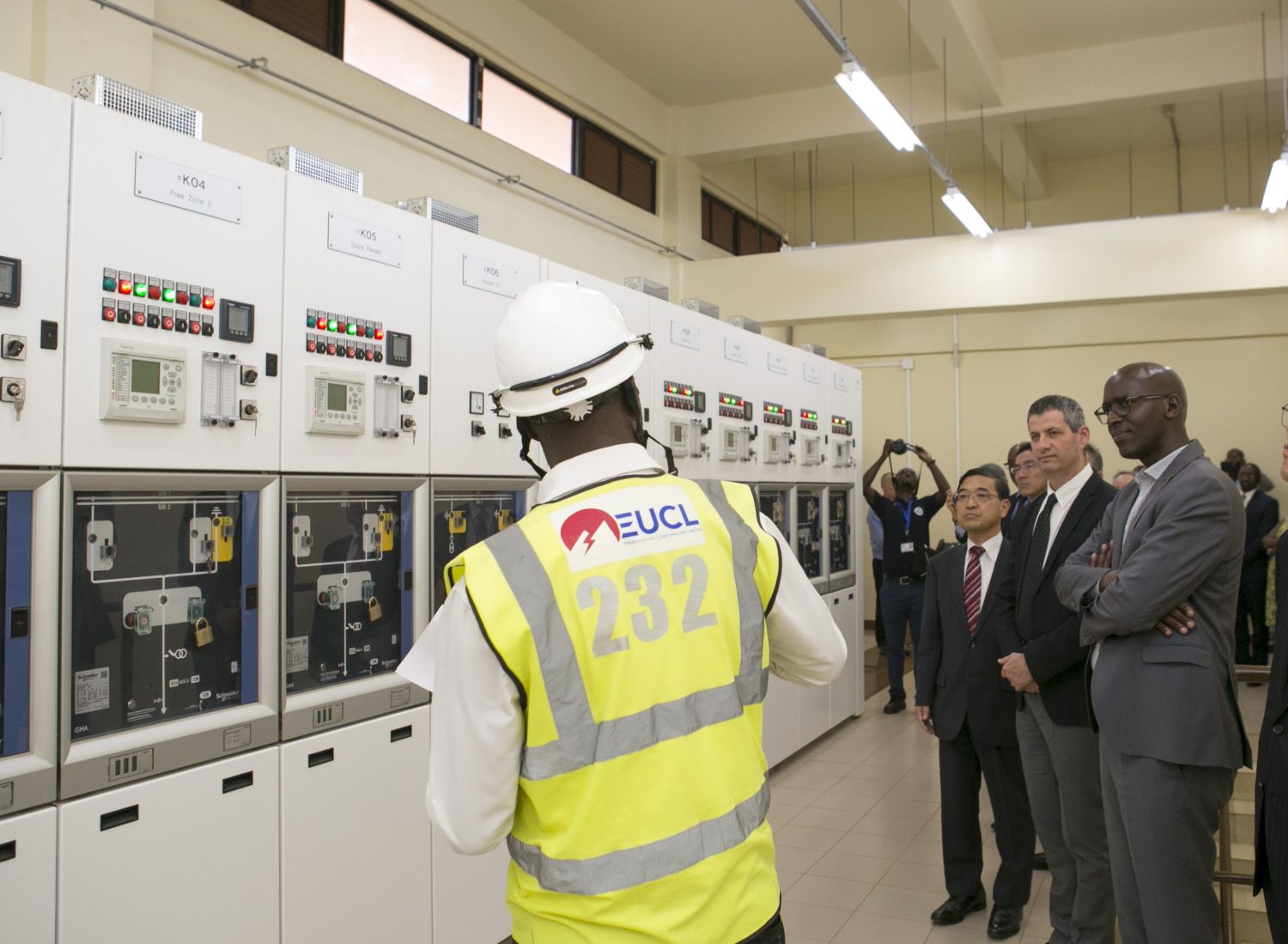
“The new substations improved flexibility by separating feeders. In the past, a fault in one line could disrupt electricity for many users. Now, faults can be isolated, and maintenance can be done without affecting the entire network.”
Reliability that supports growth
At the same time, JICA’s emphasis on “knowledge transfer” has ensured that these systems are effectively managed. Engineers trained through JICA’s technical assistance are now leading operations across Rwanda, maintaining infrastructure and responding to technical challenges with growing expertise.
Impact beyond infrastructure
While substations and transmission lines are often invisible to the public, their impact is deeply felt in daily life.
Reliable electricity has improved healthcare services, particularly at night, created better learning environments for students, expanded digital connectivity, and made communities safer and more productive.
Economic benefits are equally evident. Small businesses—such as salons, welding workshops, and carpentry services—can operate longer and more consistently. Larger industries benefit from fewer interruptions, reduced equipment damage, and increased efficiency.
The expanded capacity provided by projects like the Gasogi substation has supported electricity access for homes, schools, hospitals, hotels, and industrial facilities—helping create jobs and expand economic opportunities.
Building for the future
As Rwanda’s energy system becomes more complex, the importance of technical expertise continues to grow. Over the past 20 years, JICA has contributed not only infrastructure, but also systems for planning and management, including GIS-based tools and improved maintenance practices.
Crucially, these solutions have been adapted to Rwanda’s specific context.
“Japan’s approach is not to replicate, but to adapt,” JICA officials note. “By aligning with Rwanda’s priorities, we ensure long-term sustainability and relevance.”
A Ministry of Infrastructure official stated, highlighting the dual importance of investment and skills development:
“Rwanda’s progress has been driven by national leadership, but partnerships like this have strengthened the technical foundation needed to sustain that progress.”
A milestone and a continuing journey
Over the past two decades, JICA has contributed to Rwanda's development in many ways, with its impact visible across the country—in upgraded substations, in trained engineers, and in the growing reliability of the electricity network.
But perhaps most importantly, they can be seen in everyday life:
in homes illuminated after sunset, in businesses operating without disruption, and in communities increasingly connected to opportunity.
Rwanda’s energy transformation is far from complete. Demand continues to rise, and new challenges lie ahead. Yet the past two decades have demonstrated the value of sustained, collaborative partnership.
As Rwanda advances and modernizes its energy sector, JICA’s two-decade partnership reflects a shared journey—supporting Rwanda’s efforts to strengthen infrastructure and drive long-term growth and resilience.
Loading comments...
Leave a comment