



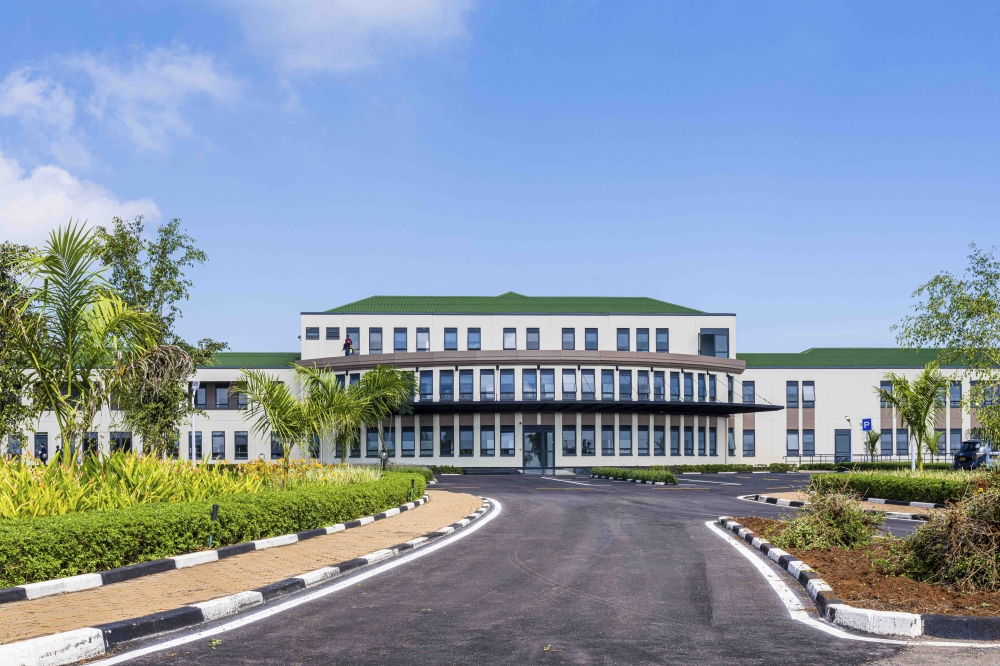
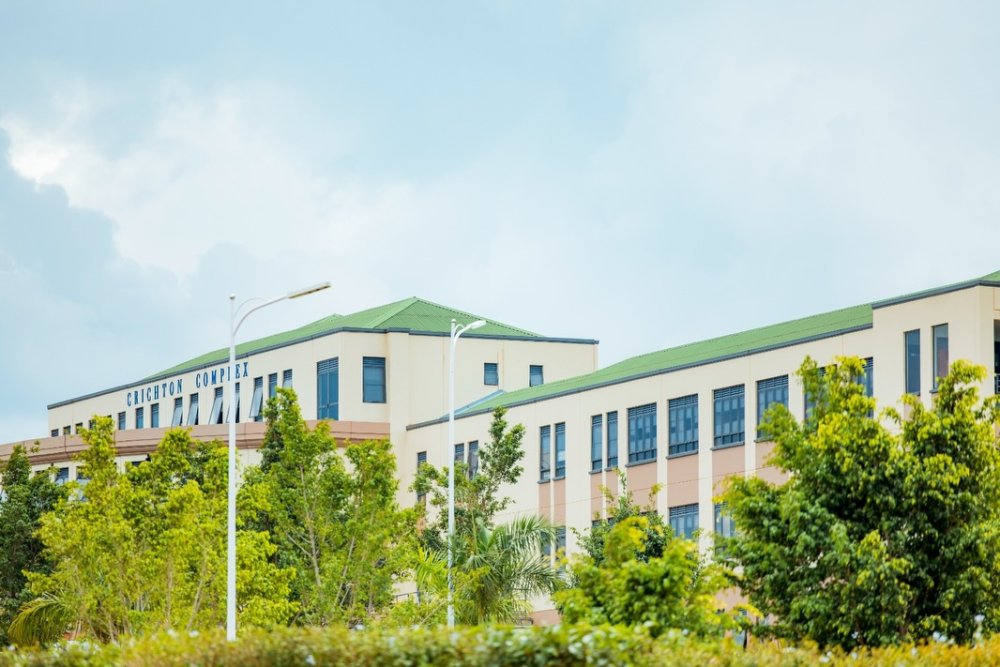
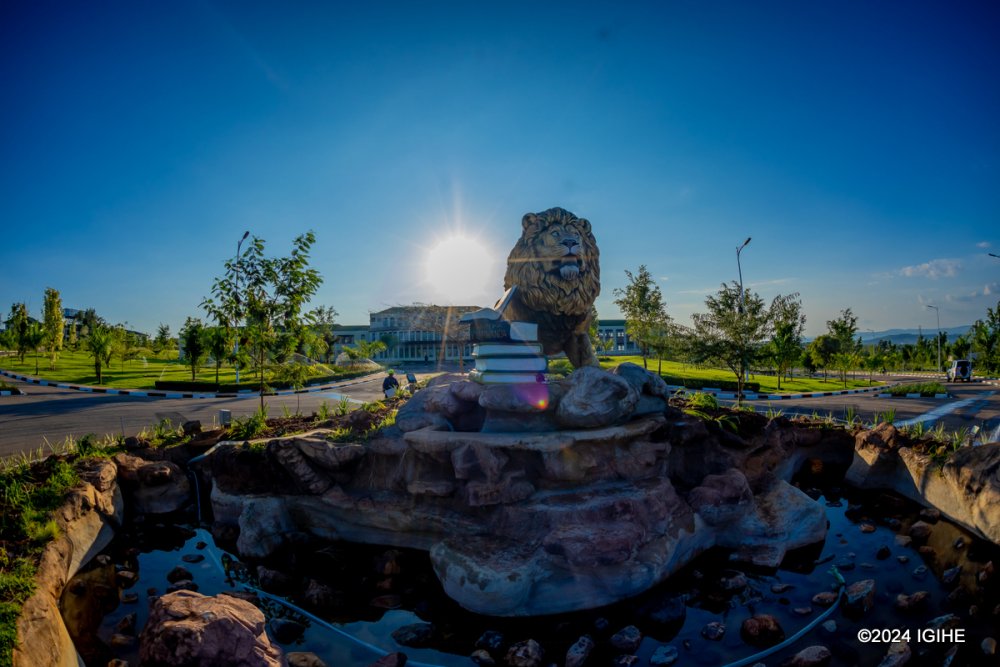
Located in Musagara Village, Kanazi Cell, Nyamata Sector in Bugesera District, about 45 minutes from Kigali, the school grew out of an idea championed by members of the Ntare School Old Boys Association (NSOBA), alumni of Ntare School in Uganda. Among those associated with the school’s alumni community are Rwandan President Paul Kagame and Ugandan President Yoweri Kaguta Museveni.
Today, the school is seeking to build on that legacy with an education model that places students at the centre of the learning process.
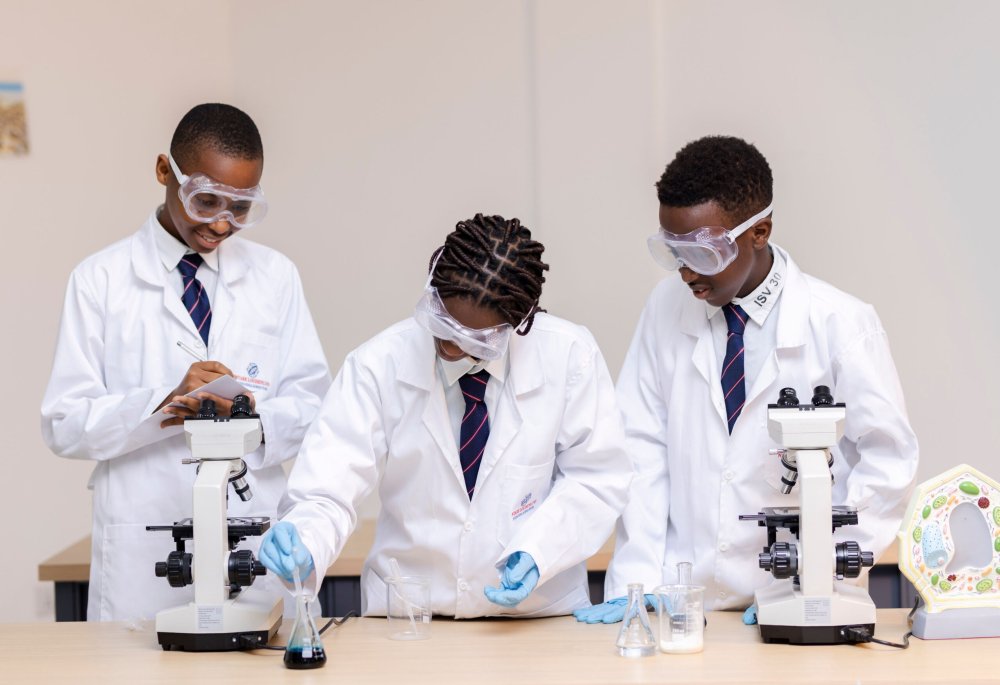
From its library and creative studios to its makerspace, STEM-focused learning and student-led initiatives, Ntare Louisenlund offers an environment where students are encouraged to participate in shaping both their education and their community.
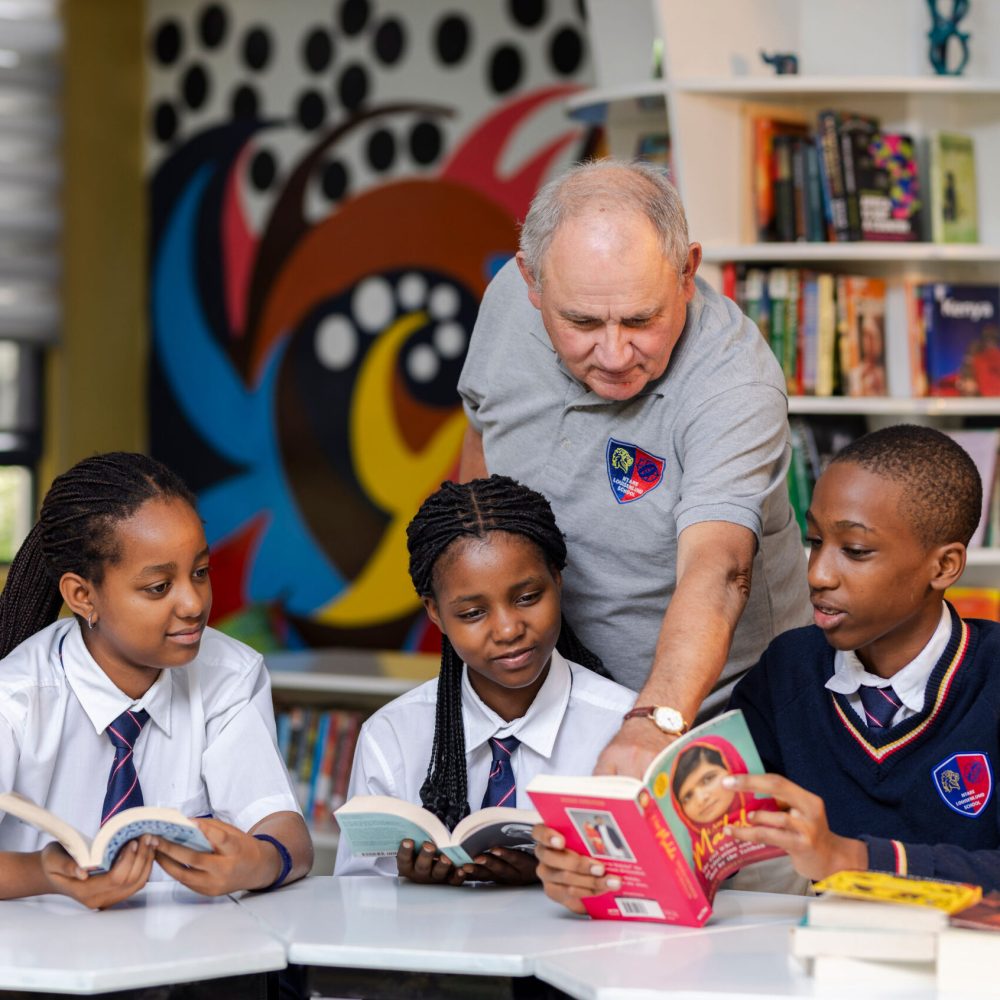
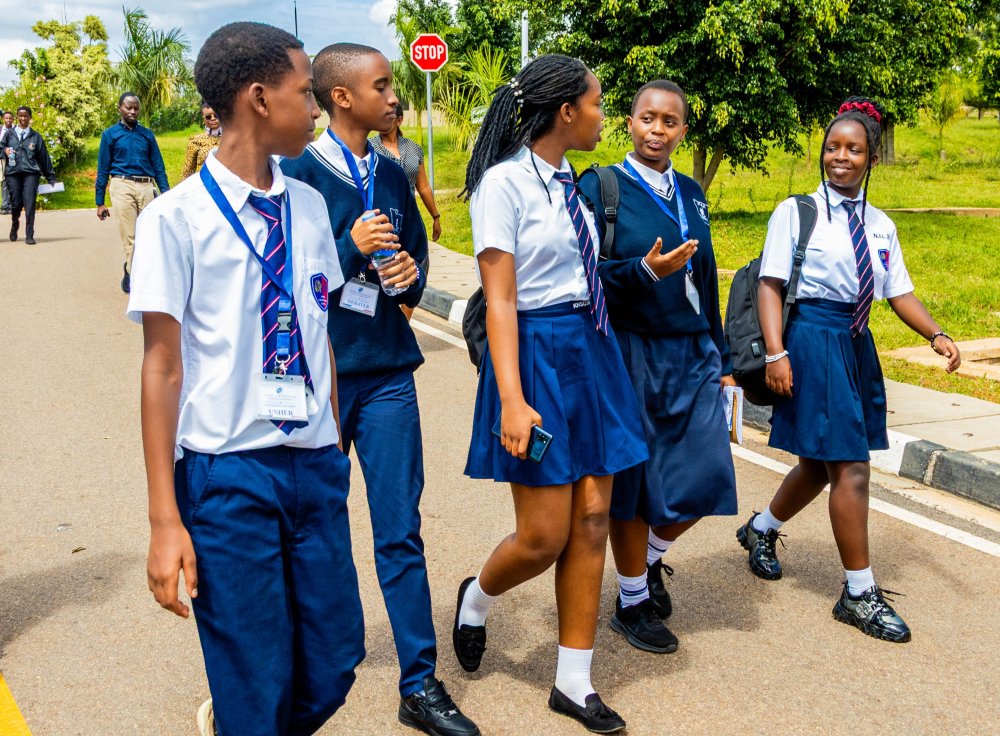
A tour of the campus offers an early glimpse of that approach. The library, for example, was created with students in mind and features books covering subjects ranging from business and nature to religion, fiction and different cultures. Students are also involved in creating and decorating spaces around the school.
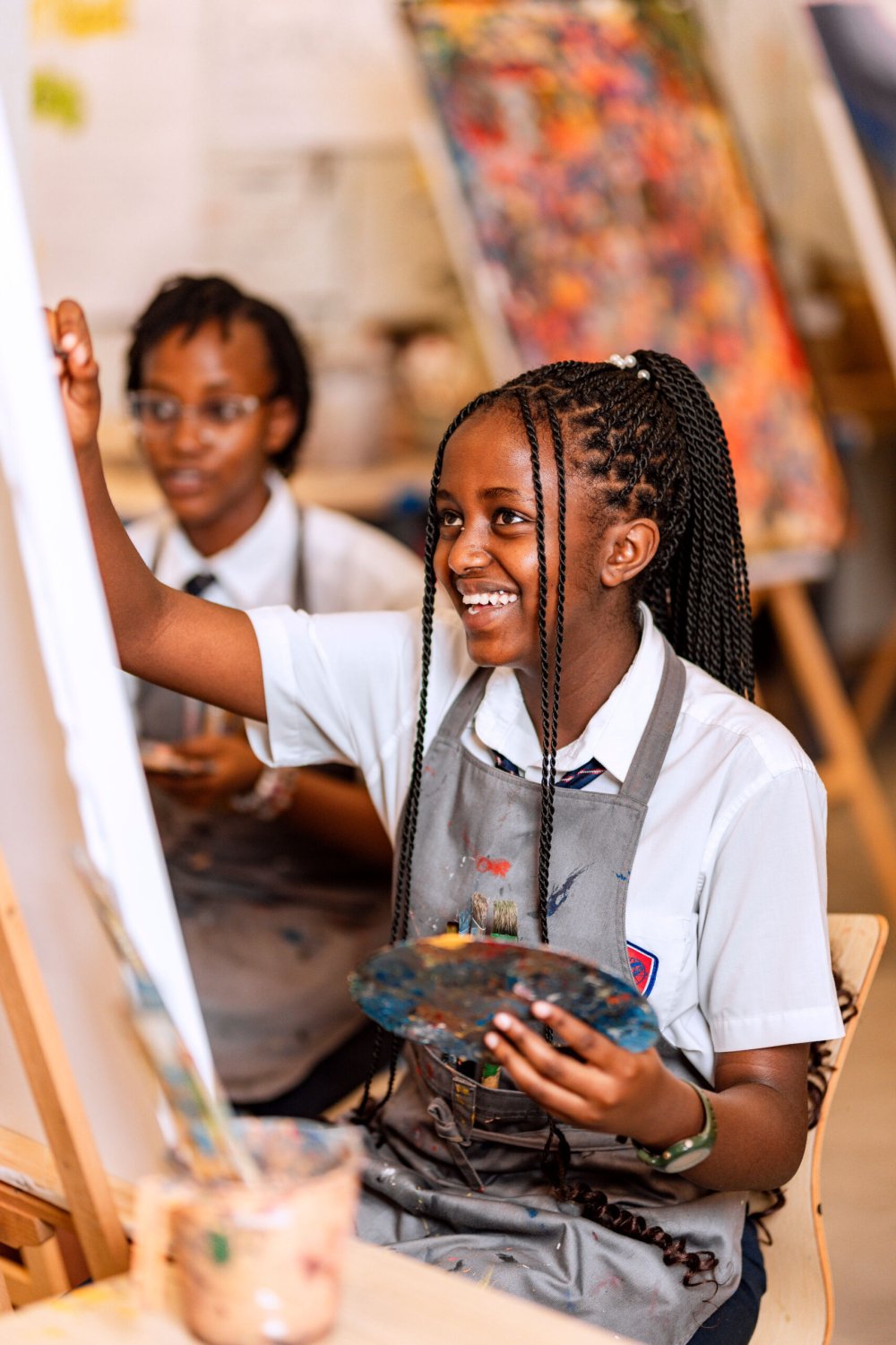
One student points out a feature she helped design, while an art exhibition nearby displays works made from recycled materials, including used cups, bottles, bottle tops and cheesecloth.
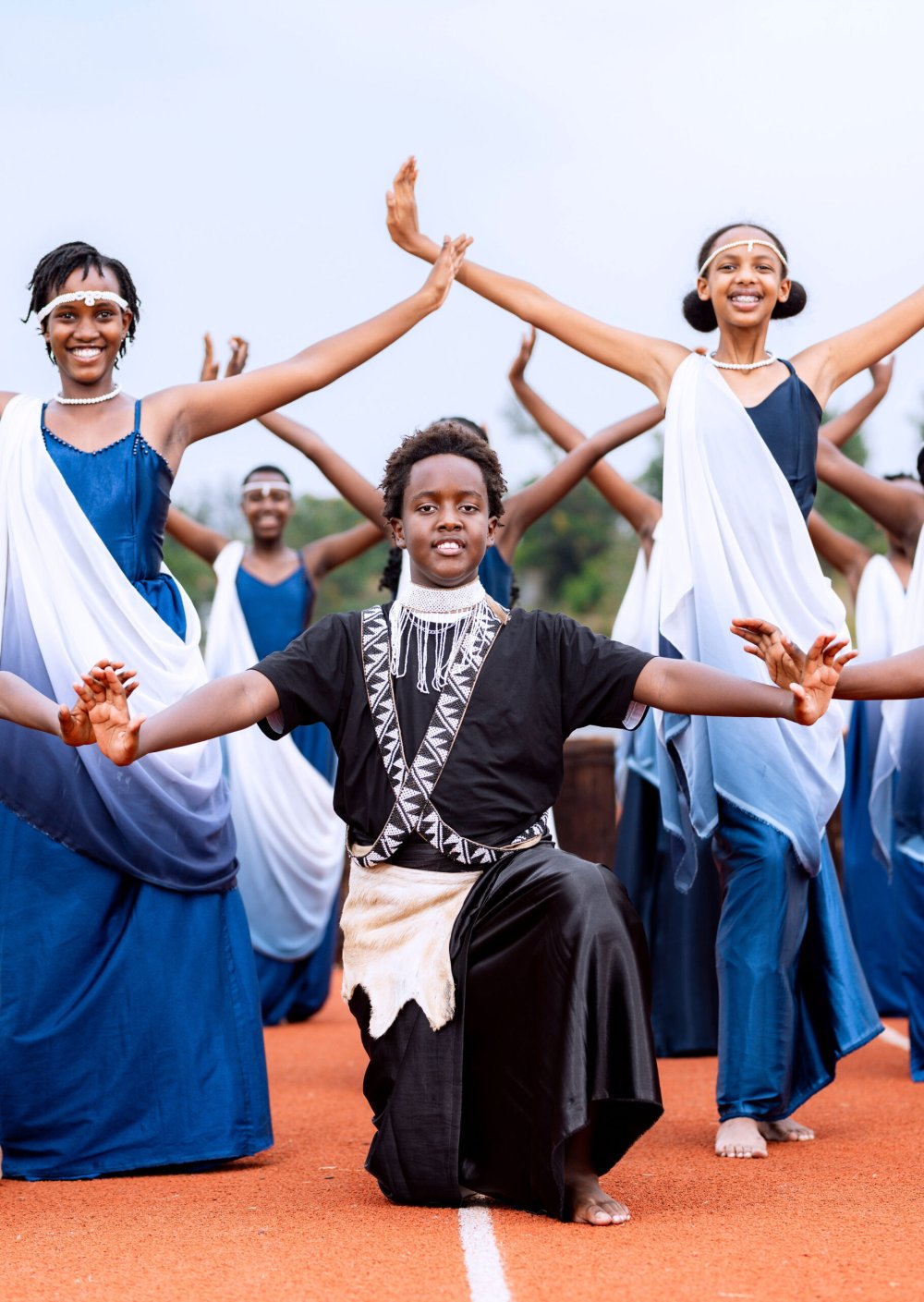
At the school, creativity is not treated as an activity separate from learning, but as part of it.
Learning beyond the classroom
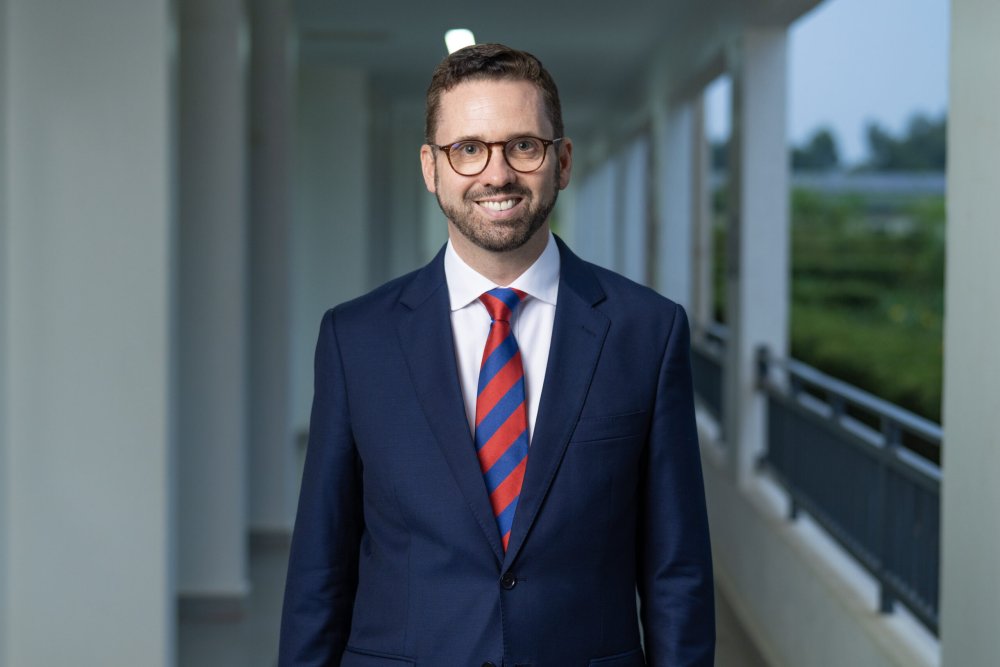
Damien Paul Vassallo, the Head of Ntare Louisenlund School, says the institution was established as an “innovative school of the future” with a mission to develop a new generation of leaders, particularly in science, technology, engineering and mathematics.
“We do that through a very practical, hands-on approach by giving students learning experiences that are relevant to them, that pique their interest, that inspire their curiosity,” Vassallo says.
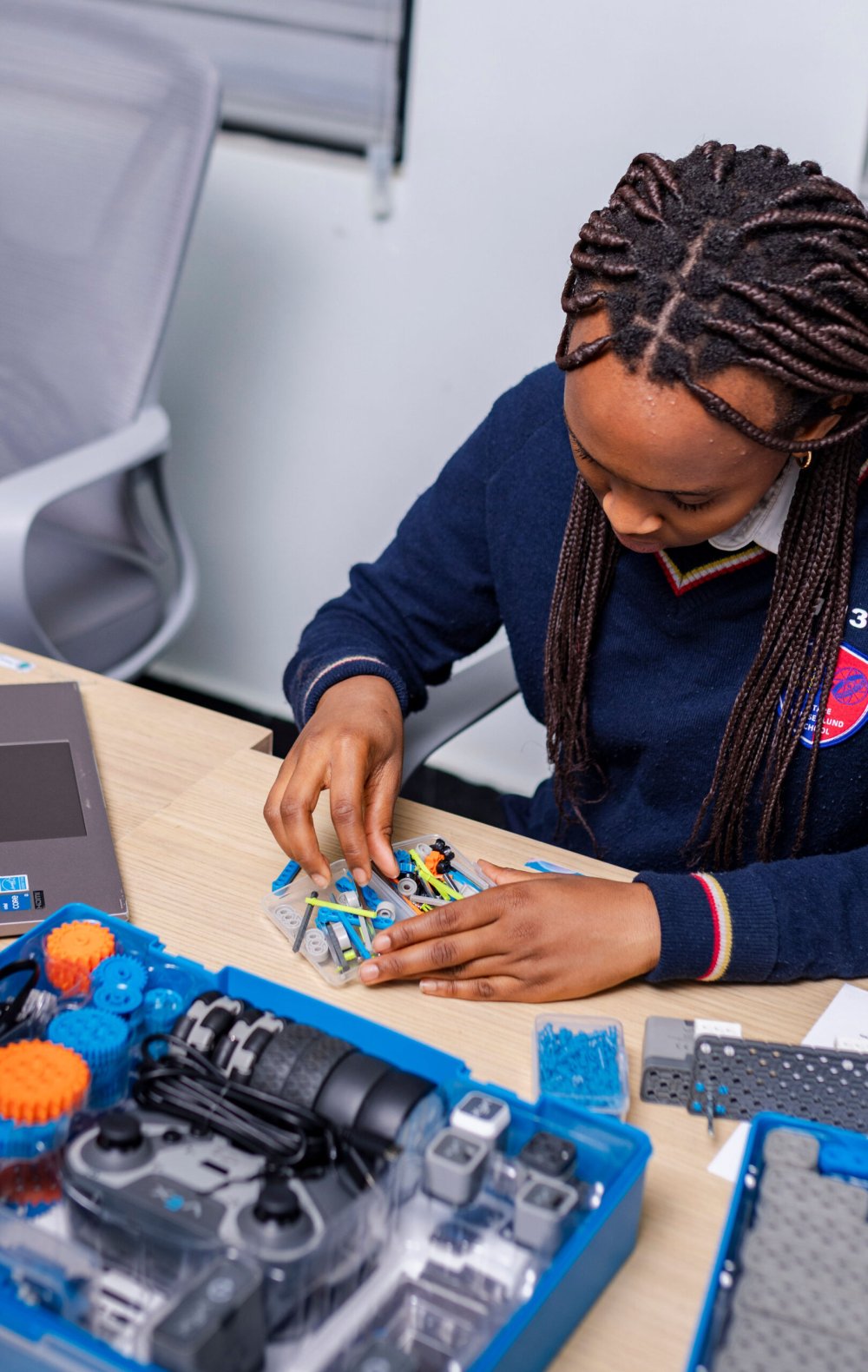
That philosophy is visible in the school’s makerspace, where students work with wood and other materials to create practical products.
Design projects can involve building lamps, furniture, models and other objects, with students expected to present their finished work and be assessed on the final product.
“It’s really about the fun and the making, and not just always learning through books and cramming stuff,” says Ariella Gatera Igihozo, a student at the school.
The school also puts considerable emphasis on giving students responsibility. It has eight houses, each with its own identity and values, including justice, unity, strength, innovation, creativity, generosity, kindness, warmth and courage.
The houses operate much like communities within the wider school, with students taking leadership positions and competing for points throughout the year. The top-performing house is recognised during an annual awards ceremony.
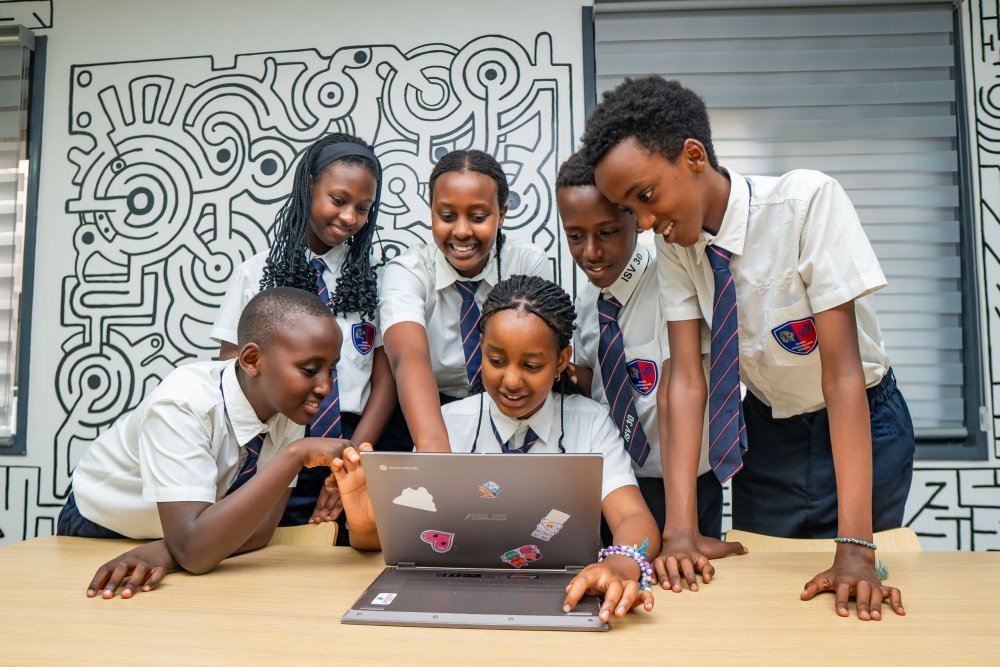
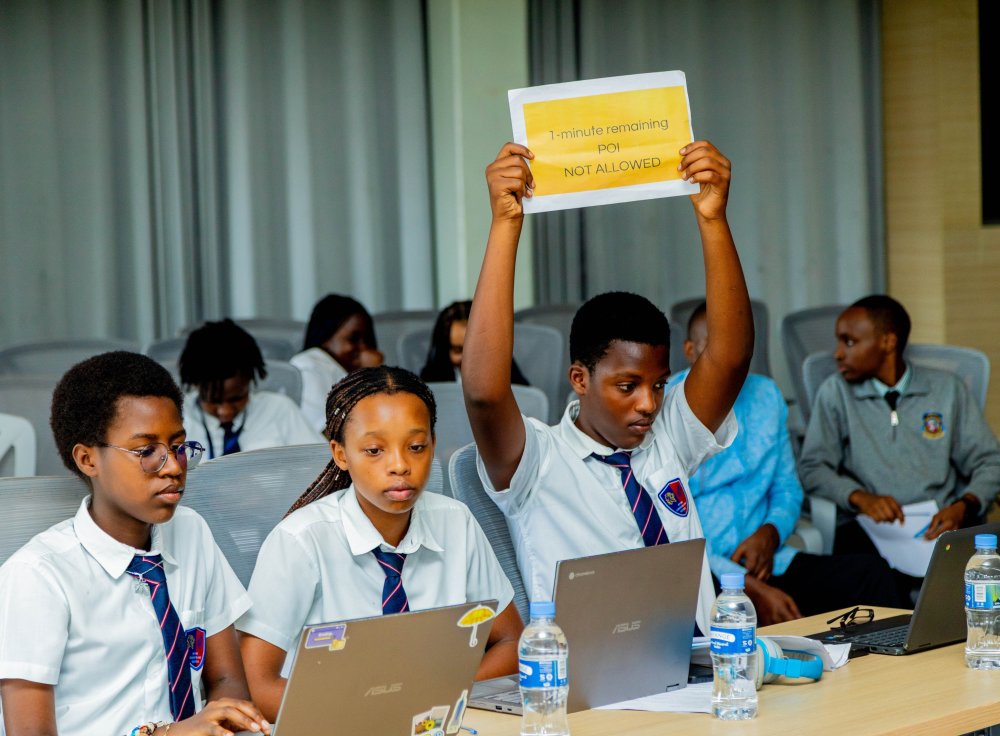
Student leadership extends beyond the house system. Students have been involved in creating some of the applications used by the school, including initiatives that make use of technology and artificial intelligence.
“It’s always about students being in charge,” she says.
For Grade Seven student Kami Kazit, the approach has helped her develop beyond the classroom. A member of the Revere house and originally from Uganda, she says she particularly enjoys art because it has given her a new way to express herself.
“They taught me a way to express myself through my artwork,” she says, adding that the school has also helped her become more confident when presenting before an audience.
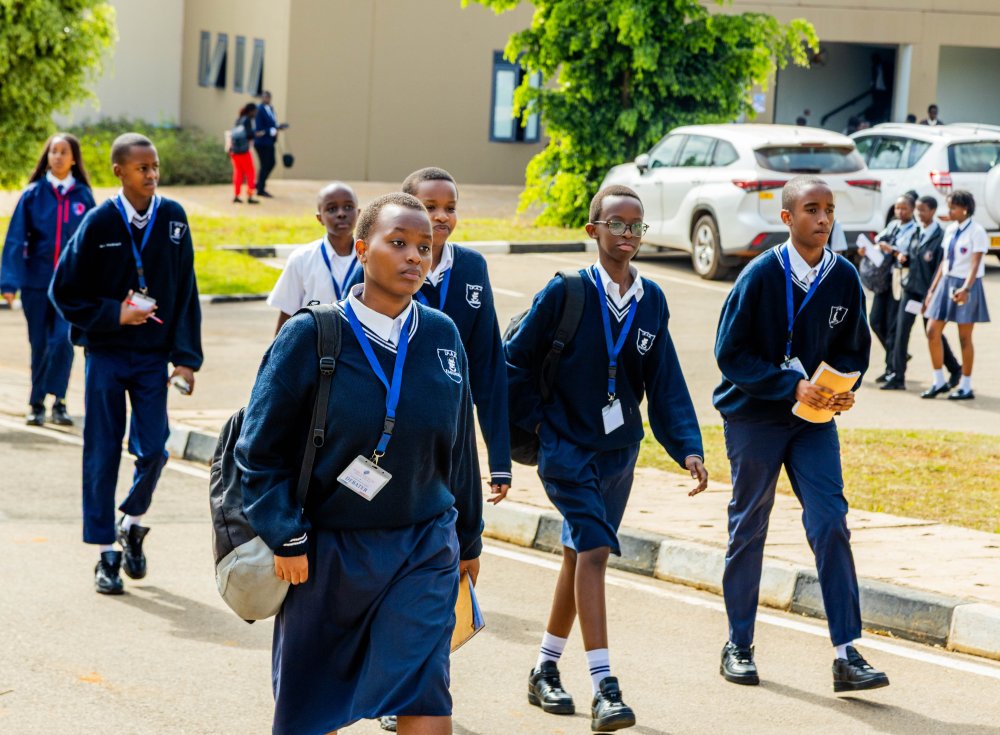
The international character of the school is another part of its identity. Students from Rwanda and other countries live and learn together, participating in academic, sporting, artistic and service activities.
Residential life is structured around alternating A and B weeks, with activities ranging from Saturday classes and student-organised events to movie nights, swimming, tennis and religious services. The programme is designed to make boarding life part of the broader educational experience rather than simply an extension of the classroom.
Personalised learning and mentorship at the core
At the centre of the school’s model, however, is personalization.
Vassallo argues that students should not all receive exactly the same educational programme because they have different interests, abilities and aspirations.
“One of the things that a learner-centered approach to education really should hone in on is personalization of learning,” he says.
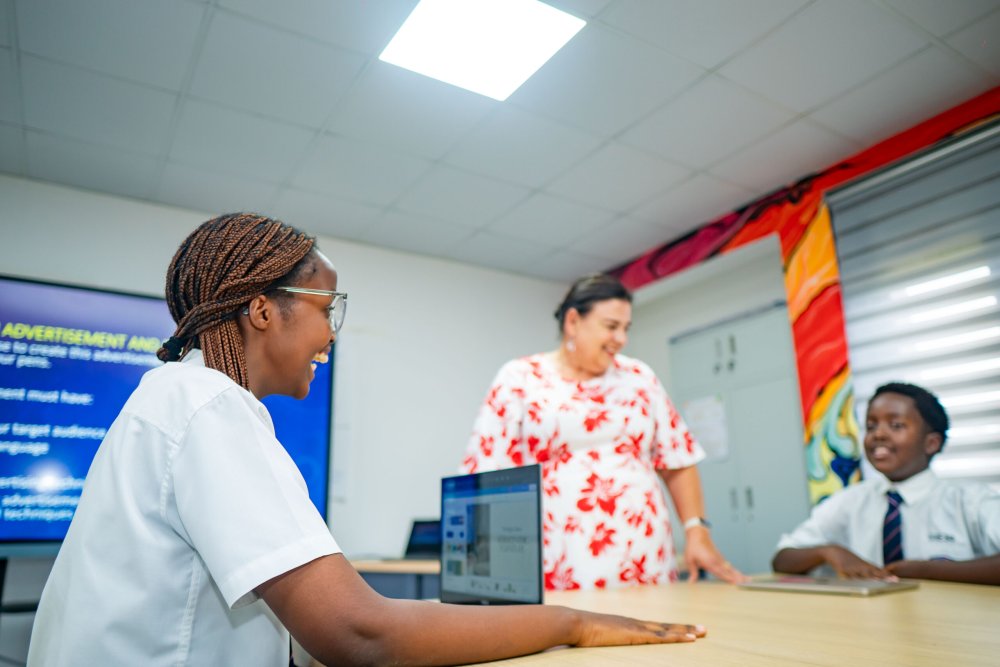
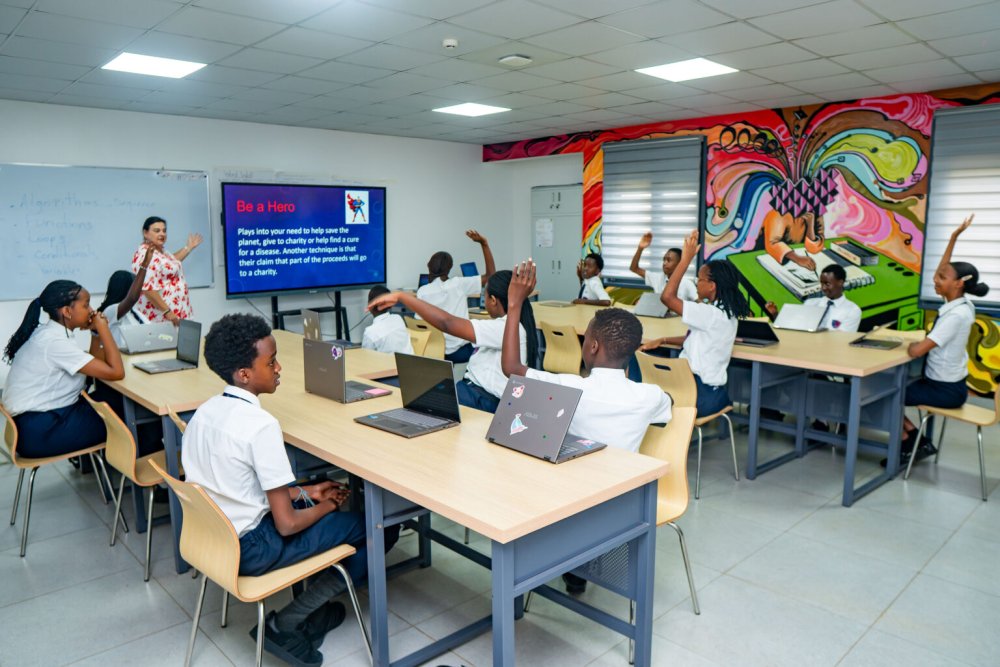
Ntare Louisenlund therefore uses blended learning, combining educational technology with individualized learning. Students also meet their mentors for one-on-one sessions, where they discuss their goals, progress and challenges.
The mentoring approach continues into residential life through residential life coaches, who support students’ social and emotional development alongside their academic progress.
The school combines this model with what Vassallo calls an “IB + STEM” programme, bringing together the International Baccalaureate approach to education and a particular emphasis on STEM excellence.
Its ambitions extend beyond the current student body. The school is looking to establish partnerships with universities, including institutions in Germany, to create further opportunities for students after graduation. Its first cohort is expected to graduate in 2030.
Vassallo also sees a wider role for the school in Rwanda’s education sector. He wants Ntare Louisenlund to become a hub for educational innovation where teachers and other schools can exchange ideas, access professional development and learn from the school’s approach.
“When we’re at capacity, we will have nearly a thousand students at this school, but we’d like to have an impact on a million students or more,” he says.


Loading comments...
Leave a comment