



Minister of Education Joseph Nsengimana said the deadline is now less than four years away, requiring East African countries to move faster in addressing regulatory differences and other barriers that limit the movement of students, academics, professionals and qualifications across borders.
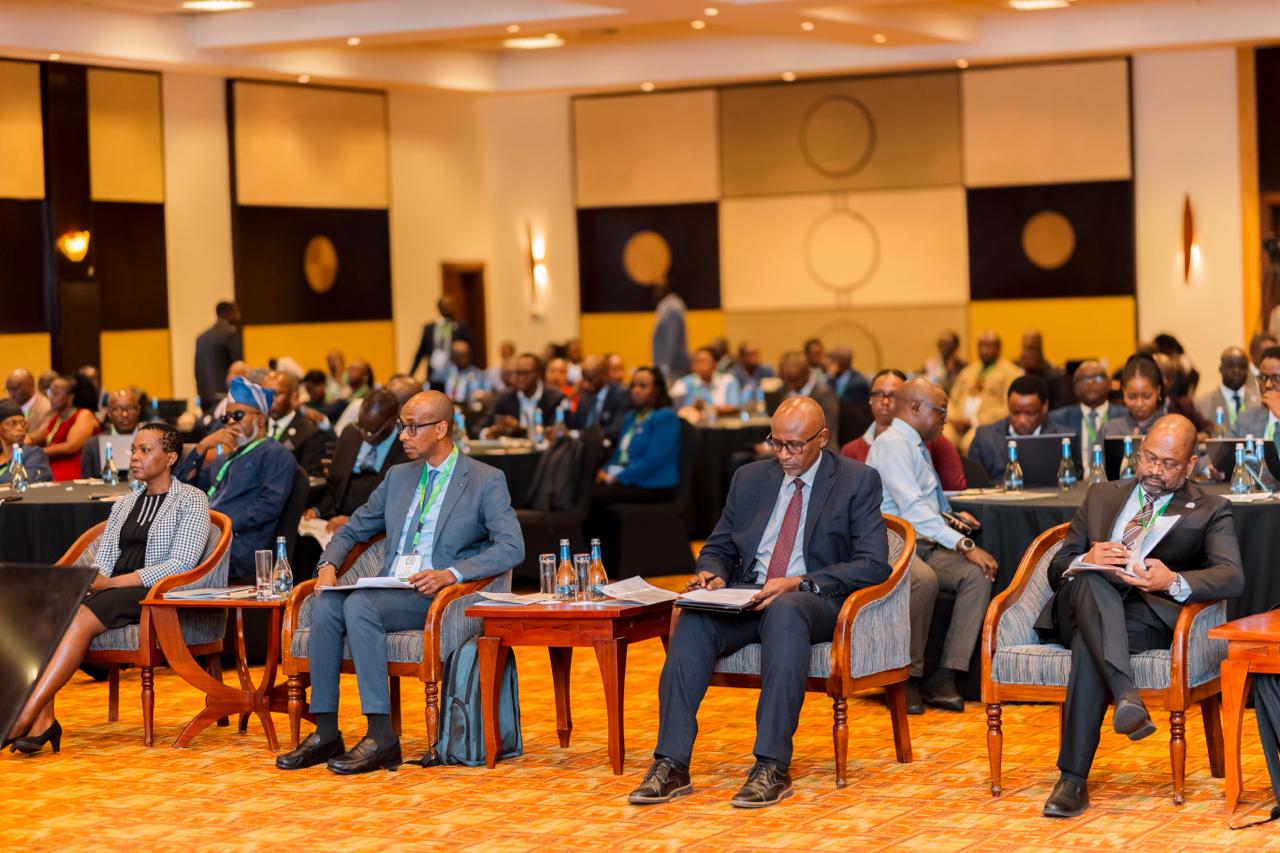
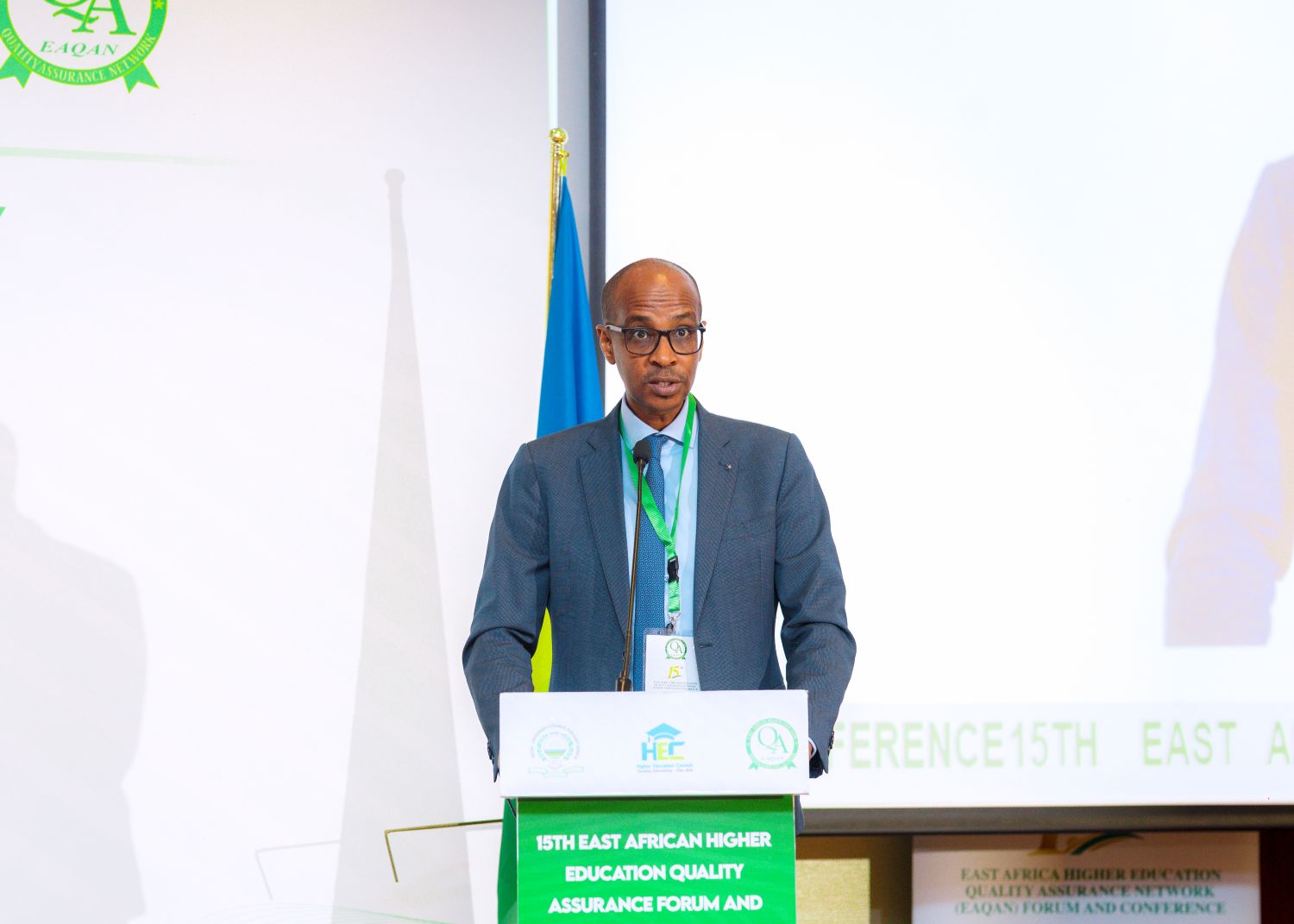
Nsengimana made the call on September 7 at the 15th East African Higher Education Quality Assurance Forum and Conference in Kigali, which brings together higher education stakeholders from across the region.
"Our heads of state and ministers responsible for education in the East African Community have set the ambitious goal of operationalising this Common Higher Education Area by 2030. The deadline is now fewer than four years away. This should not create anxiety, but it must create urgency," he remarked.
"To achieve this, we must accelerate harmonisation, address gaps in international regulatory frameworks, and confront the resource and administrative constraints that continue to slow our progress."
He said a common higher education area would enable qualifications earned in one East African country to be recognised more easily in another, while allowing students and professionals to move across borders with fewer administrative barriers.
The minister said quality assurance should serve as the foundation for building this trust, describing it as an “invisible infrastructure of trust” that allows qualifications, knowledge, research and human capital to move across the region.
The push comes as the Inter-University Council for East Africa (IUCEA) shifts its focus from developing regional frameworks towards putting them into practice.
Prof. Idris Rai, Acting Executive Secretary of IUCEA, said the council's 2026–2031 strategic plan places the operationalisation of the Common Higher Education Area at the centre of its work.
The strategy includes strengthening regional programme accreditation, qualifications frameworks and recognition, credit accumulation and transfer, policy harmonisation and quality assurance systems.
Rai said East Africa also needs to update its quality assurance tools to reflect emerging forms of education, including artificial intelligence-supported learning, digital education and micro-credentials.
Removing barriers to mobility
Participants at the forum identified differences in qualification frameworks, credit systems and recognition of prior learning as some of the challenges that continue to complicate cross-border mobility.
Other barriers include differences in curricula and academic calendars, language, bureaucracy, financial constraints, limited access to internships and industry placements, and varying levels of quality assurance development across countries.
Prof. Mary Okwakol of Uganda's National Council for Higher Education said national qualification frameworks should align with the East African Qualifications Framework for Higher Education rather than operate in isolation.
She said the long-term objective should be automatic recognition of authentic formal qualifications across the region.
Dr. Edward Kadozi, Director General of Rwanda's Higher Education Council, argued that the main challenge is not necessarily determining whether qualifications are equivalent, but building trust in the quality of education behind them.
He said quality assurance should become a continuous part of university operations rather than an exercise carried out only during inspections or audits.
“Quality assurance should be the daily heartbeat of institutions,” Kadozi said, arguing that universities must focus on learning outcomes, practical skills, critical thinking and adaptability as technology and labour markets evolve.
The discussions also highlighted the role of student and staff mobility in strengthening regional integration.
Prof. Didas Kayihura of the University of Rwanda said cross-border mobility benefits both individuals and institutions, while international students can contribute to a richer learning environment.
However, he identified financing as one of the major constraints and called for stronger links between universities and the private sector to create more cross-border internships and align curricula with labour market needs.
Universities join regional AI network
The regional integration agenda is also extending to artificial intelligence, with six universities selected to anchor a new regional AI network aimed at strengthening education, research and innovation.
The University of Rwanda is among the institutions selected, alongside the University of Dodoma in Tanzania, Dedan Kimathi University in Kenya, SIMAD University in Somalia, the University of Burundi and Kabale University in Uganda.
Rai said the network forms part of IUCEA's wider plan to establish a federated regional Centre of Excellence in Artificial Intelligence, linking universities across the East African Community through specialised institutional nodes.
The initiative is expected to support collaboration in AI education, research and innovation, as the region seeks to prepare universities and graduates for increasingly technology-driven economies.
IUCEA is also considering an AI foundational module for university students across the region, alongside training for lecturers and a policy framework governing the use of AI in teaching, learning and research.
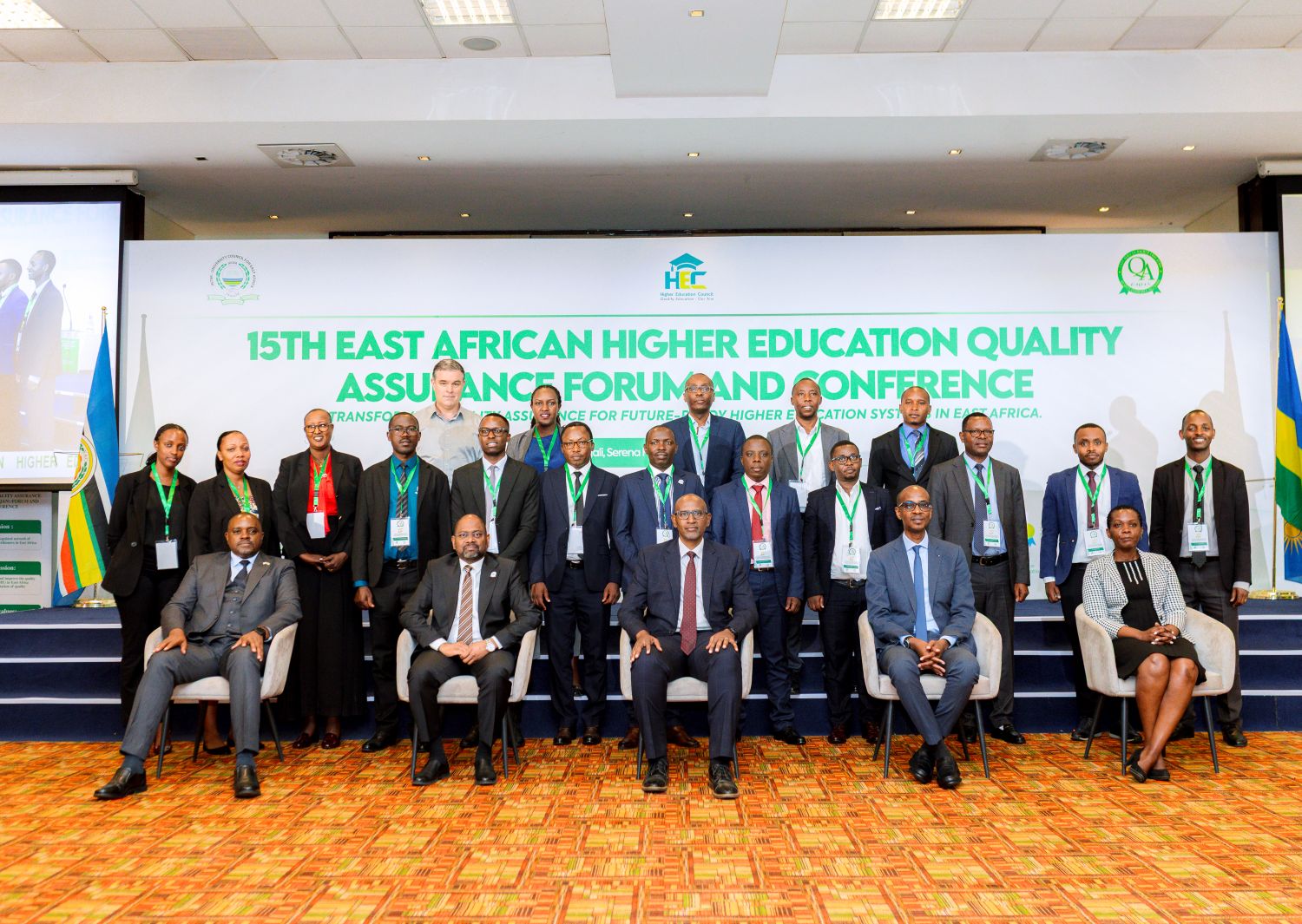
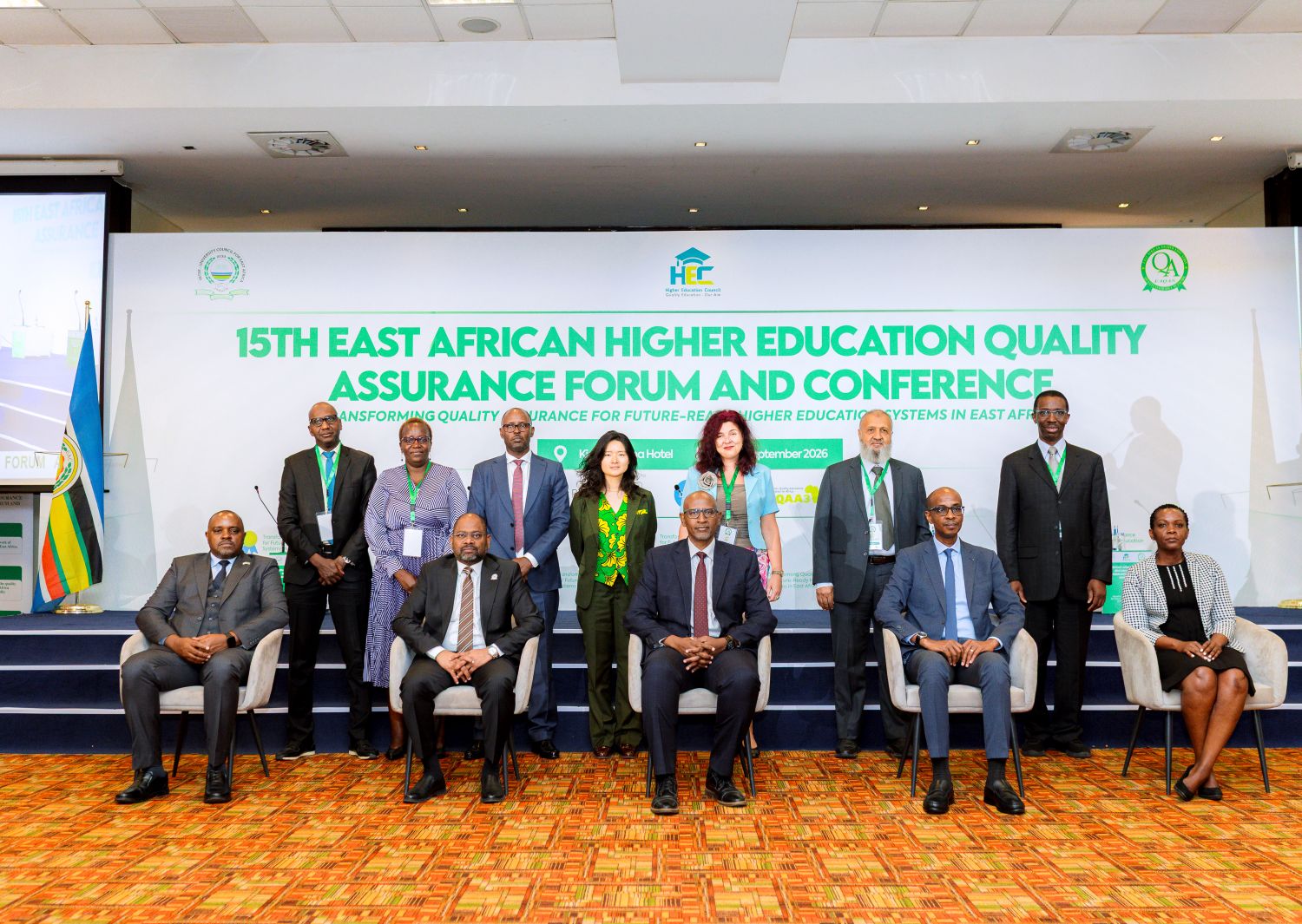
The 15th East African Higher Education Quality Assurance Forum and Conference is being held at Kigali Serena Hotel from September 7 to 10 under the theme, “Transforming Quality Assurance for Future-Ready Higher Education Systems in East Africa.”
The meeting brings together regional higher education stakeholders as East Africa seeks to turn the goal of a Common Higher Education Area by 2030 from a policy ambition into an operational system.
Loading comments...
Leave a comment