



A hospital needs sophisticated equipment. A patient may require an advanced prosthetic device. A clinician depends on reliable imaging technology. Health systems increasingly rely on digital tools to manage information and deliver care.
Behind many of these needs is a profession that brings engineering into the world of healthcare: Biomedical Engineering.
For students in Rwanda who are drawn to both technology and health sciences, UMST is opening a new academic pathway. The university has received accreditation from Rwanda’s Higher Education Council for its Bachelor’s degree in Biomedical Engineering, becoming the first university in Rwanda to receive accreditation for an undergraduate program in the field.
The program comes at a time when healthcare is becoming increasingly dependent on technology and when countries need professionals capable of understanding, managing and developing that technology.
Where engineering meets healthcare
Biomedical Engineering combines engineering with medical and biological sciences to address practical healthcare challenges.
At UMST, students will be introduced to three specialized areas: Bioinstrumentation Technology, Medical Imaging and Medical Informatics.
The applications are wide range. Graduates can contribute to medical-device development and management, imaging technologies, rehabilitation, health information systems, research, innovation and other areas where technology intersects with patient care.
It is a field for students who want to ask not only what is the problem? but also how can we design a solution?
A program that demands strong science
Biomedical Engineering is not a shortcut to healthcare. It is a rigorous discipline requiring students to work across several areas of science and engineering.
At UMST, students can enter the program with PCB, MCB or PCM combinations. Their training will require a strong foundation in Mathematics and Physics alongside Biology, computing, engineering principles and practical problem-solving.
The interdisciplinary nature of the program is central to its appeal. A student may need to understand how the human body works, analyze a technical problem and then apply engineering principles to develop or improve a solution.
That combination requires curiosity, discipline and the willingness to learn beyond a single subject.
Learning from technology and experience
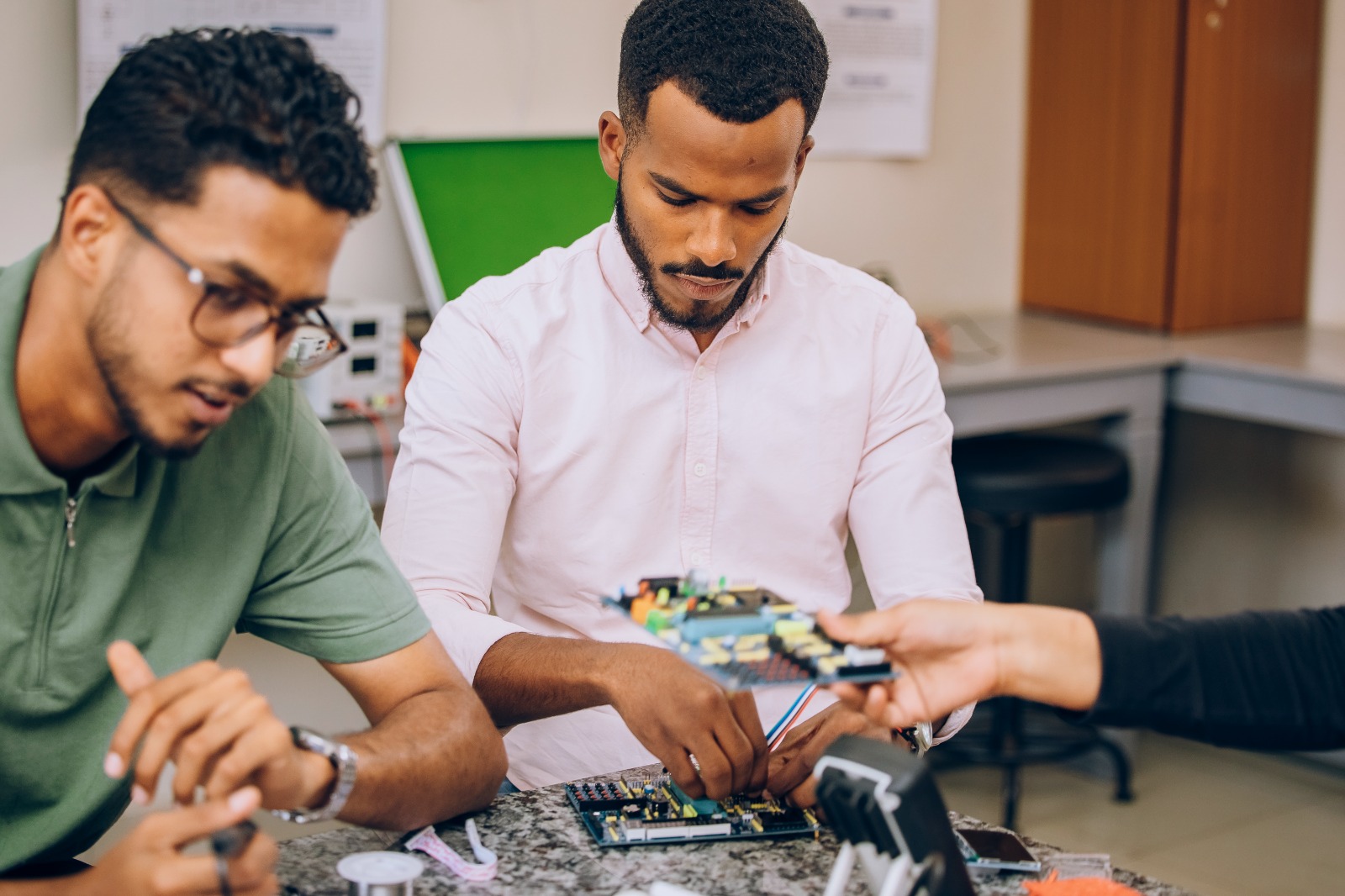
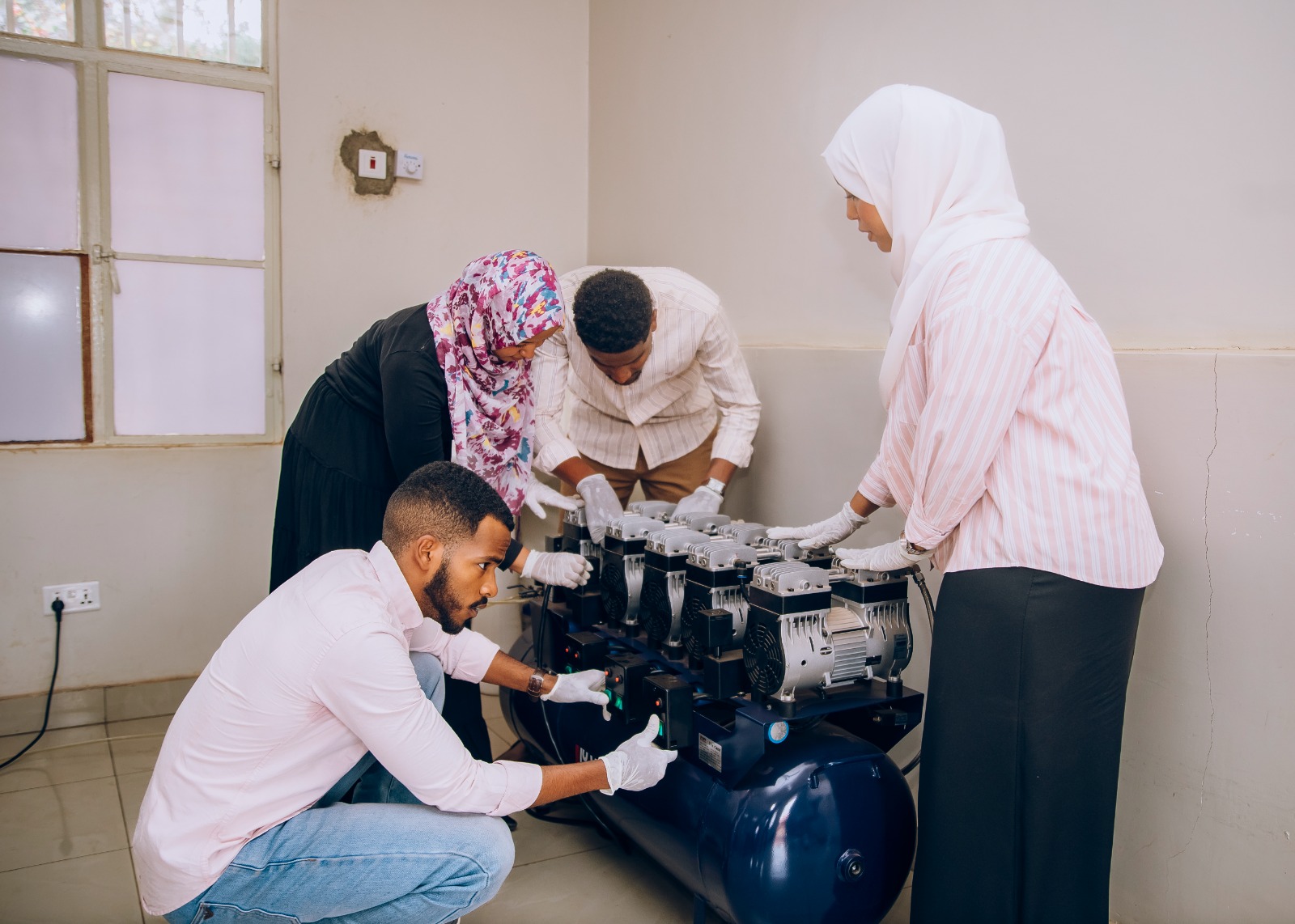
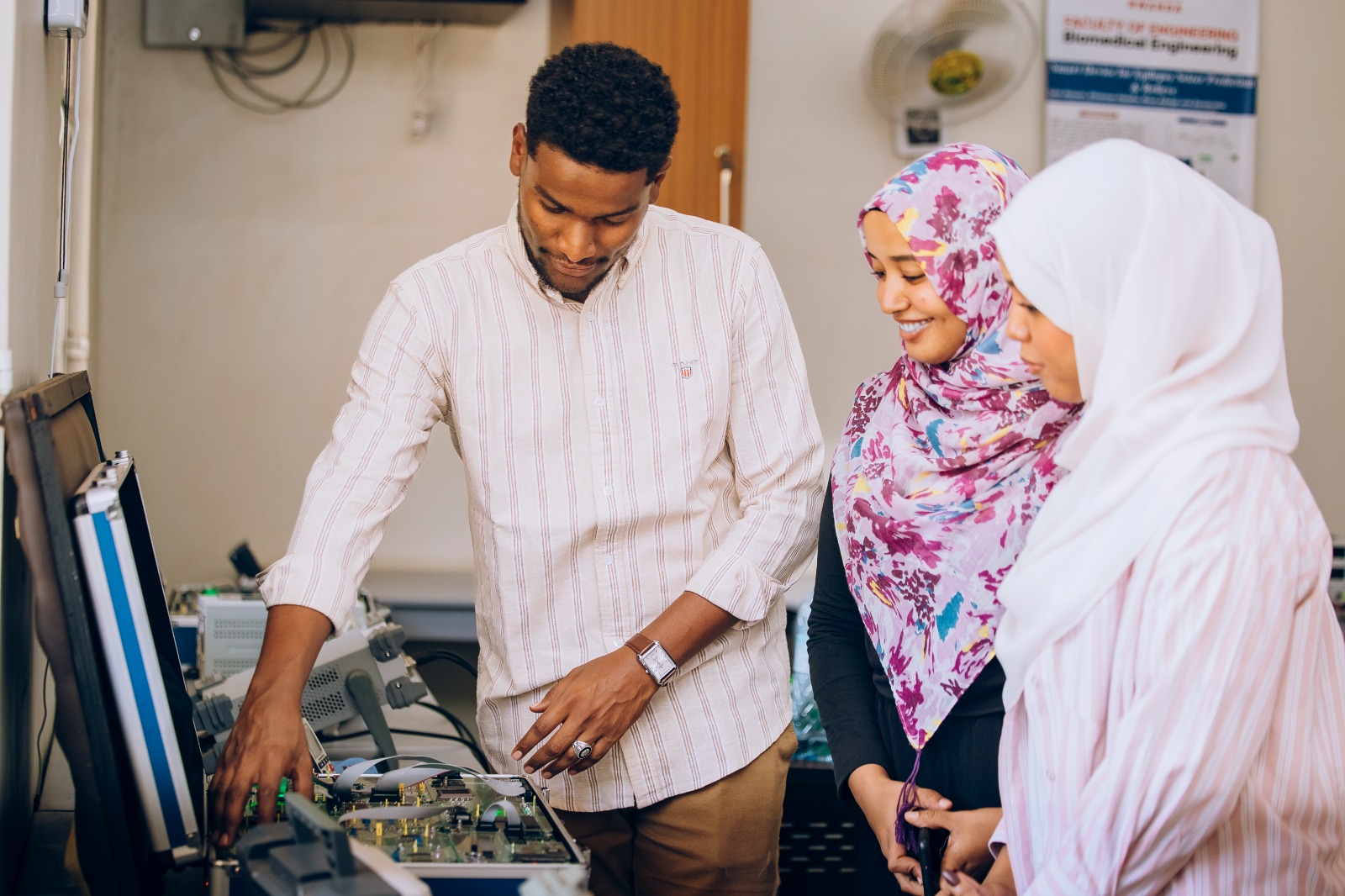
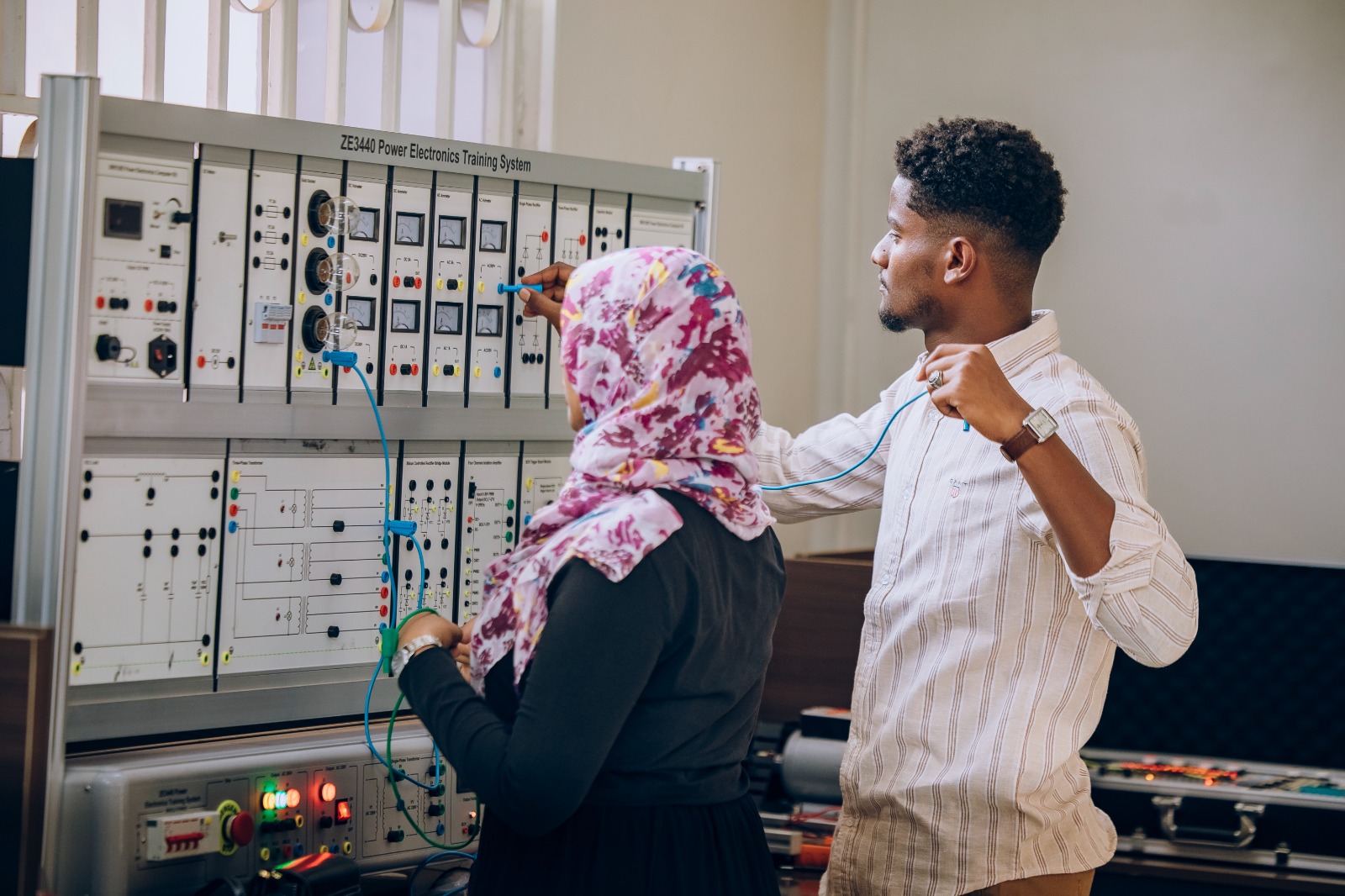
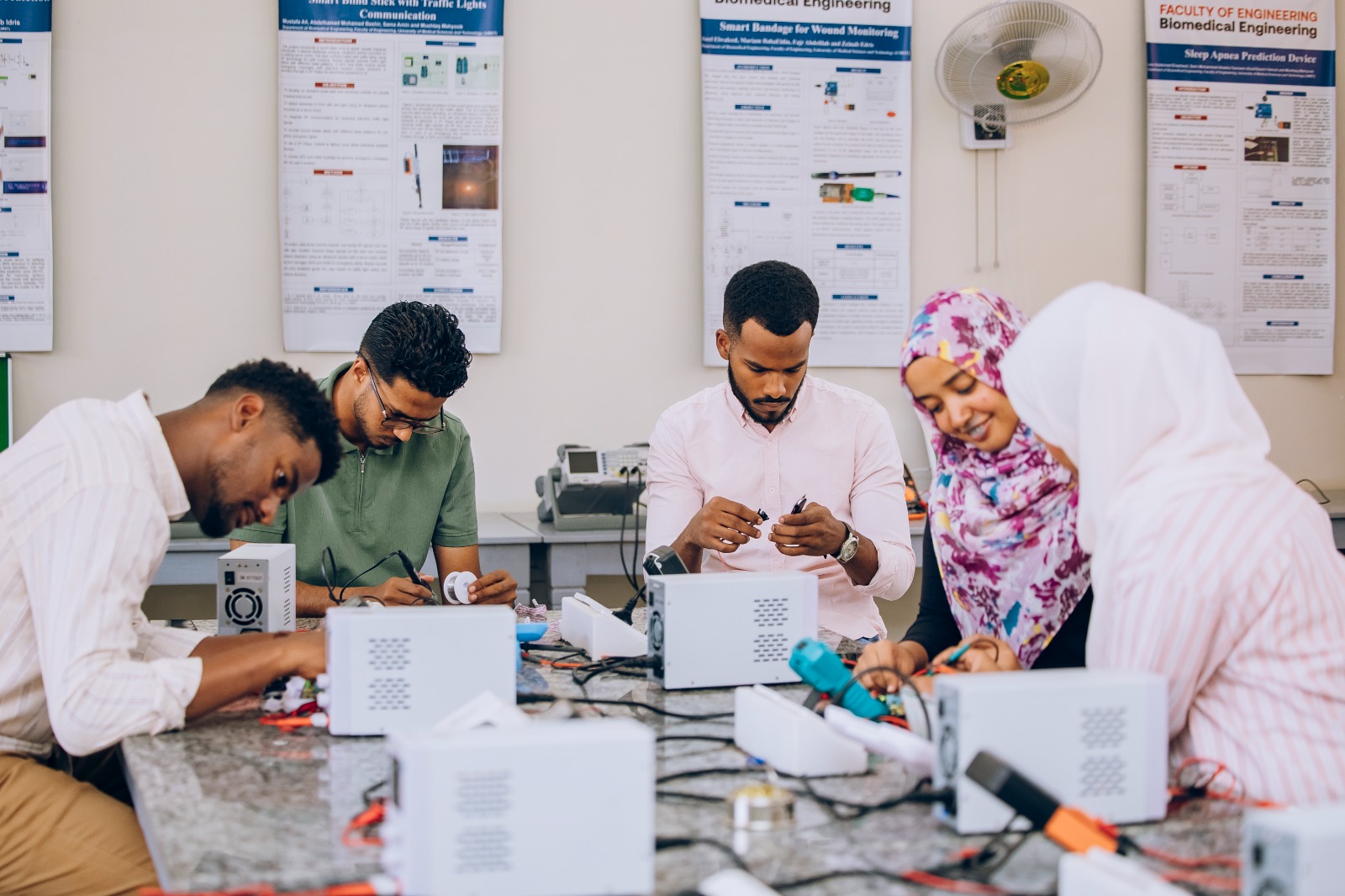
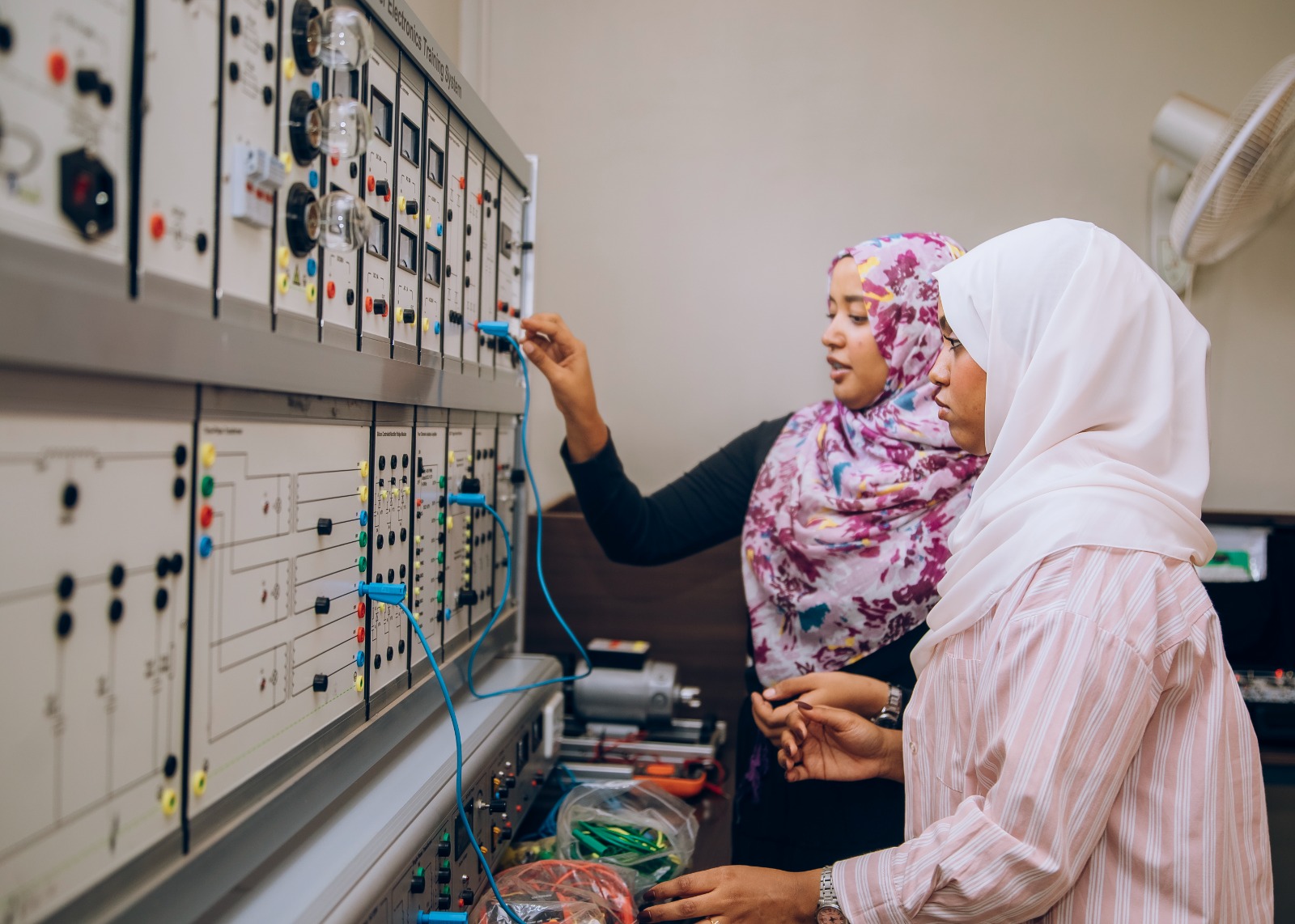
The program is supported by UMST's state-of-the-art technology and modern teaching and learning resources, designed to connect theoretical knowledge with practical training.
Students will also benefit from the university's combination of experienced professors and industry practitioners, bringing academic expertise and professional experience into the classroom.
For a discipline as practical as Biomedical Engineering, that connection matters. Understanding a device from a textbook is different from understanding how technology performs in a real healthcare environment.
Eng. Mushtaq Mahyoob, Dean, College of Biomedical Engineering said: “Biomedical Engineering requires students to think across disciplines. We want them to understand the healthcare problem, identify where technology can make a difference and develop the engineering skills needed to create safe and practical solutions. Accreditation is an important milestone, but our greater goal is to prepare engineers who can contribute meaningfully to healthcare innovation in Rwanda and beyond.”
Careers beyond the classroom
The career possibilities extend well beyond a traditional engineering workplace.
Biomedical engineers can work in hospitals, medical-device companies, research institutions, universities, technology companies, rehabilitation services and healthcare technology management. The field also provides a foundation for research, innovation and entrepreneurship.
For Rwanda, developing this expertise locally could help strengthen the country's capacity to manage existing healthcare technologies while creating solutions suited to local needs.
The opportunity is not confined to Rwanda either. UMST's graduates have built careers internationally, including in the United Arab Emirates, United Kingdom, Canada and Australia, among other destinations.
For prospective students, that international reach demonstrates the potential for a career that can move across healthcare systems and national borders.
Different professions, one healthcare mission
A new academic milestone for UMST
UMST has been recognized as a university since 1996, building its academic identity over nearly three decades.
The accreditation of the Biomedical Engineering degree UMST-Rwanda Campus adds a new chapter to that history. It also reflects the university's stated commitment to specialized education that responds to the needs of the healthcare sector while keeping pace with developments in technology and medical innovation.
For students, the significance is clear.
They are not simply choosing another engineering degree. They are entering an emerging profession at the intersection of two rapidly evolving fields.
A student's perspective
“I chose Biomedical Engineering because I wanted a career where I could use engineering and technology to solve real healthcare problems. The program is challenging because it brings different sciences together, but that is also what makes it exciting,” says Margany Esam Mahjon.
Frequently asked questions
Who should consider Biomedical Engineering?
Students with an interest in Mathematics, Physics, Biology, technology and practical problem-solving.
Which combinations are accepted?
UMST accepts PCB, MCB and PCM, subject to the university's current admission requirements.
Is Biomedical Engineering the same as medicine?
No. It is an engineering discipline applied to healthcare. Biomedical engineers and doctors have different professional responsibilities and work as complementary members of the wider health system.
Where can graduates work?
Potential areas include hospitals, medical-device companies, research and innovation centres, technology companies, rehabilitation services, universities and healthcare technology management.
Can the degree lead to international careers?
Biomedical Engineering is an internationally relevant field, although professional requirements vary by country. UMST graduates already work in several international markets, including the UAE, UK, Canada and Australia.
The future needs people who can build
Healthcare's future will depend not only on those who diagnose and treat disease, but also on those who develop the technologies that make better diagnosis, treatment and rehabilitation possible.
That is the opportunity Biomedical Engineering presents.
And at UMST, Rwanda's first accredited undergraduate program in the field gives a new generation of students the opportunity to be part of that future.
For students who want to combine science, engineering and purpose, the next healthcare breakthrough could be theirs to build.
Loading comments...
Leave a comment