



The network is part of a wider plan by the Inter-University Council for East Africa (IUCEA) to establish a federated regional Centre of Excellence in Artificial Intelligence, linking universities across the East African Community through specialised institutional nodes.
The Acting Executive Secretary of IUCEA, Prof. Idris Rai, highlighted the development on Monday, September 7, 2026, during the 15th East African Higher Education Quality Assurance Forum and Conference in Kigali.
The institutions named include the University of Rwanda, the University of Dodoma in Tanzania, Dedan Kimathi University in Kenya, SIMAD University in Somalia, the University of Burundi and Kabale University in Uganda.
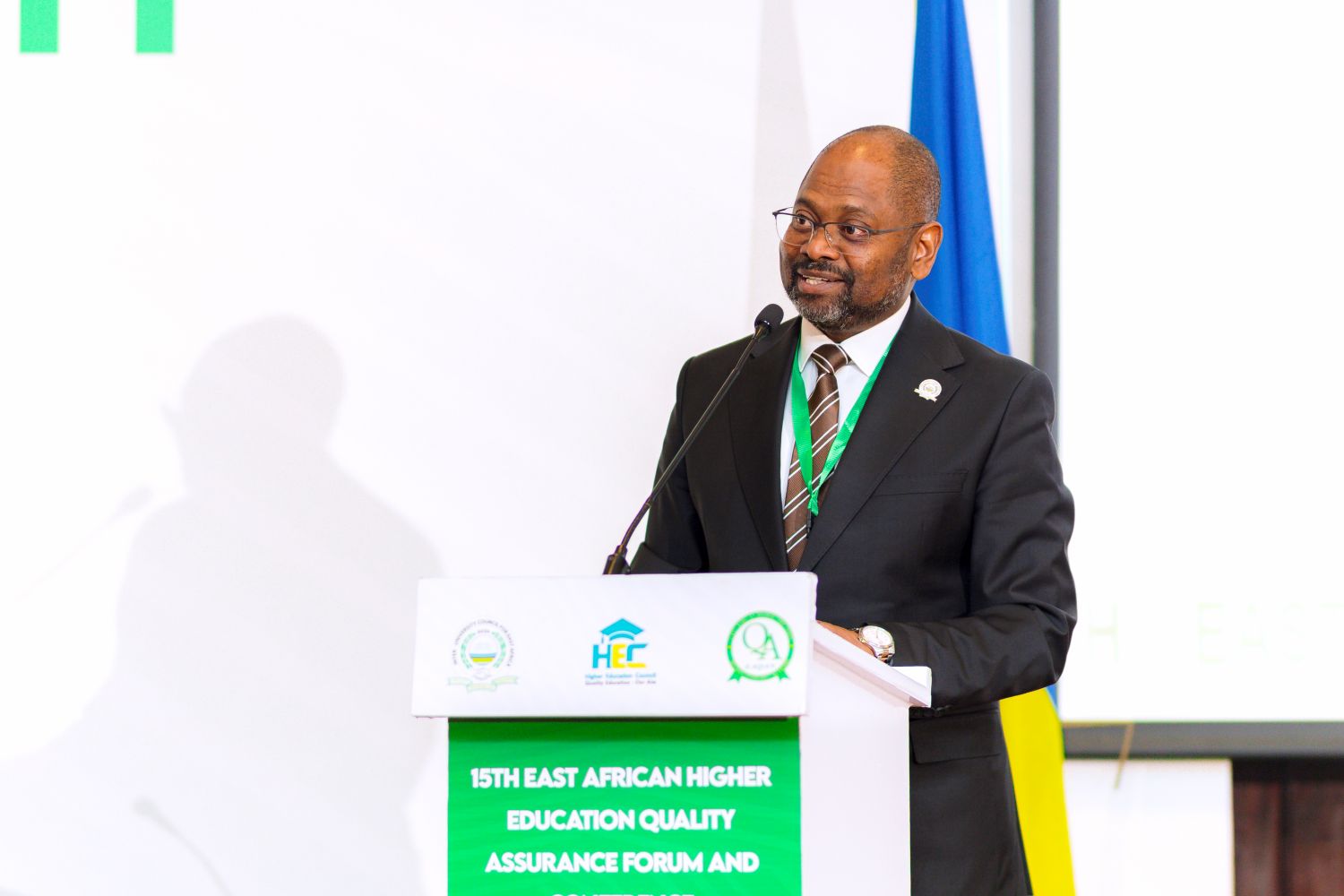
Prof. Rai said discussions were still ongoing with two EAC partner states that are yet to identify representative institutions to join the collaborative network.
The regional network was officially launched in Nairobi in July and is expected to form the foundation for the future East African Centre of Excellence in AI Education and Research.
Prof. Rai said the initiative builds on discussions held during an IUCEA conference in Kigali in 2023, which focused on higher education in the age of artificial intelligence and data science.
The discussions identified the need for universities to build institutional capacity while developing a collaborative platform for teaching, research and innovation in AI.
"In 2024, our Executive Committee approved the establishment of a regional centre of excellence in AI — a federated regional centre of excellence, whereby each partner state will identify one node or university to take part in developing that regional collaborative framework on AI," Prof. Rai said.
He revealed that the network will support the development of benchmarks and curricula in areas including data science, artificial intelligence and robotics, covering both undergraduate and postgraduate education.
AI literacy for university students
Among the major initiatives being developed is an AI foundational module that could introduce basic artificial intelligence literacy to university students across East Africa.
Prof. Rai said the module is in its final stages of development and could eventually become part of university education across the region.
“We are in the final stages of development of what we call an AI foundational module,” he said.
“Imagine you have a foundational module in AI whereby all students who go through our universities must take it, so that they know about AI, provide AI literacy.”
IUCEA is also developing learning pathways for lecturers who will teach the module and a policy framework to guide the use of AI in teaching, learning and other areas of higher education.
The network will further support collaborative and multidisciplinary research among participating universities.
For Rwanda's Minister of Education, Joseph Nsengimana, the rapid growth of AI is raising fundamental questions about whether universities are adequately preparing students for a changing world.
“The world for which our universities are preparing our graduates is changing rapidly. Artificial intelligence is transforming how knowledge is produced, taught and applied,” Nsengimana said.
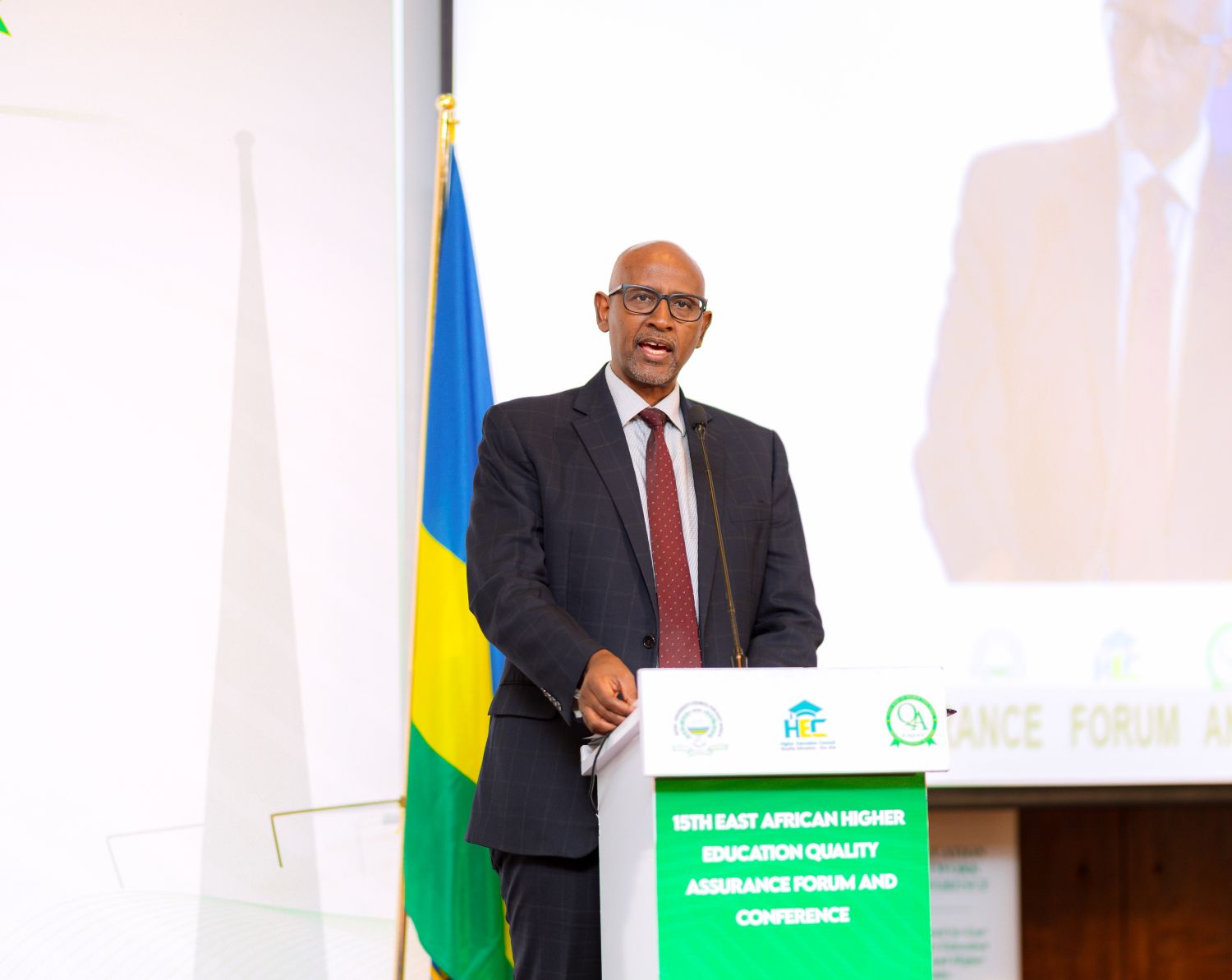
He noted that the urgency was particularly significant for East Africa, where more than 60 percent of the population is under the age of 25, saying higher education will play a major role in determining whether the region's young people are equipped to turn their talent into opportunities in a rapidly changing economy.
“Will the education we receive today prepare us for the world of tomorrow?” Nsengimana said, referring to what he described as an urgent question facing young people across the region.
“Our answer must be a resounding yes.”
He said digital transformation and artificial intelligence should be central to efforts to modernise higher education, while universities and regulators must ensure that technology is used responsibly.
“Technology alone is not enough,” he stated, stressing the need to equip academic staff and regulators with the capacity to use emerging technologies responsibly while protecting data, maintaining ethical standards and ensuring equitable access.
Future-ready universities
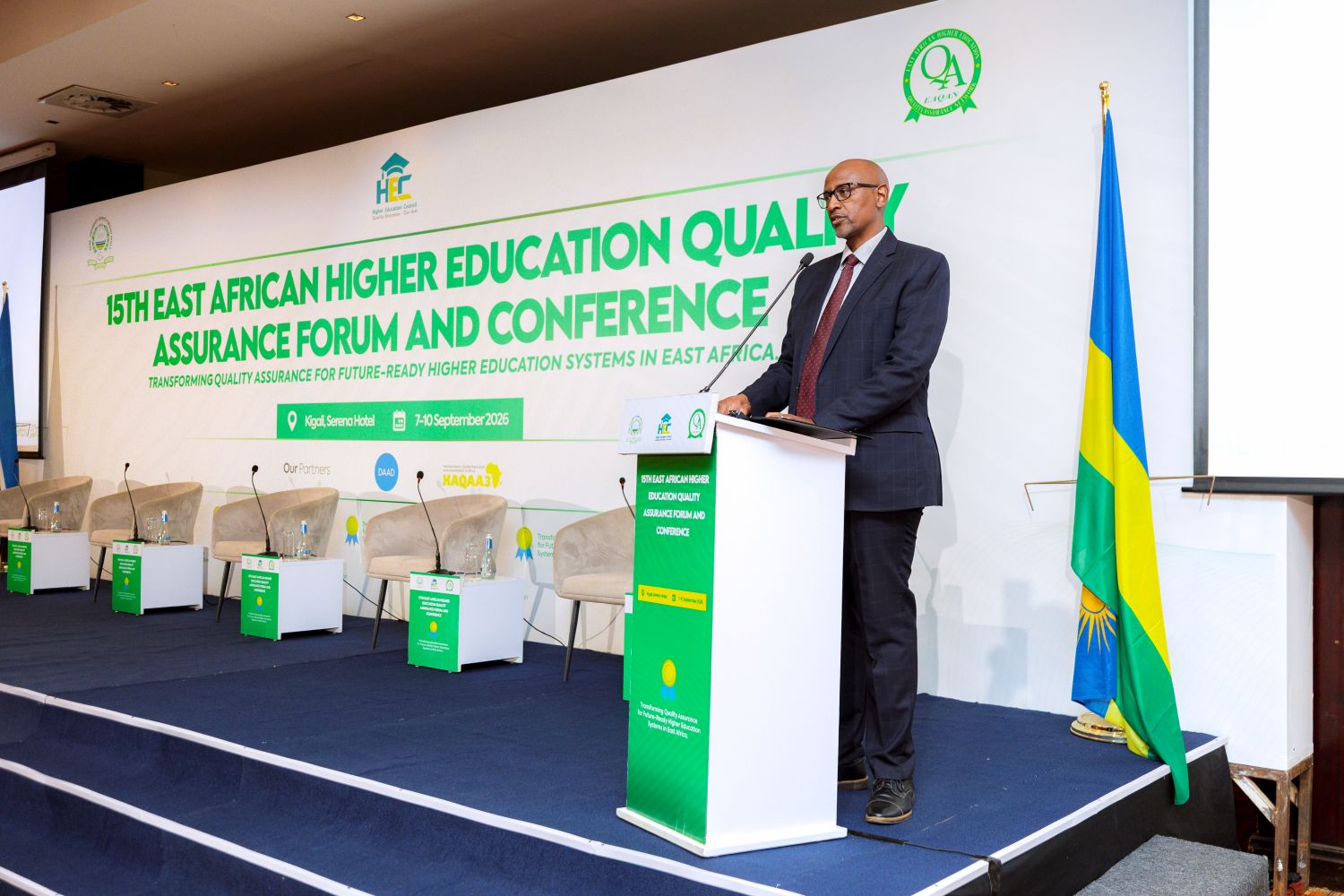
Dr. Edward Kadozi, the Director General of Rwanda's Higher Education Council, said universities could no longer focus only on preparing students for the jobs that exist today.
“Higher education is no longer preparing students simply for the jobs of today. It must prepare them for jobs, technologies and challenges that are still emerging,” he remarked.
Kadozi said technological development, digitalisation and AI were changing how knowledge is created and delivered, while also reshaping the skills required by economies.
He warned that qualifications alone would not be enough if graduates leave universities without the practical skills, adaptability and critical thinking required in the workplace.
“If graduates leave our institutions with qualifications but without practical skills, adaptability and critical thinking required by the workplace, then we have not fully delivered on our responsibilities to them,” Kadozi said.
He added that quality assurance systems must also evolve alongside changes in higher education.
“We must modernise our evaluative tools. We must strengthen our technical capacities. We must embrace appropriate technologies. And we must continuously review our regulatory processes to ensure that they keep pace with the sector we oversee.”
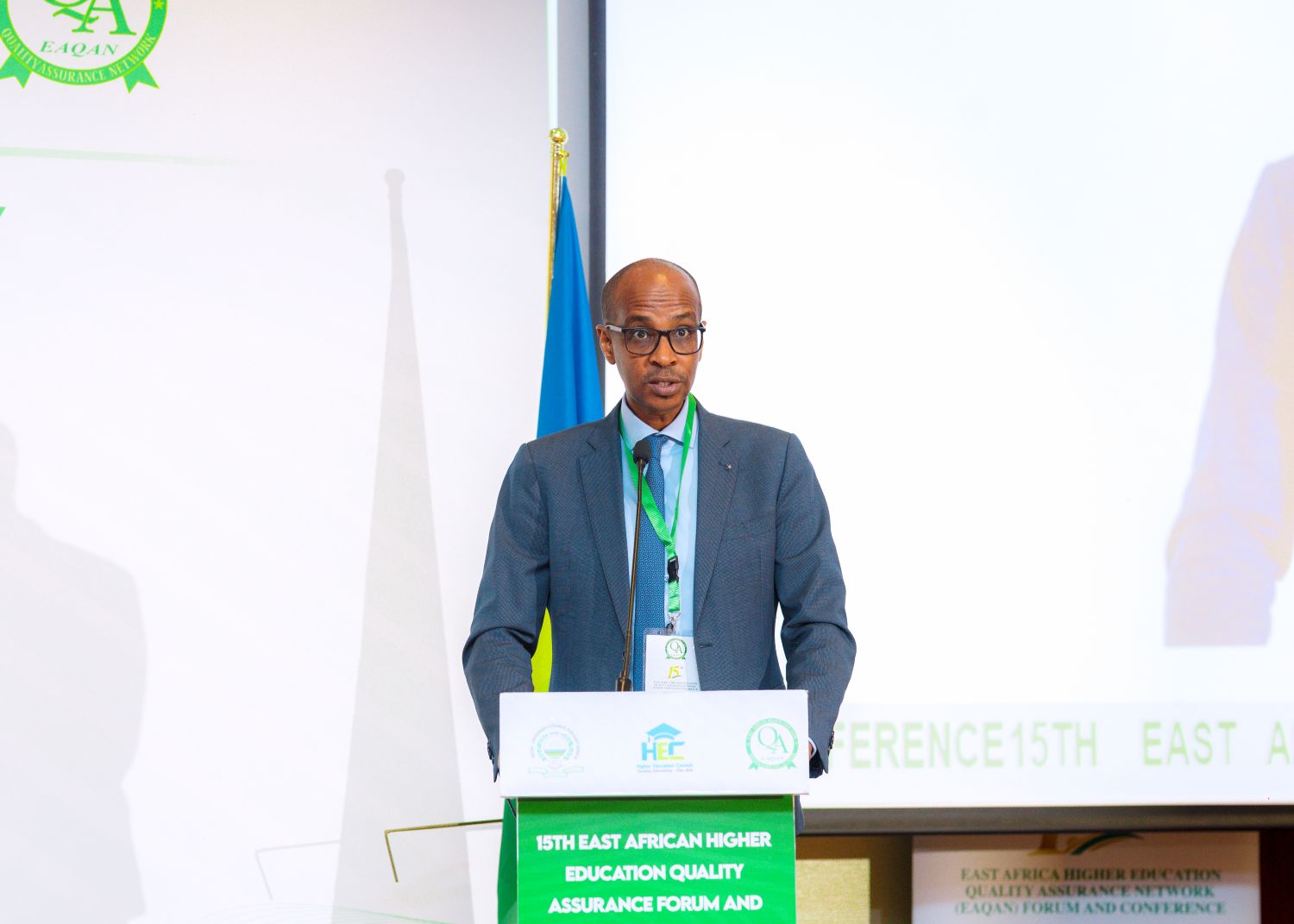
The regional push for AI-ready higher education has also attracted support from international partners.
A representative of the German Academic Exchange Service, DAAD, announced plans to establish a new African Centre of Excellence for Applied and Responsible Artificial Intelligence in Kenya, which is expected to serve the wider East African region.
Dr. Dorothee Weyler, Regional Director, DAAD, said the centre will focus on strengthening institutional capacity in applied and responsible AI research while integrating teaching, research, early-career development and knowledge transfer.
The development comes as Rwanda's higher education sector increasingly positions itself within regional efforts to strengthen digital skills, research and innovation.
Through its role in the new network, the University of Rwanda is expected to contribute to the development of AI expertise and collaborative research while helping build the institutional capacity needed to support the responsible adoption of the technology across East Africa.
Prof. Didas Kayihura, Vice Chancellor of the University of Rwanda, said such regional collaboration has already proven valuable for staff and institutions engaging with partner universities across East Africa.
"That exposure itself changes the staff quite a lot," he said, adding that lessons learned abroad are typically brought back and shared with colleagues at home.
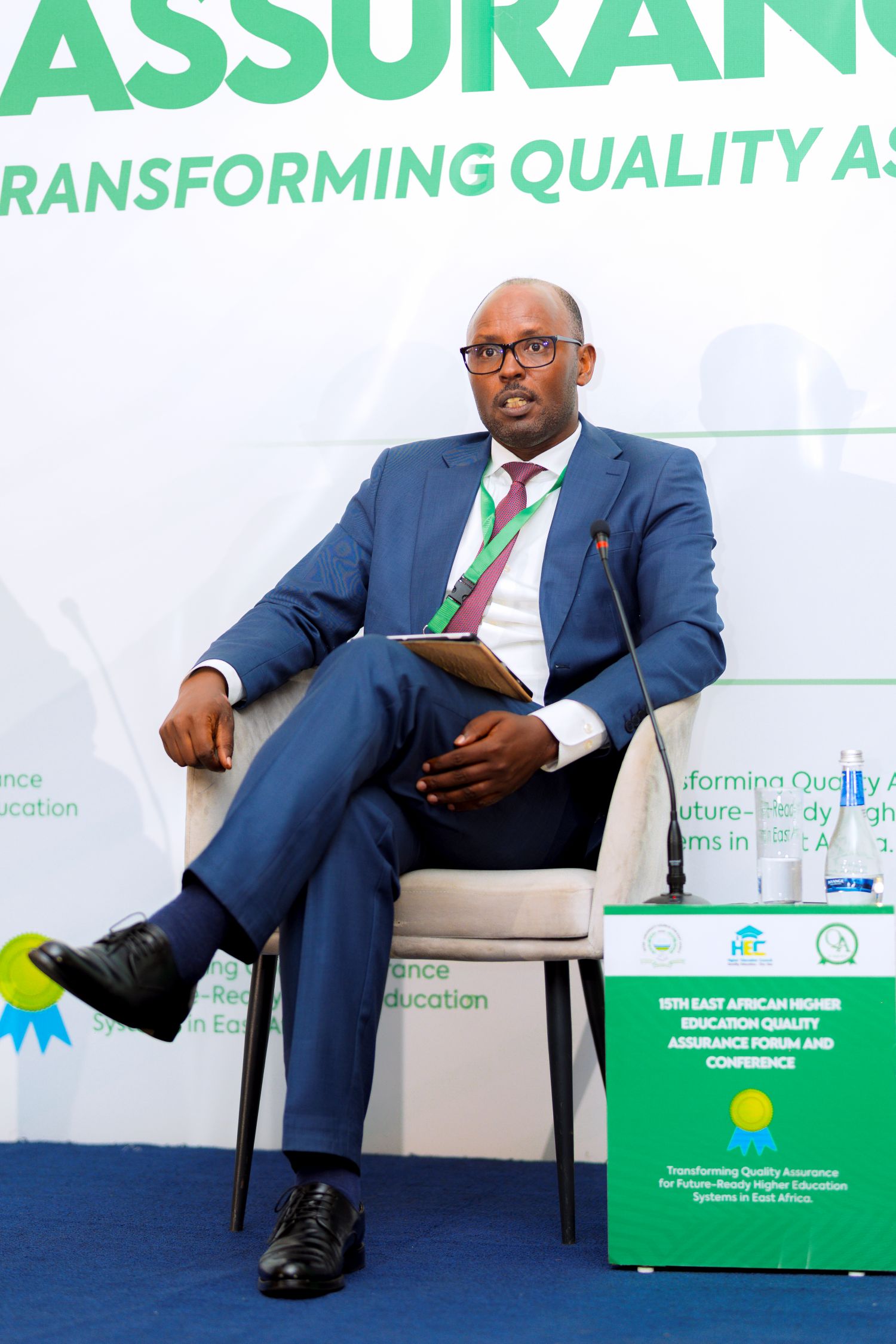
The Regional AI Network follows a federated model in which participating universities contribute their individual strengths while collaborating on joint programmes, research and other regional initiatives.
Meanwhile, DAAD also announced plans to host a Master of Science in electrical power systems scholarship programme at the University of Rwanda for the next three years, with applications opening on September 24.
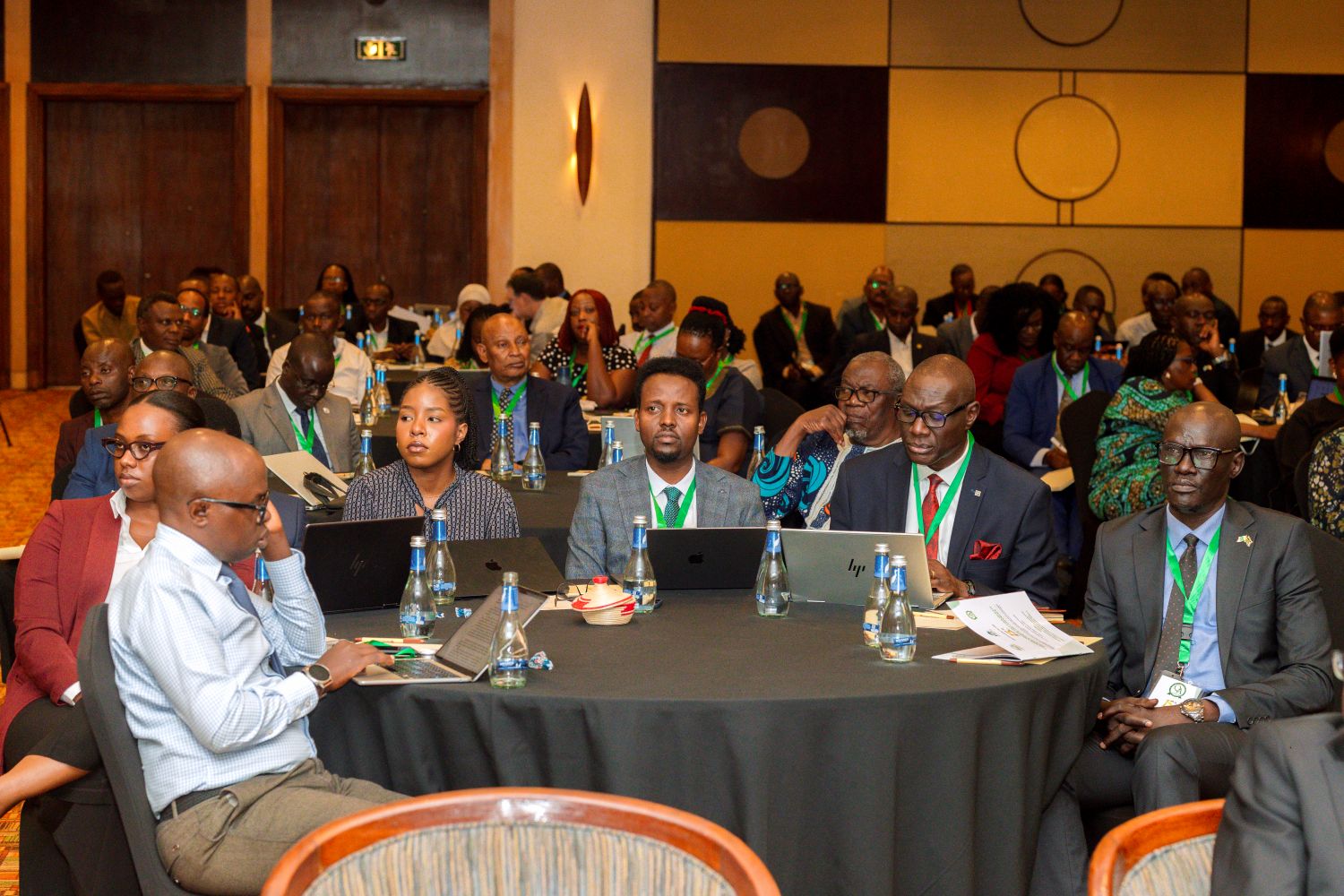
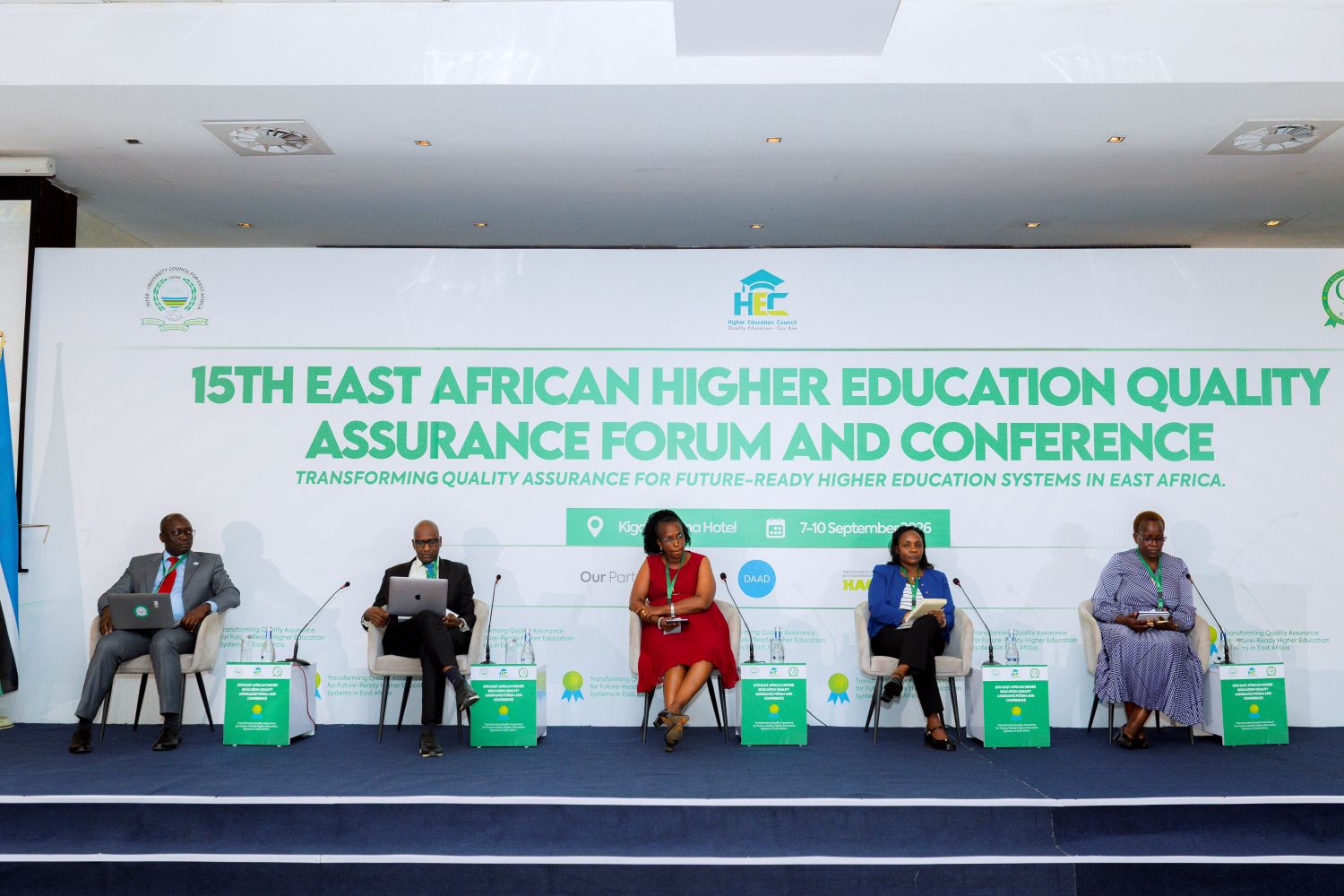
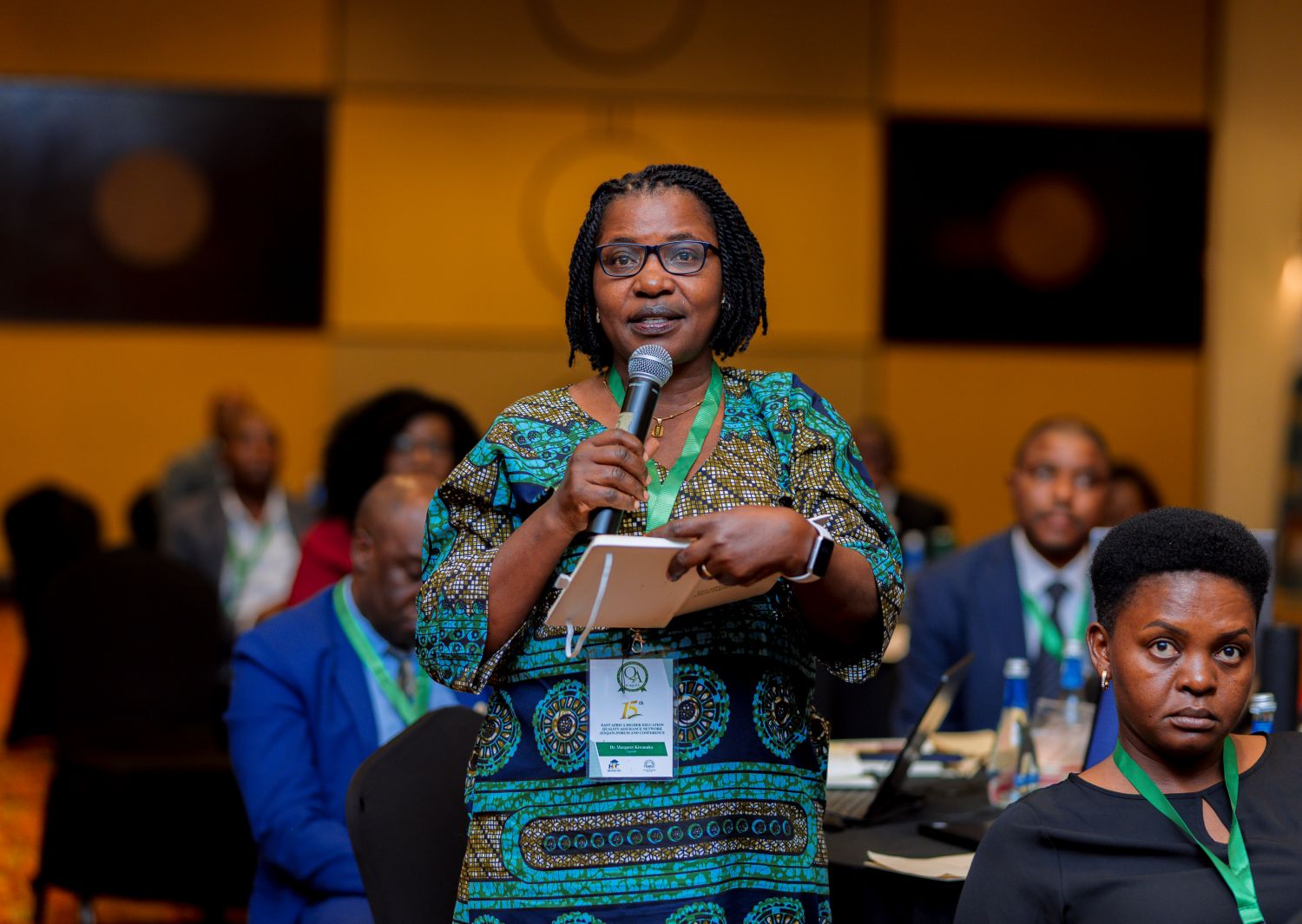
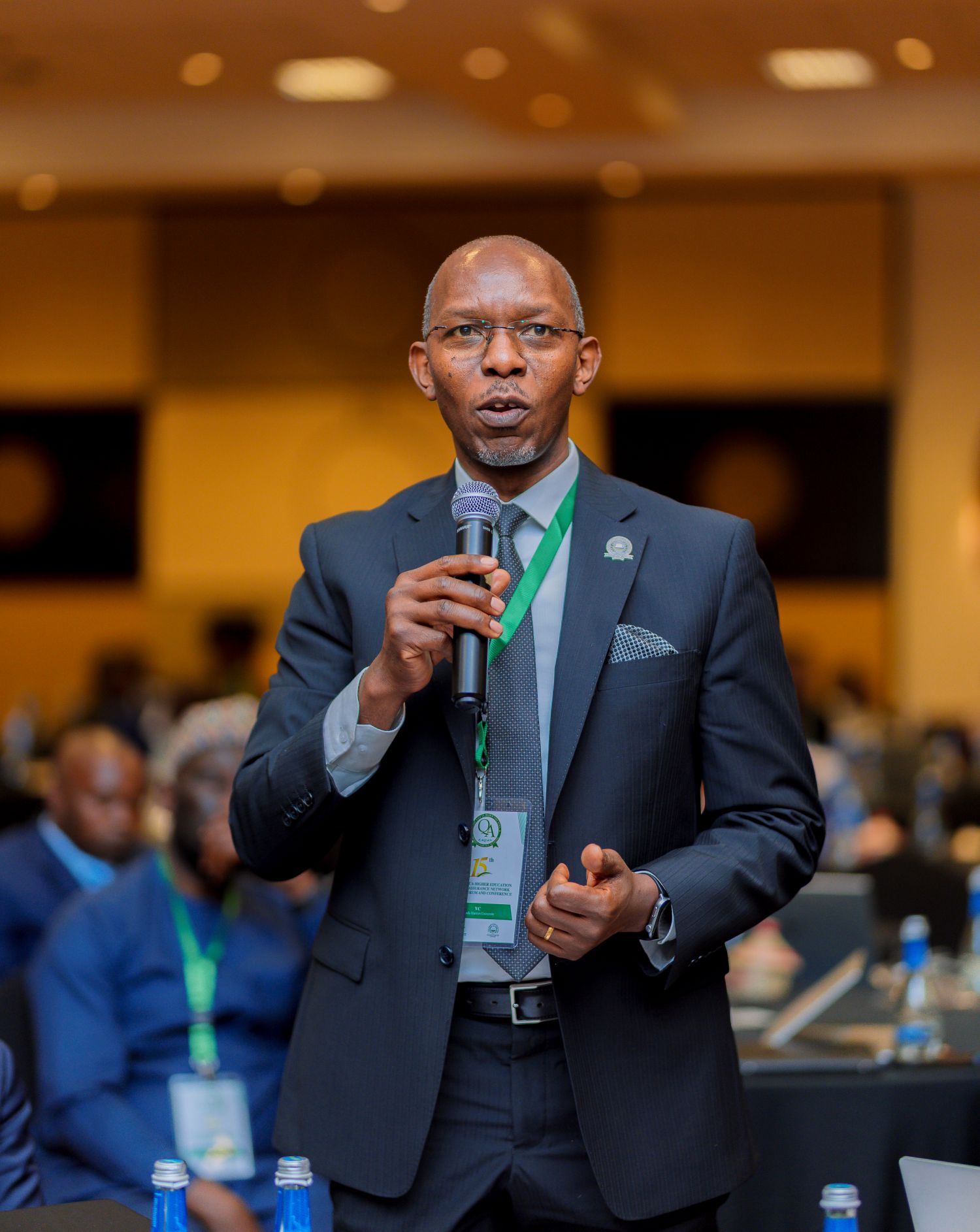
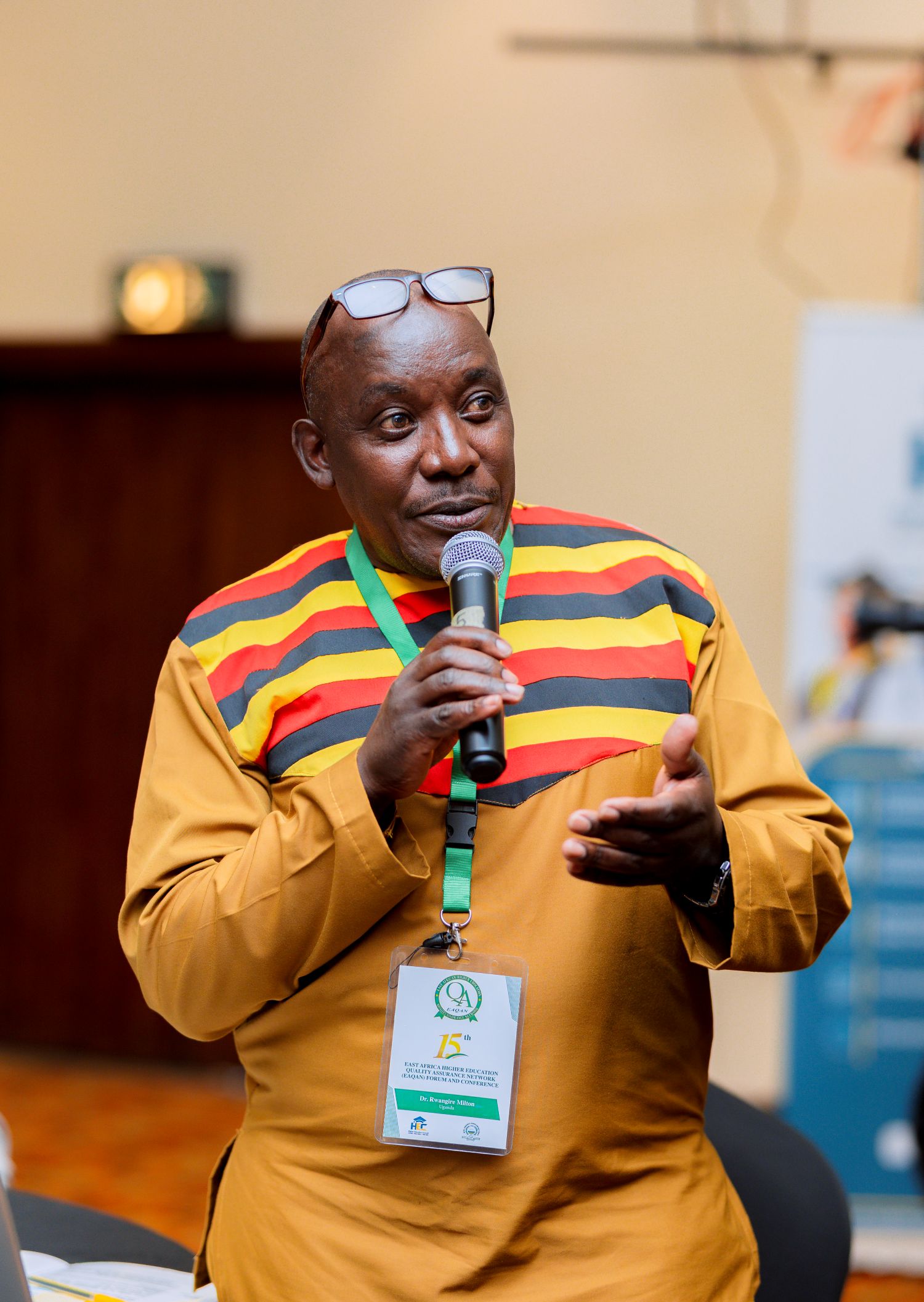
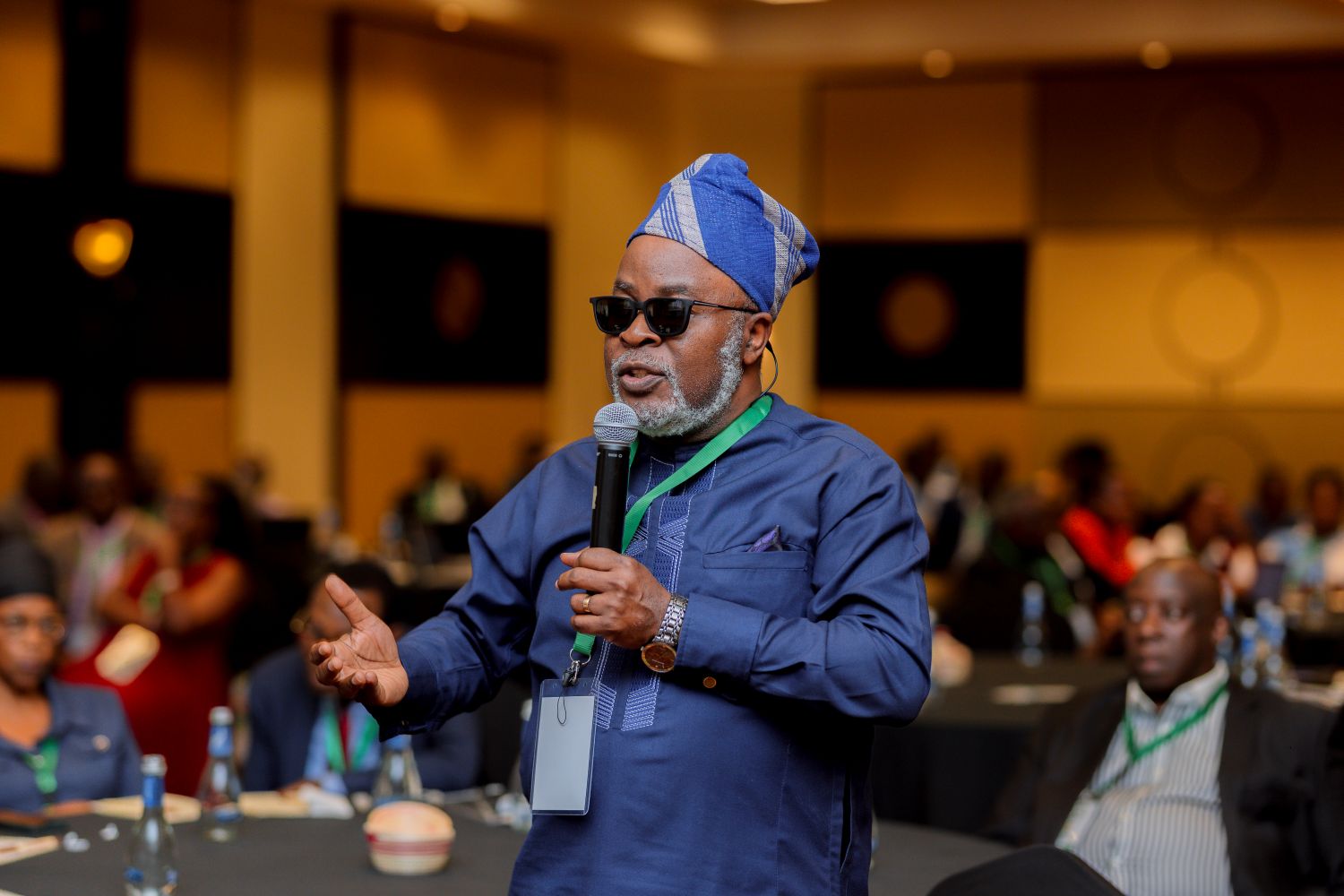
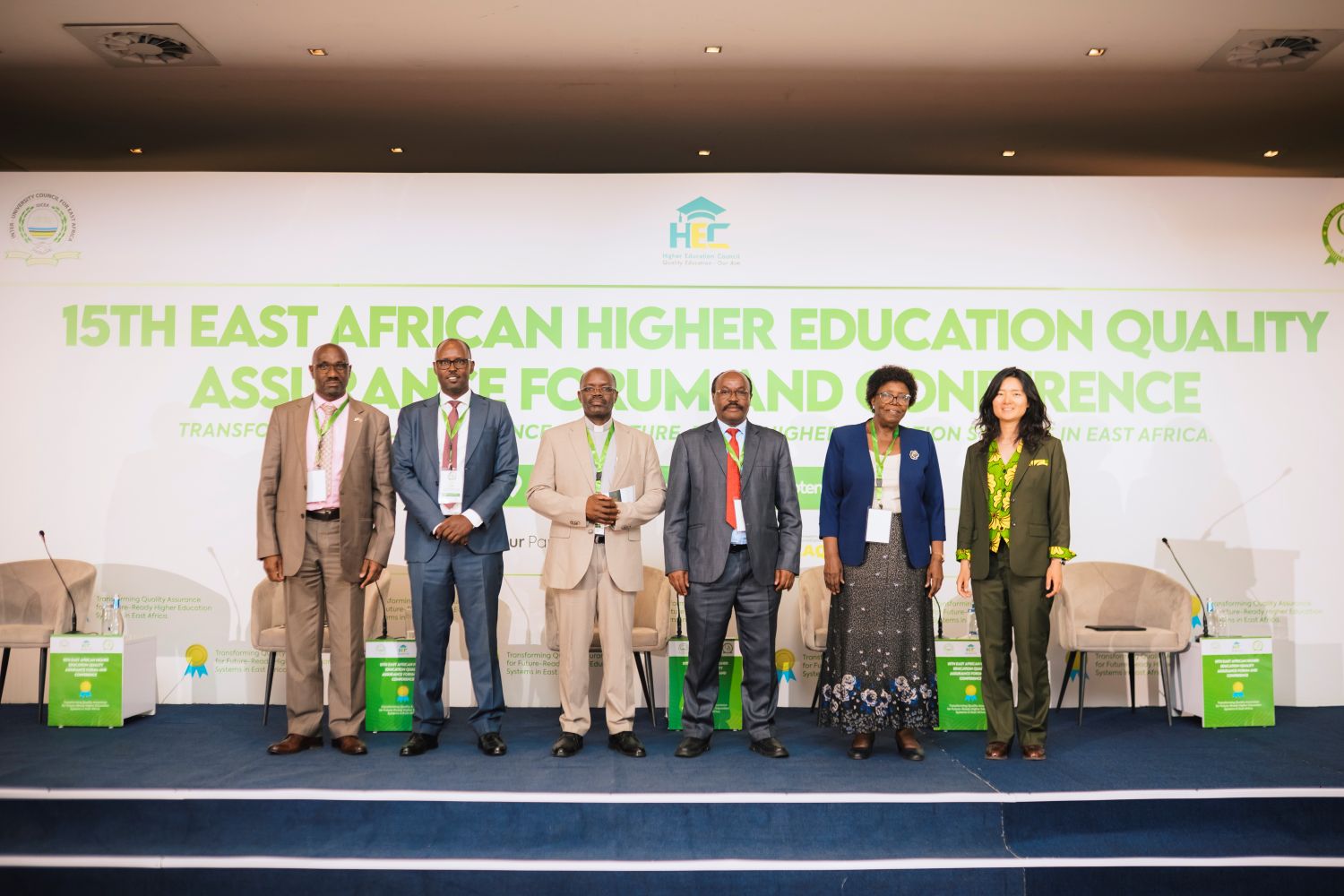
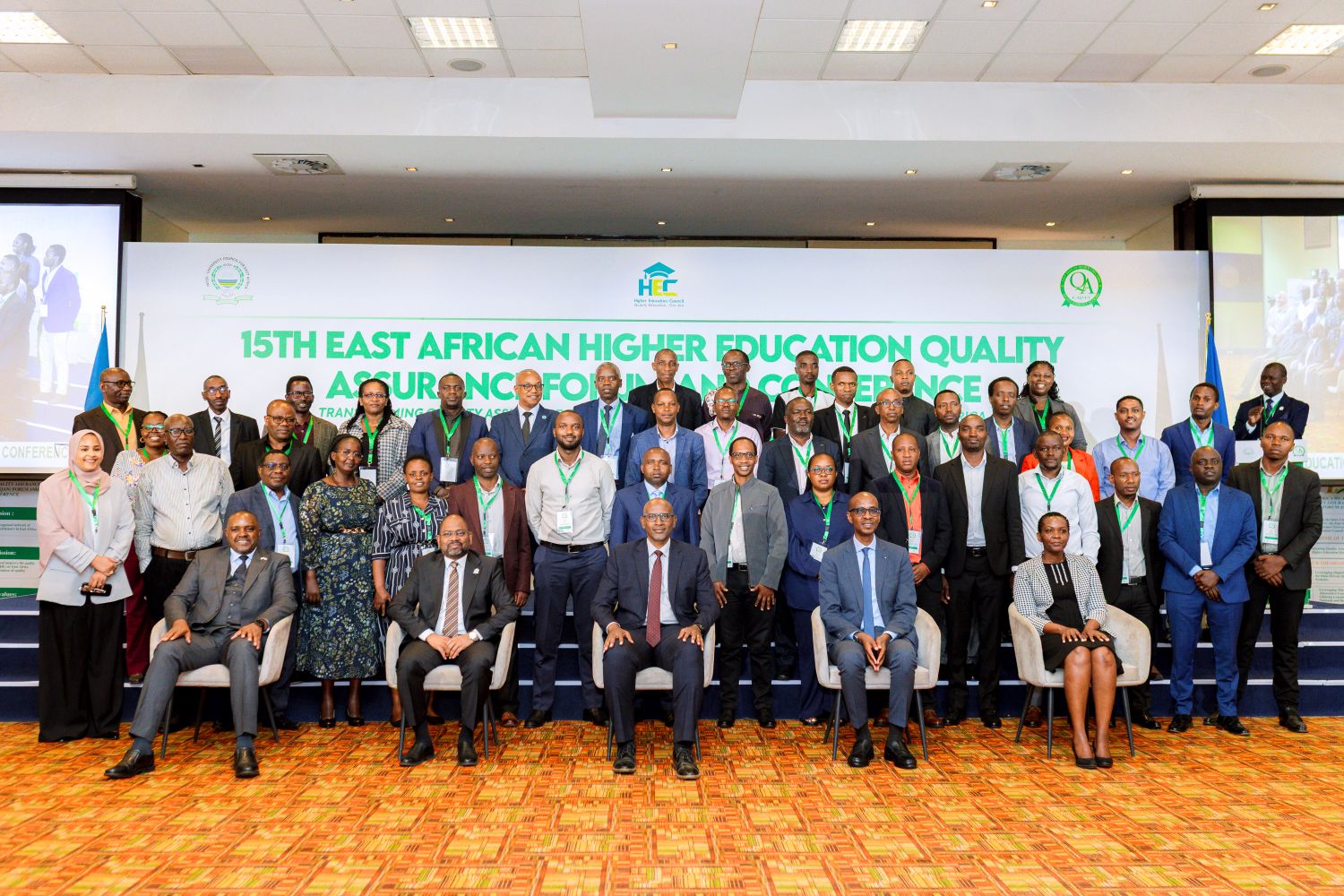
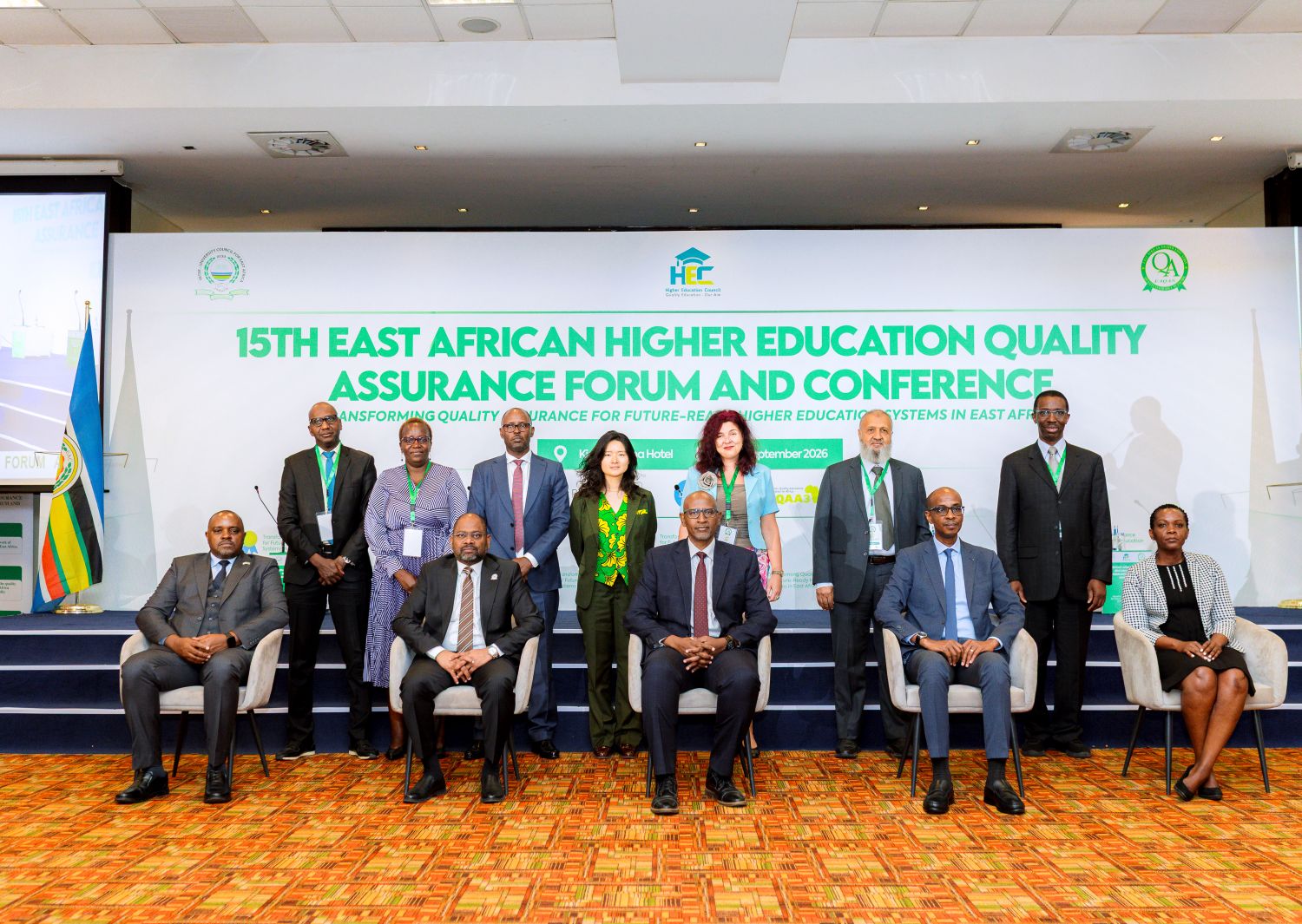
The 15th East African Higher Education Quality Assurance Forum and Conference is being held at the Kigali Serena Hotel under the theme, “Transforming Quality Assurance for Future-Ready Higher Education Systems in East Africa.”
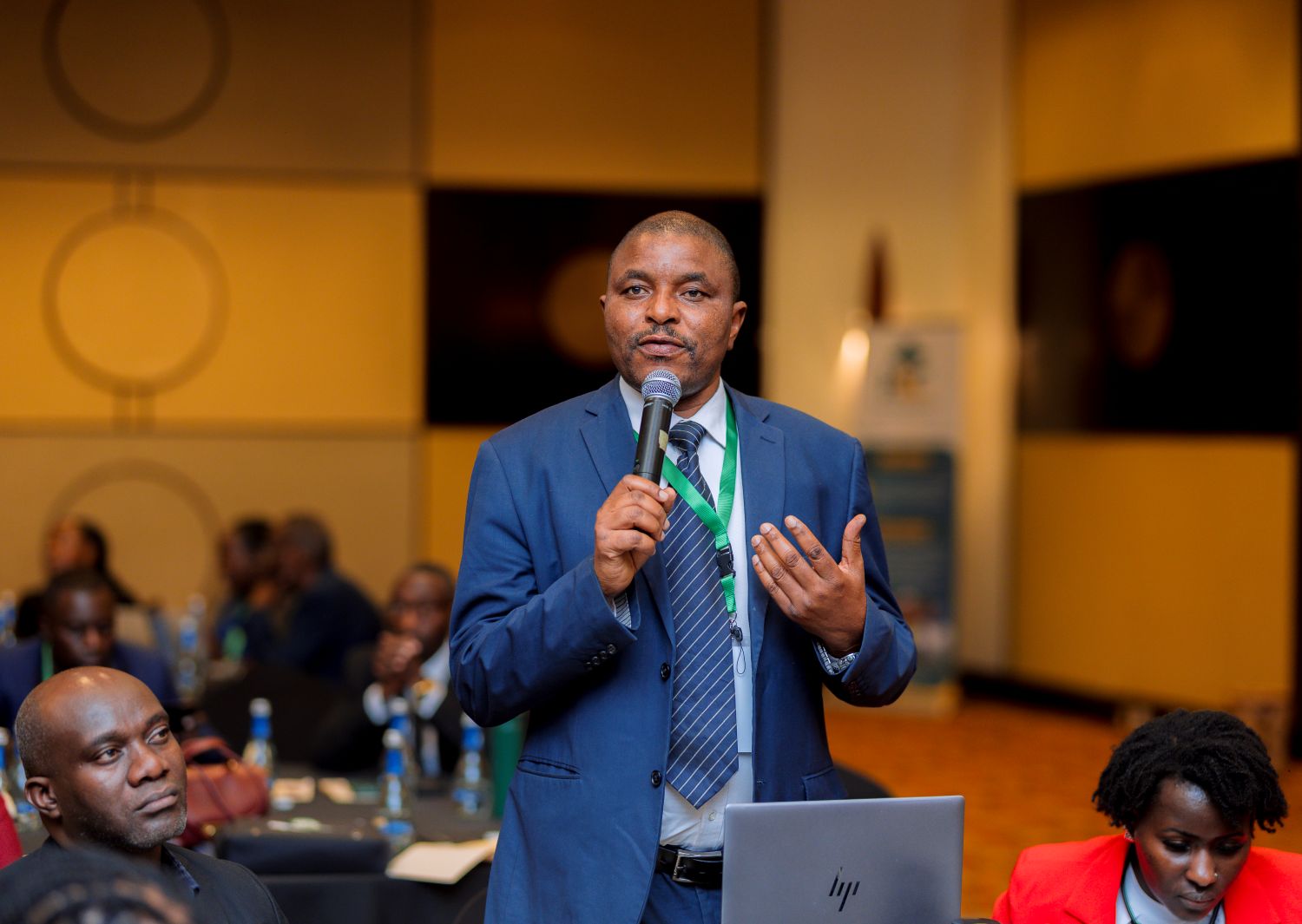
The four-day forum has brought together university leaders, higher education regulators, academics and development partners to discuss how East Africa can prepare its universities and graduates for emerging technologies and the changing demands of the labour market.
Loading comments...
Leave a comment