



Among the international works showcased was Al-Atlal, a dance production presented on July 18 that explored the impact of conflict while highlighting themes of peace, unity and cultural diversity.
Created by acclaimed choreographer Orly Portal, the production combined movement, music and storytelling to reflect on conflict, reconciliation and hope. Inspired by the legendary Egyptian singer Umm Kulthum’s iconic song Al-Atlal (“The Ruins”), the work transforms a story of lost love into a broader reflection on the human search for peace.
Turning a story of conflict into a call for peace
In an exclusive interview with IGIHE, Portal explained that the production gained additional significance as violence unfolded in Israel during its creation.
She said that rather than allowing conflict to define the narrative, she chose to use dance as a language of peace.
"The biggest message is to stop the war and spread love," Portal said. "We gave a voice to both Arabs and Jews because we want people to listen to their hearts and remember that we are all one, no matter where we come from or what culture we belong to."
She noted that the performance deliberately blends Arabic and Hebrew, reflecting both the shared history of the two peoples and her own Moroccan Jewish heritage.
Through music and movement, Al-Atlal encourages audiences to see differences not as barriers but as opportunities for understanding.
Artists praise Rwanda’s culture
Portal said bringing the production to Rwanda was a memorable experience. Invited by the Ubumuntu Arts Festival after festival founder Hope Azeda watched the performance in Israel, she described Kigali as a place where she immediately felt welcomed.
"It is my first time in Rwanda, and I feel at home," she said. "The people are joyful, generous and beautiful. I also see beauty within the people, and the artists and dancers here are truly amazing."
Besides performing, Portal led a dance workshop for local artists, which she described as one of the most rewarding workshops she has ever conducted.
She was particularly impressed by Rwanda's rich dance traditions and encouraged young African performers to embrace and preserve their cultural heritage.
"What you have is a treasure," she said. "Explore new styles, but never forget your roots. Keep your groove because it is something the rest of the world can learn from."
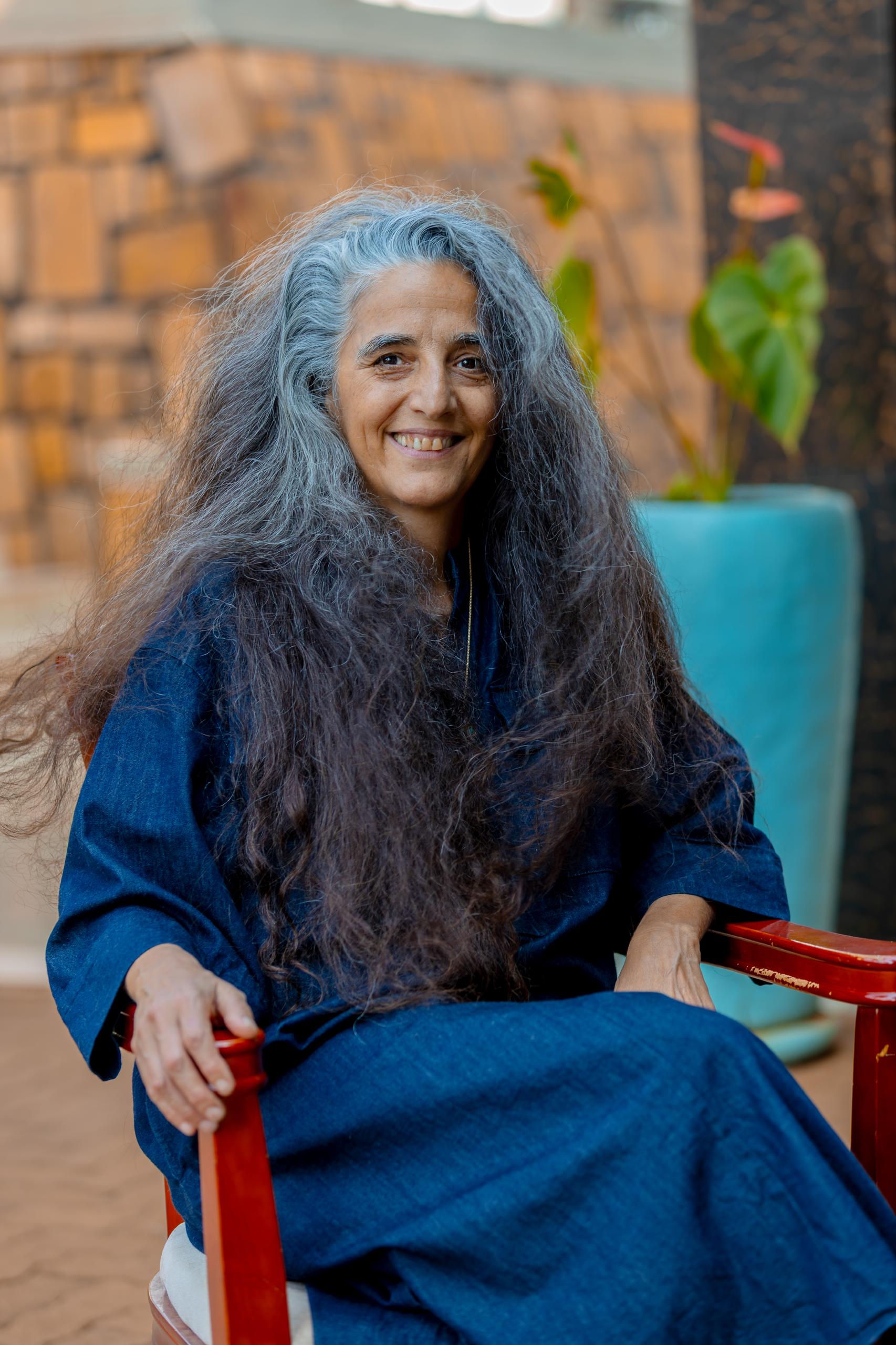
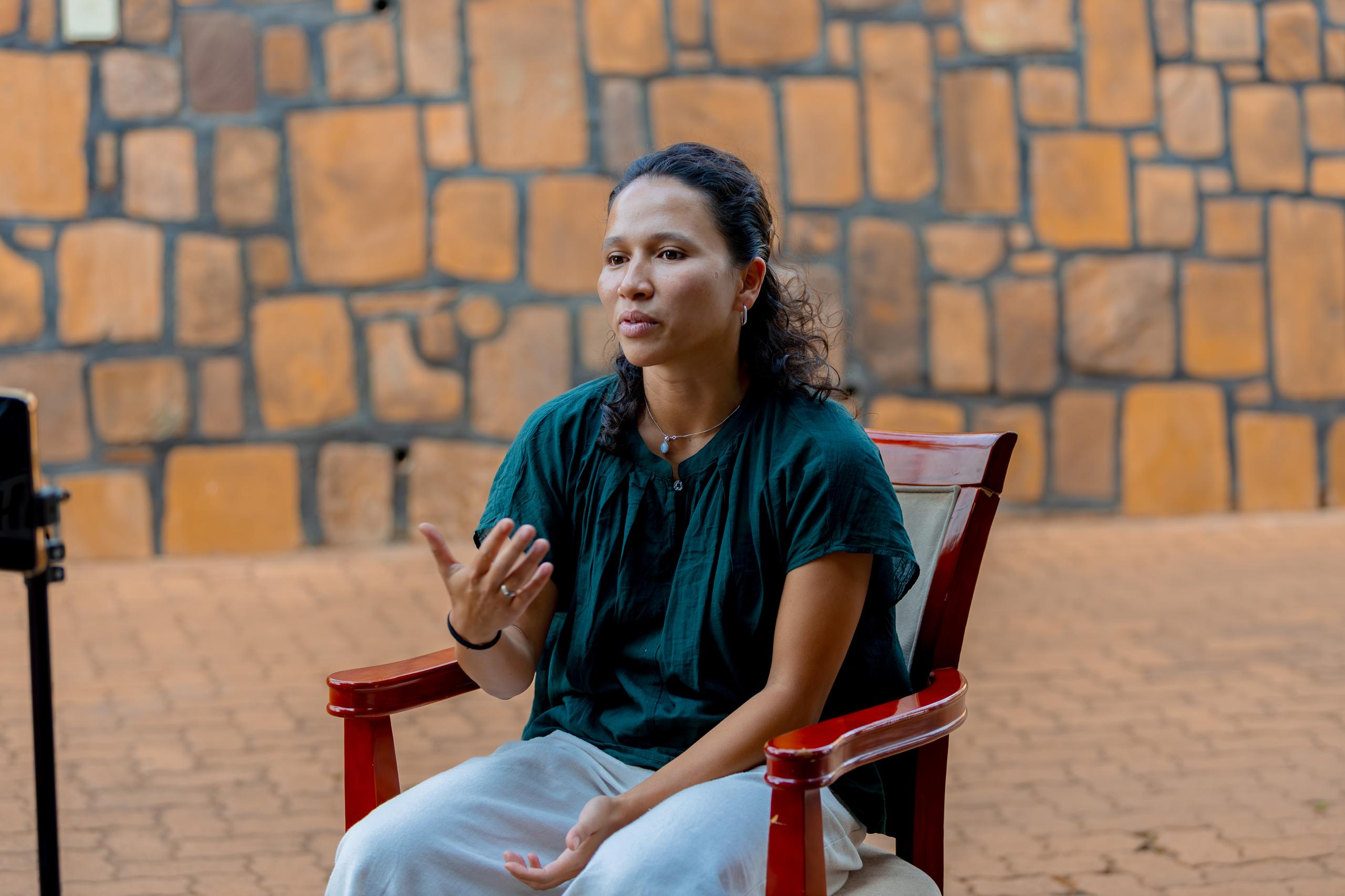
For Lalel Pillora, one of the dancers in the production, the visit to Rwanda left a lasting impression. She said the warmth of the people and the country's vibrant dance culture made the experience unforgettable.
"Our smiles never disappeared during our first night here," Pillora said. "The traditions, the groove and the cultural dances are something very special that you don't often see in the modern world."
She hopes audiences who watch Al-Atlal leave with a greater appreciation of humanity's shared experiences.
"We all live in the same world," she said. "Even though we come from different countries and cultures, we share many of the same emotions and challenges. I hope people leave believing in peace and love."
One of the most emotional moments for Pillora comes during a scene where the performers sing together while opening their jackets.
"In that moment, I feel like I'm shouting for peace and love," she said. "I feel completely connected with the audience."
She also encouraged aspiring dancers to trust their natural abilities rather than constantly doubting themselves.
"You already have it inside you," she said. "Keep learning, but also believe in your roots because they are enough."
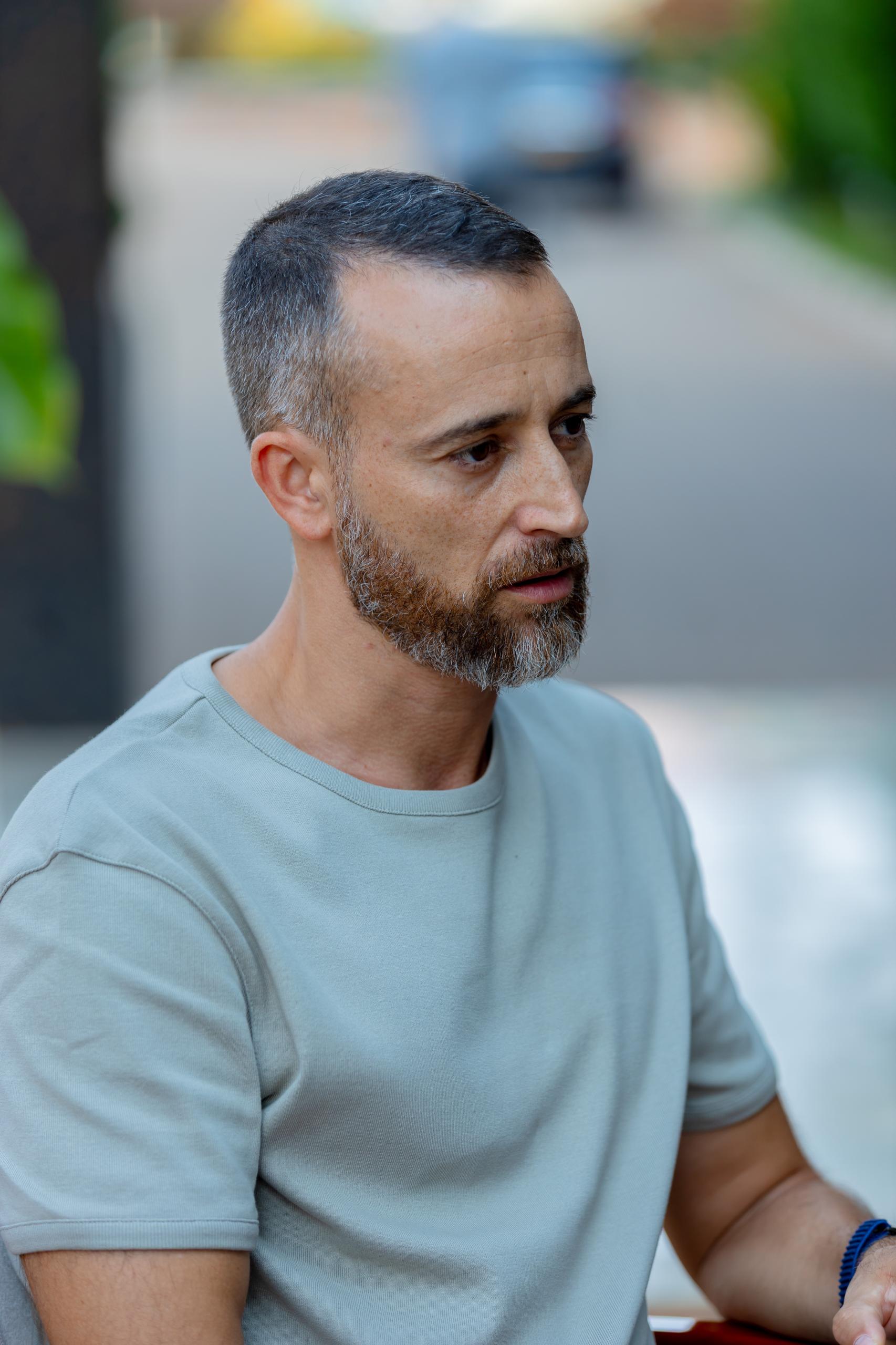
Fellow performer Daniel Costa described participating in the Ubumuntu Arts Festival as one of the most meaningful experiences of his career.
Originally from Portugal and now based in Israel, Costa said every day in Rwanda brought new encounters that made the visit deeply fulfilling.
"It's a lifetime experience," he said. "Everything we experienced here was rich, profound and full of heart."
Asked to describe Al-Atlal in a single sentence, Costa called it "the sweatiest, most profound prayer and protest for a better world."
He explained that every performance demands intense physical and emotional commitment, but the dancers are sustained by the purpose behind the work rather than by endurance alone.
Costa believes artists have a responsibility to challenge society and encourage reflection, especially during times of conflict.
"Art is often seen only as entertainment," he said. "But art also exists to raise questions. We may not have the power to change governments, but we do have the responsibility to make people think and ask whether we can do better."
He also praised the Ubumuntu Arts Festival for making its performances freely accessible to the public, saying it demonstrates the importance of ensuring art remains available to everyone.
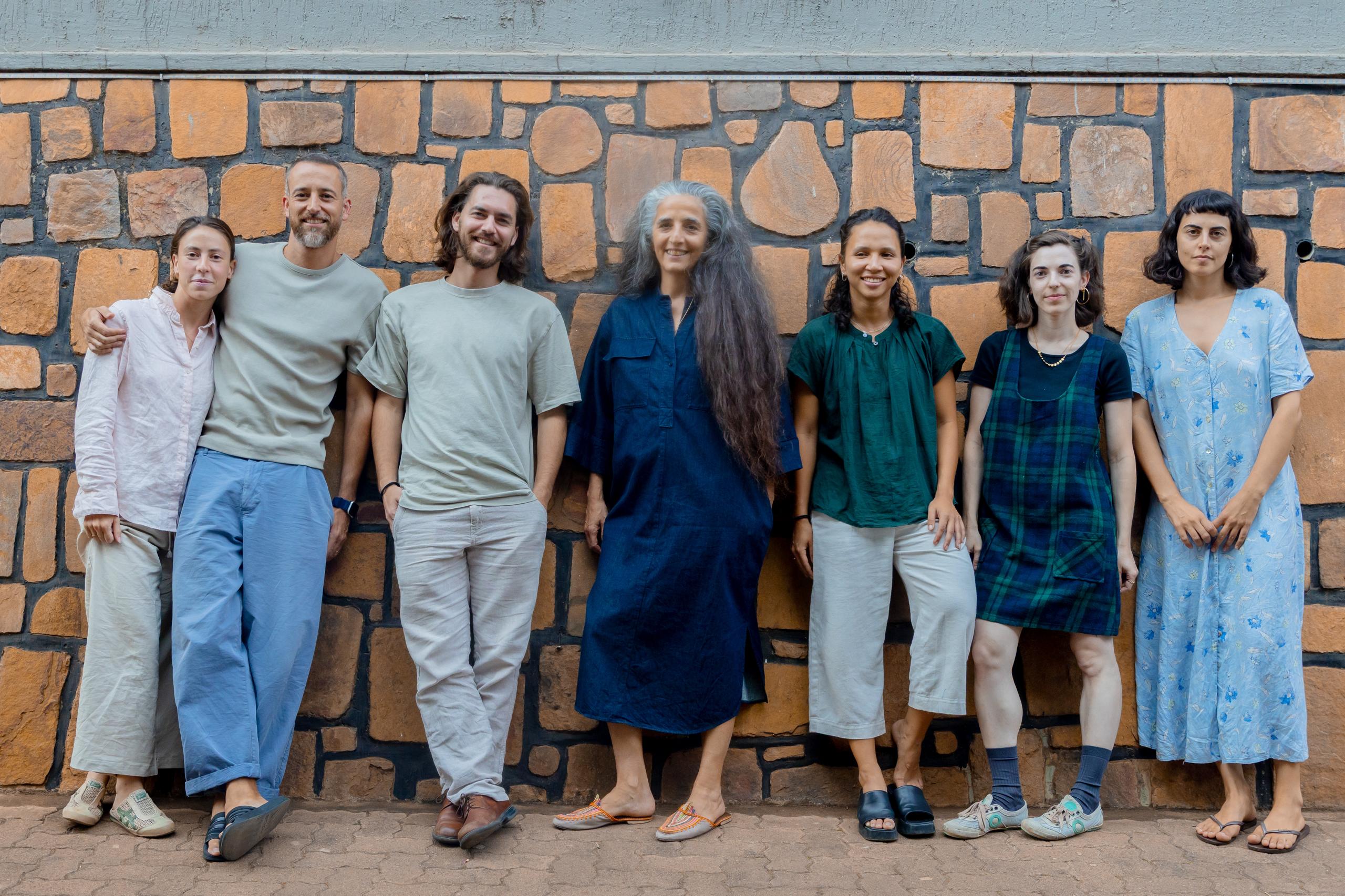
As the festival came to an end, all three artists shared a common message with young dancers across Africa: remain curious, stay humble, work hard and never lose touch with your cultural identity.
For Portal, preserving tradition is essential to artistic growth. For Pillora, confidence begins with believing in oneself. For Costa, perseverance is what keeps creativity alive despite the challenges artists face around the world.
"It's difficult everywhere to be an artist," Costa said. "But if this is your passion, keep creating, stay humble and find ways to continue. The world always needs art."
Through Al-Atlal, the performers reminded audiences that while dance may not end conflict on its own, it has the power to inspire dialogue, build empathy and bring people together across cultures.


Loading comments...
Leave a comment