






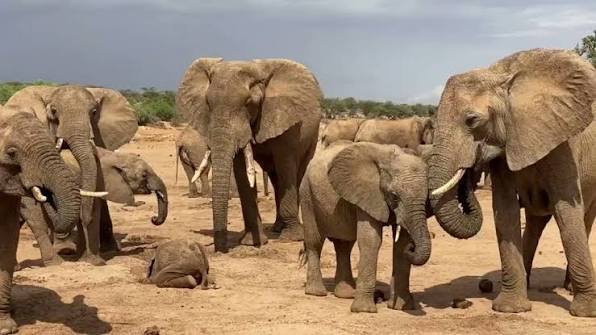
The elephants were found dead in the Amboseli ecosystem, which includes Amboseli National Park, a renowned wildlife sanctuary that is home to thousands of elephants and attracts visitors from around the world.
According to the Kenya Wildlife Service (KWS), laboratory tests conducted on samples collected from the dead elephants detected cyanide, a highly toxic chemical. Authorities believe the animals consumed tomatoes that had been contaminated with the poison after venturing onto farmland bordering the protected area.
The discovery followed weeks of investigations into the deaths, which occurred between late June and late July. Wildlife officials had initially suspected poisoning after several elephants showed unusual symptoms, including partial paralysis, before dying.
KWS Director General Erustus Kanga said the poisoning is a serious concern because it could affect more than just wildlife.
"Other than the elephants and the wildlife that may be feeding in those fields, we have the local livestock. We have the goats. We have the cattle that are there. Eventually, if this is truly what is in the system, then we are going to see a bigger impact," Kanga said.
Authorities have not yet determined who contaminated the tomatoes or whether the poisoning was deliberate. Investigators are examining the circumstances surrounding the incident as they work to establish whether criminal activity was involved.
Kenya has previously experienced cases in which elephants were intentionally poisoned after straying onto farms and destroying crops. As agriculture continues to expand near wildlife habitats, conflicts between local communities and elephants have become more frequent.
Although cyanide is highly poisonous, KWS said there is currently no evidence that the contamination poses an immediate risk to people. However, officials are continuing environmental assessments and monitoring the area to determine whether other animals may have been affected.
The deaths have sparked concern among conservationists, who warn that the incident highlights the growing pressure facing Kenya's wildlife as human activities increasingly overlap with protected ecosystems.
The Kenya Wildlife Service said investigations remain ongoing and pledged to continue working with local communities to strengthen wildlife protection while reducing conflicts between people and elephants.
Loading comments...
Leave a comment