



The beneficiaries are residents of the model villages of Busanza, Mpazi, Karama, Ayabaraya and Rugendabari.
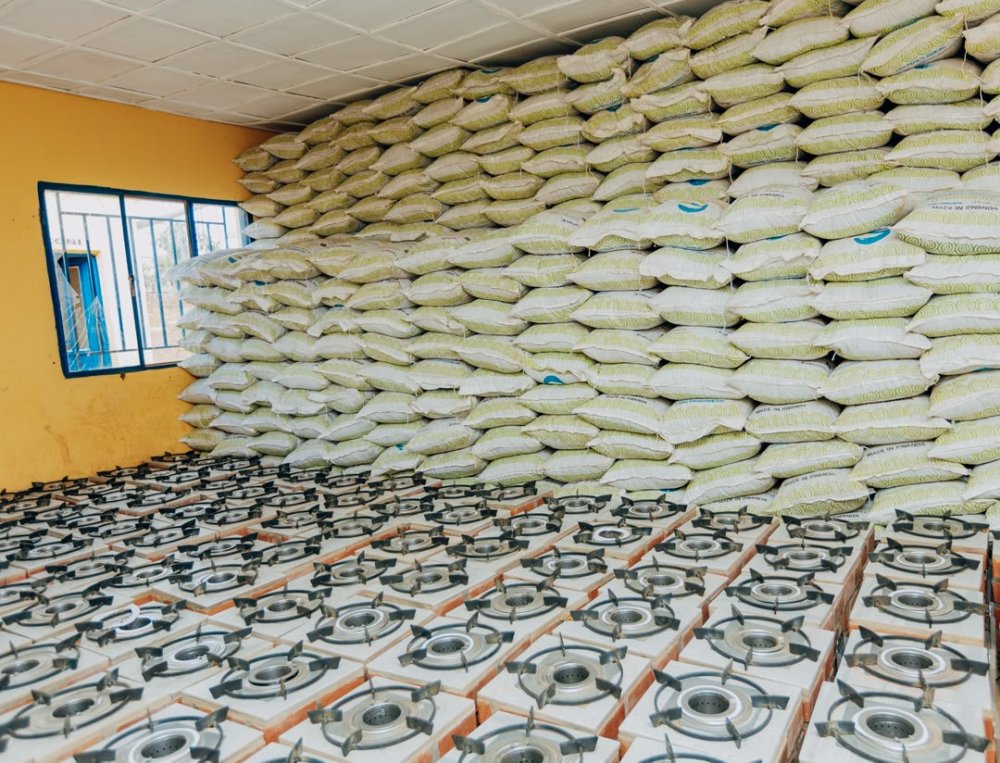
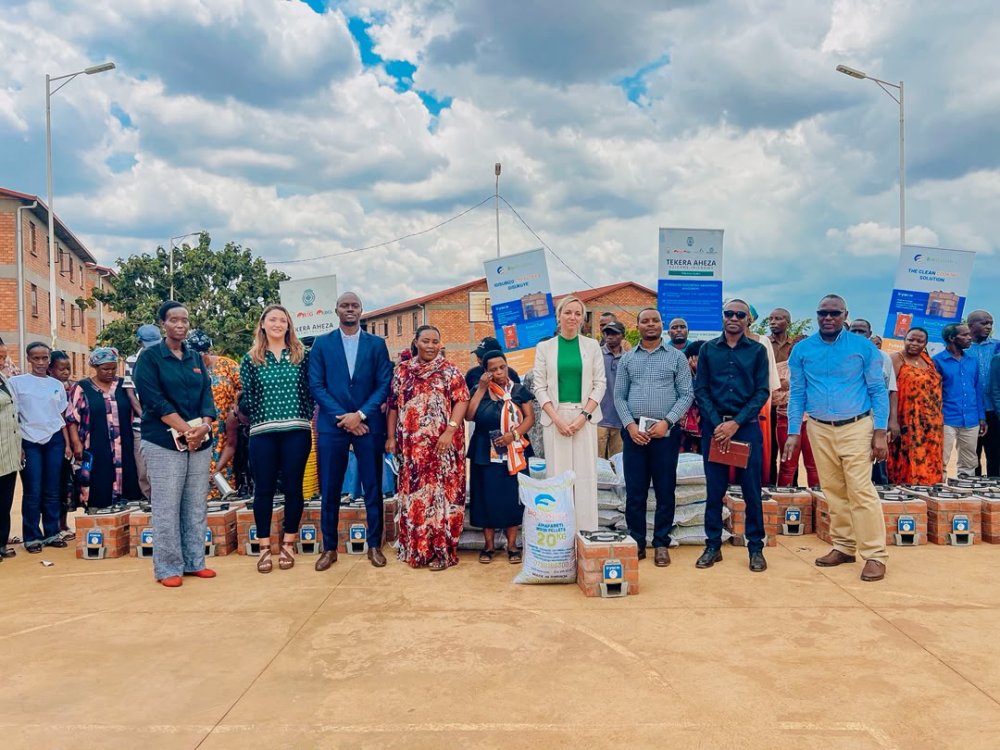
The distribution programme began on September 23, 2026, in Busanza Model Village, where 450 households received modern cookstoves and 20 kilogrammes of pellets each.
The initiative is being implemented in partnership with the Government of Rwanda, the Rwanda Housing Authority (RHA), the Energy Development Corporation Limited (EDCL), the City of Kigali and Innovate UK.
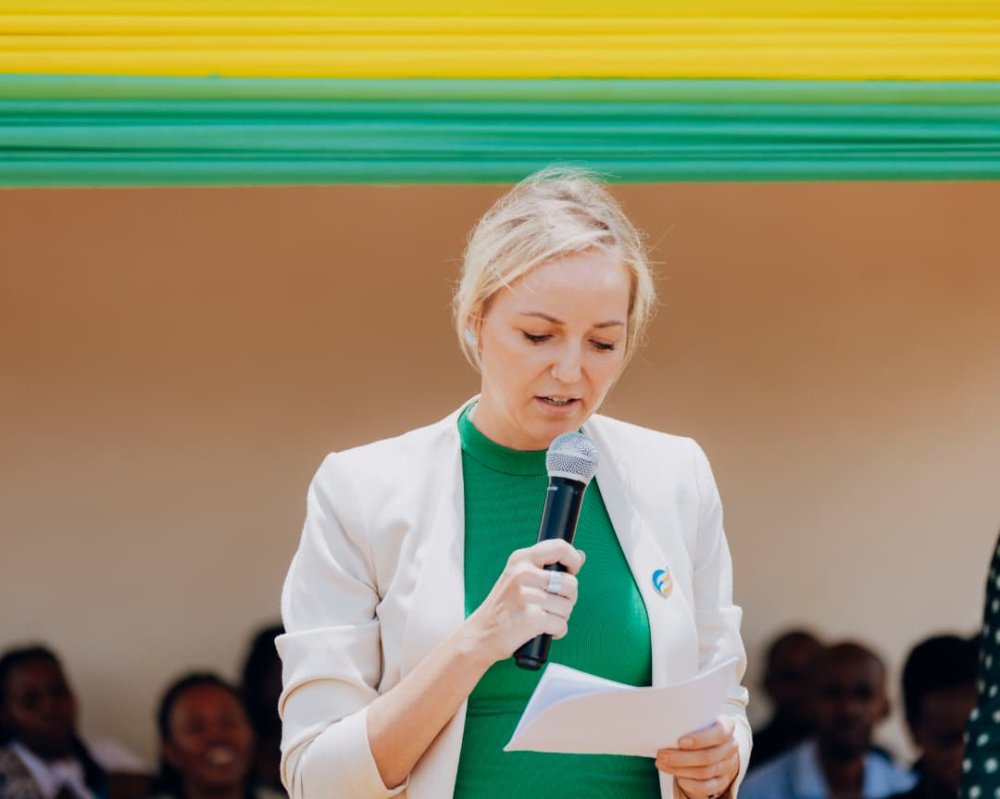
BioMassters Chief Executive Officer Claudia Muench said the cookstoves are designed to last for years while helping households reduce their cooking expenses.
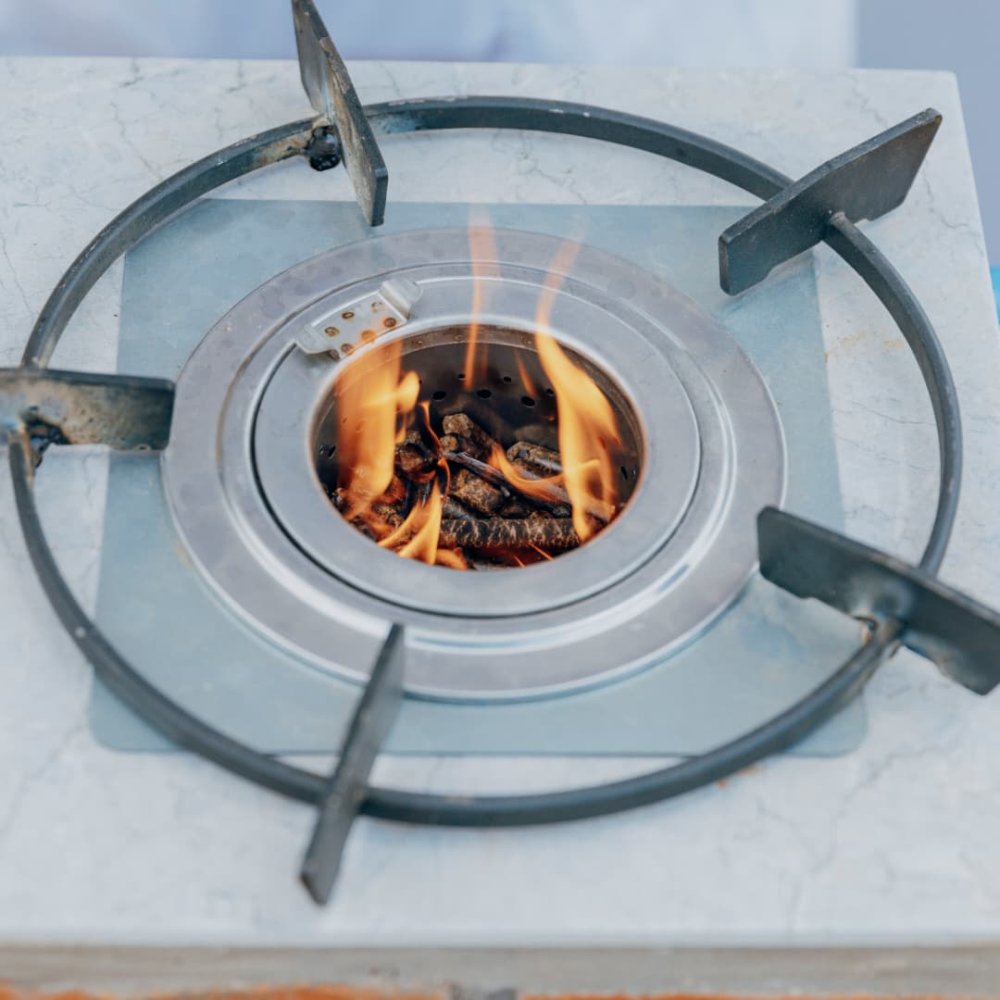
“Our goal is to replace charcoal with a better and more affordable alternative. The pellets are made from sawdust and can reduce by nearly half the amount households normally spend on charcoal each month. When used in a BioMassters stove, they produce no smoke and also reduce cooking time,” she said.
Muench added that the company provides repair services for its cookstoves and offers a three-year warranty for each unit.
BioMassters currently has more than 40 outlets selling its pellets and is expanding its distribution network through company-owned shops and franchises in Kigali and other parts of the country. Each model village covered by the programme will also have a shop selling the fuel.
Director of Business Development & Sales at BioMassters, Sylvain Rucyaha said the company is investing in expanding its network of outlets to make the fuel more accessible to customers.
“We are not just selling cookstoves. We are building a system that ensures people can access the fuel they need,” he said.
Hitimana Jean Pierre, an official from the Rwanda Housing Authority, said the cookstoves were being provided to residents of model villages to promote cooking solutions suited to their modern housing.
“In these modern housing units, the kitchen is close to the living room. When a traditional charcoal stove is used in the kitchen, smoke can spread into the living room and settle on clothes and other household items, creating a problem. These cookstoves will address those challenges,” he said.
Mukarutesi Beatha, one of the beneficiaries, said the new stove would help keep her home cleaner.
“I had painted my kitchen and kept it in good condition, but it became dirty again because of the charcoal stove. Now I will have to repaint it. If I had this stove earlier, I could have used that money for other things,” she said.
She said she previously spent about Rwf32,000 a month on charcoal, using two bags, but expects to spend about Rwf8,000 on one bag of pellets under the new system.
Another beneficiary, Iyakaremye Jean Pierre, said charcoal was not suitable for their homes because it generated dirt and smoke, adding that the new cookstoves would help improve living conditions.
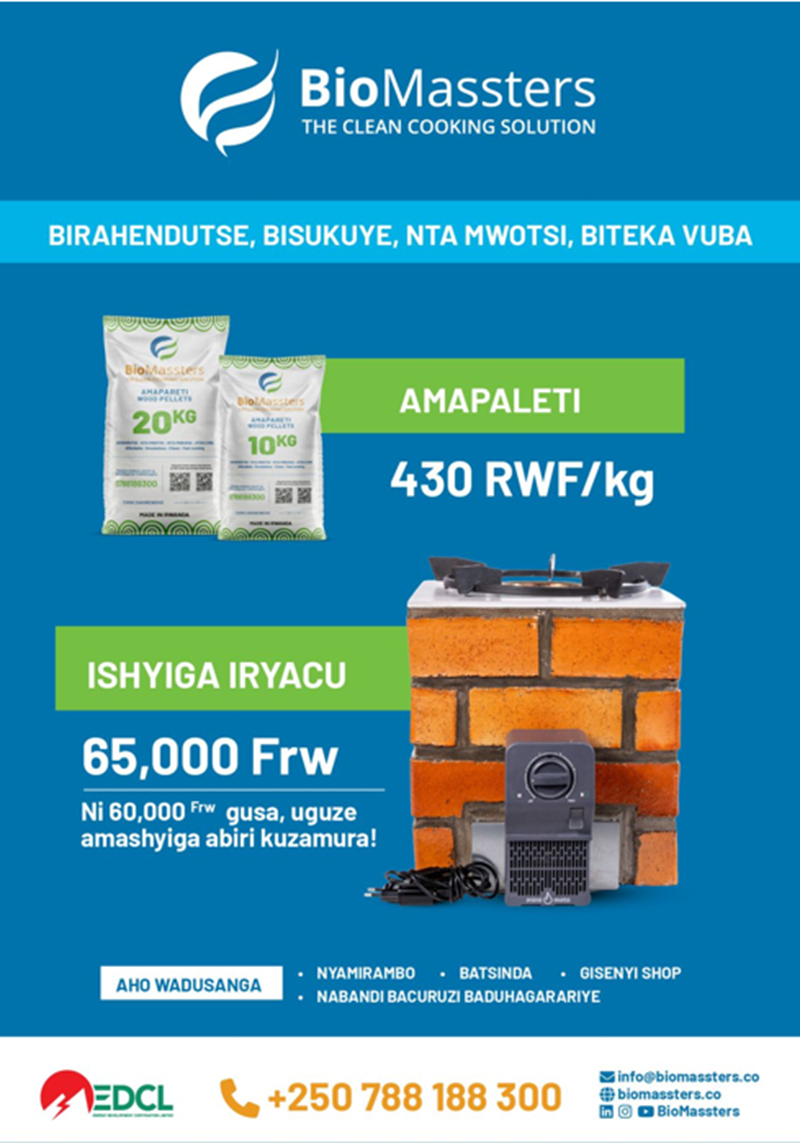
A BioMassters cookstove normally costs Rwf65,000, while its pellets are sold at Rwf430 per kilogramme. The pellets are produced using technology designed to minimise smoke emissions when they are burned.
BioMassters also provides repair and maintenance services for cookstoves that develop faults.
The initiative is being implemented with support from the Government of Rwanda, through the Energy Development Corporation Limited (EDCL), under the Rwanda Energy Access and Quality Improvement Project (EAQIP), as well as support from the World Bank and Innovate UK.
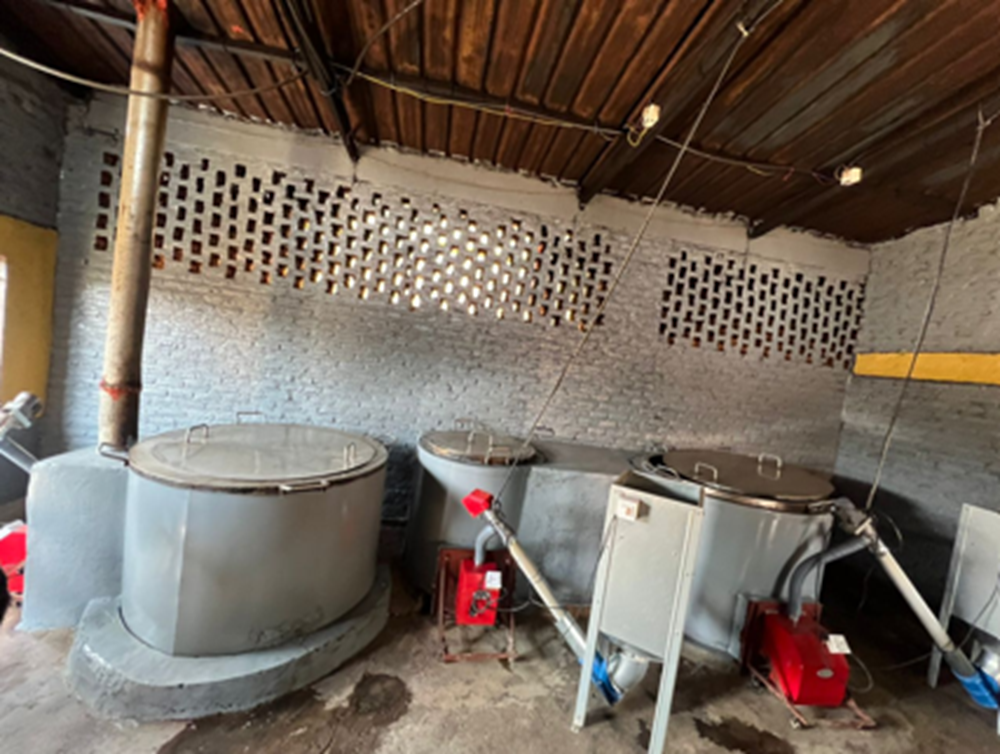
Sylvain Rucyaha added that, in partnership with the Ministry of Education (MINEDUC), BioMassters has already converted the kitchens of 10 schools to use pellets and plans to extend the programme to 250 schools in the coming years.



Loading comments...
Leave a comment