




The investment was disclosed by the Nyungwe Management Company (NMC), which manages the park under African Parks, during a stakeholders' meeting held on July 9, 2026.
The meeting brought together representatives from the judiciary, law enforcement agencies, security institutions and local government officials from Nyaruguru District to review progress in the park's conservation and management.
According to NMC, more than $20 million (over Rwf30 billion) has been invested since African Parks assumed management of Nyungwe in 2020 under a 20-year agreement with the Government of Rwanda.
A long journey of conservation
Nyungwe's conservation history dates back to 1933, when Belgium designated the forest as a protected reserve during the colonial period.
Despite its protected status, illegal mining for gold and widespread poaching continued for decades, leading to the disappearance of species such as elephants and buffaloes from the forest.
Management of the forest was later transferred to the former Office of Tourism and National Parks (ORTPN) in 1987.
During the 1994 Genocide against the Tutsi and its aftermath, the forest suffered significant degradation as refugees crossed through it into the Democratic Republic of Congo. Between 1997 and 2000, severe wildfires destroyed approximately 12 percent of the forest.
Recognizing its ecological importance, the Government of Rwanda upgraded Nyungwe to national park status in 2005, strengthening its protection. In 2020, management was entrusted to African Parks, an international conservation organization specializing in protected area management.
UNESCO recognition and major investments
The park’s manager Protais Niyigaba said it has recorded significant achievements over the past five years, including being inscribed on the UNESCO World Heritage List in 2023.
He said the listing served as international recognition of Nyungwe's outstanding ecological value and Rwanda's efforts to preserve the forest.
"The UNESCO inscription was like passing an international examination that confirmed the exceptional value of this forest and demonstrated the country's strong commitment to protecting it," he said.
Niyigaba noted that the more than $20 million invested has supported conservation, tourism infrastructure, staffing and community development.
The number of permanent employees has increased from 153 to 354, while more than 300 additional workers are regularly employed in conservation and park maintenance activities.
Stronger partnerships with surrounding communities
NMC said relations between the park and neighboring communities have continued to improve, with positive community engagement rising from 75 percent in 2022 to 83 percent today.
More than 100 former poachers now work alongside conservation teams to help protect the park.
In addition, 34 community cooperatives have received grants totaling more than $539,000 (nearly Rwf800 million) to support income-generating activities. According to NMC, many of these cooperatives have nearly tripled their revenues.
Supported projects include mushroom farming, cultural handicrafts, fish farming, small livestock rearing and community-based tourism, while local residents are also employed in park maintenance and restoration activities.
Niyigaba said a major ecosystem restoration project valued at Rwf10 billion is expected to create employment for more than 1,500 people as damaged sections of the park are rehabilitated.
Moving toward financial self-sufficiency
The park is also making steady progress toward financial sustainability.
According to NMC, Nyungwe generated only 4 percent of its operating budget internally when African Parks took over. By 2025, that figure had risen to 48 percent, with the goal of becoming fully self-financing within the next decade.
To support this objective, significant investments have been made in tourism infrastructure.
These include construction of the park's first permanent headquarters at Gisakura, replacing rented offices, as well as recreational facilities including a gymnasium.
The park has also opened its zipline attraction and the Munazi Lodge, located in the heart of Nyungwe, to enhance visitor experiences while generating additional revenue.
"We continue investing in revenue-generating activities so that the park can eventually operate without relying on donor support. That is the overall objective behind these investments," Niyigaba said.
Tourism continues to grow
Tourism performance has improved significantly despite disruptions caused by regional disease outbreaks such as Marburg and Ebola, which temporarily affected international travel.
According to NMC, tourism revenue increased eightfold between 2021 and 2025, while annual visitor numbers rose from more than 17,000 to around 29,000, including a growing number of Rwandan tourists.
Among the 24 protected areas managed by African Parks across 13 African countries, Rwanda's parks attract the highest visitor numbers, with Akagera National Park ranking first and Nyungwe National Park second.
One of Africa's richest rainforests
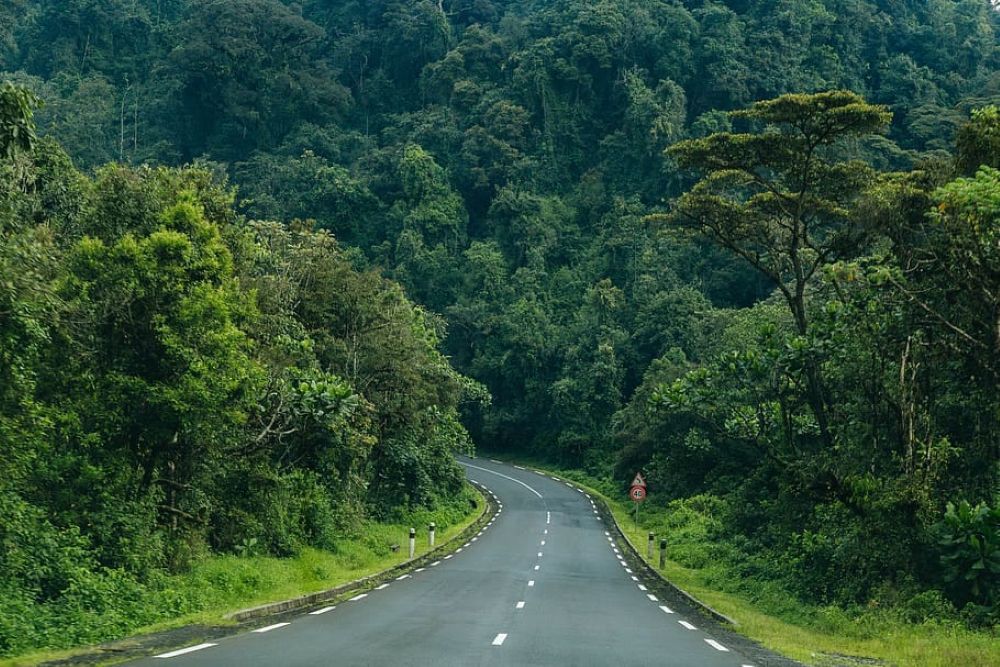
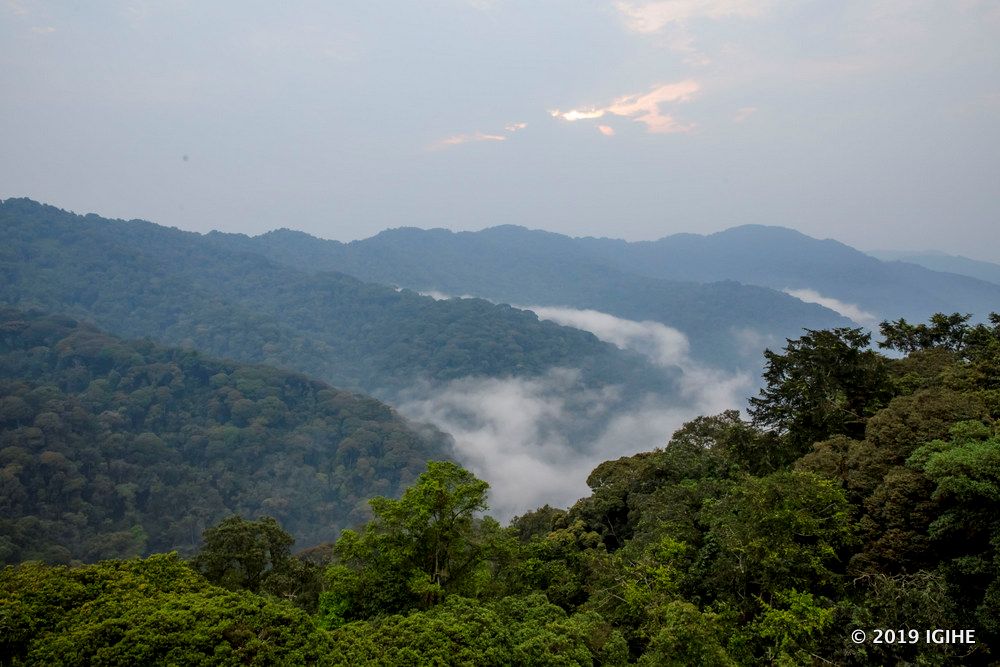
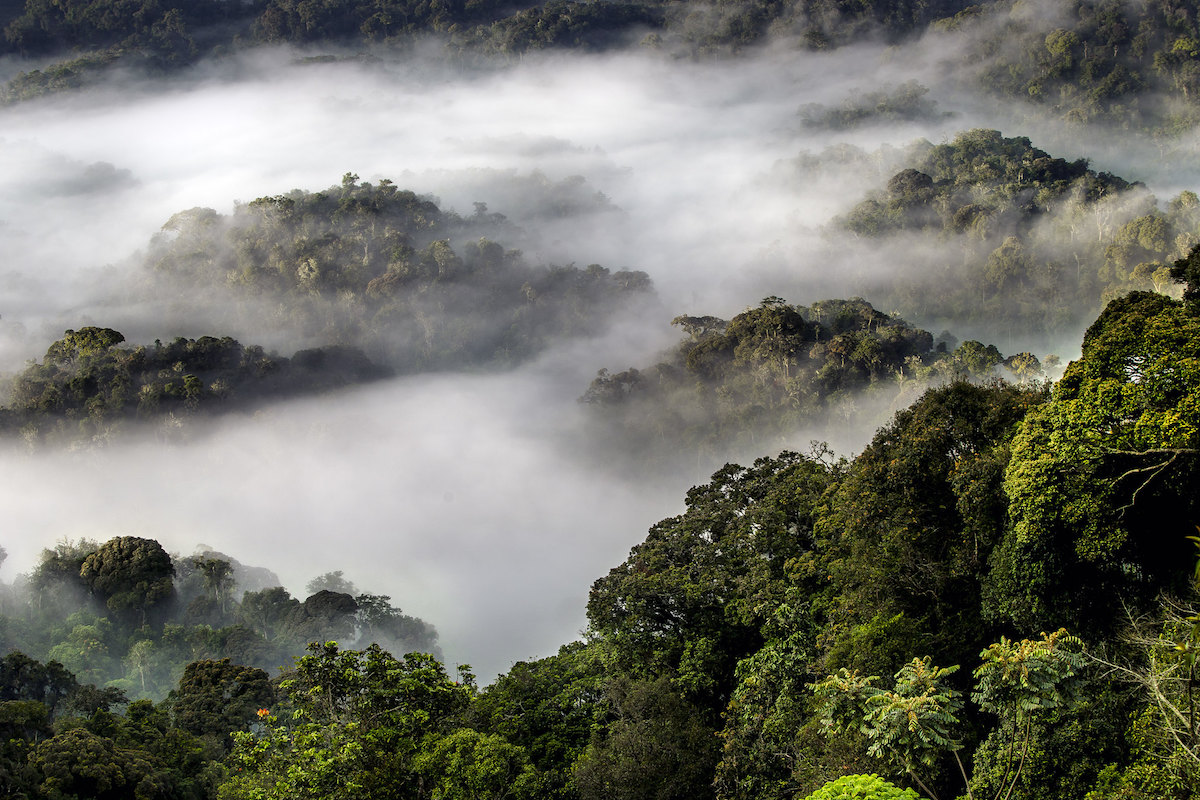
Covering 1,019 square kilometres, Nyungwe National Park is one of Africa's oldest and most biodiverse montane rainforests.
The park is home to 13 species of primates, more than 300 bird species, and over 1,000 plant species, making it one of Rwanda's premier ecotourism destinations.
Beyond its biodiversity, Nyungwe plays a vital environmental role as Rwanda's largest water catchment, supplying nearly 70 percent of the country's freshwater resources. It is also regarded as one of the sources of the River Nile, further underscoring its regional ecological significance.


Loading comments...
Leave a comment