



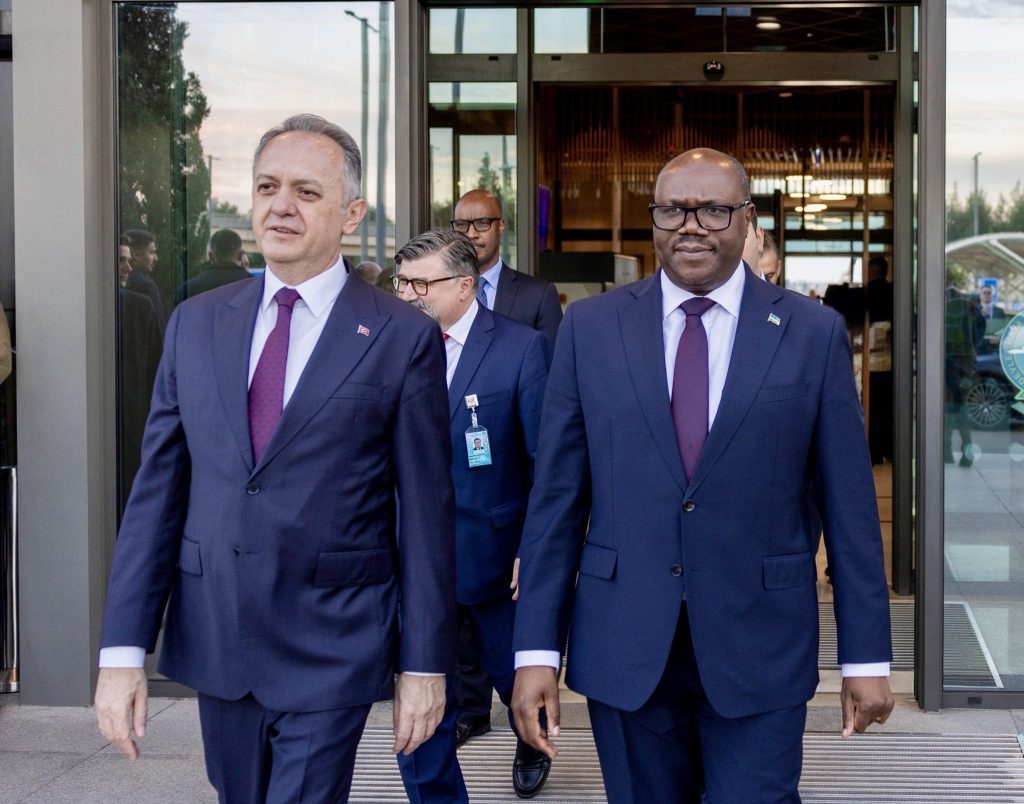
Nsengiyumva arrived in Antalya on Tuesday, November 10, ahead of the high-level summit bringing together heads of state and government, business leaders, civil society organisations and other stakeholders to discuss global responses to climate change.
The 12-day conference, which began on November 9 and runs until November 20, comes as countries face growing pressure to accelerate efforts to reduce greenhouse gas emissions and strengthen resilience against climate-related disasters.
According to the Ministry of Environment, Rwanda's delegation will advance six key priorities during the negotiations, including climate finance, adaptation, carbon markets, loss and damage, emissions reduction and a just transition towards cleaner energy.
One of Rwanda's major priorities is securing a clear roadmap for delivering the $300 billion in annual climate financing pledged to developing countries at COP29, with particular emphasis on increasing funding for climate adaptation.
Rwanda is also seeking support for implementing the Global Goal on Adaptation, including indicators that can help measure progress and track international assistance.
Beyond climate negotiations, Rwanda will use the conference to present investment opportunities in renewable energy, climate-smart agriculture, green cities, electric mobility and nature-based solutions.
The delegation will also showcase Rwanda's Country Platform for Climate and Development, a government-backed framework designed to coordinate climate priorities and mobilise investment.
The World Leaders' Summit takes place on November 11 and 12, providing an opportunity for leaders to discuss climate commitments, international cooperation and the financing needed to implement climate policies.
For Rwanda, participation in COP31 comes as the country continues to position climate resilience and environmental protection as important elements of its development strategy.
The conference provides a platform for Rwanda and other developing countries to push for commitments that translate into accessible financing, technology transfer and practical support for communities increasingly affected by climate change.


Loading comments...
Leave a comment