



El Niño is a climate pattern associated with unusually warm sea surface temperatures in the Pacific Ocean, which can influence weather patterns around the world. In Africa, it can bring drought to some areas while causing above-average rainfall in others.
On August 10-11, 2026, the Ministry in Charge of Emergency Management (MINEMA), in partnership with the World Bank, conducted a two-day Tabletop Simulation Exercise for Rwanda’s Contingent Emergency Response Project (CERP).
The exercise aimed to strengthen Rwanda’s preparedness to effectively activate and implement the CERP mechanism in response to eligible emergencies, while ensuring rapid and efficient access to emergency financing.
MINEMA Permanent Secretary Aristarque Ngoga said disaster preparedness goes beyond having emergency equipment, stressing the need for institutions at all levels to understand their responsibilities and be ready to respond quickly when disasters occur.
“Preparedness is not only about having resources available; it is also about ensuring that institutions understand their roles and can act quickly and in a coordinated manner when an emergency occurs. The CERP simulation allows us to identify and address potential gaps before they affect our response to a real crisis,” said Ngoga.
Rwanda has also requested $86.2 million, equivalent to more than Rwf126.6 billion, to strengthen preparedness and emergency response capacity in areas considered particularly vulnerable to disasters.
Climate experts have warned that 2026 could rank among the hottest years globally. Meteo Rwanda Director General Aimable Gahigi said Rwanda could receive more than 400 millimetres of rainfall in the coming months.
Gahigi said the potential effects of El Niño could resemble conditions experienced in 1997 and 2023, when heavy rains affected countries across the region between October and December.
Since the beginning of 2026, MINEMA has relocated 4,785 households from areas considered highly vulnerable to disasters. Nearly 4,000 people have also been trained in disaster preparedness and response, while 14 temporary shelters have been established to accommodate people affected by disasters.
Emergency response equipment has been stocked in Kigali, Musanze, Kayonza and Karongi to facilitate faster interventions when disasters occur.
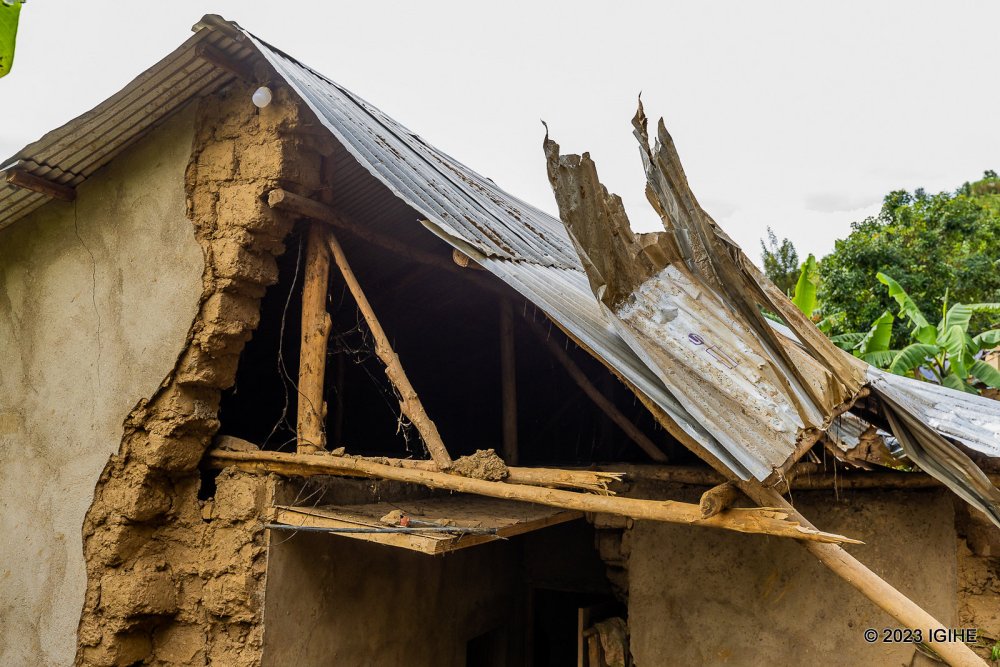
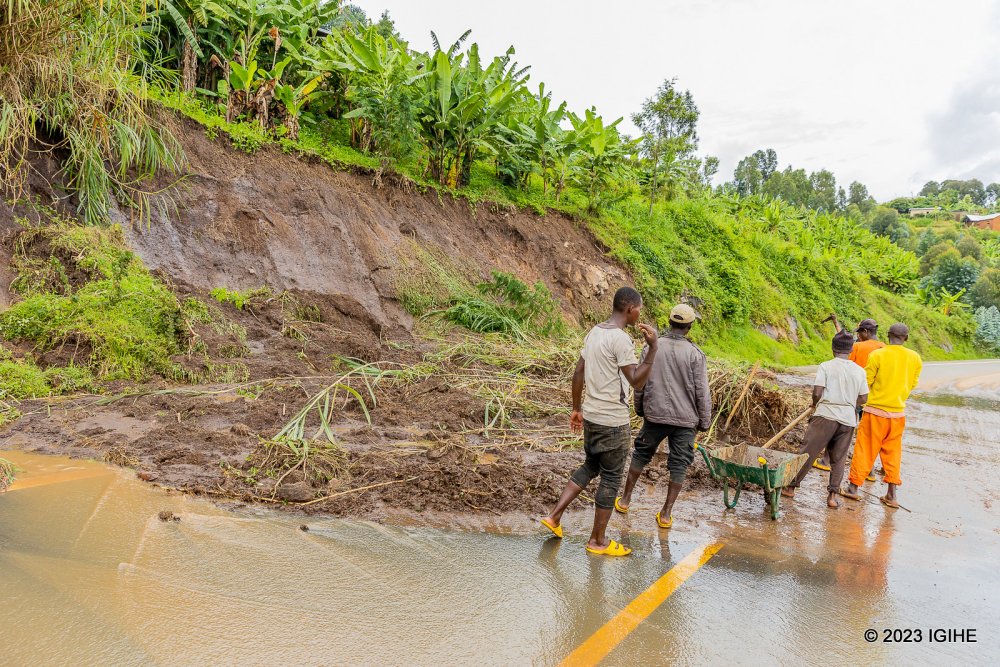
Over the past five years, disasters have damaged more than 16,600 houses across Rwanda, with about 2,700 completely destroyed. They have also damaged roads, bridges, schools, electricity infrastructure, health facilities and markets.
Loading comments...
Leave a comment