



Jean De Dieu Habimana, Senior Officer for Cancer Diseases at Rwanda Biomedical Centre, said breast and cervical cancers are among the most common cancers affecting women in the country.
He was speaking at the launch of activities marking Pink October, a month dedicated to raising awareness about breast cancer prevention, screening and treatment.
The World Health Organization (WHO) estimates that nearly 700,000 women die from breast cancer globally each year.
The Pink October activities were launched in Kicukiro District, where RBC, in partnership with the High Commission of Nigeria in Rwanda, also officially launched Labscroll Medicals, a Nigerian medical laboratory company that will provide diagnostic services, including cancer screening.
The event coincided with October 1, Nigeria’s Independence Day, which marks the country’s independence from British rule in 1960.
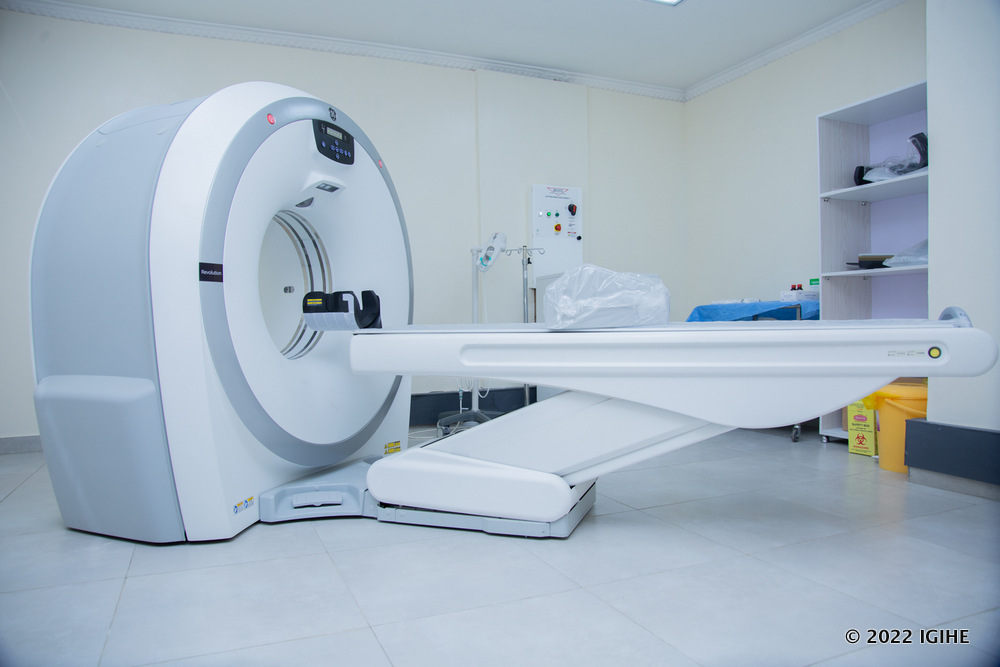
Labscroll Medicals has brought advanced laboratory equipment to Rwanda that will be used to screen for different types of cancer.
Habimana said early detection is one of the key measures that can increase the chances of successfully treating and managing cancer.
He said about 600 men in Rwanda are diagnosed with prostate cancer every year, accounting for approximately one in four cancer cases among men.
“We should not look at these figures as mere statistics. They include mothers, fathers, sisters and brothers,” he said.
Habimana said Rwanda is continuing to strengthen efforts to reduce cancer-related deaths by bringing screening services closer to communities and encouraging people to undergo regular screening.
He said countries with well-established screening programmes and greater awareness of the importance of early detection have recorded better survival rates, with about eight out of 10 women diagnosed with cancer surviving when the disease is detected early.
Ibrahim Zanna, Acting High Commissioner of Nigeria in Rwanda, said cancer is among the diseases causing growing concern globally and remains a particularly serious challenge in Africa.
He said late diagnosis among African patients is one of the factors contributing to low cancer survival rates on the continent.
“Together, we should work to overcome misconceptions about cancer screening. We need to overcome the fear and stigma that prevent many people from seeking screening,” Zanna said.
He noted that some people avoid cancer screening because they associate a positive diagnosis with imminent death.
Health professionals, however, emphasise that knowing whether one has cancer early is an important step towards accessing treatment and reducing the risk of dying from the disease.
Dr Paul Ogbole Peter, Managing Director of Labscroll Medicals, said the company aims to screen 200 women for breast and cervical cancer and 200 men for prostate cancer in Rwanda during the month.
About one million people globally were diagnosed with cancer in 2026, highlighting the need for stronger efforts to address the disease.
Peter called for greater investment in cancer prevention and control across Africa, saying the response requires the involvement of different stakeholders.
“These deaths are linked to limited awareness, inadequate screening programmes and delays in caring for people diagnosed with cancer. Other factors include consuming food crops treated with pesticides and processed foods that do not meet required quality standards,” he said.
Peter said Labscroll Medicals decided to establish operations in Rwanda after being impressed by efforts by the country’s health sector to improve healthcare services.
The company has brought its laboratory facilities to Rwanda to provide screening for various types of cancer.
Loading comments...
Leave a comment