



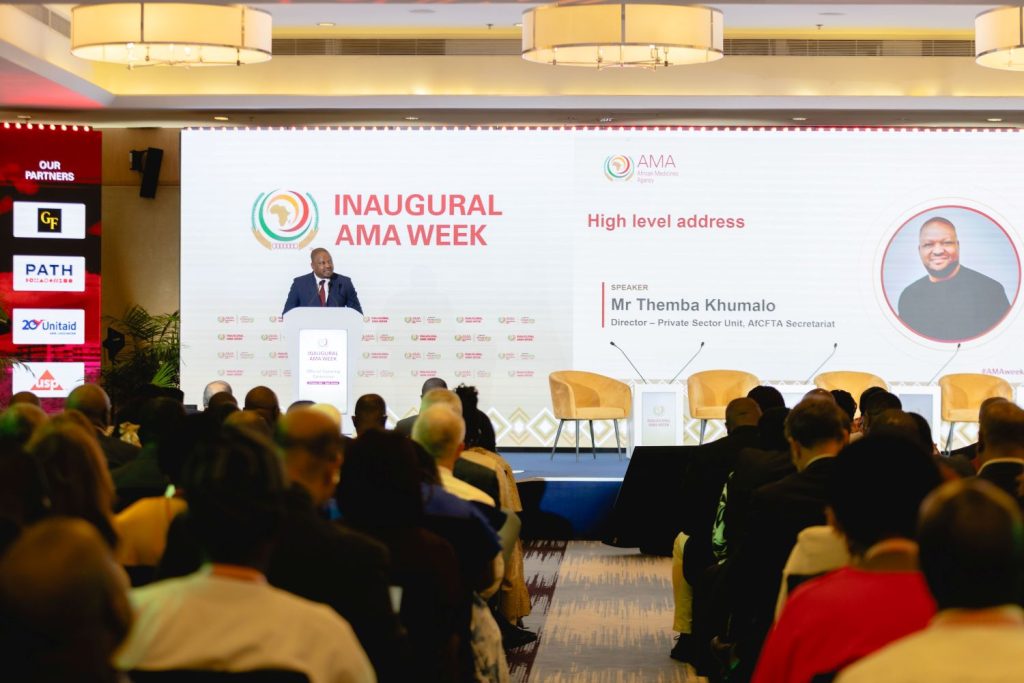
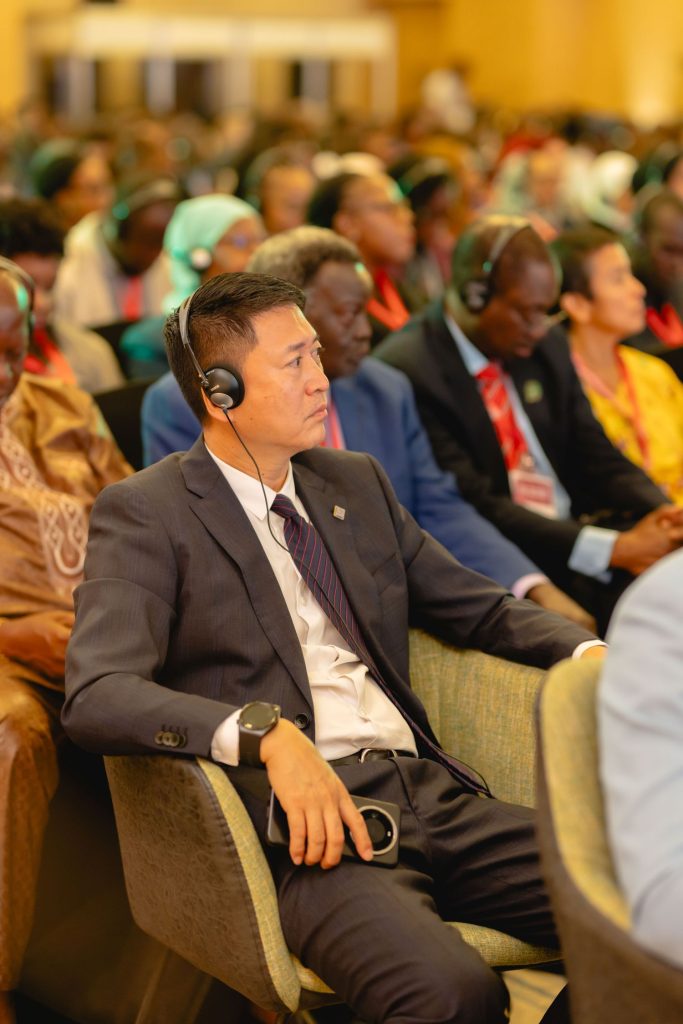
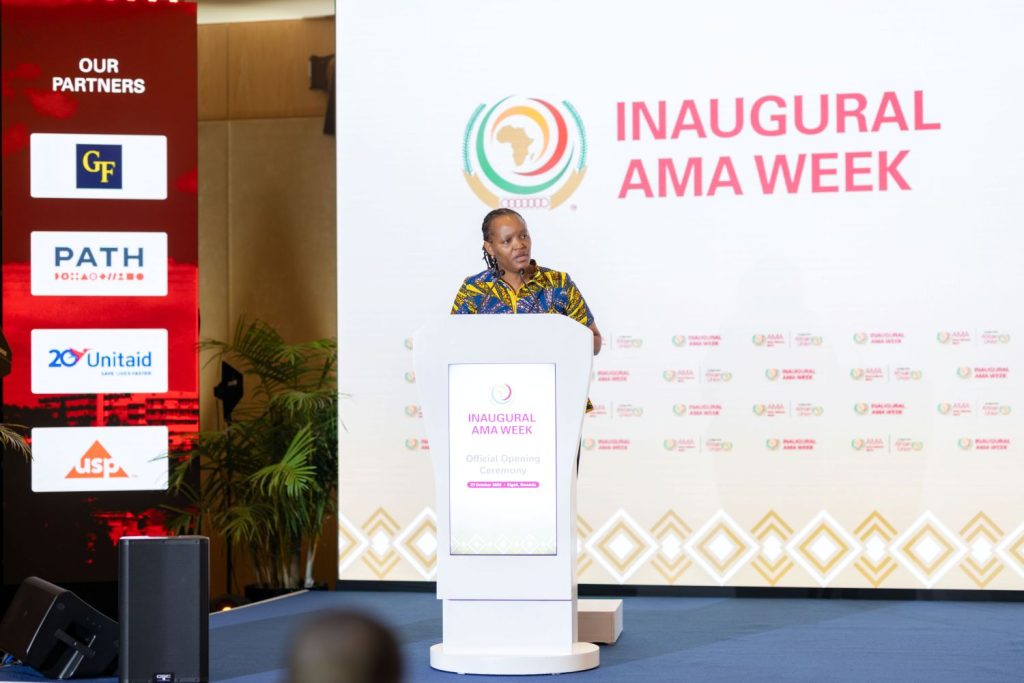
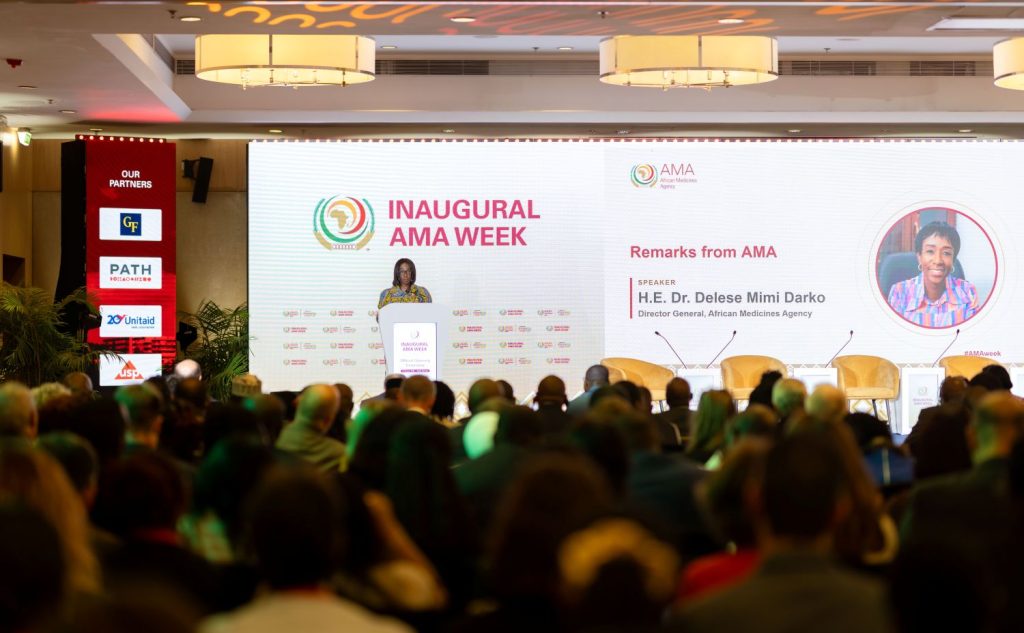
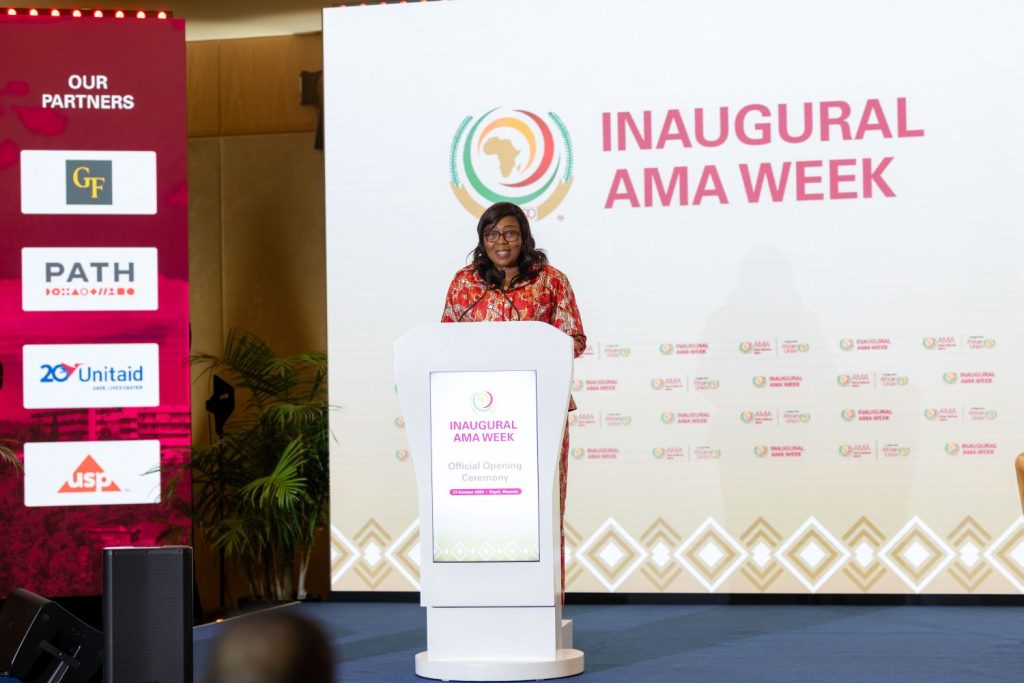
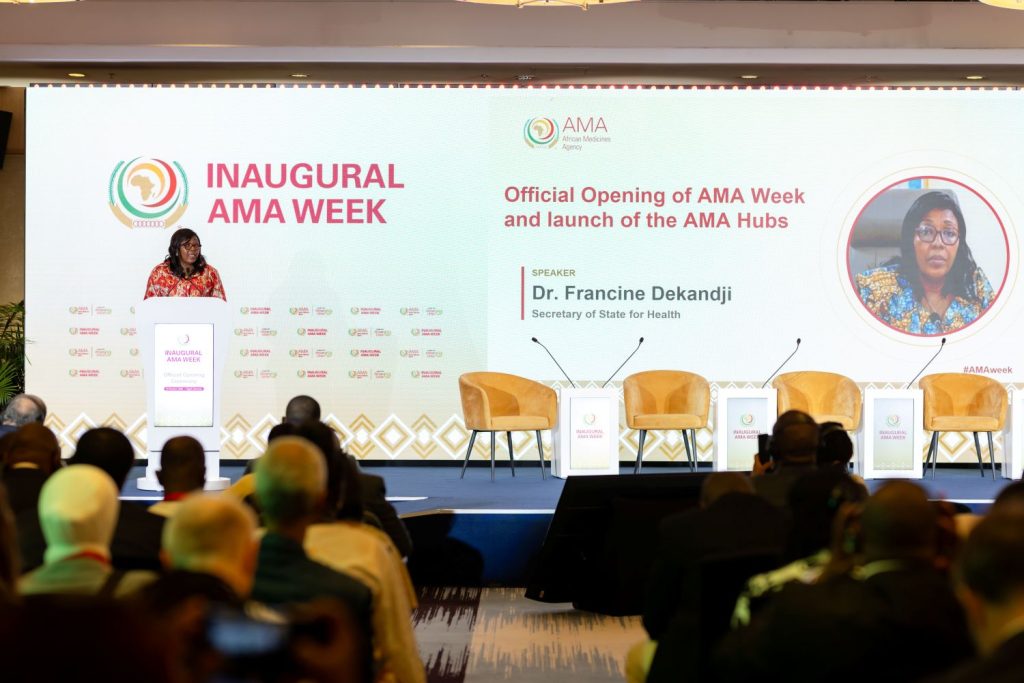
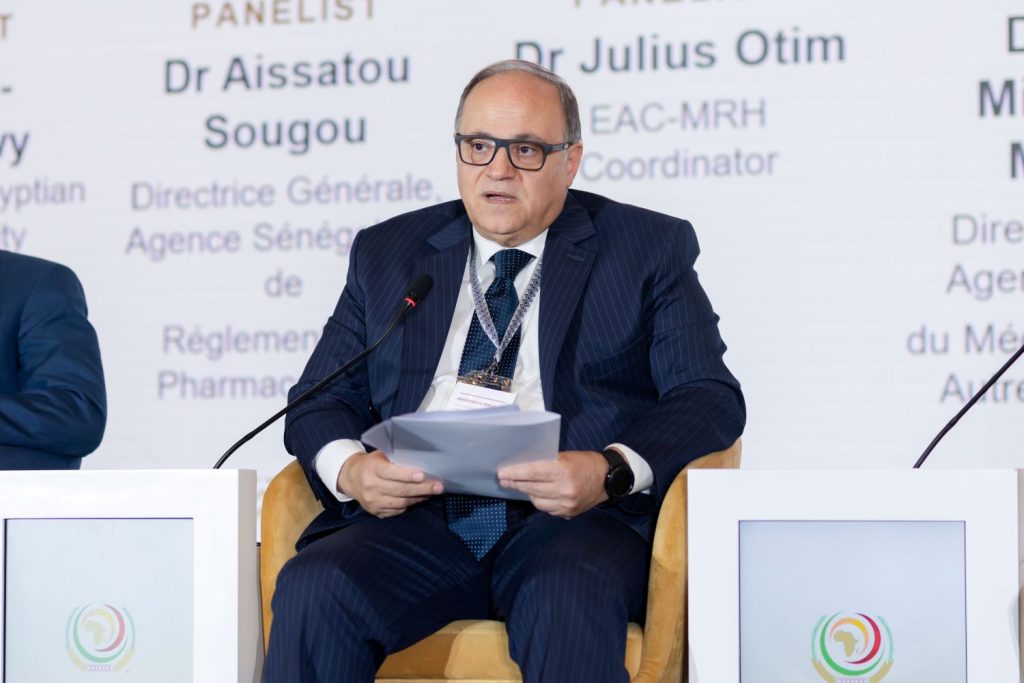
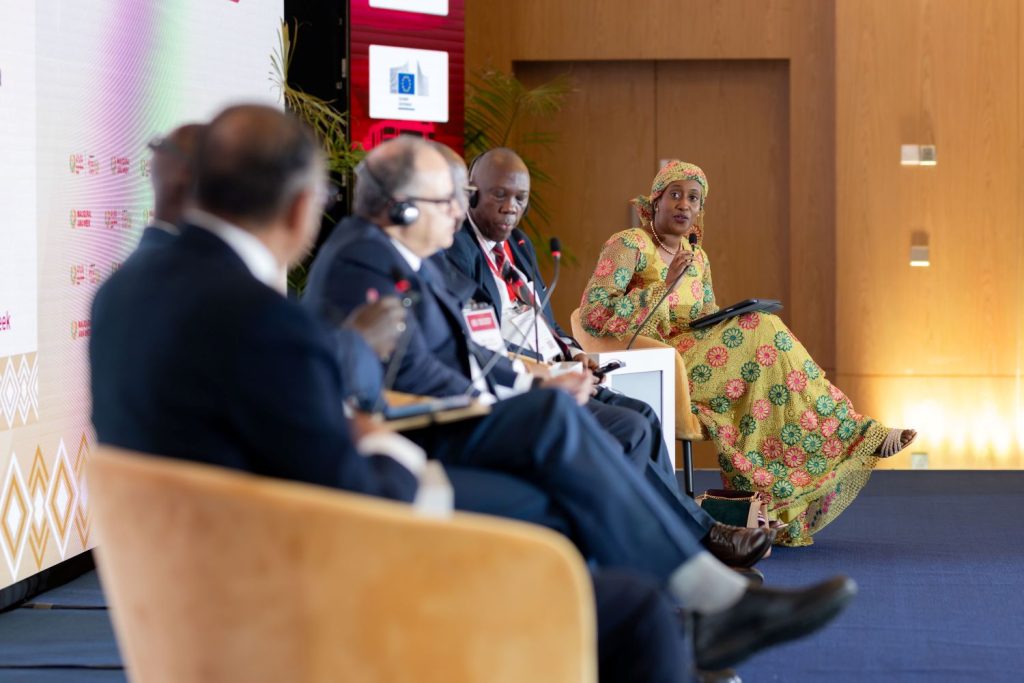
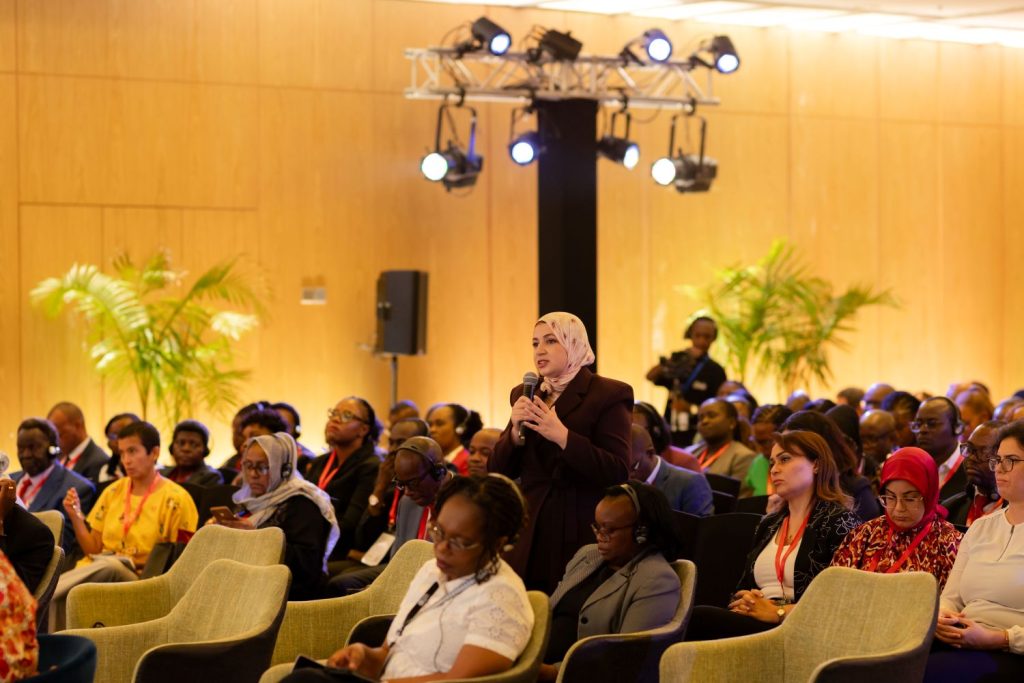
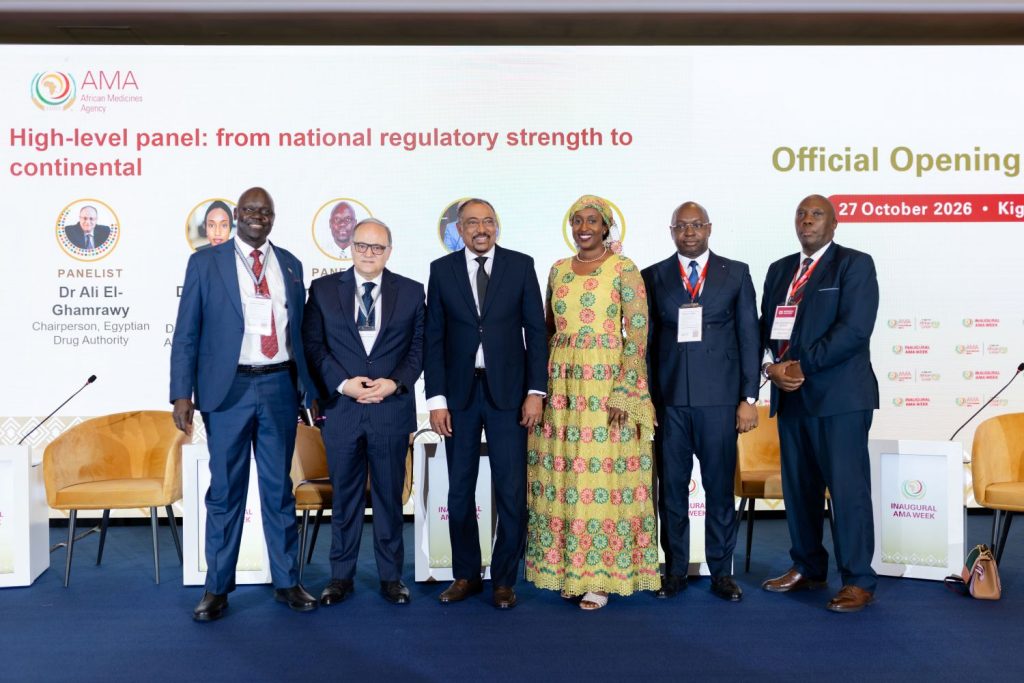
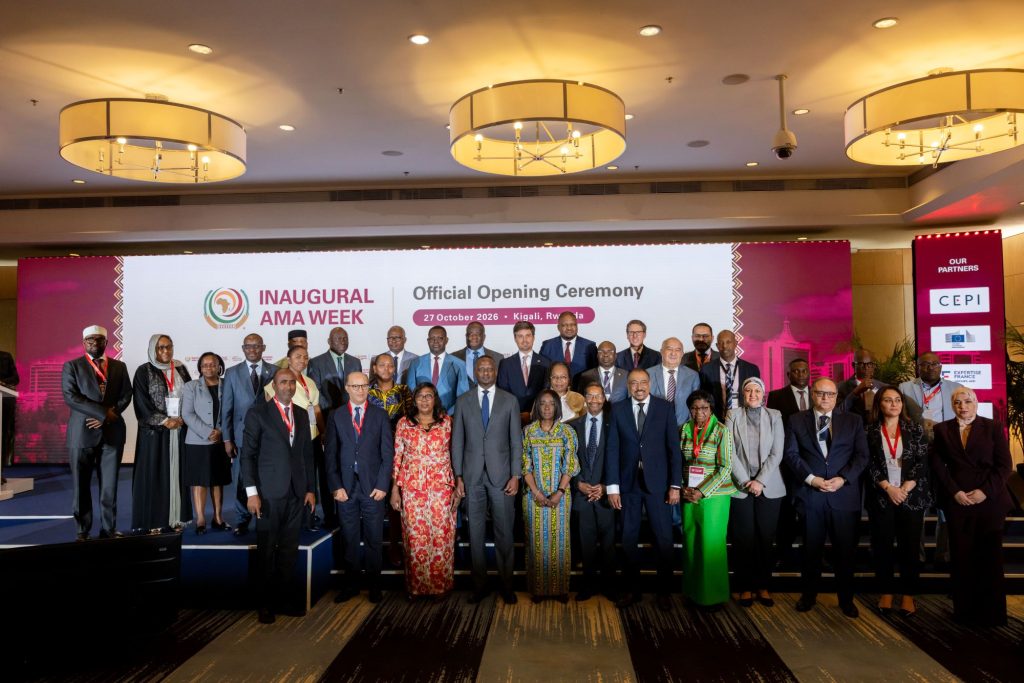
The hubs were launched in Kigali on Tuesday, October 27, during the inaugural AMA Week, held under the theme “Building Africa’s Regulatory Future Together.” The event brought together health officials, medicines regulators, pharmaceutical industry representatives and development partners.

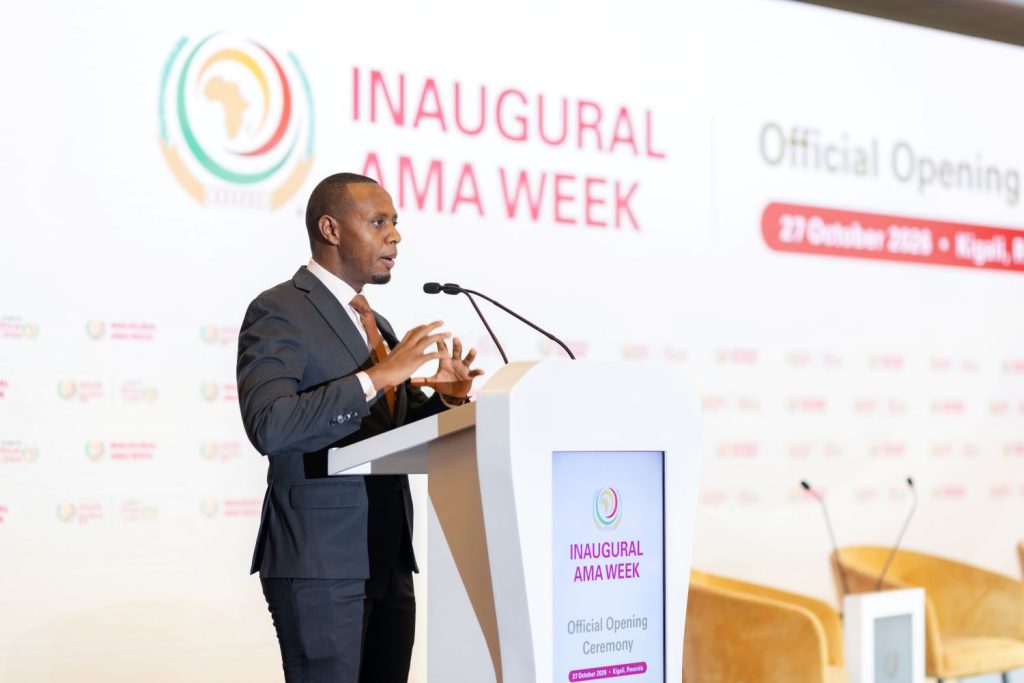
Rwanda's Minister of State in the Ministry of Health, Yvan Butera, said the hubs represented progress towards stronger health systems and improved access to safe, quality medical products across Africa.
"At the heart of healthcare is the simple promise that treatment will help, and that the medicines people receive are safe and of good quality," he said, adding that protecting public trust in medical products required countries to strengthen their regulatory systems and work together.
The first hub, the Capacity Strengthening Hub, will coordinate training, mentoring and professional exchanges to help countries build stronger medicines regulatory systems. It will draw on expertise from African regulatory authorities, universities and regional networks to address skills gaps and strengthen institutions.
The second, the Regulatory Innovation and Manufacturing Readiness Hub, will support pharmaceutical innovators and manufacturers by providing scientific guidance and helping them prepare products to meet regulatory requirements on safety, quality and efficacy.
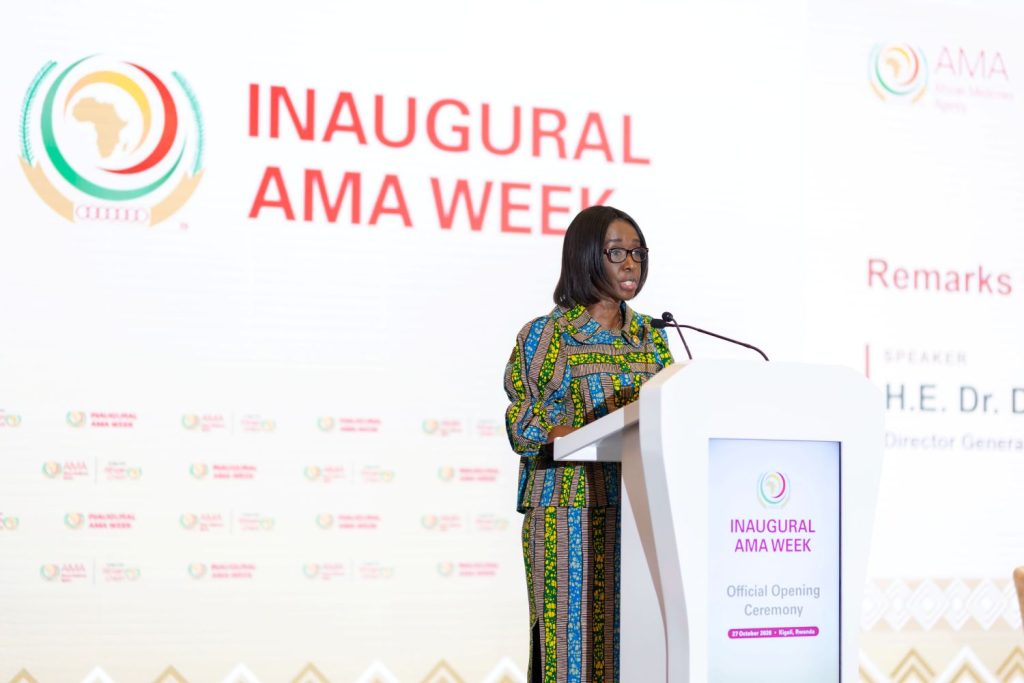
AMA Director-General Dr Delese Mimi Darko said the hubs would help the agency turn its continental mandate into practical action by bringing together expertise and resources already available across Africa.
"Through this hub, the AMA will engage innovators and manufacturers at earlier stages, support regulatory readiness and help connect product development with the requirements for quality, safety and efficacy," she said during the launch ceremony at Kigali Marriott Hotel.
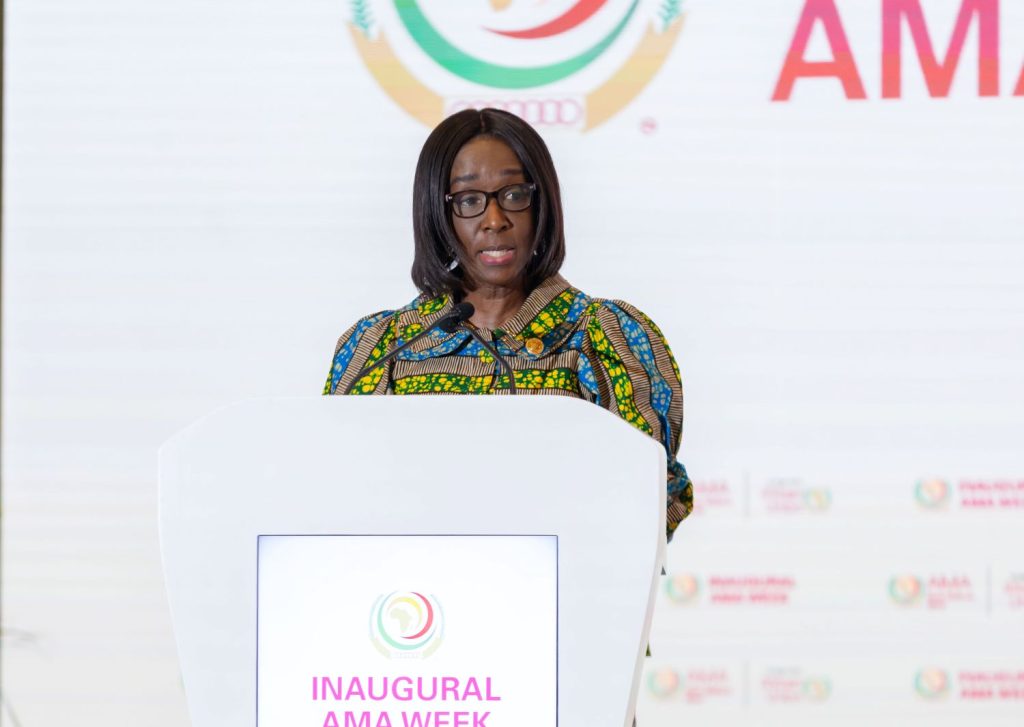
Darko noted that Africa needed to move beyond being primarily a destination for medical products developed and manufactured elsewhere, arguing that stronger regulatory systems could help local manufacturers expand production and reach wider markets.
She said the agency would build on existing investments in regulatory capacity rather than duplicate work already undertaken by the World Health Organization (WHO), regional economic communities, national authorities and technical partners.
Reducing reliance on imports
The initiative comes as African countries seek to strengthen domestic pharmaceutical production and reduce dependence on imported medicines and vaccines.
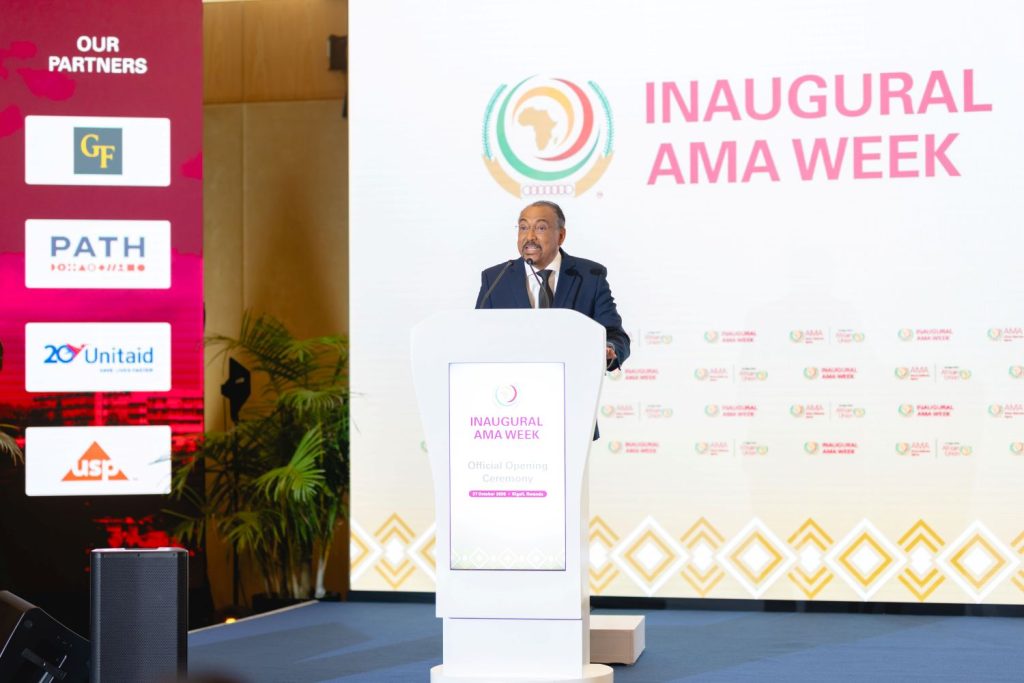
Dr Michel Sidibé, the African Union Special Envoy for the AMA, said Africa continued to rely heavily on imports, estimating that the continent imported more than 70% of its medicines and 99% of its vaccines.
He argued that fragmented regulatory systems remained an obstacle to pharmaceutical investment and the expansion of locally manufactured products across African markets.
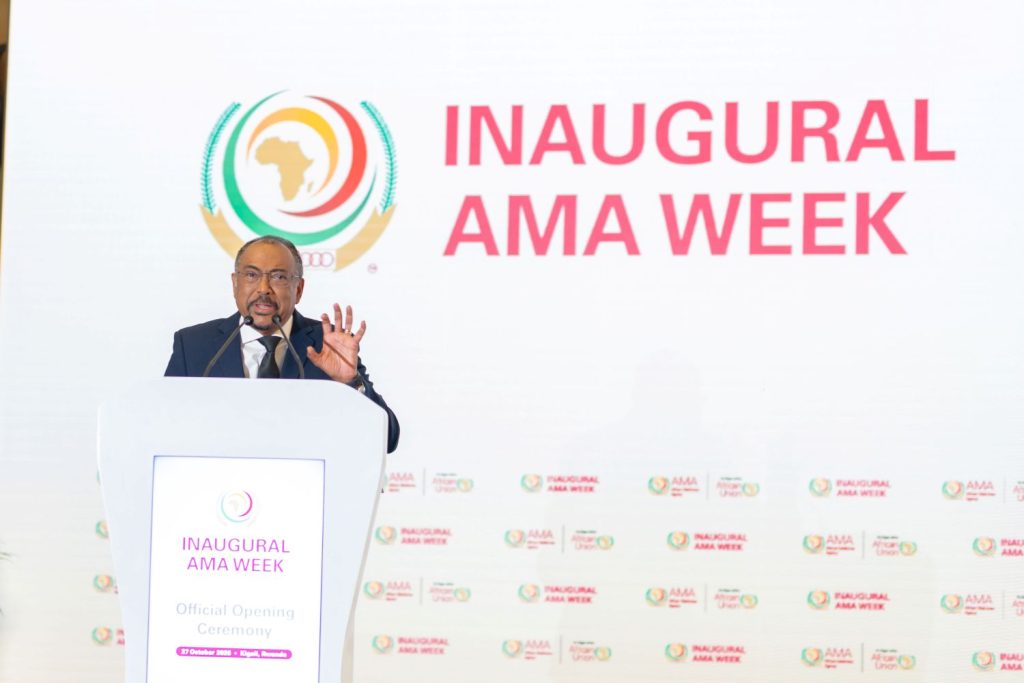
Without stronger coordination, manufacturers face the challenge of navigating different national regulatory requirements before selling the same product in multiple countries.
Sidibé said the AMA could help address this challenge by enabling countries to share scientific assessments and reduce duplication in product evaluations.
He added that a medicine manufactured in Kigali should eventually be able to reach other African markets more quickly through stronger regulatory cooperation.
The agency's work is also expected to support the development of African pharmaceutical research, clinical trials and products addressing the continent's health needs.
Professor Paul S. Lalvani, founder and executive director of Empower School of Health, said building local manufacturing capacity required investment not only in facilities but also in the skilled workforce and institutions needed to operate them.
He said the AMA's hubs could help countries share successful approaches to training and regulatory development, drawing on existing institutions and expertise.
Lalvani argued that Africa's progress in pharmaceutical manufacturing should be measured by its ability to produce more of the medicines, vaccines, medical devices and diagnostics its populations need.

Strengthening continental cooperation
The hubs form part of the AMA's broader effort to establish a more coordinated system for regulating medical products across Africa.
According to Darko, the agency is developing networks to improve cooperation among national regulatory authorities, quality-control laboratories and other institutions involved in assessing the safety and quality of medical products.
These include AfriVigilance and a planned Regulatory Rapid Alerts and Information Network, which are intended to strengthen the sharing of safety information and improve responses to substandard and falsified medicines.
The agency is also working with national regulators, regional economic communities, the WHO, the African Union Development Agency-NEPAD and the African Continental Free Trade Area Secretariat.
WHO Director-General Dr Tedros Adhanom Ghebreyesus said fragmented regulatory systems could delay access to medicines, increase costs and weaken health security.
Tedros reaffirmed the WHO's commitment to supporting the AMA and national regulatory authorities through technical and financial assistance.
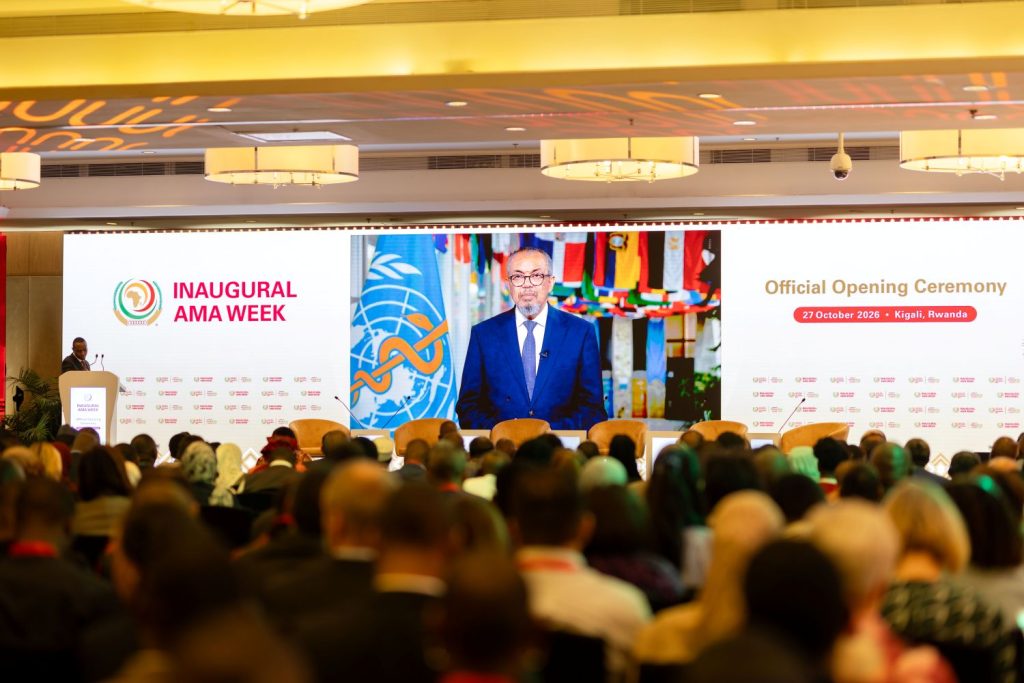
He said 10 national regulatory authorities in Africa had reached Level 3 maturity under the WHO's Global Benchmarking Tool: Egypt, Ethiopia, Ghana, Mozambique, Nigeria, Rwanda, Senegal, South Africa, Tanzania and Zimbabwe. The achievement provides a foundation for greater regulatory cooperation across the continent.
Tedros also called on African Union member states that had not ratified the AMA Treaty to do so and urged governments and partners to provide sustained political and financial support to the agency.
The AMA is headquartered in Kigali, where Rwanda has supported its establishment and operations since 2023, when the government signed a host agreement with the African Union. The agency became operational in October 2025.
The agency's longer-term ambition is to help African countries strengthen national regulatory systems while enabling greater cooperation across borders, improving access to quality-assured medical products and supporting the growth of the continent's pharmaceutical industry.









Loading comments...
Leave a comment