



Tom Fletcher, the UN under-secretary-general for humanitarian affairs, issued the warning on Friday, August 14, as the international response to the outbreak was being stepped up.
“Ebola is winning in the Democratic Republic of the Congo,” Fletcher said, urging countries and humanitarian organisations to act before the virus spreads further. “We need speed, scale and solidarity before this virus gets even further ahead of us.”
The outbreak, caused by the Bundibugyo strain of Ebola, was declared by DRC authorities on May 15. More than 4,600 cases have since been reported, with more than 2,100 deaths, according to figures cited by the UN.
Six of the DRC’s 26 provinces have reported cases, while Uganda has also recorded infections. Cases have additionally been reported close to the border with South Sudan, raising concerns about further regional transmission.
UN calls for a major expansion of response
Fletcher announced an additional $30.5 million from the UN’s Central Emergency Response Fund to support efforts to contain the outbreak. This comes on top of $24 million previously allocated to the DRC and neighbouring countries.
The UN humanitarian office has also deployed an additional 20 staff members to the Ebola response, but Fletcher said the scale of the crisis requires a much larger effort.
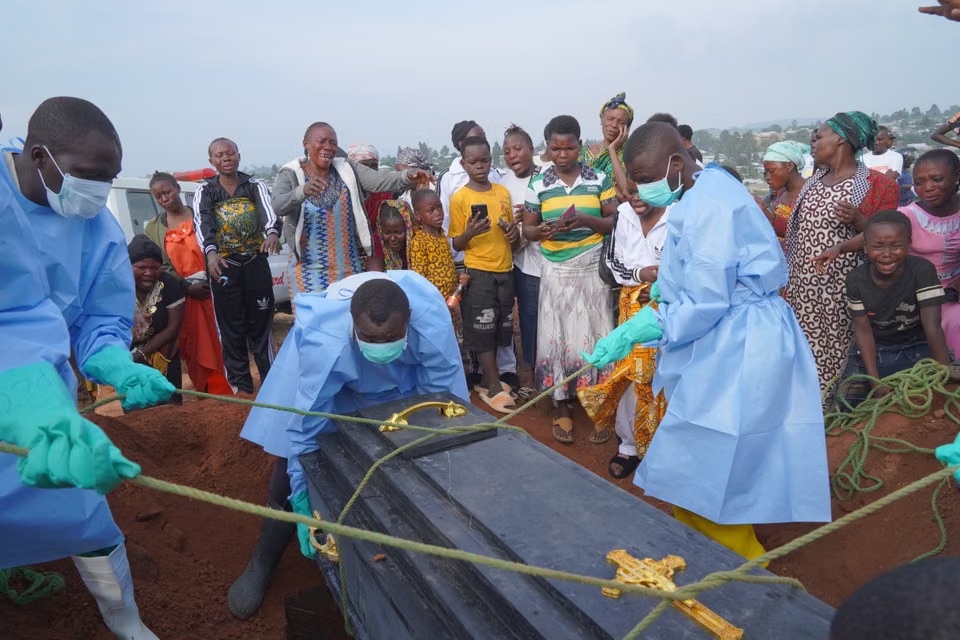
The UN is calling for the number of teams conducting safe and dignified burials to be doubled, treatment capacity to be tripled and contact-tracing efforts expanded. More experienced managers are also being deployed to help coordinate the response.
“We cannot let the virus outrun our response,” Fletcher said.
The outbreak is centred largely in Ituri province, which has recorded more than 3,400 of the reported cases. The province is also facing a severe humanitarian crisis, with widespread food insecurity and malnutrition adding to the challenges of containing the disease.
Across eastern DRC, about 2.6 million people are described as seriously malnourished, with more than half of them in Ituri.
Conflict complicates Ebola response
Humanitarian agencies are working in an environment already destabilised by years of conflict. Civilians in North Kivu and South Kivu provinces are simultaneously facing Ebola and battling instability.
The conflict, the UN has maintained, makes it more difficult for health workers to reach communities, trace contacts and provide treatment and other essential services.
The World Food Programme is also expanding assistance at Ebola treatment and isolation centres. Since late May, it has provided more than 260,000 hot meals at facilities in Ituri, North Kivu and South Kivu, with plans to extend the programme to additional treatment centres.
UN officials say the humanitarian needs extend well beyond the Ebola response. Food-security assistance in the region remains significantly underfunded, while communities continue to require access to clean water, sanitation, healthcare and food.
Global response urged
Following a meeting of senior UN agencies on Friday, humanitarian leaders agreed to increase international efforts to contain the epidemic.
Fletcher said the scale and speed of the outbreak required a stronger global response, warning that delays could allow the virus to spread further across the region.
“This is a wake-up call,” he said. “The world needs to wake up and show up.”
Ebola has killed more than 15,000 people in Africa over the past five decades. The previous deadliest outbreak, which occurred in the DRC between 2018 and 2020, killed nearly 2,300 people.
The UN has warned that the current epidemic is on course to surpass that toll, making the speed of the international response increasingly critical.
Loading comments...
Leave a comment