



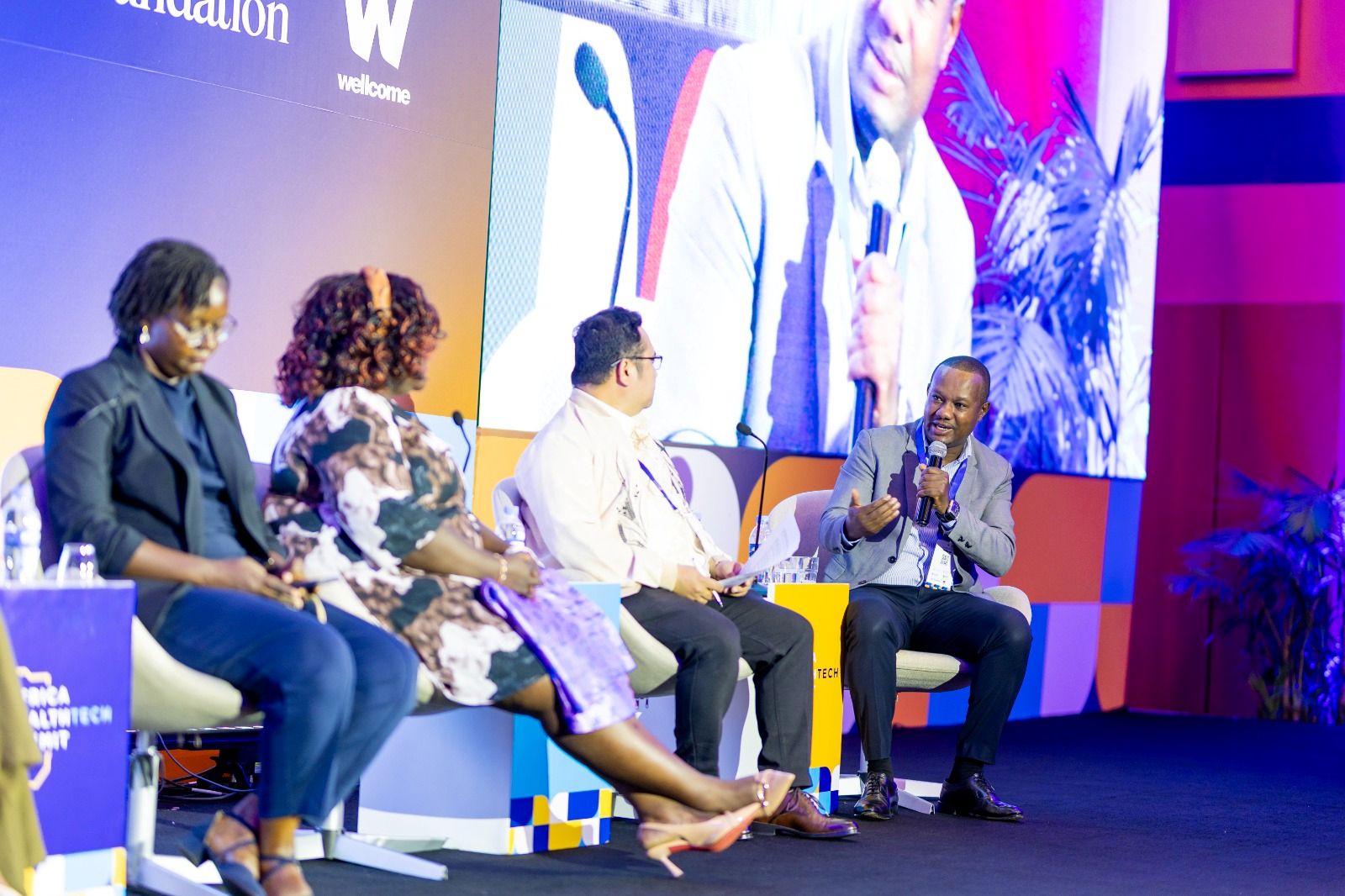
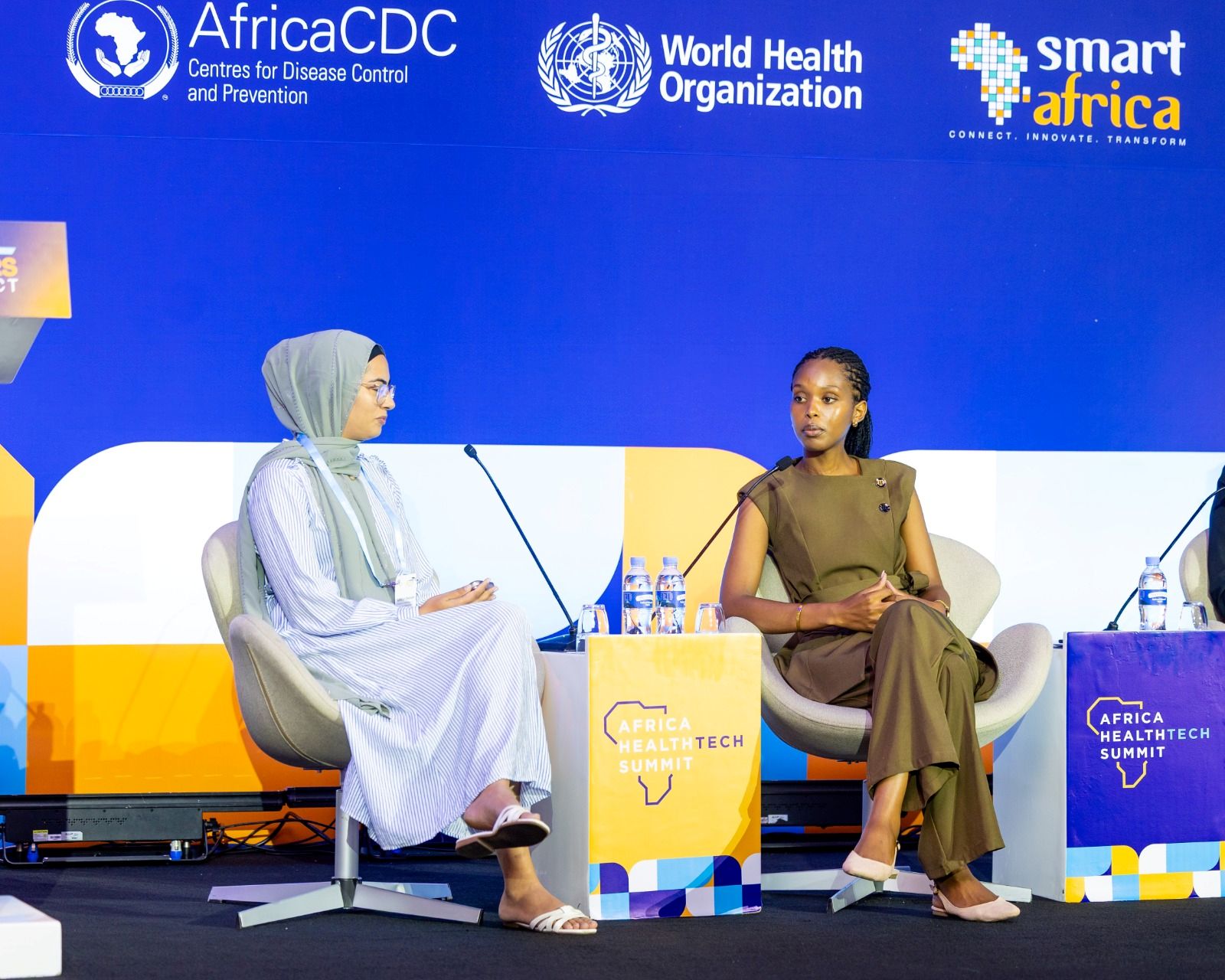
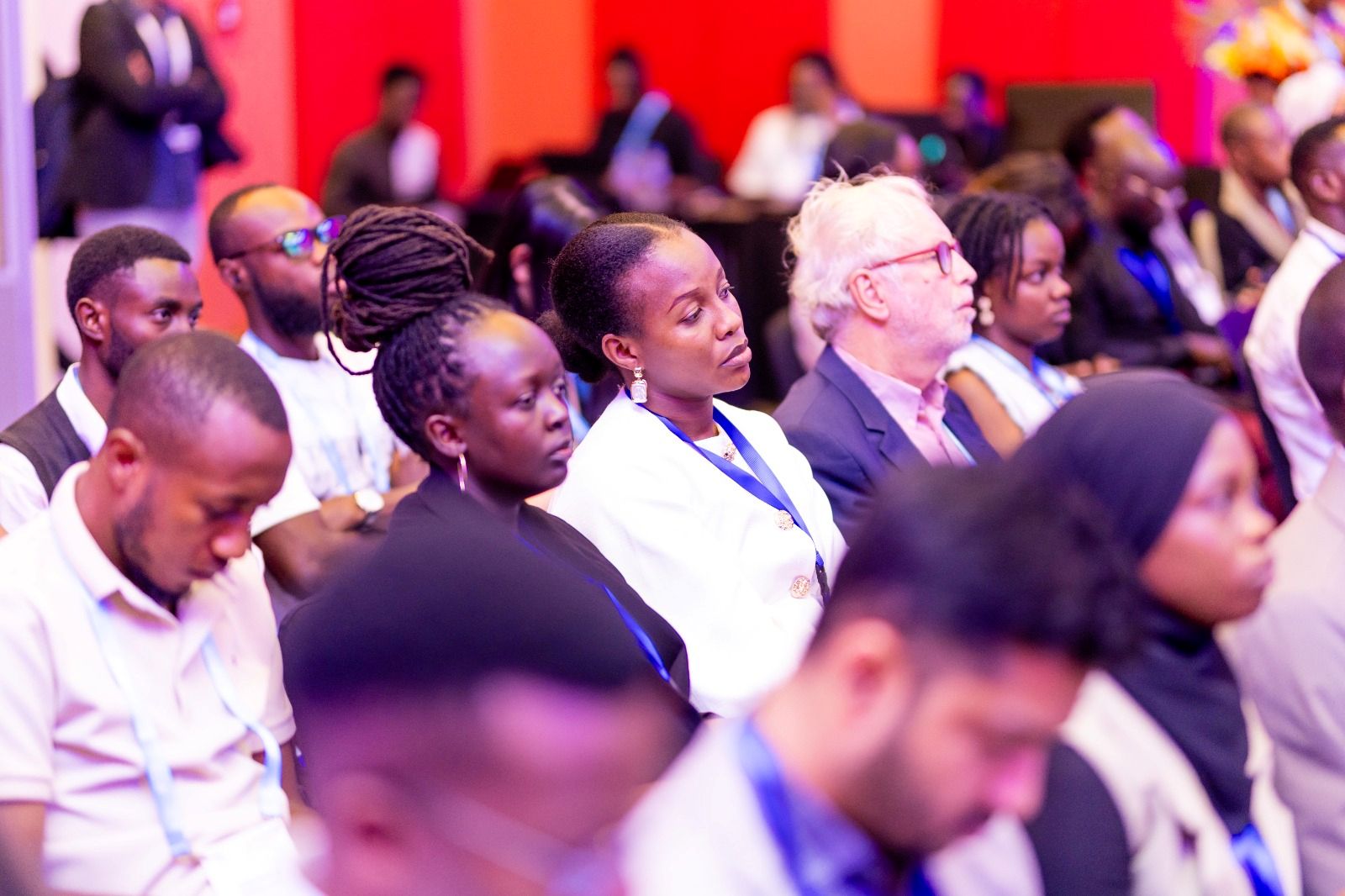
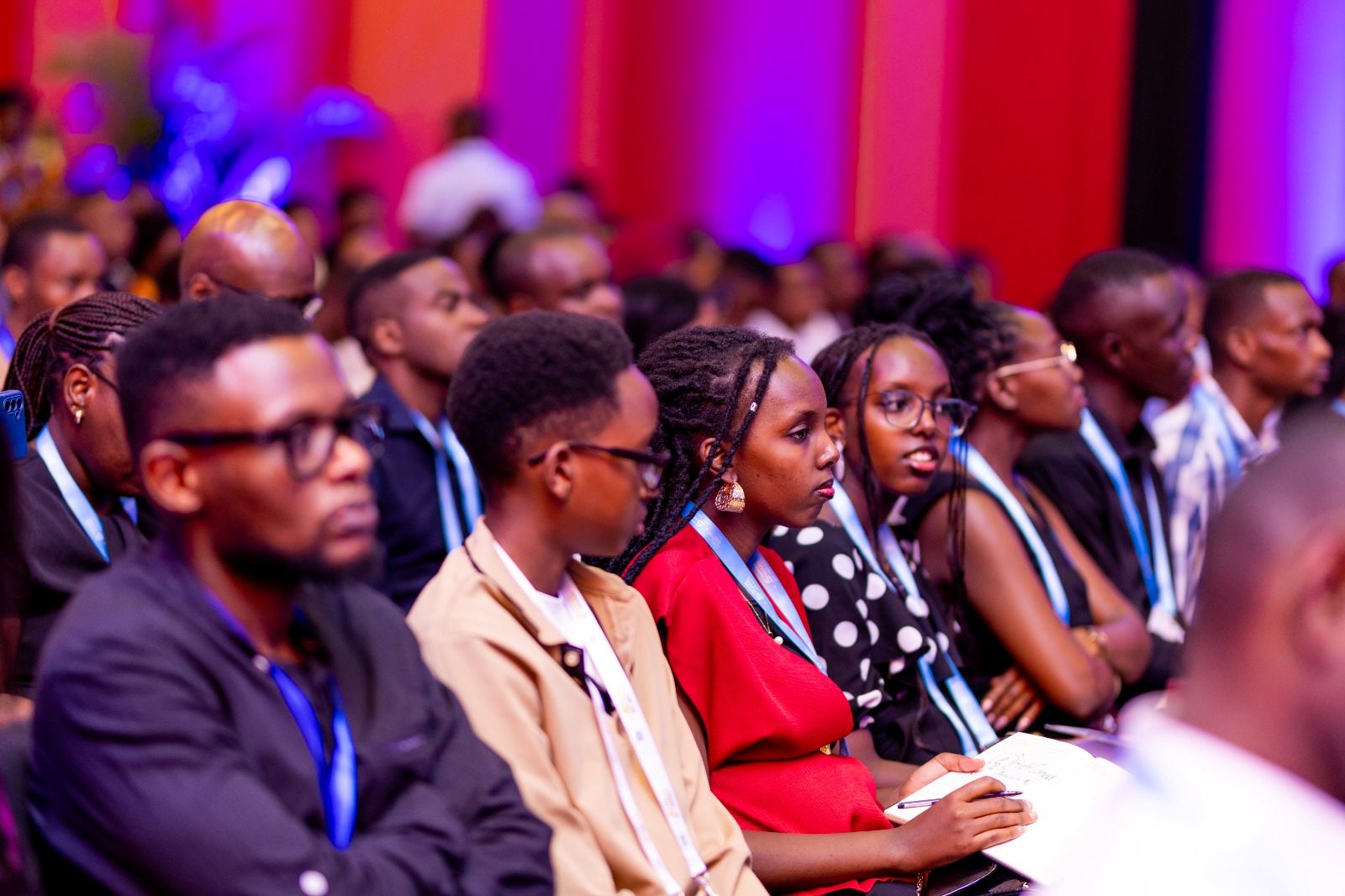
The potential was discussed at the fifth Africa HealthTech Summit in Kigali, where health experts examined how digital tools, data systems and artificial intelligence could strengthen mental health services.
Rwanda has been expanding mental health support for young people through schools and the wider health system since the launch of its school-based mental health programme in December 2020.
The programme was initially piloted in five districts and has since expanded. UNICEF said in 2025 that it was operating in 18 districts, with more than 2,500 school counsellors trained across 1,283 secondary and technical schools.
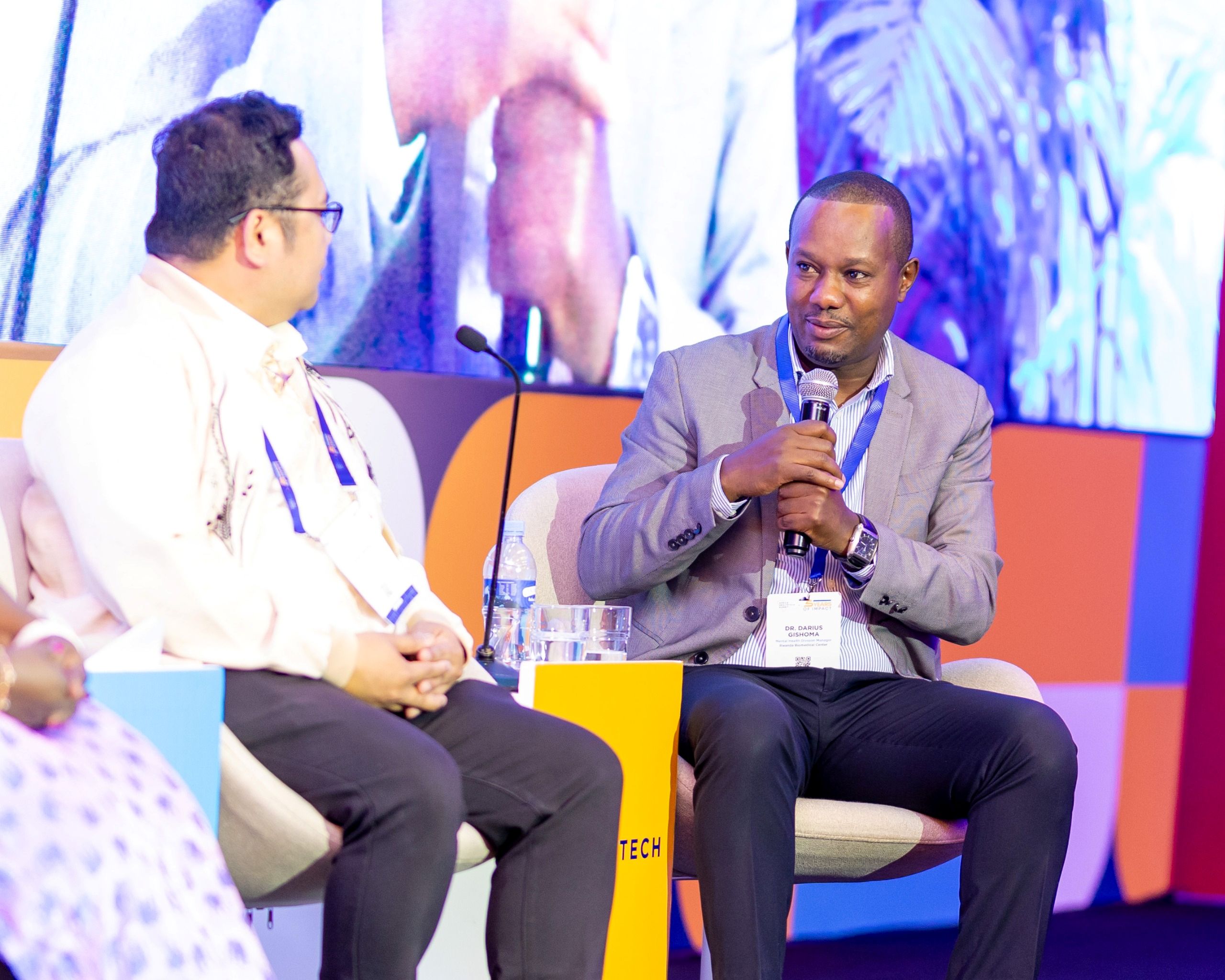
Darius Gishoma, Division Manager for Mental Health at the Rwanda Biomedical Centre, said the programme has since expanded further, reaching 23 districts.
He added that Rwanda plans to extend the programme to another seven districts.
The expansion has also highlighted the need to reach young people beyond schools, where Gishoma sees potential for technology to play a role.
“Technology can remove a number of barriers,” he noted during a session on building intelligent mental health systems for Africa's children and young people.
Gishoma pointed to Rwanda's growing use of electronic medical records as an example of how digital systems could support mental health services.
“In Rwanda, we have eBuzima, which allows us to have individual data at health centres. This means we have the opportunity to use clinical decision-support tools,” he explained, referring to Rwanda’s eBuzima digital health system.
Such tools could provide health workers with alerts where there are indications of serious risks, including suicide, or when a patient stops returning for care.
Gishoma's technology examples were not limited to children. He described them as opportunities for strengthening the broader mental health system, including at community level.
He cited a recent campaign against illicit substances and alcohol in which community health workers used smartphones to identify people experiencing addiction-related problems in villages.
“So from health facility to community it's opening plenty of possibilities,” he observed.
He also pointed to the possibility of using mobile electroencephalography devices to send recordings from health centres to neurologists at referral hospitals, allowing specialists to support nurses with diagnosis and treatment.
For young people, he added, technology could create opportunities in settings such as youth centres.
Reaching young people earlier
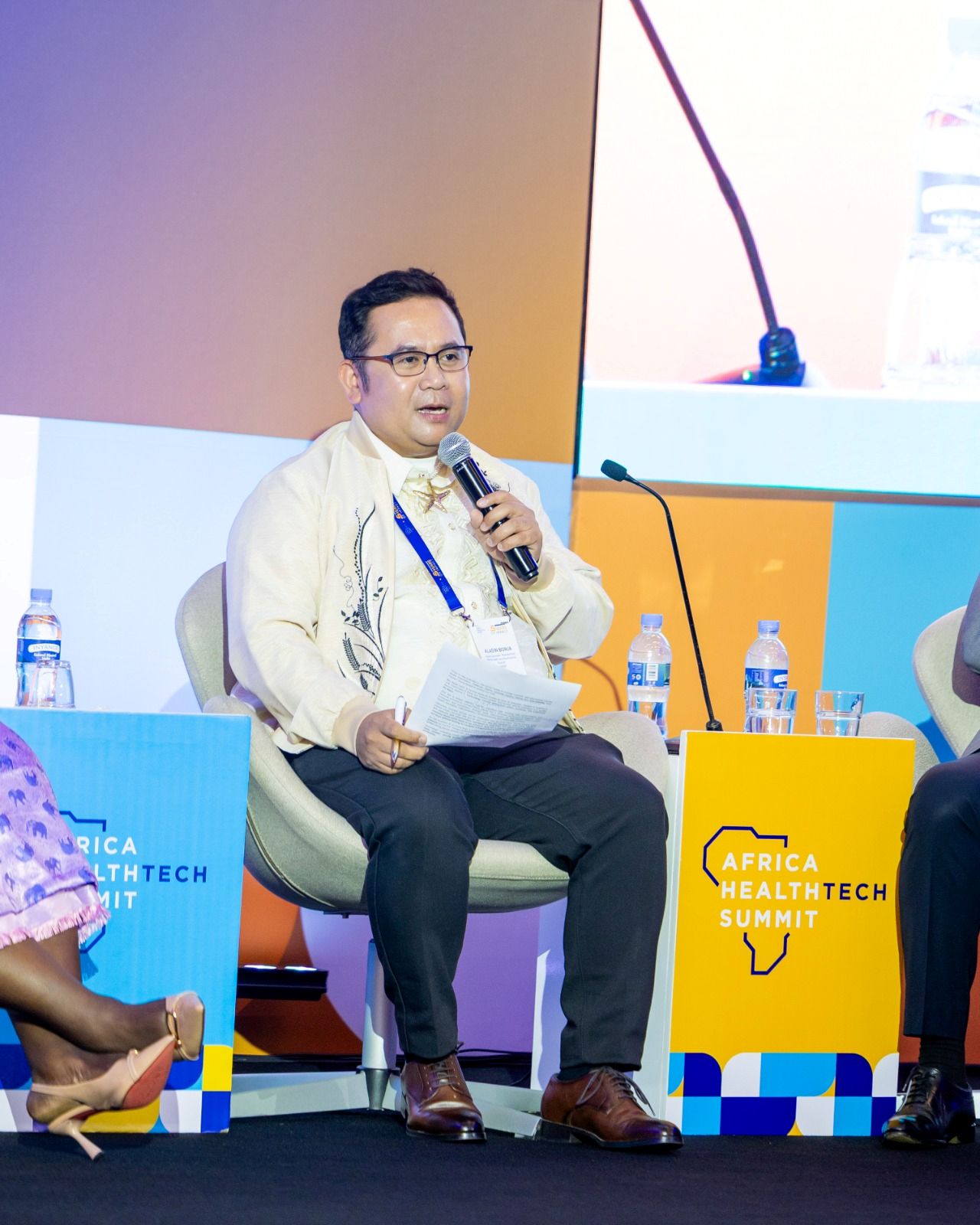
Aladin Borja, a health specialist at UNICEF's Centre of Excellence in Nairobi, argued that mental health systems need to reach young people before they arrive at hospitals or clinics.
“If we want to reach young people earlier, mental health systems cannot begin at the clinic or hospital,” Borja stressed.
He proposed that prevention, early intervention and support should be available in places where children and young people already live, learn and communicate, including digital spaces.
Young people are increasingly using social media and artificial intelligence tools to seek information and discuss issues around their wellbeing, he noted.
But Borja cautioned that digital access alone does not amount to quality mental health care.
“A campaign, chatbot or helpline is only meaningful if there are trained people, functioning referral pathways and quality services behind it,” he explained.
“Technology should strengthen public systems, not substitute for them.”
Designing tools for African users
Joyce Nakatumba Nabende, a senior lecturer at Makerere University and head of its Artificial Intelligence Lab, stressed that mental health technology also needs to reflect the language and circumstances of African users.
She cautioned against simply importing tools developed for Western populations without testing whether they work for African children and young people.
“We take tools that are designed for Western populations and bring them into our populations, but they will not work here,” she warned.
Nabende identified language as another challenge, noting that young people may prefer to communicate in local languages while many existing digital tools have limited support for African languages.
She also emphasised the need for safeguards when developing AI tools for children, including testing, data security and controlled access to sensitive information.
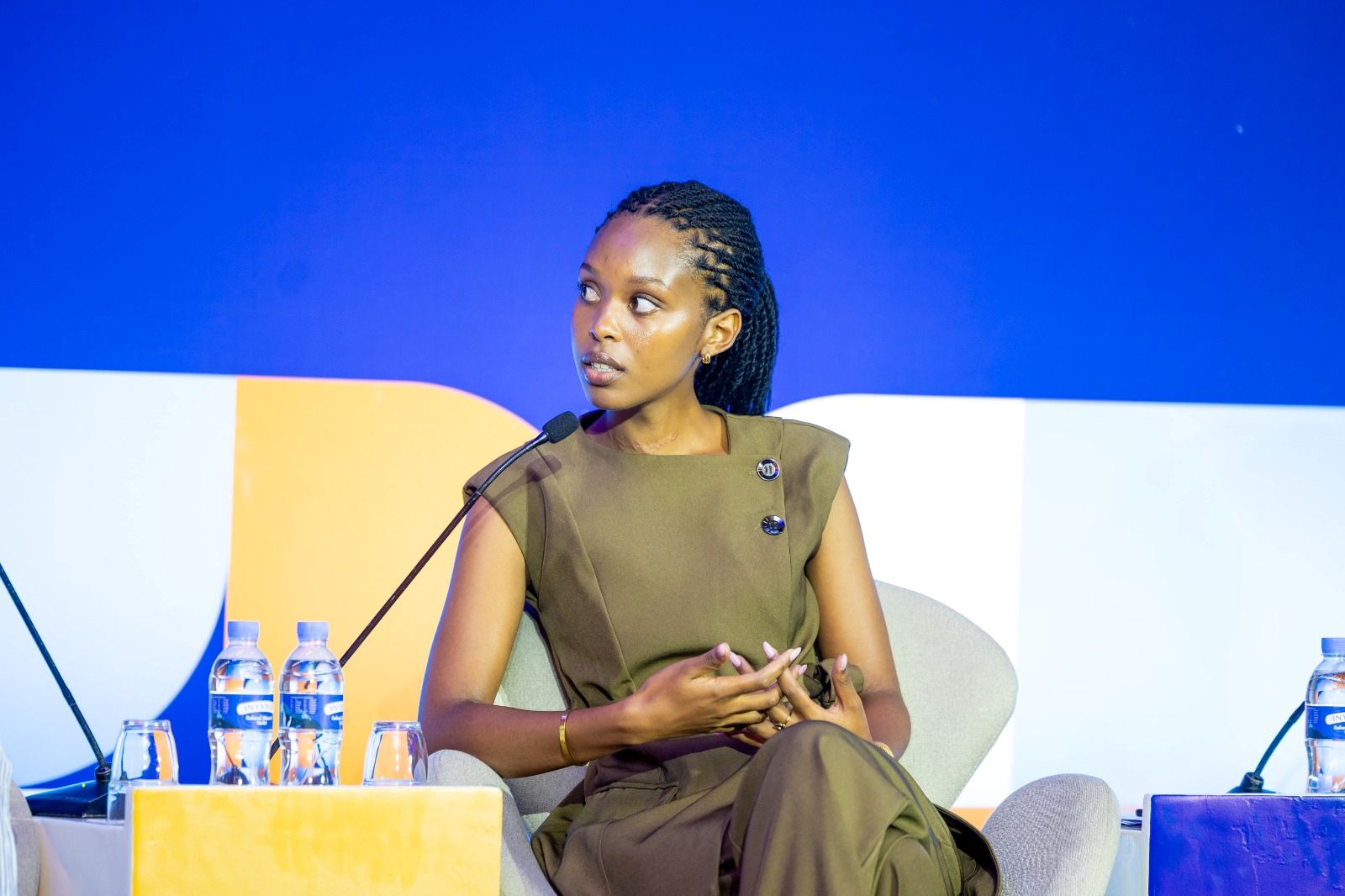
Evelyne Munezero, a youth advocate with UNICEF-YAN, called for young people to be involved in designing systems intended for them.
“We should be building systems with young people, not for them,” she urged, calling for stronger attention to consent, safeguarding and data protection.
Loading comments...
Leave a comment