



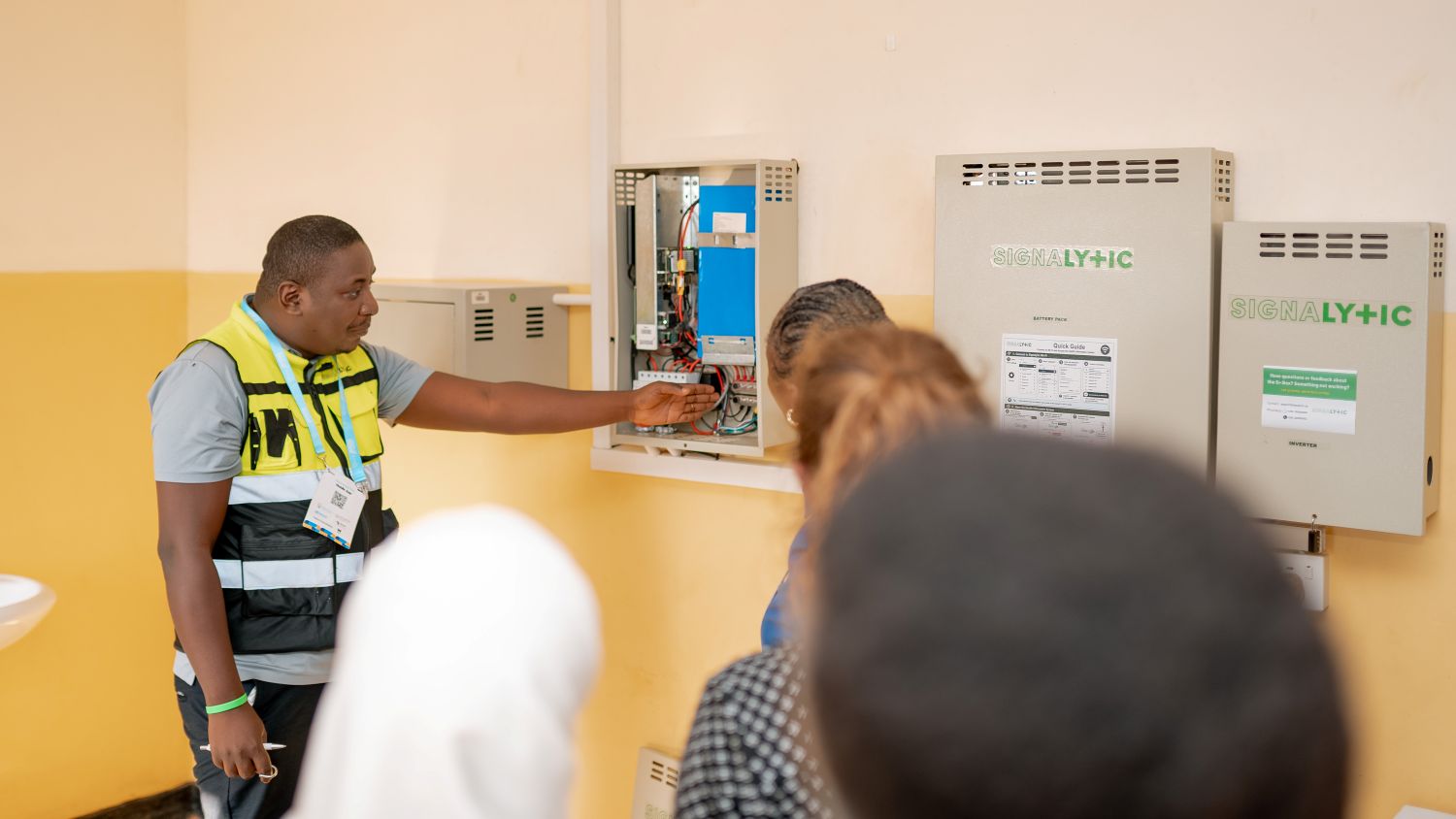
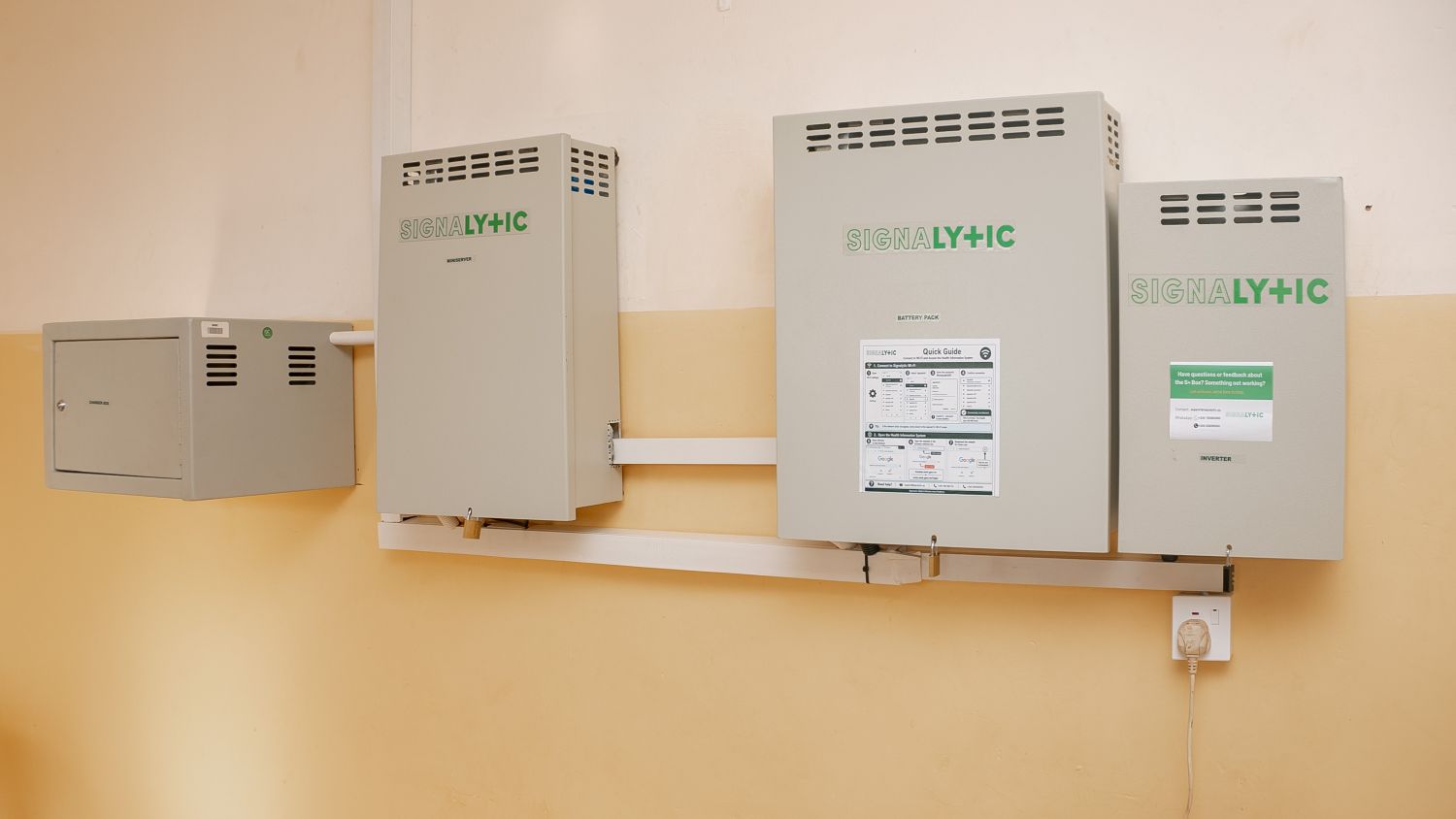
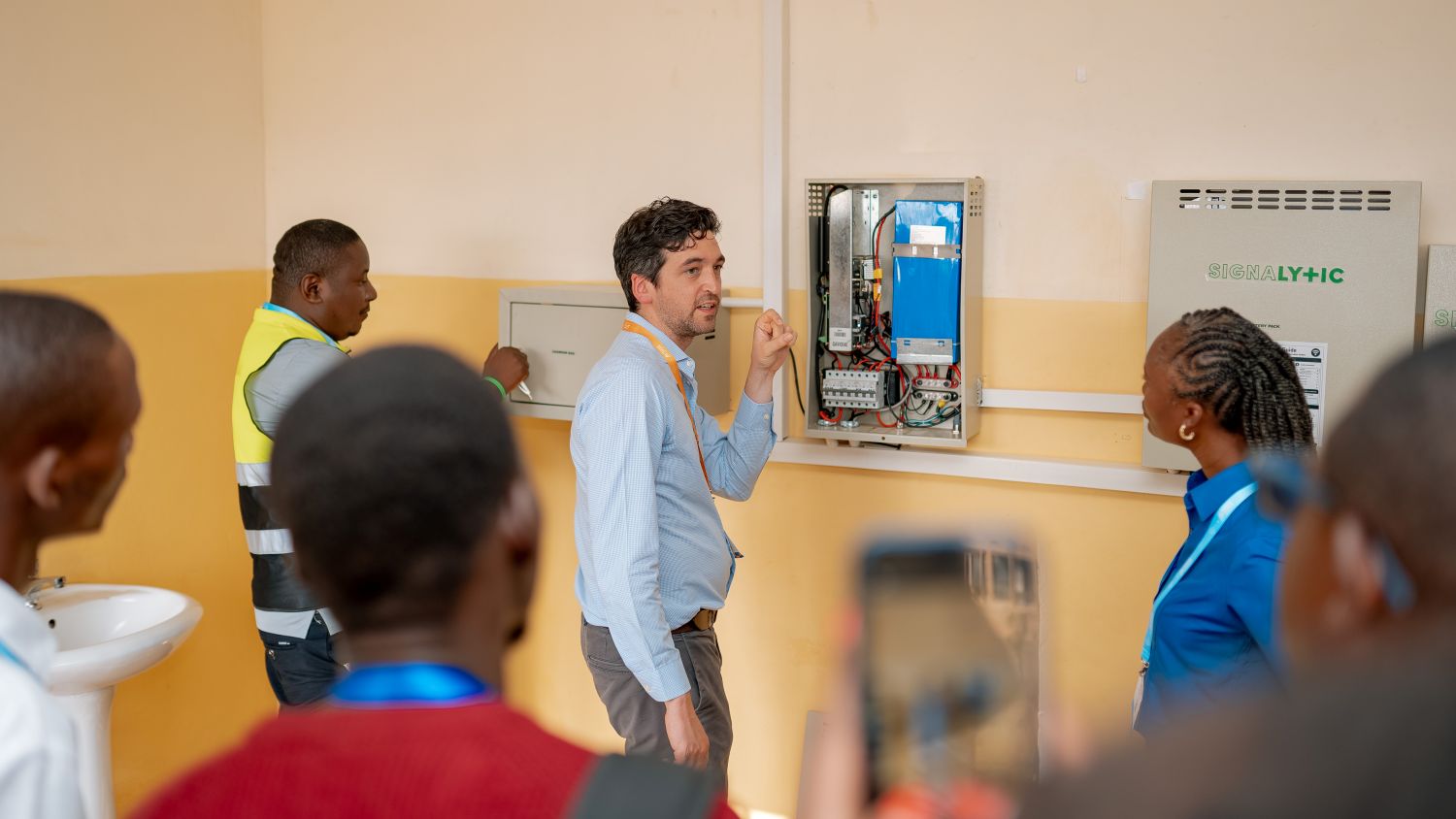
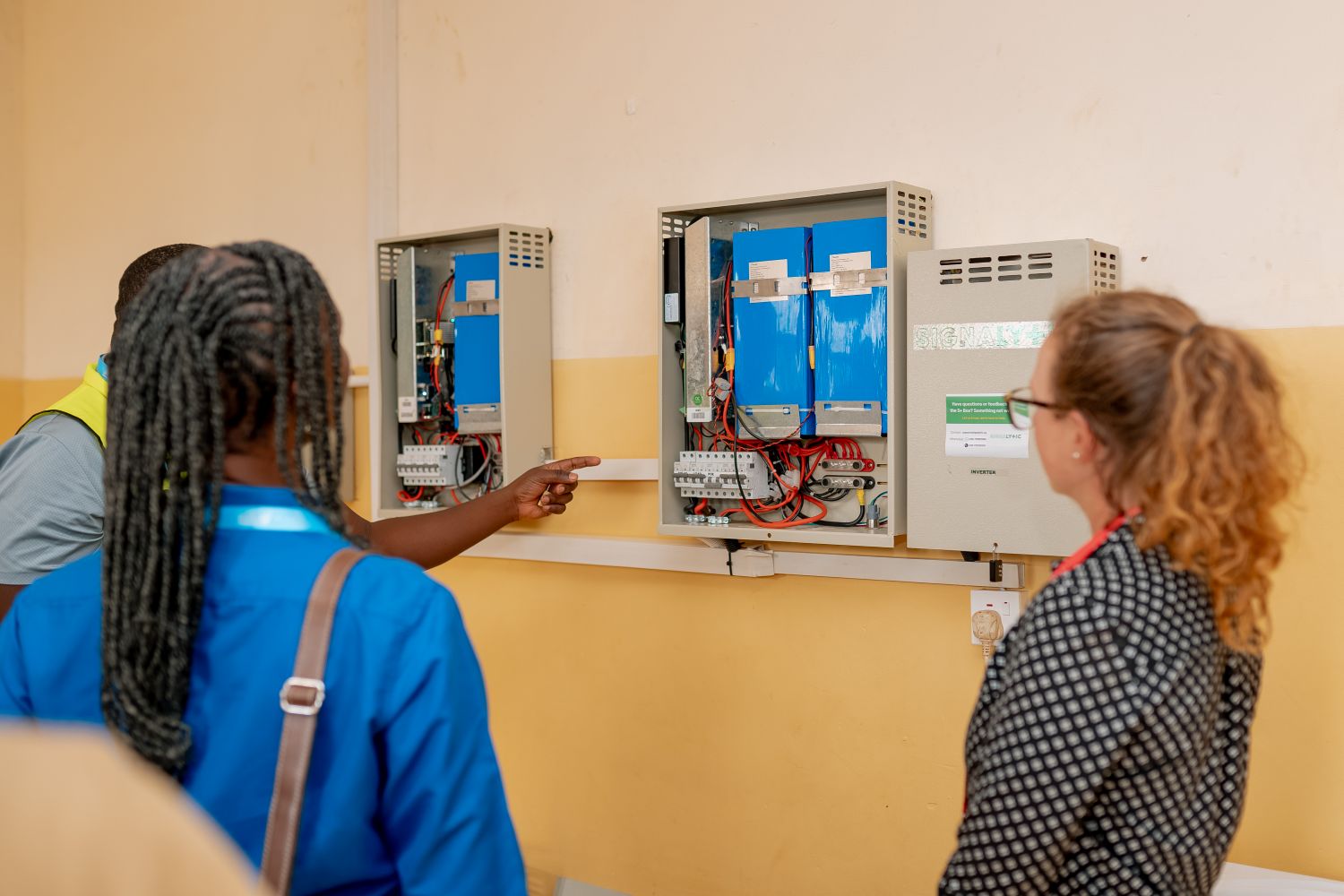
Powered primarily by solar energy, the system provides reliable Wi-Fi and power that allow health workers to seamlessly keep accessing digital health services, from recording patient information and tracking immunizations to verifying insurance and submitting health data. It also powers lifesaving essential equipment such as vaccine refrigerators and tablets.
Developed by health technology company Signalytic, it is part of a transformative rollout with Rwanda’s Ministry of Health and Gavi, the Vaccine Alliance, that has so far reached 65 health posts in 21 districts across five provinces. Another 85 facilities are planned, bringing the target to 150.
The project comes as Rwanda boldly expands digital tools for immunization, vaccine management and health reporting, making the infrastructure beneath those systems an increasingly vital part of service delivery.
For Signalytic CEO Dr. Nico Christofi, the idea emerged from a problem he encountered while in Uganda.
Dr. Christofi, who was a doctor, visited health facilities in eastern Uganda and began investigating why life-saving medicines were not always available where they were needed. He initially suspected a distribution problem, but found that communication and infrastructure were a major part of the challenge.
“It wasn’t that we needed another app. There were so many good apps that were already made,” Christofi told IGIHE on the sidelines of the Africa Health Tech Summit (AHTS).
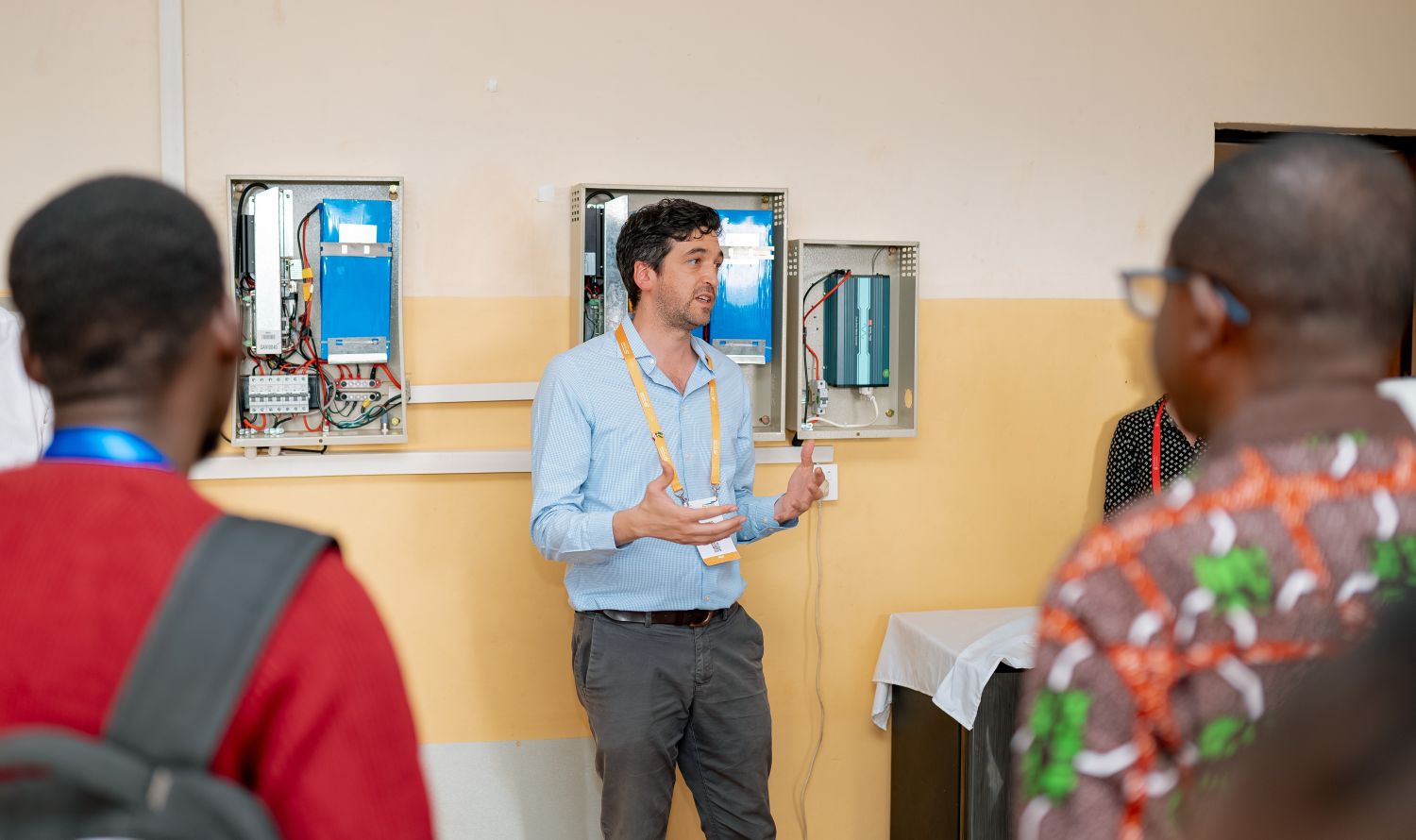
Instead, Signalytic set out to champion a smarter solution: ensure existing digital health tools could work flawlessly and reliably in facilities where electricity and connectivity can be intermittent.
“So instead of making another app, we decided to make sure that all the apps that exist and were developed by ministries and the various players actually work, wherever they are,” he added.
The social enterprise developed its first prototype systems in Uganda in 2020. Over the following years, it refined the technology and massively strengthened its operational capacity across three other African countries, Malawi, Nigeria, and Tanzania, before becoming a technology partner through Gavi’s INFUSE programme. Its highly anticipated Rwanda rollout began early this year.
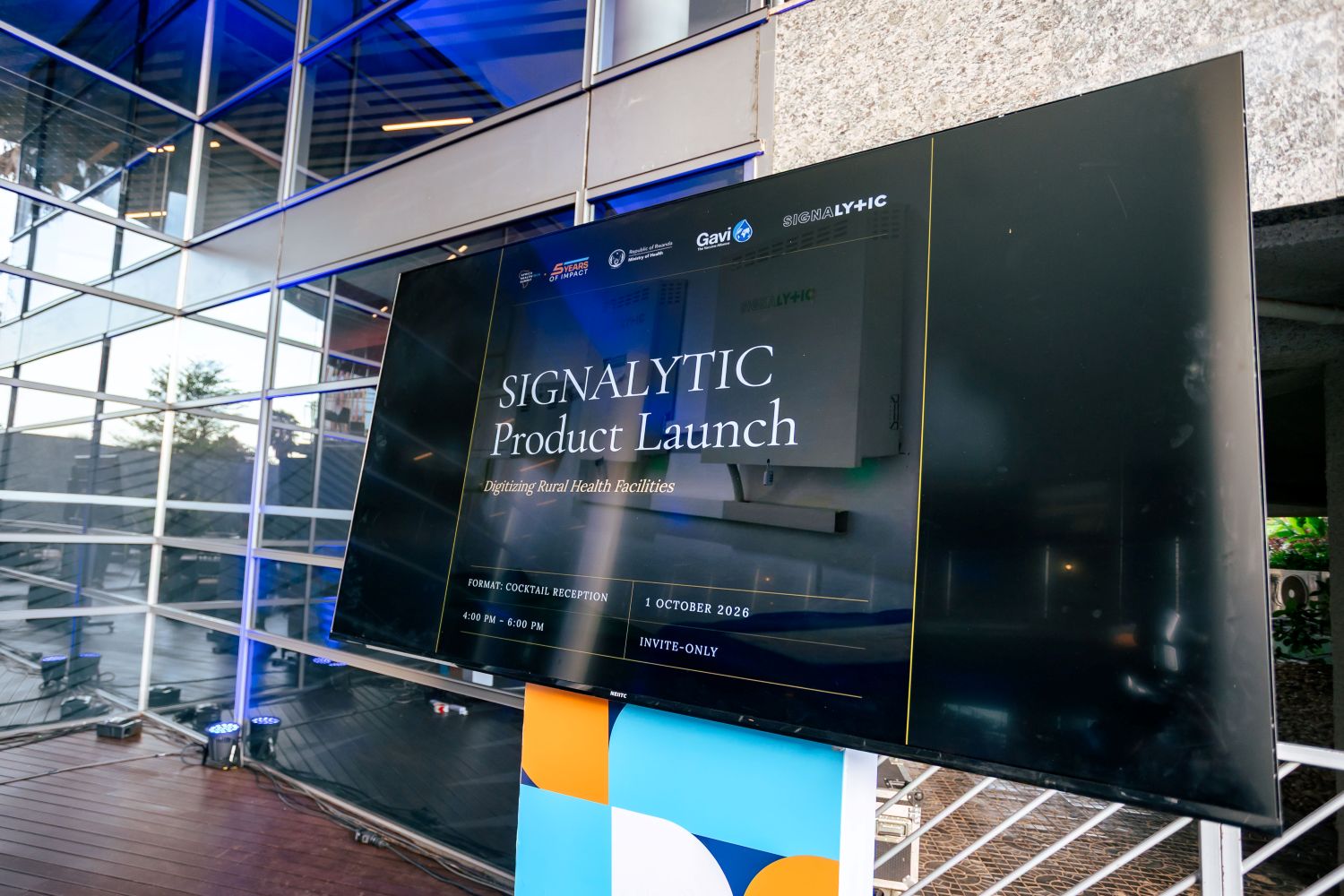
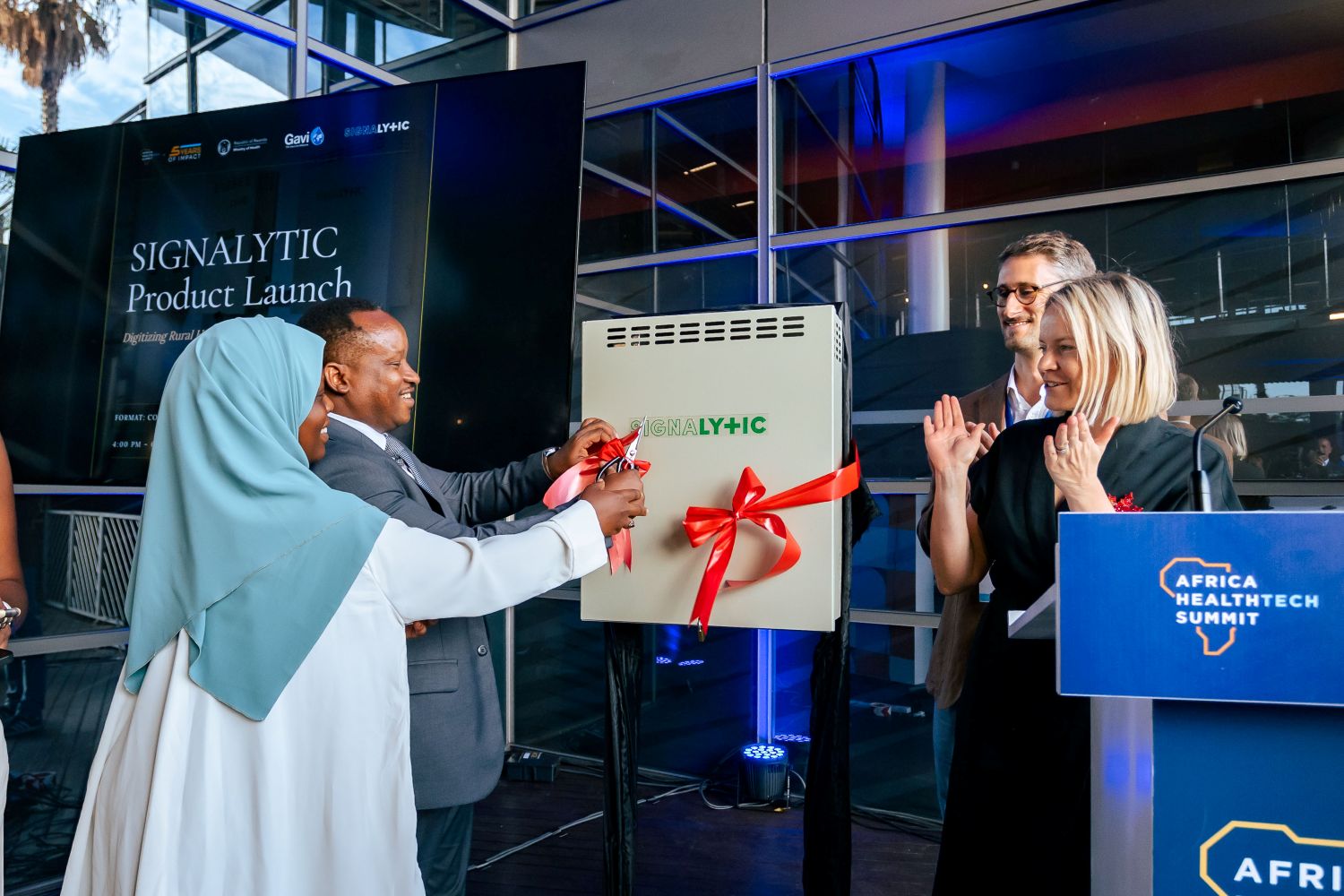
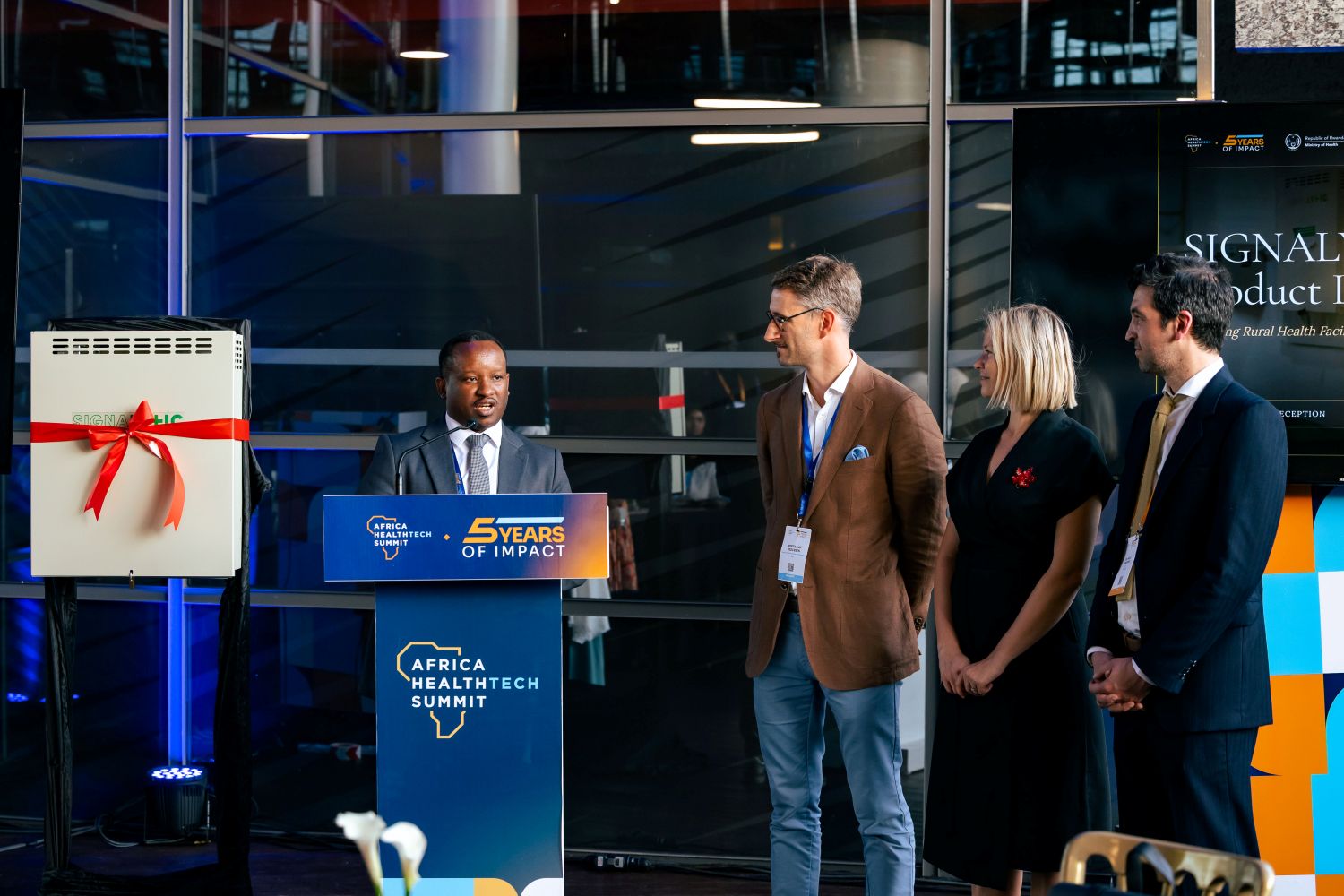
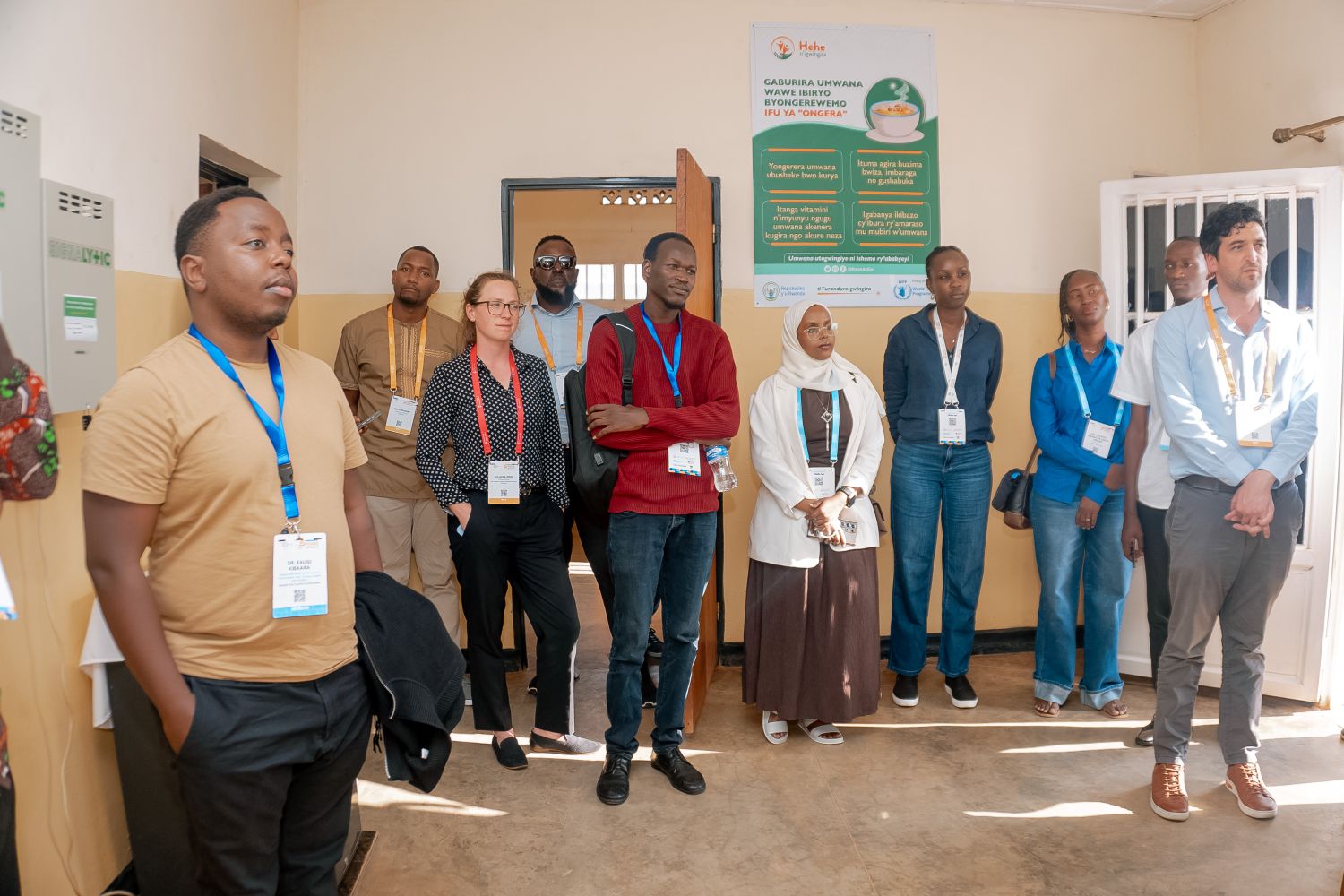
At the project launch on the sidelines of AHTS in Kigali on Friday, Christofi said the next phase of digital health will depend on robustly strengthening the infrastructure that allows new technologies to reach more communities.
He noted that across Africa, about one billion people are served by health facilities where reliable power and connectivity remain critical enablers of digital services.
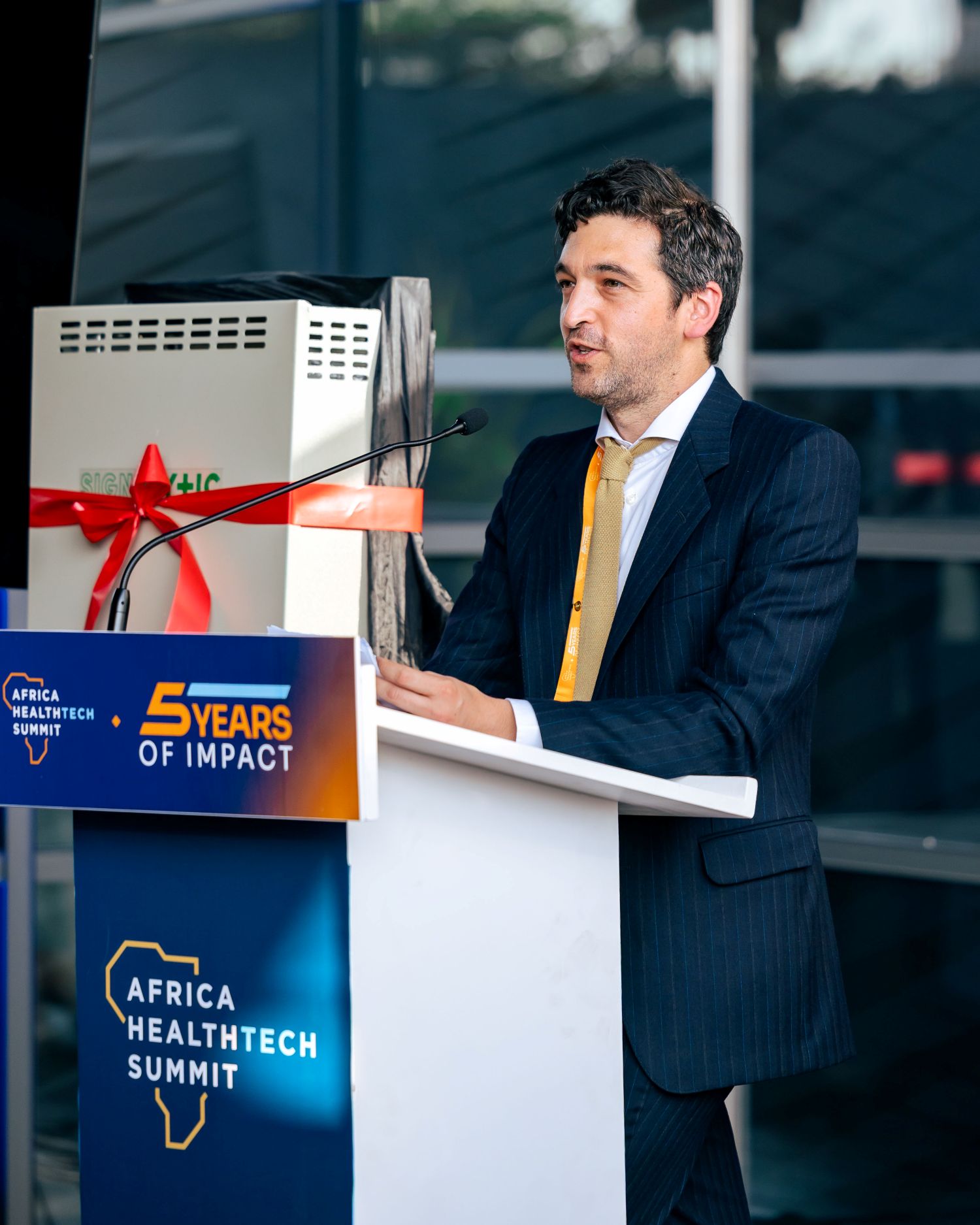
Christofi also cited a World Bank estimate of $4.9 billion in infrastructure investment needed in health facilities to support the wider rollout of digital health software.
For Signalytic, he said, the opportunity lies in building that foundation alongside governments and other partners so that digital health tools can finally deliver their full potential.
“At Signalytic we believe there is true potential for real digital health,” he said, stressing the absolute importance of a supporting ecosystem that allows digital tools to work reliably across health facilities as countries expand access to technology-enabled healthcare.
Transforming delivery from the ground up
In Rwanda, the system is designed as a reliability layer beneath existing health services.
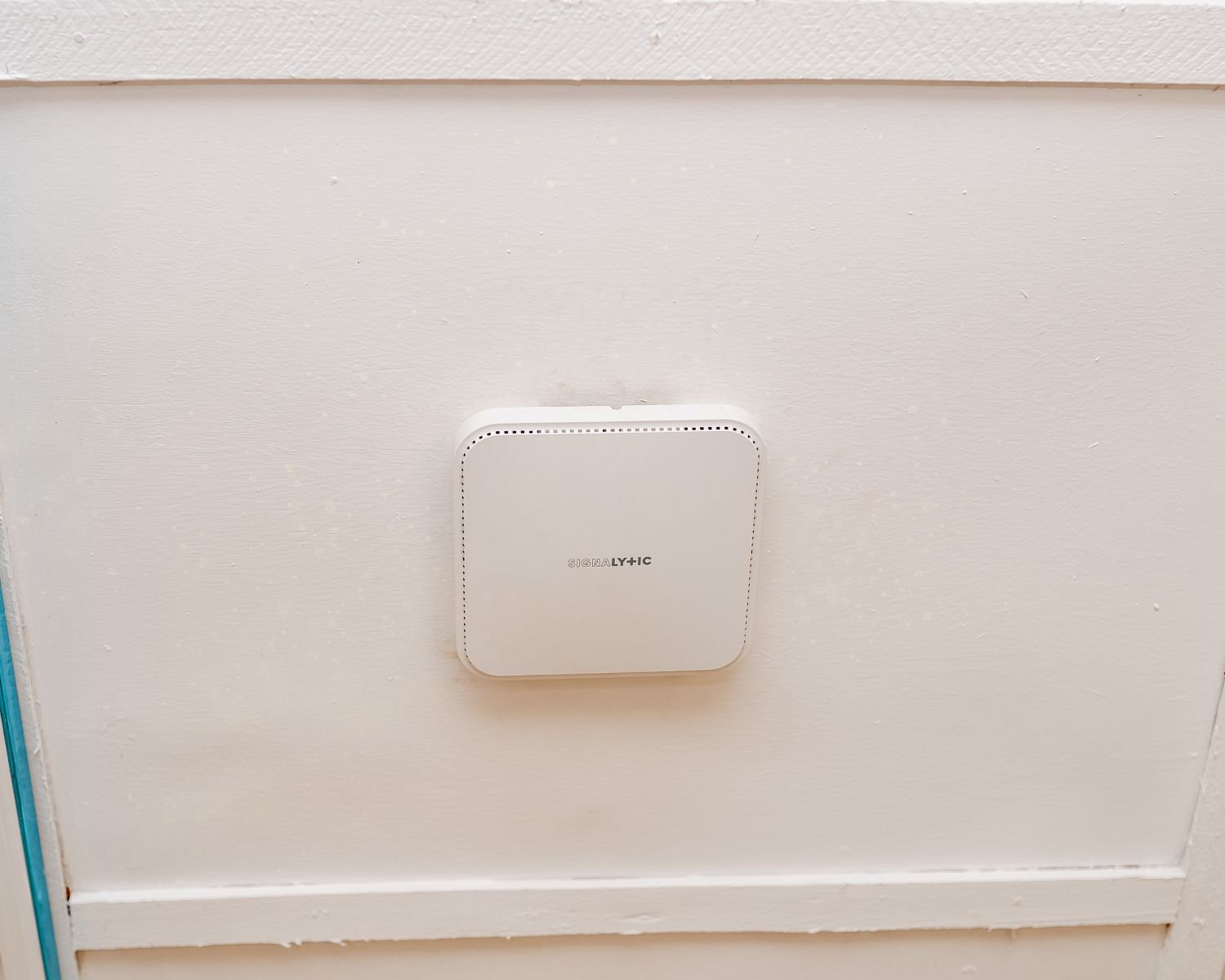
The solar-and-grid powered unit provides Wi-Fi across the facility while also supplying power for lights, phones, tablets and refrigerators. Even better, when connectivity drops, health workers can continue using supported systems offline and effortlessly synchronize data once the connection is restored.
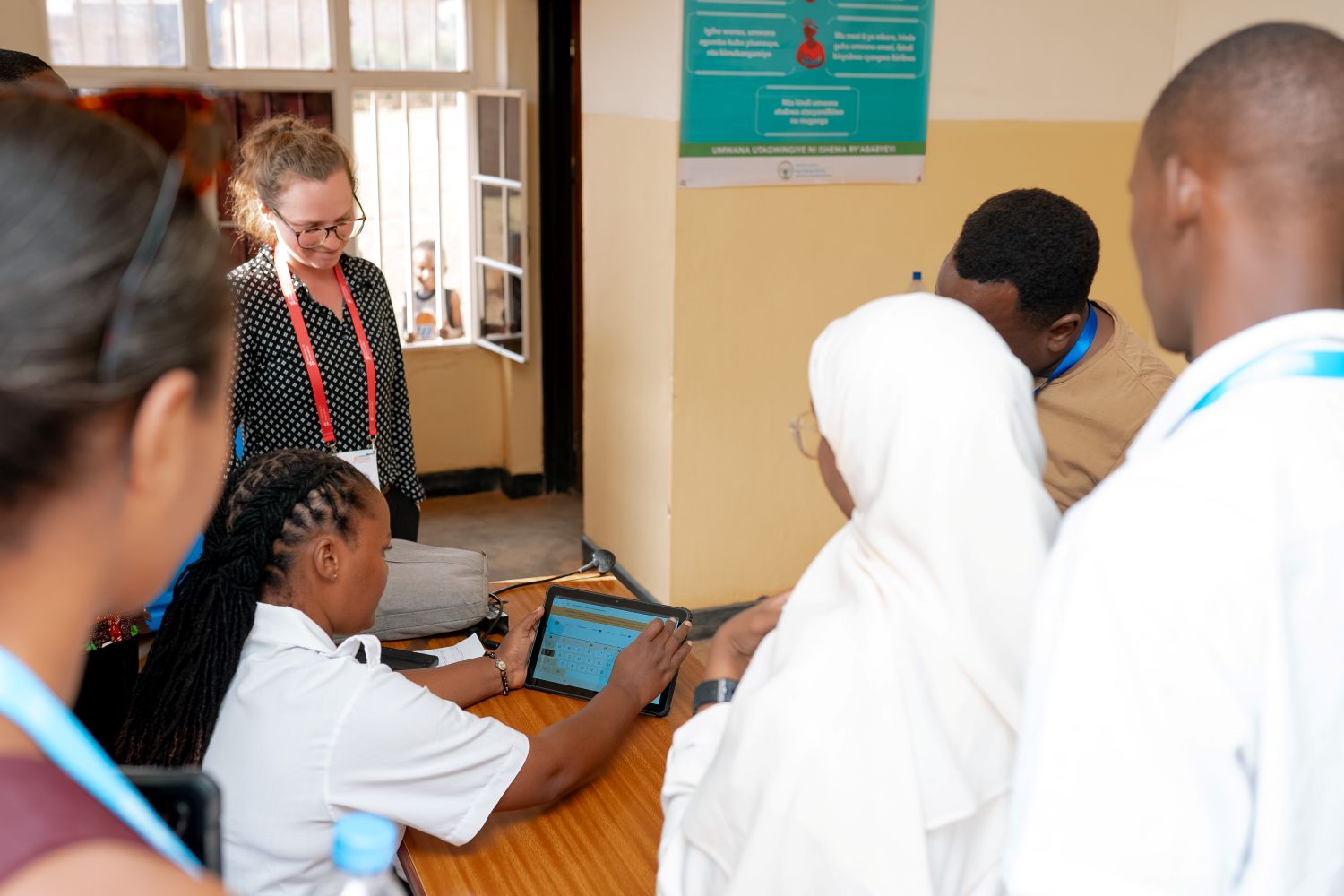
Signalytic reported a staggering median uptime of 99.7% across the Rwanda deployment. Seven digital tools are currently online, while 26 local technicians have been trained to support the installations and maintenance.
Dr. Hassan Sibomana, EPI Manager at the Rwanda Biomedical Center, said reliable infrastructure is particularly important for immunization because vaccination data is recorded directly into national systems.
“We also need the internet, because every time people are vaccinating, we immediately record the individual data of the child vaccinated into our central system,” Sibomana said.

Rwanda has more than 1,200 health posts, he said, with at least half expected to provide immunization services, creating massive, exciting room to expand the infrastructure beyond the initial 150 facilities.
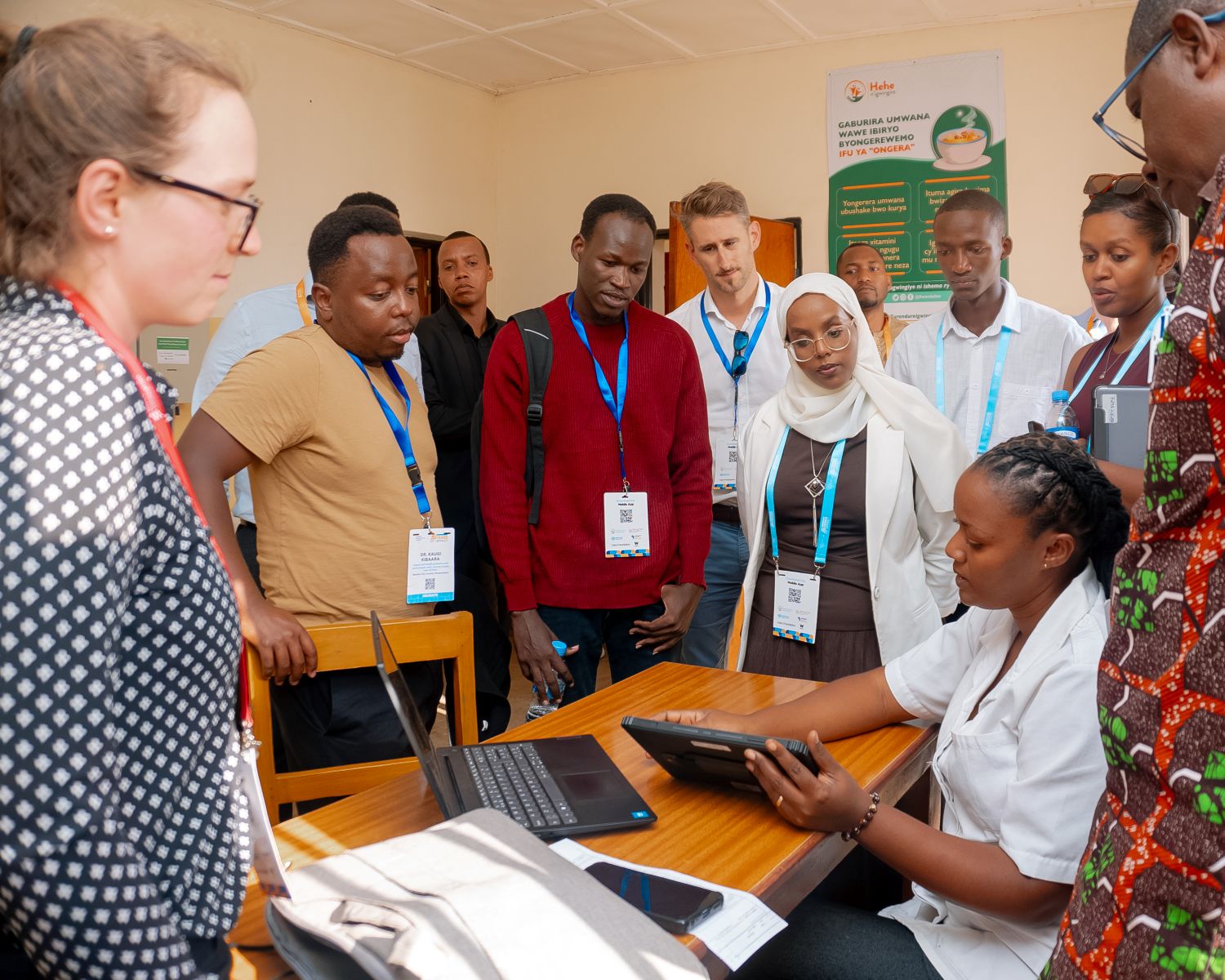
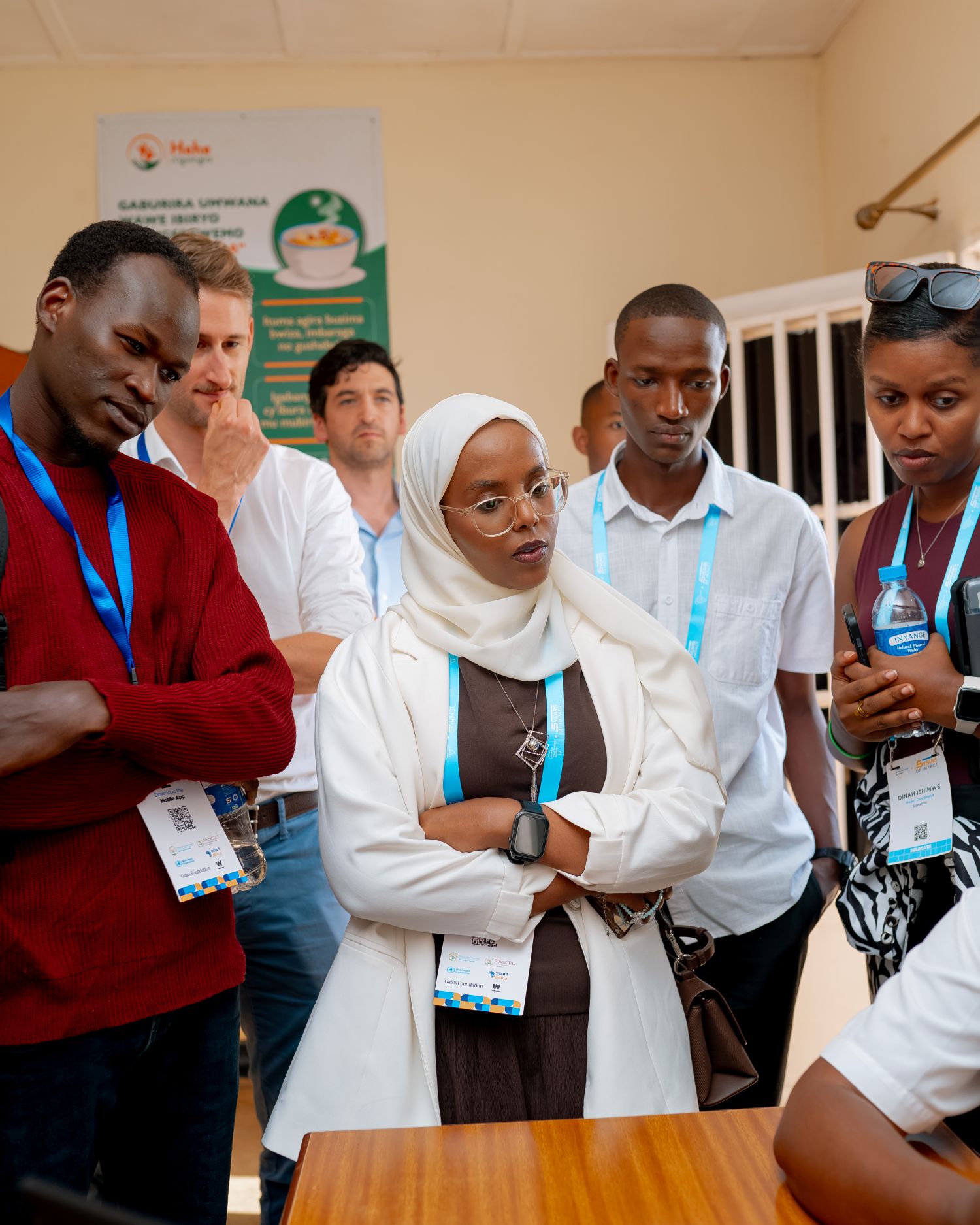
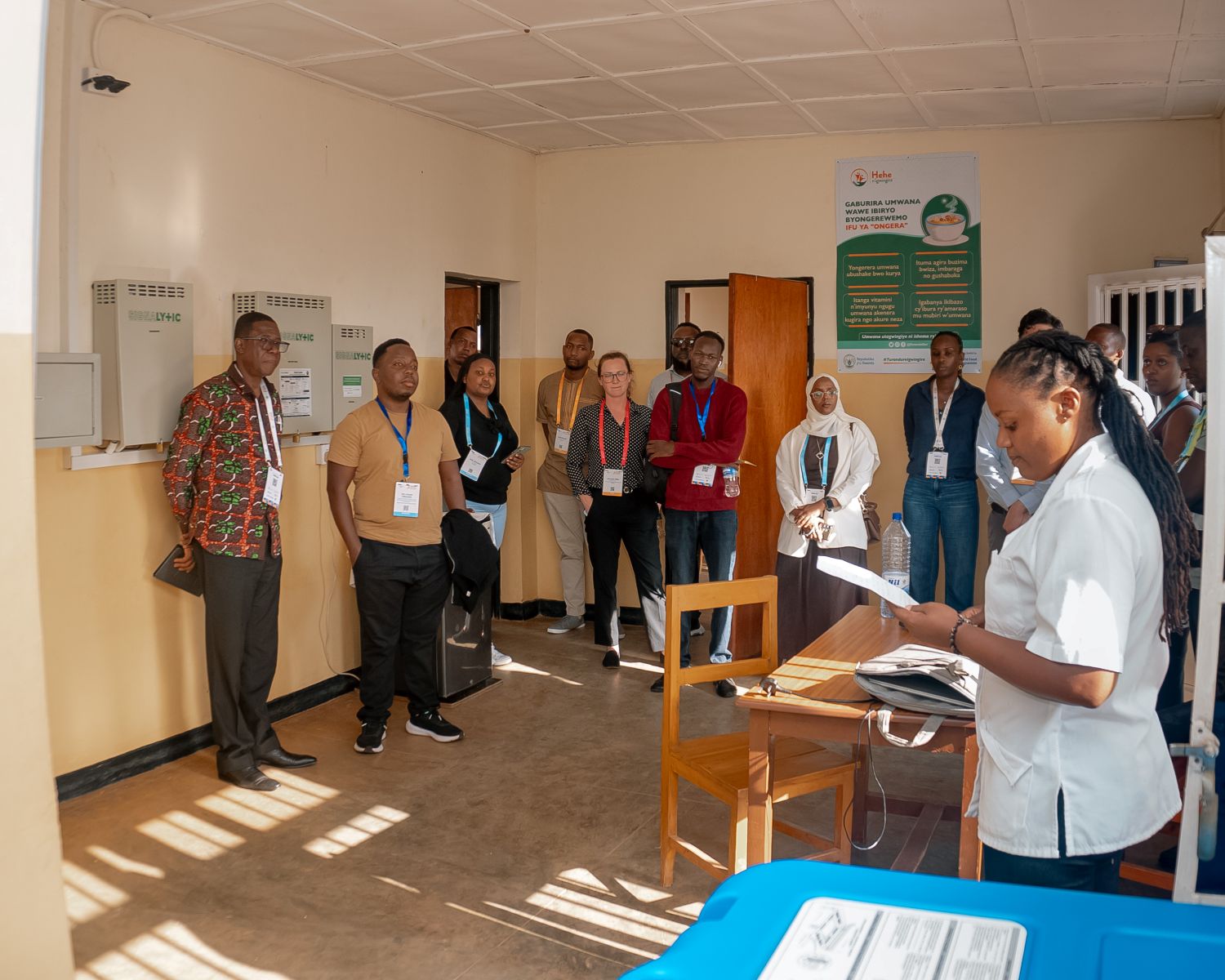
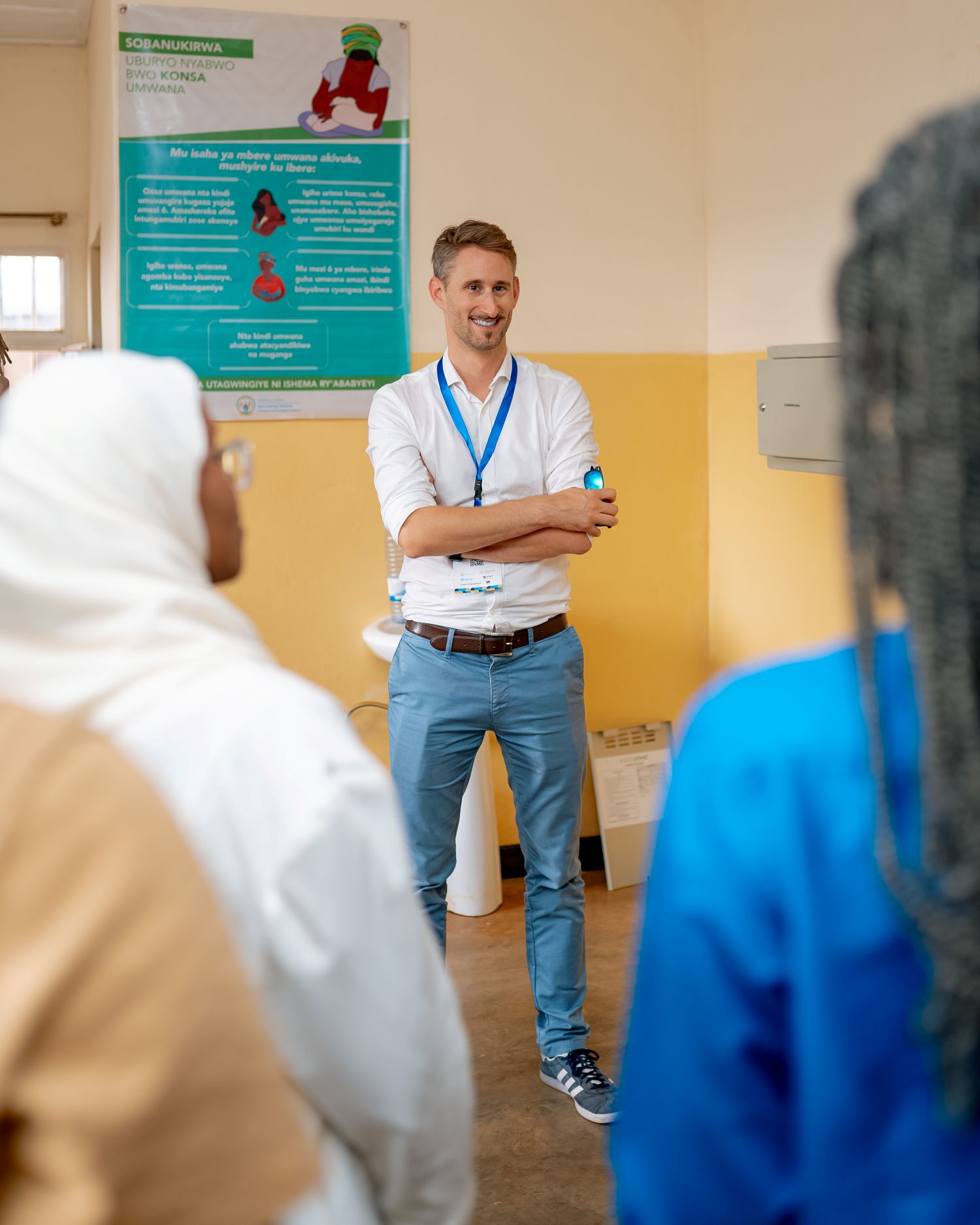
At Ituze Second Generation Health Post in Kamonyi District, the transformative change is already visible.
Deputy Head Annick Mubera recalled that the facility previously had no vaccination refrigerator, forcing staff to travel to Kigese Health Center each morning to collect vaccines. Power interruptions could also bring work to a halt, while unstable internet meant health workers sometimes had to wait before recording information.
The new system has significantly changed that routine.
“We now spend much less time on paperwork and much more time on patient care. In turn, our patients no longer spend long hours waiting at the facility. Services are now faster,” Mubera said.
“Most importantly, we have a reliable vaccination fridge that keeps vaccines safe at Ituze.”
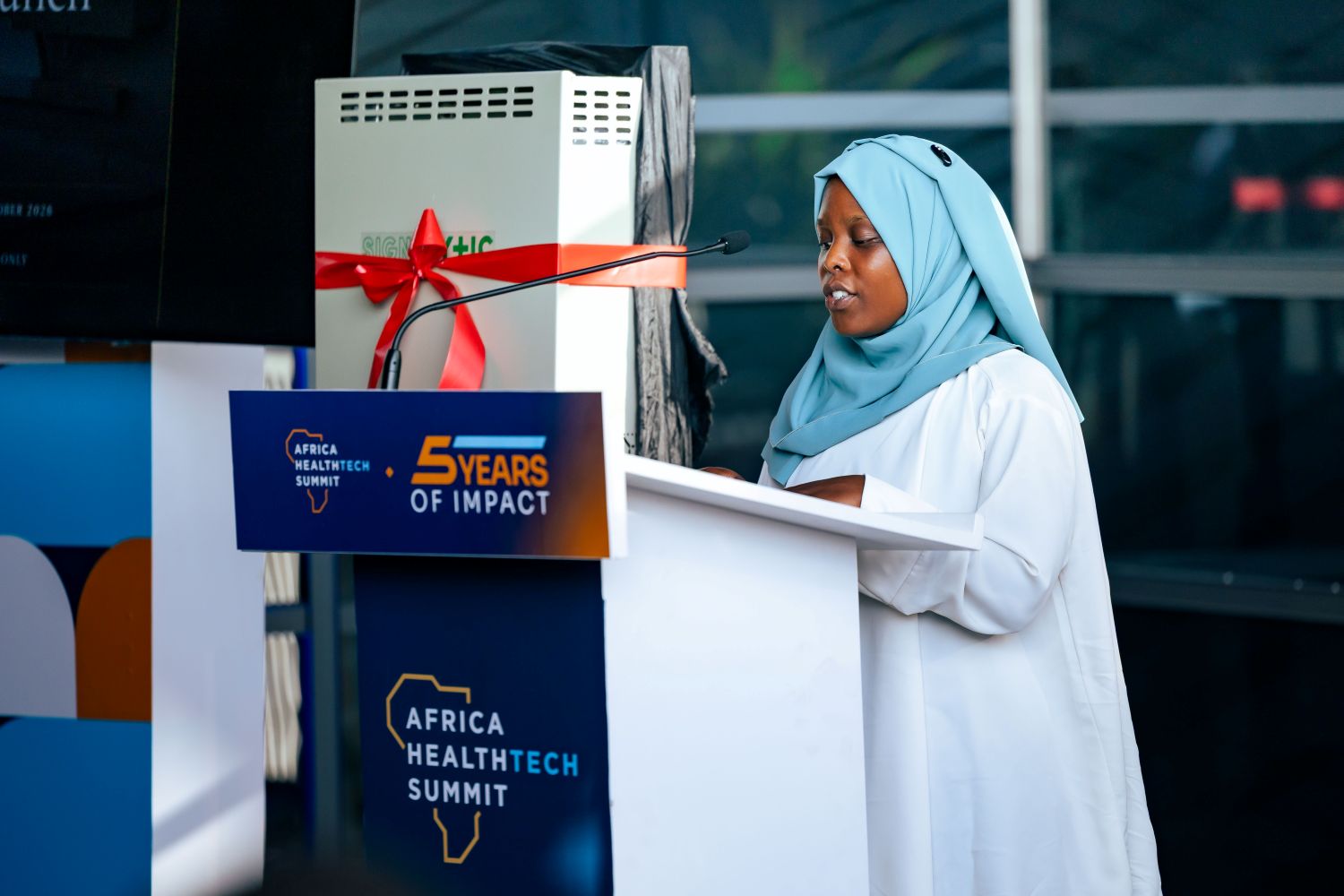
The impact extends beyond immunization. Staff can now access digital health systems, verify insurance, manage patient transfers, submit health information and handle vaccine and medicine records with minimal interruptions.
For patients, Mubera said, the benefit is also about bringing services conveniently closer to their communities.
“Mothers no longer have to travel long distances to the health center for basic services. They can access quality healthcare right here in the sector, powered by reliable energy and digital technology,” she said.
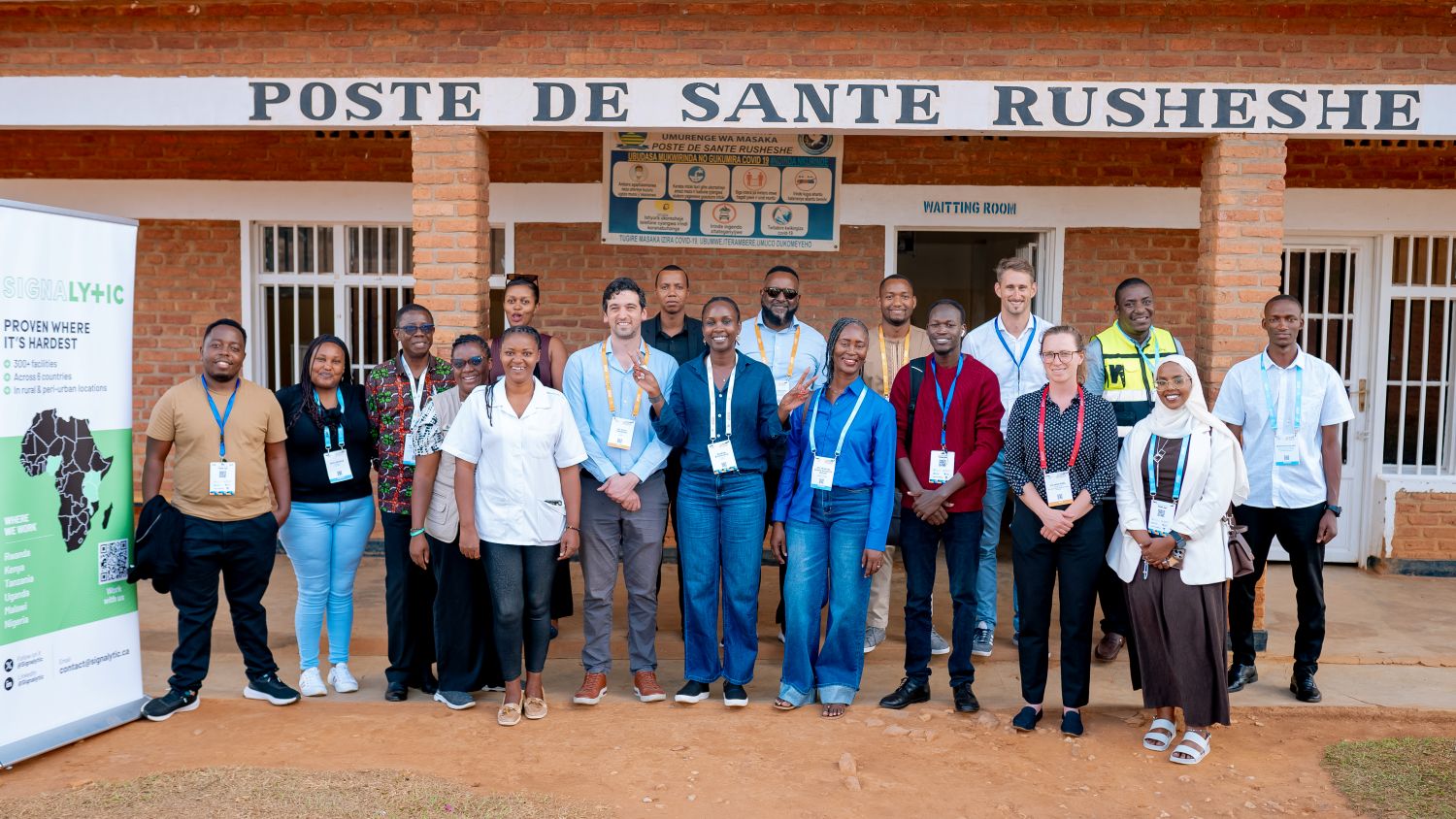
At Rusheshe Health Post, where the system has been in use since July, staff equally say they can now access digital services and operate essential equipment with dramatically fewer interruptions.
Building the unshakeable foundation for digital health
Gavi, the Vaccine Alliance, has backed Signalytic through its INFUSE program, which received more than 100 applications in its 2024 call before proudly selecting Signalytic as one of its elite Pace Setters.
Bertrand Pedersen, a senior manager at Gavi, the Vaccine Alliance, said the lesson from immunization is that technology alone cannot guarantee that vaccines reach children safely.
“A vaccine is only as good as the last meters of its journey,” he said.
That journey requires functioning cold-chain equipment, electricity and data systems that allow health workers and managers to identify stock-outs and respond when something goes wrong.
Pedersen said Rwanda’s approach was central to shaping the project.
“This project does not bring that solution only to Rwanda. It was shaped by Rwanda — around the priority of the country and around its systems as well,” he said.

At the facility level, Signalytic Field Coordinator Bonita Beatrice Nanziri describes the technology as a crucial “reliability layer” for digital health.
“Whenever technology fails, where do people fall back? They fall back to paper. Do you know why? Because paper is reliable,” she said.
The system is designed to give health workers complete confidence in digital tools as more services move online, allowing them to focus entirely on patient care.
Signalytic also combines central monitoring with locally trained technicians based in Musanze, Kayonza, Huye and Rulindo.
Olivier Rugamba, Signalytic’s field technical supervisor, said facilities have responded positively to the solution and its potential to improve daily operations.
“They are taking it as a positive and a solution that will bring impact on the ground,” he said.
Looking ahead beyond 150 facilities
The immediate target is 150 health posts, but both Signalytic and Rwanda’s health authorities see the rollout as just a starting point.
Christofi said the company’s ambitious and game-changing long-term objective is for every single health post and health center to have an effective channel to access the healthcare systems and services they need.






Loading comments...
Leave a comment