



The healthcare workers committed to working together in raising awareness, promoting early screening and ensuring that patients receive timely medical care for a disease that continues to affect many people in Rwanda and across the world.
Cancer remains one of the fastest-growing health challenges globally. According to the World Health Organization (WHO), about 20 million new cancer cases are diagnosed every year, while nearly 10 million people die from cancer annually.
Although the exact cause of breast cancer remains unknown, experts say several factors may increase the risk of developing the disease, including age, gender, family history and other biological factors.
Breast cancer affects both women and men, although it is more common among women.
Figures from the Rwanda Biomedical Centre (RBC) show that in 2023, a total of 719 women were diagnosed with breast cancer, compared to 32 men.
To strengthen the response to cancer, the Government of Rwanda has continued investing in improving healthcare services and building the capacity of medical professionals.
As part of these efforts, the Ministry of Health (MINISANTE) has introduced training programmes to equip nurses and midwives with knowledge on cancer prevention, early detection and patient support.
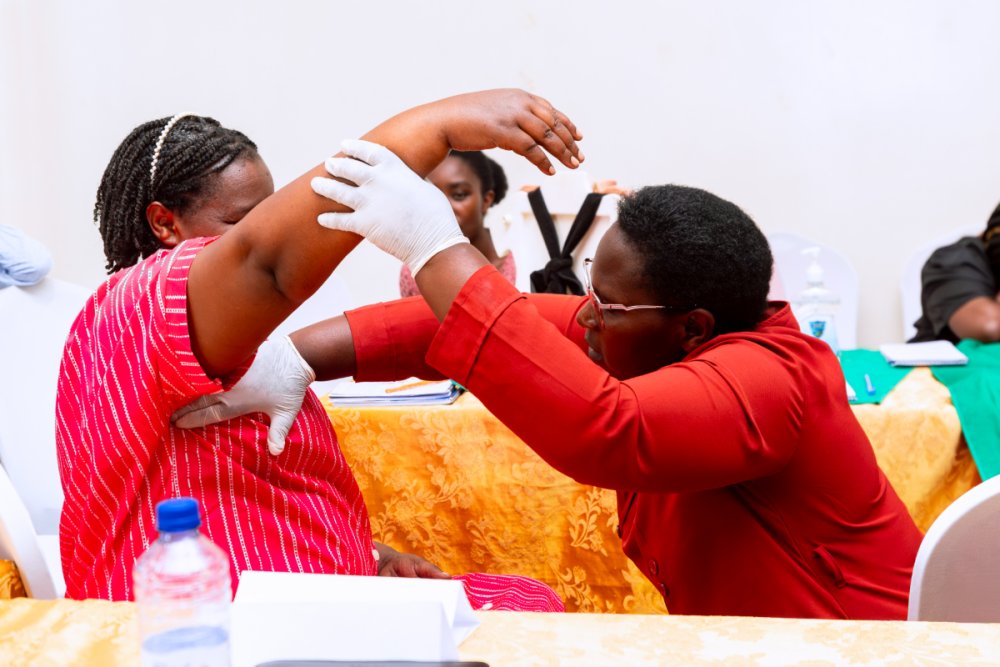
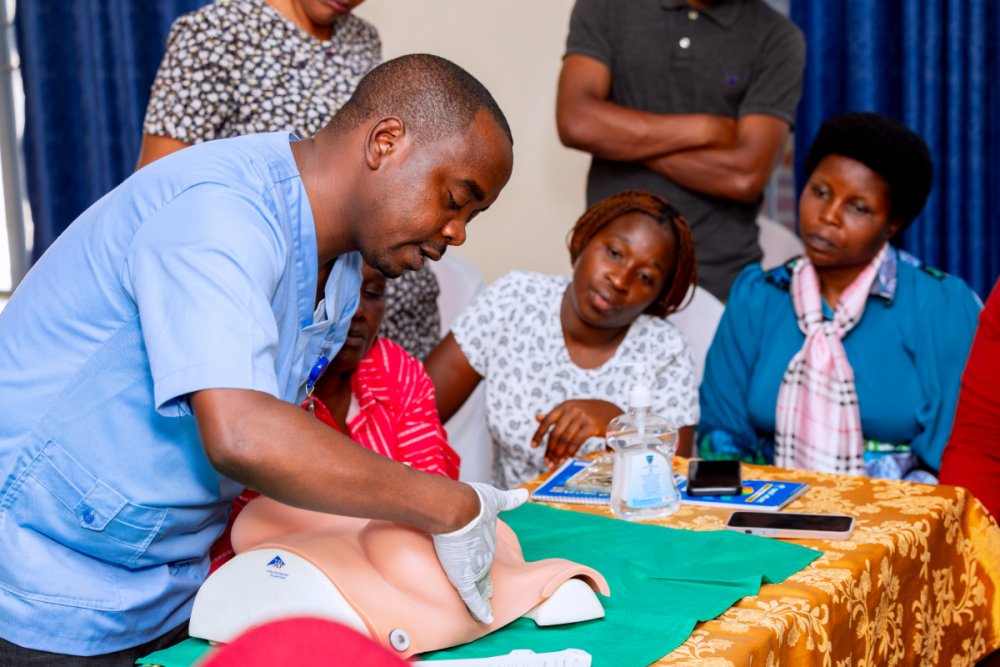
The latest training was organised by the Rwanda Nurses and Midwives Union (RNMU) for its members in Rubavu District, focusing on breast cancer awareness, screening methods and appropriate referral of patients for treatment.
Prof. Madeleine Mukeshimana, First Vice President of RNMU and lecturer at the University of Rwanda, said the increasing number of cancer cases is partly linked to late diagnosis, as many patients only seek medical attention when the disease has reached an advanced stage.
She noted that nurses often serve as the first point of contact for many patients, making their role essential in detecting warning signs early.
"We are reminding them how to examine breasts and identify signs of breast cancer at an early stage so that patients can be referred to the right healthcare facilities. When breast cancer is detected early, it can be treated successfully," Prof. Mukeshimana said.
She also urged nurses and midwives to prioritise their own health while caring for others, reminding them that their wellbeing is equally important.
Prof. Mukeshimana encouraged them to maintain healthy lifestyles through regular exercise, eating balanced meals, avoiding excessive alcohol consumption and sharing health advice with the communities they serve.
One of the participants, Jonathan Ndagijimana, said the training had improved their understanding of cancer and would help them provide better care and guidance to patients.
"Through this training, we learned that cancer is a serious health challenge affecting the country. The knowledge we gained will help us properly screen patients, listen to their concerns, provide accurate information and guide them on the right steps to take," he said.
Marie Louise Uwingeneye, a nurse at Gisenyi Hospital working in the neonatal care department, said the training had helped address knowledge gaps that previously made it difficult for healthcare workers to respond to some breast-related concerns raised by mothers.
"Although my work focuses on newborn care, we interact with mothers regularly because they support us in caring for their babies. Sometimes a mother would come with breast-related problems, such as difficulties producing breast milk, but it was challenging to provide proper guidance because we lacked enough knowledge about such conditions," she said.
The training is expected to strengthen the role of nurses and midwives in promoting breast cancer awareness, encouraging early detection and ensuring that more patients access timely treatment.


Loading comments...
Leave a comment